



What Is a 200HP DC Motor? Key Specs and Industrial Uses
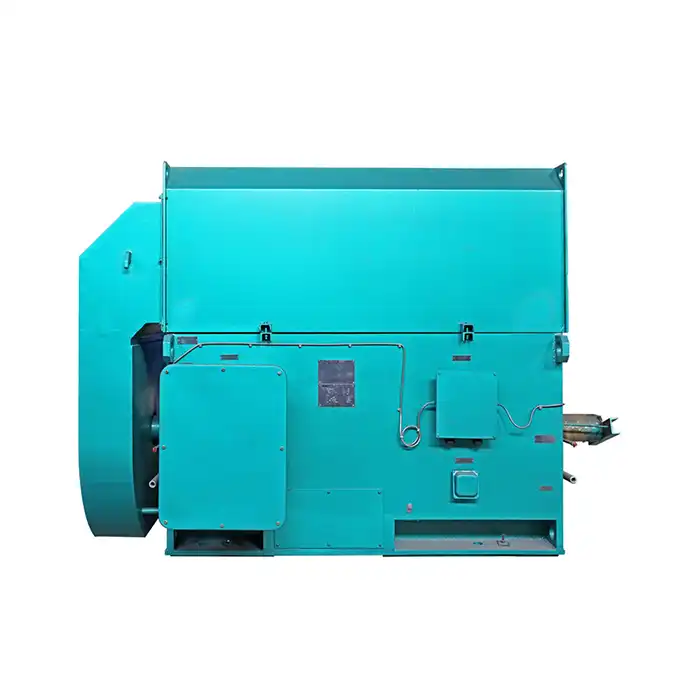
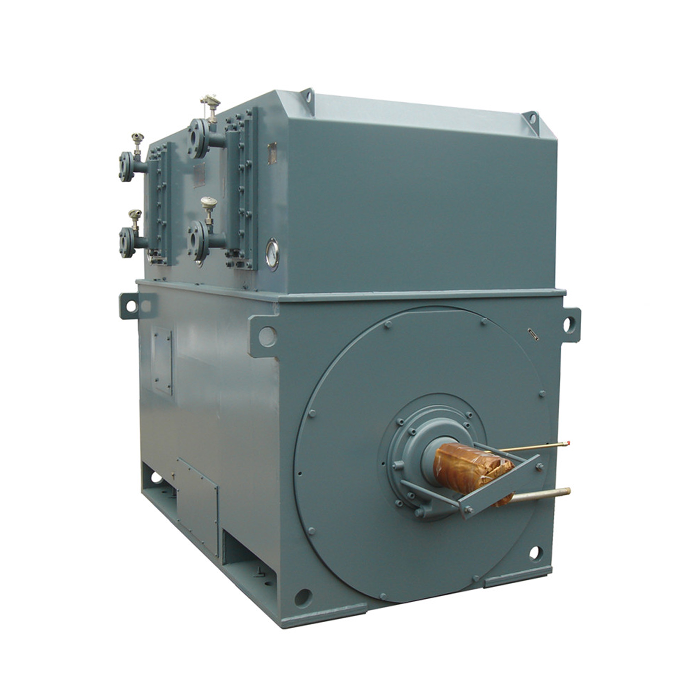
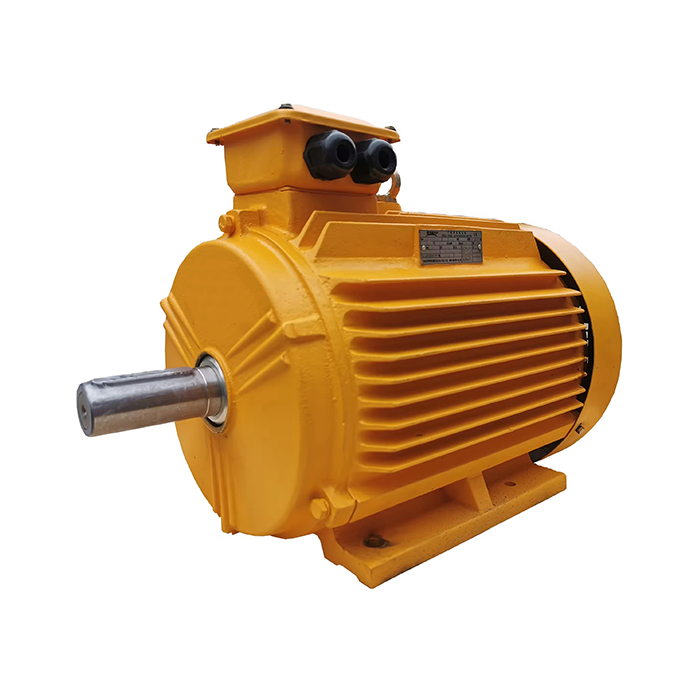
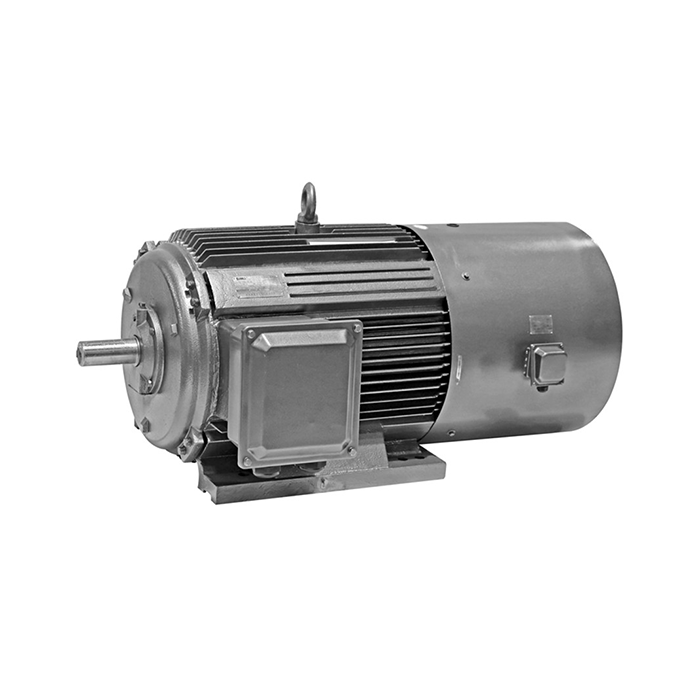
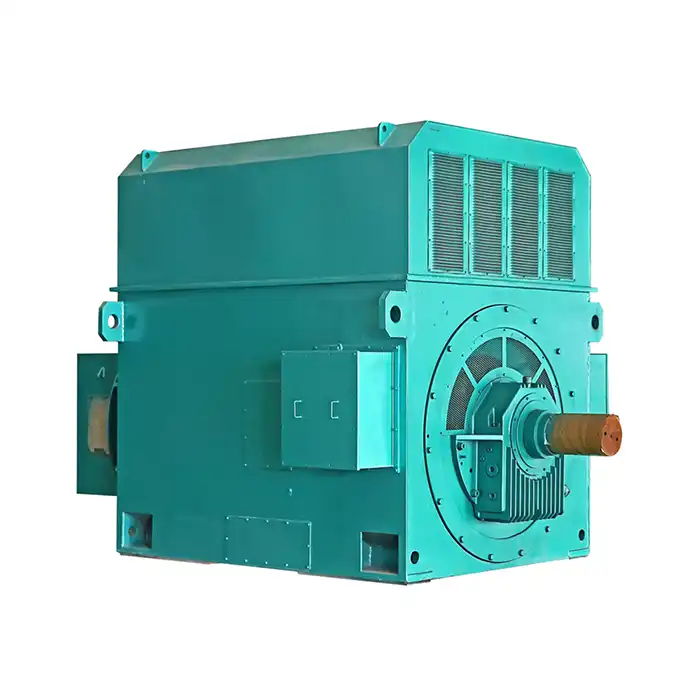
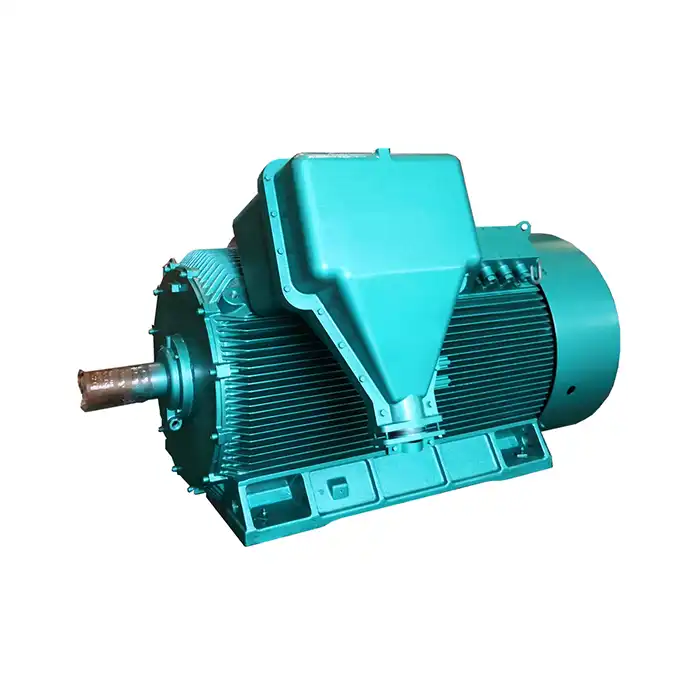
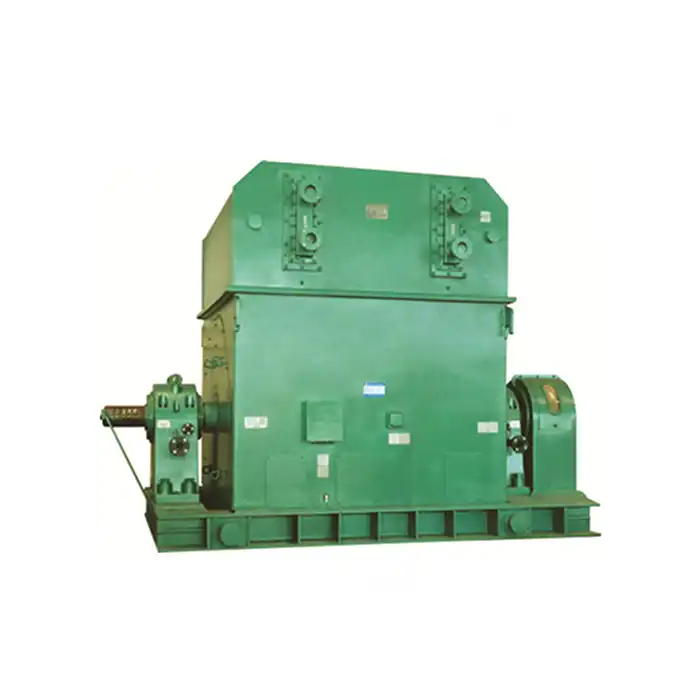
A 200hp DC motor is an electric machine that operates on direct current and generates around 149 kilowatts of mechanical power. It is used in industrial applications where accurate speed control and great starting torque are necessary. This kind of motor is important in manufacturing, process control, and heavy industries. It transforms electrical energy into rotational force via electromagnetic induction between the stator field and rotor armature. These motors are available in frame sizes from 100 to 450, with a choice of voltages, the most common being 160V or 440V. They can reach efficiencies of up to 95% at rated load, making them dependable workhorses in tough applications.
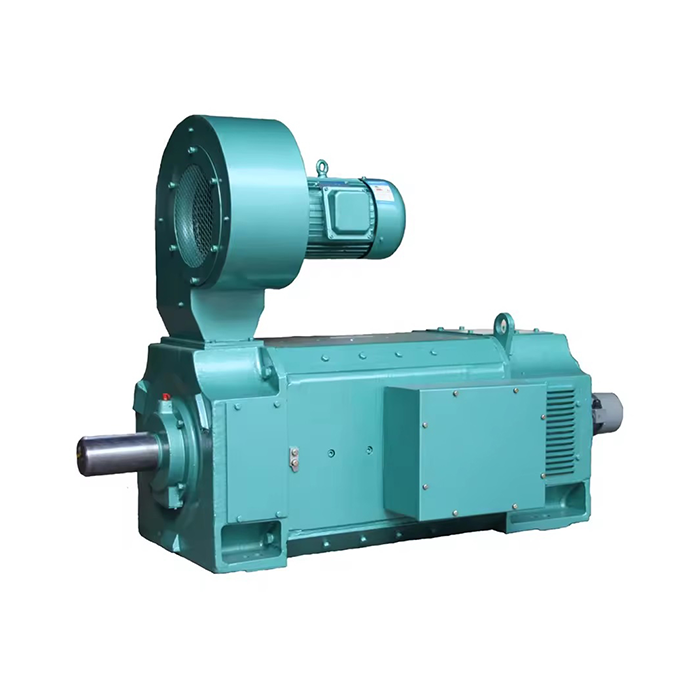
Series:Z4
Frame number: 100-450
Application:Z4 series motorsThis series of motors can be widely used in various industrial sectors such as metallurgical industrial rolling mills, metal cutting machine tools, papermaking, dyeing and weaving, printing, cement, and plastic extrusion machinery.
Power range:1.5-600kW
Voltage range: 160V,440V, etc.
Certificate: The performance of this series of motors not only complies with the national standard GB/T755 "Basic Technical Requirements for Rotating Electrical Machines", but also basically complies with the German VDE0530 standard.
Advantage:Z4 series DC motor has greater advantages than Z2 and Z3 series. It can not only be powered by DC unit power supply, but also suitable for static rectifier power supply. It has small moment of inertia, good dynamic performance, and can withstand high load change rates. It is especially suitable for control systems that require smooth speed regulation, high efficiency, automatic speed stabilization, and responsive response. It has reached the current international advanced level..
Others: SKF, NSK, FAG bearings can be replaced according to customer requirements.
Understanding 200HP DC Motor Basics
At the heart of the 200hp DC motor lies a simple but elegant principle: electrical current flowing through armature windings inside a magnetic field creates rotational torque. The stator provides a fixed magnetic field, and the armature of the rotor contains conductors that react with this field to create motion. The brushes and commutators in old designs keep the current flowing in the same direction all the time. In brushless systems, the same function is performed by electronic controllers.
Core Components and Architecture
There are a few key components that work together to determine the structural integrity of a 200hp DC motor. The field system provides the requisite magnetic flux, and the armature assembly translates electrical input to mechanical output. Bearings, typically SKF, NSK, or FAG types depending on customer needs, support the spinning shaft and reduce friction. If there is a commutator and brush arrangement, it makes electrical contact between stationary and revolving parts. Cooling systems like these usually use forced ventilation to avoid overheating during long operations.
Key Technical Specifications
Understanding the technical specifications allows procurement teams to align the motor capabilities with the needs of operations. Our 200hp DC motors are available with a power range of 1.5 to 600kW, allowing for a wide variety of application sizes. Voltage choices are flexible, with 160 and 440-volt systems usual. Speed ranges are adjustable to the application demands, enabling flexibility across diverse industrial processes. Insulation class F (155°C) provides thermal stress protection for internal components. IP23 provides protection against solid objects and water spray. The ambient temperature range is normally -15°C to +40°C, with additional ranges available for harsh conditions.
The motor’s moment of inertia is intentionally low to enhance the dynamic responsiveness to quick load variations. This feature is especially important for control systems, where smooth speed control and automated stabilisation are necessary. Efficiency is highest at rated load, approaching 95%, which directly means decreased energy usage and reduced operating expenses. The power factor is at 0.85 lagging, which is still competitive with industrial motor standards.
Torque Generation and Control
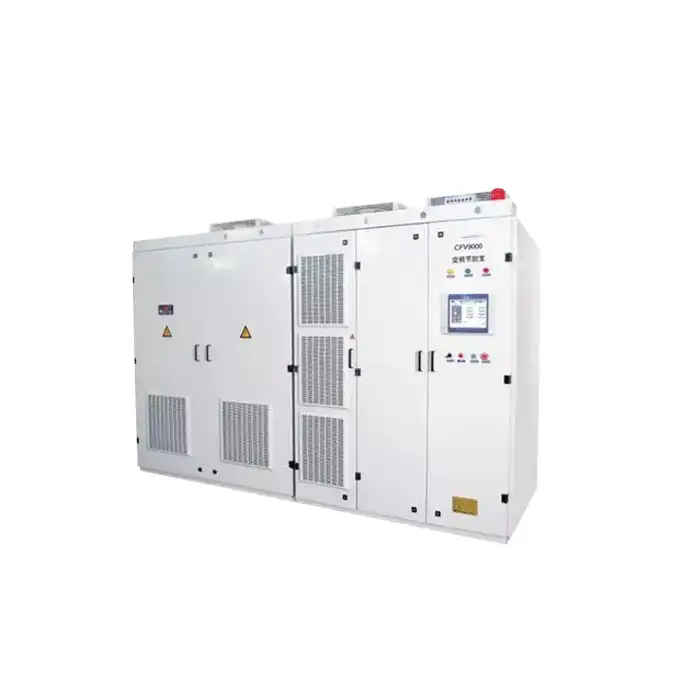
The DC motor is different from many other motors as it has a high starting torque. The initial resistance of large machines may be overcome by the DC motor. Torque characteristics are predictable across the operating envelope, which simplifies system design and integration. The speed is controlled by varying the voltage or the field current. This method is accurate and does not need complicated external equipment. This inherent controllability makes the 200hp DC motor appropriate for use with static rectifier power supplies and conventional DC unit power supplies.
Industrial Applications of 200HP DC Motors
Manufacturing facilities across automotive, aerospace, electronics, and food processing sectors rely heavily on these motors for mission-critical operations. The ability to maintain consistent torque under varying loads ensures production quality while minimizing rejected parts. Metal cutting machine tools benefit from the precise speed control that allows operators to optimize cutting parameters for different materials and geometries.
Heavy Manufacturing and Process Industries
Metallurgical operations, particularly rolling mills, demand motors capable of handling sudden load fluctuations without compromising speed stability. Our 200hp DC motor excels in these environments, withstanding high load change rates while maintaining responsive performance. Steel mills utilize these motors to drive conveyors, pumps, and auxiliary equipment where reliable operation directly impacts production throughput.
Papermaking facilities require motors that deliver consistent power across long duty cycles. The dyeing, weaving, and printing industries similarly depend on smooth speed regulation to maintain product quality. Cement production, with its harsh conditions and heavy loads, challenges equipment durability—yet properly specified DC motors continue operating year after year with minimal intervention.
Specialized Industrial Sectors
Plastic extrusion machinery benefits from the precise temperature and speed control that DC motors facilitate, ensuring consistent product dimensions and material properties. Water treatment plants employ these motors in pumping applications where variable flow requirements necessitate adjustable speed capabilities. Renewable energy installations, particularly in wind energy systems, occasionally utilize DC motors for pitch control mechanisms and auxiliary functions.
HVAC systems in commercial buildings increasingly incorporate DC motors for fan drives and circulation pumps, capitalizing on their energy efficiency and quiet operation. Mining equipment, facing some of the harshest operational conditions imaginable, depends on motors built to withstand shock loads, dust, moisture, and temperature extremes. The 200hp DC motor, constructed with high-grade materials and robust engineering, meets these challenges head-on.
Comparing 200HP DC Motors with Other Motor Types
Selection of DC and AC motor technology includes the assessment of several performance aspects according to particular application requirements. DC motors have long been well suited to applications that need rapid changes in speed, accurate positioning, or strong starting torque. By contrast, AC motors are frequently mechanically simpler and need less maintenance during the life of the motor.
DC Versus AC Performance Characteristics
Efficiency comparisons are very sensitive to the operating characteristics. DC motors are more efficient than fixed-frequency AC motors without variable frequency drivers across a wider speed range. But newer AC motors with advanced controls are closing this gap significantly. The torque distribution patterns are considerably different. A DC motor provides constant torque from 0 speed to its rated range, whereas AC motors often need minimum speeds to provide usable torque.
Another point of difference is the accuracy of the control. The speed of DC motors may be varied only by changing the voltage or field current, and they can be controlled smoothly and steplessly. AC motors need frequency converters for equivalent control, which adds to system complexity and expense. In general, brushless designs and AC motors are preferable from a maintenance standpoint. Brushed DC motors need frequent replacement of brushes and resurfacing of the commutator.
Quality Benchmarks and Vendor Considerations
Motor performance is essentially a matter of manufacturing quality and design fidelity. Our motors are designed in conformance with national standard GB/T755 “Basic Technical Requirements for Rotating Electrical Machines”, and may meet the German VDE0530 norm, which makes them fit for worldwide compatibility and dependability. Certification labels such as CE and CCC provide evidence of conformity with safety and performance standards in the most important markets.
Warranty terms differ from supplier to supplier, but usually indicate the manufacturer's confidence in the durability of the goods. Beyond the original purchase, comprehensive after-sales service, including technical assistance and replacement parts availability, safeguards your investment. Customisation allows you to adjust the 200hp DC motor specs to your application needs, possibly avoiding expensive system redesign or performance trade-offs.
Maintenance, Troubleshooting, and Efficiency Optimization
Predictive maintenance improves the life of the motor and avoids unplanned downtime that might impact production plans. Under typical operating circumstances, periodic inspections are performed every quarter and more often in severe environments or continuous duty applications. Visual inspection finds apparent problems, such as oil leaks, strange vibration or abnormal noise, before they become failures.
Routine Maintenance Procedures
The basis of maintenance of the brushed DC motor is the examination and replacement of the brushes. Electrical arcing destroys both parts. Brush length monitoring, spring tension checking, commutator surface condition checking, etc. . . . Brush life is typically 2,000 to 5,000 hours of operation, depending on load parameters. Severe duty cycles may shorten this time.
The bearing lubrication schedule depends on the bearing type and the intensity of operation. Too much lubrication may be as much of a problem as too little. Overheating and degradation of seals can happen. Use of lubrication type, amount, and intervals as specified by the manufacturer will guarantee maximum bearing life. Vibration monitoring provides the capability to identify bearing degradation before catastrophic failure and to replace them within scheduled maintenance periods.
The cooling system's efficiency has a direct impact on motor life. Cleaning air passageways, checking fan blades, and ensuring sufficient ventilation may help avoid heat stress that destroys insulation. Forced ventilation systems must periodically replace filters to maintain airflow volume. Monitoring the ambient temperature ensures that the motor is operating within its design specifications.
Common Issues and Solutions
Inadequate ventilation, overload, and voltage imbalance are common causes of overheating. The fundamental reason is frequently found by monitoring the airflow, load conditions, and measuring the supply voltage. Thermal difficulties are usually resolved by resolving voltage faults or obstacles in ventilation, or by replacing the motor.
Irregular speed control or low torque production might be caused by power variations. The installation of voltage stabilisers or an improvement in the architecture of the power supply reduces such symptoms. Any unusual noise or vibration is an indication of mechanical imbalance, bearing wear, or mounting difficulties. Targeted fixes are possible by isolating the precise problem via systematic troubleshooting.
Lower efficiency means greater operating temperatures or higher energy usage. These include bearing friction, brush contact resistance, or deterioration of the insulation. Performance testing detects efficiency degradation and guides repair. Proactive monitoring using temperature sensors and current meters gives early notice of emerging issues.
Optimizing Performance and Lifespan
The most efficient and longest-lasting way to run motors is to run them at their rated specifications. Prevention of persistent overload circumstances avoids premature winding failure and bearing damage. Soft-start systems are used to lessen the mechanical stress upon starting, especially in applications with large inertia loads.
Better load matching frequently leads to more efficient use of energy. Motors designed larger than needed operate under partial load. Efficiency is lower than for correctly sized motors working near rated load. Sometimes a look at real operating needs may show you where you can maximise your motor selection to save energy expenses and improve your performance.
Procurement Guide for 200HP DC Motors
Industrial motors are provided by a balance of technical standards, financial restraints, and supplier capabilities. A clear statement of your application requirements will enable suppliers to provide relevant solutions and prevent expensive over-specification. Motor selection is affected by the load profile and duty cycle, climatic variables, and control system interface.
Evaluating Supplier Reliability
Important in industrial equipment procurement is the supplier's track record. The expertise of several decades in manufacturing usually translates into greater technical understanding and stronger quality processes. Power equipment solutions for high energy efficiency, consistent performance, and rapid technical assistance have earned us a good reputation at XCMOTOR—Shaanxi Qihe Xicheng Electromechanical Equipment Co., Ltd.
Warranty conditions indicate the trust of the manufacturer and safeguard your investment. Most warranties last for one year and may be extended. Knowing what warranty provisions cover (and don’t cover) avoids surprises when problems happen. Dedicated help, including technical support on weekends, minimises downtime when issues arise outside regular business hours.
Standard Versus Custom Motor Options
When specs match available configurations, standard catalogue motors provide quicker lead times and lower prices. Custom-built to particular needs such as unusual voltages, changed mounting configurations, or increased environmental protection. The choice between the two ways relies on how well standard solutions satisfy your requirements and whether the expense of customisation is worth the performance gains.
The motor series is applicable for powers of 1.5 to 600 kW and has frame numbers 100 to 450. The range covers most industrial applications without the need for bespoke engineering. Voltage customisation enables you to adapt motors to existing electrical infrastructure, avoiding expensive power system adjustments. You may pick from SKF, NSK, and FAG bearings, so you can choose components that match your criteria for dependability and maintenance.
Pricing and Logistics Considerations
Motor price is based on more than just fundamental manufacturing costs. Final cost will depend on customisation and certification requirements and order numbers. Detailed quotes that break down the expenses involved make it easier to see where you might save and to budget effectively.
Delivery times vary depending on the availability of merchandise and location. Standard configurations usually ship in days, while special orders may take several weeks for engineering and manufacture. International logistics complicate matters with customs clearance, paperwork needs, and freight arrangements. It is easier when you work with vendors that are used to B2B deals throughout the world.
After-sales support quality greatly influences the total cost of ownership. Suppliers with technical consulting, troubleshooting support, and replacement parts availability mitigate long-term operating risk. At XCMOTOR, we are committed to providing timely solutions to pre-sales concerns, post-sales problems, and technical difficulties so that your equipment will continue to work dependably. We are so confident in our product quality and customer satisfaction promise that we provide free shipping on all items and 30 days return policy.
Conclusion
This 200hp DC motor provides a mix of strong starting torque, precision speed control, and rugged construction to suit many industrial applications. Understanding key features like power output, voltage choices, efficiency ratings, and environmental limits helps ensure educated buying selections that match operational needs. By comparing the kinds of motors, analysing their maintenance requirements, and choosing dependable providers with extensive support capabilities, effective implementation is guaranteed. Properly selected DC motors give dependable performance and good long-term economics, whether your application is heavy manufacturing, process control, or specialised industrial operations. Our motors are certified to international standards such as GB/T755 and VDE0530, ensuring quality assurance and compatibility for worldwide operations.
FAQ
1. How often should I perform maintenance on a 200hp DC motor?
Maintenance intervals depend on operating conditions and duty cycles. Standard practice involves quarterly visual inspections in normal environments, checking for vibration, noise, and temperature anomalies. Brushed motors require brush inspection every 2,000 to 5,000 operating hours, with replacement when brush length reaches minimum specifications. Bearing lubrication follows manufacturer schedules, typically ranging from semi-annually to every two years, based on bearing type and load conditions. Motors operating in harsh environments or continuous duty applications benefit from more frequent attention.
2. Can 200hp DC motors handle variable-speed applications effectively?
Absolutely. DC motors excel in variable speed applications due to their inherent controllability. Speed adjustment occurs through simple voltage or field current changes, providing smooth, stepless regulation across wide ranges. The small moment of inertia and good dynamic performance enable rapid speed changes without compromising stability. This makes them particularly suitable for applications requiring responsive speed control, automatic stabilization, and high load change tolerance—characteristics that position them favorably in modern control systems.
3. How do I choose between brushed and brushless motor configurations?
The decision hinges on operational priorities and budget considerations. Brushed motors cost less initially and offer straightforward control, making them economical for applications where periodic maintenance is acceptable. Brushless motors eliminate wear components, reducing maintenance requirements and extending service life, though at a higher initial investment. Harsh environments, explosive atmospheres, or minimal-maintenance requirements favor brushless designs. Applications prioritizing simplicity, repairability, and lower capital costs often select brushed configurations.
Partner with a Trusted 200hp DC Motor Supplier
XCMOTOR brings decades of experience delivering industrial power solutions tailored to your specific operational requirements. Our 200hp DC motor lineup combines international standard compliance with practical features like customizable voltages, premium bearing options, and efficiency ratings reaching 95%. We understand that selecting the right motor involves more than matching specifications—it requires partnering with a supplier committed to your success through every project phase. Reach out to our technical team at xcmotors@163.com for personalized motor selection guidance, custom configuration quotes, or bulk procurement discussions. With free delivery, 30-day returns, and dedicated support available seven days a week, we ensure your power equipment investment delivers reliable performance and favorable long-term value.
References
1. Chapman, Stephen J. Electric Machinery Fundamentals, Fifth Edition. McGraw-Hill Education, 2012.
2. Hughes, Austin, and Bill Drury. Electric Motors and Drives: Fundamentals, Types and Applications, Fourth Edition. Newnes, 2013.
3. Fitzgerald, A.E., Charles Kingsley, and Stephen D. Umans. Electric Machinery, Sixth Edition. McGraw-Hill, 2003.
4. National Electrical Manufacturers Association. NEMA Standards Publication MG 1-2016: Motors and Generators. NEMA, 2016.
5. Boldea, Ion and Syed A. Nasar. The Induction Machines Design Handbook, Second Edition. CRC Press, 2010.
6. Toliyat, Hamid A. and Gerald B. Kliman. Handbook of Electric Motors, Second Edition. CRC Press, 2004.