



Where to Buy 4160V Motors from a Trusted Supplier
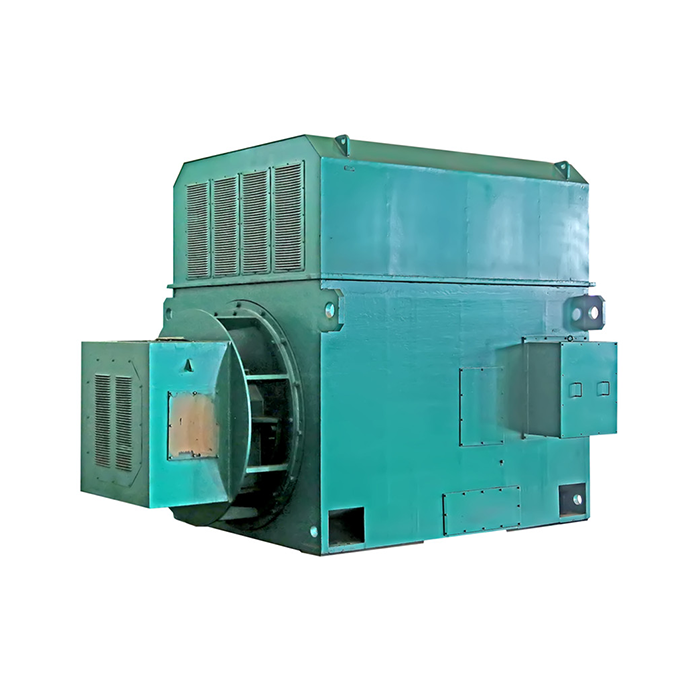
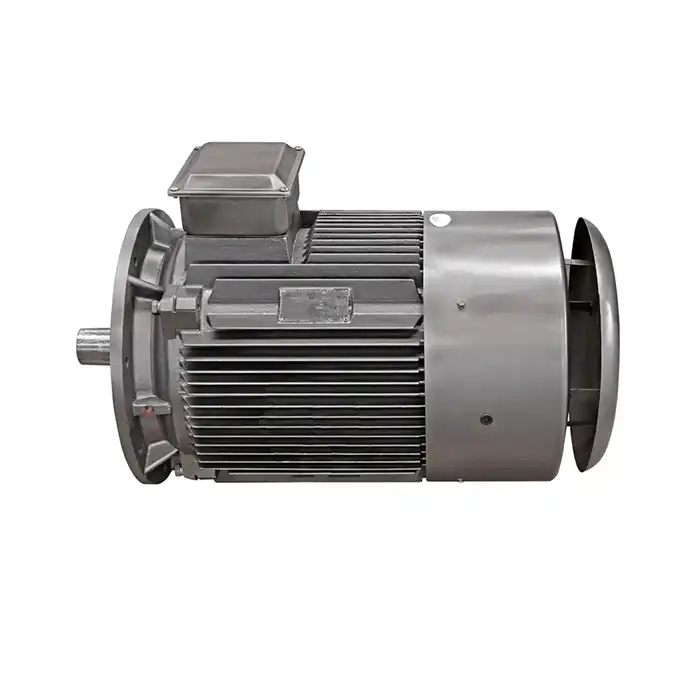
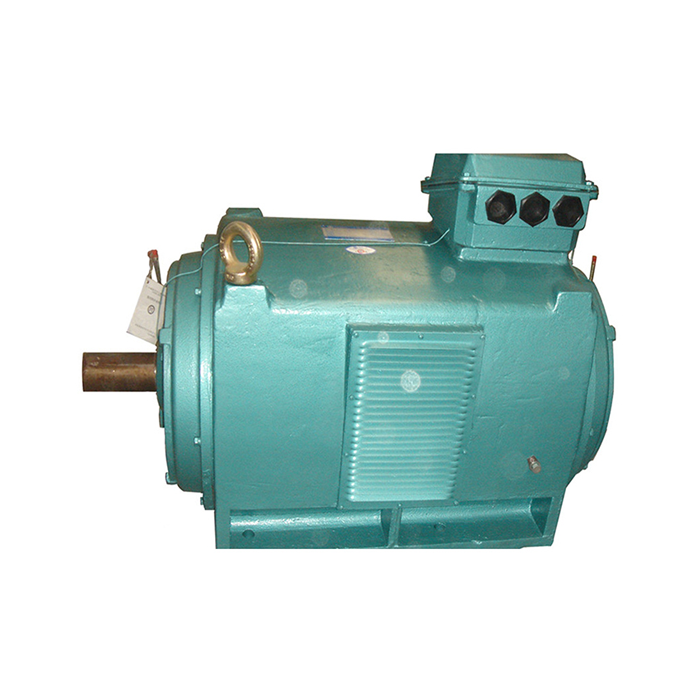
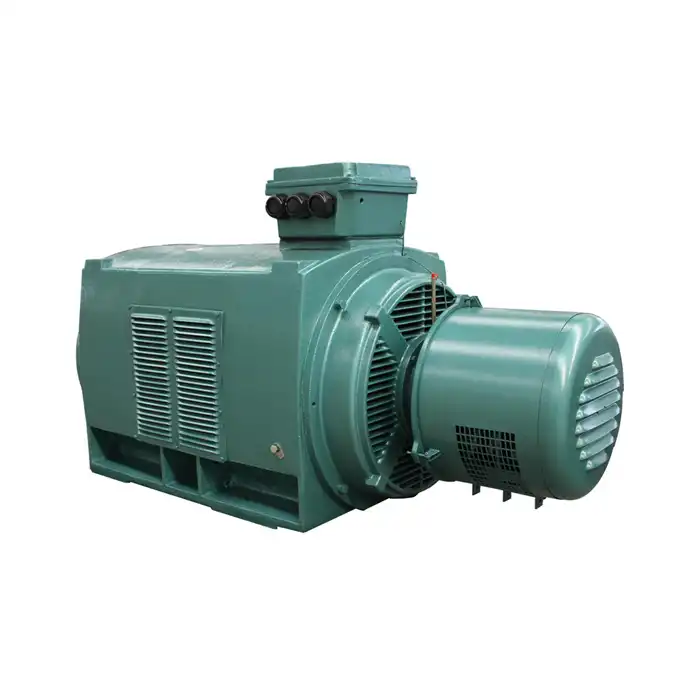
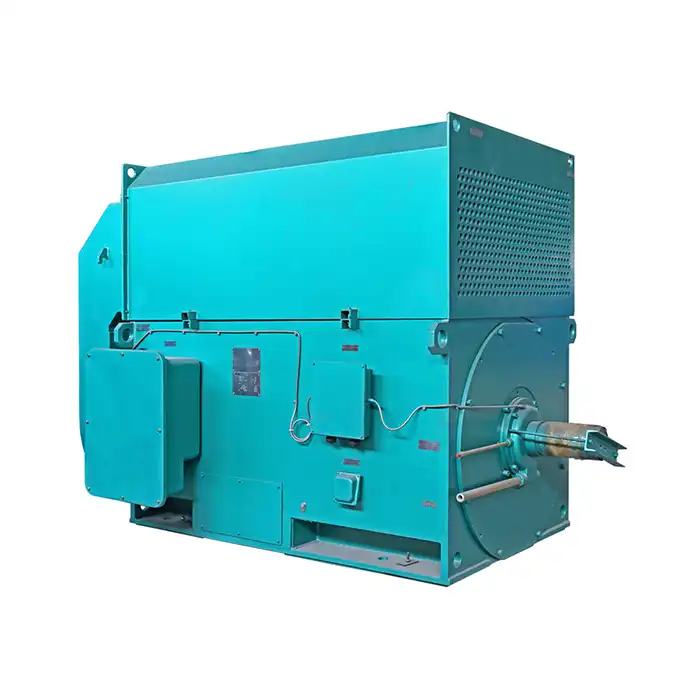
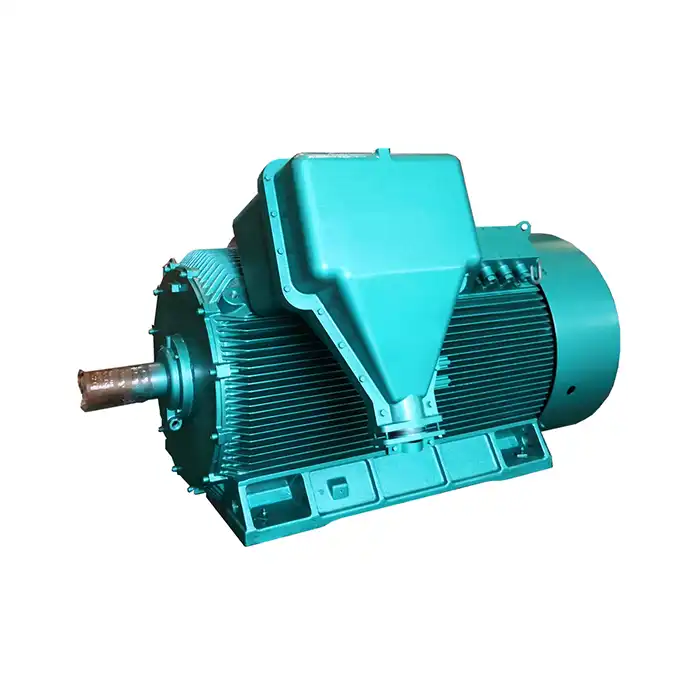
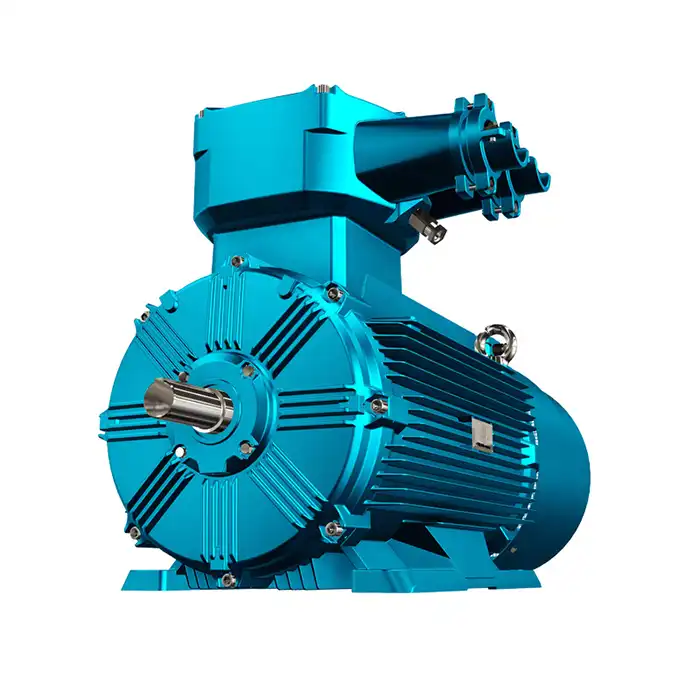
Finding reliable sources for high-voltage electric motors requires careful consideration of supplier credentials, product certifications, and technical support capabilities. When sourcing a 4160v motor, procurement professionals should prioritize suppliers who demonstrate transparency in manufacturing processes, maintain internationally recognized quality certifications, and offer comprehensive after-sales services. XCMOTOR, operating through Shaanxi Qihe Xicheng Electromechanical Equipment Co., Ltd., provides industrial-grade medium-voltage motors with power outputs ranging from 220 kW to 6300 kW, suitable for demanding applications across manufacturing, energy generation, and process automation sectors.
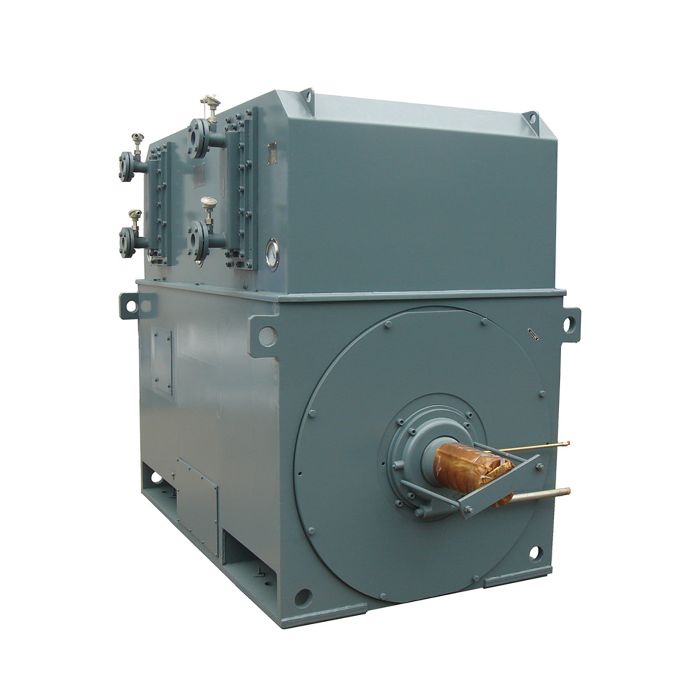
Series:YKS
Protection level:IP54
Voltage range:3000V±5%,3300V±5%,6000V±5%,6600V±5%,10000V±5%,11000V±5%
Power range:220-6300 kW
Application:fans, water pumps, compressors, crushers, cutting machine tools, transportation machinery, etc.
Advantage:low noise, low vibration, long service life, easy installation and maintenance.
Standard: This series of products complies withGB/T 1032 and GB/T 13957 standards.
Others: SKF, NSK, FAG bearings can be replaced according to customer requirements.
Understanding 4160V Motors – Specifications and Applications
Core Technical Specifications
Our 4160V motor line supports voltages of 3000V±5%, 3300V±5%, 6000V±5%, 6600V±5%, 10000V±5%, and 11000V±5%. It allows for diverse power standards and construction demands. The power range is 220–6300 kW, and the rotational speed is 500–3000 rpm. This allows exact matching of driving equipment. Insulation class F and temperature rise class B maintain temperature during continual operation. Internal parts are protected from dust and water spray by IP54/IP55. ICW37's built-in air-to-water cooling systems effectively remove heat, keeping the machine working at its optimum even under duress.
These technical factors have a direct effect on the choice of motor. When the voltage rating is higher, the amount of current that needs to flow is lower. This means that less energy is lost and conductors are smaller. The large power range can handle everything from compressor drives in cold storage facilities to large pump systems in water treatment plants.
Industrial Application Environments
Many industries employ medium-voltage motors. These units power crushers, cutting machines, and vehicles in industries. Production runs on consistent force delivery. For process control, 4160V motor systems regulate fluid flow, pressure, and material movement via pumps, valves, and compressors. Commercial HVAC and food processing facility refrigeration systems rely on reliable motors to maintain temperature, humidity, and food quality.
Applications in the energy sector include power plants that use motors to run extra equipment like fans in cooling towers, pumps for feedwater, and systems for moving coal. In wind turbine yaw and pitch control systems, concentrated solar tracking systems, and hydroelectric plant gate operators, these motors are used for renewable energy. High-capacity pumps at water treatment plants use medium-voltage motors to move millions of gallons of water every day through filtering and delivery networks.
Our motor designs are flexible because engineers make decisions that balance the need for performance with the ease of installation. Low noise and earthquake levels keep the structure's supports from being stressed and keep noise levels down in living areas. We offer SKF, NSK, and FAG bearings based on customer requirements. These bearings have a long service life when combined with strong winding insulation systems that don't break down when heated or under high voltage.
Energy Efficiency and Maintenance Considerations
The total cost of ownership over the projected life of a motor is directly related to how efficiently it works. Our units meet the requirements of GB/T 1032 and GB/T 13957. They are designed to have the least amount of core losses, winding resistance, and mechanical friction. High starting power cuts down on the time it takes to start up and the energy used during acceleration stages. Optimized rotor geometry improves the spread of magnetic flux, which raises the power factor and lowers the amount of reactive power that the electrical supply system has to handle.
Another important thing to think about is maintenance accessibility. Downtime during planned repair intervals is cut down by simple installation and maintenance steps. Replacement of bearings, inspection of windings, and maintenance of the cooling system can all be done without taking the whole motor apart. Low vibration signatures help predictive maintenance programs get clear baseline measurements, which lets them find problems early through routine monitoring protocols.
Comparing 4160V Motors: Making the Right Choice for Your Business
Voltage Level Comparisons
Performance and cost varies between medium-voltage systems like 4160V motor sets and low-voltage choices like 480V. Medium-voltage motors require less current as voltage rises. Power distribution cables and switchgear might have smaller conductors. This reduces installation costs if wires must go far between electrical rooms and motor sites. Less current flow reduces distribution system resistance losses, making it more energy efficient.
Motor Configuration Considerations
Three-phase AC induction motors are the most common type used in industry because they are easy to use, reliable, and can start themselves. Three-phase power supplies make a spinning magnetic field that gets rid of the need for starting capacitors or extra windings that are needed in single-phase systems. This setup delivers torque more smoothly and with fewer pulses, which lowers mechanical stress on driven equipment and increases the lifespan of parts.
Power factor performance changes depending on the load and voltage class. Our 4160V motor designs use optimized magnetic circuit shapes that keep power factors high across a wide load range. This lowers utility demand charges and makes better use of the electrical system's capacity. From 50% to 100% load, efficiency stays the same, so process changes can be made without a big drop in speed.
Application-Specific Selection Criteria
Matching the motor's attributes to the driven equipment ensures optimal performance and longevity. Centrifugal pumps and fans have quadratic torque-speed ratios, requiring less torque to start yet running constantly at rated settings. Positive displacement pumps and compressors require smooth torque growth. To manage overloads, they require stronger starting torque and tougher thermal designs.
Environment impacts building needs. IP55 ratings prevent water jets from entering outdoor installations during cleaning or storms. Classified hazardous places need explosion-proof enclosures with particular construction characteristics, which increases cost and delivery time. Extreme temperatures effect cooling capacity and shielding system selection.
Our technical team considers these application-specific aspects and recommends motor parameters that balance performance, installation, and cost during quoting. Working at high altitudes requires derating calculations, corrosive conditions need unique coatings, and seismic zones require stronger structural installation. Custom solutions are created to handle these operating issues.
How to Buy 4160V Motors from Trusted Suppliers – A Procurement Guide
Supplier Verification and Certification
Start by checking manufacturer relationships and distribution arrangements to discover certified dealers. Legitimate vendors have company registrations, contact information, and capacity to handle big motor shipments. ISO 9001:2015 certification proves your commitment to quality management systems that oversee manufacturing, testing, and documentation.
Certified motors fulfill safety and performance criteria. Motors must fulfill IEC 60034 international electrical machinery standards for grades, performance, and testing. Meeting GB/T 1032 and GB/T 13957 rotating electrical machine standards indicates compliance with Chinese national standards. This is crucial for factories that must follow such regulations.
Request certification during inquiry. Real certificates include their issuers, model numbers, and expiry dates. Sellers who won't demonstrate permission or provide ambiguous compliance guaranties should be avoided.
Ordering Logistics and Customization Options
Bulk purchases allow you to negotiate costs and optimize delivery. When clients acquire several units for a project like establishing a new facility or standardizing equipment, suppliers generally cooperate with manufacturing schedules that match project due dates. Set lead times with procurement early in planning. Power rating, voltage class, and customized requests determine lead times, which are 8–16 weeks.
Custom 4160V motor specs address operational demands not covered by catalogue goods. Different bearing arrangements for different mounting positions, longer shaft configurations for direct coupling to driven equipment, terminal box positions that work with cable entry restrictions, and better vibration monitoring features for facility condition monitoring systems could be made. Our engineers collaborate with clients to develop tailored solutions that fulfill application demands while reducing manufacturing costs.
Pricing Considerations and Value Assessment
Motor prices are based on how much the parts cost, how hard they are to make, what certifications are needed, and what support services are included. Compared to low-voltage units, medium-voltage units need better insulation systems, more precise winding methods, and more testing protocols, which is why they cost more. Prices should be looked at based on the total cost of ownership, which includes how much energy they use, how often they need to be maintained, and how long the warranty covers them.
Ask for thorough quotes that list the parts that are included, such as the types of bearings, temperature sensors, vibration monitors, and terminal box tools. Make sure you understand the shipping terms, the availability of installation supervision, and the commissioning support services. When you know the full value offer, you can accurately compare costs between sellers and make smart budgets for buying capital equipment.
Technical Support and Services for 4160V Motors
Installation and Commissioning Guidance
The foundation for reliable long-term operation is set by proper installation. Our construction guides go over the foundation requirements, including the size of the concrete, the placement of the anchor bolts, and the filling methods that keep the vibrations from traveling too far. Alignment requirements spell out the range of allowed misalignment between the couplings, the maximum amount of shaft runout, and the soft-foot conditions that need to be fixed before the machine starts up.
It's important to pay close attention to the stability of the grounding system, the identification of the terminals, and the spinning of the phases when making electrical connections. Each 4160V motor comes with a wiring diagram that shows how to connect the motor to other devices and how to wire them. The diagram also suggests the best cable sizes for different installation distances and environmental conditions. When thinking about inverter compatibility, you need to think about things like the shielding requirements for the cables, the output filter specifications, and the carrier frequency limits that keep the insulation from failing too soon.
Maintenance Programs and Testing Protocols
Regular maintenance checks keep motors running well and find problems early on, before they become too big to fix. In regular inspections, the state of the bearings is checked by measuring temperature and vibrations, the resistance of the winding insulation is tested with a megohmmeter, and the usefulness of the cooling system is checked with thermal imaging surveys. Our maintenance suggestions include the type of lubricant, how often it needs to be changed, and how much of it is needed for each installed bearing model.
During major overhauls, comprehensive testing services check the condition of the motor by measuring the current without load, making sure the winding resistance balance is correct, testing the insulation for high potentials to make sure it is intact, and testing the motor's performance to record its efficiency, power factor, and temperature rise characteristics. These written baseline measurements help condition trend analysis that chooses the best time and amount of money for maintenance.
Upgrade and Replacement Considerations
To decide whether to fix or replace 4160v motor units, you have to look at how bad the failure is, how long the motors are still guaranteed to work, and how technology has changed since they were first installed. For small problems like worn-out bearings or damaged cooling fans, it's okay to fix them with original equipment manufacturer (OEM) parts that bring back the original performance specs. Motors that are getting close to the end of their useful lives often need to be replaced with newer models that are more efficient and easier to watch.
Retrofit options meet changing operating needs without having to buy all new equipment. Adding a variable frequency drive lets you finetune the process by controlling the speed precisely. Maintenance intervals are longer when bearing systems are upgraded. Better monitoring tools give us information about the condition of things in real time, which helps with planning preventative maintenance. For retrofits, our technical staff checks to see if they are possible and makes plans for how to do them that cause as little trouble as possible during installation.
Why Choosing the Right Supplier Matters: Building Trust and Ensuring Performance
Quality Assurance and Compliance
Following international standards for voltage and safety keeps people safe, keeps equipment in good shape, and meets government requirements. Precision die-casting is used in the manufacturing process to make sure that the motor housings and end covers are always the same size. This keeps the bearings in the right place and reduces vibrations. New winding technology places conductors evenly in stator holes, which balances magnetic forces and lowers losses.
During all steps of production, strict quality control checks make sure that technical standards are met for measurement limits, material properties, and assembly processes. Before being allowed to ship, each motor goes through a series of thorough tests that check its performance without any load, its ability to withstand high voltage, its ability to analyze vibrations, and its ability to handle heat. This quality commitment cuts down on failures to prevent infant mortality and makes sure that performance standards are met.
Long-Term Business Growth Support
Strategic ties with suppliers give you options when your business is growing or when the market changes. Suppliers who keep a lot of goods on hand can meet pressing replacement needs and unexpected project possibilities. Personalized buying plans make sure that deliveries of equipment happen at the right time for both the construction schedule and the budget cycle. This makes the best use of working capital.
Technical consulting services are useful for more than just buying things. Application engineering help during the planning stages of a building makes sure that the right equipment is chosen and that the whole system works well together. Maintenance staff are trained to service fitted equipment correctly so that uptime and efficiency are maximized. These ways of working together lead to mutual success and long-term advantages in the market.
Conclusion
To find reliable suppliers of medium-voltage motors, you need to carefully check their technical skills, certifications, and support service offerings. Knowing about motor specs, application needs, and total cost of ownership helps you make smart purchasing choices that improve working performance and lower lifecycle costs. XCMOTOR's 4160V motors are built to last and come with a wide range of voltage options and power ratings that make them suitable for a wide range of industrial uses. Because we are dedicated to making high-quality products, providing clear certification paperwork, and offering full technical support, procurement workers looking for reliable power transfer solutions can count on us as a partner.
FAQ
1. What distinguishes 4160V motors from 480V alternatives in industrial applications?
The main things that determine which voltage class to use are the power needs and the construction conditions. Medium-voltage motors lower the flow of current by the same amount as the voltage goes up. This lets high-power applications use smaller conductors and lower distribution losses. 4160V systems are usually better for buildings with motors that are more than 500 kW because they are easier to install and use less energy. Low-voltage 480V motors work best with smaller power ranges and uses that need to change the speed often through variable frequency drives. They also have less strict safety standards when they need to be serviced.
2. How long do properly maintained 4160V motors typically operate before requiring major service?
The expected service life depends on how the system is used, how much it is loaded, and how well it is maintained. When motors are kept running at rated settings and get the right preventative care, they usually last between 15 and 25 years before they need major repairs. Longevity is shortened by harsh surroundings, repeated starts, or long-term overload situations. Regular inspections, lubrication of bearings, monitoring of winding insulation, and maintenance of the cooling system all help the machine last longer and prevent breakdowns that aren't expected.
3. Can suppliers provide custom motor configurations for specialized applications?
Reliable makers can meet special needs that come up in the course of running a business. Changes include different voltage ratings, special bearing arrangements, longer shaft configurations, better protection against the environment, and built-in monitoring equipment. The engineering method includes reviewing applications, making specifications, figuring out if something can be made, and making a quote. Custom orders usually have longer lead times than standard catalog items, but they offer better solutions for tough situations.
Connect with XCMOTOR for Your 4160V Motor Requirements
Our wide range of products, technical know-how, and customer-focused service make us a reliable choice for procurement teams looking for a 4160V motor supplier. XCMOTOR keeps a large collection of parts for all of our power ranges, from 220 kW to 6300 kW, so we can meet both urgent replacement needs and planned project plans. Our engineering staff offers in-depth technical advice and helps you choose the best motor setups for your specific needs while also making the best use of your budget. We can handle large orders for building new facilities or expanding existing ones, and our delivery schedules can be adjusted to fit your construction schedules. Email our team at xcmotors@163.com to get personalized quotes, talk about technical details, or find out how our high-quality motors can make your facilities more reliable. You can look at our full product specs and approval paperwork at motorxc.com.
References
1. National Electrical Manufacturers Association. "NEMA Standards Publication MG 1-2021: Motors and Generators." Rosslyn, VA: NEMA, 2021.
2. Institute of Electrical and Electronics Engineers. "IEEE Standard 841-2009: IEEE Standard for Petroleum and Chemical Industry—Premium Efficiency Severe Duty Totally Enclosed Fan-Cooled (TEFC) Squirrel Cage Induction Motors." New York: IEEE, 2009.
3. Bonnett, Austin H., and Chaitanya Yatendra. "Root Cause AC Motor Failure Analysis with a Focus on Shaft Failures." IEEE Transactions on Industry Applications 42, no. 5 (2006): 1435-1448.
4. De Almeida, Anibal T., Fernando J. T. E. Ferreira, and João A. C. Fong. "Standards for Efficiency of Electric Motors." IEEE Industry Applications Magazine 17, no. 1 (2011): 12-19.
5. Gross, Herbert, Christof Hamann, and Germar Wege. "Electrical Feed Drives in Automation: Basics, Computation, Dimensioning." Munich: Publicis Publishing, 2001.
6. Chapman, Stephen J. "Electric Machinery Fundamentals, Fifth Edition." New York: McGraw-Hill Education, 2012.