



6600V Motor for Mining: What Should You Look For?
When sourcing a 6600v motor for mining operations, you need to prioritize reliability, efficiency, and durability. Mining environments demand motors that can withstand extreme conditions while delivering consistent power to crushers, conveyors, and ventilation systems. The right high-voltage motor reduces operational costs through lower current draw, minimizes downtime with robust construction, and integrates seamlessly with your existing power infrastructure. Understanding voltage compatibility, insulation standards, and supplier support capabilities ensures your investment delivers long-term value in one of the most demanding industrial applications.
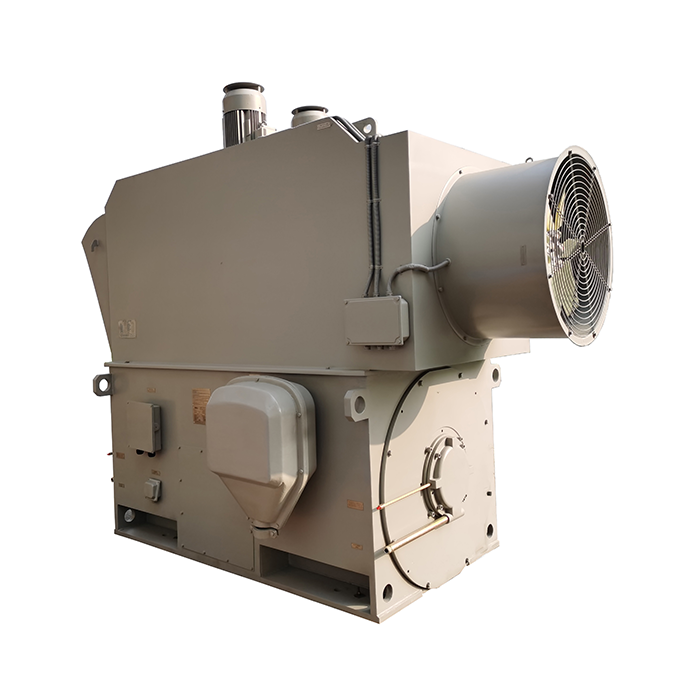
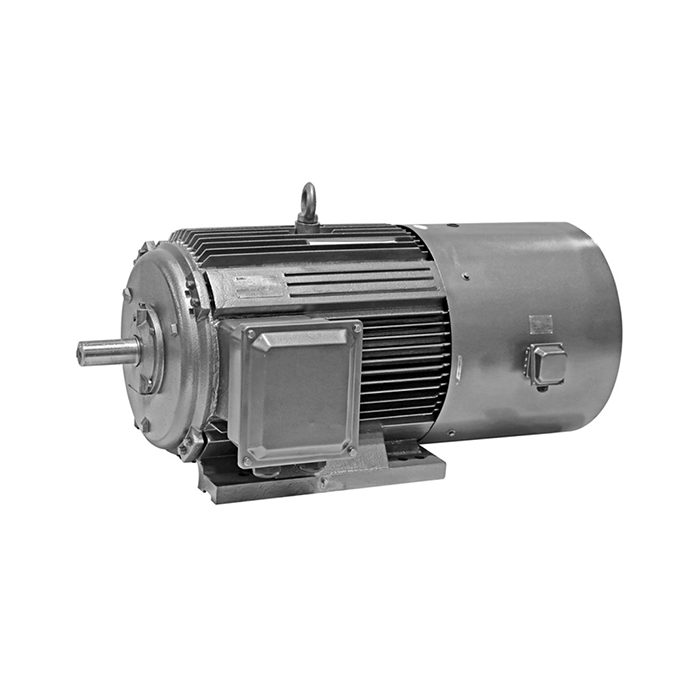
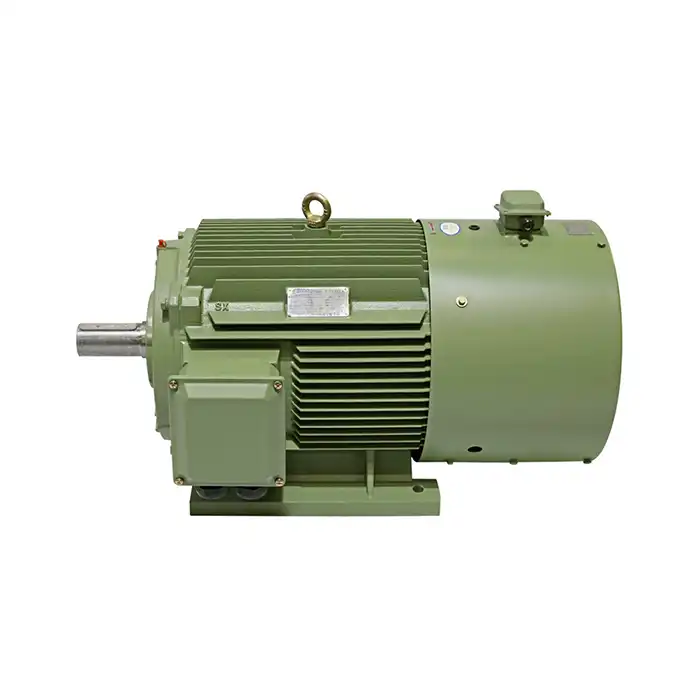
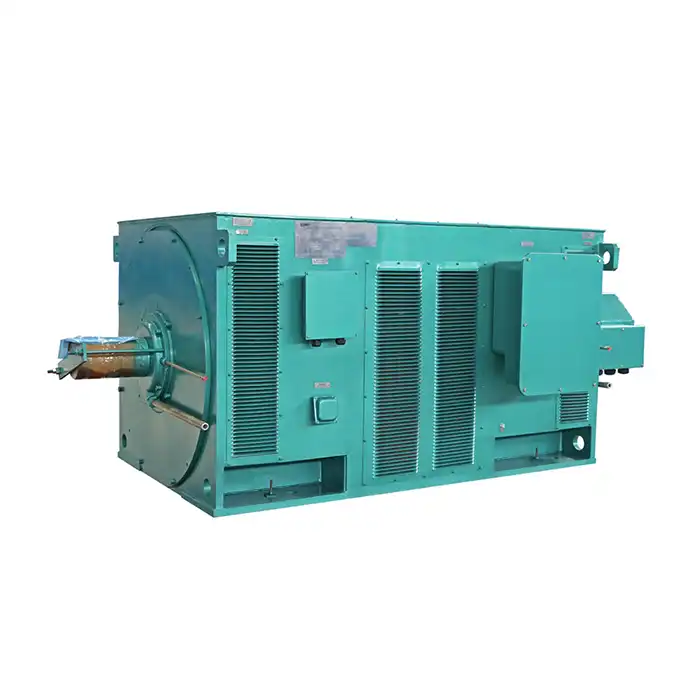
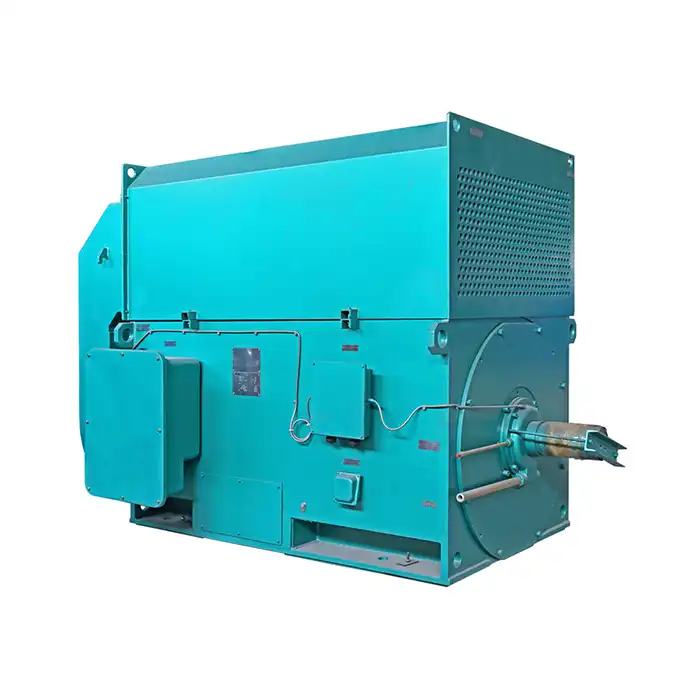
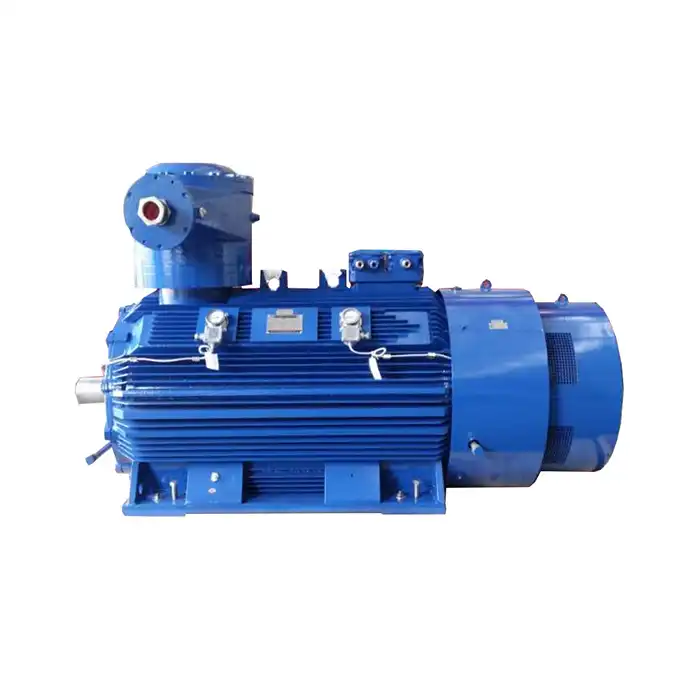
Series:YPKK
Protection level:IP54
Voltage range:3000V±5%,3300V±5%,6000V±5%,6600V±5%,10000V±5%,11000V±5%
Power range:200-6300 kW
Application:fans, water pumps, compressors, crushers, cutting machine tools, transportation machinery, etc.
Advantage:low noise, low vibration, long service life, easy installation and maintenance.
Standard: This series of products complies with JJB/T12730 and JB/T12729 standards.
Others: SKF, NSK, FAG bearings can be replaced according to customer requirements.
Understanding 6600V Motors and Their Role in Mining
Why High-Voltage Motors Matter in Mining Operations
In harsh conditions, mining companies need a lot of power to keep their tools running all the time. Because higher voltage means less current for the same power output, a 6600v motor is a better way to get this power to where it needs to go. This lower power means that your cables will be smaller, you will lose less energy, and your electrical system will produce less heat.
It's easy to see how voltage and current work together: two times the voltage and two times the current. When running on 380V, a 500kW motor needs about 900A of current, but when running on 6600V, the same motor only needs about 50A. This big difference affects every part of your power distribution system, from cables to switchgear. For large-scale mining applications, this makes high-voltage solutions more cost-effective.
Types of High-Voltage Motors Used in Mining
Induction motors and synchronous motors are the two main types of motors used in mining. Induction motors are the workhorses of the industry because they are easy to build, don't need much maintenance, and work reliably. They can handle different loads well and can work in difficult situations with little help.
Sync motors are more efficient and help address power factor issues in your plant when loads remain the same. They are ideal for grinding mills and large machinery because they maintain speed regardless of load. Motors with copper rotor bars and precision-machined parts conduct electricity more efficiently and lose less energy. Cast iron frames withstand impact, vibration, and mine air acidity.
These motors perform vital jobs in mines. To maintain transporting ore from the extraction locations to the processing regions, conveyor systems require motors that perform properly. Crushers require plenty of beginning torque to handle large rocks. Underground ventilation fans must work 24/7 to maintain air quality. Water pumps clean drains and grime. varied purposes need varied motor designs, so pick mining equipment with a proven track record.
Performance Advantages in Harsh Environments
In ways that few other industries can match, mining environments are very hard on equipment like the 6600v motor. Motors that aren't built well can't handle dust, water, high temperatures, and constant shaking. Our motors have an IP54 grade, which means they can handle water splashing from any direction and dust getting in. This level of protection is good for most mining tasks, but IP55 options offer better protection in places that are very wet or dusty.
How much heat the motor windings can handle is based on the insulation class. Our normal F-class insulation can handle temperatures up to 155°C. For uses above 180°C, we offer H-class choices. When used with our vacuum pressure impregnation method, this insulation system stops wetness from getting in and makes the service life much longer than with other winding processes.
Operating speeds range from 500 to 3000 RPM, so you can perfectly match the motor's features to the needs of your application. For high-torque tasks like mills and crushers, lower speeds work best. For fans and pumps, higher speeds work best. The power range goes from 200kW to 6300kW, which covers everything from small machines for extra work to big machines for main production.
Essential Factors to Consider When Choosing a 6600V Motor for Mining
Performance Metrics and Efficiency Comparisons
How efficient your motor is has a direct effect on how much it costs to run over its lifetime. A one-percentage-point increase in efficiency on a 1000kW motor that runs 8,000 hours a year saves about 80,000 kWh, which can save you a lot of money depending on your electricity rates.
When considering voltage choices, 6600v motor systems are clearly superior to 4800V and 7200V options. The 6600V standard is the same as most industrial power distribution systems, especially in places where 11kV power is stepped down with transformers. This voltage level gives the benefits of high voltage in terms of efficiency while still working with a wide range of switches and safety devices.
Lower voltage options, like 4800V, might look good because they might mean cheaper equipment, but they need higher currents, which makes the cables bigger and causes more energy to be lost. Higher voltages, like 7200V, lower current even more, but they may need special protection equipment and make insulation more difficult. For most mining uses, the 6600V sweet spot strikes a good mix between these factors.
Our 6600v motor units are marked with the CE mark and meet IEC 60034 standards, which means they meet world safety and performance standards. During the manufacturing process, automated winding steps are used to make sure that the coils are placed consistently, and vacuum pressure impregnation fills any gaps in the insulation system. Before it is shipped, every motor goes through a lot of tests, such as checks for insulation resistance, high-potential testing, and full-load performance confirmation.
Maintenance Requirements and Troubleshooting Strategies
Motors stay running with preventive maintenance, and they don't shut down without warning, which can be very expensive. Our motors are built to last, which makes upkeep easier. You can choose from SKF, NSK, or FAG bearings, depending on your needs and how you usually maintain your equipment. These high-end bearing brands have longer service intervals and wear trends that are easy to predict.
Checking the temperatures of the bearings, looking for strange noises, and keeping an eye on the shaking levels should all be part of regular inspections. Precision balancing steps are used during manufacturing to make sure that our motors have low vibration. Unusual vibration is often a sign of worn bearings, misaligned parts, or mechanical problems with equipment that is being driven.
Thermal imaging detects hot patches that indicate insulation breakdown, connection issues, or system overload. F-class insulation provides a thermal buffer against short-term overloads. Long-overheated motors have reduced lifespans. Putting temperature sensors in motor windings enables you monitor them constantly and spot issues early.
Motors that won't start, trip protection devices, or lower performance are all common problems that need to be fixed. Having trouble starting is often because of problems with the source voltage, the settings for the safety, or mechanical binding in the equipment being moved. Our expert support team can walk you through a series of steps that will help you quickly find the root causes.
Cost Factors and Long-Term Value Calculation
The initial buying price is only a small part of the total costs of owning a car. During a 20-year service life, energy use usually makes up 95% or more of the total costs. Because of this, economy is the most important thing to consider when choosing a motor for continuous-duty use.
Lead times depend on the details and the number of items ordered. Our standard delivery window is between 8 and 12 weeks. This time frame could be pushed back by custom requirements, especially for motors at the top of our power range. Production problems can be avoided by planning ahead and keeping strategic spares for important uses.
Bulk buying of the 6600v motor can save you money, but you should weigh the savings you'll get against the costs of keeping the goods in stock and the capital that will be locked up in inventory. Many mining companies keep one or two extra motors on hand for important tasks and depend on suppliers to quickly deliver less important equipment.
Warranty coverage protects your investment. Our usual guarantee is 12 months from delivery or installation, whichever comes first. This coverage protects against manufacturing defects and material failures and provides you piece of mind concerning equipment dependability. Our guarantee covers technical assistance for difficulties and application concerns.
How to Choose the Right 6600V Motor Supplier for Your Mining Project
Evaluating Supplier Credentials and Capabilities
There's more to choosing a supplier than just comparing prices and specs. The manufacturer's production ability tells you if they can meet your number needs and delivery dates. A company called Shaanxi Qihe Xicheng Electromechanical Equipment Co., Ltd. (XCMOTOR) can make motors for both small orders and big mining projects that need a lot of them.
The ability to provide technical support is what sets good suppliers apart from average ones. We help engineers with the design process to make sure that the motors you choose exactly meet the needs of your application. This consultation helps you avoid common problems like not having enough starting torque, thermal overload in hot environments, or not being able to work with variable frequency drives.
Supply chain robustness affects your ability to get spare parts and equipment when you need them. Our long-term partnerships with bearing providers and easy access to high-quality raw materials make sure that the quality and supply of our products are always the same. We keep common extra parts in stock and can speed up delivery of important parts when repair needs to be done quickly.
Motors are certified when they show that they meet safety standards and the claims made about them. By following the JB/T12730 and JB/T12729 guidelines, we make sure that our motors meet the highest standards in the business. IEC 60034 compliance means that the equipment is accepted all over the world, which makes the approval process easier if you run mines in more than one country.
Navigating the Procurement Process
Standard motors are cheaper and arrive faster because they are made using tried-and-true designs and methods. We offer voltages of 3000V, 3300V, 6000V, 6600V, 10000V, and 11000V, and power outputs ranging from 200kW to 6300kW. Most mining apps can be run with these settings without any changes.
When site conditions or application needs are different from standard parameters, custom motor specifications for the 6600v motor are needed. Changes could be made to the performance, environmental protection, mounting arrangements, or the way the shaft is configured. We work with your tech team to come up with custom solutions that meet your needs and are still reliable and easy to make.
Keeping track of lead times for big sales means coordinating your project plan with your factory's production capacity. We suggest involving providers early on in the planning stages of a project so that reasonable delivery standards can be set. Giving us preliminary lists of the equipment we need lets us set up production lines and buy materials that take a long time to arrive before we get the final purchase orders.
Different projects have different documentation needs, but most of the time, certified drawings, test reports, material certifications, and operating manuals are needed. We offer complete documentation packages that help your quality control processes and give installation and maintenance staff something to look back on.
After-Sales Support and Warranty Considerations
The rules of the warranty spell out what is covered, how long it lasts, and what actions will cancel the warranty. Our 12-month warranty covers problems with the materials and the work, but not damage caused by bad installation, using the product outside of its recommended limits, or not giving it enough care.
Installation and testing services that are done on-site take the guesswork out of the starting process. Our skilled technicians can oversee the installation process, check the electrical connections, do pre-startup checks, and watch the first few hours of use to make sure everything works right. This service is especially helpful for important programs that could lose a lot of work if they have trouble starting up.
Training services help your maintenance staff learn how to work with motors, do regular maintenance, and figure out what's wrong. Staff who are well-trained can spot problems early and do the right kind of repair, which extends the life and dependability of equipment.
With ongoing technical support, you can get help with your application whenever you need it. Our team is ready to help you whether you're trying to fix a problem with how something works, making plans for a change, or looking at equipment for a new use. Customers can email us at xcmotors@163.com for help, and you can find detailed information at motorxc.com.
Case Study and Practical Insights: Successful 6600V Motor Integration in Mining
Real-World Application Challenges
An business that mined copper in the southwestern United States had problems with the conveyor wheels that moved their ore all the time. Fine dust getting into the motors and temperatures above 40°C were too much for the first motors to handle. Failures happened every 18 to 24 months, which stopped output and required expensive fixes in an emergency.
The mine's maintenance crew uncovered many reasons of the 6600v motor accident. Dust entered motor housings and damaged bearings due to inadequate entry protection. Standard insulating class couldn't tolerate prolonged high temperatures. They wore out fast due to poor bearing quality. Motors weren't built to function with a variable frequency drive, which the mine installed to use less energy while only partially loaded.
Solutions and Performance Improvements
These problems were solved in an orderly way by replacing the motors that were giving problems with 6600v motor units that were properly described. IP54 protection kept dust out while still letting enough cool air flow through. When F-class insulation had the right thermal margin, it could handle high ambient temperatures without degrading. Premium SKF bearings increased dependability and shortened the time between lubrication cycles.
The motor was designed to work with a variable frequency drive. It has insulation systems that stop voltage jumps and bearing systems that handle shaft voltages. The mine could keep using the VFD to save energy without affecting the efficiency of the motor.
The mine kept track of motor performance for three years after it was put in place. During this time, there were no motor failures, so there was no more unplanned downtime that had been a problem before. Compared to the baseline period, energy use dropped by 12% because the motors were more efficient and the VFDs were used more effectively. Maintenance costs went down a lot because regular checks showed that there wasn't much wear.
Lessons for Procurement Professionals
This experience makes a few important points clearer. By carefully checking the working conditions before choosing motors, you can avoid expensive mistakes where equipment doesn't meet the needs of the application. Protection class and building decisions must be based on things like temperature, dust, moisture, and vibration in the environment.
Lifecycle cost study shows that buying better tools at the start is worth the extra money. The extra money that was spent on properly matched motors was returned within the first year by less downtime and lower repair costs. The longer service life gives value over time by making production more reliable.
Support from suppliers is what separates good success from great results. Getting technical input during the development of the specification stopped a number of problems before they happened. Proper positioning, alignment, and electrical connections were made with the help of installation guidance. Follow-up help quickly answered small practical questions.
Conclusion
When mining, choosing the right high-voltage battery like the 6600v motor means paying close attention to how well it works, how safe it is for the environment, how efficient it is, and what the seller can do. Because mine settings are so different, they need strong building, tried-and-true designs, and full support for the whole lifecycle of the equipment. Avoid making mistakes that cost a lot of money by understanding how power range, speed, insulation class, and safety grades fit with your application. Working with an experienced supplier who offers technical advice, high-quality manufacturing, and quick support changes buying motors from a one-time transaction to a partnership that improves reliability and lowers the total cost of ownership.
FAQ
1. What makes 6600V motors suitable for mining applications?
Compared to low-voltage motors, 6600v motor units need less current. This means that less energy is lost and cables cost less. The strong design can handle dust, water, vibrations, and changes in temperature that are common in mines. Power outputs of up to 6300kW are enough to power the crushers, conveyors, pumps, and ventilation systems that keep mines running.
2. How do I ensure voltage compatibility with my existing power system?
Check the distribution voltage and possible transformer setups at your spot. With a ±5% error, our motors can handle values of 3000V, 3300V, 6000V, 6600V, 10000V, and 11000V. This gives you more options, which helps you match the motor's specs to your electrical system. Getting technical help during the design phase makes sure that the system works with safety features, starting methods, and control systems.
3. Can these motors work with variable frequency drives?
Because our motors are made to work with VFDs, they have insulation systems that stop voltage spikes and bearing arrangements that control shaft currents. When a VFD is running, the speed can be controlled to improve the process and save energy when the load is only partially applied. This feature is especially useful in mining applications where the load needs to change.
Partner with XCMOTOR for Reliable Mining Motor Solutions
For decades, XCMOTOR has been providing power equipment options that are especially designed for tough industrial uses. Our line of 6600v motor units is used by mining operations all over North America because they are reliable, very efficient, and come with full support. As a reliable 6600v motor supplier, we help you choose the right specifications, give you clear pricing for large orders, and send you equipment that meets international standards like IEC 60034 and CE marking.
Our team is ready to give your operation the technical know-how and high-quality products it needs, whether it's replacing old equipment, increasing production, or starting a new mining project. You can talk to us about your needs, get more information, or place an order by emailing xcmotors@163.com. You can see all of our products and get technical information by going to motorxc.com. We ship all of our goods quickly, let you return items within 30 days, and offer help seven days a week to make sure your mining operations run smoothly.
References
1. Chapman, S.J. (2019). Electric Machinery Fundamentals, Fifth Edition. McGraw-Hill Education.
2. Bonnett, A.H. (2018). Root Cause AC Motor Failure Analysis. IEEE Press.
3. Mining Industry Energy Efficiency Working Group (2020). Best Practices for Electric Motor Selection and Application in Mining Operations. Canadian Industry Program for Energy Conservation.
4. International Electrotechnical Commission (2017). IEC 60034 Series: Rotating Electrical Machines Standards and Guidelines.
5. Finley, W.R. and Hodge, C. (2016). Application Considerations for High Voltage Motors in Heavy Industry, IEEE Transactions on Industry Applications, Volume 52, Issue 4.
6. Stone, G.C., Culbert, I., Boulter, E.A., and Dhirani, H. (2014). Electrical Insulation for Rotating Machines: Design, Evaluation, Aging, Testing, and Repair, Second Edition. Wiley-IEEE Press.