



What are the Effects of Voltage Variation on Z2 DC Motor Operation?
Voltage fluctuations pose serious risks to Z2 DC MOTOR operation, impacting speed consistency, torque delivery, efficiency, and lifespan. When supply voltage deviates from rated levels—whether 110V or 220V—these industrial workhorses experience performance degradation that translates into increased energy costs, accelerated component wear, and unexpected downtime. Understanding these effects helps procurement teams and maintenance engineers protect their investments while maintaining operational continuity across manufacturing, HVAC, and process control applications.
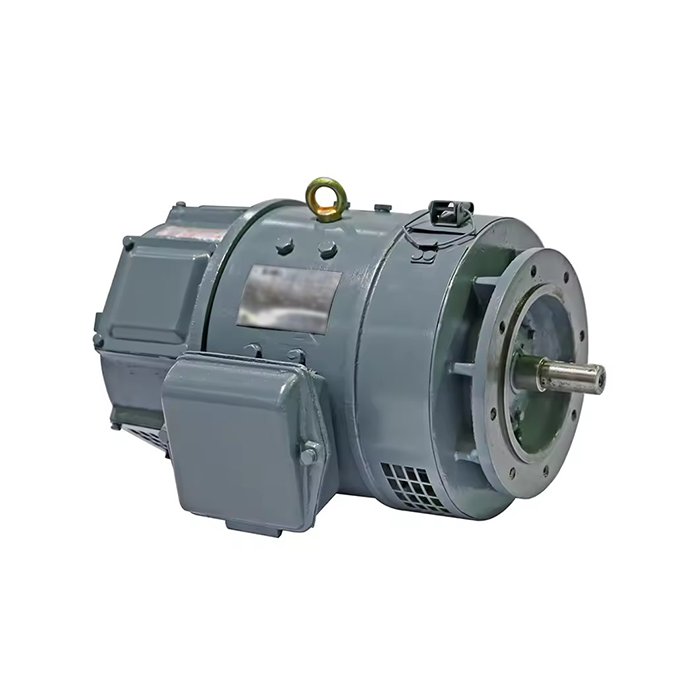
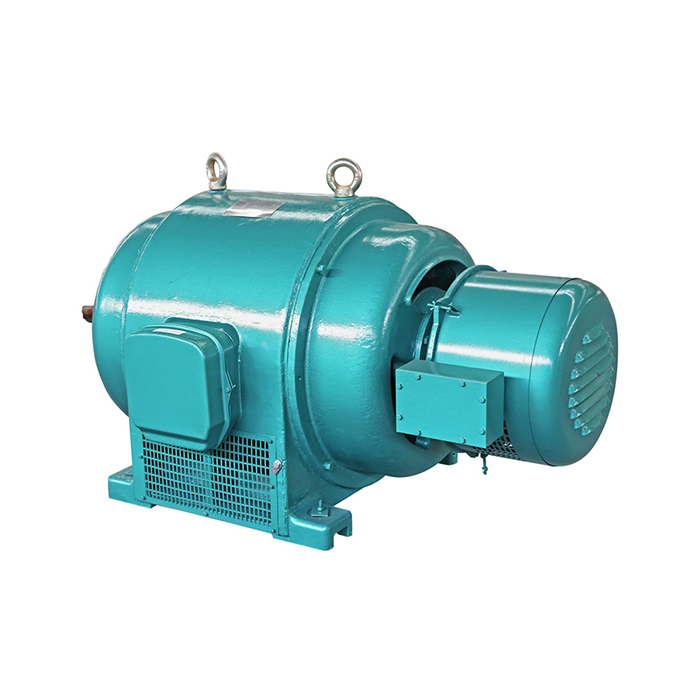
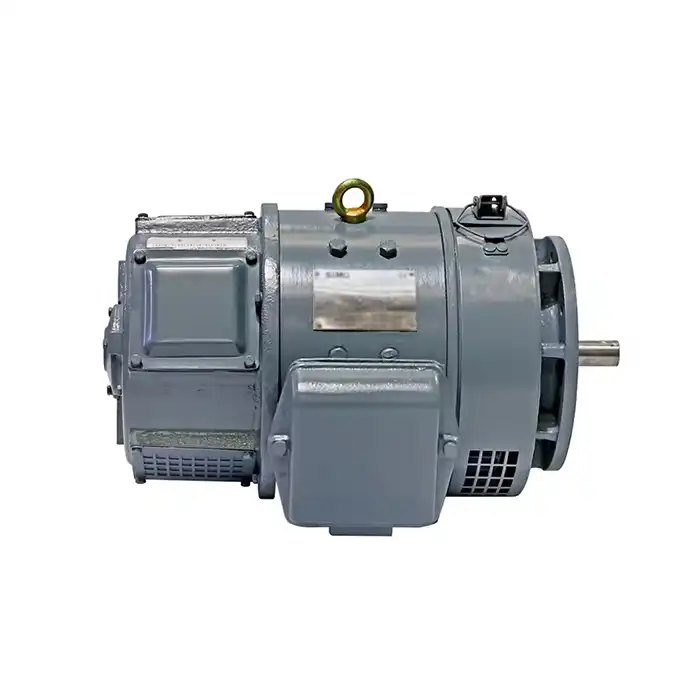
Series:Z2
Frame number: 11-112
Application:Z2 series motors are small DC motors for general industrial use and can be used in metal cutting machine tools, papermaking, dyeing and weaving, printing, cement, etc. The generator can be used as power source, lighting or other constant voltage power supply.
Power range:0.8-200kW
Voltage range: 110V,220V, etc.
Certificate: standard JB1104-68 .
Advantage:Suitable for outdoor use and strong corrosion resistance.
Others: SKF, NSK, FAG bearings can be replaced according to customer requirements.
Understanding Voltage Variation in DC Motor Systems
What Causes Voltage Fluctuations in Industrial Settings?
In industrial electrical infrastructure, voltage changes from many sources. Supply-side fluctuations impact whole facilities when demand is high due to an unstable grid. When heavy equipment begins or stops, all linked circuits experience voltage dips or spikes. Resistance from faulty wire, tiny cables, and corroded connectors worsens voltage loss. Buildings with antiquated electrical systems are severely affected.
Manufacturing has unique challenges. Welding tools, large compressors, and motor starters cause electromagnetic interference and voltage jumps. Distance from power distribution panels increases voltage variations for motors distant from the main source. Solar and wind power are intermittent, making green energy systems more variable if not managed.
How DC Motors Respond to Electrical Supply Changes
For DC motors to work properly, the voltage must stay the same. When voltage is introduced, it has a direct linear effect on motor speed: more voltage makes the motor spin faster, and less voltage makes it spin slower. Because of this basic feature, these motors are reliable when conditions are stable but dangerous when the supply voltage changes too much.
The supply voltage minus the back electromotive force powers the armature circuit. Because the electromagnetic field weakens with voltage, torque decreases. However, excessive power strengthens magnetic fields, causing heat and mechanical stress. The brush system, which transfers current between stationary and moving elements, is stressed by fluctuating voltage.
When the voltage changes, the field windings in shunt and series configurations react in different ways. When the voltage changes, shunt field motors keep the field strength pretty steady, but series wound versions have bigger changes in performance. It's important to know these differences when choosing motors for situations where voltage stability can't be guaranteed.
Effects of Voltage Variation on Z2 DC Motor Performance
Speed and Torque Relationship Under Voltage Stress
When you run a motor below its maximum power, the speed slows down proportionally. When a Z2 DC MOTOR rated for 220V is run at 200V, its speed drops by about 9%. This has a direct effect on how fast conveyor systems and machine tools can make things. It also loses torque because the motor can't handle rated mechanical loads when it's under-voltaged, which can lead to stalling in demanding situations.
First, overvoltage conditions seem attractive because they provide speed and torque. A motor using 240V instead of 220V is 9% quicker. However, this gain may have hidden drawbacks. Heat from high current flow via armature windings degrades shielding materials and shortens part life. Centrifugal forces accelerate bearing wear and vibration.
When the voltage changes, the speed-torque curve moves in strange ways. Applications that need to precisely control speed, like printing or textile machinery, have trouble with quality. Cutting speeds that aren't regular can hurt the surface finish and accuracy of measurements when working with metal.
Efficiency and Energy Consumption Changes
Voltage variation reduces motor efficiency. Low voltage requires the motor to draw additional current to maintain power output. This increases copper loss in windings. Lower voltage requires higher current, which generates heat and reduces system efficiency. Facilities may have higher energy expenditures despite lower manufacturing output.
When there is too much power in a Z2 DC MOTOR, the motor's magnetic circuit loses more iron, which wastes energy. Hysteresis and eddy current losses happen when there is too much magnetic flux density. These losses turn electrical energy into heat instead of useful mechanical work. Motors that are running 10% above their standard voltage may lose 5 to 7 percent of their performance, which raises the cost of running multiple units.
When voltage changes, especially when voltage is low, power factor degradation happens. A lower power factor makes it seem like more power is being used, which could lead to energy penalty charges and less space on the electrical system for other devices.
Accelerated Wear and Component Degradation
Electrical stress can show up in a number of different ways. Voltage changes make brush arcing worse, which wears away carbon brush material and contaminates commutator surfaces. In stable voltage conditions, a brush that should last 2,000 to 3,000 hours may only last 1,200 to 1,500 hours. Costs of replacement parts and work for repairs add up quickly across car fleets.
Other systems age slower than insulation. Too much current or voltage causes temperature spikes that erode the winding coating. Class F insulation rated for 155°C operates closer to its thermal limitations, shortening its lifespan. Insulation breakdown is one of the most frequent motor failures and requires rewinding or replacement.
When power changes, bearing stress goes up. Changes in speed cause dynamic loading that is higher than what was planned, which breaks down lubricant films and encourages metal-to-metal contact. Unbalanced electromagnetic forces cause vibrations that hurt bearing races even more. When these things happen, even high-end bearings from SKF, NSK, or FAG need to be serviced more often.
The combined result is bigger than the sum of its parts. Total cost of ownership goes up because of more frequent maintenance, unplanned downtime, and replacing motors too soon. These are especially important for factories that have to run production schedules 24 hours a day, seven days a week.
Diagnosing and Troubleshooting Voltage-Related Issues
Common Symptoms Indicating Voltage Problems
Unstable speed behaviour is the most visible symptom of voltage instability. Machine operators note that certain machines are operating faster or slower than normal and that speed is connected to other machines. Uneven material flow rates on conveyors indicate electrical issues. Machine tool operators claim cutting settings are difficult to maintain.
Overheating is another indication. Voltage-related stress causes motors to overheat or activate thermal overload protection. The armature, field windings, and bearing housings exhibit abnormal temperature spikes. Repeated thermal excursions under typical loading levels need immediate voltage investigation.
More brush sparking indicates commutation issues, generally caused by voltage variations. Carbon dust, discoloured commutator segments, and foul aromas result from excessive arcing. Power supply problems are more common than regular wear and tear when brushes wear out rapidly and need to be changed often.
Voltage-stressed motors generate strange sounds. Voltage instability is indicated by speed-related vibrations, electromagnetic hum from magnetic flux variations, and bearing noise when loaded and unloaded. Acoustic signatures alter audibly when high loads switch on in different sections of the structure.
Diagnostic Tools and Measurement Techniques
Digital multimeters measure voltage easily. Measurement of motor terminal voltage during operation indicates immediate circumstances. Recording transitory occurrences requires more complex equipment. Long-term voltage recording might reveal work schedule or power source trends.
Oscilloscopes detect quick voltage changes that multimeters miss. Short-lived voltage spikes from switching transients and electromagnetic interference are seen on oscilloscope traces. Voltage pattern quality may reveal harmonic distortion and ripple that impact motor performance.
Thermal imaging cameras detect temperature distribution issues before they become too large to remedy. Colour changes in windings, links, or bearings indicate hot regions, allowing maintenance planning. Regularly examining crucial motor temperatures lets you compare trends.
Current is measured alongside voltage. Compare actual current draw to nameplate figures to see whether motors are within design limits. Too much current indicates insufficient power when standard loads are applied, making motors work harder. An imbalance of current between source stages in three-phase systems indicates power distribution issues.
Real-World Case Study: Textile Mill Voltage Issues
Dyeing equipment at a textile industry had broken motors. Instead of 5 years, Z2 DC MOTORs had to be changed every 18 months. The earliest investigations focused on mechanical aspects such bearing quality, alignment, and lubrication but identified no issues.
Voltage monitoring revealed the truth. Supply voltage fluctuated from 205V to 235V throughout manufacturing shifts. This exceeded the ±5% range. When large pumps and compressors altered their workload, voltage dropped. When demand was minimal, voltage exceeded expectations.
The construction used a three-phase strategy. A reliable supply was maintained by installing voltage regulators on critical motor circuits. Upgrades to the electrical distribution system reduced wire resistance and enhanced capacity. Voltage levels were monitored routinely for new issues as part of maintenance procedures.
Motor efficiency improved. The service life exceeded 4 years and approached plan. Energy utilization dropped 8% across all impacted devices. Consistent colouring variables improved manufacturing quality. Due to reduced maintenance costs and downtime, voltage control pays for itself in 14 months.
Best Practices for Managing Voltage Variation
Preventive Maintenance Focused on Voltage Stability
Setting up regular times to check the voltage stops small problems from getting worse. By measuring the voltage at the motor's terminals once a month under normal working conditions, moving data is created that shows how things are slowly getting worse. Every three months, full surveys using oscilloscopes pick up on short-lived events that routine checks miss.
Connection integrity requires particular care. Weak connections, corroded lugs, and deteriorated insulation produce voltage loss and safety issues. Thermal imaging while the system is functioning may detect high-resistance connections before they fail. Manufacturer guidelines should be followed for checking electrical connection torque. Tight or weak connections might create issues.
Maintaining the brushes and commutators has a direct effect on the voltage range. Commutation works properly when the surface is checked regularly for wear patterns, carbon buildup, and other issues. After replacement, brush seating procedures make sure that the whole contact area is used, which lowers resistance. When it's needed, refreshing the commutator brings back the right surface shape.
Using a megohmmeter to test the insulation in a winding can find degradation before it breaks. Every year, tests are done to see how insulation resistance changes over time. When values start to drop, more research is needed. When deciding what to replace something, measurements are compared to manufacturer baselines and industry standards.
Voltage Regulation and Protection Equipment
Putting in automatic voltage regulators saves motors from changes in the power source. Modern electrical regulators keep the output voltage within ±1% of the input voltage, even if the input voltage changes. This keeps the power stable even when the grid is unstable. Voltage sag during acceleration can be avoided by choosing regulators with enough capacity for the motor's starting current.
Surge safety devices keep you safe from short-term overvoltage events in a Z2 DC MOTOR. Voltage spikes are caused by lightning hits, switching transients, and electromagnetic radiation. These damage the insulation and control circuits of motors. Transient voltage suppressors and metal oxide varistors keep voltages from getting too high and keep them safe.
Line conditioning equipment doesn't merely adjust voltage to improve power quality. Harmonic filters reduce distortion from electronic tools and frequency drivers. Isolation transformers adjust voltage and prevent electromagnetic interference. Power conditioning extends equipment life and reduces downtime.
Incidents involving electricity should be covered in emergency reaction plans. Damage can be avoided by setting up procedures for quickly shutting down motors during high voltage events. Having trained people who are specifically trained in electrical fixing speed up the analysis and repair process. A stock of spare parts, such as brushes, fuses, and protection devices, makes repairs possible quickly.
Selecting Motors with Appropriate Voltage Tolerance
By choosing motors with higher voltage tolerance ranges, you automatically protect yourself. Standard motors can handle voltage changes of up to 10%, but special types can handle changes of up to 15% or more. Even though they cost a little more, applications in places where voltage instability is known to happen benefit from stricter tolerance requirements.
The voltage stress resistance is affected by the insulation class choice. Class F insulation (155°C) has a bigger thermal margin than Class B insulation (130°C), so it can handle temperature jumps caused by changes in power. It costs more up front to get higher insulation classes, but they are more reliable in tough electrical environments.
Frame size affects how well it can handle heat. Motors that are a little too big run cooler in regular situations and can handle voltage-induced warmth better. Z2 DC MOTORs have a power range of 0.8kW to 200kW, which lets them be perfectly matched to the needs of an application without being too big.
When you are in a harsh environment, the protection class specifications matter. These motors meet the IP23 standard for protection against dust and water. Applications that need to be installed outside or in a corrosive atmosphere benefit from better security, which stops electrical tracking and insulator breakdown.
Buying from famous sources guaranties good manufacturing and following the rules. Manufacturers who follow the JB1104-68 standards show that they are dedicated to maintaining quality. Professional suppliers are different from marginal vendors because they offer warranties, expert help, and customization options.
Voltage Variation Sensitivity Compared to Other Motor Technologies
Performance Characteristics Across Motor Types
Electronic commutation helps brushless DC motors (BLDC) manage greater voltages. Controller circuits carefully manage current and automatically compensate for voltage variations. Broken controllers may halt systems, therefore this advantage costs more and is more complicated. BLDC technology helps variable voltage applications that need absolute speed precision.
Different voltages effect AC induction motors differently. Slip characteristics keep speed constant when voltage varies, but power and efficiency decrease. Heating is worse when voltage is inconsistent across phases. All three phases of a three-phase system must have the same voltage, which is difficult in buildings with unequal loads.
Separate impulse DC motors may withstand greater voltages better than series or shunt kinds. Due to independent field control, magnetic flux remains constant regardless of armature voltage. This configuration complicates control circuits but increases performance in critical circumstances.
Z2 DC MOTOR design balances speed, affordability, and durability. Series wounds provide strong starting torque for moving items and powering machinery. Different kinds of shunt wounds provide speed stability for process control. Knowing these fundamental design distinctions helps match motor characteristics to application demands.
Total Cost of Ownership Analysis
The original purchase price is just portion of the motor's lifetime cost. During its 5–10-year lifespan, equipment generally costs more in energy than it did to acquire. Large installations cost more because motors under voltage stress consume 5–15% more energy than needed. Finding out how much energy voltage-induced inefficiency wastes each year uncovers hidden expenses.
When power levels are unreliable, maintenance costs go up. It takes a lot of work to change bearings, service commutators, and replace brushes. Unplanned downtime has especially high costs, like lost output, overtime pay, and faster shipping costs for new parts. Facilities that keep track of all their maintenance costs often find that 30 to 40 percent of motor-related costs are caused by problems with voltage.
Another secret cost is replacing things too soon. Motors that are supposed to last 20 years break down after 8 to 10 years because of power stress, which requires extra money to be spent. Costs for disposal and environmental concerns add to the costs. Managing voltage correctly can make things last longer, which delays buying new ones and cuts down on waste.
To compare the total cost of ownership of different motor technologies, a lot of research needs to be done. Even though BLDC motors cost more at first, their higher performance and lower upkeep costs may make them worth the extra money in some situations. On the other hand, DC motors that are kept in places with steady voltage are very valuable because they last a long time and are easy to keep.
Conclusion
Changes in voltage have a big effect on the speed, dependability, and costs of running a Z2 DC MOTOR. Under-voltage situations lower speed and torque while increasing current draw. Over-voltage situations cause parts to wear out faster by heating them up too much. Protecting these valuable assets means using the right voltage monitoring tools, setting up regulation equipment, and choosing motors that meet the right specifications. Small problems don't get worse when you do regular maintenance on the electrical connections, brush systems, and insulation condition. When buying teams and repair staff understand how voltage affects motors, they can make decisions that improve motor performance and extend service life in a wide range of industrial settings.
FAQ
1. Can voltage fluctuations permanently damage my DC motors?
Motor parts get damaged over time when voltage changes happen often or are very high or low. Thermal cycling breaks down insulation systems, which greatly reduces their useful life. Arcing during voltage instability speeds up the wear on commutators and brushes. Single short voltage changes might not break the motor right away, but constant voltage changes wear them down until they break completely. Using voltage control and safety equipment stops damage that can't be fixed, which keeps the motor's integrity.
2. What voltage tolerance should I specify when purchasing motors?
Standard industrial motors can handle voltage changes of up to 10% from their rated values. For uses in places where electrical instability is known to happen, specifying a ±15% tolerance is helpful. When figuring out what you need, you should look at actual site voltage measurements—motors that are constantly running close to their tolerance limits have shorter lives. Specifications with wider tolerances cost a little more, but they are more reliable. Talking to sources with a lot of experience can help you match motor specs to specific electrical settings.
3. How often should voltage monitoring occur?
For important motors, voltage measurements should be taken every month under normal operating conditions. This creates trending data that shows how things are slowly getting worse. Every three months, full checks with oscilloscopes pick up on short-term events that regular meters miss. When changes are made to the electrical system or when a motor stops working for no apparent reason, instant voltage surveys find new problems. Facilities that use predictive maintenance programs include voltage monitoring, vibration analysis, and thermal imaging as standard procedures for checking the condition of equipment.
Partner with XCMOTOR for Reliable DC Motor Solutions
High-performance Z2 DC MOTOR solutions from XCMOTOR are designed for tough industrial uses where voltage steadiness can't be ensured. Our motors are built to last and have Class F insulation, which gives them better thermal margins that can handle voltage-induced heating. We precisely match motor specifications to your operational needs. Power outputs range from 0.8kW to 200kW, and voltages include 110V and 220V. We are an expert Z2 DC MOTOR seller, and we offer bearings from SKF, NSK, and FAG that can be changed to fit the needs of each application. Our strict quality control procedures make sure that we meet the requirements of JB1104-68, which means that our products will always work reliably in harsh conditions. You can talk to our specialized engineering team at xcmotors@163.com about your voltage control problems and get personalized motor suggestions along with full technical support. Visit motorxc.com to explore our complete product range, download detailed datasheets, and learn how our solutions lower the total cost of ownership while increasing operational uptime.
References
1. Chapman, S.J. (2019). Electric Machinery Fundamentals, 6th Edition. McGraw-Hill Education, New York.
2. Fitzgerald, A.E., Kingsley, C., & Umans, S.D. (2020). Electric Machinery, 7th Edition. McGraw-Hill Higher Education, Boston.
3. Hughes, A., & Drury, B. (2019). Electric Motors and Drives: Fundamentals, Types and Applications, 5th Edition. Newnes Publishing, Oxford.
4. Institute of Electrical and Electronics Engineers (2018). IEEE Standard 112: Test Procedure for Polyphase Induction Motors and Generators. IEEE Standards Association, Piscataway.
5. National Electrical Manufacturers Association (2020). NEMA MG 1: Motors and Generators Performance Standards. NEMA Publications, Rosslyn.
6. Toliyat, H.A., & Kliman, G.B. (2018). Handbook of Electric Motors, 3rd Edition. CRC Press, Boca Raton.