



Vertical Water Pump Motors: What Are They and Where Are They Used ?
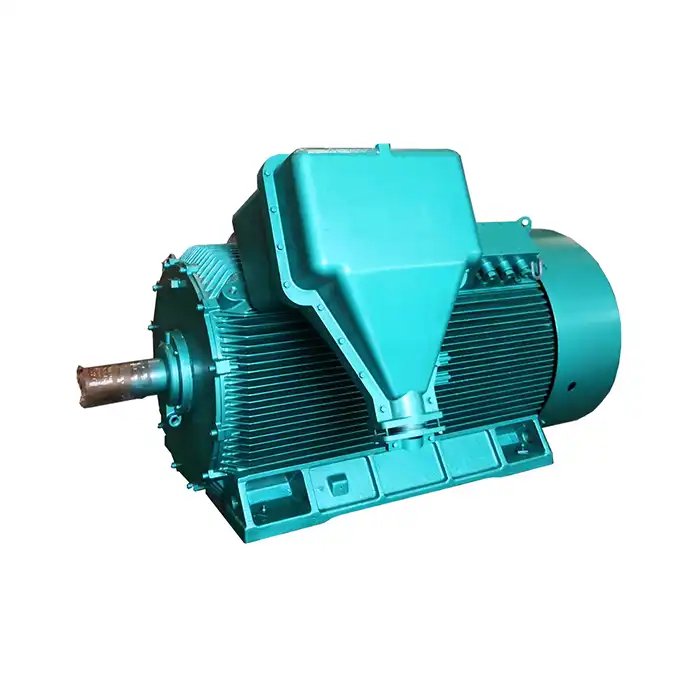
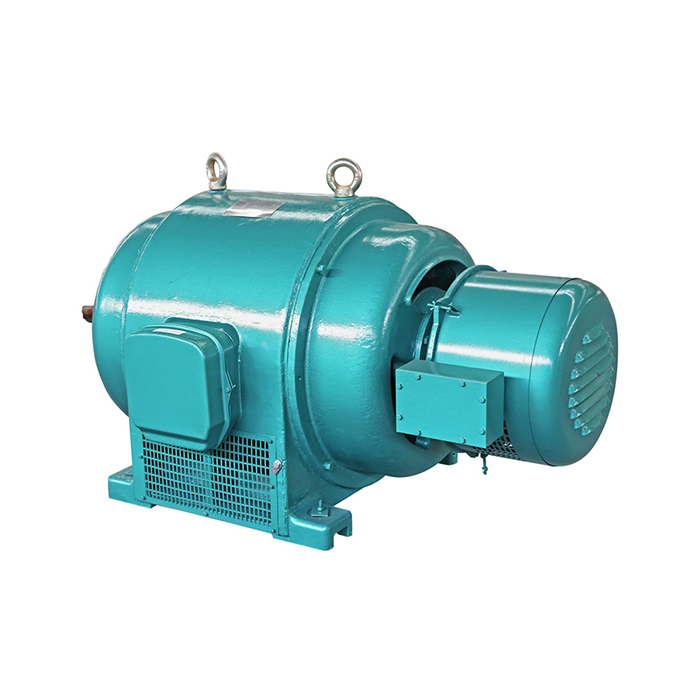
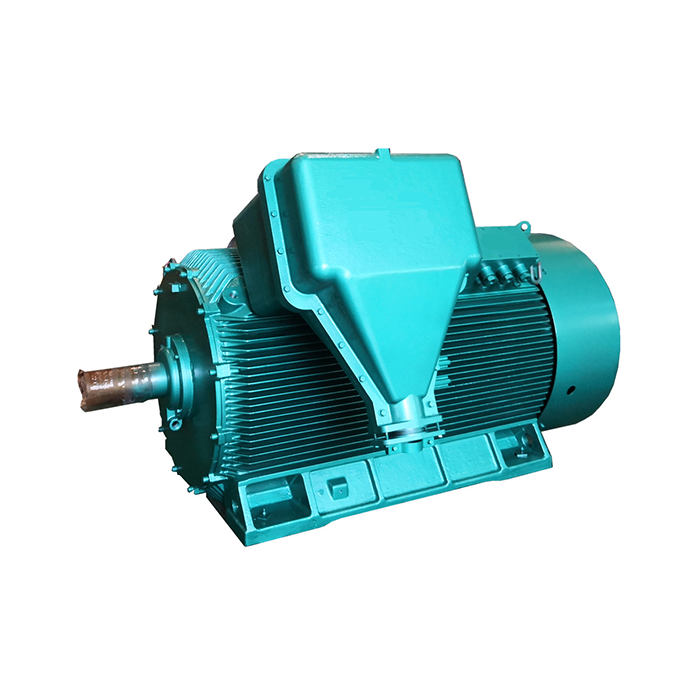
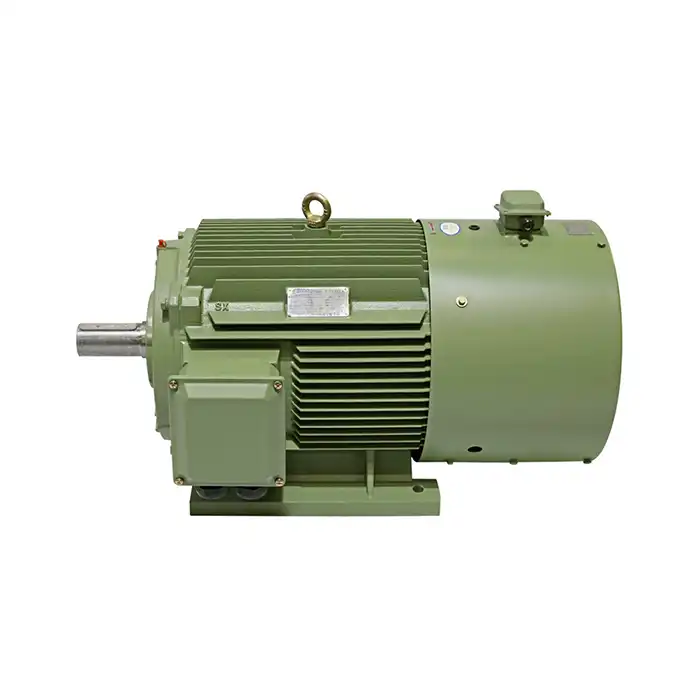
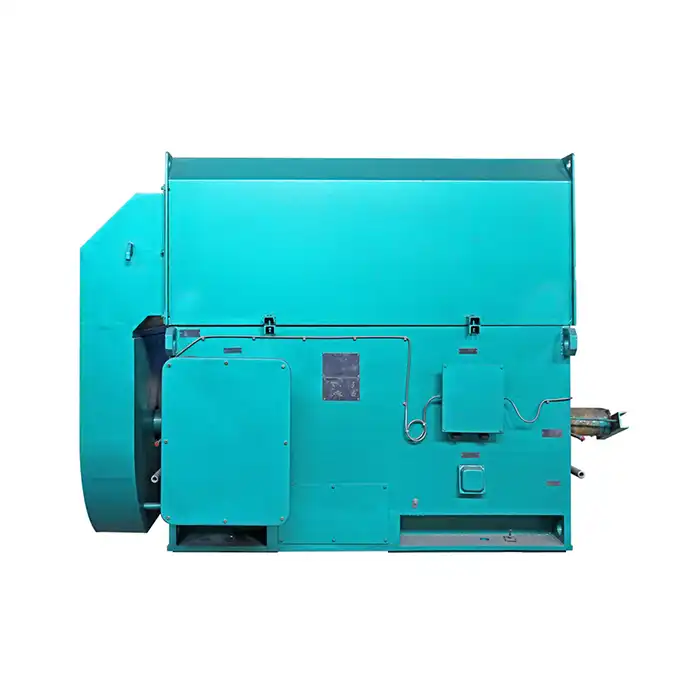
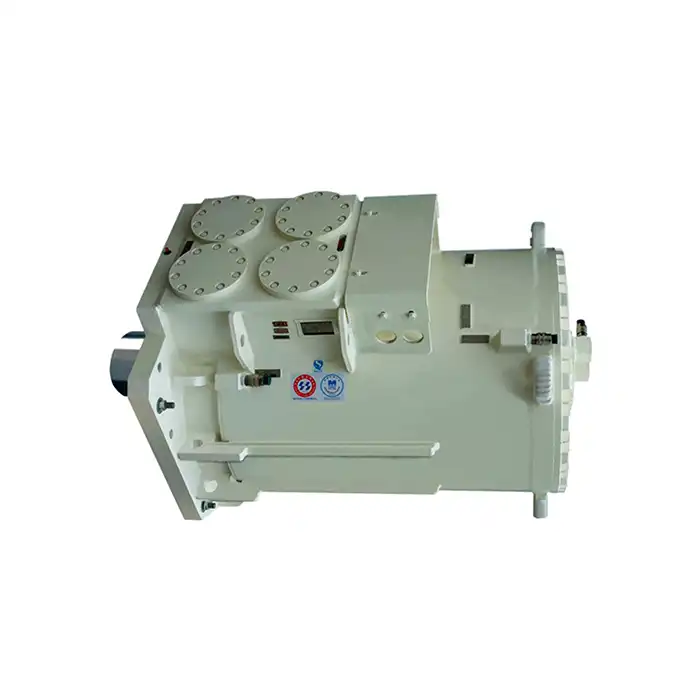
In order to efficiently move fluids through pipes, wells, and small industrial spaces, vertical water pump motors are specialised electric motors that are built to drive pump impellers in a vertical orientation. In places like factories, water treatment plants, HVAC systems, and farms where space is limited and fluids need to be moved quickly, these motors are important parts of small, reliable pumping systems. Because they have a vertical shaft, they can be installed in small spaces and still work very efficiently, which is why they are essential for current industrial fluid management systems.
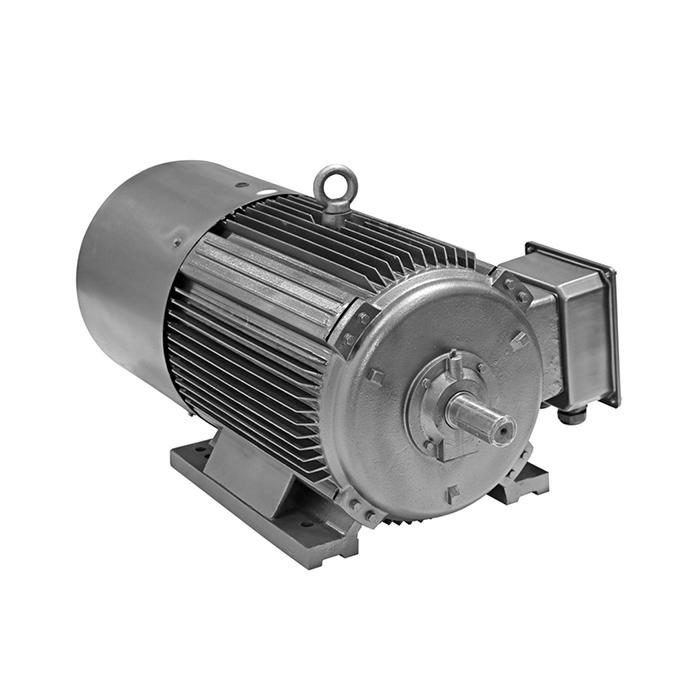
Series:YVFE2
Frequency conversion range:30hz~50hz,5hz~70hz,5hz~100hz
Power range:0.75-355kW
Protection level:IP55
Application:are suitable for driving various mechanical equipment that require continuous and frequent forward and reverse rotation, such as steel rolling, lifting, transportation, machine tools, printing and dyeing, papermaking, chemicals, textiles, pharmaceuticals, etc., and can be used with various domestic and foreign variable frequency power supplies.
Advantage:high efficiency, wide speed range, high precision, stable operation, and easy operation and maintenance.
Certificate:installation dimensions comply with International Electrotechnical Commission (IEC) standards.
Others: SKF, NSK, FAG bearings can be replaced according to customer requirements.
Understanding Vertical Water Pump Motors: Working Principle and Key Features
In order for vertical water pump motors to work, electromagnetic induction must be used to turn electrical input into rotating force. Alternating current runs through the stator windings and creates a spinning magnetic field. This field causes current in the rotor, which drives the vertical shaft and the impeller assembly that is attached to it.
Core Design Characteristics
Vertical water pump motors are different because their shafts are orientated vertically, so they don't need any room for placing them horizontally. The motor housing usually has strong cast iron frames that can handle tough industrial settings, and high-grade copper windings make the energy conversion process as efficient as possible. Precision-balanced wheels make sure that the machine runs smoothly at a range of speeds. This lowers vibrations that could damage equipment nearby or weaken the seal.
Our YVFE2 line vertical water pump motors have sealed bearing systems that make them last longer than most designs. These bearings, which can be ordered in SKF, NSK, or FAG styles depending on the needs of the customer, keep internal parts dry and free of dirt and moisture that are common in pumping uses. Thermal protection systems keep an eye on the temperatures of the windings and cut the power off automatically when the temperatures get too close to the insulation limits. This stops the burnout that can happen when the load isn't normal.
Motor Type Variations
Asynchronous motors are the most common type of vertical water pump motor because they are easy to build and work well. These induction motors work at speeds just below synchronous speed, which makes them great for starting and carrying loads. Our models can change frequencies between 30Hz and 50Hz, 5Hz and 70Hz, and even longer ranges from 5Hz to 100Hz. This lets you precisely control flow in a wide range of process conditions.
Different types of synchronous motors have benefits in situations where the speed needs to be kept exactly the same even when the load changes. These motors aren't used very often for normal pumping tasks, but they work great in power generation and utility jobs where grid synchronisation is important.
The vertical design is very different from horizontal motors because the shaft is not parallel to the fixing surface. This set-up works well for deep well pumps, pond drainage systems and cooling tower setups where the vertical pipes naturally line up with the motor output. Unlike submersible motors, which work beneath, our vertical water pump motors are mounted above the level of the fluid. This makes upkeep easier and gets rid of the electrical problems that come with submersion.
Industrial Application Scenarios
Industries that make things depend on vertical water pump motors to move cooling, chemicals, and waste water. They are used in parts washing systems and hydraulic fluid transfer networks in auto plants. These motors are used by aerospace companies in air control systems that keep clean rooms clean. For electronics to be made, ultrapure water has to flow through vertical water pump motors that are carefully controlled.
Vertical water pump motors are used in process control settings to manage chemicals, oil products, and food items in continuous flow systems. Our 0.75kW to 355kW power range can handle motors for pumps, valves, and fans that need to rotate forward and backward a lot. This covers a wide range of industrial needs, from light duty to heavy duty.
Performance, Maintenance, and Troubleshooting Best Practices
To get the best performance out of a vertical water pump motor, you must first match the motor's specs to the needs of the hydraulic system. The right size is directly related to energy economy. Motors that are too big waste power when they're only partially loaded, while units that are too small overheat and break down early.
Efficiency Optimization Strategies
A lot of scientific work went into making our motors very efficient. With a wide speed range, workers can change flow rates without having to throttling valves, which waste energy by turning extra pressure into heat. When used with our frequency-convertible motors, variable frequency drives use 30 to 50 percent less energy than fixed-speed options in situations with changing demand.
IP55 protection levels stop dust from getting in and water spray from damaging interior components, so they keep working well for longer periods of time. Insulation Class F ratings allow continued operation at temperatures up to 40°C and heights up to 1000 meters above sea level, which means they can be used in most commercial settings without having to be derated.
Maintenance Protocols
Motors last longer and work more efficiently when they get regular repair. We suggest eye checks every three months to look for strange vibrations, noises, or too much heat. When to lubricate a bearing depends on how often it is used and the weather. Sealed bearings in our designs usually don't need much attention, but they should be checked every year to make sure the oil is still intact.
Testing the strength of winding insulation every six months can find moisture absorption or wear and tear before a catastrophic failure happens. If you find measurements below one megohm per kilovolt of regulated voltage, it means that the insulation is damaged and needs to be fixed right away. Thermal imaging scans find hotspots that show bad links, stages that aren't balanced, or parts that are breaking.
One common upkeep mistake is not cleaning the cooling air intake screens, which lets debris build up and makes the working temperature rise. Another common mistake is not checking the alignment of the shaft when installing the pump coupling. If the shaft is not aligned properly, it causes damaging vibrations and speeds up bearing wear.
Troubleshooting Common Issues
A lot of noise is usually caused by worn bearings, an imbalanced rotor, or attaching gear that is too loose. To find the cause, people listen with acoustic stethoscopes and watch the sound patterns. Bearing problems make noises like grinding or squealing, while imbalance makes a regular beating sound that goes with the shaft turning. Rattling sounds are caused by loose nuts, not mechanical wear.
Overheating beyond the allowed temperature increase could mean a number of problems, from not enough air flow to electrical problems. Check the paths for cooling airflow, make sure the voltage is balanced across all three stages, and make sure the current draw meets the values on the plate. When there is a sustained overload, the driven pump needs to be checked for cavitation, jams, or mechanical binding.
Problems with the control system, thermal overload tripping, or input power can make a motor not start. Check that all safety interlocks have been reset correctly, measure the voltage coming in at the motor connections, and make sure the contactor works. If the motor is humming but not turning, it's likely running on single-phase power because of a broken contactor contact or blown fuse. In this case, the power needs to be cut off right away to protect the windings.
When troubleshooting shows that the windings are broken, the bearings need to be replaced, or there are complicated electrical drive problems, the machine needs to be serviced by a professional. Through xcmotors@163.com, our specialised support team helps with diagnostics, fast parts finding, and expert advice, which cuts down on unplanned downtime.
Comparing Vertical Water Pump Motors: Making the Informed Choice
To choose the best pumping tools, you have to compare vertical, horizontal, and submersible motor designs based on the needs of the application. Depending on installation limitations, maintenance access, and operating needs, each style has its own benefits.
Structural and Functional Differences
Vertical water pump motors take up very little floor space because they mount directly on top of pump housings and have shafts that stretch downward into the fluid. This small size works well in mechanical rooms that are already full, below-grade sumps, and outdoor installs where there aren't many horizontal mounting surfaces. The vertical shaft setup easily works with multistage pump designs that stack impellers vertically for high-pressure uses.
All service spots on horizontal motors stay at heights that are easy for technicians to reach, making servicing easier. These motors work well in places where there is more floor area than vertical clearance, like in large process plants with low ceilings. Horizontal layouts usually cost less at first, but they need more space in the building.
Submersible motors work while they are fully submerged, so there is no need to worry about priming. This makes placements possible in deep wells or remote areas without the need for safety structures. But working underwater makes repair harder because getting motors out of the water means pumping down wells or clearing sumps. Electrical links that are below the surface are more likely to fail because they are exposed to harsh circumstances.
Performance Considerations
Our vertical water pump motors offer precise speed control over a wide range of operating ranges, allowing stable operation when flow needs change. The frequency range of 5Hz to 100Hz allows turndown ratios greater than 20:1. This means that a single motor can do work that used to require multiple fixed-speed units. This makes it easier to train operators and lowers the number of extra parts that need to be kept on hand.
The level of difficulty for installation changes by setup. To keep vibrations from spreading, vertical water pump motors need to have their shafts carefully aligned and their bases securely mounted. Installing them correctly takes about 30% more time than installing horizontal versions, but in the right situations, it gives better long-term stability. Specialised pulling gear and watertight wire terminations are needed for submersible installations, which makes them more expensive and difficult to do.
Selection Criteria
Power numbers are the first thing that you should look at when choosing a vertical water pump motor. Figure out the pump's hydraulic needs from its head, flow, and fluid specific gravity, then match the motor's output to those needs. Our range of 0.55kW to 315kW includes home irrigation pumps as well as commercial process pumps. For special needs that aren't met by normal offers, we can also make custom solutions.
The quality of the materials has a direct effect on how long they last and how much they cost to own. Cast iron frames are better than pressed steel ones at withstanding acidic environments and mechanical damage. Copper windings are more efficient and better at handling heat than aluminium versions. This makes up for their higher starting costs by lowering ongoing costs and extending the time between replacements.
When buying things from other countries, voltage compatibility is important. Our vertical water pump motors come in 380V, 400V, 415V, and 660V versions that meet world power standards. Custom voltages can also be made to meet the needs of a specific building. Check the steadiness of the power source. Bad power quality shortens the life of motors and voids warranties.
The level of protection must match the risk of the surroundings. Our types come with IP55 enclosures that are good for most indoor uses and protected outdoor setups. IP56 or higher ratings may be needed in places that need to be waterproof or that are exposed to extreme weather. These ratings can be requested.
Certification compliance makes sure that operations are legal and that quality is maintained. Our motors meet the size requirements set by the International Electrotechnical Commission (IEC), which makes them easy to use in different countries. ISO 9001:2015 certification proves that quality management systems are in line with EU rules, CE marking shows that products are in line with EU rules, and GOST certification targets markets in Eastern Europe.
Coverage under a warranty is an important way to reduce risk. Comprehensive guarantees show that the maker trusts the product and keep it from breaking down too soon. Carefully look over the guarantee terms—the length of coverage, situations that aren't covered, and the claims process all have a big effect on the total cost of ownership.
Procurement Guide: Buying and Sourcing Vertical Water Pump Motors
When buying vertical water pump motors strategically, you need to carefully evaluate each seller, looking at things like product quality, delivery reliability, and the ability to provide support after the sale. Industrial buyers have to make tough choices all the time, weighing short-term prices against long-term running costs and supply chain security.
Supplier Evaluation Framework
Reliable suppliers show they know how to make things by having the right certifications, output ability, and professional support systems in place. Check that ISO quality control methods make sure that the standards for each production batch are the same. Request proof that you have followed the electricity safety standards and environmental rules that apply to the area where you do business.
Transparency in lead times shows that the supply chain is mature. Reliable providers give reasonable shipping times that take into account things like production capacity, the supply of parts, and logistics issues. We keep common configurations in stock so that they can be shipped within days. However, unique specs mean that production has to be planned out over a period of four to six weeks.
Support after the sale is what sets great sellers apart from average ones. Technical help helps choose the best motor, fix problems with performance, and make tools last as long as possible. Our engineering team offers free application advice. They look at pump curves, duty cycles, and environmental factors to suggest the best motor specs. This way of working together cuts down on expensive mistakes in design and installation.
Purchasing Options
When standardising on the same motor specs across all sites, buying in bulk can save you a lot of money. Volume savings are a result of more efficient production and lower shipping costs per unit. We have graduated price levels that reward larger pledges while still allowing smaller orders for things like prototype development or replacement needs in an emergency.
Customers can get custom motor setups to meet specific application needs that aren't met by standard goods. Standard designs can be changed to fit different setups by adding environmental safety features, changing the shaft, adding encoders, or requiring different voltage ratings. Before committing to production, our engineering team works together on unique specs, giving drawings and performance predictions.
Professional installation services make sure that the promise is followed and that the system is properly set up. Maintenance teams with a lot of experience can install simple pumps, but factory-trained workers are better at checking the alignment, electrical connections, and operating parameters of complicated multistage vertical water pump motors. We set up installation help through local service partners so that customers don't have to pay for travel or downtime.
Post-Purchase Support
Maintenance services that are easy to get to protect machine purchases and keep operations running. Keep important extra parts on hand, like bearings, seals, and thermal safety devices that wear out over time. Our parts department sends replacements all over the world to support both old and new production types.
Every motor comes with technical information like wiring plans, performance curves, and directions on how to keep it in good shape. Digital tools on motorxc.com include more repair tips, installation videos, and application notes to help customers do things on their own.
The management of warranties should stay simple and clear. We honour full coverage that includes problems with the way the product was made and fails of materials that happen in normal use. When customers file claims through xcmotors@163.com, they are connected directly with warranty experts, which speeds up the settlement process.
Conclusion
In many different types of industries, from manufacturing technology to energy infrastructure, vertical water pump motors deliver essential fluid handling capabilities. Knowing how they work, what care they need, and how to choose them helps procurement pros come up with the best solutions that balance performance, efficiency, and lifecycle costs. Careful evaluation of suppliers focused on technical knowledge, shipping reliability, and full support guarantees smooth equipment integration and long-term operating success. We are a trusted partner for challenging pumping uses around the world because we are dedicated to quality engineering, following global standards, and quick response to customer service requests.
FAQ
1.What affects the noise level of a vertical water pump motor?
Noise is mostly caused by electromagnetic forces, the state of the bearings, and aerodynamic impacts. When motors are running close to synchronous speeds, they make less electromagnetic noise than when they have a lot of slip. When bearings wear out, they make more noise and need to be replaced. Aerodynamic noise is affected by the design of cooling fans; slower speeds make noise levels lower. Noise spreading can be stopped by installing things correctly so that vibrations don't get sent to the supporting structures.
2.How often should repair be done on vertical water pump motors?
Every three months, routine checks are done to look for strange sounds, movements, or temperature increases. Every year, thorough checks are done that check the insulation resistance, the state of the bearings, and the tightness of the connections. Operating settings with a lot of dust, water, or high temperatures need to be checked on more often. Predictive maintenance, which uses sound analysis and thermal images to find new problems before they break down, is helpful for continuous process applications.
3.Can vertical water pump motors be changed to fit certain needs?
Customisation takes into account different power needs, shaft shapes, mounting setups, and needs for protecting the environment. We change standard designs by adding bearings, encoders, braking systems, and unique finishes that the customer requests. Technical collaboration during the creation of specifications makes sure that custom motors meet performance standards while still being reliable and easy to make. Wait times for custom orders are usually longer than wait times for catalogue goods.
Partner With a Trusted Vertical Water Pump Motor Supplier
Shaanxi Qihe Xicheng Electromechanical Equipment Co., Ltd. runs XCMOTOR and is an expert in providing power equipment options designed for tough industry uses. Our vertical water pump motors for sale are made with high-quality parts and tested technology that works continuously in the process, industrial, utilities, and HVAC industries. Our motors can handle a wide range of pumping needs while still being efficient and reliable. They have power rates from 0.75kW to 355kW, frequency conversion skills from 5Hz to 100Hz, and IP55 protection.
We make procurement easier by providing clear pricing, delivering on time, and providing quick technology help. Our tech team works together to make application-specific choices that make sure the motor specs are perfect for your needs. For personalised consultations, thorough technical documents, and competitive quotes, please email our experts at xcmotors@163.com. We provide original parts from well-known names, let you return purchases within 30 days, and offer committed support, even on weekends, because we know that your business never stops, and neither does our dedication to your success.
References
1. Chapman, Stephen J. "Electric Machinery Fundamentals, Fifth Edition." McGraw-Hill Education, 2012.
2. Hydraulic Institute. "Pump Standards: Vertical Pumps for Liquid Service." ANSI/HI 2.1-2.5, 2020.
3. Toliyat, Hamid A. and Kliman, Gerald B. "Handbook of Electric Motors, Second Edition." CRC Press, 2004.
4. International Electrotechnical Commission. "Rotating Electrical Machines - Part 1: Rating and Performance." IEC 60034-1, 2017.
5. Greenberg, Michael D. "Pump Selection and Application: A Practical Guide." John Wiley & Sons, 2018.
6. National Electrical Manufacturers Association. "Motors and Generators Standards Publication." NEMA MG 1-2021.