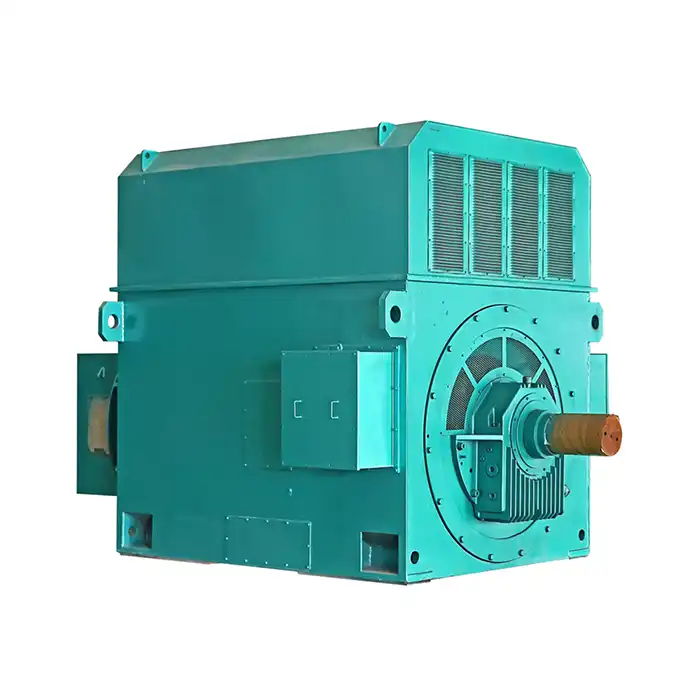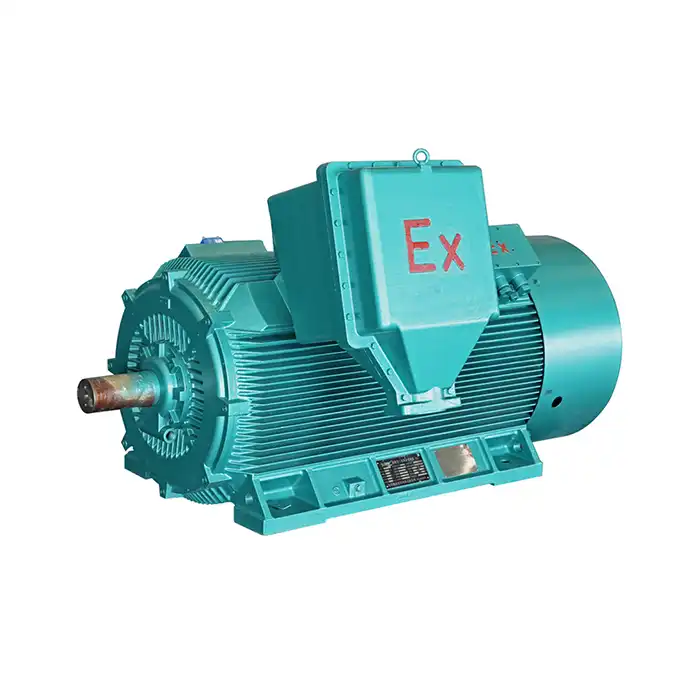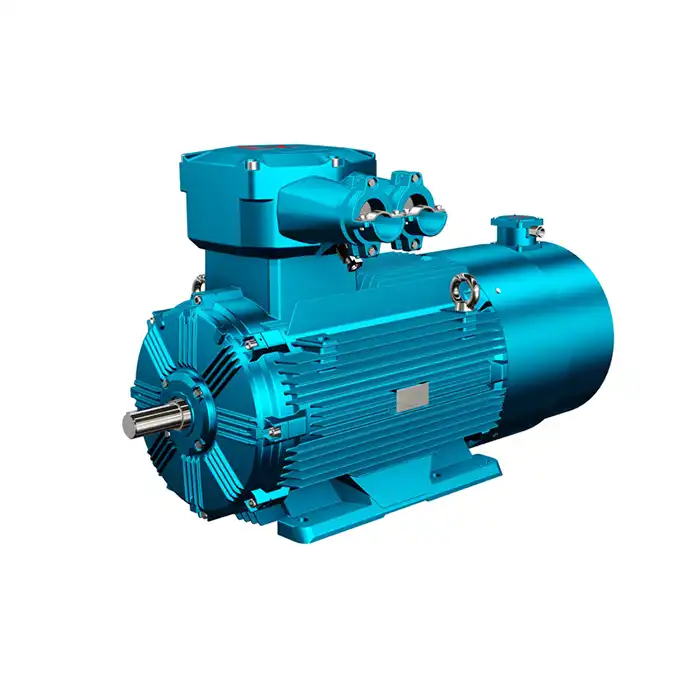




A Comprehensive Guide to LV Induction Motor
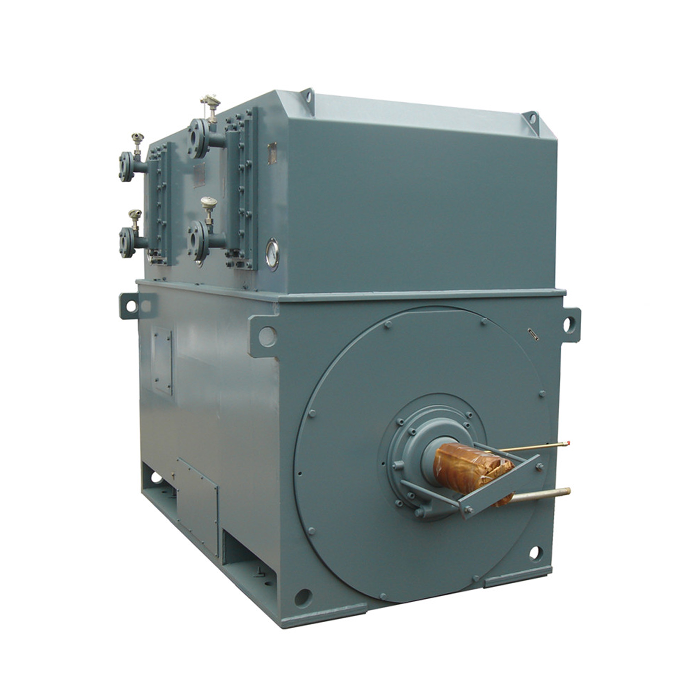
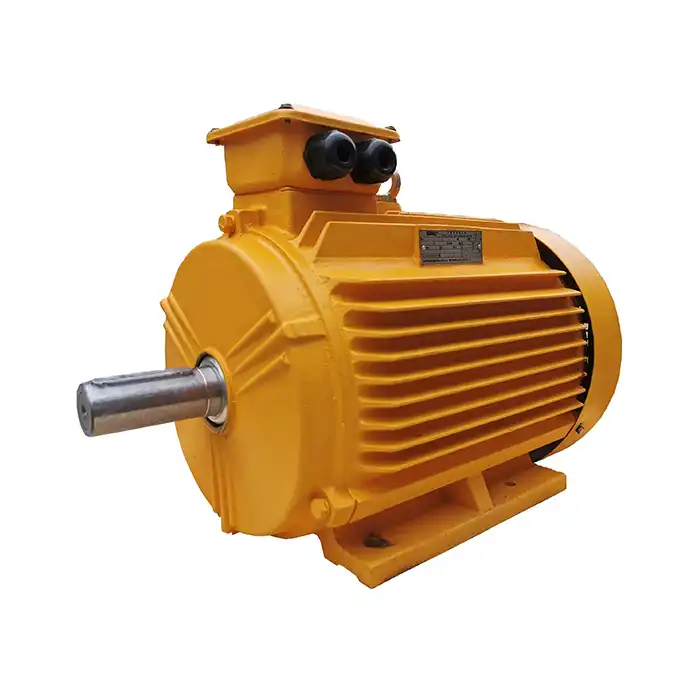
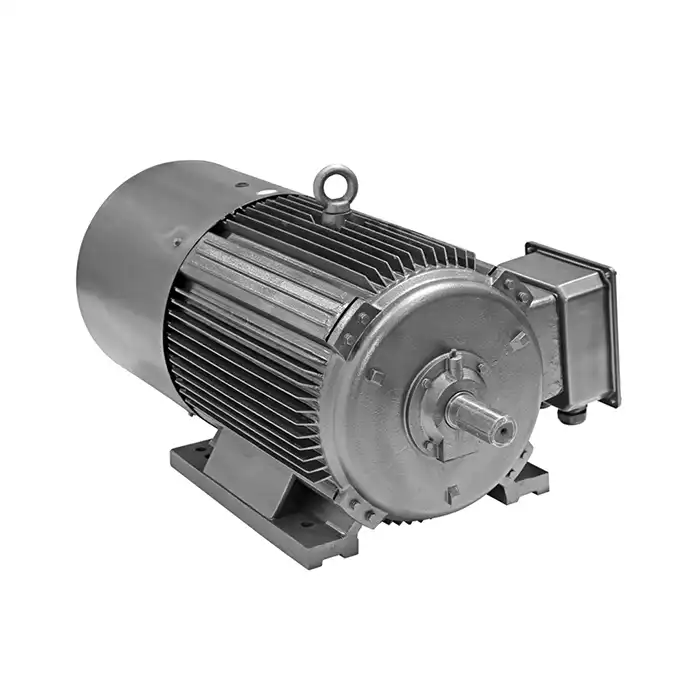
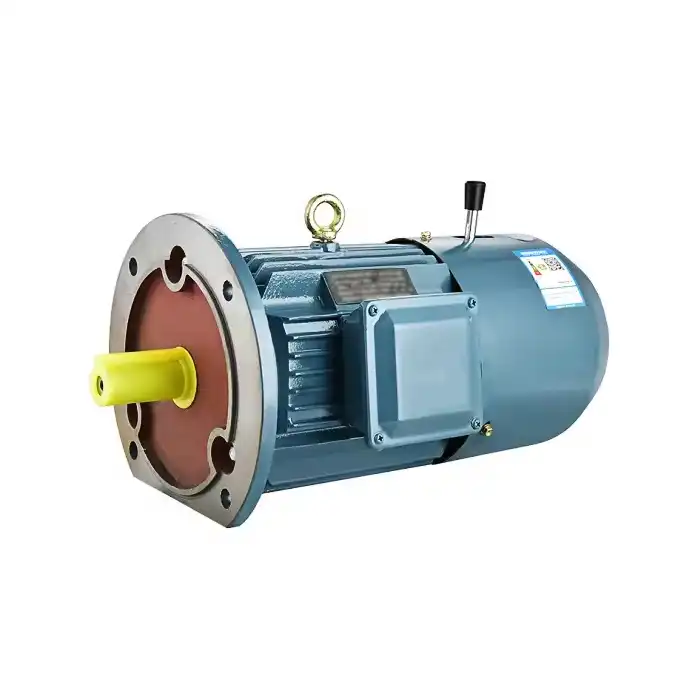
Machinery that keeps businesses around the world running is powered by LV Induction Motors. Whether you're in charge of a manufacturing plant, an HVAC installation, or choosing tools for green energy projects, knowing how these motors work and where to find them can have a big effect on how well your business runs. The mechanical heart of countless industrial uses, from conveyor systems to water treatment pumps, is an LV Induction Motor, which usually works at less than 1,000 volts. You can learn everything you need to know about choosing, keeping, and getting these important business parts in this book.
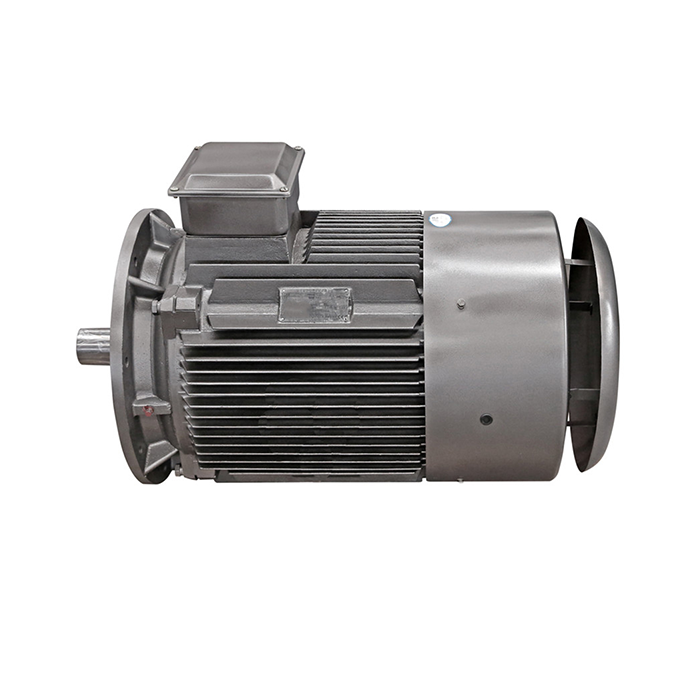
Series:YE3
Frame number: 80-450
Power range:0.75-1000kW
Protection level:IP55
Energy efficiency class: IE3
Voltage range: 380V,400V,415V,660V, etc.
Application:can be used in various fields of the national economy, such as machine tools,water pumps,fans,compressors,and can also be used in transportation, mixing, printing, agricultural machinery, food and other occasions that do not contain flammable, explosive or corrosive gases.
Certificate: international standard IEC60034-30 "Efficiency Classification of Single-speed Three-Phase Squirrel Cage Induction Motors".
Advantage:The high quality of the electric motor guarantees high operational reliability.
Others: SKF, NSK, FAG bearings can be replaced according to customer requirements.
Understanding LV Induction Motors: Basics and Working Principles
At their core, LV Induction Motors use electromagnetic induction to turn electrical energy into mechanical motion. A rotating magnetic field is made when three-phase alternating electricity runs through the stator windings. This field makes the rotor's currents flow, which makes its own magnetic field. Torque is made when these two fields combine, which makes the rotor spin and power your tools.
Squirrel Cage vs. Wound Rotor Designs
The squirrel cage form is the most common in industry because it is easy to use and lasts a long time. In this design, aluminium or copper bars are built into the rotor and linked by end rings that look like a squirrel cage. Because these motors don't need brushes or slip rings, they need less upkeep and last longer. XCMOTOR makes squirrel cage motors with die-cast aluminium frames that have frame numbers between 80 and 450 and power rates of 0.75kW and 1000kW. Even though they are not very common, wound rotor motors let you change the speed by adding resistance to the outside. Because they have brush assemblies, these motors need more upkeep, but they are good for tasks that need a lot of starting power or precise speed control.
Single-Phase vs. Three-Phase Configurations
Three-phase induction motors work better in industrial settings than other types. Compared to single-phase options, they are more efficient, have better power factors (between 0.80 and 0.89), and run more smoothly. Because they are three-phase, they can handle bigger loads and don't need starting capacitors, which makes them perfect for factories, process control systems, and business HVAC installs. Single-phase motors are used in homes and small business equipment where three-phase power isn't available. They usually have a maximum power output of about 5 horsepower and use starting capacitors or extra windings to get them going.
Practical Applications Across Industries
These motors are needed to power machine tools, conveyor systems, and equipment for moving materials in factories. Robotic assembly lines are used in auto plants, and precision machining is done on them by aircraft makers. In food processing plants, motors that are sealed in stainless steel and meet IP55 or IP65 safety standards mix, grind, and package food in places where there is moisture and dust. LV Induction Motors are used in industrial buildings for air movers, chillers, and cooling tower fans. Because they can safely work in temperatures ranging from -10°C to +40°C, these motors can be used both inside and outside. They are used in power plants for cooling systems and extra equipment, and they are used in water treatment plants for pumps that move millions of gallons of water every day.
Performance and Maintenance: Optimizing LV Induction Motor Efficiency
Energy costs make up about 97% of an LV Induction Motor's total costs, so economy is an important thing to think about when buying one. Modern LV Induction Motors that meet IE3 standards use 2–5% less energy than older designs. This means that equipment that runs for more than eight hours a day will pay for itself in less than four years.
Built-in Advantages for Industrial Reliability
Strong design of high-quality induction motors guarantees their reliability in harsh conditions. Core losses are kept to a minimum by high-grade silicon steel in the stator and rotor, and Class F shielding can handle temperatures up to 155°C. These design factors make motors last longer and cut down on unexpected downtime. Depending on what the customer wants, XCMOTOR motors come with high-quality bearings from SKF, NSK, or FAG. These bearings can handle both radial and axial loads and keep things running smoothly at speeds between 500 and 3000 RPM. The IP55 grade protects internal parts from dust and water jets, making it suitable for places where weather exposure happens often. Motors with power ranges from 5 Nm to 2400 Nm, so they can handle a wide range of loads. The die-cast aluminium frame design strikes the perfect balance between weight and structural stability. It makes installation easier and can withstand mechanical stress.
Routine Inspection and Lubrication Practices
Setting up a repair plan keeps the motor running efficiently and stops expensive failures. Infrared thermometers should be used to check the temperatures of the bearings once a month. Readings that are more than 80°C above room temperature could mean that the bearings are not properly oiled or are out of line. Sometimes strange noises or movements can mean that a bearing is wearing out or the rotor isn't balanced. Bearings should be oiled as directed by the maker, which is usually every 2,000 to 4,000 hours of use, based on speed and load. Too much grease can damage seals by building up too much heat, while not enough oil speeds up bearing wear. To keep things running smoothly, only use the types of grease that are suggested and work with the oils you already have. Check the end links every three months for signs of overheating and tightness. When connections aren't tight, resistance goes up. This makes heat, which breaks down insulation and loses energy. Make sure that the venting holes stay clear of dirt so that cool air can flow through them.
Troubleshooting Common Issues
If motors won't start, use a voltmeter to check the voltage and phase balance of the power source. When voltage changes between stages are more than 1%, they cause uneven currents that make the motor less efficient and shorten its life. Check the settings for the overload switch to make sure they match the numbers on the motor's nameplate. Misalignment between the motor and the driven tools can cause too much shaking. Use laser alignment tools to make sure that the coupling is aligned within the limits set by the maker. Vibrations that need instant attention can also be caused by unbalanced loads, broken bearings, or mounting nuts that are too free. Overheating could be caused by poor air flow, a high outdoor temperature, voltage problems, or too much current. Take the real load current and compare it to the full-load amperage that is written on the load. Continuously running above the maximum load speeds up the wear and tear on the insulation and bearings.
LV Induction Motor vs. Alternatives: Making the Right Choice
To choose the right LV Induction Motor technology, you have to weigh the performance features against the needs of the product and the total cost of ownership. Depending on how it is used, each type of motor has its own benefits.
Comparing Low Voltage and High Voltage Motors
High voltage motors that work above 1kV are good for situations where more than 1,000kW of power is needed or where reducing the flow of current through long wire runs makes things work better. At higher power levels, they work better, but they are harder to set up and need more specialised upkeep knowledge. LV Induction Motors are easy to set up and keep up, and they work well in most industrial settings. They are cheaper to buy at first and are easy to connect to normal control tools. If a building already has LV Induction Motor distribution systems, choosing motors that work with what's already there can save them a lot of money on updates to transformers and switches.
Synchronous Motors: Precision at a Premium
Synchronous motors keep their speed steady even if the load changes. This makes them perfect for situations where precise speed control is needed. They either get the power factor to unity or work as power factor adjustment devices, which could lower your energy bills. On the other hand, synchronous motors are 20–40% more expensive than similar induction motors, and they need DC activation systems, which makes them more complicated. Induction motors can handle changes in load better and don't need to be excited from the outside. Their speed changes a little with load—usually about 2% to 5% at full load—but this is fine for most pumps, fans, and compressors. Induction motors are the best choice unless you need a steady speed. They are easier to build and cost less.
DC and Servo Motors: Specialized Solutions
DC motors have good speed control and a high starting power, but the brushes need to be replaced every so often, and they make electrical noise that can mess up sensitive electronics. Because they need more upkeep and don't last as long as AC induction motors, they can only be used in certain situations. Servo motors are much more expensive than induction motors, but they can precisely control position and speed up robots and CNC machines. They are good for situations where precise placement and quick response time are worth the extra cost. Three-phase squirrel cage induction motors are still the best choice for general industrial drives that need to work well and require little upkeep. They are better than other options in the biggest range of applications because they combine starting cost, running efficiency, and dependability better.
How to Choose and Procure LV Induction Motors: A B2B Buying Guide
To successfully buy an LV Induction Motor, you must first clearly define what you need. If you get the specs wrong, things will break down early, waste energy, or not work well enough.
Identifying Load and Environmental Requirements
Figure out the mechanical load that your motor needs to drive, including how much starting torque it needs. Fans and centrifugal pumps only need about 30 to 40 percent of their full-load torque to start up, but conveyors and compressors may need 100 to 150 percent of their maximum torque. Choose motors whose power characteristics match the shape of your load. Think about the working routines and job cycle. Continuous-duty motors can work 24 hours a day, seven days a week, while intermittent-duty rates are better for uses that need to take breaks every so often. When you use equipment beyond its duty level, the motor's life is cut short and guarantees are voided.
Environmental factors have a big effect on power choosing. Places where there is a risk of explosion need approved explosion-proof shelters. For placements outside, designs need to be weatherproof and more resistant to rust. For sites above 1,000 meters, derating is needed because the air is thinner at higher elevations, making cooling less effective. XCMOTOR has motors that work with voltages of 380V, 400V, 415V, and 660V, which are all acceptable by world power standards. If you match the motor power to your building's electrical system, you won't need an expensive transformer.
Evaluating Suppliers and Quality Standards
When looking for motors, make sure that the sources you choose have the right quality standards. Compliance with IEC60034-30 efficiency standards makes sure motors meet international performance standards, and ISO 9001:2015 approval shows a dedication to consistent manufacturing processes. Quality guarantee goes beyond the buy itself. Suppliers should give full scientific information, such as performance graphs, dimensional drawings, and wire diagrams. Having access to application tech support can help you with startup issues and make the system work better together. The terms of the warranty show that the maker trusts the product to work well. Standard guarantees that last between 12 and 24 months cover manufacturing flaws, but choices for longer warranties offer extra security for important uses. Find out exactly what the guarantee covers. Some don't cover damage caused by bad fitting or environmental factors that go beyond what is allowed. Products from XCMOTOR are marked with the CE mark and the GOST mark, which means they meet the standards for both European and foreign markets. Before it is shipped, each motor goes through a lot of tests using high-tech computerised winding tools and full performance checks.
Stock Availability vs. Custom Manufacturing
Standard frame sizes and power levels can be shipped quickly from stock at a wholesaler, which keeps project delays to a minimum. Depending on how complicated they are, custom specs like different voltages, shaft configurations, or mounting arrangements can take anywhere from 4 to 12 weeks to manufacture. Compare the need for quick arrival to the need for exact specifications. Small changes to features that aren't essential might allow for quick shipping from stock. For important uses, it's better to wait for motors that exactly match the needs instead of changing the tools to fit what's in stock. When you need things quickly, having relationships with providers you can trust is helpful. Customers who have been with the company for a while usually get priority booking when faster delivery is needed. Shaanxi Qihe Xicheng Electromechanical Equipment Co., Ltd. keeps common setups in stock and can also make changes to meet specific needs.
Procurement Considerations and Pricing Dynamics
Motor prices change based on how much copper and electrical steel cost as raw materials. Keeping an eye on the product markets can help you time big buying well. There are savings for buying more than one unit, and keeping your facility's frame sizes consistent makes keeping spare parts easier. Don't just look at the buying price; also look at the total cost of ownership. Motors with higher efficiencies cost more, but they save money because they use less energy. A motor that runs for 8,000 hours a year at $0.10 per kWh can save a lot of money over its lifetime with just a 3% improvement in performance. Ask for thorough quotes that list all the features that are included and the terms of delivery. Check to see if the prices include the costs of shipping, attaching hardware, and instructions. When you buy something from another country, you need to know about the import taxes and follow the rules of that country.
Conclusion
In almost every industry, LV Induction Motors have been used for years and have been shown to work reliably. Because they last a long time, work well, and don't cost a lot of money, they are the best choice for everything from small machine tools to big pumping stations. By learning about the basics of motors, how to buy them, and how to keep them in good shape, you can make decisions that improve machine performance while keeping costs low. When you choose quality goods from reputable makers, your operations will benefit from decades of engineering progress, whether you're replacing old equipment or choosing motors for new installations. Even though the industrial world is always changing, good LV Induction Motors are still essential for running processes quickly and effectively.
FAQ
1.What maintenance does an LV induction motor require?
Basic upkeep includes checking the temperatures of the bearings once a month, lubricating them every 2,000 to 4,000 hours, checking the electrical connections every three months, and making sure there are no obstructions in the airflow. Watch out for vibrations and strange sounds that could mean problems are starting to happen. Keep track of the real load conditions and working hours to plan preventative maintenance that can be done before problems happen.
2.How do I determine correct motor sizing?
Figure out how much mechanical power your equipment needs and then add 10 to 20 percent to make sure it doesn't keep running at full power. Think about the starting power needed, the duty cycle, and the external factors that can affect how well the motor works. Talking to application engineers can help you double-check your numbers and stay away from common size mistakes that hurt reliability.
3.What distinguishes LV motors from HV motors in operational costs?
At first, LV Induction Motors are cheaper, and they are easier to install and keep up. High voltage motors are more efficient when the power is above 1,000kW and use less current when the wire runs for a long distance. However, they need special skills and tools to work. When LV Induction Motors are matched to existing electrical infrastructure, the total cost of ownership is lower for most commercial uses that use less than 1,000kW.
Partner with XCMOTOR for Your Industrial Motor Requirements
Good motors are what make things work, and picking the right provider makes all the difference. It is XCMOTOR's main business to make efficient three-phase squirrel cage induction motors that meet IE3 efficiency standards and have power rates ranging from 0.75kW to 1000kW. In the United States, our motors are used in the industrial, HVAC, energy, and process businesses for tough jobs. As a seasoned LV Induction Motor maker, we are aware of your operating difficulties and can provide solutions that are backed by ISO 9001:2015 certification and meet all applicable IEC standards. You can email our technical team at xcmotors@163.com to talk about your unique needs, get full specifications, or get quotes from other companies. We offer fast shipping, dedicated help seven days a week, and 30-day return policies to make sure you're completely happy. Visit motorxc.com to see our full line of products and learn how XCMOTOR motors can help your business be more reliable and efficient.
References
1. Boldea, I., & Nasar, S. A. (2010). The Induction Machines Design Handbook. CRC Press, Boca Raton.
2. National Electrical Manufacturers Association (2021). NEMA Standards Publication MG 1-2021: Motors and Generators. Rosslyn, Virginia.
3. International Electrotechnical Commission (2014). IEC 60034-30-1: Rotating Electrical Machines - Part 30-1: Efficiency Classes of Line Operated AC Motors. Geneva, Switzerland.
4. De Almeida, A. T., Ferreira, F. J., & Fong, J. A. (2011). Standards for Efficiency of Electric Motors: IEEE Industry Applications Magazine, 17(1), 12-19.
5. Chapman, S. J. (2012). Electric Machinery Fundamentals. McGraw-Hill Education, New York.
6. Bonnett, A. H., & Soukup, G. C. (1992). Cause and Analysis of Stator and Rotor Failures in Three-Phase Squirrel-Cage Induction Motors: IEEE Transactions on Industry Applications, 28(4), 921-937.