



How to Select the Right Inverter Duty AC Motor?
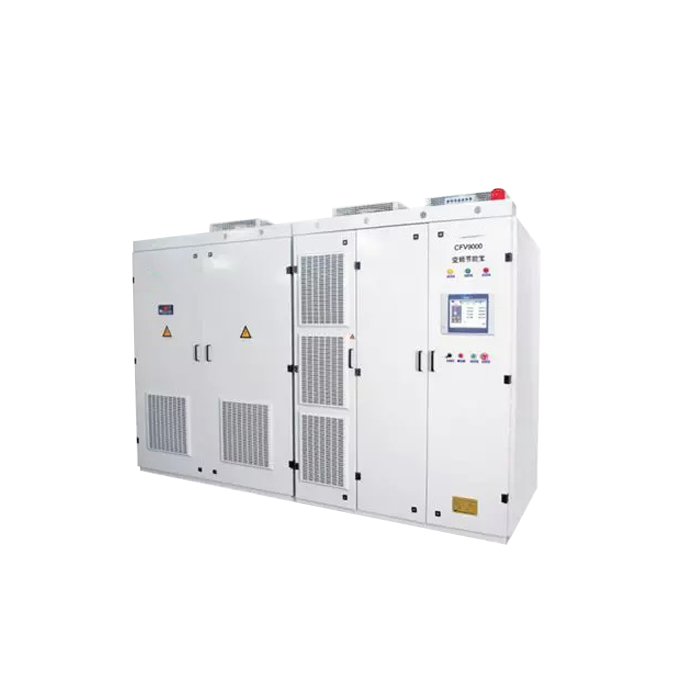
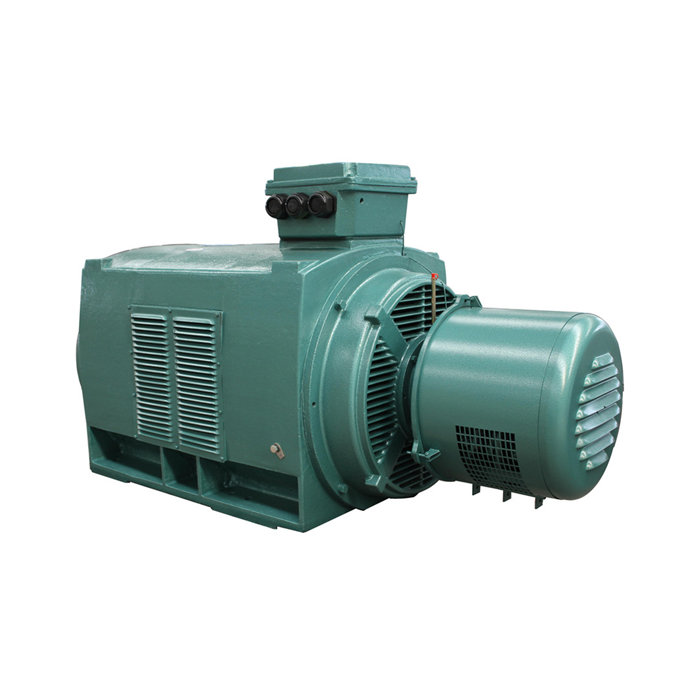
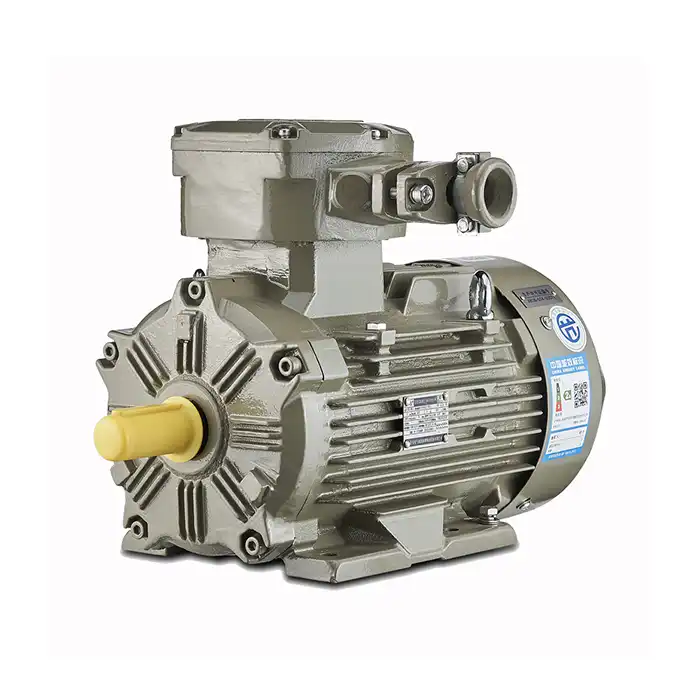
Selecting the right inverter duty AC motor involves evaluating VFD compatibility, torque characteristics, cooling systems, and insulation quality to ensure stable performance across variable speed ranges. An inverter duty AC motor is purpose-built to withstand voltage harmonics and temperature fluctuations, making it suitable for demanding environments like steel rolling, textile manufacturing, and HVAC operations. Understanding these factors helps procurement teams avoid premature failures, reduce downtime, and achieve long-term operational efficiency in their production systems.
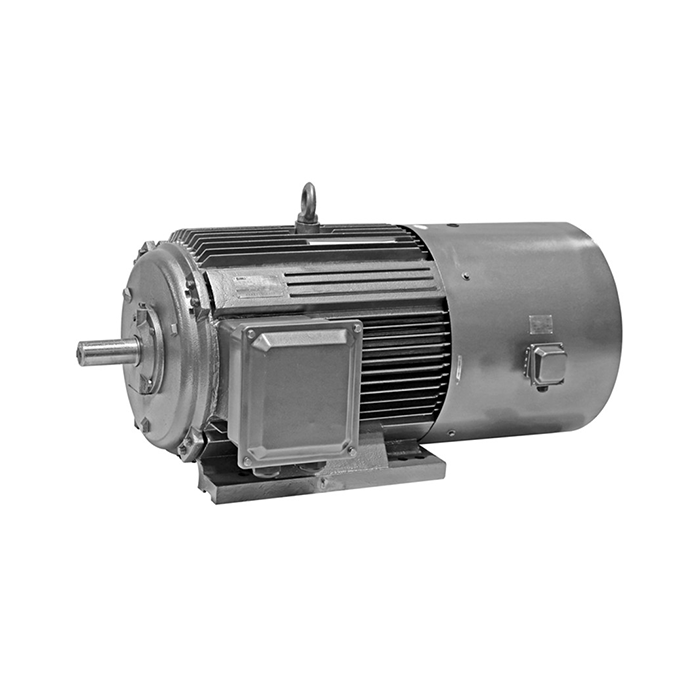
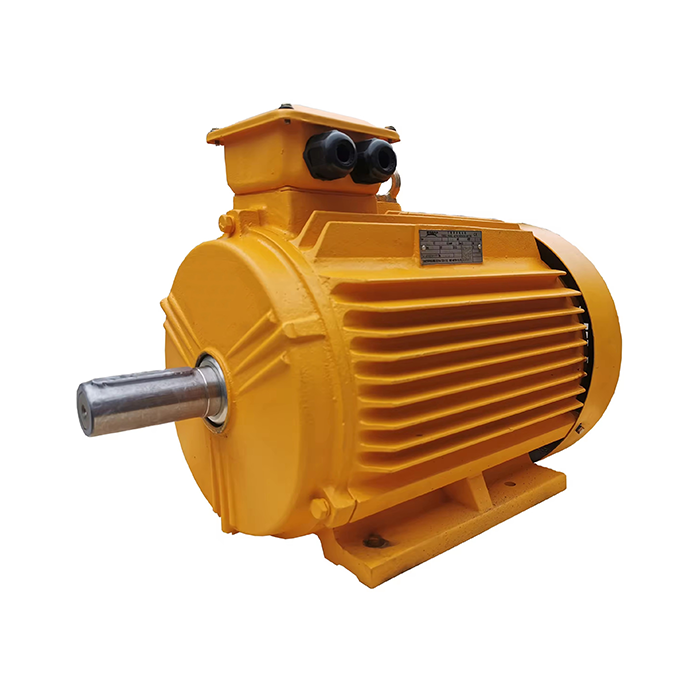
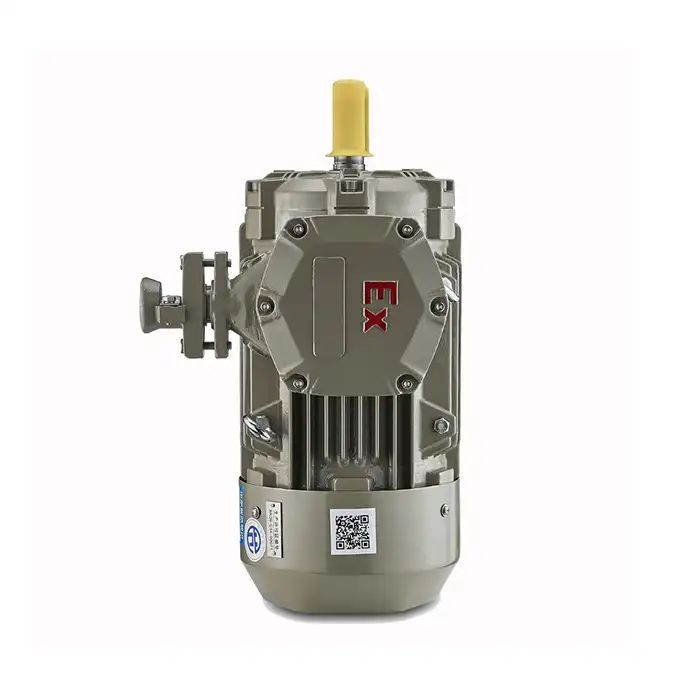
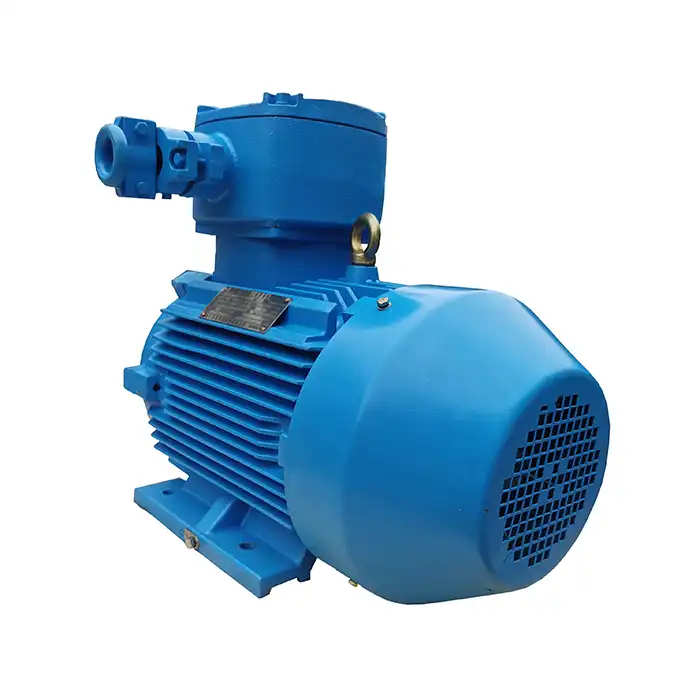
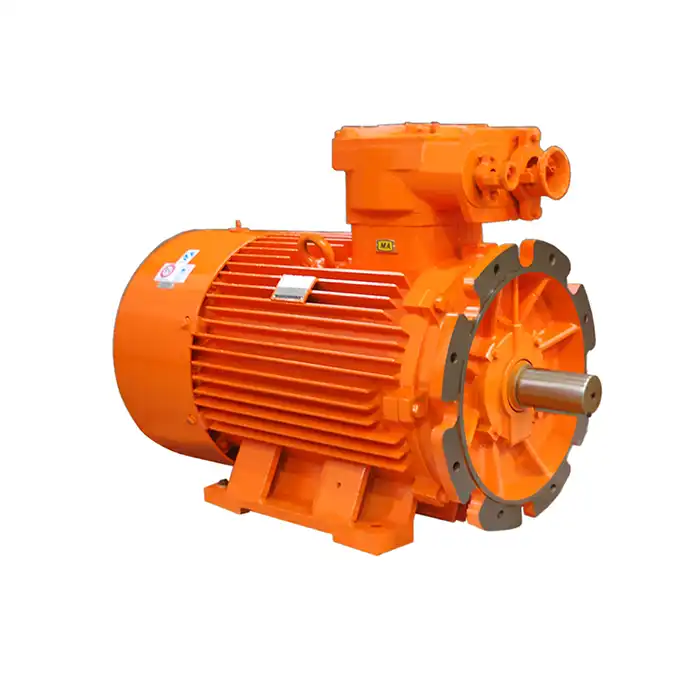
Series:YVFE3
Frequency conversion range:30hz~50hz,5hz~70hz,5hz~100hz
Power range:0.75-1000kW
Protection level:IP55
Application:are suitable for driving various mechanical equipment that require continuous and frequent forward and reverse rotation, such as steel rolling, lifting, transportation, machine tools, printing and dyeing, papermaking, chemicals, textiles, pharmaceuticals, etc., and can be used with various domestic and foreign variable frequency power supplies.
Advantage:high efficiency, wide speed range, high precision, stable operation, and easy operation and maintenance.
Certificate:installation dimensions comply with International Electrotechnical Commission (IEC) standards.
Others: SKF, NSK, FAG bearings can be replaced according to customer requirements.
Understanding Inverter Duty AC Motors
What Defines an Inverter Duty Motor
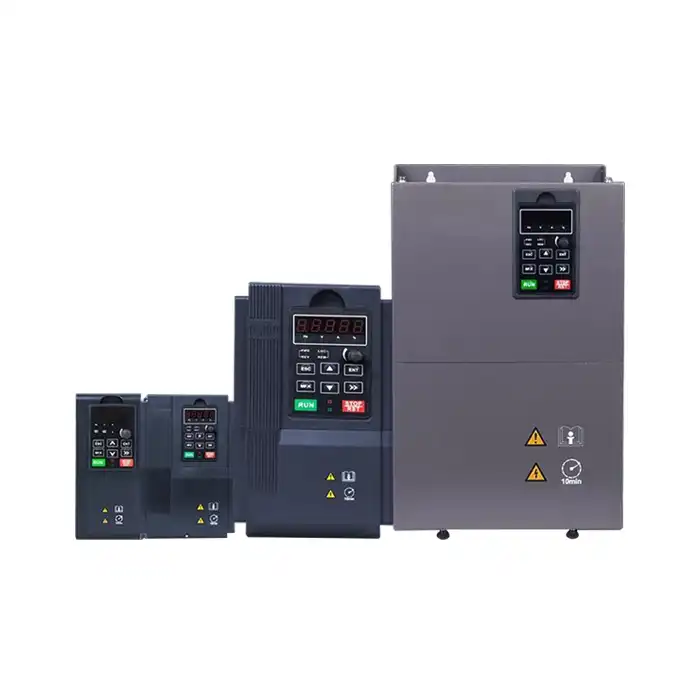
For variable frequency drives, an inverter duty AC motor is built. These drives regulate motor speed by changing power supply frequency and voltage. These motors are designed to handle VFD stresses, unlike regular motors that work at a fixed line frequency and constant speed. The insulation system, which must handle voltage jumps and harmonic changes during frequency conversion, is the biggest difference.
VFDs change AC power that comes in to DC power and then flip it back to variable-frequency AC power. Standard motor insulation can't handle long periods of time with the high-frequency voltage pulses that this process makes. To keep the windings from breaking too soon, inverter duty AC motors use premium-grade insulating materials, thicker insulation layers, and wider conductor spacing.
Core Operational Benefits
The best thing about using an inverter duty AC motor is that it lets you precisely control the speed while keeping the power output constant. Traditional motors with a set speed only work well within a small performance range. When full speed isn't needed, they waste energy. In applications like pumps and fans, where power needs drop dramatically as speed goes down, variable speed operation cuts energy use by 30 to 50 percent.
These motors conserve energy and smooth acceleration and deceleration, reducing mechanical stress on linked equipment. Gradual speed changes prevent belt slips, gear wear, and product damage in material handling systems. Motors last longer due to better thermal management and less mechanical stress, which prevent insulation degradation. Eliminating fixed-speed systems' noisy beginnings and stops quiets them.
Critical Design Differences
Inverter duty AC motors are distinguished by more than insulation quality. Cooling is another key difference. Speed-reducing shaft-mounted fans are used in standard motors. These cooling devices are less effective when harmonic currents generate up heat. Inverter duty AC motors include separate forced cooling fans (IC416 design) that maintain airflow regardless of shaft speed. This ensures heat removal even when the motor runs at low speed for a long time.
In these structures, bearing systems are also given extra care. When a VFD is running, it causes voltages on the shaft that can arc through bearings and damage them, leading to early failure. To safely reroute these currents, good makers use insulated bearings or special grounding systems. The building of the rotor and stator also has to deal with higher magnetic losses caused by harmonic frequencies. This calls for higher-grade electrical steel and better designs for lamination.
Key Criteria for Selecting the Right Inverter Duty AC Motor
Efficiency Ratings and Energy Performance
Operational costs depend on motor performance over equipment life. Energy-saving IE3 efficiency ratings are the industry standard, saving more than IE1 or IE2. Make that economic standards operate at all speeds, not just at full load. An inverter duty AC motor may be efficient at 100% speed but not at 50–70%, where most applications need it.
Figure out the total cost of ownership by guessing how much energy the motor will use over its expected 15 to 20-year life. A motor that is 2-3% more efficient may cost more at first, but the lower electricity bills usually pay for it in two years. When operations run around the clock, this payback period gets a lot shorter.
Torque Characteristics and Load Matching
Choosing the proper motor requires knowing how much power is required. Constant torque applications like positive displacement pumps and conveyors must produce full torque at low speeds. Centrifugal fans and pumps employ variable torque, which decreases with speed. A constant torque inverter duty AC motor employs robust design and cooling to operate at full speed from zero to maximum.
Look at the torque curve that the maker gives you to make sure that the motor meets your needs across the whole working range. Stalls, overheating, and early failure can happen when there isn't enough torque at startup or low speeds. On the other hand, motors that are too big lose money on capacity they don't need and are less efficient at normal working loads.
Frequency Conversion Range
The frequency adjustment range indicates how much your motor can speed up. Simple uses may only require 30Hz to 50Hz operation, allowing speed changes around the 50Hz line frequency. More demanding usage need 5Hz to 100Hz ranges, which allow speed ratios above 1000:1.1. The YVFE3 series comprises 30-50Hz, 5–70Hz, and 5–100Hz frequency ranges for various applications. Customers don't pay for unnecessary features.
When the frequency is lower, it's harder to keep the motor cool and the torque steady. Motors that are meant to run at low frequencies for long periods of time need their own cooling systems and special winding designs. Make sure that the frequency range of the motor you've chosen fits your working needs, as well as any plans for future growth that might need a wider range of speeds.
Comparing Top Brands and Models for Industrial Procurement
Market-Leading Motor Manufacturers
The industrial motor market is dominated by a few well-known brands, each with its own strengths in certain application areas. Baldor, which is now part of ABB, has a good name in North American markets for consistent frame sizes and reliable performance in most industrial settings. WEG has reasonable prices and good quality, which makes it a popular choice for projects that need to stay within a budget. Siemens charges high prices because its engineers are very good at what they do and it can fully integrate many systems together.
These well-known brands usually offer a lot of information, a large network of service providers, and reliable lead times. But new makers are becoming a bigger threat to standard suppliers by giving unique features or low prices. When looking at your options, don't just look at the initial cost. Also think about the total cost of ownership, which includes things like the guarantee terms, the availability of spare parts, and the quality of expert support.
Evaluating Price-Performance Balance
various automobile manufacturers and models have various price-performance relationships. Premium brands charge extra due to superior materials, stricter manufacturing tolerances, and more rigorous testing. These upgrades will increase service life, dependability, and efficiency. Budget options may function in the near term, but they need more maintenance and replacement.
When comparing options, don't just look at the purchase price; also look at the costs over the whole life of the item. Think about how much energy it will use, how often it will need to be serviced, how long it will last, and how much it will cost to have it down for repairs. Typically, an inverter duty AC motor that costs 20% more up front but lasts 30% longer and uses 5% less energy is cheaper in the long run.
Supplier Reliability and Support Capabilities
In addition to motor quality, supplier skills affect project success. Lead times, inventory levels, customising choices, and technical support vary per provider. Large wholesalers carry a lot but don't customise. Working directly with a manufacturer gives you technical tools and unique configurations, but it takes longer to purchase.
Carefully review warranty coverage. Top manufacturers may insure you for 36 months, whereas standard periods are 12–18 months. Know what your warranty covers and excludes. Insufficient maintenance or motors used outside their recommended range aren't covered by many plans. Quick technical help prevents modest issues from becoming costly failures, making after-sales service more crucial than warranty term.
Practical Considerations for Purchasing and Maintaining Inverter Duty AC Motors
Sourcing Strategies and Procurement Approaches
Direct manufacturer relationships are good for bulk purchases or customised uses. This method offers technical support and possibly better prices, but you must handle foreign shipping and buy a minimum amount. Well-known distributors combine shipping, keep inventory close, and simplify payment terms, making buying easier. Prices may be higher and personalisation restricted.
Online marketplaces are growing, but use them carefully. Check the seller, maker, and return policy before buying. Due to bogus items and misrepresented specifications, online channels are risky. Request manufacturer test reports and certificates before accepting delivery. Reliable suppliers provide 30-day returns, which protects you throughout testing and installation.
Installation Best Practices
If an inverter duty AC motor is installed correctly, it will last as long as it should or break down before its time. Start by getting the foundation ready. Make sure the mounting surfaces are flat, level, and strong enough to hold operational loads without shaking too much. The position of the shafts between the motor and the driven equipment must be exactly as the maker specifies. If they are not, bearings wear out faster and mechanical parts are put under extra stress.
The same caution applies to electrical connections. Determine conductor size depending on run length and engine current. To prevent electromagnetic interference, install VFDs according to the manufacturer's recommendations and keep motor leads and control cables apart. Low-impedance ground wires must securely carry electrical spikes and shaft voltages. Poor grounding systems allow damaging currents to damage bearings and windings, causing many motors to fail early.
Maintenance Programs and Monitoring
Regular motor maintenance prolongs their life and prevents unexpected breakdowns. Check for odd sounds or vibrations, elevated bearing temperatures, and pollution or water infiltration during frequent examinations. Lubricating bearings depends on operating conditions; constant high-speed use requires more frequent lubrication than occasional use. Following the manufacturer's instructions is crucial to avoid oil imbalances.
Vibration analysis detects issues before they become too big to fix. Initial installation baseline measurements establish normal operating signatures. Comparing them regularly might reveal bearing wear, rotor imbalance, and mounting difficulties. Thermal imaging may detect cooling system issues, electrical imbalances, and overloads. Predictive maintenance reduces production downtime by planning maintenance.
Real-World Applications and Case Studies
Manufacturing Sector Implementations
Rolling steel requires precise control of tension while the process is ongoing, which makes it a perfect use for inverter duty motors. A steel processor in the Midwest switched from constant-speed motors to VFD-controlled units on their rolling stands. This saved 35% of the energy they used and improved the quality of their products by better coordinating the speeds. The separate cooling systems were very important because the frequent changes in speed made the temperature very difficult, which would have destroyed regular motors.
A lot of these motors are used in CNC machine centers by companies that make parts for cars. The spindle speed changes all the time to get the best cutting conditions for different materials and jobs. The motor can handle both low-speed sewing tasks and high-speed finishing cuts thanks to its wide speed range (5Hz to 100Hz). Precision bearing systems keep tolerances tight even when speeds are rapidly increased and decreased. This is because they minimise runout.
HVAC and Building Systems
Commercial building HVAC systems are the market group that will grow the most for motors with VFDs, particularly inverter duty ac motor types. Variable-flow pumping and fan systems adjust their output based on demand instead of always running at full capacity. A university campus retrofit project found that replacing fixed-speed motors with the right-sized inverter duty units in their central plant cut HVAC energy use by 42%.
Long periods of running at partial loads are difficult in HVAC systems. Most of the time, motors are running between 40 and 70% of their rated speed, which is where good cooling becomes very important. Even though the shaft speed is slower, safe operating temperatures are kept at safe levels by independent forced cooling. The fact that these motors are quieter is also useful in occupied areas, where noise complaints often lead to expensive repairs.
Process Industry Applications
Motors in chemical processing companies need to be able to handle toxic atmospheres, frequent speed changes, and nonstop use, making the inverter duty ac motor an excellent choice. VFD control is especially helpful for pumping applications because the process flow needs change with batch rounds and production plans. A pharmaceutical company switched from throttle valve flow control to VFD-based speed control on their process pumps. This cut down on wasted energy, improved flow accuracy, and decreased valve wear.
When mixing or agitating, the torque needs to stay the same over a wide range of speeds. To keep the consistency of the product, the mixing energy input must be kept precise. This can only be done with motors that deliver the rated torque from start-up to maximum speed. The YVFE3 series meets these needs with its strong construction and advanced cooling design, which allows it to work around the clock, seven days a week, as is common in continuous process industries.
Addressing Common Operational Challenges
The most prevalent issue with VFD-driven motors is bearing failure. Shaft voltages may arc across bearings as the VFD turns on and off, worsening pits until they break. Good inverter duty AC motors have shielded bearings or grounded systems to change currents. Even with these precautions, check VFD grounding, wire routing, and drive settings for bearing issues. Incorrect fitment frequently causes damage that might have been prevented with a properly designed motor.
Most overheating concerns are caused by insufficient cooling at low speeds or overusing the motor. The motor's parameters should be satisfied by the ambient temperature, mounting, and load. Even well-designed motors might lose heat safety if ventilation ports clog or cooling fans fail. Regular checks prevent costly failures from minor maintenance issues. Check any strange noises or vibrations immediately to prevent larger issues from worsening.
Conclusion
To choose the right inverter duty AC motor, you have to weigh the technical specs, the needs of the operation, and the total costs of ownership. When procurement teams know the main differences between standard and inverter duty building, they can avoid making mistakes that cost a lot of money and hurt stability and efficiency. Modern motor design is shown by the YVFE3 series, which has separate cooling, better insulation, and a wide range of frequency options to meet the needs of different industrial uses. Your company can make smart choices that will last by looking at things like efficiency ratings, torque characteristics, environmental impact, and supplier capabilities. After being installed correctly and regularly, these motors will last as long as they're supposed to and keep working the way your operations need them to.
FAQ
1. Can standard motors operate with variable frequency drives?
Standard motors can function with VFDs, although reliability is risky. Voltage spikes and harmonic distortions from frequency changes are too much for normal motor insulation. Shaft-based cooling systems overheat when fans cease functioning at low speeds. Unprotected bearing systems fail early due to shaft voltages. A regular motor may work on a VFD at first, but it will last less and require more maintenance than an inverter duty motor.
2. How do inverter duty motors reduce operating costs?
With changeable torque applications like fans and pumps, where power needs drop greatly as speed increases, saving energy is the main way to cut costs. Running at 80% speed requires half the energy of full-speed throttle-based flow control. Because smooth acceleration reduces mechanical stress, belts, bearings, and other associated equipment live longer. Strong construction for VFD working conditions reduces maintenance. Even though they cost more initially, they cost 25–40% less to own than standard motor options. Based on typical 15-20-year service life.
3. What lead times should I expect for custom motor orders?
Reputable vendors with stock delivery standard frame sizes and specifications in two to four weeks. Custom setups with non-standard voltages, mounting arrangements, or features take 8–12 weeks to create. Complex projects requiring technical evaluation or specialist testing may take 16 weeks or more. Faster orders cost more. Early purchases save money on rush fees and prevent motors from becoming critical-path items that delay commissioning.
Partner with XCMOTOR for Your Inverter Duty AC Motor Requirements
Your team could be working on more important things during the time they spend looking up motor specs and comparing supplier capabilities. At XCMOTOR, we make procurement easier by giving you expert advice that is geared to your unique needs. Our engineering team helps with making sure the motor is the right size, making sure it works with the VFD, and giving you customisation choices that normal catalogues don't cover. We maintain relationships with top manufacturers as an established inverter duty AC motor supplier, ensuring that we can offer genuine parts at reasonable prices.
Our YVFE3 series has been tested and shown to work well with power levels from 0.75kW to 1000kW. It can also convert frequencies from 5Hz to 100Hz to meet a wide range of speed control needs. IEC-compliant mounting dimensions allow straight replacement in current installations, and SKF, NSK, and FAG bearing choices that can be customised give you options for different load situations. We stand behind every motor with full technical help seven days a week, 30-day open buy protection, and free delivery services that make things easier for you.
To talk about your needs, email our team at xcmotors@163.com. We'll give you detailed specifications, accurate quotes, and useful suggestions that are in line with your operational goals and budget.
References
1. Institute of Electrical and Electronics Engineers, "IEEE Standard 841-2009: Standard for Petroleum and Chemical Industry - Premium-Efficiency Severe-Duty Totally Enclosed Fan-Cooled (TEFC) Squirrel-Cage Induction Motors," IEEE Press, 2009.
2. National Electrical Manufacturers Association, "NEMA MG 1-2016: Motors and Generators," NEMA Standards Publication, 2016.
3. Bonnett, Austin H., "Root Cause AC Motor Failure Analysis with a Focus on Shaft Failures," IEEE Transactions on Industry Applications, Vol. 36, No. 5, 2000.
4. Andreas, J.C., "Energy-Efficient Electric Motors: Selection and Application," CRC Press, 2014.
5. Nailen, Richard L., "Proper Application of AC Motors," IEEE Industry Applications Magazine, Vol. 8, No. 3, 2002.
6. Electrical Apparatus Service Association, "Technical Manual: AC Motor Verification and Evaluation," EASA Publications, 2018.