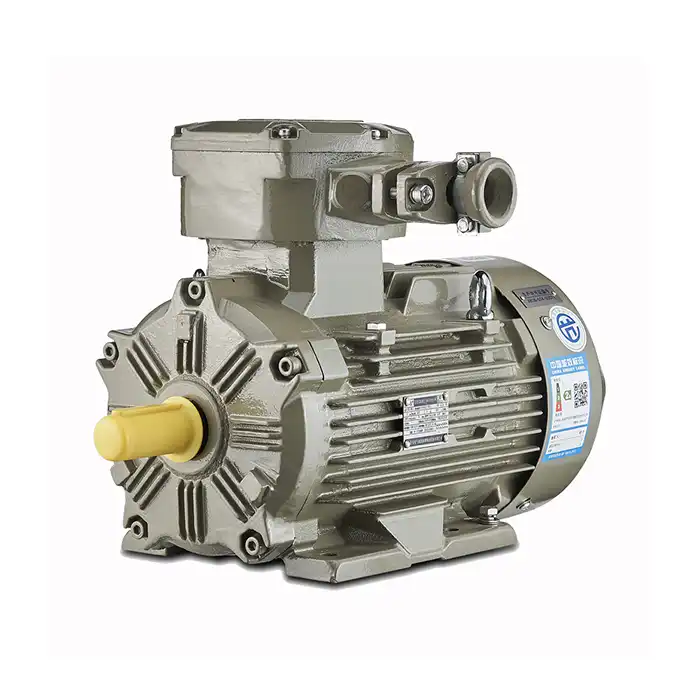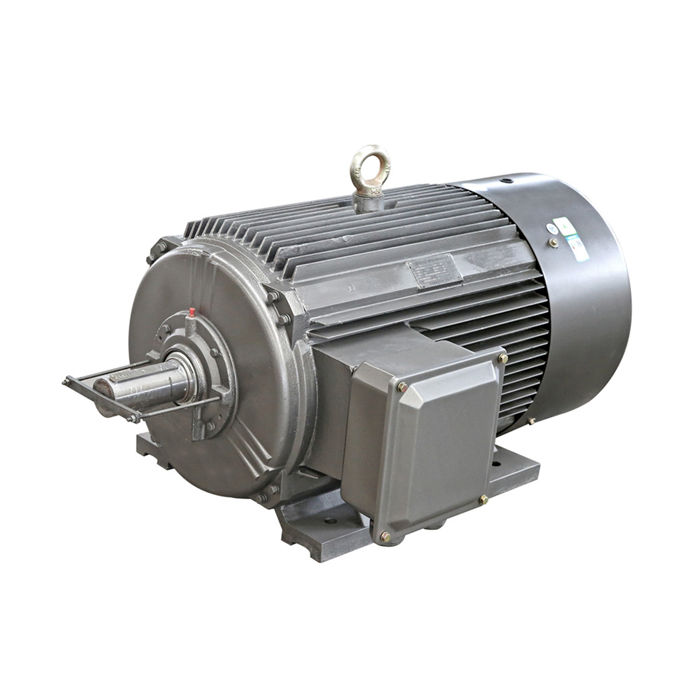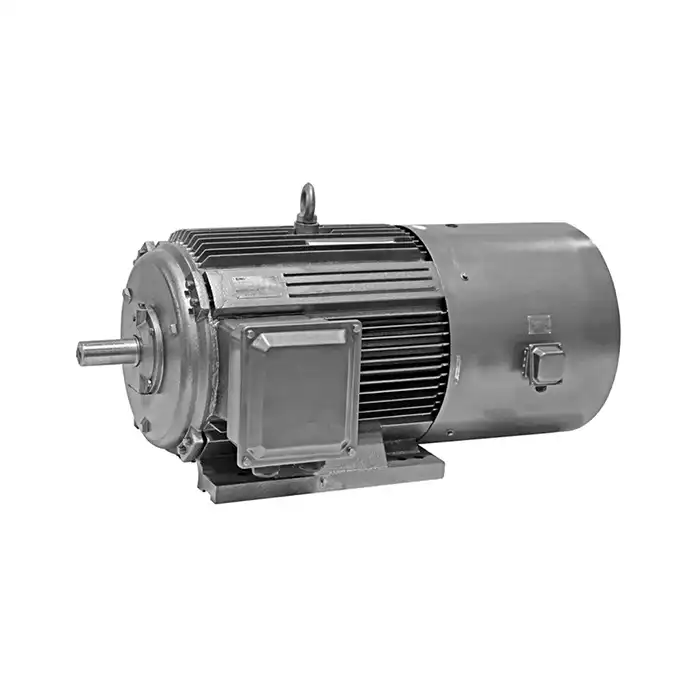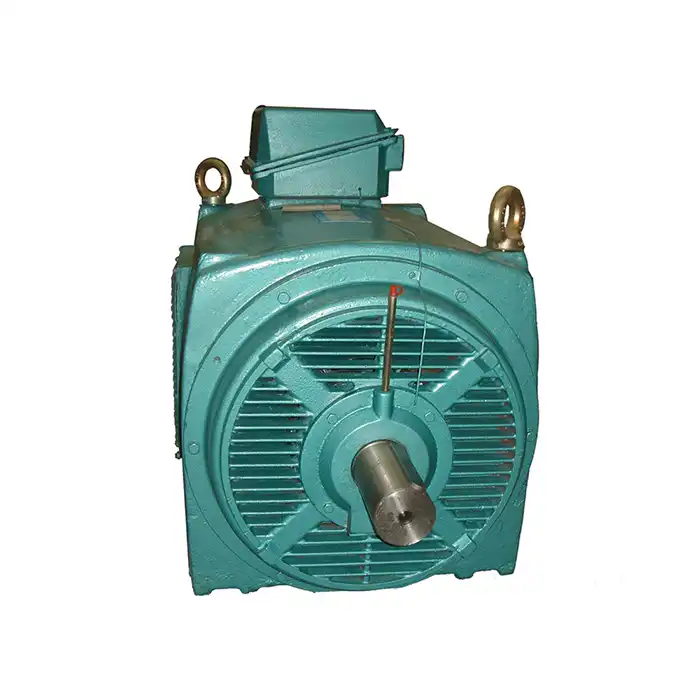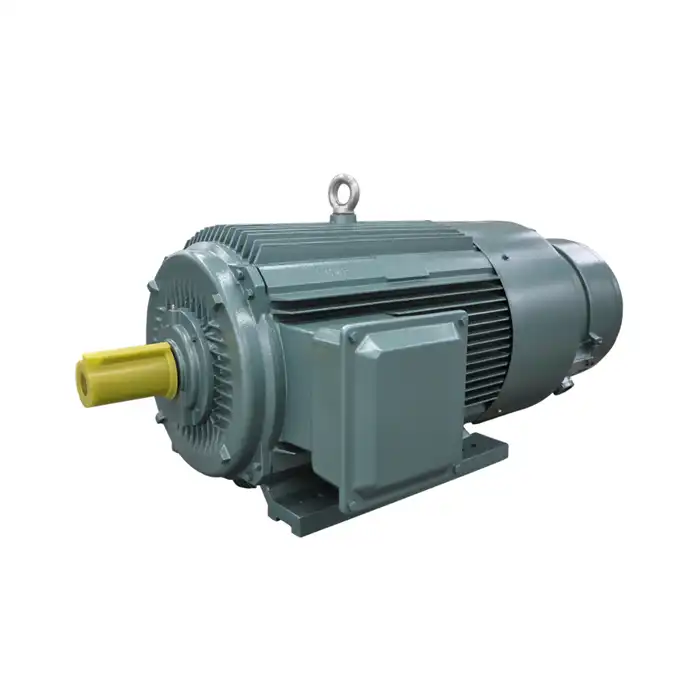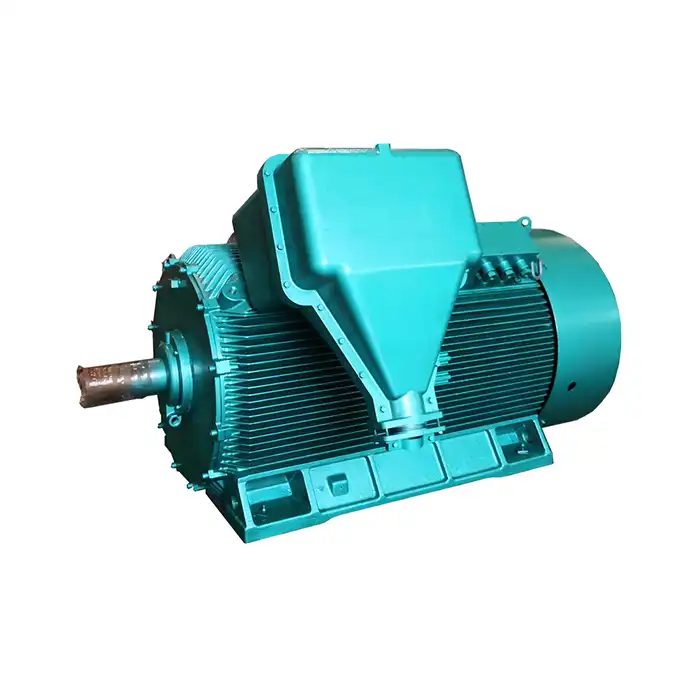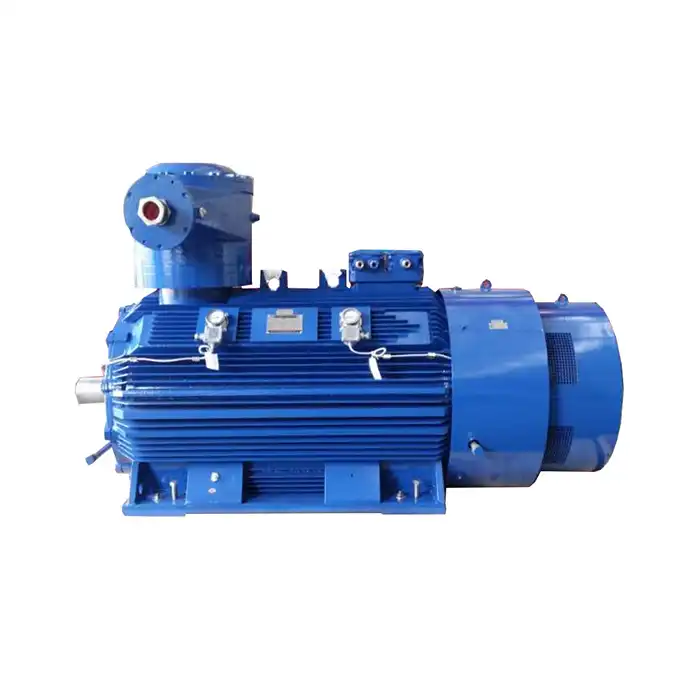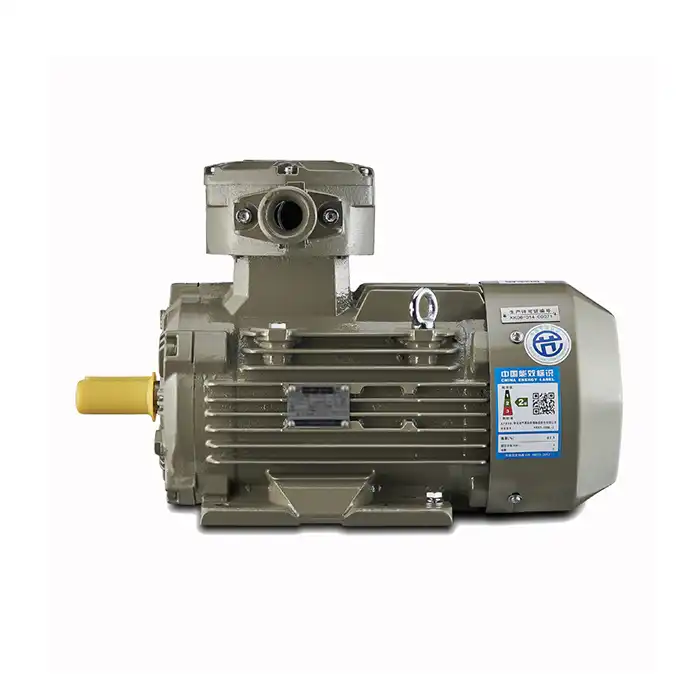




The torque characteristics of Medium DC Motors are important to engineers and procurement specialists in a variety of sectors. Torque is the rotating force that powers your essential machinery, whether it's cement production equipment or metallurgical rolling mills. When selecting motors for applications requiring power ranges from 59 kW to 1600 kW, it is important to consider the torque requirements to determine the reliability of your system under demanding operating conditions. This comprehensive guide will teach you everything you need to know about torque and how it influences the efficiency, effectiveness, and motor selection in industrial settings.
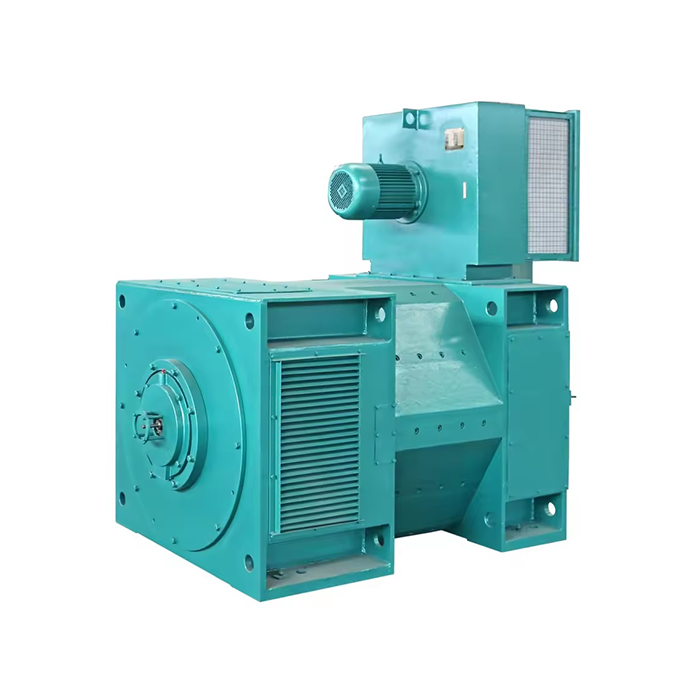
ZSeries:Z
Application:Metallurgical industrial rolling mills, metal cutting machine tools, papermaking, dyeing and weaving, instant brushing, cement, plastic extrusion machinery.
Power range:59-1600kW
Standard: JB/T9577-1999
Understanding Torque in Medium DC Motors
Torque speaks to the rotational drive that an engine creates to overcome stack resistance and keep up operational speed. In DC engine applications, this essential parameter decides how successfully your gear handles shifting stack conditions all through generation cycles.
The estimation of torque happens through a few standardized strategies. Engineers regularly determine beginning torque, running torque, and top torque to assess engine capabilities. Beginning torque demonstrates the beginning constraint available when the engine starts operation, whereas running torque refers to the continuous drive conveyed during typical operation. Top torque appears to be the greatest drive the engine can produce for brief periods amid demanding conditions.
Series DC engines illustrate especially tall beginning torque characteristics, making them profitable for applications including tall idleness loads. The armature and field windings interface in an arrangement, making current current-squared behavior that produces significant drive during startup stages. This setup is particularly advantageous in metallurgical hardware and overwhelming mechanical apparatus where introductory stack resistance is significant.
Real-world applications illustrate these standards clearly. In a papermaking apparatus, engines must overcome the resistance of overwhelming paper rolls during startup, requiring considerable beginning torque. Once the operation starts, the running torque keeps up a reliable speed in spite of changing stack conditions as paper thickness or dampness substance changes.
Key Torque Characteristics of Medium DC Motors
The relationship between torque and speed characterizes the operational envelope of DC engines in mechanical applications. As stack torque increments, engine speed ordinarily diminishes in a non-linear mold, making a characteristic bend that engineers must account it when measuring equipment.
Motor plan variables altogether impact torque characteristics. Armature plan, field quality, and commutator setup all contribute to torque yield capabilities. Engines with bigger armature breadths, for the most part, create higher torque, whereas field quality alterations permit for torque customization based on particular application requirements.
Load conditions make energetic torque requests that engines must oblige. In metal cutting machine instruments, cutting strengths shift based on fabric hardness, cutting speed, and device wear. Engines must give reliable torque yield in spite of these changing conditions to keep up exact machining operations.
Environmental components also influence torque execution. Temperature varieties, height, and stickiness levels can affect engine yield. Engines working in cement plants confront dusty conditions that may influence cooling effectiveness, possibly decreasing accessible torque. Understanding these natural impacts makes a difference to engineers in indicating fitting engine appraisals with satisfactory security margins.
Torque Efficiency and Performance
The relationship between torque yield and control utilization determines the general esteem recommendation of engine installations. Energy-saving plan standards center on optimizing this relationship to minimize operational costs while keeping up required execution levels.
Power consumption varies significantly based on torque demands and operational duty cycles. Medium DC Motors operating at high torque levels consume more power, but modern designs incorporate efficiency improvements that reduce this energy penalty. Advanced winding techniques and optimized magnetic circuits contribute to better torque-to-power ratios.
Cooling strategies IC06 and ICW37 play vital parts in keeping up torque execution during amplified operation. Successful cooling anticipates warm weakening that might decrease accessible torque yield. Engines prepared with appropriate cooling frameworks maintain reliable torque conveyance indeed amid demanding operational cycles in plastic expulsion or metal handling applications.
Performance checking uncovers how torque productivity impacts long-term operational costs. Engines working inside their ideal torque range ordinarily illustrate longer benefit life and decreased support requirements. Alternatively, engines reliably working close greatest torque limits may encounter accelerated wear and diminished reliability.
Quality control testing guarantees that each engine conveys the indicated torque execution. Thorough testing conventions confirm that engines meet torque determinations over their whole operational envelope, giving certainty in execution consistency over generation lots.
Purchasing Medium DC Motors with Optimal Torque
Selecting engines with fitting torque capabilities requires cautious assessment of application prerequisites and operational conditions. Buyers must consider both prompt needs and future development possibilities when indicating torque requirements.
Application-specific torque necessities change altogether over businesses. Metallurgical rolling plants require constant torque for preparing overwhelming steel segments, whereas moment brushing applications may require fast torque variations to accommodate changing handling speeds. Understanding these particular prerequisites guides appropriate engine selection.
Customization alternatives permit buyers to optimize torque characteristics for particular applications. Producers can alter field setups, armature plans, and control frameworks to coordinate special torque necessities. This customization capability is especially profitable for specialized applications that standard engines cannot enough serve.
Long-term contemplations expand past the initial buy cost to incorporate operational effectiveness and upkeep necessities. Engines with predominant torque characteristics may command higher introductory costs but convey diminished operational costs through improved effectiveness and reliability.
Supplier assessment ought to center on specialized capability, manufacturing quality, and bolster services. Companies like XCMOTOR illustrate ability through comprehensive item determinations, thorough quality control forms, and responsive specialized support that guarantees ideal engine execution all through the gear lifecycle.
XCMOTOR's Z Series: High-Torque Solutions for Industrial Applications
XCMOTOR specializes in delivering high-quality Medium DC Motor solutions with exceptional torque performance for demanding industrial applications. Our Z Series motors combine advanced engineering with proven reliability to meet the most challenging operational requirements.
Here are the core advantages that set our motors apart in the marketplace:
- Energy-saving design optimization: Our motors achieve superior torque output while minimizing power consumption, resulting in significant operational cost savings over the equipment lifecycle. Advanced magnetic circuit design and optimized winding configurations contribute to exceptional efficiency levels that reduce energy expenses.
- Stable power output delivery: Engineered for consistent torque performance across varying load conditions, our motors maintain reliable operation in applications ranging from papermaking to plastic extrusion machinery. This stability ensures predictable performance regardless of operational demands.
- Comprehensive customization capabilities: Our engineering team can tailor torque characteristics to match specific application requirements, ensuring optimal performance for unique operational conditions. Custom field configurations and armature designs accommodate specialized torque profiles.
- Durable construction materials: Built with premium components and rigorous quality standards, our motors deliver extended service life that minimizes downtime and replacement costs. Superior materials and manufacturing processes ensure reliable torque delivery throughout extended operational cycles.
These advantages directly address the challenging requirements faced by industrial facilities operating in metallurgical, cement, and manufacturing environments where consistent torque delivery is critical for operational success.
Our comprehensive generation prepare guarantees that each engine meets demanding torque details. From the beginning plan through the last get-together, each step centers on conveying exact torque characteristics that coordinate application necessities. Fastidious fabric choice, accurate get-together forms, and thorough quality testing ensure solid execution in demanding mechanical environments.
Conclusion
Understanding torque characteristics in a medium DC motor is fundamental for successful industrial equipment selection and operation. From starting torque requirements in heavy metallurgical applications to precise torque control in manufacturing processes, these specifications directly impact operational success and long-term costs. The relationship between torque, speed, and power consumption determines both immediate performance and ongoing operational expenses. When evaluating motor options, consider not only current requirements but also future operational needs and expansion possibilities. XCMOTOR's Z Series motors provide the torque performance, reliability, and technical support that demanding industrial applications require, backed by comprehensive engineering expertise and responsive customer service.
Frequently Asked Questions
Q1: What is the typical torque range for medium DC motors?
A: Medium DC engines in the 59kW to 1600kW control run regularly deliver torque values from around 1,000 Nm to 50,000 Nm, depending on speed evaluations and plan optimization. Lower speed engines by and large deliver higher torque values, whereas higher speed units center on control yield. The particular torque extent depends on application necessities and engine configuration.
Q2: How does torque impact the performance of a DC motor?
A: Torque straightforwardly decides a motor's capacity to overcome stack resistance and keep up operational speed. Higher torque capability permits engines to handle shifting stack conditions without speed vacillations, guaranteeing reliable execution in applications like metal cutting or rolling process operations. Deficient torque comes about in speed diminishment or engine slowing down under load.
Q3: What are the options for adjustable torque in medium DC motors?
A: Movable torque alternatives incorporate field current control, armature voltage control, and electronic control frameworks that adjust engine characteristics in real-time. These frameworks permit administrators to coordinate torque yield to changing stack necessities, optimizing execution and energy efficiency. Progressive control frameworks can give exact torque control for applications requiring variable drive output.
Partner with XCMOTOR for Superior Medium DC Motor Solutions
Selecting the right Medium DC Motor supplier ensures that your industrial operations benefit from optimal torque performance and long-term reliability. XCMOTOR's expertise in high-torque motor solutions makes us the preferred choice for companies requiring dependable equipment for metallurgical, cement, and manufacturing applications.
Our commitment to quality amplifies past engine fabrication to incorporate comprehensive, specialized back and quick conveyance administrations. With unique parts from trusted brands, quick conveyance alternatives, and 30-day return arrangements, we provide the certainty and support that mechanical operations require. Our committed support group remains accessible all through ends of the weekends, guaranteeing that specialized help is continuously available when needed.
Whether you require engines for rolling plants, plastic expulsion apparatus, or papermaking hardware, our Z Arrangement engines convey the torque execution and unwavering quality that demanding applications require. Our building group works closely with clients to guarantee that engine details coordinate application necessities, giving customized arrangements that optimize operational performance.
Ready to enhance your industrial operations with superior motor performance? Contact us at xcmotors@163.com to discuss your specific torque requirements and discover how our Medium DC Motor manufacturer capabilities can support your operational goals. Visit motorxc.com for detailed product specifications and technical information that will help you make informed motor selection decisions.
References
1. Chapman, Stephen J. "Electric Machinery Fundamentals." McGraw-Hill Education, 2012.
2. Fitzgerald, A.E., Charles Kingsley Jr., and Stephen D. Umans. "Electric Machinery." McGraw-Hill Science/Engineering/Math, 2003.
3. National Electrical Manufacturers Association. "NEMA Standards Publication MG 1-2016: Motors and Generators." NEMA, 2016.
4. Sen, P.C. "Principles of Electric Machines and Power Electronics." John Wiley & Sons, 2013.
5. IEEE Standards Association. "IEEE Standard Test Procedure for Polyphase Induction Motors and Generators." IEEE Std 112-2017.
6. Boldea, Ion and Syed A. Nasar. "Electric Drives." CRC Press, 2016.