



The Benefits of Water Cooled Electric Motors for Heavy Industry
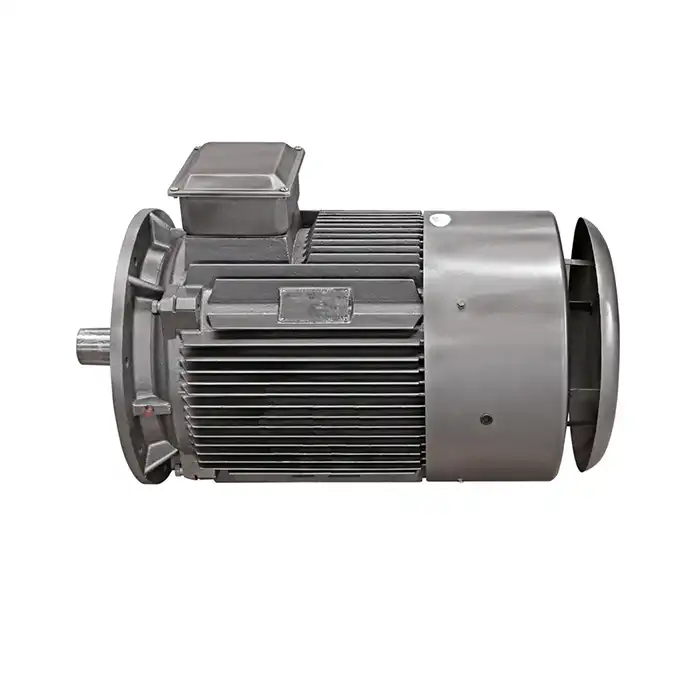
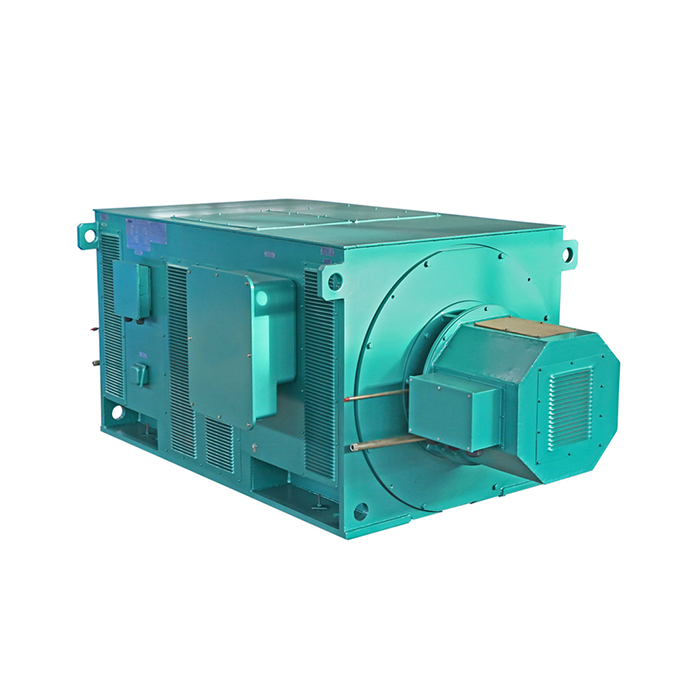
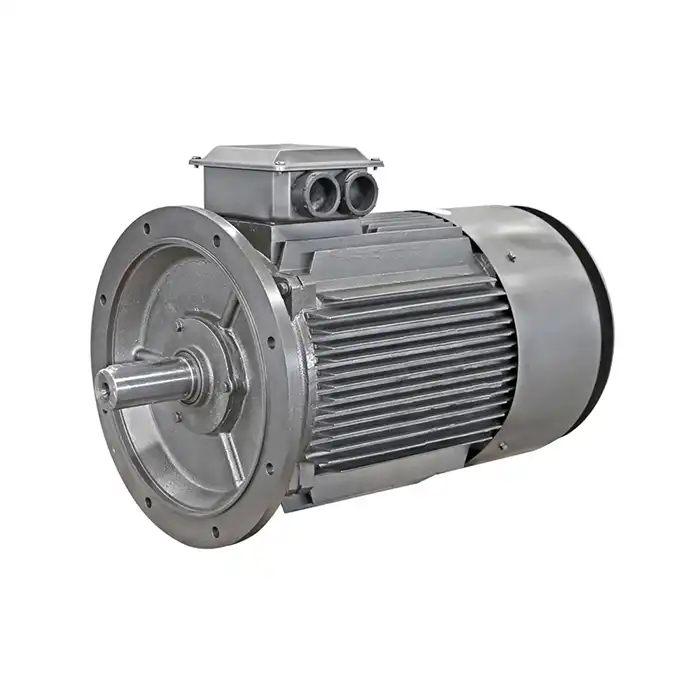
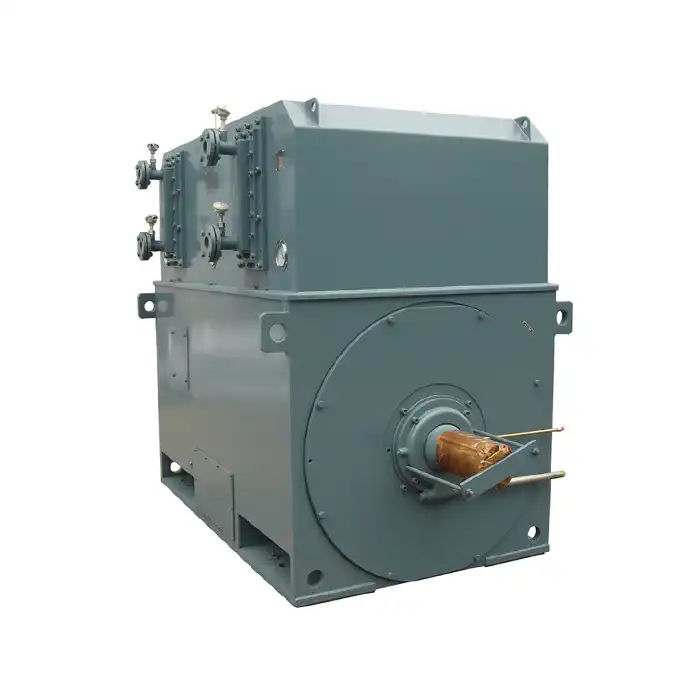
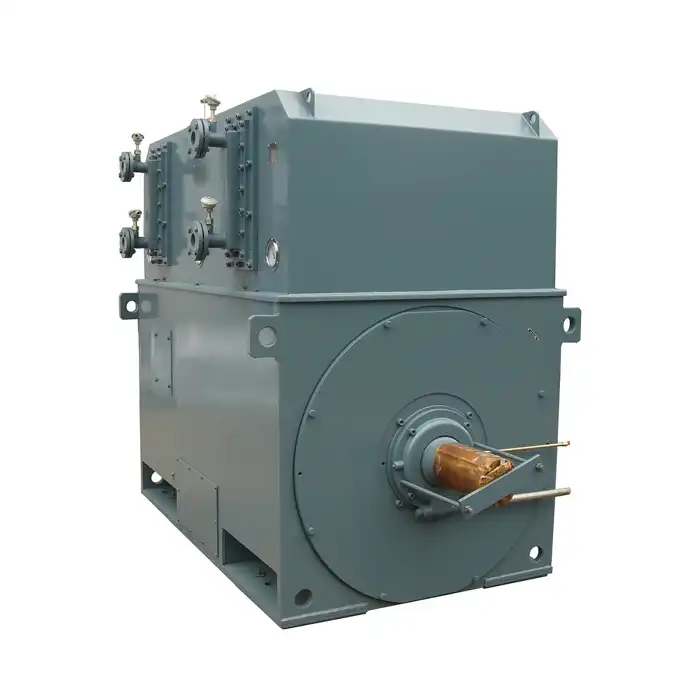
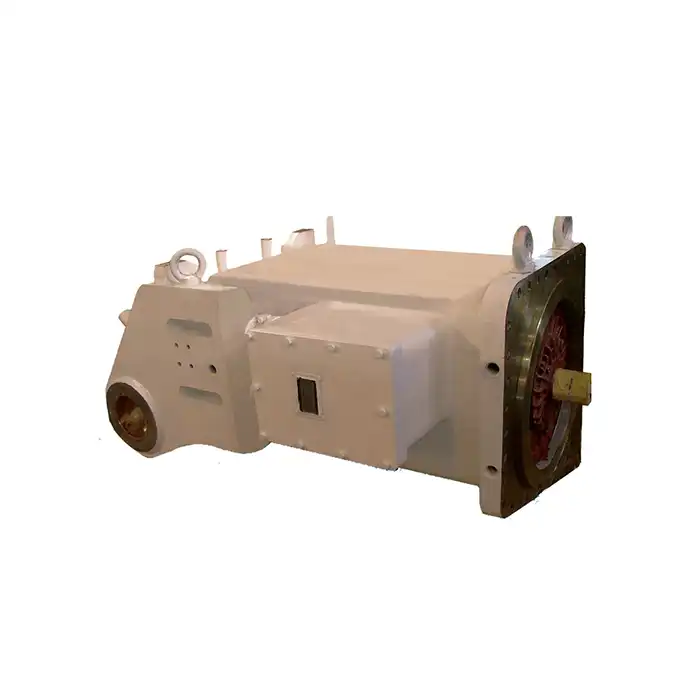
Whenever big industry needs dependable power solutions, Water Cooled Electric Motors work better than usual air-cooled systems. Using liquid cooling technology, these high-tech motors successfully get rid of heat, allowing them to keep working even under heavy loads and difficult circumstances. A Water Cooled Electric Motor is necessary in steel mills, mines, power plants, and industrial plants where equipment efficiency directly affects safety and productivity.

Series:YKS
Protection level:IP54
Voltage range:3000V±5%,3300V±5%,6000V±5%,6600V±5%,10000V±5%,11000V±5%
Power range:220-6300 kW
Application:fans, water pumps, compressors, crushers, cutting machine tools, transportation machinery, etc.
Advantage:low noise, low vibration, long service life, easy installation and maintenance.
Standard: This series of products complies withGB/T 1032 and GB/T 13957 standards.
Others: SKF, NSK, FAG bearings can be replaced according to customer requirements.
Understanding Water Cooled Motor Technology
Electric motors that are cooled by water are a big step forward in the design of industrial motors. Instead of using natural air flow to cool, like most air-cooled systems do, these motors have a built-in cooling jacket that moves water around important parts. This liquid cooling system keeps the right working temperatures even when outside temperatures are higher than normal.
In order for the cooling system to function, water is directed via channels that have been specifically engineered inside the motor casing. The stator windings and frame are encircled by coolant, which absorbs any excess heat that is created during operation. Motor performance and component life are both protected against thermal buildup by means of this continuous heat transfer procedure.
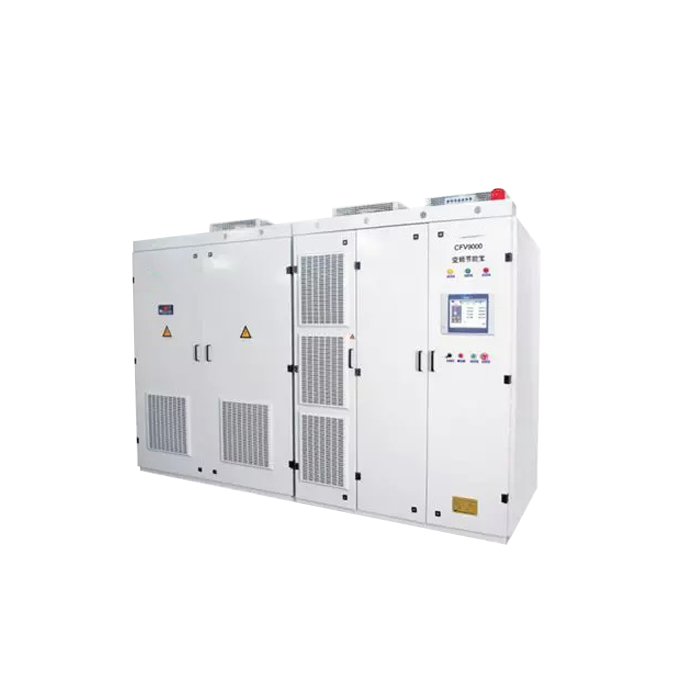
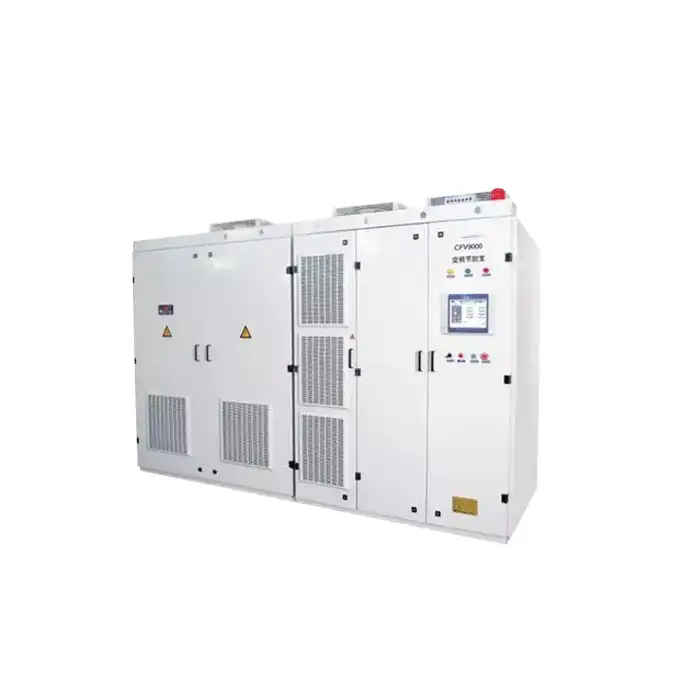
Sophisticated temperature management systems monitor operating temperatures and coolant flow rates in modern electric motors that use water cooling. These tracking systems provide early warning signs of possible cooling system problems and guarantee constant thermal control.
Key Performance Parameters and Specifications
Voltage and Power Range
Power capabilities of high-voltage water-cooled electric motors vary from 220 kW to 6300 kW, and the voltage varies from 3000V to 11000V. Equipment ranging from medium-duty processing to heavy-duty, such mining excavators and steel manufacturing machines, are all supported by this extensive range.
Protection Ratings and Environmental Suitability
These motors are designed to withstand situations that are dusty, humid, or chemically hostile with protection ratings of IP54 or above. For dependable motor performance and excellent cooling circulation, the sealed design is a must-have.
Operating Temperature Range
Due to the fact that these motors are able to perform in temperatures ranging from -25 degrees Celsius to +45 degrees Celsius, they are excellent for use in adverse climatic circumstances, such as situations that are very hot or cold.
Speed and Efficiency
Variations in speed vary from 500 revolutions per minute to 3000 revolutions per minute, which enables you to adapt to a variety of load characteristics. Motor efficiency often exceeds 95%, which results in considerable energy savings when compared to alternatives that are less efficient.
Precision and Noise Control
We accomplish vibration levels below 2.5mm/s by precision-balancing the rotors, which in turn reduces the amount of mechanical stress placed on the equipment that is attached. In addition, low-noise designs aim to keep sound levels below 85 decibels, therefore reducing the amount of noise pollution that occurs in industrial environments.
Core Benefits for Heavy Industrial Applications
Superior Heat Dissipation
When compared to air cooling, Water Cooled Electric Motor technology offers higher heat dissipation capabilities, eliminating heat about 25 times more efficiently than air cooling. It is possible to achieve a greater power density in smaller frame sizes as a result of this, and it also permits continuous operation at full load without experiencing thermal derating.
Extended Operational Lifespan
The thermal cycle stress that is placed on windings and bearings may be avoided by maintaining consistent temperature management throughout the motor components. This results in an extended operating lifetime. Electric motors that are cooled by water may function dependably for decades with just a little amount of maintenance, while simultaneously lowering the costs of replacement and increasing production uptime.
Compact Design Advantages
The effective cooling method lets motor frames be smaller while still producing the same amount of power as motors that use air cooling. This benefit of saving room is useful in crowded industrial settings where the size of the equipment directly impacts how well the plan works.
Environmental Versatility
Systems that are cooled by water are more adaptable than those that are cooled by air. They operate well in environments with high ambient temperatures, circumstances that are dusty, or sites that have constraints on altitude. Due to the fact that the sealed cooling circuit is unaffected by the external air conditions, it is appropriate for use in locations that are difficult to work in.
XCMOTOR Water Cooled Electric Motors vs. Conventional Solutions
Durability and Corrosion Resistance
In order to guarantee dependable operation in harsh coastal or chemically hostile situations, XCMOTOR water-cooled electric motors are constructed out of an aluminum alloy that is resistant to corrosion and are sealed with a waterproof material. The extraordinary longevity of these motors is shown by the fact that they can endure salt spray testing for more than 1500 hours.
Precision Rotor Balancing
Through the use of double-sided dynamic balancing, the rotor balancing process is able to effectively attain G1.0 level precision, therefore greatly prolonging bearing life and decreasing vibration transmission. To achieve improved performance, it is possible to specify bearings of superior quality manufactured by SKF, NSK, or FAG.
Noise Reduction and Cooling Efficiency
Optimized electromagnetic design minimizes electromagnetic noise by 8-10dB compared to conventional solutions, and integrated low-noise axial cooling fans further reduce operational sound levels by 15dB while maintaining effective heat dissipation.
Power Density and System Simplicity
XCMOTOR’s design achieves 20-25% higher output per frame size compared to standard high-voltage Water Cooled Electric Motor systems. A single 800-frame motor can deliver up to 6300kW, eliminating the need for parallel motor configurations in ultra-high power applications and reducing system complexity.s.
Optimal Usage Guidelines and Selection Criteria
Cooling System Design
To ensure maximum performance, the cooling circuit should maintain consistent flow rates between 15-25 liters per minute per 100kW of motor power. The inlet water temperature should remain below 35°C for optimal heat transfer efficiency.
Water Quality Specifications
Filtered water with controlled pH levels between 6.5-8.5 is essential to prevent scale buildup and acidic corrosion. Regular coolant analysis should be conducted to identify potential issues before they affect motor performance.
Installation Considerations
Proper drainage systems must be in place for maintenance access and emergency coolant removal. Cooling line routing should minimize pressure drops while allowing for easy inspection and service, with flexible connections to accommodate thermal expansion and vibration isolation.
Monitoring and Protection Systems
Continuous monitoring of coolant temperature differentials, flow rates, and pressure levels is essential. Automated shutdown procedures protect the motor in case of cooling system failures, and temperature sensors should be placed at multiple locations for comprehensive thermal monitoring across all critical components.
Application Excellence Across Industrial Sectors
Steel Production
Water cooled electric motors are critical for rolling mills in steel production, where high-torque operations demand exceptional thermal management. Maintaining consistent performance during extended production runs is crucial for product quality and manufacturing efficiency.
Mining Operations
In mining, water cooled electric motors power conveyor systems, crushers, and extraction equipment. These motors are essential in harsh environments with dust, humidity, and temperature extremes, where conventional cooling methods fail to provide reliable operation.
Power Generation Plants
Water cooled electric motors are used in power generation plants for critical auxiliary equipment, such as cooling pumps, fuel handling systems, and emissions control machinery. Superior thermal management is non-negotiable to meet the reliability requirements in these applications.
Petrochemical Processing
In petrochemical plants, explosion-proof motor designs with enhanced cooling capabilities are required. Water cooled electric motors provide the necessary thermal control while meeting strict safety standards for hazardous environments.
Maintenance Optimization and Operational Efficiency
Preventive maintenance schedules for water cooled electric motors focus on cooling system integrity and electrical component inspection. Monthly coolant level checks and quarterly cooling circuit pressure testing identify potential issues early. Annual thermal imaging surveys detect hot spots that could indicate developing problems.
Bearing maintenance intervals extend significantly due to consistent temperature control. Standard lubrication schedules apply, but the stable operating temperatures reduce bearing stress and extend service life. Sealed bearing designs minimize contamination risks in harsh environments.
Electrical connection inspection remains critical for high-voltage applications. Thermal cycling stress on terminals and cable connections requires regular torque verification and visual inspection for signs of overheating or corrosion.
Cooling system component replacement typically involves pump seals, gaskets, and occasional cooling jacket cleaning. The robust design minimizes internal component wear, reducing maintenance requirements compared to air-cooled alternatives.
Economic Advantages and Return on Investment
Energy Consumption Reduction
Water cooled electric motors offer significant economic benefits by reducing energy consumption. Higher operational efficiency results in measurable electricity cost savings throughout the motor's operational lifetime. Additionally, improved power factor reduces utility demand charges in commercial rate structures.
Reduced Downtime Costs
Enhanced reliability and extended component life lead to reduced downtime costs. Manufacturing facilities avoid costly production interruptions associated with motor failures. Continuous operation at full load eliminates productivity losses due to thermal derating.
Compact Installation Requirements
Installation of water-cooled systems requires less space, which results in lower costs associated with the building of the facility. It is possible to get more efficient plant layouts by reducing the size of the motor rooms and simplifying the ventilation systems. This helps to offset the initial investment premium for liquid cooling equipment.
Lower Total Cost of Ownership
A lower total cost of ownership is offered by water-cooled electric motors since they have a longer operating life and need less maintenance than other types of motors. Despite the fact that the initial purchase prices could be greater than those of air-cooled alternatives, the lifetime economic advantages often repay the investment after three to five years of continued operation.
Conclusion
Water Cooled Electric Motors have important performance benefits for big industrial uses where other cooling methods don't work. The better temperature control, longer working life, and small form make the investment worth it in a wide range of industries. Advanced Water Cooled Electric Motor technology from XCMOTOR can handle the toughest tasks and deliver dependable results that boost working efficiency and lower total operating costs. Because they use tried-and-true technology, come with a wide range of support services, and are priced competitively, these motors are the best choice for important industry uses.
Frequently Asked Questions
Q1: What maintenance advantages do water cooled electric motors offer over air-cooled designs?
A: Water cooled electric motors require less frequent maintenance due to consistent operating temperatures that reduce component stress. The sealed cooling system eliminates concerns about air filter replacement and cooling passage cleaning that plague air-cooled designs. Bearing life extends significantly, and electrical components experience less thermal cycling stress.
Q2: How does the cooling system design handle water quality concerns?
A: Modern water cooled electric motors incorporate corrosion-resistant materials and filtration systems to manage water quality issues. The closed-loop cooling circuit minimizes contamination risks while allowing water treatment additives to prevent scale buildup or corrosion. Regular coolant analysis and periodic system flushing maintain optimal performance.
Q3: What happens if the cooling system fails during motor operation?
A: Advanced water cooled electric motors include comprehensive monitoring systems that detect cooling failures immediately. Automatic shutdown procedures protect the motor from thermal damage while alarm systems alert operators to the condition. Emergency backup cooling or rapid coolant restoration procedures minimize downtime during cooling system maintenance.
Ready to Experience Superior Motor Performance with XCMOTOR?
XCMOTOR stands ready to provide water cooled electric motor solutions that transform your heavy industrial operations. Our comprehensive product range from 220kW to 6300kW covers virtually any application requirement, while our technical expertise ensures optimal system integration. As a leading water cooled electric motor manufacturer, we deliver customized solutions backed by dedicated engineering support and prompt global delivery services. Contact us at xcmotors@163.com to discuss your specific requirements and discover how our advanced cooling technology can enhance your operational efficiency.
References
1. Industrial Electric Motor Handbook: Water Cooling Systems and Applications in Heavy Industry. Engineering Publications International, 2023.
2. Thompson, R.J. and Martinez, S.K. "Thermal Management in High-Power Electric Motors: Comparative Analysis of Cooling Methods." Journal of Industrial Motor Technology, Vol. 45, No. 3, 2024.
3. Advanced Motor Cooling Technologies for Manufacturing Applications. Industrial Equipment Research Institute, Technical Report 2024-07.
4. Chen, L. and Roberts, P.M. "Efficiency Optimization in Liquid-Cooled Electric Motors for Heavy Industrial Applications." International Conference on Electric Motor Design, Proceedings 2023.
5. Water-Cooled Electric Motor Design Standards and Best Practices. Global Motor Manufacturers Association, Industry Guidelines 2024.
6. Singh, A.K. "Reliability Analysis of Cooling Systems in Industrial Electric Motors: A Comprehensive Study." Motor Engineering Quarterly, Vol. 28, No. 2, 2024.