



Best Low Voltage Induction Motors for 2026 Industrial Demands
When looking at the Best Low Voltage Induction Motors for 2026 Industrial Demands, experts always say that three-phase systems with strong IP23 protection are the best choice for modern industrial settings. These motor systems are very reliable in a wide range of industrial settings and are still cost-effective for large-scale activities. In manufacturing, HVAC, and process control, people want more energy-efficient options. This makes low voltage induction motor technology more important than ever for staying ahead in global markets.

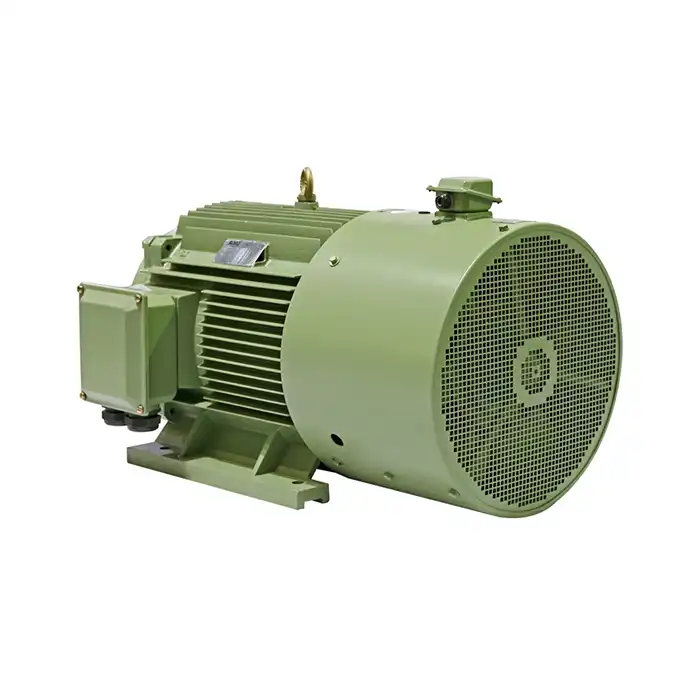
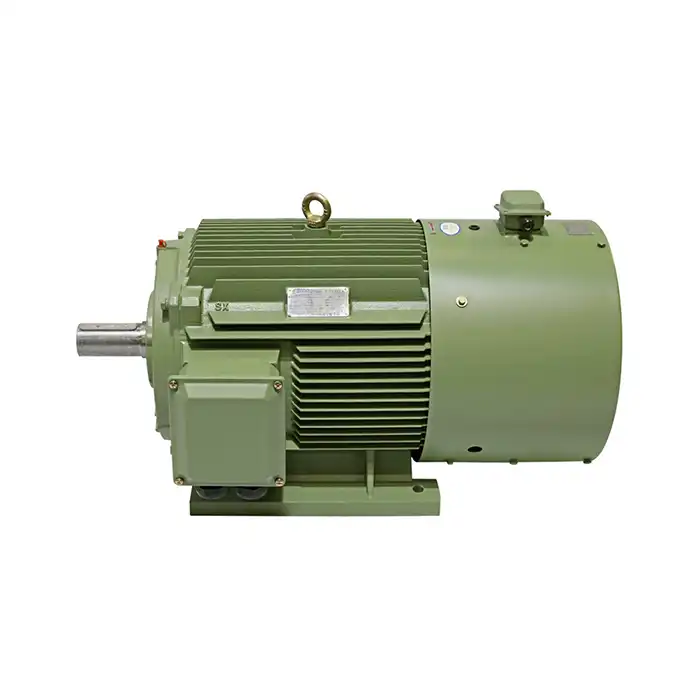
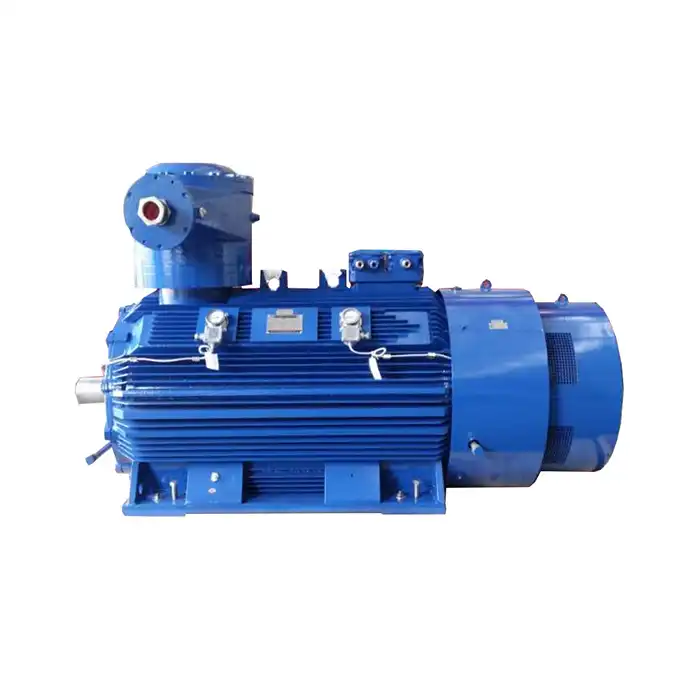
Series:YRQ
Voltage range:380V±5%
Power range:45-800kW
Protection level:IP23
Application:YRQ(JR) series medium-sized motors can drive a variety of different machinery, such as fans, compressors, water pumps, crushers, ball mills, cutting machine tools, transportation machinery and other equipment, and can be used in coal mines, machinery industries, power plants and various industrial and mining enterprises. Used as prime mover.
Advantage: The JR series medium-sized motors have very powerful driving capabilities and can not only drive conventional mechanical equipment, but also some complex mechanical equipment. For example, it can drive heavy machinery such as ships, cranes, and wind turbines, as well as small household appliances, purifiers, compressors, etc.
Others: SKF, NSK, FAG bearings can be replaced according to customer requirements.
Introduction
Demand for advanced motor solutions is growing because of how industrial automation is changing production in fields like aircraft, electronics, food processing, and cars. Robots and heavy-duty elevators both need motors to work in modern buildings. Dependability is very important in the energy sector, especially for green uses, as well as in fields like HVAC and water treatment to keep things running smoothly and reduce downtime.
Understanding Selection Criteria for Industrial Motor Applications
Key Performance Factors for Motor Selection
When selecting industrial motor systems, the most important factors to take into account are power needs, voltage compatibility, and protection ratings. This is done to ensure that the systems are compatible with the infrastructure that is already in place and that they are suitable for the ambient circumstances.
Reliability and Cost-Effectiveness
When it comes to operating efficiency and long-term costs, reliability elements like bearing quality, winding materials, and thermal management have a considerable impact. On the other hand, cost-effectiveness strikes a balance between initial investment and lifespan expenditures.
Versatility and Adaptability for Industrial Needs
Assuring effective operation and flexibility for a variety of industrial equipment layouts and continuous operations, motors that provide a wide range of mounting choices, the ability to adjust speed, and adequate duty cycle ratings are essential.
YRQ Series Medium-Sized Motors: Heavy-Duty Industrial Applications
Comprehensive Power Solutions for Complex Machinery
The global industrial motor market continues expanding driven by increasing automation adoption across manufacturing sectors. Regional preferences vary based on local regulations, energy costs, and infrastructure characteristics. European markets emphasize energy efficiency standards and environmental compliance, while Asian markets focus on cost-effectiveness and rapid deployment capabilities, particularly with Low Voltage Induction Motor solutions.
These motor systems are built to last, which is good for factories that use big equipment like crushers, ball mills, and cutting machine tools. The slip ring form gives them better starting torque, which makes them perfect for uses that need a lot of beginning power. These motors are the main ways that important pieces of equipment are moved in coal mines, power plants, and other industry settings.
The versatility of YRQ series motors extends to transportation machinery, where reliable operation under varying load conditions is paramount. Process control applications benefit from the smooth speed regulation capabilities inherent in slip ring motor design. These motors effectively drive compressors, water pumps, and fans while maintaining consistent performance across extended operating periods.
Advanced Engineering Features and Performance Benefits
Construction quality distinguishes these motors through precision-engineered components designed for extended service life. The rotor assembly utilizes high-grade materials that withstand continuous operation under demanding conditions. Stator windings employ copper conductors optimized for thermal efficiency and electrical performance. The electromagnetic design ensures optimal power factor characteristics while minimizing energy consumption.
Thermal management systems incorporate advanced cooling methods that prevent excessive temperature rise during continuous operation. The IC11 self-ventilation design provides superior heat dissipation compared to fully enclosed alternatives. This cooling approach delivers 15%-20% improved thermal performance, enabling sustained operation in high-demand applications without compromising motor longevity.
Bearing systems can accommodate premium brands including SKF, NSK, and FAG components based on customer specifications. This flexibility allows optimization for specific operating conditions and maintenance preferences. Quality bearings directly impact operational reliability and service intervals, making this customization option valuable for facilities with stringent uptime requirements.
AC Motor Technology for Manufacturing Excellence
Comprehensive Industrial Drive Solutions
Modern AC motor technology, including Low Voltage Induction Motor solutions, addresses diverse manufacturing requirements through sophisticated design approaches that balance performance with operational efficiency. These systems excel in applications ranging from precision machine tools to heavy-duty process equipment. The electromagnetic principles underlying AC motor operation provide inherent advantages in industrial environments where consistent speed regulation and reliable torque delivery are essential.
Manufacturing operations benefit from the inherent simplicity of AC motor designs, which require minimal maintenance while delivering consistent performance. The three-phase configuration ensures balanced power distribution and smooth operation characteristics. Variable frequency drive compatibility enables precise speed control for applications requiring specific operating parameters. This flexibility makes AC motors suitable for everything from conveyor systems to sophisticated automation equipment.
Process industries utilize these motors for pumps, compressors, and material handling systems where reliability directly impacts production efficiency. The robust construction withstands industrial environments while maintaining performance specifications over extended periods. Energy efficiency characteristics help manufacturing facilities reduce operational costs while meeting environmental responsibility goals.
Integration with Modern Industrial Automation Systems
Contemporary industrial automation demands motor solutions that integrate seamlessly with control systems and monitoring equipment. Modern AC motors incorporate features that facilitate communication with programmable logic controllers and distributed control systems. This connectivity enables real-time performance monitoring and predictive maintenance capabilities that reduce unplanned downtime.
Speed control integration allows precise coordination with production processes, enabling optimization of material flow and process timing. Torque characteristics can be matched to specific load requirements, improving overall system efficiency. The electromagnetic design ensures consistent performance across varying load conditions, maintaining process quality standards.
Thermal protection systems monitor operating temperatures and provide early warning of potential issues. This monitoring capability enables proactive maintenance scheduling and prevents costly equipment failures. The combination of robust construction and intelligent monitoring makes these motors suitable for critical applications where reliability is paramount.
Market Analysis: Global Industrial Motor Trends for 2026
The global industrial motor market continues expanding driven by increasing automation adoption across manufacturing sectors. Regional preferences vary based on local regulations, energy costs, and infrastructure characteristics. European markets emphasize energy efficiency standards and environmental compliance, while Asian markets focus on cost-effectiveness and rapid deployment capabilities, with Low Voltage Induction Motor solutions gaining significant traction.
Renewable energy sector growth creates substantial demand for reliable motor solutions in wind turbine applications, solar tracking systems, and energy storage facilities. These applications require motors capable of operating in challenging environmental conditions while maintaining high efficiency standards. The expansion of renewable energy infrastructure worldwide drives continued growth in industrial motor demand.
Manufacturing automation trends favor motors with advanced connectivity and monitoring capabilities. Industry 4.0 initiatives require equipment that provides operational data for optimization purposes. Smart manufacturing concepts depend on motor systems that integrate seamlessly with digital infrastructure while maintaining traditional reliability standards.
Purchasing Recommendations and Implementation Considerations
Comprehensive Motor Selection Process
Effective motor selection begins with analyzing power needs, environmental conditions, and operational parameters, ensuring compatibility with existing electrical infrastructure and addressing performance requirements within budget constraints.
Installation Planning and Considerations
Proper ventilation and mounting arrangements are crucial for motor performance, ensuring weight support, vibration control, and compliance with safety regulations for electrical connections.
Maintenance Planning for Long-Term Success
It is very necessary to establish maintenance schedules, temperature monitoring methods, and electrical testing procedures in order to keep the motor's performance at its highest possible level. Verifying the availability of replacement parts and providing technical assistance is an additional step that promotes long-term dependability.
Industry Trends and Future Outlook
The technology behind industrial motors keeps getting better at being efficient and connecting to other devices. Smart motor systems that use the Internet of Things can do forecast repair and improve efficiency. Around the world, rules about energy economy push people to make motor designs that use less energy. Putting artificial intelligence (AI) into motor control systems will help them work better and use less energy in many industrial settings.
Conclusion
The world of industrial motors in 2026 needs advanced solutions that strike a balance between performance, dependability, and low cost. In modern factories, motor systems like Low Voltage Induction Motor need to be able to handle a variety of tasks and provide long-term operating value. Implementation will go smoothly in all industry areas thanks to improved engineering, strong building, and full support. The right choice and use of motor technology has a direct effect on how well operations run and on long-term success in global markets that are very competitive.
Frequently Asked Questions
1. What makes IP23 protection suitable for industrial environments?
For indoor industrial uses, IP23 security strikes the best mix between keeping the surroundings safe and letting heat escape. Solid items bigger than 12.5 mm can't get into the motor with a "IP2X" rating, and water spray from 60° angles is fine with a "IPX3" rating. This level of protection works best in dry, dust-free places like power plant support equipment and machinery plant fans. It also lets more air flow than higher protection levels.
2. How do three phase slip ring induction motors compare to squirrel cage designs?
Three phase slip ring induction motors are better than squirrel cage options when it comes to starting power and speed control. The design of the slip ring lets the external resistance be controlled while the engine is starting. This lowers the initial current needs while still giving a high starting power. They work great in heavy-duty machines like crushers, ball mills, and big engines that need a lot of starting power.
3. What voltage considerations are important for industrial motor selection?
Compatibility with voltage makes sure that the motor works right and lasts a long time. The standard of 380V±5% allows for regular changes in the electrical system while keeping the highest level of efficiency. Buildings should make sure that their electrical systems can provide stable power within these limits. When voltage changes outside of accepted limits, it can hurt performance, use more energy, and shorten the life of a motor.
Partner with XCMOTOR for Premium Low Voltage Induction Motor Solutions
XCMOTOR stands ready to address your industrial motor requirements with comprehensive solutions tailored to specific application needs. Our YRQ series motors deliver proven performance across diverse industrial applications while maintaining competitive pricing. As an experienced low voltage induction motor manufacturer, we provide technical expertise, prompt delivery, and dedicated support throughout your project lifecycle. Contact our team at xcmotors@163.com to discuss your motor requirements and discover how our solutions can enhance your operational efficiency.
References
1. International Electrotechnical Commission. "Rotating Electrical Machines - Part 1: Rating and Performance." IEC 60034-1:2017, Third Edition, 2017.
2. National Electrical Manufacturers Association. "Motors and Generators - Premium Efficiency Electric Motors." NEMA Standard MG 1-2016, Revision 4, 2018.
3. Institute of Electrical and Electronics Engineers. "IEEE Standard Test Procedure for Three-Phase Induction Motors." IEEE Standard 112-2017, Revision of IEEE Standard 112-2004.
4. American Society of Heating, Refrigerating and Air-Conditioning Engineers. "Energy-Efficient Design of Low-Rise Residential Buildings." ASHRAE Standard 90.2-2018.
5. International Organization for Standardization. "Efficiency Classes of Single Speed, Three Phase, Cage Induction Motors." ISO 12759-1:2013, First Edition.
6. Electric Power Research Institute. "Industrial Motor Systems Energy Efficiency Initiative: Assessment of Motor System Performance and Energy Savings Opportunities." EPRI Technical Report 3002015396, 2019.