



3.3 kV Motors: What You Need to Know for Industrial Applications
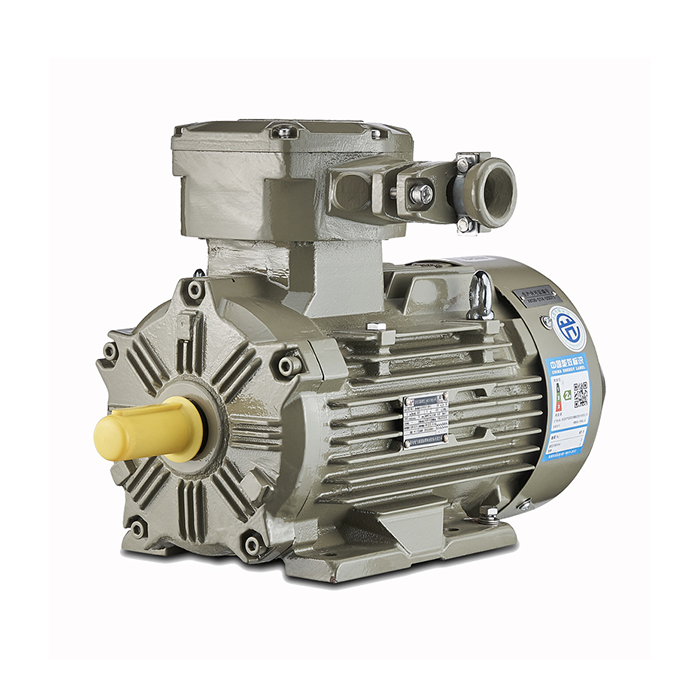
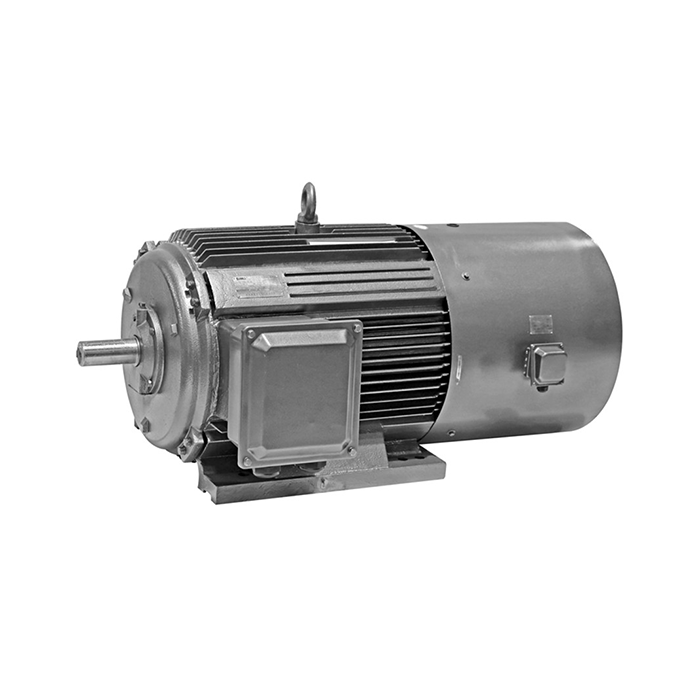
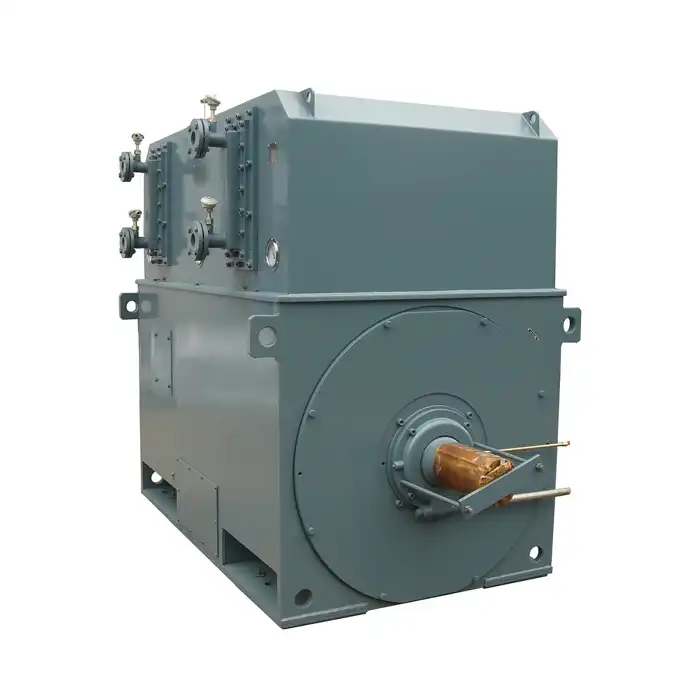
Understanding 3.3 kV motor specs is important for operating success when choosing power tools for harsh industrial settings. These electric motors with a middle power work very well in industrial, energy, and process control settings. For heavy-duty machines like compressors, water pumps, fans, and transportation vehicles, a 3.3 kV motor is the safe way to send power. During ongoing activities, these strong machines keep industrial facilities running. They also use less energy, which lowers working costs and increases machine life.

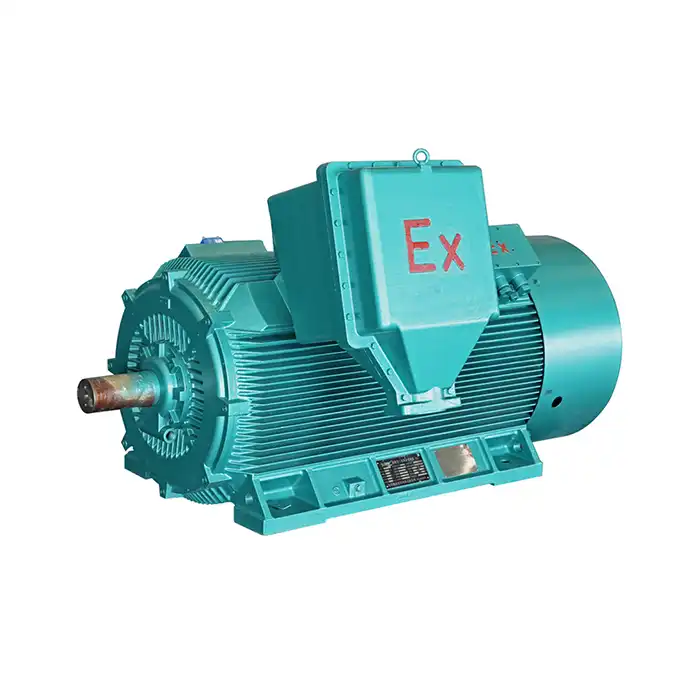
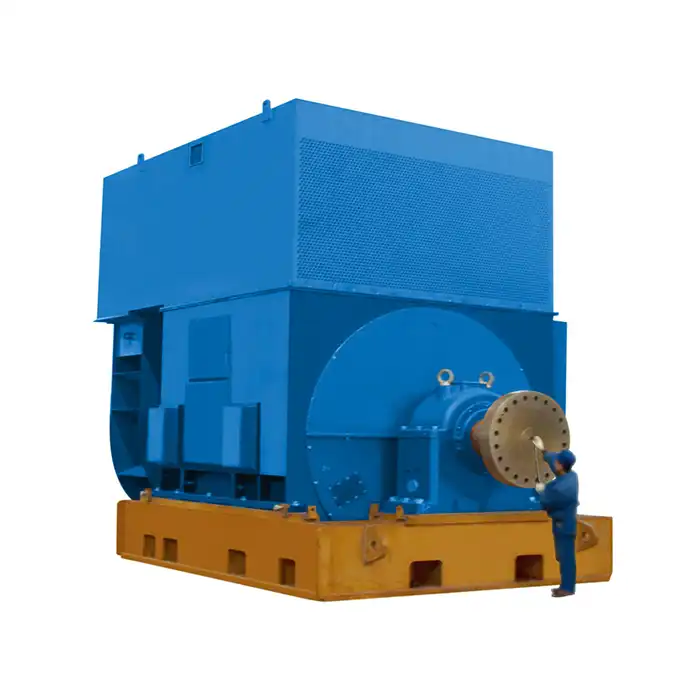
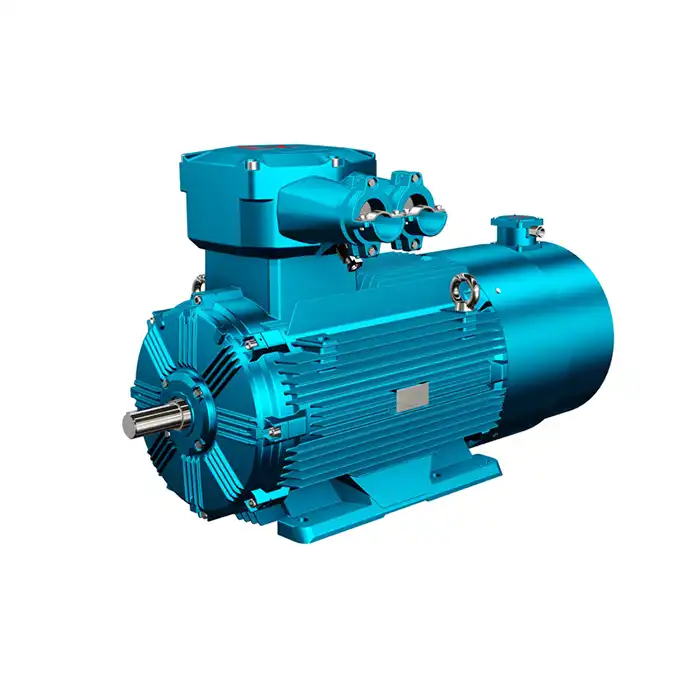
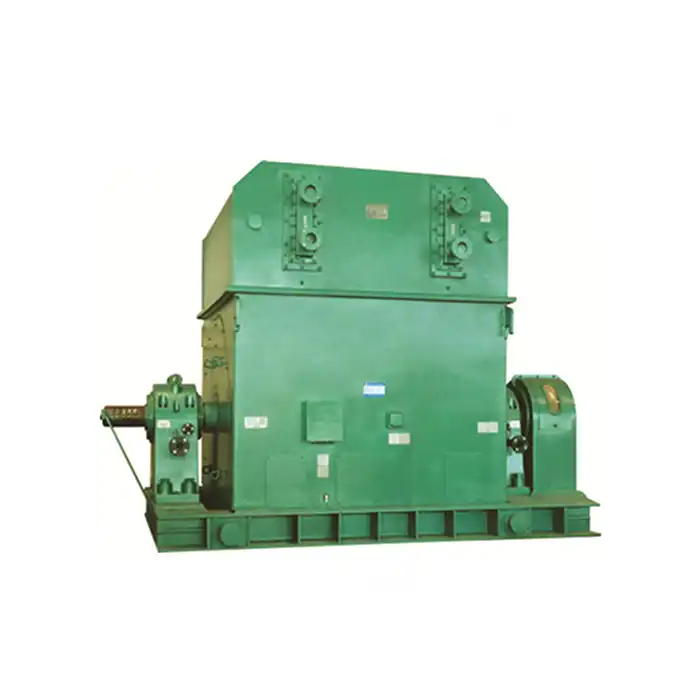
Series:Y2
Protection level:IP54
Voltage range:3000V±5%,3300V±5%,6000V±5%,6600V±5%,10000V±5%,11000V±5%
Power range:160-1600 kW
Application:fans, water pumps, compressors, crushers, cutting machine tools, transportation machinery, etc.
Advantage:compact structure, light weight, low noise, small vibration, long service life, easy installation and maintenance.
Standard: This series of products complies withJB/T10444-2004 standards.
Others: SKF, NSK, FAG bearings can be replaced according to customer requirements.
Understanding Medium Voltage Motor Technology
Voltage Range and Configurations
The voltage levels that medium voltage motors run at range from 1000V to 35,000V, with 3.3kV being a typical configuration for usage in industrial settings. The performance of these systems is optimum for medium- to large-scale activities since they span the gap between low voltage and high voltage.
Flexibility in Voltage Specifications
The voltage configurations that are often used are around 3000V±5%, 3300V±5%, 6000V±5%, and 6600V±5%. Because of this flexibility, engineers are able to pick the most suitable alternative for their requirements while simultaneously assuring compatibility with the electrical infrastructure that is already in place and with system updates.
Power Transmission and Efficiency
There are many benefits that medium voltage motors provide over low voltage systems, including the ability to manage power levels from 160 kW to 1600 kW in an efficient manner. The excessive current that these motors produce is kept to a minimum, which eliminates the need for bigger cables and switchgear while maintaining the same level of performance.
Advanced Insulation Systems
When it comes to protecting motor windings from voltage stress and maintaining their long-term dependability, medium voltage motors need more strict insulation criteria than conventional motors. In addition to reducing the amount of maintenance required, these improved insulating solutions also lengthen the motor's operating life.
Motor Efficiency and Design
Standard motors have efficiency ratings that are lower than those of medium voltage motors because of the improved electromagnetic design of medium voltage motors. Increasing the motor's physical size results in improved heat dissipation, less electrical losses, and decreased operating expenses throughout the course of the motor's lifetime.
Industrial Applications Across Multiple Sectors
Automotive, Aerospace, and Electronics Manufacturing
Medium voltage motor technology is used a lot in factories that make things in the automobile, aircraft, electronics, and food preparation industries. For production equipment, conveyor systems, and processing machinery that can't afford to go down at the worst times, these industries need reliable power delivery.
Process Control Applications
These motors are used in process control uses for important machines like pumps, valves, compressors, and systems for moving materials. When managing chemical processes, oil refining operations, or water treatment facilities where machine failure could cause major operating problems, the dependability of a 3.3 kV motor is very important.
Robotics and Automation Systems
Medium voltage motors are being used more and more in robotics and automation systems for large-scale industry. Because of this, medium voltage solutions are perfect for heavy-duty robotic production lines and automatic material handling systems that need accurate motor control and a lot of power.
Water Treatment Facilities
These motors are essential to the operation of water treatment facilities since they are used to drive big pumps, blowers, and filtration equipment. There is a necessity for motors that have high dependability and minimum maintenance requirements in order to meet the continuous operating requirements of municipal water systems.
Power Generation Facilities
A variety of auxiliary equipment, such as cooling water pumps, fuel handling systems, and ash disposal equipment, are powered by medium voltage motors in power producing plants. under order to function properly, these applications demand motors that are able to function under adverse environmental conditions while yet maintaining constant performance.
HVAC and Refrigeration System Integration
Commercial HVAC systems benefit significantly from medium voltage motor technology, particularly in large buildings and industrial complexes. These motors drive centrifugal chillers, cooling tower fans, and large air handling units with superior efficiency compared to multiple smaller motors.
Industrial refrigeration applications require motors capable of handling the demanding duty cycles associated with compressor operations. A 3.3 kV motor provides the necessary starting torque and running characteristics needed for ammonia refrigeration systems and large-scale food processing cooling equipment.
Motor cooling methods become particularly important in HVAC applications where ambient temperatures may vary significantly. Advanced cooling designs including IC411 configurations ensure consistent performance across varying environmental conditions.
Variable frequency drive compatibility allows precise speed control for HVAC applications, enabling energy savings through optimized fan and pump operations. Medium voltage VFD systems provide smooth acceleration and deceleration while reducing mechanical stress on driven equipment.
Building automation systems integrate seamlessly with medium voltage motor control centers, providing centralized monitoring and control capabilities. This integration enables predictive maintenance scheduling and energy optimization across entire HVAC systems.
Energy Sector Applications and Renewable Integration
Wind Energy Applications
3.3 kV Motor is used widely in wind energy applications for pitch control, yaw positioning, and auxiliary equipment in turbine systems. Motors with superior corrosion resistance and minimum maintenance requirements are required for offshore wind projects due to the dependability standards they must meet.
Solar Power Installations
These motors are included into solar power installations for the purpose of driving tracking system drives, cooling equipment, and inverter cooling systems. As a result of their distant settings, many solar farms need motors that have prolonged service intervals and are constructed using materials that are durable.
Hydroelectric Facilities
Medium voltage motors are essential to the operation of turbine control systems, water intake equipment, and powerhouse auxiliary systems in hydroelectric projects. In order to function properly, these applications need motors that are able to function in settings with high humidity and have good sealing protection.
Motor Protection Systems in Renewable Energy
In applications involving renewable energy, where there may be restrictions on the accessibility of equipment, motor protection systems become very important. There are sophisticated protection systems that monitor the status of the motor and offer early warning of possible problems before they result in catastrophic failures.
Grid Integration and Power Quality
For green energy systems to work with the power grid, motors often need to have certain features, like the ability to fix power factors and reduce harmonics. Modern motors for medium voltage use design elements that help keep the power grid stable and meet power quality standards.
Motor Selection Criteria and Technical Specifications
Power Range Considerations
Power range considerations begin with accurate load analysis to ensure proper motor sizing. Undersized motors experience premature failure due to overloading, while oversized units operate inefficiently and increase initial costs unnecessarily.
Speed Requirements
Speed requirements vary significantly across applications, with standard options ranging from 500 to 3000 RPM. Synchronous motor designs provide constant speed operation ideal for applications requiring precise timing, while induction motor variants offer robust performance with simpler control requirements.
Enclosure Protection Ratings
Enclosure protection ratings determine motor suitability for specific environments. IP54 protection provides adequate dust and moisture protection for most indoor applications, while IP55 ratings offer enhanced protection for more demanding conditions.
Motor Bearing Selection
Motor bearing selection impacts both performance and maintenance requirements. Premium bearing options from established manufacturers ensure extended service life and reduced vibration levels. SKF, NSK, and FAG bearings represent industry-standard choices for demanding applications.
Starting Characteristics
Starting characteristics affect both motor performance and electrical system requirements. Motor starter designs must accommodate the specific starting torque and current requirements of each application while minimizing electrical system disturbances.
Installation and Maintenance Best Practices
Installation Procedures
Proper installation procedures ensure optimal performance and longevity of the 3.3 kV Motor. Foundation requirements, alignment tolerances, and environmental considerations significantly impact motor operation and maintenance needs.
Motor Control Center Integration
Motor control center integration requires careful attention to cable sizing, protection coordination, and control system compatibility. Proper installation reduces electrical losses and ensures reliable operation under varying load conditions.
Cooling System Maintenance
Cooling system maintenance becomes particularly important for medium voltage applications. Regular inspection of cooling fans, air filters, and heat exchangers prevents overheating and extends motor life.
Motor Testing Procedures
Motor testing procedures should include insulation resistance measurements, vibration analysis, and thermal imaging inspections. These preventive maintenance practices identify potential issues before they result in unexpected failures.
Bearing Maintenance
Bearing maintenance schedules depend on operating conditions, load characteristics, and environmental factors. Proper lubrication practices and bearing replacement intervals ensure smooth operation and prevent costly downtime.
Motor Winding Inspections
Motor winding inspections should focus on insulation condition, connection integrity, and contamination levels. Regular cleaning and inspection procedures maintain electrical integrity and prevent premature failures.
Efficiency Optimization and Energy Management
Energy Consumption Analysis
Energy consumption analysis helps identify opportunities for motor system optimization. Proper motor sizing, load factor optimization, and power factor correction contribute to reduced operating costs.
Motor Torque Characteristics
Motor torque characteristics must match application requirements throughout the entire operating range. Mismatched torque profiles result in inefficient operation and potential equipment damage.
Motor Shaft Alignment and Coupling Selection
Motor shaft alignment and coupling selection affect both efficiency and mechanical reliability. Precision alignment procedures and high-quality flexible couplings minimize energy losses and reduce maintenance requirements.
Monitoring System Integration
Monitoring system integration enables real-time performance tracking and energy management. Modern motor control systems provide detailed operating data that supports optimization efforts and predictive maintenance programs.
Load Profiling
Load profiling helps identify opportunities for variable speed operation and energy savings. Understanding actual load requirements enables proper motor selection and control system configuration.
Conclusion
Medium voltage motor technology continues evolving to meet the increasing demands of modern industrial applications. Understanding the technical specifications, application requirements, and maintenance practices ensures successful motor system implementation. The reliability and efficiency benefits of properly selected and maintained 3.3 kV motors contribute significantly to operational success across diverse industrial sectors. Investment in quality motor technology pays dividends through reduced downtime, lower energy costs, and extended equipment life.
Partner with XCMOTOR for Your Medium Voltage Motor Needs
XCMOTOR delivers comprehensive 3.3 kV motor solutions designed specifically for demanding industrial applications. As a trusted medium voltage motor supplier, we provide expert technical support, customization options, and reliable delivery schedules that keep your operations running smoothly. Our experienced engineering team works closely with customers to ensure optimal motor selection and system integration. Contact us at xcmotors@163.com to discuss your specific requirements and discover how our advanced motor technology can enhance your operational efficiency.
References
- National Electrical Manufacturers Association. "Medium Voltage Motors: Application and Installation Guidelines." Industrial Motor Standards Publication, 2023.
- Institute of Electrical and Electronics Engineers. "IEEE Standard for Medium Voltage Motor Protection and Control Systems." Power System Protection Standards, 2022.
- Industrial Power Systems Association. "Best Practices for Medium Voltage Motor Selection and Application." Engineering Guidelines Manual, 2023.
- International Electrotechnical Commission. "Rotating Electrical Machines - Part 6: Methods of Cooling." Motor Cooling Standards Publication, 2022.
- Motor and Equipment Manufacturers Association. "Application Guidelines for Medium Voltage Industrial Motors." Technical Reference Manual, 2023.
- Power Engineering Society. "Medium Voltage Motor Efficiency and Energy Management Strategies." Industrial Applications Conference Proceedings, 2022.