



Custom Ball Mill Motor Builds for EPC Projects
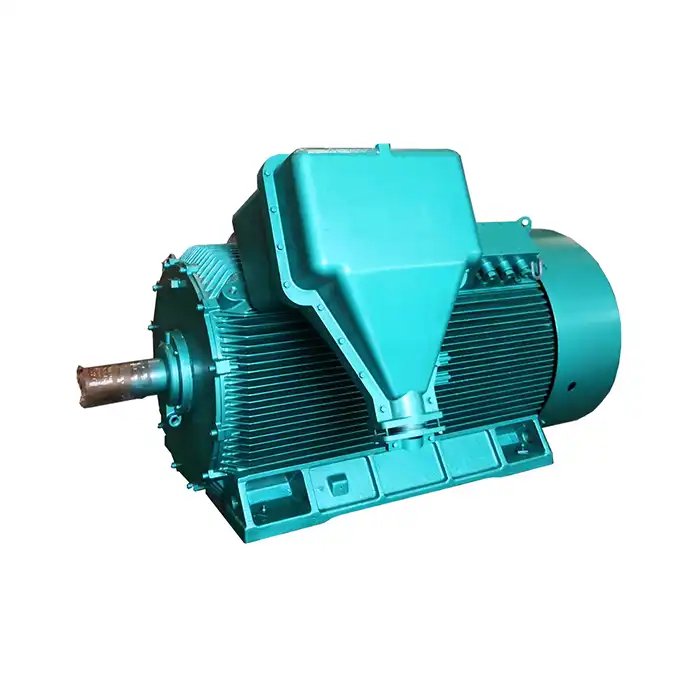
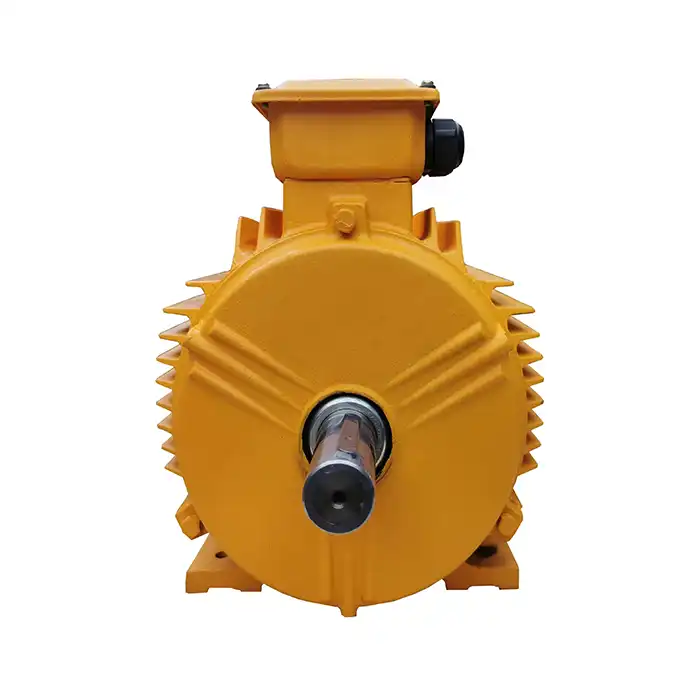
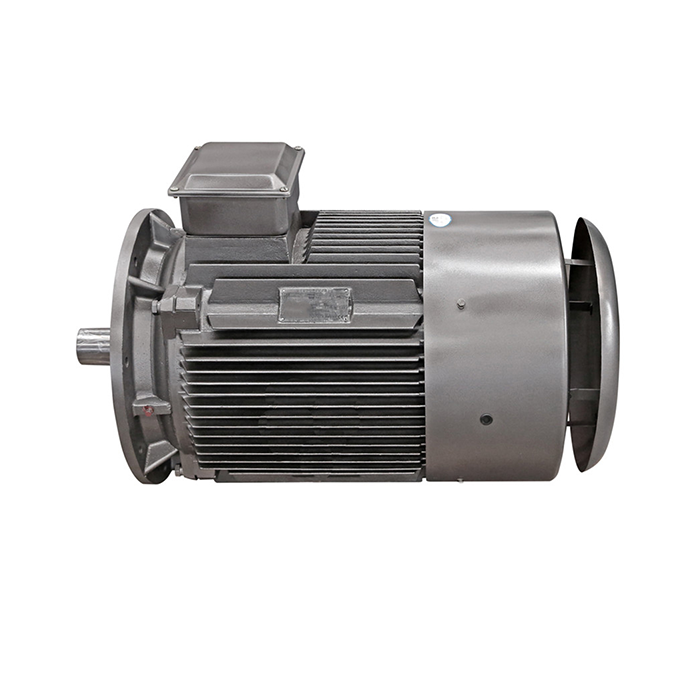
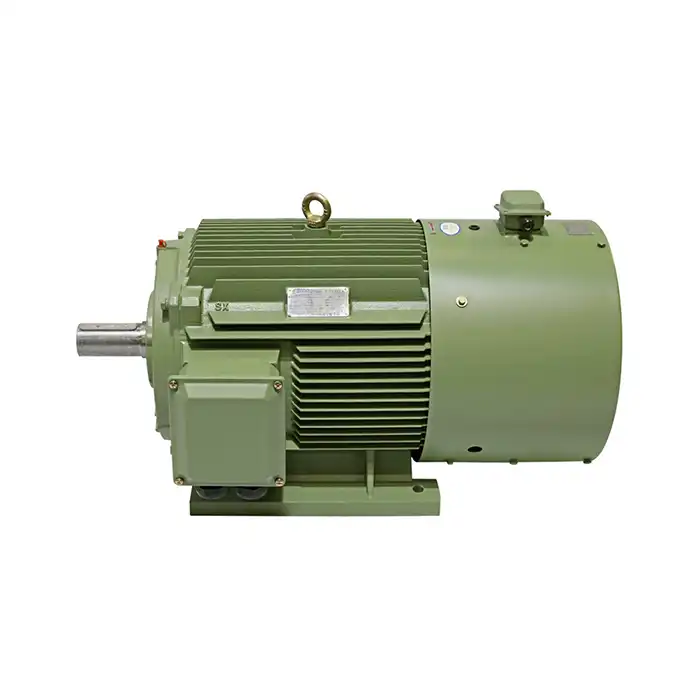
Choosing the right ball mill motor is one of the most vital things to think approximately when arranging large-scale building, acquirement, and development (EPC) ventures in cement or mining plants. Since they pivot at a tall torque all the time, these uncommon engines are what make crushing conceivable. They turn crude materials into valuable items. Custom engine builds are made to illuminate particular operational issues, like beginning up with overwhelming loads, managing with changing voltage needs, or making beyond any doubt dependable execution in unforgiving situations. At XCMOTOR, we've outlined arrangements that can convey 400–2000 kW of control over voltage ranges from 3000V to 10000V. These arrangements are particularly made to handle the extreme conditions of cutting edge mechanical pounding tasks.

Series:TDMK
Voltage range:3000V±5%,3300V±5%,6000V±5%,6600V±5%,10000V±5%,
Power range:400-2000 kW
Application:Mining, cement.
Advantage:large starting torque.
Others: SKF, NSK, FAG bearings can be replaced according to customer requirements.
Understanding Ball Mill Motors: Specifications and Operational Principles
How Ball Mill Motors Convert Energy into Grinding Power
The essential work of a crushing engine is to change over electrical vitality into mechanical revolution that drives a round and hollow shell filled with pounding media. Interior the pivoting chamber, steel or ceramic balls tumble and cascade, pulverizing materials such as mineral or clinker into fine particles. The engine interfaces specifically to the process or through a equip reducer, depending on plan. Revolution speed ordinarily ranges from 150 to 500 rpm, affected by process measure and fabric properties. A well-designed ball mill motor ensures stable rotation, efficient grinding action, and consistent output quality across different processing conditions.
Critical Specifications That Define Motor Performance
Power capacity is imperative, but voltage compatibility, speed run, and torque characteristics are similarly basic. Custom engines bolster voltage ranges from 3000V to 10000V with ±5% resistance, empowering integration into existing control frameworks. Speed control influences pounding comes about, with lower speeds for coarse pounding and higher speeds for wrapping up stages. Synchronous plans keep up steady speed beneath stack, guaranteeing item consistency. Beginning torque is vital, as engines must overcome overwhelming inactive loads requiring up to 280% of appraised torque. Progressed plans convey tall beginning torque without complex assistant frameworks, making the ball mill motor efficient, reliable, and suitable for demanding grinding applications.
Comparing Motor Technologies for Grinding Applications
AC synchronous engines are broadly utilized in crushing due to strength, effectiveness, and decreased support compared to DC engines. They kill brushes and commutators, bringing down benefit necessities. Three-phase plans give steady control variables, diminishing responsive control request. Coordinate drive frameworks rearrange operation by evacuating equip reducers, whereas equipped frameworks permit littler engines to accomplish required speeds. Temperature control is fundamental, with Course F cover taking care of tall warm loads. Open cooling frameworks give wind current but may require higher assurance in dusty situations. Selecting the right configuration ensures the ball mill motor balances efficiency, maintenance needs, and operational reliability.
Diagnosing and Solving Common Ball Mill Motor Challenges
Identifying Overheating Issues Before They Cause Failures
Rapid temperature rise regularly signals basic issues such as blocked ventilation, electrical awkwardness, or mechanical resistance. Checking frameworks, counting implanted sensors and warm imaging, offer assistance distinguish anomalous warm early. Lesson B temperature rise limits characterize satisfactory working conditions, and surpassing them requires quick examination. Clean aggregation in cooling ways diminishes wind stream and increments temperature. Customary cleaning plans, particularly in dusty situations like cement plants, keep up viable cooling. Preventive monitoring and maintenance ensure the ball mill motor operates within safe temperature limits, reducing the risk of unexpected failures and extending service life.
Addressing Noise and Vibration Problems
Unusual noise or vibration indicates potential issues like misalignment, bearing wear, or rotor imbalance. Baseline vibration measurements taken during commissioning help identify deviations over time. Increases beyond normal levels require prompt investigation to prevent further damage. Bearing selection significantly impacts noise and durability, with premium options improving performance in demanding conditions. Stable foundations and proper alignment reduce vibration transmission and extend component life. Regular alignment checks and structural maintenance help maintain smooth operation. Properly managed, the ball mill motor runs quietly, minimizes wear, and supports efficient plant operation.
Implementing Maintenance Practices That Extend Service Life
Predictive upkeep combines vibration examination, warm observing, and electrical diagnostics to identify early signs of wear. Following patterns over time permits arranged mediations or maybe than crisis shutdowns. Appropriate oil is fundamental, as both over- and under-lubrication can harm heading. Computerized grease frameworks move forward consistency and unwavering quality. Yearly separator resistance testing distinguishes dampness or defilement issues some time recently disappointment happens. Keeping up resistance over suggested levels guarantees electrical judgment. These practices extend the lifespan of the ball mill motor, improve reliability, and reduce maintenance costs in demanding industrial environments.
Selecting the Right Custom Ball Mill Motor for Your EPC Project
Assessing Project-Specific Power and Environmental Requirements
Selecting the correct motor requires analyzing real grinding conditions, including material hardness, feed size, and desired output. Oversized motors waste energy, while undersized units operate near limits and wear faster. Environmental factors such as altitude, temperature, and corrosion exposure influence cooling and protection requirements. High-altitude sites require derating, while extreme climates demand specialized insulation and lubrication. Matching specifications to actual site conditions ensures optimal performance. A properly selected ball mill motor delivers efficient operation, longer service life, and reduced risk of failure under challenging conditions.
Evaluating Customization Options and Supplier Capabilities
Customization is essential for meeting specific EPC project requirements. Adjustments in voltage, shaft design, bearings, and mounting configurations ensure compatibility with system layouts. Lead times vary, with standard motors delivered faster than fully customized units. Early supplier involvement helps balance design needs with project schedules. Warranty terms reflect confidence in product quality, with extended coverage indicating reliability. Clear communication of technical requirements prevents delays and ensures proper manufacturing. Choosing a capable supplier ensures the ball mill motor meets performance expectations and integrates smoothly into project systems.
Understanding Quality Certifications and Performance Documentation
Certifications such as ISO 9001:2015 confirm consistent quality management processes, while CE and CCC markings indicate compliance with regional standards. Factory acceptance testing verifies performance before delivery, including measurements of current, efficiency, temperature rise, and vibration. These results serve as benchmarks for future monitoring. Proper documentation ensures transparency and traceability throughout the motor’s lifecycle. Reliable certification and testing processes give confidence that the ball mill motor meets operational requirements and maintains performance under real-world conditions.
Procurement Strategies for Custom Ball Mill Motors in EPC Projects
Comparing Direct Manufacturer Sourcing Versus Distribution Channels
Direct sourcing from manufacturers provides access to engineering support, customization, and cost savings by eliminating intermediaries. It also enables better communication and production monitoring. Distributors offer advantages such as local stock, faster delivery, and bundled procurement options. Online platforms expand supplier access but require careful evaluation of quality and support capabilities. Each sourcing method has benefits depending on project scale and urgency. Selecting the right approach ensures the ball mill motor is delivered on time, meets specifications, and aligns with project requirements.
Analyzing Cost Factors Beyond Initial Purchase Price
Motor costs depend on specifications such as power, voltage, and customization features. Premium materials and components increase upfront costs but improve reliability and reduce maintenance. Logistics for heavy equipment significantly impact total expenses, especially for international shipments. Installation support services add initial cost but prevent errors and delays during commissioning. Evaluating total cost of ownership—including energy use, maintenance, and downtime—provides a more accurate financial picture. Investing in a high-quality ball mill motor ensures long-term savings and operational efficiency.
Securing Reliable After-Sales Support and Technical Assistance
Responsive technical support is crucial for minimizing downtime during troubleshooting and maintenance. Suppliers offering continuous assistance ensure issues are resolved quickly. Availability of spare parts such as bearings and cooling components affects long-term reliability. Initial spare parts packages help maintain continuous operation. Field services, including installation supervision and maintenance checks, enhance performance after delivery. Regional service centers improve response times in emergencies. Strong after-sales support ensures the ball mill motor operates reliably and maintains productivity throughout its lifecycle.
Future Trends and Innovations in Ball Mill Motor Technology for EPC Projects
Integrating Smart Monitoring and Predictive Maintenance Capabilities
Modern motors incorporate sensors to monitor vibration, temperature, and electrical parameters in real time. Data is transmitted to cloud-based systems where advanced analytics detect anomalies and predict failures. This enables maintenance planning during scheduled downtime instead of reacting to breakdowns. Remote diagnostics allow experts to assess motor condition without on-site visits, reducing delays. These technologies are especially valuable in remote operations. Smart monitoring enhances the reliability of the ball mill motor, improves maintenance efficiency, and reduces operational risks.
Advancing Energy Efficiency Through Design Innovation
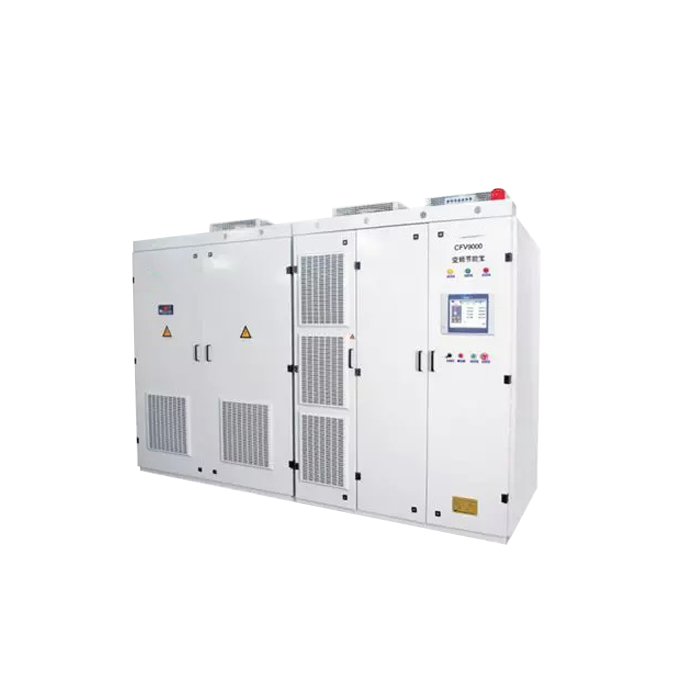
Energy efficiency improvements come from advanced materials and optimized motor designs. Synchronous motors offer high efficiency at constant speeds, while emerging permanent magnet designs promise further gains. Innovations such as improved laminations and winding configurations reduce losses and increase performance. Even small efficiency gains result in significant energy savings over continuous operation. Variable frequency drives also enhance efficiency by optimizing speed control. These advancements make the ball mill motor more cost-effective and environmentally sustainable in modern industrial applications.
Meeting Evolving Environmental and Regulatory Standards
Stricter efficiency and environmental regulations are shaping motor design worldwide. Compliance with updated standards ensures long-term usability and avoids obsolescence. Noise control requirements influence acoustic design, with manufacturers providing sound data for facility planning. In cases where limits are exceeded, additional measures like enclosures are used. Sustainability considerations promote recyclable materials and designs that simplify disassembly. These developments ensure the ball mill motor meets modern environmental expectations while maintaining performance and operational reliability.
Conclusion
In the mining and cement industries, completing an EPC project successfully depends on picking grinding motors that are the right mix of performance, dependability, and cost-effectiveness over their entire lifecycle. Understanding operational principles, taking a proactive approach to common problems, and choosing suppliers that offer customization options and full support are all things that can help projects continue to be successful. As smart monitoring, energy efficiency, and environmental compliance change, equipment choices need to be made with the future in mind. At XCMOTOR, we've created custom ball mill motor solutions that have high starting torque, can work with a wide range of voltages, and are built to last for the long-term demands of continuous grinding. Our ISO 9001:2015-certified manufacturing processes and dedication to customer service guarantee that the equipment your EPC project receives will work well and reliably for a long time.
Frequently Asked Questions
1. What power range should I consider for cement grinding applications?
Depending on the size of the mill and the throughput goals, cement grinding operations usually need motors between 500 and 1500 kW. When grinding raw materials, smaller motors of 400 to 800 kW are often used. When grinding finishes, however, higher power levels are needed. Our 400–2000 kW product range covers most industrial grinding needs. The exact size is chosen by calculating the load while taking into account the material's properties and production goals.
2. How does starting torque affect ball mill motor selection?
Due to the static load of the grinding media and material, ball mills need a lot more starting torque than they do running torque. Our motors deliver 220 to 280 percent of their rated torque when they first start up, so you don't need any extra equipment to get them going. This specification is very important for grinding applications because not having enough starting torque leads to long acceleration periods that overheat the windings or fail to reach operating speed.
3. Can bearing types be customized for specific operating conditions?
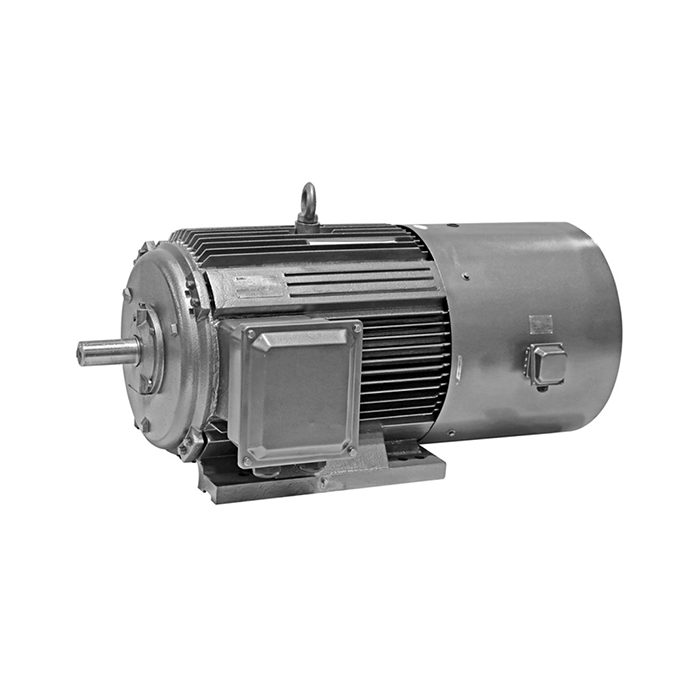
We can customize bearings from SKF, NSK, or FAG brands, depending on the needs of the application. When bearings are used continuously or with little lubrication, premium grades last longer. Deep groove ball bearings are our standard configuration and work well in most situations. You can upgrade them during the procurement process to get better performance or longer maintenance intervals.
Partner with a Trusted Ball Mill Motor Supplier
XCMOTOR has a track record of building custom motors that meet the needs of EPC projects. Our 400–2000 kW motors work with voltages from 3000V to 10000V and have the high starting torque that mining and cement operations need. We have ISO 9001:2015, CE, and CCC certifications, which show that we are dedicated to quality management and following the rules. Our engineering team works with you throughout the whole procurement process to make sure that the motor specifications you need meet all of your operational needs, whether you're specifying equipment for a new facility or upgrading existing ones. Technical support that is dedicated and available even on the weekends takes care of urgent issues quickly, so production doesn't have to stop. Get in touch with us at xcmotors@163.com or motorxc.com to talk about your project needs with our applications engineering team and find out how our custom ball mill motor solutions provide reliable performance for tough industrial grinding tasks.
References
1. Wills, B.A., and Finch, J.A. (2015). Wills' Mineral Processing Technology: An Introduction to the Practical Aspects of Ore Treatment and Mineral Recovery. Butterworth-Heinemann, Oxford.
2. Gupta, A., and Yan, D. (2016). Mineral Processing Design and Operations. Elsevier Science, Amsterdam.
3. IEEE Power and Energy Society (2018). IEEE Guide for AC Motor Protection. IEEE Standard 620-2018, Institute of Electrical and Electronics Engineers, New York.
4. National Electrical Manufacturers Association (2019). Motors and Generators: MG 1-2019. NEMA Standards Publication, Rosslyn, Virginia.
5. Mobley, R.K. (2014). Maintenance Engineering Handbook. McGraw-Hill Education, New York.
6. Bonnett, A.H. (2008). Root Cause AC Motor Failure Analysis. IEEE Press, Piscataway, New Jersey.