



Low Voltage Induction Motor vs. High Voltage Motor: Which to Choose?
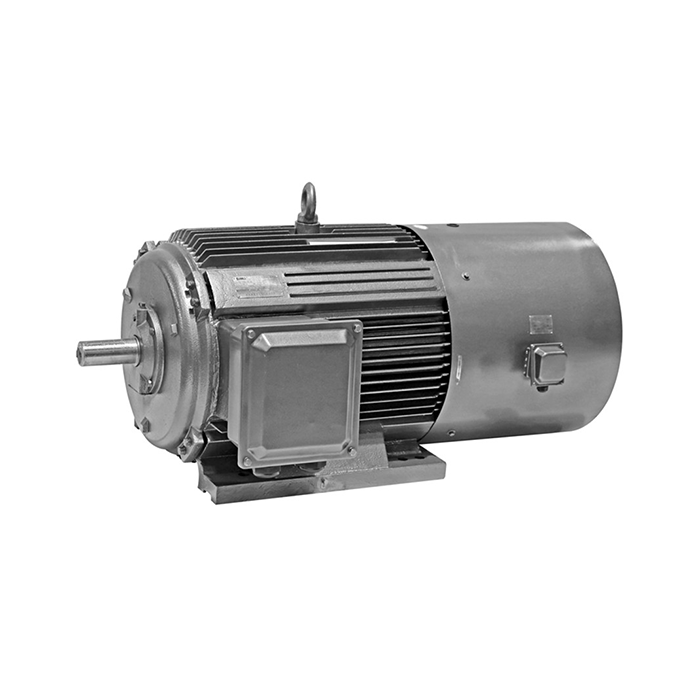
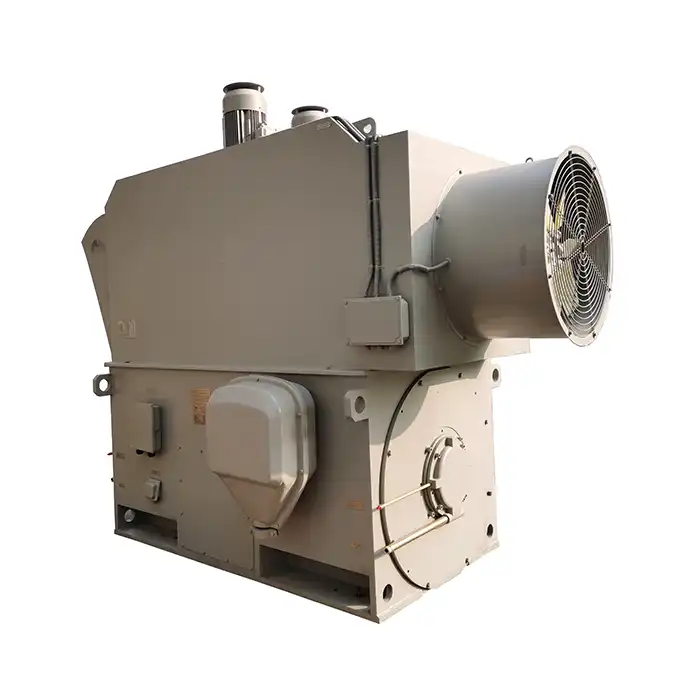
When choosing between a high voltage motor and a low voltage induction motor for an industrial purpose, the choice usually comes down to how much power you need and where the motor will be used. Low voltage induction motors work well in situations that need 45–800kW of power and a 380V source. They are safer, easier to maintain, and more cost-effective for most industrial processes. On the other hand, high voltage motors are necessary for uses with more than 1000kW of power, where long-distance transfer efficiency is very important.
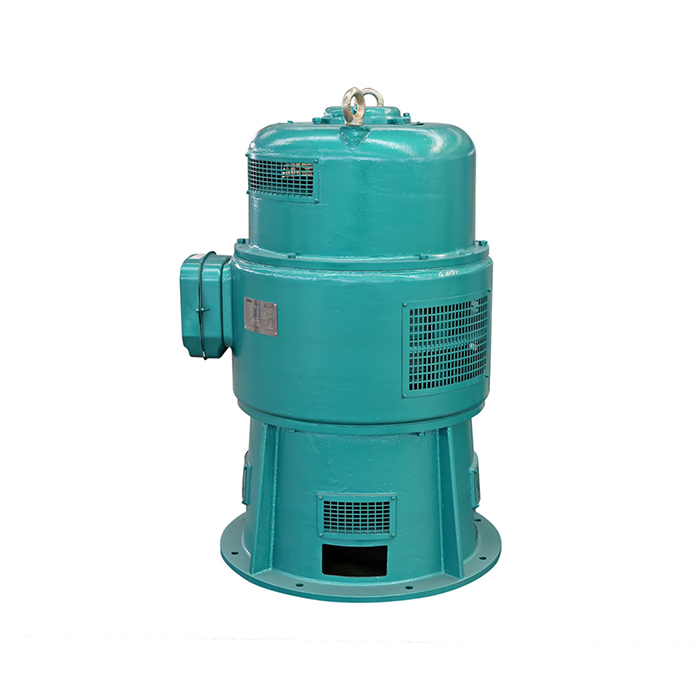
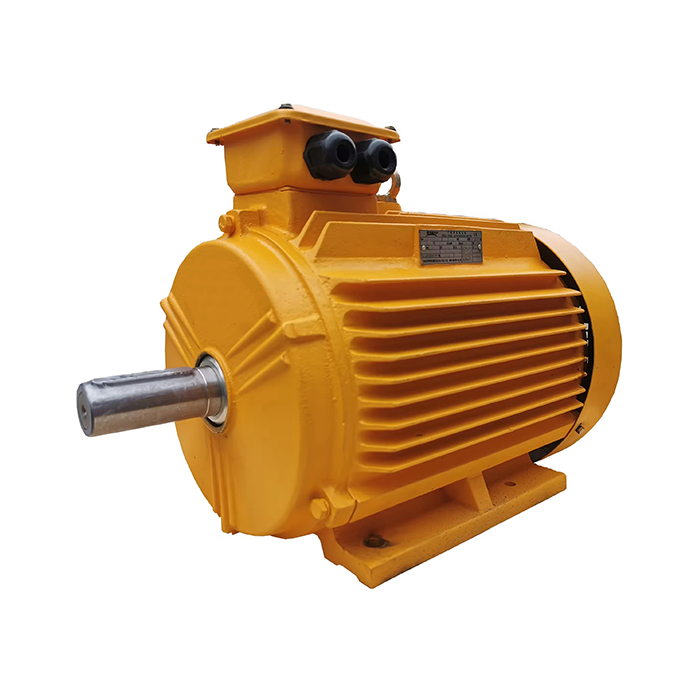
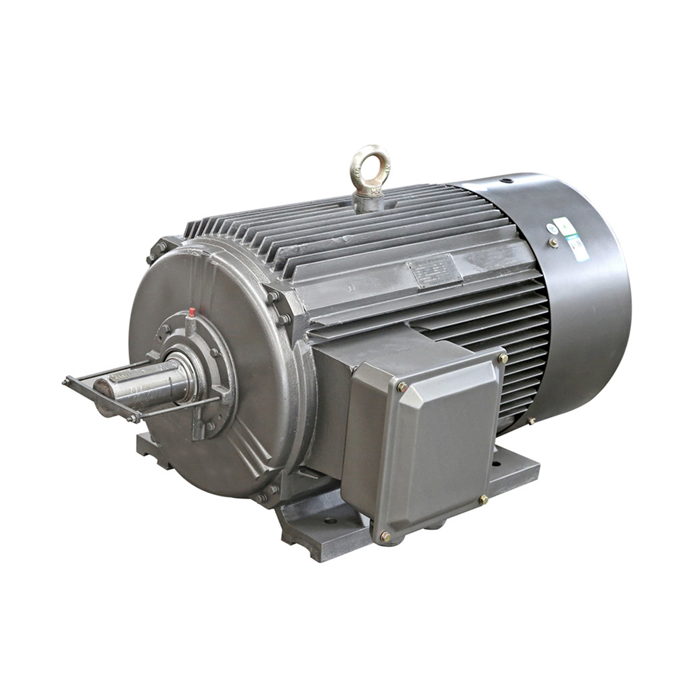
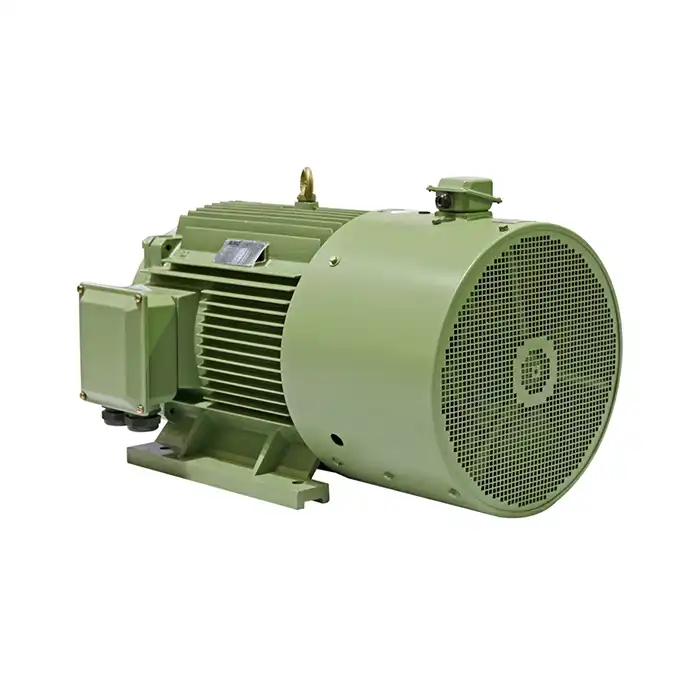
Series:YRQ
Voltage range:380V±5%
Power range:45-800kW
Protection level:IP23
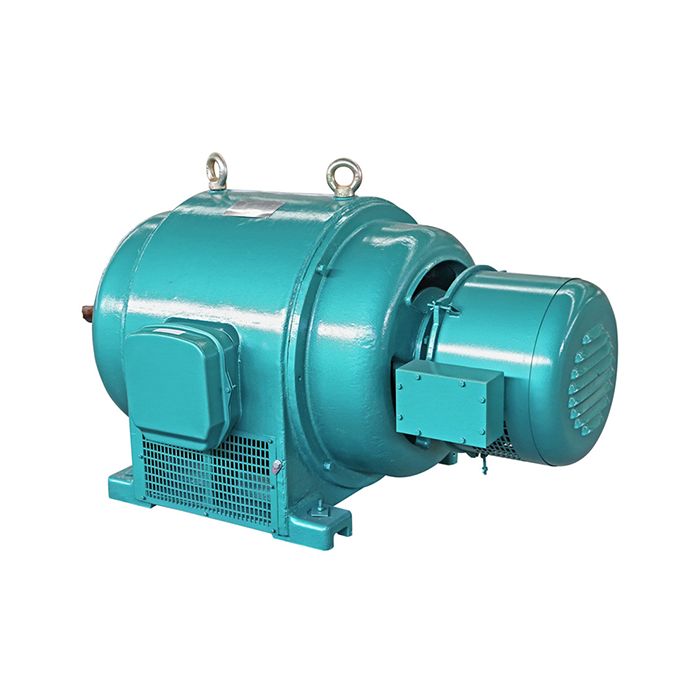
Application:YRQ(JR) series medium-sized motors can drive a variety of different machinery, such as fans, compressors, water pumps, crushers, ball mills, cutting machine tools, transportation machinery and other equipment, and can be used in coal mines, machinery industries, power plants and various industrial and mining enterprises. Used as prime mover.
Advantage: The JR series medium-sized motors have very powerful driving capabilities and can not only drive conventional mechanical equipment, but also some complex mechanical equipment. For example, it can drive heavy machinery such as ships, cranes, and wind turbines, as well as small household appliances, purifiers, compressors, etc.
Others: SKF, NSK, FAG bearings can be replaced according to customer requirements.
Understanding the Core Differences Between Motor Types
Low voltage and high voltage motors are basically different in how they work electrically and what they can be used for. Motors with low voltage usually work at 380V to 660V, while systems with high voltage work above 1000V. In the motor's design, function, and assembly needs, this voltage difference has a chain reaction effect.
Three core operational differences emerge:
- Current characteristics: Low voltage systems draw higher current for equivalent power output
- Insulation requirements: High voltage motors require enhanced insulation systems
- Safety protocols: Different voltage levels demand distinct safety measures
Motor efficiency varies between these systems, with low voltage induction motors achieving 85-95% efficiency in their optimal operating range. The stator and rotor design differences accommodate varying electromagnetic requirements, influencing torque characteristics and starting current demands.
If you need reliable performance for manufacturing equipment under 800kW, then low voltage induction motors provide optimal balance between efficiency and operational simplicity.
Power Range and Application Suitability Analysis
The power range significantly influences motor selection decisions across industrial sectors. Low voltage induction motors effectively serve applications from 45kW to 800kW, covering extensive manufacturing requirements. This range accommodates most industrial automation needs, including process control equipment and robotics applications.
Application-specific power requirements include:
- Manufacturing equipment: 45-400kW range covers most production machinery
- HVAC systems: 75-300kW addresses commercial cooling and ventilation needs
- Process control: 100-600kW handles pumps, compressors, and valve actuators
- Material handling: 150-500kW powers conveyor systems and lifting equipment
High voltage motors become necessary when power requirements exceed 800kW, particularly in heavy industrial applications. Energy and utilities sectors often require motors above 1000kW for power generation equipment and large-scale water treatment facilities.
The three-phase design of both motor types provides balanced power distribution, though voltage selection impacts overall system complexity. Motor winding configurations adapt to voltage requirements, affecting manufacturing costs and maintenance procedures.
If you need power output between 45-800kW for standard industrial applications, then low voltage induction motors deliver proven performance with established maintenance protocols.
Safety Considerations and Installation Requirements
Safety protocols differ substantially between low voltage and high voltage motor installations. Low voltage induction motors operate within safer electrical parameters, reducing arc flash risks and simplifying personnel training requirements. The 380V operating voltage falls within standard industrial safety classifications, enabling conventional lockout procedures.
Key safety advantages of low voltage systems:
- Reduced electrical shock hazards during maintenance
- Standard personal protective equipment suffices
- Simplified emergency shutdown procedures
- Lower arc flash incident energy levels
High voltage installations require specialized safety equipment, including arc-rated protective gear and enhanced grounding systems. Qualified electrical personnel must possess high voltage certifications, increasing operational complexity and training costs.
Insulation class requirements vary between voltage levels, with low voltage motors typically utilizing Class B insulation suitable for industrial environments. Thermal protection systems integrate more readily with low voltage control circuits, enhancing overall system reliability.
Installation complexity favors low voltage systems, particularly regarding cable sizing and electrical infrastructure. The higher current requirements of low voltage motors necessitate larger conductors, yet overall installation costs remain lower than high voltage alternatives.
If you need straightforward installation with standard safety protocols, then low voltage induction motors eliminate specialized high voltage requirements while maintaining operational effectiveness.
Maintenance and Operational Cost Comparison
Maintenance requirements present significant differences between motor voltage classifications. Low voltage induction motors benefit from simplified maintenance procedures, utilizing standard electrical testing equipment and conventional troubleshooting methods. The squirrel cage rotor design common in low voltage motors requires minimal maintenance beyond bearing replacement and thermal monitoring.
Maintenance cost factors include:
- Personnel training requirements and certification costs
- Specialized testing equipment and diagnostic tools
- Replacement parts availability and pricing
- Scheduled maintenance intervals and complexity
Operational efficiency impacts long-term costs, with low voltage induction motors achieving optimal efficiency within their designed power range. Energy saving potential depends on proper motor sizing and load matching rather than voltage classification alone. Power factor characteristics influence electrical consumption, typically ranging from 0.85-0.95 in well-designed low voltage systems.
Frequency variations affect both motor types similarly, though control system complexity increases with voltage levels. Speed control implementation proves more straightforward with low voltage motors, utilizing standard variable frequency drives without voltage transformation requirements.
Bearing replacement represents the primary maintenance activity, with quality bearings extending service intervals significantly. The IP23 protection class provides adequate environmental protection for most industrial applications while maintaining accessibility for routine maintenance.
If you need predictable maintenance costs with standard industrial practices, then low voltage induction motors offer transparent operational expenses without specialized high voltage considerations.
Performance Characteristics in Different Industries
Industrial applications reveal distinct performance patterns between motor voltage types. Manufacturing sectors utilizing low voltage induction motors benefit from precise torque control and efficient energy conversion within the 45-800kW range. The electromagnetic characteristics of low voltage designs provide excellent starting torque for heavy machinery startup.
Industry-specific performance considerations:
- Automotive manufacturing: Consistent torque delivery for assembly line equipment
- Food processing: Washdown compatibility with appropriate motor protection
- Aerospace production: Precision speed control for machining operations
- Electronics assembly: Vibration-free operation for delicate component handling
HVAC and refrigeration applications particularly benefit from low voltage motor characteristics. Commercial HVAC systems require reliable operation across varying load conditions, with low voltage motors providing stable performance throughout their operating range. Residential applications favor the safety and simplicity of low voltage installations.
Energy sector applications present mixed requirements, with renewable energy installations often favoring low voltage motors for auxiliary equipment. Wind turbine pitch control and solar tracking systems utilize low voltage motors for their reliability and precise positioning capabilities.
Load torque matching proves crucial across all applications, with low voltage induction motors offering excellent torque characteristics for variable load conditions. The slip characteristics provide inherent overload protection while maintaining stable operation under normal conditions.
If you need versatile performance across diverse industrial applications, then low voltage induction motors adapt effectively to varying operational requirements without compromising reliability.
Advantages of XCMOTOR's Low Voltage Induction Motor Solutions
XCMOTOR's low voltage induction motor offerings provide comprehensive advantages for industrial applications requiring reliable, efficient power transmission. Our YQR series motors deliver exceptional performance within the 45-800kW power range, featuring robust construction and advanced design elements that ensure long-term operational excellence.
Design and construction advantages
- Cast iron frame construction delivers enhanced durability and vibration resistance for demanding industrial environments
- Copper rotor and stator windings maximize efficiency while reducing operational heating and energy consumption
- Precision-balanced rotor assembly eliminates vibration issues and extends bearing life significantly
- High-quality bearing systems support extended operational periods with minimal maintenance requirements
- Versatile mounting configurations accommodate foot-mounted, flange-mounted, and combination mounting arrangements
- IP23 protection class provides optimal balance between environmental protection and maintenance accessibility
- 380V±5% voltage tolerance ensures stable operation across varying power supply conditions
Performance and reliability benefits
- Advanced electromagnetic design optimizes torque delivery across the complete operational speed range
- Superior thermal management through IC01 cooling methodology maintains consistent operating temperatures
- Robust insulation systems utilizing Class B materials ensure long-term electrical integrity
- Precise speed control capability from 500-1500 rpm accommodates diverse application requirements
- Excellent starting characteristics provide reliable startup under loaded conditions
- Low slip operation maintains consistent speed regulation across varying load conditions
- Enhanced power factor performance reduces electrical consumption and improves system efficiency
Manufacturing and quality advantages
- State-of-the-art production facilities employ precision die-casting and automated assembly processes
- Advanced winding technology ensures optimal electromagnetic performance and thermal characteristics
- Rigorous testing protocols verify performance specifications before shipment
- Comprehensive quality control maintains consistent product reliability across production batches
- Flexible customization options accommodate specific application requirements and mounting needs
- Premium bearing alternatives including options for upgraded components based on application demands
If you need proven motor solutions with comprehensive support and verified performance characteristics, then XCMOTOR's low voltage induction motors deliver the reliability and efficiency your operations demand.
Conclusion
Selecting between low voltage and high voltage motors depends primarily on power requirements, safety considerations, and operational complexity preferences. Low voltage induction motors excel in the 45-800kW range, providing excellent efficiency, simplified maintenance, and enhanced safety characteristics. These motors serve effectively across manufacturing, HVAC, process control, and automation applications while offering straightforward installation and operation. High voltage motors become necessary only when power requirements exceed practical low voltage limitations or when specific transmission distance considerations apply.
Choose XCMOTOR for Your Low Voltage Induction Motor Requirements
XCMOTOR stands as a trusted low voltage induction motor supplier, delivering engineered solutions for diverse industrial applications. Our commitment to quality manufacturing and customer satisfaction ensures your equipment operates reliably across demanding operational conditions. Contact our technical team at xcmotors@163.com to discuss your specific motor requirements and discover how our YQR series motors enhance your operational efficiency.
References
1. Chapman, Stephen J. Electric Machinery Fundamentals, Sixth Edition. McGraw-Hill Education, 2019.
2. Fitzgerald, A.E., Charles Kingsley Jr., and Stephen D. Umans. Electric Machinery, Seventh Edition. McGraw-Hill Science/Engineering/Math, 2013.
3. Sen, P.C. Principles of Electric Machines and Power Electronics, Third Edition. John Wiley & Sons, 2013.
4. Wildi, Theodore. Electrical Machines, Drives and Power Systems, Sixth Edition. Pearson, 2013.
5. Guru, Bhag Singh and Huseyin R. Hiziroglu. Electric Machinery and Transformers, Third Edition. Oxford University Press, 2000.
6. Nasar, S.A. and L.E. Unnewehr. Electromechanics and Electric Machines, Third Edition. John Wiley & Sons, 1998.