



Best Water Cooled Electric Motors for High Efficiency in 2026
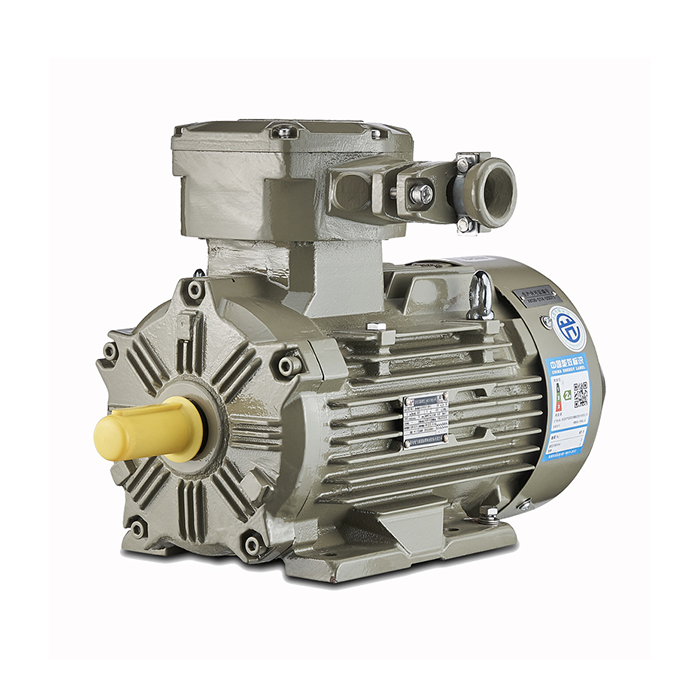
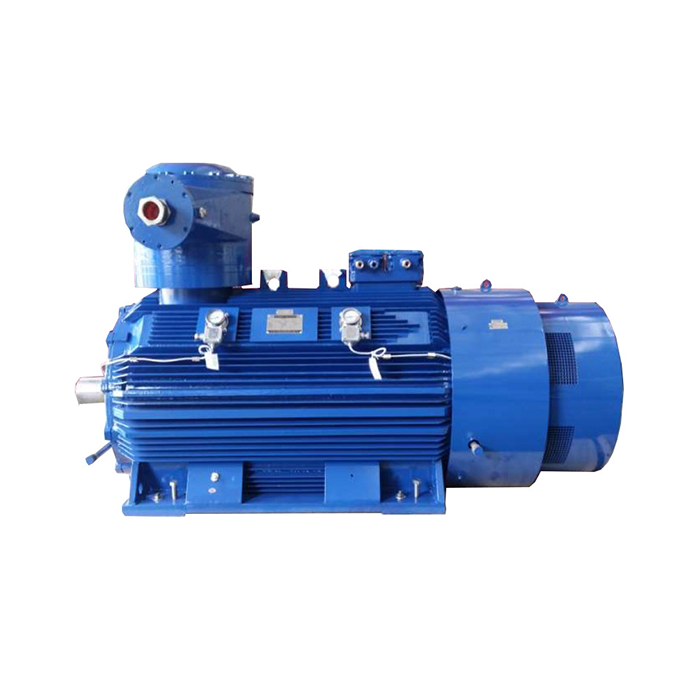
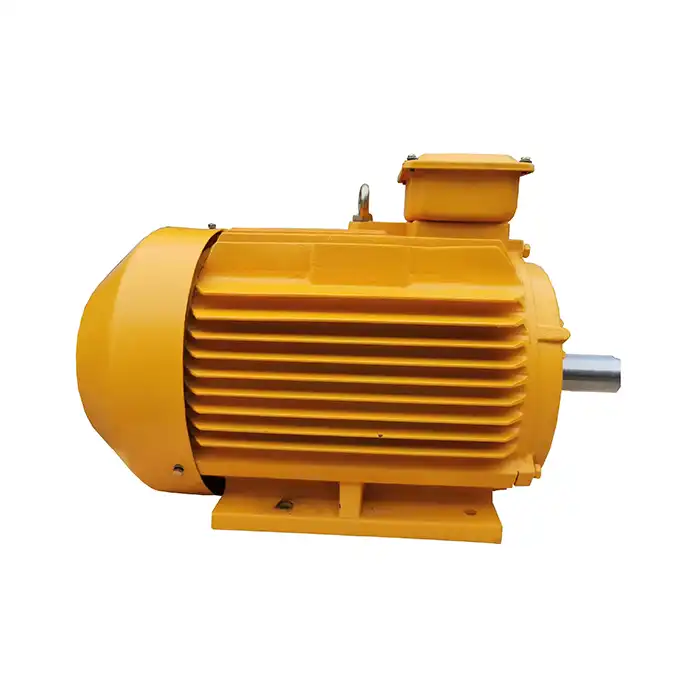
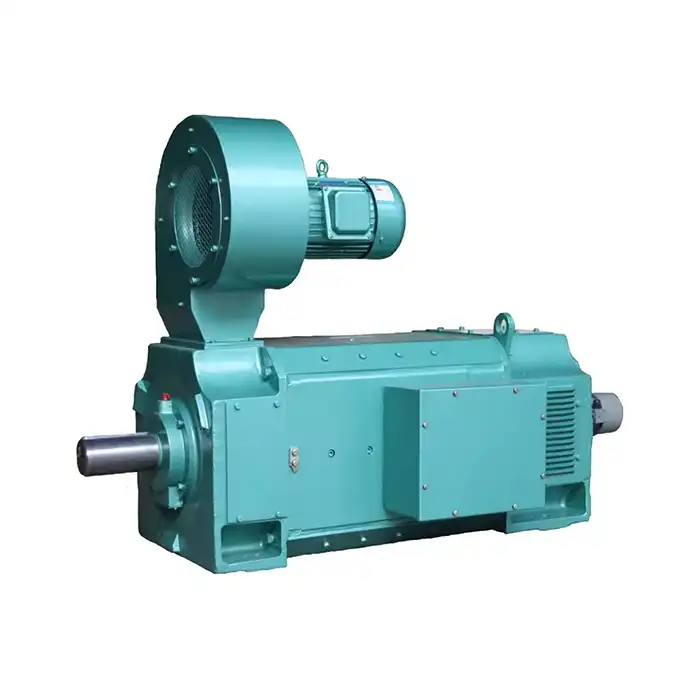
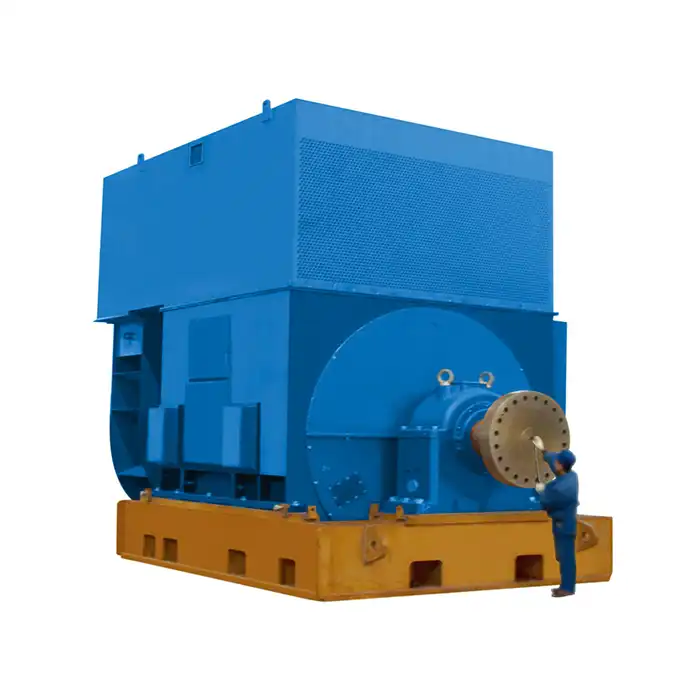
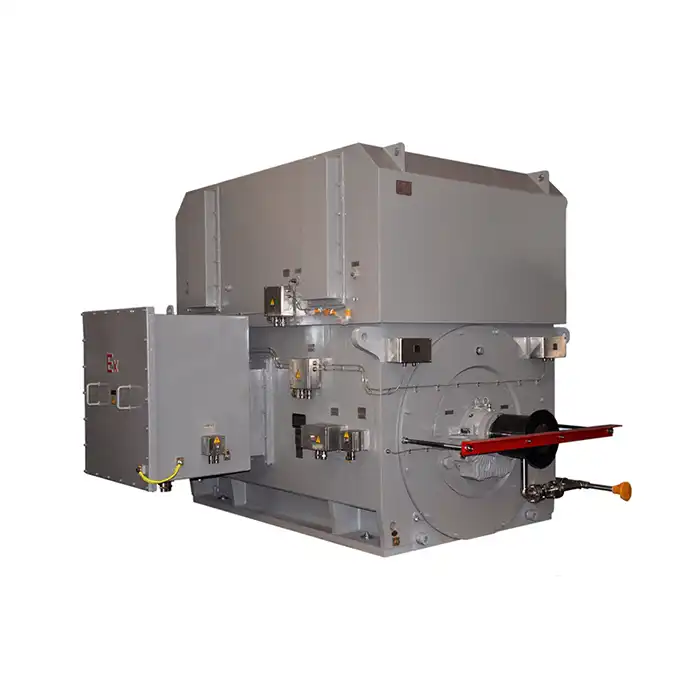
Industrial workers in 2026 who want to find the best Water Cooled Electric Motor options for high efficiency want choices that combine advanced heat management with top-notch performance. These motors use liquid cooling systems to keep their working temperatures at the best level. Compared to standard air-cooled options, these use less energy and last longer. Modern Water Cooled Electric Motor technology is a big step forward in how power is sent in factories.

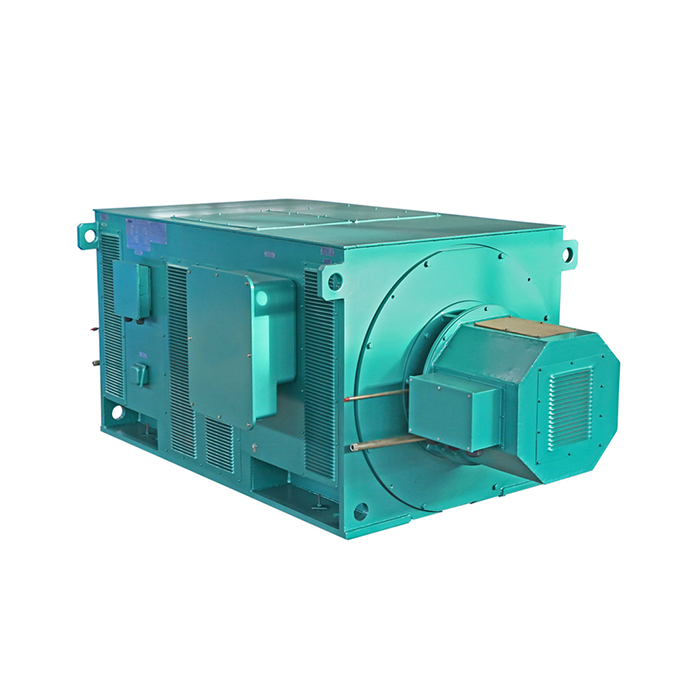
Series:YKS
Protection level:IP54
Voltage range:3000V±5%,3300V±5%,6000V±5%,6600V±5%,10000V±5%,11000V±5%
Power range:220-6300 kW
Application:fans, water pumps, compressors, crushers, cutting machine tools, transportation machinery, etc.
Advantage:low noise, low vibration, long service life, easy installation and maintenance.
Standard: This series of products complies withGB/T 1032 and GB/T 13957 standards.
Others: SKF, NSK, FAG bearings can be replaced according to customer requirements.
Introduction
The need for dependable and efficient power options grows as the industrial industry expands. In response to these issues, water-cooled electric motors provide better heat reduction, allowing higher power levels and continued running under heavy loads. Their advanced cooling systems make sure they work well even in tough conditions, which makes them perfect for uses with limited room, higher temperatures, and noise concerns. Largely used in steel production and green energy, these motors boost total output, lower energy use, and require less upkeep. They are important for modern industrial automation and temperature management.
Selection Criteria for Premium Water Cooled Motors
Checking important things like power output, temperature efficiency, safety rates, and customization choices are necessary to find the best water-cooled electric motor. Torque and speed requirements must be met by motors, and they must also be power compatible so that they can be easily integrated. Excellent heat management guarantees long-lasting performance, and high-quality joints and precise balance make operation better. Upholding international standards and providing help after the sale guarantee dependability and peak performance in tough conditions. Individual wants can be met through customization.
XCMOTOR Water Cooled Industrial Motors
The XCMOTOR water cooled electric motor series offers advanced engineering for high-demand industrial applications. These motors are built to handle a range of power requirements and are designed for reliable performance in tough environments.
Key Specifications and Performance Features:
Power Ratings: From 220kW to 6300kW, accommodating diverse industrial needs.
Voltage Options: 3000V, 3300V, 6000V, 6600V, 10000V, and 11000V with ±5% tolerance.
Protection Rating: IP54 ensures dependable operation in harsh conditions.
Cooling System: ICW37 water cooling technology provides optimal thermal management.
Insulation Classes: F and H insulation offer exceptional electrical protection.
Operating Temperature: Ranges from -20°C to +40°C, with options for extended ranges.
Design and Durability Features
The precision-balanced rotors minimize vibration, ensuring smooth operation. High-quality bearings from leading manufacturers contribute to long-term reliability. The motor’s water jacket design guarantees uniform cooling, enhancing lifespan and maintaining consistent performance across varying loads.
Applications and Industry Use Cases
These motors are ideal for applications such as fans, water pumps, compressors, crushers, cutting machine tools, and transportation machinery. They excel in environments like steel mills, mining facilities, power generation plants, and petrochemical processing, where low noise and vibration are essential.
High-Voltage Heavy-Duty Water Cooled Motors
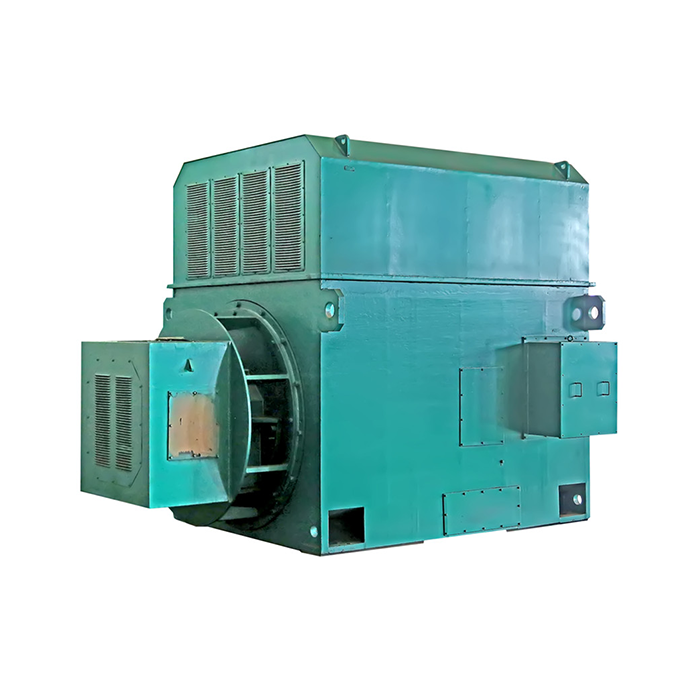
These specialized high-voltage motors are designed for ultra-heavy industrial applications requiring exceptional power output. Engineered for high-demand environments, they deliver reliable performance in challenging operating conditions.
Key Specifications and Power Range:
Voltage Options: 6kV and 10kV.
Power Range: From 250kW to 6300kW.
Pole Configurations: Available from 2 to 16 poles, supporting speed requirements from 3000 rpm to 375 rpm.
Torque Range: High-power models generate rated torques of 19,000 to 100,000 N·m.
Applications and Performance
High-Power Models: Ideal for heavy equipment like large rolling mills and main shaft hoists, delivering power from 3000kW to 6300kW.
Medium-Power Models: Suitable for high-pressure compressors and circulating water pumps, with outputs from 500kW to 2000kW.
Power Density: Achieves 20-25% higher power density within the same frame size compared to standard high-voltage motors, reducing the need for multiple parallel motor installations.
Design and Durability Features
Robust Construction: Built to withstand demanding industrial environments while maintaining high performance.
Advanced Materials: Ensures durability and reliability in critical applications where downtime can result in significant production losses.
Simplified Design: The 800 frame size can deliver up to 6300kW, minimizing system complexity and potential failure points.
All-Weather Protection Water Cooled Motors
Designed for extreme industrial environments, these water cooled motors are engineered to provide reliable performance and durability under harsh conditions.
Environmental Durability and Protection Ratings
IP54 Protection: Standard for industrial applications.
Optional IP55 Upgrade: Ideal for outdoor installations with increased protection against dust and moisture.
Triple Treatment Casing: Includes phosphating, epoxy resin coating, and wear-resistant finishing for enhanced corrosion resistance.
Performance in Harsh Environments
Salt Spray Testing: Withstands over 1500 hours of exposure, ensuring reliability in coastal environments.
Temperature Tolerance: Operates within a range of -25°C to 45°C, suitable for a variety of climate conditions.
Altitude Capability: Functions reliably at altitudes up to 2000 meters.
Corrosion and Contamination Resistance
Corrosion-Resistant Aluminum Alloy: Used for the cooler core, providing additional protection against environmental degradation.
Waterproof Sealing: Prevents dust and rainwater infiltration, maintaining system efficiency.
Exceptional Reliability and Low Downtime
Failure Downtime Rates: Remain below 0.2%, even in demanding environments such as mining and chemical processing plants.
Comprehensive Environmental Protection: Integrated design features ensure motor performance remains consistent under extreme conditions.
Global Market Analysis and Regulatory Landscape
Regional Market Insights and Growth Opportunities
The international market for Water Cooled Electric Motor liquid cooling systems continues expanding driven by industrial automation growth. Manufacturing sectors worldwide increasingly demand higher efficiency solutions to meet energy consumption regulations.
European Union directives and North American efficiency standards influence motor design requirements globally.Asia-Pacific markets show particularly strong growth in water cooled motor adoption. China's manufacturing expansion and India's industrial development create substantial demand for high-efficiency cooling systems. Southeast Asian nations investing in infrastructure modernization drive additional market growth opportunities.
Regulatory and Environmental Factors
Environmental regulations and carbon reduction initiatives globally are pushing the adoption of energy-efficient motor technologies. Government incentives for energy-efficient equipment, particularly in developed economies, support the growth of liquid cooling systems in industrial applications.
Regional Preferences and Applications
Based on their local economic goals, different areas show different views. European markets put a lot of value on using energy efficiently and being environmentally friendly. In North America, apps often put dependability and ease of upkeep at the top of their lists. Power efficiency and cost-effectiveness are two things that Asian markets often look at.
In different parts of the world, climate affects the choice of motor. More rust prevention and a wider range of temperatures are needed in tropical areas. For cold weather operation, Arctic uses need special materials and heating devices.
Voltage choices and motor specs are affected by the features of the local power grid. Changes in power quality call for strong electrical solutions. Grid frequencies and voltage changes affect the electrical safety needs of motors.
Purchasing Recommendations and Implementation Considerations
Motor Selection and Operational Considerations
A successful motor selection process comprises analyzing the requirements of the application, the fluctuations in load, the duty cycles, and the requirements for future growth. In order to accommodate future modifications, electrical requirements need to be compatible with the infrastructure that is already in place, including Water Cooled Electric Motor systems for enhanced performance and efficiency.
Cooling System Design and Performance
Because of the design of the cooling system, both the complexity of the installation and the expenses of operation are affected. In order to guarantee uninterrupted operation during maintenance, it is necessary to take into consideration a variety of factors, including water quality, temperature, and flow rate, as well as backup cooling systems.
Installation Planning and Foundation Design
Planning an installation well means thinking about how easy it will be to do upkeep, how to keep vibrations from happening, and how to build the base with the right basis. It is important to think about both heat growth and working movement when making electrical connections to make sure everything works well.
Maintenance and Longevity
Performing repair at the right time can greatly affect both reducing downtime and increasing the life of motors. To make sure that the operation is reliable and consistent, the cooling systems, bearings, and electricity must be checked and tested on a regular basis.
Economic Considerations and Total Cost Analysis
The price of the initial buy is only one part of the total costs of owning. Using less energy has a direct effect on how much the motor costs to run over its lifetime. Cost estimates for the long term are affected by the need for maintenance and the supply of extra parts.
Improving reliability cuts down on the costs of unexpected downtime in important uses. Motors that are more energy efficient often qualify for tax breaks and utility returns. Calculations for energy savings should take into account how much power costs in the area and how it is used.
The cost of installation depends on the conditions of the spot and the equipment that is needed. Professional fitting guarantees the best performance and agreement with the insurance. Training programs for repair workers make technology more reliable and extend its life.
Industry Trends and Future Developments
Digitalization and Smart Monitoring
Integrated monitoring systems, smart monitors, and predictive maintenance make it possible to track performance and check on conditions in real time. This method is based on data and allows for proactive optimization, which boosts working efficiency, cuts down on downtime, and makes motor systems more reliable overall.
Sustainable Design and Manufacturing
Along with recycling programs and the use of new materials, eco-friendly design principles help reach the goals of the circular economy by cutting down on trash and harm to the environment. These methods also improve the performance of motors, making sure that they last, work well, and last throughout the span of the product.
Advanced Control and Energy Integration
Adding energy storage, improved variable frequency drives (VFDs), Water Cooled Electric Motor systems, and smaller power circuits to motor systems makes it possible to control them more precisely. These new ideas make things more efficient, improve performance, and provide small motor control options that are cheap and take up little room for modern industrial uses.
Frequently Asked Questions
1. What maintenance schedule works best for water cooled motors?
Six-monthly maintenance checks improve efficiency and dependability. Inspecting should include checking the amount of water, the state of the seals, and the electrical connections. For working situations and load factors, lubricating bearings according to maker instructions is important.
2. How do water cooled motors compare with air cooled alternatives?
Better heat reduction is made possible by water cooling, which lets smaller forms have more power efficiency. The noise level when operating is still much lower than when air cooling is used. Stability at different temperatures makes performance more consistent under different loads.
3. What coolant specifications are recommended for optimal performance?
Which coolant to use varies on the weather needs and the surroundings. Adding the right chemicals to distilled water can stop rust and scaling. Mixtures of glycols keep heat from escaping in cold places while still protecting against freezing.
Partner with XCMOTOR for Advanced Motor Solutions
XCMOTOR offers complete hydrocooled electric motor options made for tough industrial uses. Our vast knowledge in heat management and motor design guarantees top performance in a wide range of operating situations. xcmotors@163.com to talk to our expert team about your unique application needs and find out how our Water Cooled Electric Motor supply can help your business run more smoothly.
References
1. International Electrotechnical Commission. "Rotating Electrical Machines - Part 6: Methods of Cooling." IEC 60034-6 Standard, 2023 Edition.
2. Zhang, Wei, et al. "Thermal Management Systems in High-Power Electric Motors: A Comprehensive Review." Journal of Electrical Engineering and Technology, Vol. 18, No. 4, 2023.
3. European Commission. "Motor Efficiency Regulations and Environmental Impact Assessment." EU Industrial Policy Report, Brussels, 2023.
4. Smith, Robert A. "Advanced Cooling Technologies for Industrial Electric Motors." International Conference on Electrical Machines and Drives, Chicago, 2023.
5. Asian Development Bank. "Industrial Automation and Energy Efficiency in Manufacturing Sectors." Regional Development Report, Manila, 2023.
6. Thompson, Margaret L. "Liquid Cooling Systems: Design Principles and Industrial Applications." IEEE Transactions on Industry Applications, Vol. 59, No. 3, 2023.