



Key Uses of IE3 High Efficiency Motors in Industry
It is important for modern factories to have technology that works well and doesn't use too much energy. The high efficiency motor ie3 has gotten to be a valuable instrument for businesses that need to increment yield whereas bringing down costs. When these engines are completely stacked, they can be up to 96% proficient, which implies that production lines, handling plants, and utility companies utilize less power. By utilizing costly materials and moved forward rotor and stator plans, IE3-rated engines offer assistance businesses spare vitality whereas still being strong sufficient for nonstop mechanical use.

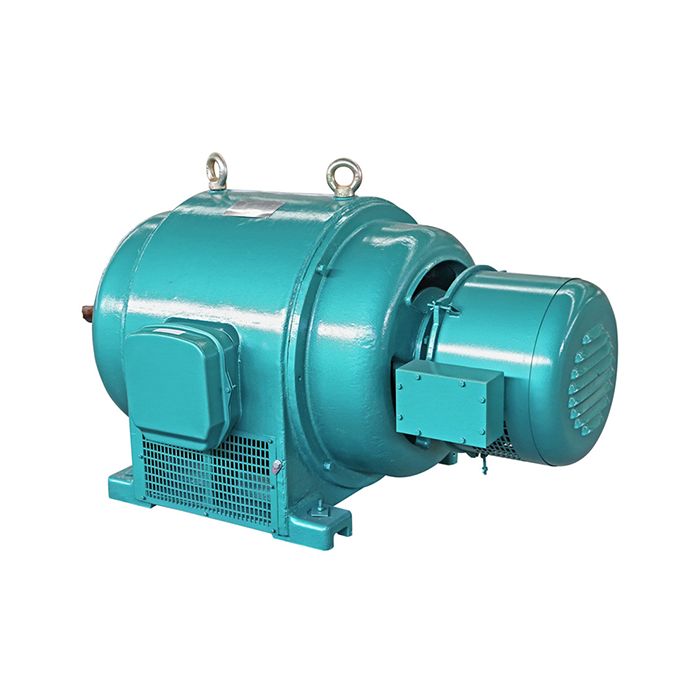
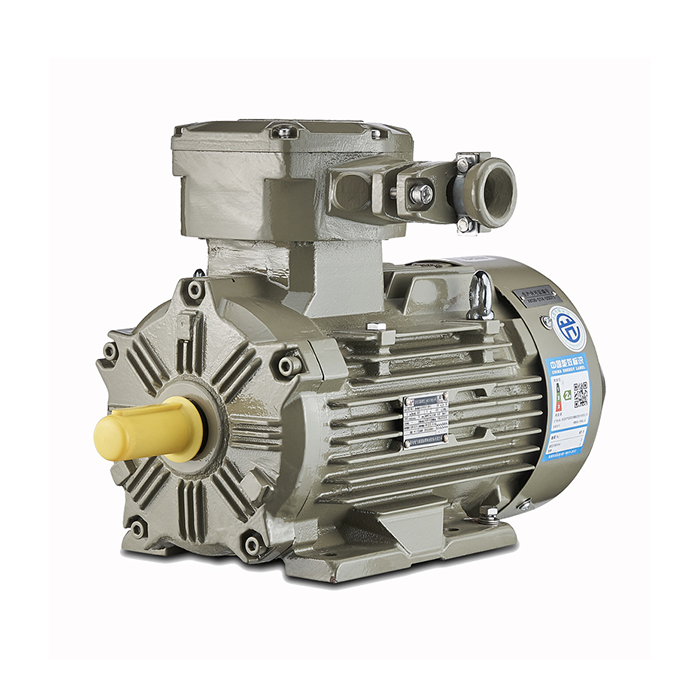
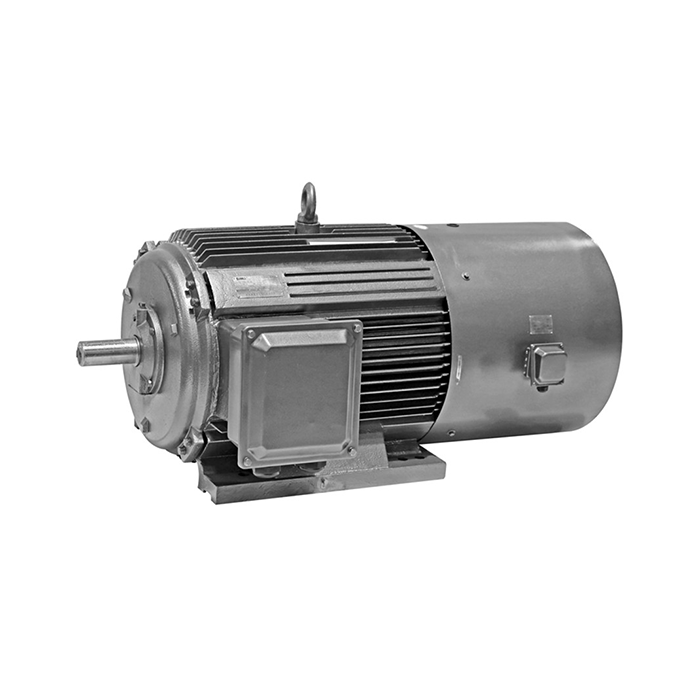
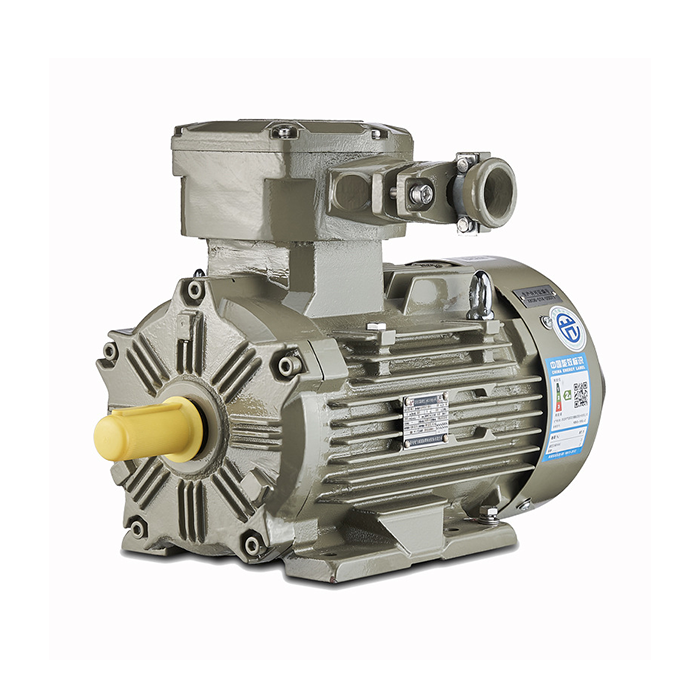
Series:YBX3
Voltage range:380V,660V,415V,380/660V,660/1140V
Power range:0.55-630 kW
Application:places where explosive gas mixtures exist in petroleum, chemical, mining, metallurgy, electric power, machinery and other industries.
Advantage: fully enclosed, self-fan cooling, squirrel cage type, high efficiency.
Explosion-proof mark: Ex d I Mb, Ex d IIB T4 Gb, Ex d IIC T4 Gb
Others: SKF, NSK, FAG bearings can be replaced according to customer requirements.
Understanding IE3 High Efficiency Motors
What Defines IE3 Efficiency Standards
The Worldwide Electrotechnical Commission (IEC) characterizes IE3 as a high-efficiency classification requiring engines to beat IE2 by approximately 15–20%. These come from optimized electromagnetic plans, decreased center misfortunes, and advanced cooling frameworks that keep up steady working temperatures. As a result, quantifiable taken a toll investment funds are achieved—for example, a 55 kW engine running 6,000 hours yearly can spare over $1,200 in energy costs compared to lower-efficiency models. Compliance with IEC 60034-30-1 guarantees worldwide pertinence and reliable benchmarking. In numerous districts, IE3 selection is driven by administrative necessities and sustainability objectives. For acquisition groups, standardized evaluations streamline comparisons, making the high efficiency motor IE3 a reliable and globally accepted choice.
Core Design Advantages Over Previous Standards
IE3 requires major technical advances, not incremental ones. Increased copper in windings decreases electrical resistance and heat, while modified rotor slot shape enhances magnetic flux distribution. High-quality, thinner stator laminations reduce eddy current losses, improving efficiency and longevity. These improvements reduce insulation system heat stress, extending service life. The high-efficiency motor ie3 operates reliably in tough situations with Class F or H insulation and IP55–IP65 protection. Even with variable loads, fully enclosed, fan-cooled systems maintain constant temperatures. Thus, maintenance intervals are prolonged by 25–30%, enhancing operational dependability and lowering lifetime costs.
Sustainability Benefits in Industrial Settings
Energy effectiveness straightforwardly underpins mechanical maintainability targets. Supplanting twenty 75 kW IE1 engines with IE3 models can decrease carbon emanations by around 90 metric tons every year, based on standard network conditions. These diminishments offer assistance organizations to meet natural controls and illustrate corporate responsibility. In addition to bringing down emissions, advanced proficiency diminishes electrical request, facilitating strain on control system. Lower current prerequisites offer assistance offices dodge top request punishments and delay expensive overhauls to transformers or supply systems. Widespread adoption of high efficiency motor IE3 technology contributes to broader energy conservation goals, delivering both environmental and economic benefits across industrial sectors.
Key Industrial Uses of IE3 Motors
Manufacturing and Process Automation Applications
IE3 motors are widely used in manufacturing environments where precision and reliability are critical. The high efficiency motor ie3 provides stable output and coordinating consistently with variable recurrence drives, supporting robotized forms. In car generation, these engines control automated welding frameworks, where reliable speed and diminished vibration move forward weld quality and expand instrument life. Hardware fabricating benefits from lower warm era, which makes a difference keep up strict natural controls required for delicate components. Over get together lines and machine apparatuses, IE3 engines upgrade efficiency, diminish vitality utilization, and bolster steady item quality in high-demand mechanical operations.
HVAC Systems and Climate Control
HVAC frameworks in commercial and mechanical offices are perfect applications for IE3 engines due to long working hours. Hardware such as fans, discuss taking care of units, and chillers benefit from advanced productivity. Supplanting four 90 kW IE2 engines with IE3 adaptations can decrease HVAC energy consumption by 12–15%, sparing over $8,000 every year. When combined with variable speed drives, IE3 engines empower energetic control based on occupancy and temperature, progressing consolation whereas minimizing waste. Since fan control follows a cubic relationship with speed, indeed, little diminutions result in noteworthy reserve funds. The high efficiency motor IE3 also offers improved power factor performance, reducing reactive power costs.
Pumping and Fluid Handling Operations
Fluid handling systems in water treatment, irrigation, and industrial processes operate continuously, making efficiency crucial. IE3 motors significantly reduce energy consumption in these applications, with reported savings of 18–22% after upgrades. The high efficiency motor ie3 ensures stable performance and reduced maintenance needs under constant load conditions. Specialized designs, such as explosion-proof configurations, allow safe operation in hazardous environments like chemical plants and oil facilities. Fully enclosed constructions protect internal components from moisture and contaminants, while high-quality bearings handle demanding mechanical loads. These features make IE3 motors a dependable and efficient choice for pumping systems.
Material Handling and Conveyor Systems
Mining, logistics, and industrial conveyor systems benefit from IE3 efficiency increases. Under varying loads, IE3 motors retain good efficiency even when partially used. Conveyor motor upgrades minimize energy usage and improve torque stability, smoothing belt operation. The high efficiency motor ie3 works with soft-start systems and regenerative drives to reduce mechanical stress during acceleration and recover energy during braking. Due to its wide voltage compatibility, IE3 motors may be easily integrated into existing electrical systems for large-scale material handling.
Compressor Applications Across Industries
Industrial air compressors use 10–15% of electrical load. Upgrading to IE3 motors may save $15,000 per year for three 110 kW compressors working 5,500 hours. Both reciprocating and rotary compressors may benefit from the high efficiency motor ie3's consistent torque. Redesigned rotors minimize vibration and mechanical stress, increasing equipment life. These motors detect bearing wear and insulation deterioration early with sophisticated monitoring systems, enabling predictive maintenance. Critical operations become more reliable and have less downtime.
Comparing IE3 Motors with Other Efficiency Classes
Performance Advantages Over IE2 Motors
IE3 motors deliver clear practical efficiency gains over IE2, not minor improvements. Tests show 15–20% lower energy use under the same load, creating substantial long-term savings. For example, a 160 kW motor operating 7,000 hours annually can save about $3,800 per year after upgrading. Although IE3 motors cost 20–30% more upfront, the added expense is typically recovered within 12–30 months depending on usage and electricity rates. Facilities running more than 4,000 hours yearly benefit most. Incentives from utilities further improve ROI. Overall, the high efficiency motor ie3 is a strong choice for both new installations and replacements.
When to Consider IE4 Super Premium Efficiency
IE4 motors offer about 15% lower losses than IE3, making them the highest efficiency option available. However, adoption is limited by higher costs—typically 40–60% more—and fewer available configurations, especially for specialized applications. Payback periods usually range from three to five years under normal conditions. IE4 is most suitable for large motors operating continuously at high loads and high electricity prices, such as a 300 kW unit running 8,000 hours annually. For smaller or intermittent applications, IE3 is more practical. The high efficiency motor ie3 remains the best balance of cost, availability, and performance for most industrial users.
Variable Frequency Drive Compatibility
IE3 motors are well suited for use with variable frequency drives (VFDs), maintaining efficiency across a wide speed range while handling inverter-related harmonics. When combined, VFDs can deliver greater energy savings than efficiency improvements alone. For instance, reducing pump speed by 20% can cut energy use by about 50%, outperforming throttling methods. IE3 motors can tolerate direct-on-line starting currents of 6.5–7 times rated current, but VFDs eliminate these peaks entirely, improving power quality. Additional features like soft starting, braking, and load control enhance flexibility and equipment protection, making high efficiency motor ie3 systems ideal for modern automated processes.
Procurement Considerations for IE3 Motors
Evaluating Technical Specifications
Selecting the correct motor begins with accurate load analysis, including peak demand, starting torque, and service factors to avoid over- or undersizing. The high efficiency motor ie3 range typically spans 0.55 kW to 630 kW, covering diverse applications. Voltage must match facility supply, such as 380V, 415V, 660V, or 1140V. Environmental conditions determine protection levels—IP55 suits most indoor uses, while IP65 is required for outdoor or wet environments. Insulation class also matters: Class F is standard, while Class H provides higher thermal tolerance. Pole configuration affects speed and torque, with 2-pole motors running at 3000 RPM and 4-pole motors at 1500 RPM.
Selecting Reliable Supply Partners
Choosing a supplier involves more than comparing specifications. Reliable partners provide technical support throughout selection, installation, and operation. Companies like XCMOTOR offer application-specific guidance and responsive communication, including weekend support. Strong warranty terms and efficient after-sales service reduce downtime risks. Access to spare parts and customization options, such as upgraded bearings from SKF, NSK, or FAG, enhances reliability. Fast delivery for standard models and flexibility for custom designs are also critical. A trusted supplier ensures proper application matching and long-term performance, making procurement of a high efficiency motor ie3 more secure and efficient.
Cost-Benefit Analysis and ROI Calculation
Instead of pricing, consider total cost of ownership when buying a car. Energy prices make up 95–97% of lifetime costs. With a high efficiency motor ie3, you may save 15–20% on your power bill over time. Upgrade a 75 kW motor operating 7,000 hours per year to save $2,880 per year, with a payback of 18 months. Savings may surpass $43,000 over 15 years. These results demonstrate that replacing outdated motors before failure is financially viable, particularly in high-duty applications where efficiency improvements add up.
Maintenance and Longevity Tips for IE3 Motors
Routine Inspection Protocols
Proactive maintenance protects motor investments and avoids interruptions. Monthly inspections for continuous-duty motors and quarterly for intermittent ones reflect use intensity. Loose wiring, broken components, and restricted ventilation pathways are visible. Increases of 25–30% in vibration monitoring indicate bearing wear or misalignment. Monitoring temperature is crucial; readings above 10°C indicate airflow difficulties, overburden, or insulation breakdown. The reliability of a high efficiency motor ie3 is ensured by ongoing monitoring, which also helps to prevent expensive operating pauses.
Predictive Maintenance Strategies
Condition monitoring systems continually monitor vibration, temperature, and electrical performance in advanced facilities. Maintenance before breakdowns is possible with these systems' slow deterioration tendencies. Vibration analysis may diagnose bearing problems weeks in advance, permitting replacements. Motor current signature analysis (MCSA) detects electrical and mechanical concerns such rotor damage and winding troubles without disassembly. Heating areas from weak connections or insulation are shown in thermal imaging. By focusing on particular concerns, these predictive methods improve equipment life and minimize maintenance costs, assuring the optimum functioning of high efficiency motor IE3.
Installation Best Practices
A good installation assures long-term performance. Motor foundations must be rigid to avoid frame deformation and misalignment. Angles over 0.5° or offsets above 0.25 mm exacerbate wear and vibration, therefore motor-driven equipment alignment is crucial. Laser alignment improves precision. Avoid overheating and voltage dips by tightly torqueing electrical connections. Maintain supply voltage within ±10% of rated values and phase imbalance below 2%. Cable routing reduces electrical interference when combining VFDs. Both persons and the high efficiency motor ie3 are protected against electrical harm by effective grounding.
Conclusion
The high efficiency motor ie3 has clear benefits in many industry settings. They are more efficient and reliable, which lowers costs and has a positive effect on the environment. The higher efficiency compared to older standards means that investments are quickly recovered because less energy is used. Longer service life and less upkeep are also good for the economy. These motors are useful for businesses that want to run their operations as efficiently as possible. They can power HVAC systems, move process equipment, or help with material handling. IE3 technology is a good choice for upgrading equipment and installing new systems in many industry areas because it is easy to find, doesn't cost too much, and works with modern control systems.
Frequently Asked Questions About IE3 Motors
1. How much energy can IE3 motors save compared to older models?
Savings on energy depend on the size of the motor and how long it is used, but high efficiency motor ie3 units usually use 15-20% less electricity than IE2 motors and 20-30% less electricity than IE1 motors. At average industrial energy rates, switching from IE2 to IE3 for a 90 kW motor that runs for 6,000 hours a year saves about $2,400 a year.
2. Can IE3 motors retrofit into existing equipment?
Most IE3 motors have standard fitting measurements that work with equipment that is already in use. The high efficiency motor ie3 units keep their NEMA or IEC frame sizes, which lets them be used directly in a lot of situations. Small changes may need to be made to installations to account for slightly different shaft sizes or terminal box places, but these changes rarely cause major problems.
3. What warranty and support do suppliers provide?
Reliable sellers offer full warranties that cover any problems with the way the product was made. These warranties usually last between 12 and 24 months, based on how harsh the application is. At XCMOTOR, we offer tailored technical support, such as help on the weekends, quick responses to questions at xcmotors@163.com, and troubleshooting advice that helps fix working problems quickly. We're committed to making sure your equipment works as expected for as long as it's in use, not just during the transaction.
Partner with XCMOTOR for Your High Efficiency Motor IE3 Needs
XCMOTOR specializes in providing power solutions that use less energy and are specifically designed for tough industrial uses. Our YBX3 series motors are high efficiency motor ie3 compliant and can't explode, so they can be used in mining, metals, oil and gas, and chemicals. We have equipment that meets your unique operational needs. Its power ratings range from 0.55 kW to 630 kW, and its voltage choices include 380V, 415V, 660V, and 1140V. Each motor goes through a thorough quality check before it arrives, and our expert team is always ready to help with any problems that come up. We know that downtime for your equipment hurts your bottom line; that's why we keep items in stock for quick delivery and let you return items within 30 days, so you can feel good about your buying choices. Our team will help you choose, specify, and install a high efficiency motor IE3, whether you need to repair a single motor or the whole fleet. Get in touch with a reliable, high efficiency motor IE3 provider that cares about the success of your business. You can talk about your needs at motorxc.com or email us at xcmotors@163.com to get competitive quotes and thorough specs.
References
1. International Electrotechnical Commission. (2014). Rotating Electrical Machines - Part 30-1: Efficiency Classes of Line-Operated AC Motors (IE Code). IEC 60034-30-1 Standard.
2. Department of Energy, Office of Energy Efficiency and Renewable Energy. (2021). Premium Efficiency Motor Selection and Application Guide. Washington, DC: U.S. Government Printing Office.
3. European Copper Institute. (2018). Energy Efficient Motor Systems: Assessment Methodology and Case Studies in Industrial Applications. Brussels: ECI Publications.
4. Motor Decisions Matter Campaign. (2019). Determining Electric Motor Load and Efficiency. Boston: Consortium for Energy Efficiency.
5. Institute of Electrical and Electronics Engineers. (2020). IEEE Standard Test Procedure for Polyphase Induction Motors and Generators. IEEE Std 112-2017.
6. Carbon Trust. (2017). Industrial Motor Systems: Energy Saving Opportunities and Case Studies in Variable Speed Drive Applications. London: Carbon Trust Publications.