



Benefits of 200HP DC Motor for Precise Speed Control
Choosing the right motor technology is very important for your bottom line when you are in charge of industrial processes that need to be able to control speeds very precisely. A 200hp dc motor can be used in manufacturing, process automation, and energy uses because it can be used to set speed very precisely. These motors work great in places where changing speed needs to meet high power needs. They are reliable, which has a direct effect on how efficiently production runs. Because they naturally offer smooth acceleration, consistent performance under changing loads, and quick control, these motors are now necessary in metal rolling mills, metal cutting operations, papermaking facilities, and plastic extrusion systems.

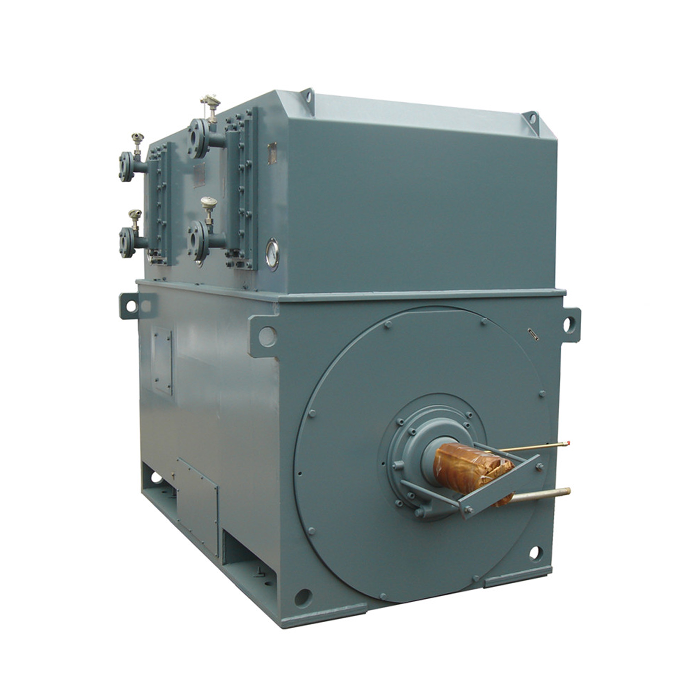
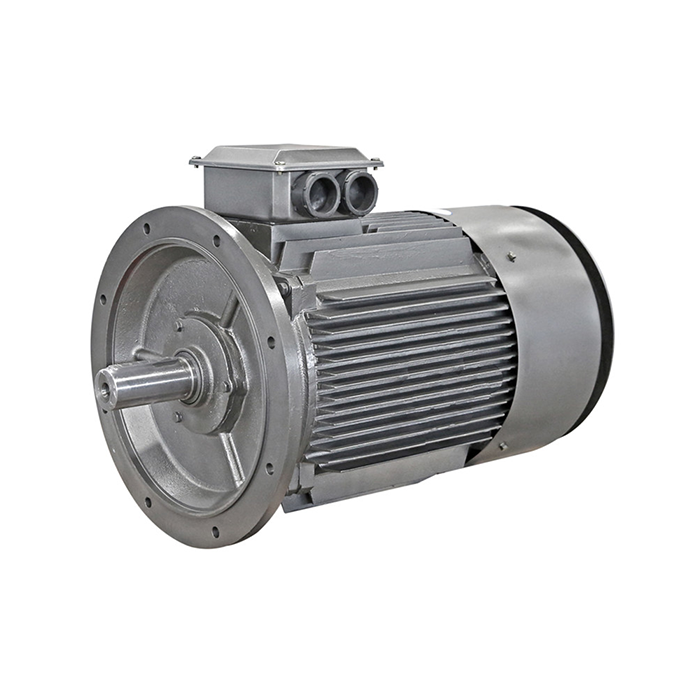
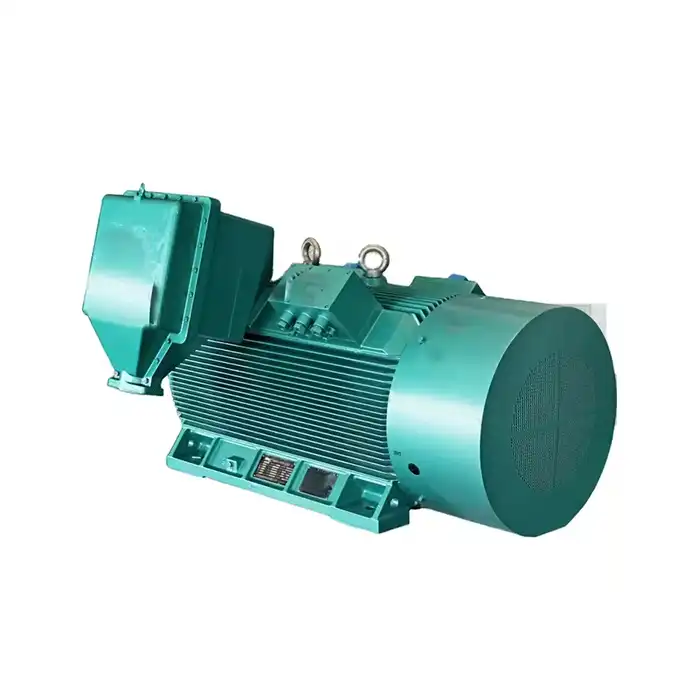
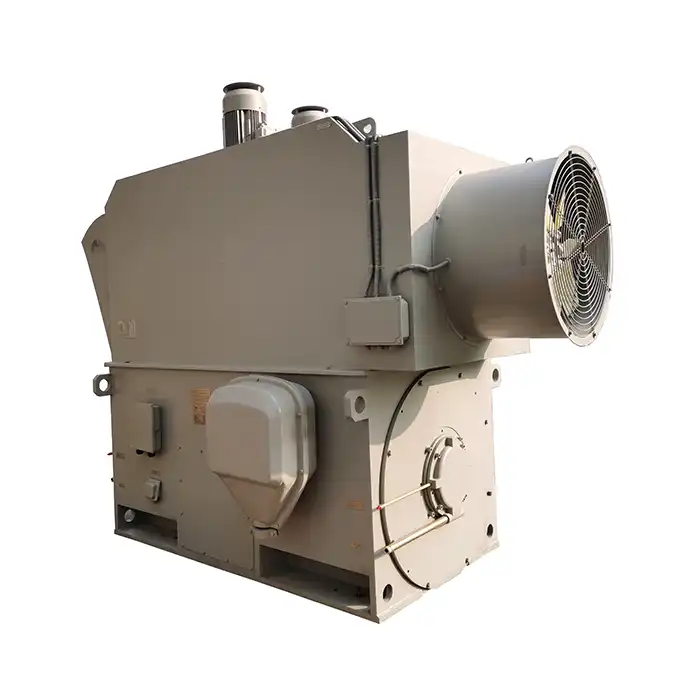
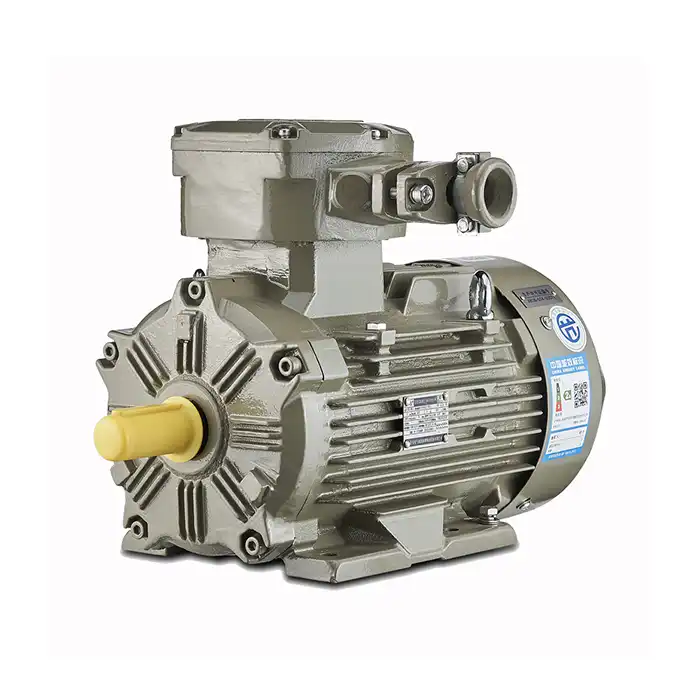
Series:Z4
Frame number: 100-450
Application:Z4 series motorsThis series of motors can be widely used in various industrial sectors such as metallurgical industrial rolling mills, metal cutting machine tools, papermaking, dyeing and weaving, printing, cement, and plastic extrusion machinery.
Power range:1.5-600kW
Voltage range: 160V,440V, etc.
Certificate: The performance of this series of motors not only complies with the national standard GB/T755 "Basic Technical Requirements for Rotating Electrical Machines", but also basically complies with the German VDE0530 standard.
Advantage:Z4 series DC motor has greater advantages than Z2 and Z3 series. It can not only be powered by DC unit power supply, but also suitable for static rectifier power supply. It has small moment of inertia, good dynamic performance, and can withstand high load change rates. It is especially suitable for control systems that require smooth speed regulation, high efficiency, automatic speed stabilization, and responsive response. It has reached the current international advanced level..
Others: SKF, NSK, FAG bearings can be replaced according to customer requirements.
Understanding the Working Principle of 200HP DC Motors for Speed Control
Core Components That Enable Precision
Electricity moves through DC motors because the armature and field windings interact electromagnetically. There is a magnetic field that reacts with the stationary field made by the field windings when electricity runs through the armature. This reaction makes a force that spins things. The brushes keep electrical touch with the moving commutator, which keeps the current flowing to the armature. Changing either the armature voltage or the field current makes it easy to change the speed with this basic design.
How Speed Regulation Works in Practice?
There are two main ways that speed can be controlled in DC motors. Armature voltage control changes the voltage going to the armature winding, which changes the speed of spinning immediately while keeping torque high at slower speeds. Field current control changes the strength of the magnetic field, which lets you change the speed over a wider range of conditions. Our Frame 100-450 series motors work with both DC unit power supply and static rectifier power supply. This gives you options for how to control the speed of the motors using the electricity you already have.
Dynamic Performance Advantages
DC motors have better dynamic performance because they have a small moment of inertia. This feature is very useful when your program needs to quickly change speeds or start and stop a lot of times. The motor reacts quickly to control signals, reaching goal speeds without taking too long to settle or overshoot. This responsiveness is especially useful in automated production lines, where the general flow depends on how well different processes work together. The design can handle high load change rates, so it can keep running smoothly even when demand changes a lot in a short amount of time.
Key Benefits of 200HP DC Motors in Achieving Precise Speed Control
Adding 200hp dc motor to your processes gives you real benefits that go beyond just being able to change the speed. These perks directly deal with problems that often come up in workplace settings.
Superior Torque-Speed Characteristics
DC motors have a torque-speed curve that gives them constant pulling power across all speed ranges. DC motors keep their torque output strong even when they are running slowly, unlike some motor technologies where torque drops significantly at lower speeds. This feature is important if your app needs to be able to precisely position itself, accelerate slowly, or handle heavy loads during starting. Because it has a high starting torque, the motor can easily beat beginning resistance when running equipment like conveyors, rolling mills, or extrusion lines.
Efficiency That Reduces Operating Costs
At full load, operating efficiency of up to 95% means that less electricity is wasted as heat. When used for long amounts of time, this efficiency saves you a lot of money on your energy bills. The motors keep working well even when the load changes. This means that they don't lose efficiency like some technologies do when they work below their stated capacity. In situations where demand changes during production cycles, this steadiness is helpful because it keeps you from losing energy during times when demand is low.
Simplified Maintenance Requirements
Strong construction with high-quality materials increases the operating lifetime while reducing the need for maintenance. You can choose from quality bearings from SKF, NSK, or FAG in our motors. These parts are known for lasting long in harsh conditions. The insulation class F grade (155°C) gives the windings extra heat protection when they are temporarily overloaded. Protection class IP23 protects against solid particles and water spray. If your area needs more protection, you can choose a better protection level. Together, these design features cut down on unplanned downtime and the cost of upkeep.
Smooth Speed Regulation Without Hunting
The automatic speed adjustment features that come with DC motors are helpful for control systems. There is no oscillation or "hunting" behavior in this motor, so it automatically changes to keep the goal speed. This makes it easier to control than in some systems. This stability makes it easier to build your control system, which could mean that your speed controllers don't have to be as complicated while still giving you accurate results. This feature is especially useful for applications that need to change speeds smoothly and continuously.
200HP DC Motor: Enhancing Precision Speed Control and Efficiency
Understanding how DC motors compare to other technologies can help you decide when they are the best choice for your needs.
DC Motors Versus AC Motors for Speed Control
It is clear that AC motors are better in situations where a fixed speed is enough, but DC motors are clearly better when fine variable speed control is needed. AC variable frequency drives have come a long way, but they make your system more complicated and cost more. Controlling the speed of a DC motor is easier and often cheaper because the electronics used are simpler. The torque properties are very different. DC motors have better torque at low speeds and don't need complicated control methods. DC technology is often more cost-effective and efficient when your process needs to change speeds often or work across a wide speed range.
Trusted Supply Partnerships
If you choose motors that meet well-known standards, you can be sure of their quality and performance. Our motors are compliant with strict international standards, including the national standard GB/T755 "Basic Technical Requirements for Rotating Electrical Machines" and the German VDE0530 standards. These certificates aren't just pieces of paper; they show that the product was designed, made, and tested in a way that makes it reliable. Checking that providers meet standards should be one of the most important things you do when you're looking at possible suppliers.
Practical Applications of 200HP DC Motors in Industry
200hp dc motor can be used in a wide range of speed-critical situations and are useful in all of them because they are easy to handle.
Manufacturing and Process Industries
DC motors are used a lot in metallurgy to power rolling mills, where the quality of the products and how fast they can be made depend on how well the speeds of the different stands are synchronized. These motors help metal cutting machines keep their cutting speeds constant, even when the tool load changes. This improves the surface finish and accuracy of the measurements. Precision speed control is needed to keep the tension right across multiple areas of continuous paper machines so that production doesn't stop for breaks. To keep the cloth taut and in the right place while dying and weaving, the speeds of several motor drives must be controlled at the same time.
Material Handling and Processing
Smooth acceleration and slowdown keep products from getting damaged or spilling on conveyor systems that move materials through processing steps. DC motors are used in cement plants to power kilns and material crushers, where changing speed operation makes the best conditions for processing. Accurately controlling the screw speed is necessary for plastic extrusion equipment to keep the melt temperature and product measurements stable. To avoid registration mistakes that waste paper, printing equipment needs to make sure that the speeds of all of its sheets are exactly the same.
Energy and Utility Sectors
In water treatment plants, DC motors are used in pump drives so that the flow rate can be changed to match changes in demand throughout the day. In power plants, these motors are used in devices that move coal and get rid of ash. DC motor technology is useful in renewable energy setups for tracking systems for solar trackers and for variable-speed uses in tools for handling biomass.
Real-World Performance Improvements
When a rolling mill in the Midwest replaced old motor drives with new DC motors, they reported a 23% drop in energy use and an improvement in product quality due to better speed control. After switching to synced DC motor drives with better speed stability, a paper mill in the Southeast saw a 40% drop in web breaks. These results show that the choices you make about motor technology have a direct effect on how well your business runs and how much money you make.
Procurement Guide: How to Choose and Source the Right 200HP DC Motor
To make smart purchasing choices, you need to look at both technical specs and the supplier's skills.
Essential Technical Considerations
First, write down the speed range you need. Although our motors have speed ranges that can be changed to fit your needs, writing down your minimum, maximum, and normal working speeds will help make sure they are set up correctly. When it comes to voltage needs, our normal choices include 160V and 440V, and we can make changes for voltages that aren't standard. The temperature range of the surroundings affects the choice of motor, especially if the temperature range in your placement goes beyond the normal -15°C to +40°C range. Duty cycle analysis tells you whether a steady grade is enough or if you need intermittent duty with higher short-term loads. Our series' power range of 1.5–600kW gives you options, so you can choose the capacity that meets your current needs while also leaving room for growth in the future. Which frame size and configuration will work for your placement depends on how it will be mounted, how the shaft will be oriented, and how much room you have.
Evaluating Supplier Capabilities
A supplier's image is built by consistently sending out high-quality goods and providing helpful support. Check out more than just advertising papers to see how real customers felt. Warranty terms show how confident the seller is in their goods; full covering against early failures shows that the products were made well. Having access to after-sales support, especially expert help during installation and commissioning, can have a big effect on the schedule and success of your project. Lead times depend on whether normal setups meet your needs or if you need to make changes. Knowing true delivery times keeps work from being held up. If a seller lets you choose high-quality parts like SKF, NSK, or FAG bearings, it shows that they are flexible and willing to meet your quality standards instead of making you use generic parts.
Questions to Ask Potential Suppliers
Ask for proof that the standards are being followed, not just promises that the specifications are being met. Ask if they can make changes to the power, speed range, mounting, or safety class to make it fit your exact needs. Find out what testing was done before the item was shipped. Find out if they offer expert support, how long it takes for them to respond, and if their help goes beyond the initial installation and includes long-term operation.
Conclusion
Precise speed control is still necessary for many industrial uses to work efficiently. This level of accuracy is possible with 200hp dc motor, which also have better torque characteristics, high efficiency, and steady performance in tough conditions. Due to their simple control needs, strong construction, and history of dependability, they are cost-effective options for use in manufacturing, process control, and utility applications. When looking at motor choices for tasks that need to be done quickly, it's important to carefully compare your specific needs to what the motor can do. Long-term happiness with your motor investment depends on how well it meets standards, how well it works technically, and how well the seller backs it up.
FAQ
1. What maintenance practices extend motor lifespan?
Regularly checking the surfaces of the brushes and commutator stops them from wearing out too quickly. Cleaning the airflow paths of dust that has built up keeps the cooling working right. Monitoring the temperature and shaking of bearings can find problems before they break. Keeping the motor and the tools it drives in the right position lowers mechanical stress. Following the lubrication plans suggested by the maker is the best way to protect bearings. Our motors are easy to maintain because they are designed to be easy to get to and take less time to repair.
2. How do DC motors compare to AC motors for efficiency in variable speed applications?
When they are handled correctly, DC motors stay very efficient across their speed range. AC motors with variable frequency drives can be just as efficient, but the control electronics that go with them are usually more complicated and cost more. When the speed needs to be changed often or when it needs to run for a longer time at a lower speed, DC motors often provide a more efficient total system when losses from both the motor and the driver are taken into account.
3. What factors influence lead times for custom motor orders?
Standard setups from stock that are already in stock ship quickly. When customization calls for non-standard voltage, unique mounting arrangements, or higher safety classes, it takes longer to get the parts and set up the assembly plan. The backlog of orders and the current production capabilities affect the schedule. When you place an order, being clear about what you need helps avoid delays caused by needing to clarify things during production.
Partner with XCMOTOR for Your Industrial Motor Solutions
Shaanxi Qihe Xicheng Electromechanical Equipment Co., Ltd. (XCMOTOR) offers a wide range of power equipment options that can be customized to meet your needs. Our Frame 100-450 series DC motors give you the exact speed control your uses need. They also meet international standards and come with high-quality parts. As a 200hp dc motor manufacturer with a lot of experience, we know how hard it is for you to keep production running smoothly while keeping energy costs low. You can email our expert team at xcmotors@163.com to get personalized help choosing the best motor setup for your needs. We offer fast shipping on most items, returns on open sales for 30 days, and dedicated help seven days a week. You can look through our whole catalog at motorxc.com and learn how our products can help your business run better.
References
1. Chapman, Stephen J. (2011). Electric Machinery Fundamentals. McGraw-Hill Higher Education, Fifth Edition.
2. Hughes, Austin and Drury, Bill (2019). Electric Motors and Drives: Fundamentals, Types and Applications. Newnes, Fifth Edition.
3. Sen, P.C. (1997). Principles of Electric Machines and Power Electronics. John Wiley & Sons, Second Edition.
4. National Electrical Manufacturers Association (2016). Motors and Generators: NEMA Standards Publication MG 1-2016. NEMA.
5. Boldea, Ion and Nasar, Syed A. (2010). The Induction Machines Design Handbook. CRC Press, Second Edition.
6. Fitzgerald, A.E., Kingsley, Charles, and Umans, Stephen D. (2003). Electric Machinery. McGraw-Hill, Sixth Edition.