



Typical Uses of YKK Motors in Industrial Sectors
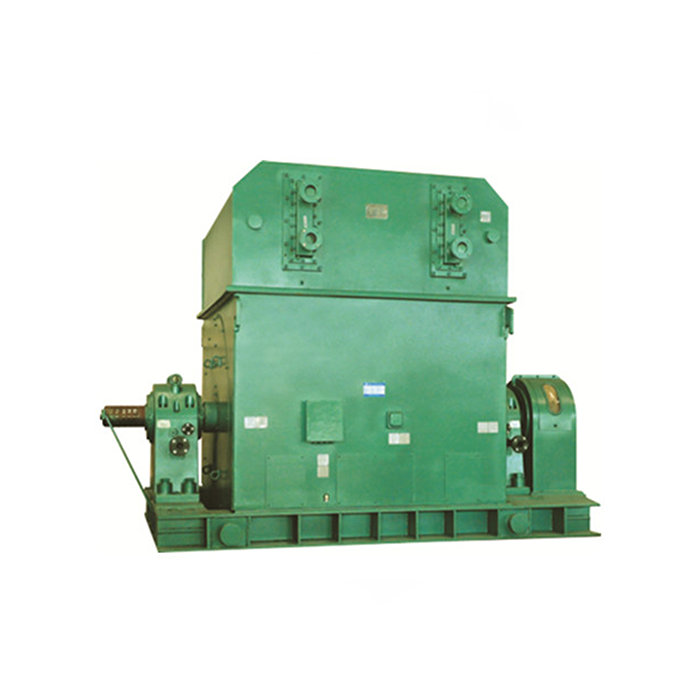
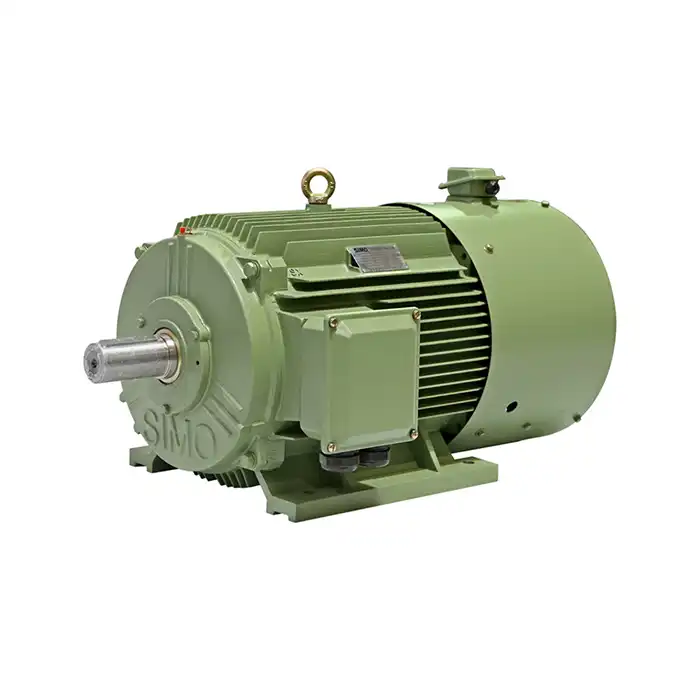
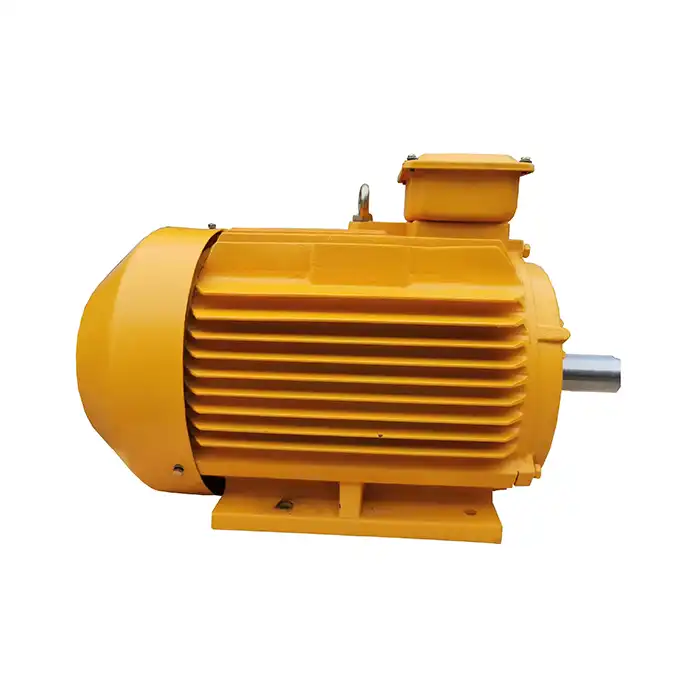
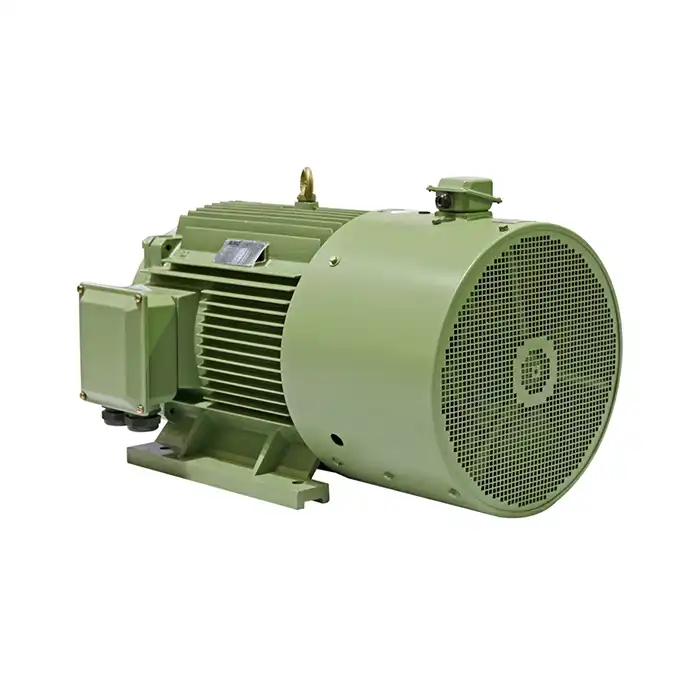
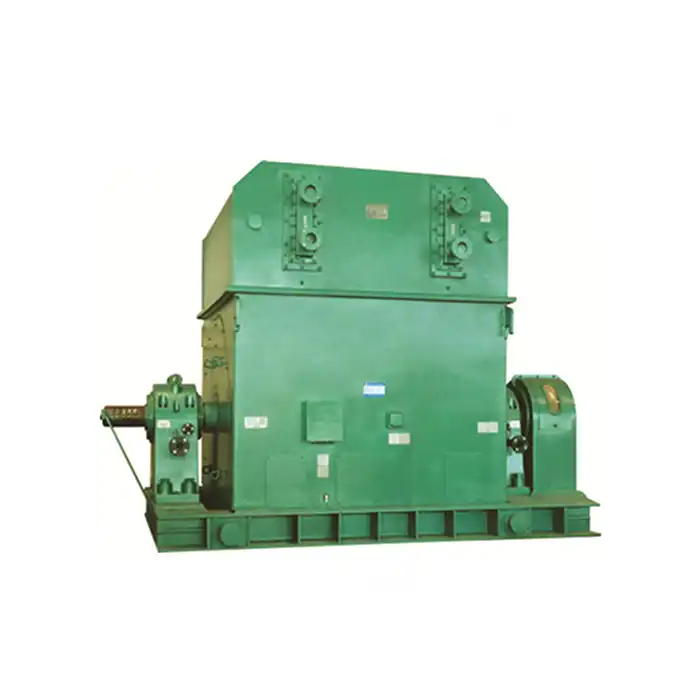
In many different types of industries, YKK motors provide stable power options that work well indeed in unforgiving conditions. With voltage ranges from 3KV to 11KV and control ranges from 200 kW to 6300 kW, these high-voltage engines are designed for utilize in fans, water pumps, compressors, breakers, cutting instruments, and transportation gear. These engines meet critical operational needs in fabricating, HVAC, vitality utilities, and other areas where toughness and negligible downtime are vital. They are secured by IP54, meet JB/T 12730 and JB/T 12729 measures, and have progressed vitality effectiveness evaluations that frequently go over and past IE3 and IE4 benchmarks.

Series:YKK
Protection level:IP54
Voltage range:3000V±5%,3300V±5%,6000V±5%,6600V±5%,10000V±5%,11000V±5%
Power range:200-6300 kW
Application:fans, water pumps, compressors, crushers, cutting machine tools, transportation machinery, etc.
Advantage:low noise, low vibration, long service life, easy installation and maintenance.
Standard: This series of products complies with JB/T 12730 and JB/T 12729 standards.
Others: SKF, NSK, FAG bearings can be replaced according to customer requirements.
Understanding YKK Motors
Technical Specifications That Matter
When buying YKK motors for commercial use, knowing the fundamental specs influences the choices that are made. The control run, from 200 kW to 6300 kW, can handle a wide range of assignments, from heavy-duty breakers to moderate-duty pumps. Voltage choices of 3000V, 3300V, 6000V, 6600V, 10000V, and 11000V, with a resistance of ±5%, make it congruous with a wide range of electrical frameworks found in manufacturing plants and utility sites. Because they have an IP54 review, these engines are well-protected against dirt and water sprinkles, so they can be utilized in places where contaminants are common. With discretionary Lesson H enhancements, the standard Lesson F separator lets the framework work in high temperatures without influencing the structure of the windings. When acquirement experts figure out the cost of possession, they carefully examine these specialized components that have a direct impact on working steadfastness and repair times.
Efficiency and Performance Characteristics
An enormous portion of an industry's running costs comes from the personnel it employs. Engines that meet the IE3 and IE4 economy measures utilize less power than older models, which spares cash over the course of their valuable life. Its tall beginning control makes beyond any doubt that it begins up dependably indeed, when it's beneath stack, which keeps the generation moving while the gear is being turned on. Concerns about security at work and less stretch on securing focuses are addressed by the design's focus on minimal disturbance and shaking levels. A wide range of speed control permits exact control in applications with changing loads, which makes the prepare more adaptable. Great overburden capacity gives operational pad amid times of tall request, securing against sudden shutdowns that mess up generation plans.
Maintenance Considerations for Extended Service Life
Lifetime buy costs are lower when the benefit keeps going a long time and is simple to keep up. Support groups have more alternatives when it comes to getting parts since they can switch out quality orientation like SKF, NSK, or FAG depending on the needs of the application or the supply in the region. This capacity to swap out parts keeps downtime from being as well long whereas holding up for private parts.Regular reviews that see at the state of the orientation, the temperature of the windings, and vibration considers can offer assistance discover issues some time recently they get as well terrible and break. Having simple get to to vital parts makes customary chores simpler and cuts down on the time and cash required to do them. The solid development can handle intense mechanical settings, which keeps wear from happening as well before long and increments the time between major overhauls.
Typical Industrial Applications of YKK Motors
Manufacturing and Process Automation
Industrial generation depends on steady control and exact control. Transport frameworks require engines that begin dependably and keep up consistent speed beneath shifting loads to guarantee smooth fabric stream. Get together lines require precise speed control to synchronize forms and keep up item quality. Mechanical autonomy in car and hardware fabricating request quick reaction and exact positioning, supported by wide speed ranges and solid beginning torque. In nourishment handling, blenders, processors, and bundling machines work continuously with negligible downtime. Handle businesses depend on engines in pumps, valves, and compressors to control stream and weight beneath unforgiving conditions. A properly designed ykk motor ensures durability, stable performance, and protection against environmental factors like dust and corrosion.
HVAC and Climate Control Systems
HVAC frameworks in commercial and mechanical settings depend on engines to keep up controlled situations. Expansive discuss dealing with units require effective however effective engines to circulate discuss through complex conduit frameworks. In refrigeration and cooling, compressors driven by engines guarantee steady temperature control beneath changing loads. Variable-speed frameworks progress productivity by altering yield based on request, decreasing vitality squander. Water circulation pumps in warming and cooling circles advantage from engines designed for nonstop operation with negligible support. Calm execution and long benefit life are vital, particularly in private or touchy situations. A reliable ykk motor supports energy efficiency goals while maintaining consistent climate control performance across diverse applications.
Energy Generation and Distribution Infrastructure
Power plants depend on engines for assistant frameworks such as fuel dealing with, cooling water circulation, and kettle nourish operations. High-voltage compatibility rearranges integration with plant electrical frameworks. Renewable vitality frameworks moreover utilize engines for capacities like wind turbine pitch control and sun based following, maximizing vitality capture. Water treatment offices depend on engines for pumping, filtration, and chemical dosing forms. In substations, engines work cooling frameworks and mechanical hardware basic for control dissemination. Mining operations too utilize engines in crushers, transports, and ventilation frameworks, requiring toughness in cruel situations. A dependable ykk motor ensures stable operation, reduced maintenance, and long service life in critical energy infrastructure.
Specialized Industry Applications
Agriculture progressively employs mechanized frameworks fueled by engines for water systems, grain taking care of, and animal husbandry in animal facilities. These applications require strength in open-air conditions with temperature fluctuations and the introduction of. Transportation divisions depend on engines in fabric dealing with frameworks at ports, rail yards, and airports for persistent operations. Healthcare offices depend on exact HVAC frameworks to keep up controlled situations in working rooms and research facilities, where unwavering quality is basic. Material fabricating employs engines in turning, coloring, and fabric dealing with forms, where speed control directly influences item quality. A versatile ykk motor meets these diverse needs with reliable performance across specialized industries.
Comparing YKK Motors with Competitive Solutions for Procurement Decisions
Performance and Reliability Analysis
Procurement decisions often focus on measurable performance and reliability data. Energy efficiency directly impacts operating costs, making IE3 or higher efficiency motors attractive for long-term savings. Reliability is evaluated through metrics like mean time between failures, tolerance to voltage variations, and consistent operation across temperature ranges. Real-world performance data from similar applications provides better insight than laboratory results alone. Starting torque and overload capacity determine suitability for high-inertia loads and fluctuating demand. Thermal performance, indicated by insulation class, defines operating limits. A high-quality ykk motor balances efficiency, durability, and operational flexibility for demanding industrial environments.
Service and Support Ecosystem
Warranty coverage reflects manufacturer confidence and reduces risk for buyers. Standard warranties typically cover defects, while extended options provide additional protection against early failures. Clear terms help avoid disputes during claims. Access to technical support influences how quickly issues are resolved, with local service centers and spare parts availability reducing downtime. Comprehensive documentation, including installation and maintenance guides, enables in-house teams to manage routine issues. Customization capabilities allow motors to meet specific application requirements. A strong support ecosystem ensures that a ykk motor delivers long-term reliability and operational stability beyond initial purchase.
Procurement Value and Distribution Access
Evaluating total cost of ownership is essential, as energy savings often offset higher initial costs of efficient motors. Bulk purchasing may offer discounts, improved payment terms, and faster delivery for large projects. Authorized distribution networks ensure product authenticity and protect against counterfeit risks. Global distribution capabilities support standardized equipment across multiple locations, simplifying maintenance and spare parts management. Lead times for standard configurations are typically short, while custom designs require additional planning. Choosing reliable suppliers ensures timely delivery and consistent quality of ykk motor products for industrial operations.
How to Choose and Procure YKK Motors for Your Industrial Needs
Defining Application Requirements
Selecting the right motor begins with a detailed analysis of application needs. Load characteristics, including starting torque, speed variation, and duty cycles, determine motor specifications. Environmental factors such as temperature, humidity, altitude, and contamination influence protection and cooling requirements. Mechanical compatibility, including shaft dimensions and mounting arrangements, must align with existing equipment. Electrical parameters like voltage, frequency, and fault current capacity define system compatibility. Proper power calculations prevent oversizing or undersizing, both of which reduce efficiency or reliability. A well-specified ykk motor ensures optimal performance, minimizes risks, and supports stable operation in industrial environments.
Evaluating Vendor Credentials and Terms
Vendor evaluation includes assessing financial stability, manufacturing capabilities, and quality assurance systems. Certifications aligned with international standards confirm consistent production quality. References from similar applications validate performance claims. Warranty terms should clearly define coverage, duration, and claim procedures to avoid misunderstandings. Service agreements outlining response times and support processes enhance reliability. Access to technical expertise, training resources, and troubleshooting assistance adds value beyond the product itself. Choosing a reputable supplier ensures that the ykk motor meets performance expectations and provides long-term operational support.
Ordering and Delivery Procedures
Purchasing through authorized channels ensures product authenticity and valid warranty coverage. Online platforms and distributors offer convenience and transparency, while direct factory orders suit large or customized projects. Delivered motors should include test reports, dimensional drawings, and installation instructions. Inspection upon receipt verifies condition and compliance with specifications. Clear communication with suppliers prevents delays and ensures accurate delivery schedules. Value-added services such as installation supervision, commissioning support, and training improve deployment efficiency. Proper procurement processes ensure smooth integration and reliable operation of the ykk motor in industrial systems.
Ensuring Optimal Performance and Longevity of YKK Motors
Installation Best Practices
Proper installation is essential for long-term motor performance. Mounting surfaces must be rigid to prevent misalignment and vibration. Accurate shaft alignment reduces bearing stress and extends component life. Adequate ventilation and environmental protection maintain thermal efficiency and prevent overheating. Electrical connections must match specifications and be securely tightened to avoid resistance heating. Grounding ensures safety and reduces stray current risks. Commissioning includes verifying rotation direction, phase sequence, and baseline performance metrics. Recording initial operating data supports future condition monitoring. Correct installation ensures that the ykk motor operates efficiently and reliably from the start.
Proactive Maintenance Strategies
Regular maintenance helps detect issues early and prevents unexpected failures. Scheduled inspections include vibration analysis, temperature monitoring, and lubrication checks. Insulation testing identifies moisture or thermal degradation that could affect electrical stability. Proper lubrication prevents both wear from insufficient grease and overheating from excess lubrication. Replacing bearings at recommended intervals avoids major failures. Cleaning ventilation systems ensures proper airflow and cooling. Addressing abnormal noise or vibration promptly prevents escalation of minor issues. Maintaining detailed service records supports troubleshooting and warranty claims. Consistent maintenance ensures the ykk motor remains reliable and efficient throughout its service life.
Advanced Monitoring and Control Integration
Modern monitoring systems enable condition-based maintenance by tracking motor health in real time. Sensors measure vibration, temperature, and electrical parameters, while predictive analytics identify early signs of failure. Integration with automation systems allows coordinated control of multiple motors, improving overall efficiency. Remote monitoring supports centralized management of distributed assets, reducing the need for on-site expertise. Smart diagnostics provide fault alerts and operational insights, simplifying troubleshooting. Communication protocols such as Modbus and Ethernet/IP enable seamless data exchange. Adopting these technologies enhances the performance, reliability, and lifecycle management of the ykk motor in advanced industrial environments.
Conclusion
To choose the right YKK motors for commercial use, you have to weigh technical performance, dependability, and the total cost of ownership. YKK motors have been used successfully in industrial automation, HVAC systems, energy infrastructure, and other specialized industries because they are built to last, use little energy, and are easy to maintain. Understanding the unique needs of the application, checking out the skills of the seller, and following the right installation and maintenance procedures will help you get the most out of your equipment. Because these motors have a wide range of power options, are protected by IP54, and meet international standards, they are good choices for harsh industrial settings where keeping operations running smoothly is crucial to the success of the business.
Frequently Asked Questions
1. What makes YKK motors suitable for harsh industrial environments?
The IP54 rating protects against dust buildup and water splashes that are typical in industrial areas. Strong building with long-lasting materials can handle changes in temperature, pressure, and mechanical stress. Class F insulation (Class H is also available) can handle high turning temperatures without breaking down. All of these features work together to make sure that the YKK motor works reliably in tough environments like factories, mines, and outdoor sites.
2. How do efficiency ratings translate to actual cost savings?
Motors that are more efficient than IE3 standards use a lot less power than normal designs. If a 200 kW motor that runs for 6,000 hours a year could be made even 2% more efficient, it would save a lot of money on energy costs over the course of its life. These savings add up when you add up all the motors in a building. Often, the initial fee is returned within the first year of operation, and the savings also help with environmental efforts.
3. What kinds of customizing options are there for custom apps?
Bearing requirements can be changed by using SKF, NSK, or FAG parts, depending on the type of load or the supply of those parts in a certain area. The voltage ranges from 3KV to 11KV to work with the electrical equipment in the building. Different needs can be met with different mounting options, shaft extensions, and extra features like space heaters or special finishes. Consulting engineers during the creation of specifications makes sure that the configurations chosen are right for the real needs of the operation.
Partner with XCMOTOR for Reliable Industrial Motor Solutions
Shaanxi Qihe Xicheng Electromechanical Equipment Co., Ltd. offers complete power equipment options that are made to fit your needs. Our team knows how important motors are to industrial output and is ready to help with expert advice, help you choose the right products, and ongoing support for as long as your equipment lasts. We only sell original products from reputable makers as a reliable YKK motor provider, and we back them up with clear insurance coverage and quick technical support. Contact XCMOTOR right away at xcmotors@163.com to talk about your unique motor needs. Our knowledge will make sure you get equipment that meets your performance needs and your budget, whether you need a single repair unit or full solutions for new setups. You can look at our full line of products at motorxc.com, get complete specs, or set up a meeting with one of our application engineers. We want you to be successful, so we offer fast delivery, committed help seven days a week, and 30-day return policies that take away the risk of buying from us. Let us help you get the most out of your industrial processes by giving you motor options that are built to last.
References
1. Chapman, S.J. (2012). Electric Machinery Fundamentals (5th ed.). McGraw-Hill Education.
2. Fitzgerald, A.E., Kingsley, C., & Umans, S.D. (2003). Electric Machinery (6th ed.). McGraw-Hill Science/Engineering/Math.
3. Institute of Electrical and Electronics Engineers (2021). IEEE Standard 841: Standard for Petroleum and Chemical Industry—Severe Duty Totally Enclosed Fan-Cooled (TEFC) Squirrel Cage Induction Motors.
4. International Electrotechnical Commission (2014). IEC 60034-30-1: Rotating Electrical Machines – Part 30-1: Efficiency Classes of Line Operated AC Motors.
5. National Electrical Manufacturers Association (2019). NEMA MG 1: Motors and Generators Standards Publication.
6. Toliyat, H.A., & Kliman, G.B. (2004). Handbook of Electric Motors (2nd ed.). CRC Press.