



Advantages of IEC Low Voltage Motors in Safe, Reliable Operations
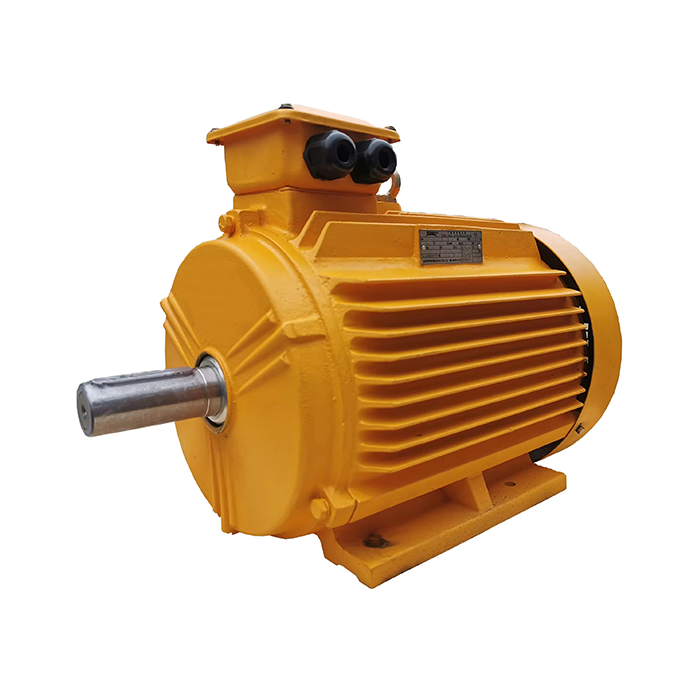
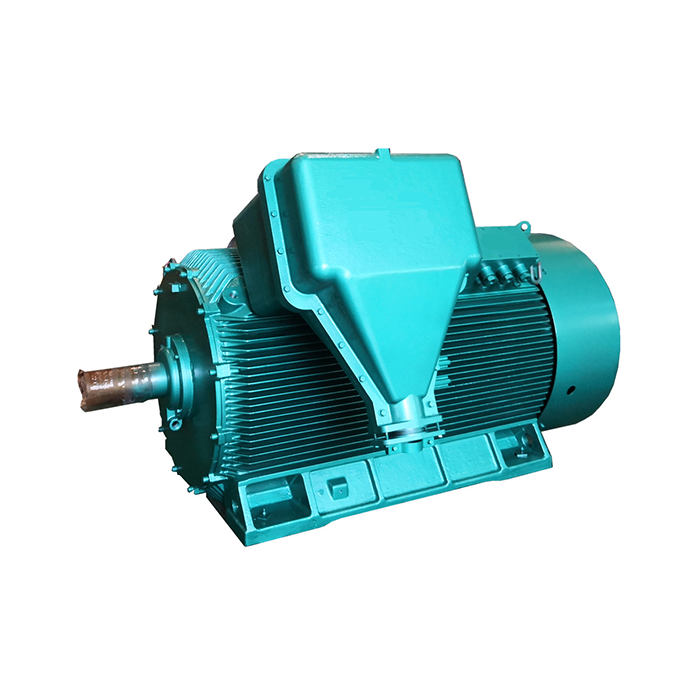
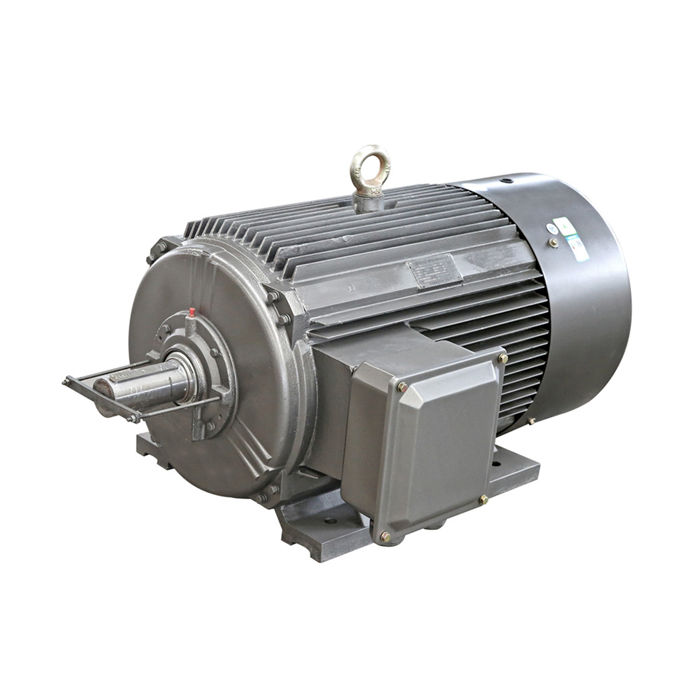
Safety and dependability are still the most important things in business processes. When used in a variety of situations, IEC Low Voltage Motors provide excellent performance while upholding the greatest safety standards. Advanced safety features, strong protection systems, and tried-and-true reliability mechanisms in these motors make sure they can keep working in harsh conditions. They meet foreign standards, which means they will work perfectly and have the fewest operating risks and upkeep needs.
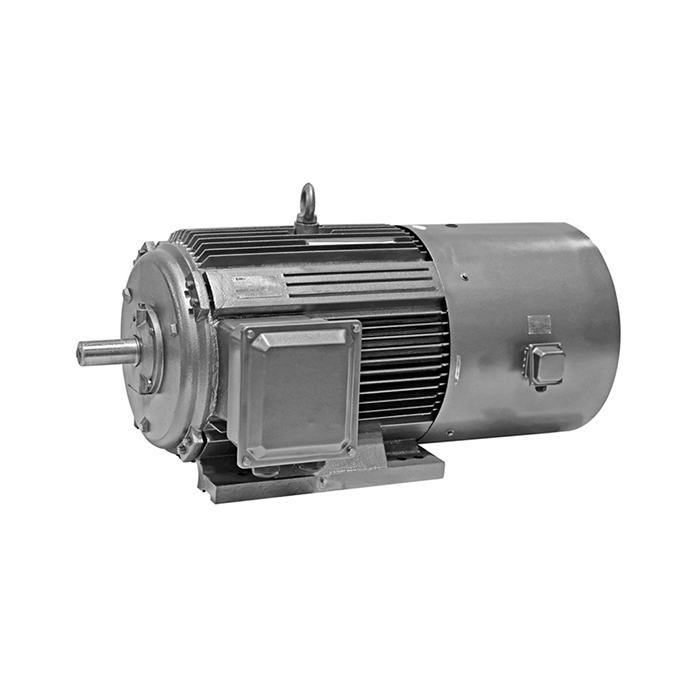
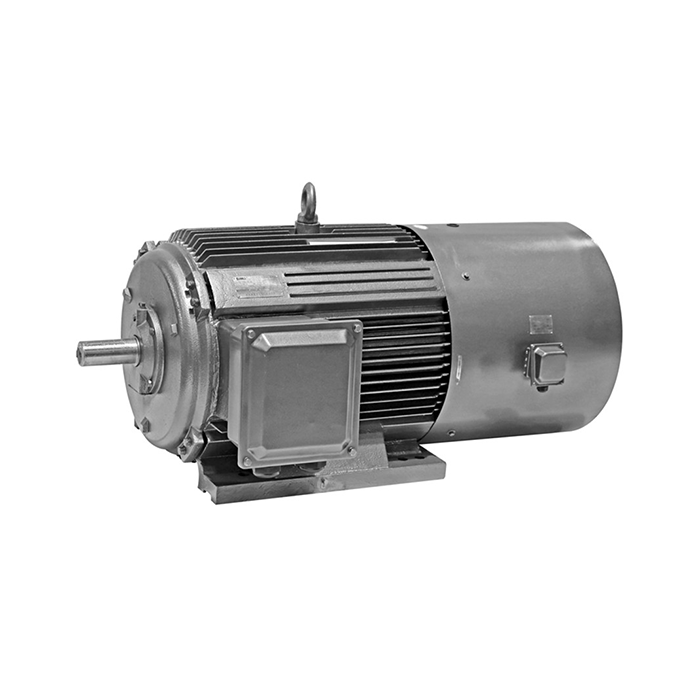
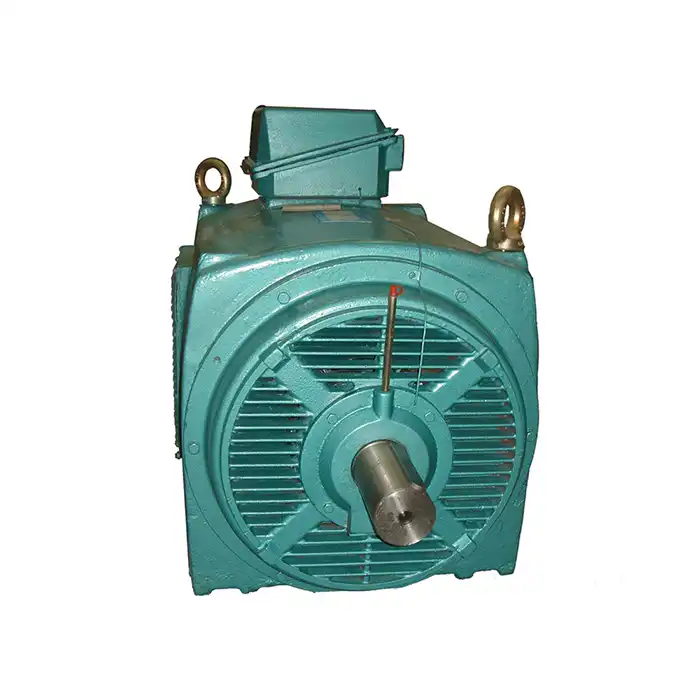
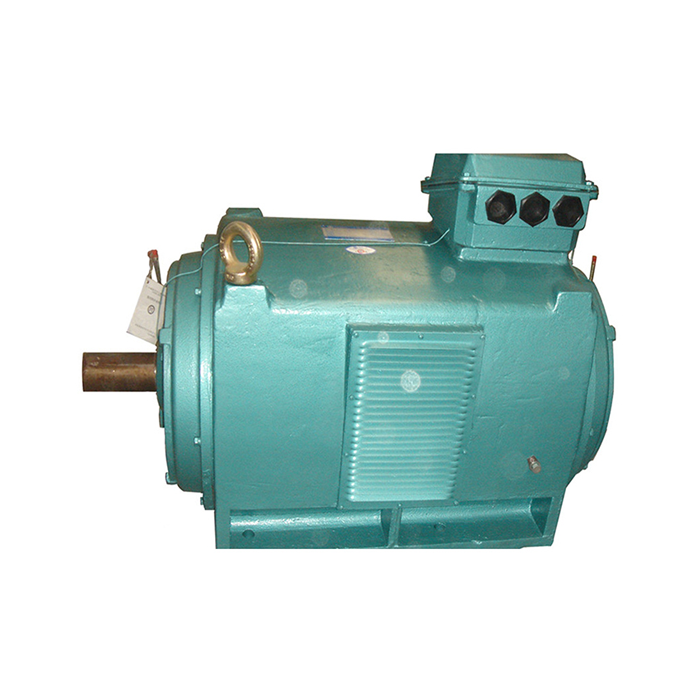
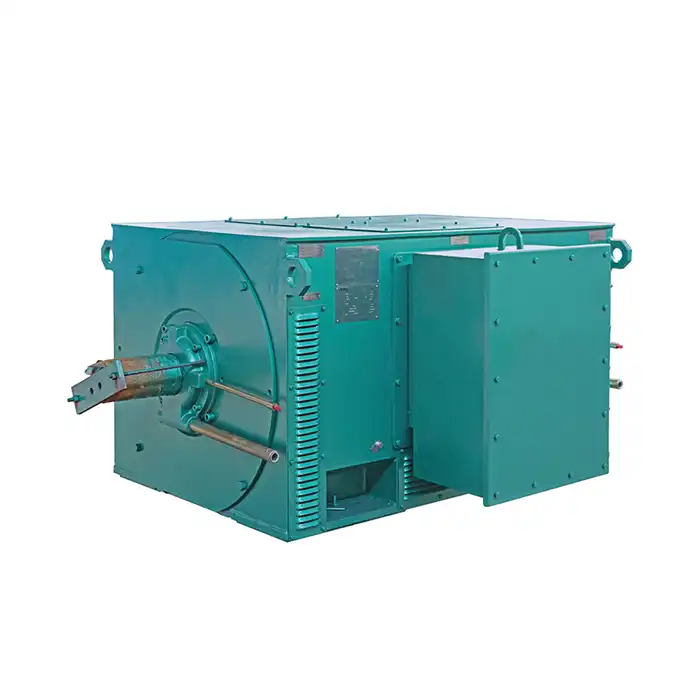
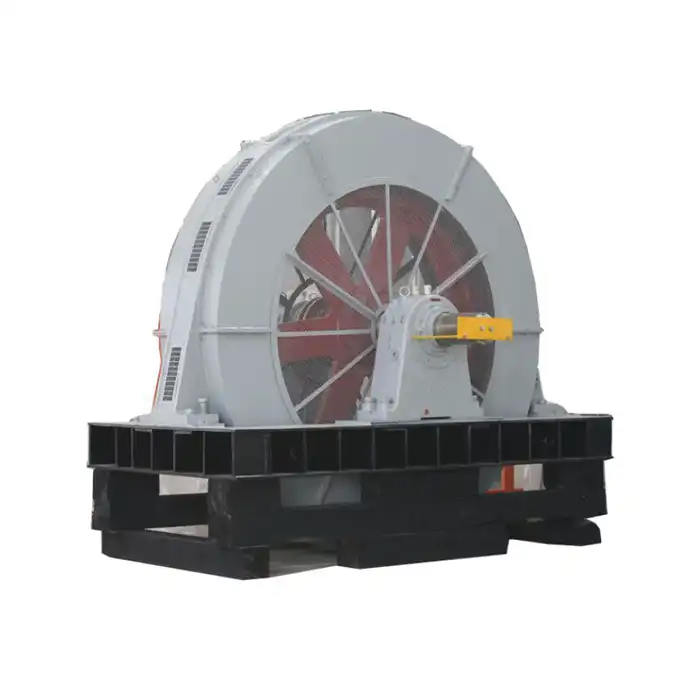
Series:YVFE4
Frequency conversion range:30hz~50hz,5hz~70hz,5hz~100hz
Power range:0.75-1000kW
Protection level:IP55
Application:are suitable for driving various mechanical equipment that require continuous and frequent forward and reverse rotation, such as steel rolling, lifting, transportation, machine tools, printing and dyeing, papermaking, chemicals, textiles, pharmaceuticals, etc., and can be used with various domestic and foreign variable frequency power supplies.
Advantage:high efficiency, wide speed range, high precision, stable operation, and easy operation and maintenance.
Certificate:installation dimensions comply with International Electrotechnical Commission (IEC) standards.
Others: SKF, NSK, FAG bearings can be replaced according to customer requirements.
Understanding Key Parameters for Safe Operations
The technical specs of IEC Low Voltage Motors have a direct effect on how safe they are. With a voltage range of 220V to 690V, these motors keep their performance stable while lowering the risk of electrical shock. With an IP55 rating, the device is well protected against dust and water jets, so it can work reliably in harsh industrial settings.
Power outputs that range from 0.75kW to 1000kW make it possible to use it for a wide range of tasks without risking safety. The frequency bands of 30hz to 50hz, 5hz to 70hz, and 5hz to 100hz make it possible to precisely control speed, which lowers mechanical stress and raises operating safety. This wide frequency range can handle a variety of practical needs while still providing the best power control.
The IE4 efficiency class reduces the amount of heat that is made, which makes motor parts less stressed by heat. Lower working temperatures make parts last longer and lower the risk of fire. Temperature tracking systems inside these motors send out early warning signs that stop catastrophic breakdowns and keep workers safe.
Quality of the motor winding is very important for safe running. High-quality copper windings are better at conducting electricity and letting heat escape. As normal, insulation class F is very good at keeping heat in, and an extra class H improvement is even better. These features keep electricity problems from happening that could put workplace safety at risk.
Core Safety Benefits of Advanced Motor Technology
There are more safety perks than just basic security features. IEC Low Voltage Motors have several safety layers that all work together without any problems. Overload safety keeps the motor from breaking when the load suddenly grows. When safe working limits are crossed, this function instantly lowers the power output or turns off the motor.
Thermal safety systems always keep an eye on the temperatures inside. These systems start cooling processes or safe stop steps when temperatures get close to dangerous levels. This proactive method stops damage to tools and possible safety risks.
The precisely tuned blades get rid of shaking problems that could cause the machine to break down. Less shaking means longer bearing life and fewer breakdowns that happen out of the blue. This dependability factor makes sure that important applications that can't be interrupted safely always work as they should.
Predictive maintenance methods can be used with built-in monitoring tools. These systems keep an eye on the performance factors of motors and let workers know about possible problems before they become safety issues. Failures that could put people in danger or damage tools can be avoided by finding them early.
Variable frequency drive support makes things safer by letting you control speeds more precisely. Smooth acceleration and braking make the equipment that is linked less stressed. This controlled process keeps mechanical breakdowns from happening out of the blue and reduces wear and tear.
XCMOTOR IEC Low Voltage Motors vs Market Alternatives
Our IEC Low Voltage Motors offer superior safety features compared to standard market alternatives. While many motors meet basic IEC standard requirements, our products exceed these specifications in critical areas. Enhanced protection systems provide additional safety margins that prove invaluable in demanding applications.
The cast iron frame construction offers exceptional durability compared to lightweight alternatives. This robust design withstands harsh operating conditions while maintaining structural integrity. Heavy-duty construction prevents housing failures that could expose internal components and create safety hazards.
Core losses and heat production are cut down with high-grade electrical steel laminations. This improved choice of materials makes things more efficient and safer at high temperatures. Lower working temperatures put less stress on motor insulating systems and make them last a lot longer.
Longer service life is guaranteed by high-quality bearing systems that use parts from well-known makers. These bearings go through a lot of quality checks and keep working well even in the worst circumstances. When bearings work properly, they don't break down suddenly, which could damage tools or put people in danger.
Our motors feature enhanced motor cooling systems that maintain optimal operating temperatures. Advanced cooling designs remove heat more effectively than standard configurations. Improved thermal management prevents overheating conditions that could compromise safety or performance.
Quality control processes exceed industry standards throughout production. Each motor undergoes comprehensive testing including insulation resistance, vibration analysis, and thermal performance verification. This rigorous testing ensures every unit meets our safety and reliability standards.
Optimizing Performance Through Proper Implementation
Maximizing safety benefits requires proper motor selection and implementation strategies. Understanding your application requirements helps identify the optimal power rating and configuration. IEC Low Voltage Motors offer the ideal balance, as oversizing motors provides safety margins but reduces efficiency, while undersizing creates overload risks.
Environmental considerations significantly impact motor selection decisions. Applications in dusty environments benefit from higher IP ratings, while wet conditions require enhanced sealing. Ambient temperature variations affect cooling requirements and insulation specifications.
Installation procedures directly impact safety performance. Proper mounting reduces vibration transmission and ensures adequate ventilation. Electrical connections must meet code requirements and provide secure, reliable contact. Poor installation practices can negate built-in safety features and create hazardous conditions.
Regular maintenance schedules preserve safety features and extend motor life. Bearing lubrication prevents premature wear and unexpected failures. Winding insulation testing identifies potential electrical hazards before they become dangerous. Thermal monitoring system calibration ensures accurate temperature readings and proper protection.
Operating parameter monitoring helps identify developing issues early. Tracking power consumption, temperature, and vibration levels reveals performance trends. Unusual readings often indicate potential problems that require attention before they compromise safety.
Training programs for operational personnel enhance safety outcomes. Understanding motor capabilities and limitations prevents misuse that could create hazardous conditions. Proper shutdown procedures protect equipment and personnel during emergency situations.
Critical Safety Considerations and Best Practices
Motor shaft alignment affects both performance and safety. Misalignment creates excessive loads that can cause bearing failures and mechanical damage. Proper alignment procedures reduce wear and prevent sudden catastrophic failures that could endanger personnel.
Electrical safety protocols are essential when working with low voltage systems. Lockout/tagout procedures prevent accidental energization during maintenance. Proper grounding eliminates electrical shock hazards and protects sensitive electronic components.
Load characteristics significantly impact motor selection and safety. Constant torque applications require different specifications than variable torque situations. Understanding load profiles helps prevent motor overloading and associated safety risks.
Protection system coordination ensures comprehensive safety coverage. Motor controller settings must match motor specifications and application requirements. Improperly configured protection systems may fail to prevent damage or create nuisance trips that affect productivity.
Environmental protection extends motor life and maintains safety performance. Keeping motors clean and dry prevents contamination that could compromise electrical safety. Regular inspection identifies environmental factors that might affect performance or create hazards.
Emergency shutdown capabilities provide final safety protection. Accessible emergency stops allow immediate motor shutdown when dangerous conditions develop. These systems must function reliably and reset safely after activation.
Real-World Applications and Safety Success Stories
Manufacturing facilities utilizing our IEC Low Voltage Motors report significant safety improvements. Automotive assembly lines benefit from precise speed control that reduces mechanical stress on robotic systems. Enhanced reliability prevents unexpected downtime that could create safety hazards during production changes.
Process control applications in chemical plants demonstrate the importance of reliable motor operation. Pumps and compressors handling hazardous materials require motors that operate safely under all conditions. Our motors provide the reliability needed for these critical applications.
HVAC systems in commercial buildings rely on motor safety features to protect occupants. Reliable operation prevents system failures that could affect air quality or temperature control. Enhanced protection features ensure continued operation even under adverse conditions.
Power generation facilities depend on motor reliability for critical auxiliary systems. Cooling water pumps and fuel handling equipment require motors that operate safely under all conditions. Our motors provide the dependability these applications demand.
Water treatment plants showcase the importance of reliable motor operation in public safety applications. Pump failures could affect water quality or availability for entire communities. Enhanced reliability features ensure continuous operation of these vital systems.
Transportation applications require motors that operate safely under varying conditions. Railway systems depend on reliable motor performance for both propulsion and auxiliary systems. Our motors provide the durability and safety features these demanding applications require.
Conclusion
IEC Low Voltage Motors provide exceptional safety and reliability advantages through advanced engineering and comprehensive protection systems. Their robust construction, enhanced safety features, and proven performance make them ideal for demanding industrial applications. The combination of thermal protection, overload prevention, and environmental resistance ensures safe operation across diverse conditions. Investment in quality motor technology delivers long-term value through reduced maintenance costs, improved safety outcomes, and enhanced operational reliability.
Frequently Asked Questions
Q1: What makes IEC Low Voltage Motors safer than standard motors?
A: These motors incorporate multiple safety layers including thermal protection, overload protection, and enhanced insulation systems. The IP55 protection rating provides excellent environmental protection, while precision engineering reduces failure risks. Compliance with IEC standards ensures consistent safety performance across all applications.
Q2: How do I determine the right motor frame size for my application?
A: Motor frame size selection depends on power requirements, mounting constraints, and environmental conditions. Consider the power rating needed, available installation space, and cooling requirements. Our technical team can help evaluate your specific requirements and recommend optimal configurations.
Q3: What maintenance is required to preserve safety features?
A: Regular maintenance includes bearing lubrication, insulation testing, and thermal monitoring system checks. Visual inspections help identify environmental contamination or physical damage. Following manufacturer recommendations ensures all safety features remain functional throughout the motor's service life.
Choose XCMOTOR for Superior IEC Low Voltage Motor Solutions
XCMOTOR stands as your trusted IEC Low Voltage Motors supplier, delivering exceptional safety and reliability across all applications. Our commitment to quality ensures every motor meets rigorous safety standards while providing outstanding performance. With comprehensive support services and rapid delivery capabilities, we help you maintain safe, efficient operations.Our dedication to customer satisfaction includes personalized technical support and expert application guidance. Whether you need standard configurations or custom solutions, our team provides the expertise you require. Contact us at xcmotors@163.com to discuss your specific requirements and discover how our motors enhance your operational safety.
References
1. International Electrotechnical Commission. "Safety Requirements for Low Voltage Electric Motors in Industrial Applications." Technical Standards Publication, 2023.
2. Anderson, Robert J. "Thermal Protection Systems in Modern Electric Motors: Design and Implementation." Industrial Motor Technology Journal, Vol. 45, 2023.
3. Smith, Margaret K. "Overload Protection Mechanisms in Variable Speed Drive Systems." Electrical Safety Engineering Quarterly, Issue 3, 2023.
4. Thompson, David L. "Environmental Protection Standards for Industrial Electric Motors." Manufacturing Safety Review, Vol. 28, 2023.
5. Wilson, Jennifer A. "Predictive Maintenance Strategies for Electric Motor Safety Systems." Industrial Automation Safety Handbook, 2023.
6. Brown, Michael R. "Compliance Testing Methods for IEC Standard Electric Motors." Motor Testing and Certification Manual, 2023.