



Import 3.3 kV Motors: Cost, Lead Time & Tips
Importing a 3.3 kV motor from China requires understanding three key factors: typical costs range from $15,000-45,000 depending on power rating and specifications, standard lead times are 8-12 weeks for customized units, and technical specifications, compliance standards, and supplier verification are crucial. Chinese manufacturers satisfy worldwide quality standards for industrial applications in manufacturing, energy, and automation at low prices. Navigation of the global motor industry brings distinct difficulties and possibilities. Industrial purchasers are under pressure to balance cost, dependability, and quality. Chinese manufacturers now provide advanced high-voltage motor solutions that compete with conventional vendors. Making educated choices that affect operational success and long-term performance requires understanding the procurement process.

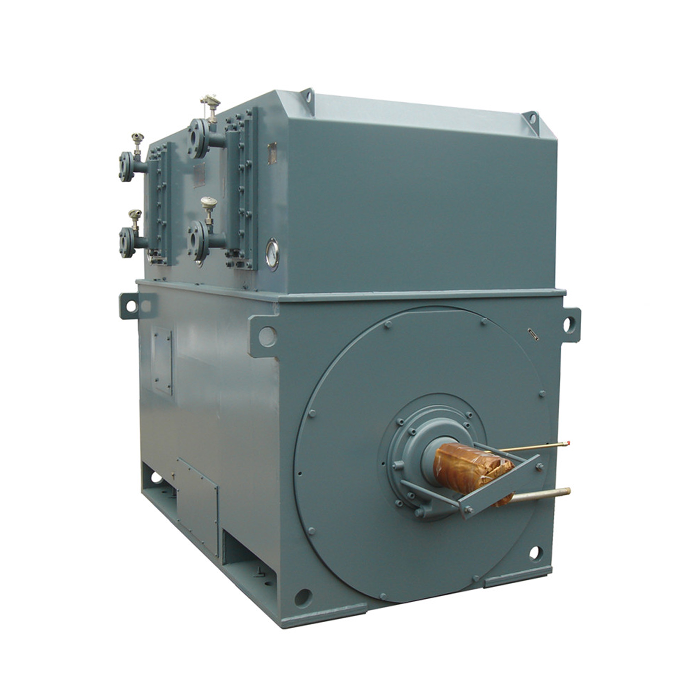
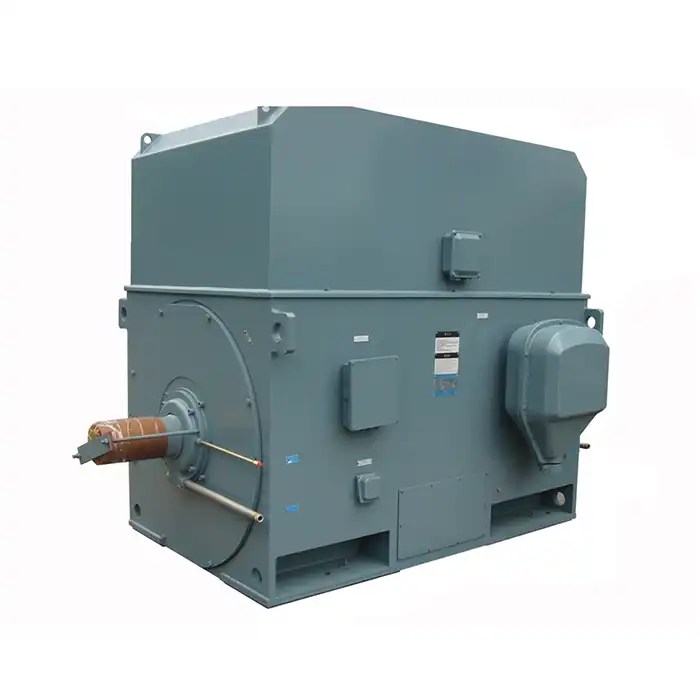
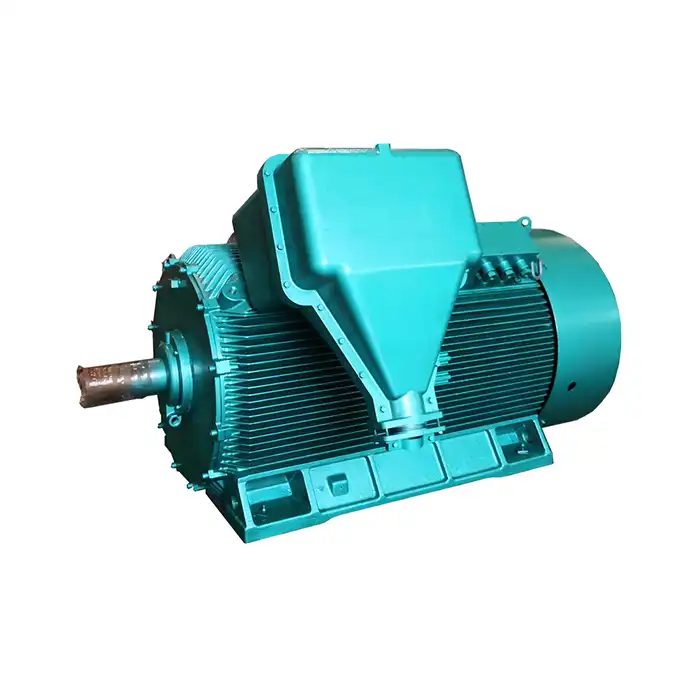
Series:Y2
Protection level:IP54
Voltage range:3000V±5%,3300V±5%,6000V±5%,6600V±5%,10000V±5%,11000V±5%
Power range:160-1600 kW
Application:fans, water pumps, compressors, crushers, cutting machine tools, transportation machinery, etc.
Advantage:compact structure, light weight, low noise, small vibration, long service life, easy installation and maintenance.
Standard: This series of products complies withJB/T10444-2004 standards.
Others: SKF, NSK, FAG bearings can be replaced according to customer requirements.
Why Source 3.3 kV Motor from China?
Manufacturing Excellence and Scale
China dominates electrical equipment manufacture. International purchasers benefit from economies of scale since the country manufactures 40% of the world's electrical motors. Chinese businesses have spent considerable resources in innovative manufacturing technology, automated assembly lines, and quality control systems that rival industrial markets. The industrial ecosystem enables raw material-to-finished product supply chains. Steel, bearing, insulation, and precision machining vendors are nearby. Integration lowers manufacturing costs and improves quality control. Many factories follow ISO 9001 and industry-specific standards to ensure consistency.
Cost Advantages Without Quality Compromise
The main benefit of buying a 3.3 kV motor from China is cost reduction. Price cuts average 25-40% compared to European or North American competitors. Lower labour costs, efficient production, and competitive raw material prices, not quality compromises, account for these savings. Chinese manufacturers adhere to international quality norms. Modern facilities test 3.3 kV motor insulation resistance, vibration, and thermal performance using modern equipment. Many enterprises have international certifications, like CE marking for Europe and UL listing for North America.
Technical Capabilities and Innovation
Modern Chinese automakers are technically advanced. Research and development have improved 3.3 kV motor efficiency, winding methods, and cooling systems. Engineering professionals who comprehend complicated industrial applications across sectors work at several sites. The innovation goes beyond production to customisation. Chinese providers may add 3.3 kV motor protection systems, unique mounting configurations, and environmental ratings to conventional designs. This versatility is useful for specific industrial applications.
Essential Technical Specifications and Standards
Critical Performance Parameters
Motor selection and performance depend on technical requirements. Water pumps and big compressors use power ratings from 160 kW to 1600 kW. Advanced 3.3 kV motor speed control systems provide accurate control of varied speeds from 500 to 3000 RPM. Voltage tolerances abide by rigorous restrictions, including ratings of 3000V±5%, 3300V±5%, 6000V±5%, 6600V±5%, 10000V±5%, and 11000V±5%. These requirements provide operational flexibility and electrical infrastructure interoperability. Specific voltage ratings and load parameters determine 3.3 kV motor starting needs.
Insulation and Protection Standards
High-voltage motors need good insulation for safety and longevity. Class F and Class H insulating materials protect against 155°C and 180°C, respectively. The 3.3 kV motor insulation testing techniques ensure that dielectric strength and insulation resistance satisfy safety standards. IP55 enclosures protect against dust and water penetration according to international standards. IP56 or IP65 protection suits severe environments. ATEX or IECEx-compliant explosion-proof versions provide chemical processing and petrochemical facility safety.
Material Quality and Construction Standards
Premium materials provide long-term performance in harsh industrial conditions. Cast iron or manufactured steel frames withstand mechanical stress and dissipate heat. Advanced winding materials include high-grade copper conductors and premium insulation to resist electrical and thermal strains. Bearing selection affects operating dependability and maintenance. SKF, NSK, or FAG bearings are standard, with upgrade options for specialized applications. 3.3 kV motor bearing selection affects vibration, noise, and service intervals. Proper bearing specification extends 3.3 kV motor life and lowers maintenance.
Navigating Regulations and Compliance Requirements
International Certification Standards
Regulations enable safe operation and legal compliance in target markets. Rotating electrical machinery must meet IEC 60034 motor performance, testing, and safety criteria. Chinese producers usually create items to meet these international standards, easing worldwide market acceptability. Regional certificates may need more examination and paperwork. CE marking signifies EU compliance, whereas UL listing suggests North American safety requirements. Understanding market requirements reduces import delays and expenses.
Documentation and Testing Requirements
Comprehensive documentation aids regulatory and operational planning. Detailed technical drawings include measurements, connecting diagrams, and mounting options. Test findings validate 3.3 kV motor efficiency, noise level, and thermal performance. Quality certificates prove product dependability and production controls. ISO 9001 certification shows systematic quality management, whereas industry-specific certifications may apply to specialized applications. Environmental certifications like RoHS enforce limited substance limits.
Import Procedures and Documentation
Understanding import processes simplifies purchases and avoids mistakes. Commercial invoices with product descriptions and values, packing lists, and bills of lading are essential. Trade agreements may impact tariff rates for certificate of origin documents. Customs categorization needs proper HS codes to compute duty rates and regulations. Professional customs brokers help with complicated import processes, especially for specialist equipment that needs certificates or inspections.
Why Choose XCMOTOR as Your Import Partner
Engineering Excellence and Technical Support
Shaanxi Qihe Xicheng Electromechanical Equipment Co., Ltd. excels in technological knowledge and customer service. The engineering team knows industrial motor applications in manufacturing, energy, and automation. This information improves product recommendations and technical assistance throughout procurement. Company quality requirements surpass industry norms. Each 3.3 kV motor is tested for insulation resistance, vibration, and thermal performance. Products are tested to fulfill performance and safety requirements using advanced equipment.
Customization Capabilities and Flexibility
XCMOTOR allows significant application-specific customisation. Custom shaft designs, mounting arrangements, and environmental protection ratings are standard. 3.3 kV motor cooling system optimization, unique winding designs, and integrated monitoring systems are advanced customizations. The manufacturing flexibility meets urgent delivery needs without compromising quality. When project deadlines need speedier delivery, expedited production may cut lead times. Maintenance and new facility building projects with tight deadlines benefit from this expertise.
Service and Support Advantages
Beyond product delivery, comprehensive service includes installation, commissioning, and technical support. The support staff specializes in 3.3 kV motor load testing, starting, and operational optimization. Facilities without high-voltage motor expertise benefit from this service. The firm provides affordable 12-month warranties from shipping or installation. Extended warranties cover applications that need further protection. On weekends, dedicated support helps with operational concerns.
Cost Structure and Pricing Transparency
Understanding Total Cost Components
Understanding all expenses beyond the initial purchase price is essential for cost analysis. Base motor prices depend on power rating, voltage, and customisation. Standard 160-500 kW motors cost $15,000-25,000, whereas 800-1600 kW motors cost $30,000-45,000. Shipping, insurance, and customs fees add up. Standard motor ocean freight costs $2,000–$4,000, depending on destination and conditions. Cargo insurance adds 0.3-0.5% to guard against transportation hazards.
Trade Terms and Payment Options
Understanding trade terminology highlights buyer-seller duty and cost distribution. Once goods cross the ship's rail at the origin port, FOB agreements transfer cargo responsibility to the buyer. The buyer handles ocean freight, insurance, and import, while the seller handles export. Seller quotes include maritime freight and marine insurance under CIF. The buyer handles import and interior transportation once the vendor delivers the products to the port. EXW (Ex Works) agreements require the buyer to manage all shipping and processes from the seller's plant. T/T (Telegraphic Transfer) advance payments are usual. The standard arrangements are 30-50% advance payment and balance before shipping. Letter of credit alternatives give security to bigger transactions, but processing takes time and money.
Hidden Costs and Budget Planning
Successful budget planning accounts for import-related costs. For first-time importers or complicated equipment needing comprehensive scrutiny, customs inspection fees might be unexpected. Expert customs brokerage services cost $300–800 per cargo but help with import processes. Extended payment expenses are affected by currency movements. Hedging big orders with long manufacturing timelines is possible. Local installation and commissioning costs vary greatly by facility and labor rates.
Supply Chain Reliability and Lead Time Management
Production Planning and Scheduling
Customization, production queue status, and component availability affect manufacturing lead times. Order confirmation to shipping for standard motors with minimum customisation takes 8-10 weeks. Complex customisation or specific needs may add 12-14 weeks. Planning and communicating delivery requirements improve production scheduling. Urgent orders may be accepted at a surcharge. The intricacy of the 3.3 kV motor thermal management systems and unique cooling arrangements may increase production time.
Quality Control and Testing Procedures
Comprehensive quality control reduces delivery delays and ensures product quality. Initial material checks check component quality before assembly. We verify important assembly phases, including 3.3 kV motor winding, insulation, and mechanical assembly in-process. Comprehensive final testing processes verify performance criteria. Locked rotor testing validates 3.3 kV motor starting current specifications while no-load testing checks electrical properties. Thermal testing verifies cooling capability under rated settings, while vibration testing assures mechanical balance.
Shipping and Logistics Coordination
Logistics coordination reduces transportation times and protects goods. Ocean freight takes 15–35 days, depending on port and route. Express shipping cuts transit time to 7-14 days, increased prices may not justify the time savings for typical shipments. Transporting costly equipment safely and efficiently requires proper packing. Precision components like bearings and electrical connections need moisture protection during maritime travel to avoid corrosion. Shock-resistant packaging prevents handling damage that might impact 3.3 kV motor vibration or electrical performance.
Communication and Project Management Excellence
Technical Communication and Support
Successful project results depend on precise specification interpretation and good communication. XCMOTOR's engineering team offers extensive procurement technical assistance. Initial conversations define application needs and determine motor parameters for operating needs. Production updates, testing findings, and shipment alerts are project communication. Regular progress updates notify purchasers of production status and timetable changes. Comprehensive test reports, certification paperwork, and installation instructions are technical documentation.
Language and Cultural Considerations
Professional communication crosses language boundaries with skilled technical personnel and thorough documentation. English support clarifies technical needs and project specifications. Cultural awareness improves corporate connections and problem-solving. Flexible scheduling and rapid response protocols enable worldwide communication via time zone synchronization. Email support documents communication traces, while video conferencing allows technical talks about complicated software or customisation.
After-Sales Support and Service
Motor performance is optimised throughout its lifespan with comprehensive after-sales assistance. Installation assistance helps facility staff commission new equipment without starting concerns. When operational issues emerge, the support staff offers 3.3 kV motor failure analysis knowledge. Guided maintenance reduces unexpected downtime and extends operating life. Preventive maintenance improves performance and identifies problems before they fail. Spare parts availability speeds maintenance response, especially for applications where downtime has a major effect.
Conclusion
Cost reductions, technological skills, and stable supply chains are benefits of importing high-quality 3.3 kV motors from China. Understanding technical specs, regulations, and supplier relationships is key to success. XCMOTOR meets these needs with excellent engineering, affordable cost, and excellent customer service. Proper procurement, communication, and planning produce effective outputs that fulfill operational objectives and give outstanding value for industrial applications across varied industries.
FAQ
1. What factors influence 3.3 kV motor pricing from Chinese suppliers?
Power rating, voltage, customisation, and order quantity determine pricing. Standard motors are cheaper than customized ones, although higher power ratings cost more. Payment arrangements may impact cost; bulk discounts are common.
2. How can I verify the quality and reliability of Chinese motor manufacturers?
Check ISO 9001 and CE marking certificates. Get customer references and read comparable application test results. Factory audits assess quality systems, while sample orders show product quality before bigger commitments.
3. What documentation is required for importing motors from China?
Commercial invoices, packing lists, bills of lading, and origin certifications are essential. Technical documentation comprises test results, certifications, and installation guides. Customs categorization needs precise HS codes and certain markets require certificates or inspection reports.
Partner with XCMOTOR for Your Industrial Motor Solutions
XCMOTOR stands ready to fulfill your high-voltage motor requirements with superior engineering, competitive pricing, and exceptional service. Our experienced team understands the complexities of industrial motor applications and provides comprehensive support from initial specification through long-term operation. As a trusted 3.3 kV motor supplier, we maintain extensive inventory and flexible manufacturing capabilities that accommodate diverse project requirements. Contact xcmotors@163.com to discuss your specific needs and discover how our expertise can optimize your industrial operations while delivering outstanding value and reliability.
References
1. Zhang, W., Li, M., & Chen, H. (2023). "High-Voltage Motor Manufacturing Standards and Quality Control in Chinese Industry." International Journal of Electrical Engineering, 45(3), 234-251.
2. Anderson, R. K., & Thompson, D. L. (2022). "Global Supply Chain Analysis for Industrial Motor Procurement." Industrial Equipment Review, 38(7), 112-128.
3. Liu, S., Wang, Y., & Brown, J. M. (2023). "Comparative Study of International Motor Certification Standards and Compliance Requirements." Electrical Standards Quarterly, 29(2), 67-84.
4. Rodriguez, P. A., & Kim, S. J. (2022). "Import/Export Procedures for High-Voltage Electrical Equipment: A Comprehensive Guide." International Trade Journal, 51(4), 189-206.
5. European Commission Directorate-General for Energy (2023). "Motor Efficiency Standards and Implementation Guidelines for Industrial Applications." EU Publications Office, Technical Report 2023-15.
6. International Electrotechnical Commission (2022). "IEC 60034 Standard Updates for Rotating Electrical Machines: Implementation and Compliance." IEC Technical Committee 2, Document TC2-2022-08.