



Uses of LV Induction Motors in Manufacturing Plants
In factories all over the world, LV induction motors are important power sources that run many tasks, from assembly lines to processing equipment. Through electromagnetic induction, these dependable electric motors turn electrical energy into mechanical motion. They power everything from heavy-duty pumps to conveyor belts. As a result of their strong construction, low energy use, and low cost, they are essential in modern factories where reliable performance has a direct effect on output and prices. Electric motor technology is very important for keeping factories running smoothly. Because three-phase motor systems are so flexible, facilities can change their power options to fit the needs of each application. Plant managers can make better decisions about which equipment to buy and how to keep it in good shape if they know how these motors work in different manufacturing situations.

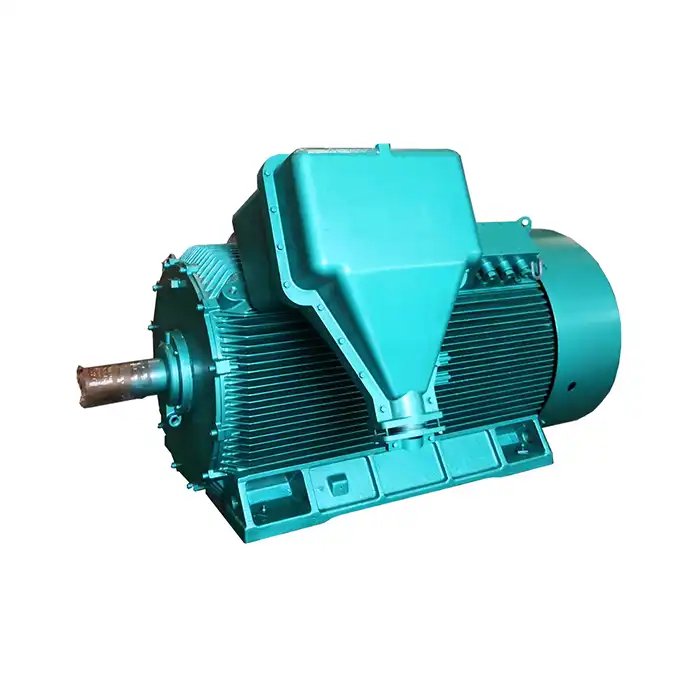
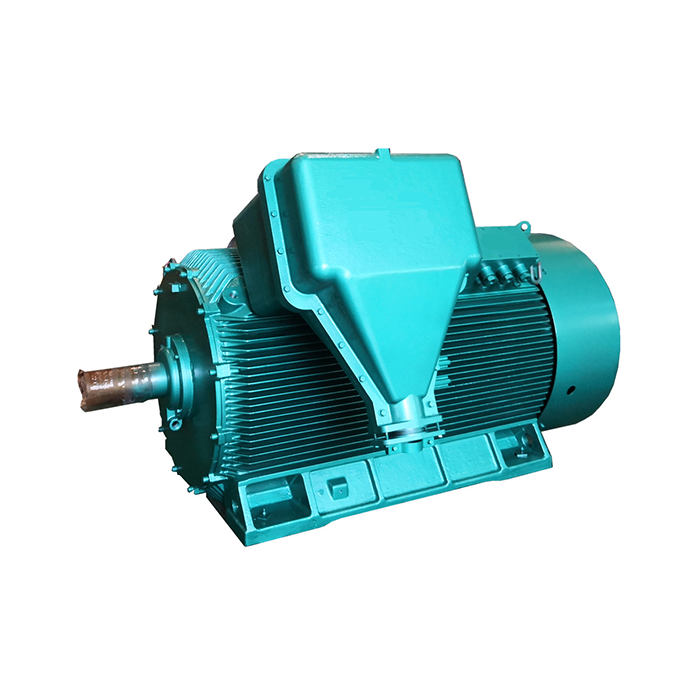
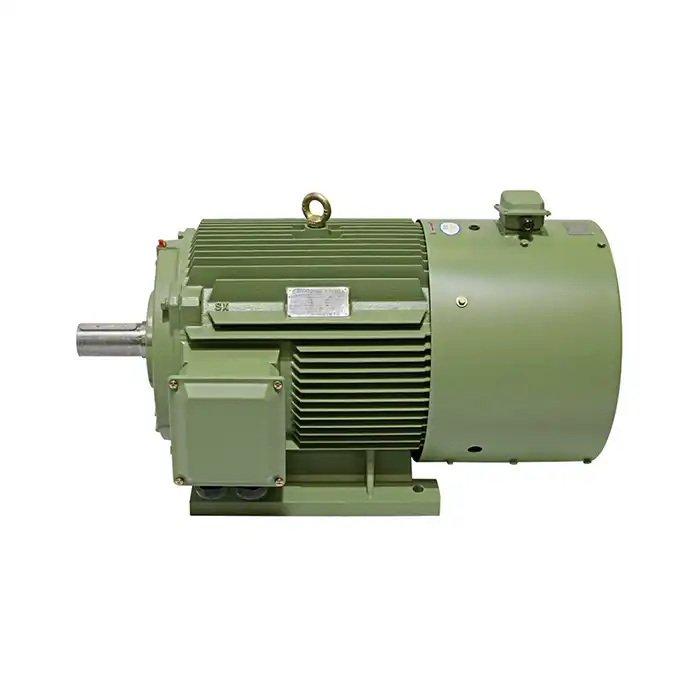
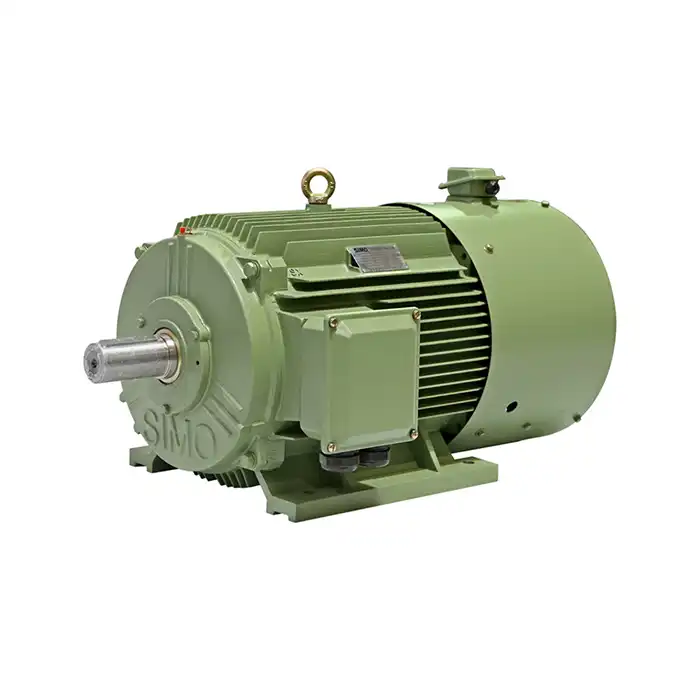
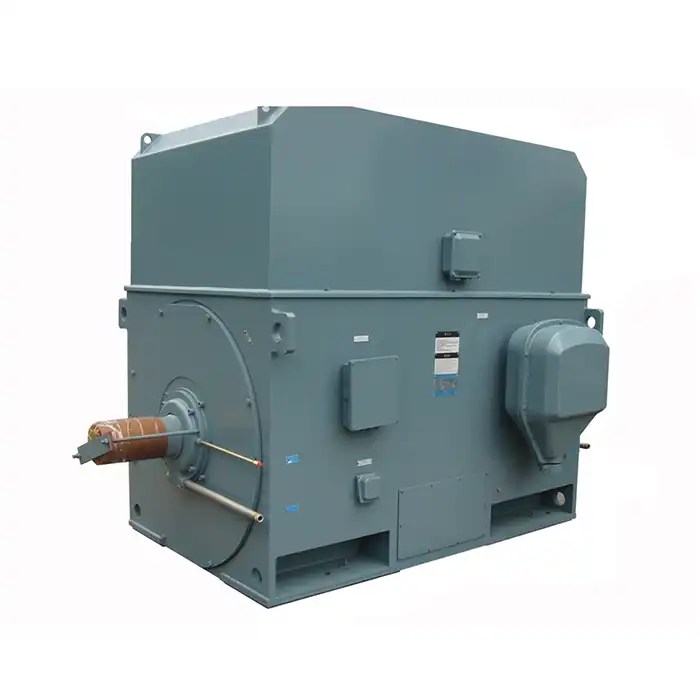
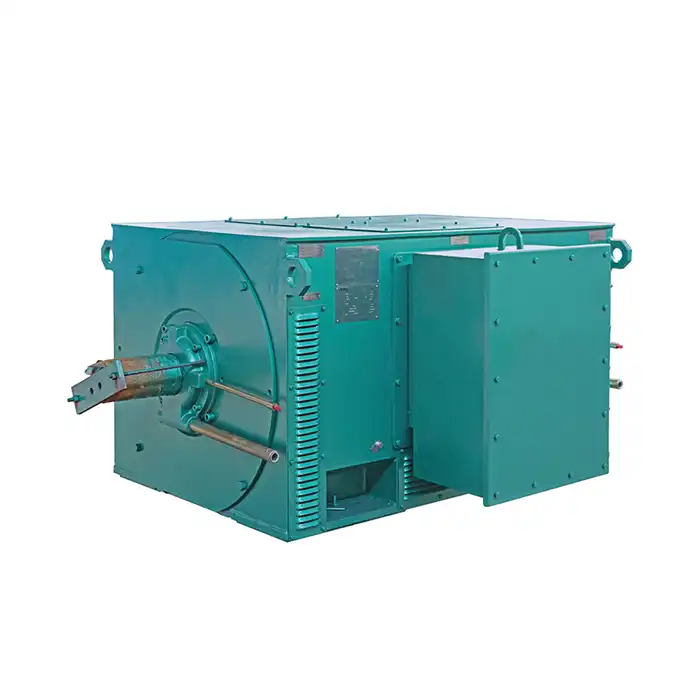
Series:YE3
Frame number: 80-450
Power range:0.75-1000kW
Protection level:IP55
Energy efficiency class: IE3
Voltage range: 380V,400V,415V,660V, etc.
Application:can be used in various fields of the national economy, such as machine tools,water pumps,fans,compressors,and can also be used in transportation, mixing, printing, agricultural machinery, food and other occasions that do not contain flammable, explosive or corrosive gases.
Certificate: international standard IEC60034-30 "Efficiency Classification of Single-speed Three-Phase Squirrel Cage Induction Motors".
Advantage:The high quality of the electric motor guarantees high operational reliability.
Others: SKF, NSK, FAG bearings can be replaced according to customer requirements.
Core Applications of Low Voltage Motors in Manufacturing Operations
Pumping Systems and Fluid Handling
Complex pumping systems are needed in factories to move chemicals, liquids, and slurries around the factory. It is very consistent for an LV induction motor to power centrifugal pumps, positive displacement pumps, and specialized chemical transfer pumps. Depending on the flow needs and system pressure needs, these asynchronous motor units usually work with power levels between 5kW and 500kW. The squirrel cage form of these motors gives them great starting power, which is important for pump uses. When a pump turns on, electromagnetic induction causes the rotor to slowly speed up while the stator creates a spinning magnetic field. This gradual speeding up stops water hammer effects and lowers the mechanical stress on pipe systems. The IE3 class motor efficiency rates make sure that the least amount of energy is used while still keeping the motor running reliably in a range of load situations. These motors are used in filter systems, chemical dosing pumps, and garbage processing equipment in water treatment plants inside of industrial buildings. With an IP55 rating, these motors are protected from dust and wetness, so they can be used in humid workplaces where other motors might break down too soon.
Material Handling and Conveyor Operations
In factories, one of the most common ways that low-voltage induction motors are used is in conveyor systems. These machines move raw materials and produced goods around the building on belt conveyors, roller systems, and automatic sorting equipment. Industrial motors have a constant duty grade that lets them work 24 hours a day, seven days a week without getting too hot or losing performance. For assembly line conveyors to work with the production rate, the motor speed needs to be precisely controlled. When three-phase motor systems are combined with variable frequency drives, workers can change the speed of the machine without having to make any technical changes. Modern motors are built with heat safety that keeps them from breaking down when they're overloaded or get stuck. This can happen when conveyors are overloaded or get stuck. Strong motors like these are also used in overhead cranes and hoists to move and lift heavy parts. Induction motors can start with a lot of current, which gives them the initial power they need to beat standing loads and start moving. Soft-start features can be added to more advanced motor control systems to lower mechanical shock and make tools last longer.
Ventilation and Air Handling Systems
To keep the air quality high, keep the temperature under control, and get rid of dangerous fumes and particles, manufacturing companies need large ventilation systems. Massive amounts of air are moved throughout production areas by large centrifugal fans and axial flow fans driven by LV induction motor units. Depending on the fan design and the amount of movement needed, these motors usually run at steady speeds of 1,500 to 3,000 RPM. In ventilation uses, the motor coil design needs to be able to handle changes in temperature and possible contact with harmful substances. As a result of its high thermal resistance, Class F insulation makes it possible for motors to work effectively in places like factories where temperatures are high. Optimization of energy use is very important in air conditioning systems because these systems usually run all the time. Powerful motors are needed for dust collection systems to create the force that cleans the air in work areas. The motor drive parts need to work consistently, even when the load changes, because dust builds up in the collection tanks. Motor parts should be serviced regularly to make sure they work at their best and to avoid costly production stops caused by air system breakdowns.
Compressor and Pneumatic System Operations
Pneumatic tools, motors, and control systems all over industrial sites are powered by compressed air systems. Electric motors with power levels between 15kW and several hundred kilowatts are used in rotary screw compressors and reciprocating compressors. The duty cycle of these uses calls for motors that can start and stop many times without losing their performance. Because asynchronous motors can slip, they can change speeds slightly, which helps when the pressure in a compressed air system changes. It is especially important for motors to be efficient in compressor use because these machines usually use a lot of electricity. IE3 economy scores help keep costs down while still meeting high standards of performance. Reliable motor technology is also needed for vacuum systems used for moving things and packing. In these situations, motors need to be able to keep their speed even when the load changes. It is possible for industrial-grade motors to work reliably even when they are exposed to rough materials or difficult working circumstances.
Machine Tool and Manufacturing Equipment
For precision manufacturing to work, lathes, milling machines, and automatic cutting centers need motor systems that give them steady power. The steady power needed for metal cutting, grinding, and shaping comes from the torque features of low-voltage motors. To power rollers, feed systems, and other parts of machine tools, they often need more than one motor of different types. For machine tool uses, the steadiness of the power source has a direct effect on the quality of the product and the accuracy of its measurements. Modern motor control systems have feedback devices that keep the speed steady even if the cutting load changes. This stability makes sure that manufacturing errors stay within the rules, which also speeds up the production process. Another important machine where motor stability directly affects production output is an injection molding machine. These machines need precise control over the speed of the screw spin and the injection pressure. To do these things, they need electric motors that are the right size and are well taken care of. The high torque needs of tools used in plastic processes must be taken into account when designing induction motors' starting current.
Cooling and Refrigeration Systems
A lot of heat is created during manufacturing processes, and active cooling systems are needed to keep the quality of the products and the performance of the equipment. Electric motors move coolants around and keep the temperature just right in chillers, cooling towers, and refrigeration engines. Because these devices are always running, the motors need to be able to handle high temperatures well and last a long time. The motor speed needed for cooling tasks depends on how much cooling is needed and the temperature outside. These systems can change how much cooling they do while using the least amount of energy possible, thanks to variable speed drives. Modern motors have rotors that are designed so that they work smoothly at all speeds while still being very efficient. When making medicines or preparing food, you need special cooling devices that meet strict hygiene standards. Improved seals and corrosion-resistant coatings are often used on motors in these situations to keep them clean and in line with government rules.
Textile and Paper Manufacturing
During the whole process of making textiles, from preparing the fibers to finishing the fabric, many tools are used. Motors for spinning machines, looms, and coloring tools need to be able to keep exact speed control while dealing with a range of mechanical loads. Three-phase motor systems don't have noises that could hurt the quality of the cloth because they run smoothly. Paper factories need big motors to power their paper tools, pulping systems, and systems for moving materials. Motor safety is very important in these situations because the surroundings are often very wet. The IP55 grade means that the seal is good enough to keep water out while still letting air flow through so that heat can escape. Because of the need for timing in cloth and paper production, many motors need to work together. Modern motor control systems can connect several drives so that different parts of the production line always move at the same speed.
Key Benefits of Using Low Voltage Induction Motors
There are a lot of good reasons why LV induction motor technology is so widely used in industry. Because they are built simply and well, with few moving parts, these motors are very reliable. Since there are no brushes or slip bands, there are no typical places where things break, and upkeep is also easier.
Another big benefit is that induction motors are usually less expensive than other technologies that do the same job. Standardized designs make it easy to swap parts and use parts from different makers. Modern IE3 class motors are more energy efficient, which helps keep costs down and meets environmental standards.
The power ranges (380V, 400V, 415V, and 660V) make it possible for makers to add these motors to electrical systems that are already in place without making many changes. This gives you more options for tools and makes installation easier.
Conclusion
LV (low voltage) induction motors are very important for running many tasks in factories. Because they are reliable, use little energy, and don't cost much, they are a great choice for many uses, from moving things to air systems. LV induction motors are still an important part of modern manufacturing processes because they are easy to build and don't need much upkeep. They increase productivity while keeping costs low. LV induction motor technology is a good investment for any production site because it helps plants meet environmental standards and improve their performance.
FAQ
1. What factors should be considered when selecting an LV induction motor for manufacturing applications?
The choice of motor relies on a number of important factors, such as the amount of power needed, the working conditions, the job cycle, and how well the motor works with the control system. The frame size needs to fit the fixing room available while still putting out enough power. The level of protection should fit the surroundings, and IP55 is the standard for most industrial uses that take place indoors.
2. How do energy efficiency ratings impact operating costs in manufacturing?
Most of the time, IE3 efficiency motors use 2 to 4 percent less energy than normal efficiency units. In situations where the motor is used all the time, this drop means big saves over the life of the motor. Most of the time, the extra money you spend on efficient motors pays for itself in less than three years because they use less energy.
3. What maintenance practices extend motor life in manufacturing environments?
Motor bearings, electrical links, and cooling systems don't break down early if they are checked regularly. Monitoring vibrations can find problems that are starting to happen before they lead to expensive breaks. Keeping motors clean and making sure they have enough air flow can help keep them running at the best rates.
Partner with XCMOTOR for Your Manufacturing Motor Solutions
XCMOTOR stands ready to provide comprehensive LV induction motor solutions tailored to your specific manufacturing requirements. Our IE3 efficiency motors deliver exceptional performance across frame sizes 80-450, with power outputs from 0.75kW to 1000kW. As a trusted manufacturer, we offer premium SKF, NSK, and FAG bearing options to ensure maximum reliability. Contact our technical team at xcmotors@163.com to discuss your application requirements and receive detailed specifications for our complete motor lineup.
References
1. Chapman, Stephen J. "Electric Machinery Fundamentals, 5th Edition." McGraw-Hill Education, 2012.
2. Fitzgerald, A.E., Charles Kingsley Jr., and Stephen D. Umans. "Electric Machinery, 7th Edition." McGraw-Hill Science/Engineering/Math, 2013.
3. IEEE Standard 112-2017. "IEEE Standard Test Procedure for Polyphase Induction Motors and Generators." Institute of Electrical and Electronics Engineers, 2018.
4. Nasar, S.A. and L.E. Unnewehr. "Electromechanics and Electric Machines, 3rd Edition." John Wiley & Sons, 1998.
5. Say, M.G. "Alternating Current Machines, 5th Edition." Longman Scientific & Technical, 1991.
6. Wildi, Theodore. "Electrical Machines, Drives and Power Systems, 6th Edition." Pearson, 2013.