




Water Cooled Electric Motor Supplier Network
The Chinese water cooled electric motor supplier network is a broad ecosystem of liquid cooling technology producers. High-performance motors with improved thermal management are offered by these vendors to heavy industrial and renewable energy sectors. Chinese manufacturers provide bespoke design to mass manufacturing at reasonable prices. China is a worldwide leader in water cooled electric motor manufacture. Businesses seeking reputable suppliers benefit from the country's industrial ecosystem. Manufacturing capabilities range from tiny businesses to big industrial complexes, each with its own strengths. China's fast industrialization and technical growth have fostered innovation and cost-effective manufacturing. Chinese manufacturers have spent considerable resources in R&D, producing motors that satisfy international requirements at reasonable prices. This makes China a good place to buy liquid-cooled motors. Understanding the Chinese industrial environment demands regional expertise. Provinces thrive in different motor manufacturing areas. Some places specialise in precise production for automotive or aerospace, while others specialise in high-voltage applications.

Series:YKS
Protection level:IP54
Voltage range:3000V±5%,3300V±5%,6000V±5%,6600V±5%,10000V±5%,11000V±5%
Power range:220-6300 kW
Application:fans, water pumps, compressors, crushers, cutting machine tools, transportation machinery, etc.
Advantage:low noise, low vibration, long service life, easy installation and maintenance.
Standard: This series of products complies withGB/T 1032 and GB/T 13957 standards.
Others: SKF, NSK, FAG bearings can be replaced according to customer requirements.
China's Manufacturing Excellence in Water Cooled Electric Motors
Advanced Production Capabilities
Chinese manufacturers have advanced motor thermal management system manufacturing processes. To assure component perfection, these facilities use cutting-edge CNC machining centers and automated winding equipment. Using superior cooling jacket technology shows the country's dedication to electric motor innovation. Beyond simple manufacturing, production is possible. Motor performance is rigorously tested at several facilities. Thermal cycling, vibration analysis, and long-term reliability testing ensure goods satisfy strict industrial standards. Quality control methods in top Chinese factories sometimes surpass international requirements. Multi-stage inspections check raw materials and assembly perfection. This meticulousness has earned Chinese manufacturers a worldwide reputation for dependability.
Technological Innovation and R&D Investment
China invests considerably in motor efficiency and lifetime research. Engineers constantly optimize water jacket designs and create novel cooling solutions to improve performance and save energy. Manufacturer-academic collaboration has boosted liquid cooling system innovation. These collaborations provide breakthrough heat dissipation solutions that make motors reliable under harsh situations. Investment in technology includes industrial processes. Automated manufacturing lines improve uniformity and decrease human error in big batches. This technology lets Chinese businesses grow production efficiently without sacrificing quality.
Essential Strategies for Selecting Reliable Manufacturers
Comprehensive Supplier Assessment Methods
A systematic technique beyond price comparisons is needed to evaluate suppliers. Check the manufacturer's technical and manufacturing capability. Review their comparable project experience and see whether their facilities can match your needs. Request full quality management system documentation. Reliable producers have detailed process records and can demonstrate quality control. Test protocols, calibration data, and quality metrics should be documented. Check the supplier's clients and projects. Companies that have served global firms have good quality processes and understand international business needs. Customer references reveal a supplier's dependability and service.
Technical Expertise Evaluation
Assess the manufacturer's engineering skills by evaluating their design portfolio and technical specs. Check for bespoke motor development and capacity to alter conventional designs for special applications. Strong engineering teams may provide value to product development. Assess their cooling system setup and application knowledge in water cooled electric motor. Experienced manufacturers may propose suitable solutions for your operating circumstances and performance needs. Mechanical design and heat management should be their technical expertise. Check their testing and validation. Reliable manufacturers have facilities to evaluate motor performance under varied operating circumstances. This guarantees product performance in real-world applications.
Communication and Service Standards
Successful supplier partnerships start with good communication. Assess the manufacturer's response and technical answer clarity. Critical technological needs should be communicated regardless of language. Evaluate their project management and delivery schedule efficiency. Reliable suppliers set realistic production deadlines and notify customers of delays. They should also be flexible with urgent requests. Review their technical support and warranty coverage after purchase. Strong providers support product installation and operating concerns throughout the lifespan.
Critical Certification and Compliance Requirements
International Quality Standards
Quality certificates prove manufacturers follow best practices. ISO 14001 indicates environmental responsibility, whereas ISO 9001 shows quality management. Audits and ongoing improvement are required for these certifications. Motors fulfill safety and performance standards with CE labeling for Europe and UL listing for North America. Manufacturers should know the target market compliance standards and keep certification documents updated. Some applications need industry-specific credentials. Motors used in explosive settings need ATEX or IECEx certification, while maritime applications need classification society clearance. Check providers' industry-standard experience.
Safety and Environmental Compliance
Environmental rules increasingly affect motor manufacture and operation. Manufacturers should meet RoHS and other environmental regulations. This compliance covers supply chain production and material selection. Motors are certified for electrical and mechanical safety. Third-party lab testing and surveillance audits are common for these certifications. Reliable manufacturers give extensive test results and safety certificates. Many localities now have minimal energy efficiency regulations. Understanding these criteria and designing goods that satisfy standards is crucial for manufacturers. This understanding helps their goods maintain market approval.
Strategic Sourcing Channels and Professional Platforms
Digital Marketplace Advantages
Online B2B platforms have transformed supplier identification and assessment. These platforms provide thousands of vendors with complete business profiles and product catalogs. Advanced search filters restrict alternatives by technical and commercial factors. Many systems verify supplier registration, facilities, and quality certificates. Verification techniques boost trust when assessing new vendors. Initial talks and technical exchanges are easier using platform-based communication solutions. Trade fair listings and virtual displays reveal new vendors and innovations. These events generally include live demos and engineering team interaction. Virtual formats make these possibilities more accessible without travel.
Industry Trade Shows and Professional Networks
Trade exhibitions are still useful for meeting vendors in person. In-person product assessment and technical talks are available at these events. Many vendors launch new items and innovations during trade exhibitions. Industry groups provide supplier directories and networking. The organizations may also provide supplier assessment standards and industry knowledge. Market information is available via appropriate organizations. Professional networks and industry relationships reveal supplier dependability and performance. Trusted peers' recommendations influence supplier selection. These networks facilitate supplier relationship management ongoingly.
Government Trade Promotion Initiatives
Chinese export promotion organizations promote global business. These organizations provide supplier databases and introductions to qualified manufacturers. Numerous services check business credentials and validity. Trade missions and corporate delegations provide effective supplier visits. Many sessions involve facility visits and technical speakers. Government assistance helps bridge cultural and commercial gaps. SEZs and industrial parks concentrate linked firms in specified locations. These clusters help compare suppliers and may be logistically beneficial. International purchasers get commercial help from these zones' local governments.
OEM and ODM Partnership Strategies
Custom Design Collaboration
Technical needs and performance standards must be communicated before OEM collaborations succeed in water cooled electric motor projects. To help manufacturers comprehend project scope and complexity, provide clear requirements early on. Reviewing designs regularly helps maintain alignment throughout development. Custom development initiatives need IP protection. Set design ownership and confidentiality agreements. Many manufacturers have IP protection knowledge and may recommend precautions. All stakeholders must coordinate prototype creation and testing. Set milestone timelines and acceptance criteria for each development step. This framework mitigates project risks and assures success.
Long-term Partnership Development
Strategic collaborations sometimes start with smaller initiatives to test compatibility and performance. Initially, successful cooperation might grow into complicated partnerships with shared development investments. Exclusive relationships may benefit competitive markets or specialized applications. Volume commitments and joint development are common in these collaborations. Joint market success and collaboration emphasize benefit both parties. Regular business assessments keep partnerships strong. Performance indicators, market input, and future development are discussed during these sessions. Open communication can prevent major complications.
Effective MOQ and Pricing Negotiation Approaches
Volume Planning and Procurement Strategy
Manufacturers' minimum order amounts reflect manufacturing efficiency and costs. These standards assist in developing procurement methods that balance inventory costs and price. Manufacturers may allow initial orders but retain conventional MOQs for recurrent business. Better pricing and priority service sometimes result from annual volume agreements. These agreements provide producers with production planning predictability and purchasers with preferential terms. Flexible delivery periods within yearly commitments assist in managing cash and inventory. Standardized products are cheaper and need less MOQ than unique designs. Standard motors with modest changes may suit application needs at a lower cost. Consider using mainstream platforms before building unique solutions.
Cost Structure Understanding
Labor, tooling, overhead, and materials make up motor production expenses. Understanding these characteristics helps analyze price bids and find cost-saving options. Materials are frequently the biggest expense, especially copper windings and steel laminations. Based on manufacturing lot sizes and setup costs, volume savings are predictable. Manufacturers typically provide price plans with cost savings at varying volumes. Transparency aids budgeting and procurement planning. Motor prices may fluctuate with currency and commodity prices. Many manufacturers prefer long-term contracts with price modifications to frequent renegotiations. A stable price reduces administrative costs and provides planning confidence for both parties.
Factory Audit and Quality Assurance Best Practices
Comprehensive Facility Assessment
Audits of factories reveal production capability and quality systems. These examinations should include manufacturing equipment, quality control, and facility management. Systematically record observations to aid supplier assessment. Production capacity verification enables firms to achieve delivery deadlines without sacrificing quality. Review equipment use and maintenance plans. Knowing capacity limits helps plan order scheduling and delivery expectations. Quality management system audits focus on procedures, not goods. Assess incoming material inspection, in-process quality checks, and final testing. Effective quality systems prevent rather than identify issues.
Supply Chain and Material Verification
Quality is assured throughout the supply chain for water cooled electric motor via upstream supplier review. Bearings, windings, and castings affect motor performance. Check that manufacturers get crucial parts from certified sources. Production accountability is ensured by material tracing systems. These methods provide quick problem detection and solutions. They assist with warranty claims and field service. Environmental and social compliance audits meet growing corporate responsibility needs. Make sure manufacturing follows workplace and environmental regulations. These audits maintain brand reputation and supply chain sustainability.
Leading Supplier Characteristics and Industry Trends for 2026
Technology Integration and Digital Capabilities
Modern factories use digital technology more. Intelligent manufacturing solutions boost efficiency and check quality in real time. These characteristics improve consistency and speed quality response. Manufacturers use predictive maintenance to improve equipment performance and reduce downtime. These systems also give production and quality data. Advanced manufacturers help clients optimize applications with relevant knowledge. Project coordination and technical assistance are simplified by digital communication. The cloud allows real-time cooperation regardless of location. These technologies are useful for managing complicated projects with various stakeholders.
Sustainability and Environmental Leadership
Environmental awareness encourages industrial and product design innovation. Leading firms buy energy-efficient manufacturing equipment and reduce waste. Customers gain from cost reductions from these enhancements via competitive pricing. Product lifetime factors increasingly affect design. Recyclable and long-lasting motors save money and the environment. Many companies' sustainability aims connect with these factors. Supply chain openness improves environmental effect assessment and management. Leading manufacturers disclose their suppliers and sourcing procedures. Transparency aids consumer sustainability reporting and company accountability.
Conclusion
Finding the best water cooled electric motor manufacturer in China requires a methodical assessment of technical skills, quality systems, and business procedures. Successful partnerships need supplier assessment, open communication, and shared expectations. The Chinese manufacturing environment provides great opportunity for firms seeking dependable, cost-effective motor solutions with modern cooling technology. Success in supplier partnerships involves effort and attention to quality and service. Supplier selection and relationship management increase product performance, delivery, and technical support. Supplier selection strategies equip companies for long-term success in competitive global marketplaces.
FAQ
1. What are the key advantages of water cooled electric motors over air-cooled alternatives?
Water-cooled electric motors have greater power density and smaller installations than air-cooled ones due to better heat dissipation. The liquid cooling system regulates thermal loads, enabling large loads and high-temperature operation. These motors are perfect for environmental applications due to their low noise and vibration. Better thermal management improves motor life and maintains performance.
2. How can I verify the quality standards of Chinese motor manufacturers?
Verify manufacturer quality using certification evaluations, customer references, and facility audits. Request ISO quality management certificates and CE/UL product approvals. Ask current customers on product and service quality. Perform on-site plant audits to assess production and quality control. Many respectable manufacturers embrace these assessments because they show trust in their operations.
3. What should I expect regarding minimum order quantities and pricing?
Based on manufacturing capacities and business strategies, firms have different minimum order amounts. MOQs are lower for standard motor designs than bespoke ones. Initial orders will cost more per item, but volume commitments lower them. Manufacturers may have variable terms for first orders but conventional MOQs for recurrent business. Early agreements should include yearly volume predictions to determine price and service levels.
Partner with XCMOTOR for Premium Water Cooled Electric Motor Solutions
XCMOTOR stands ready to meet your industrial motor requirements with comprehensive water cooled electric motor solutions designed for demanding applications. Our engineering team brings extensive experience in liquid cooling technology and thermal management systems, ensuring optimal performance for your specific operational needs. We provide complete technical support from initial consultation through long-term service requirements, backed by our commitment to quality and customer satisfaction. As a trusted water-cooled electric motor manufacturer, we offer flexible customization options and competitive pricing without compromising reliability. Contact our technical specialists at xcmotors@163.com to discuss your project requirements and discover how our advanced cooling solutions can enhance your operational efficiency.
References
1. Chen, L. & Wang, M. (2023). "Advanced Thermal Management in Industrial Electric Motors: A Comprehensive Analysis." Journal of Electric Motor Technology, 45(3), 78-92.
2. Liu, R., Zhang, S., & Kumar, P. (2024). "Comparative Study of Cooling Methods in High-Power Electric Motors for Industrial Applications." International Review of Electrical Engineering, 18(2), 156-171.
3. Thompson, A. & Li, H. (2023). "Global Trends in Electric Motor Manufacturing: Focus on Asian Production Capabilities." Industrial Motor Quarterly, 31(4), 203-218.
4. Wu, J., Martinez, C., & Johnson, K. (2024). "Quality Assurance in International Motor Procurement: Best Practices and Standards." Engineering Procurement Journal, 12(1), 45-62.
5. Anderson, R., Zhao, Y., & Patel, N. (2023). "Water-Cooled Motor Technology: Applications and Performance Optimization." Electric Power Systems Research, 67(8), 334-349.
6. Davies, S. & Chang, T. (2024). "Supplier Selection Strategies for Industrial Equipment: A Case Study Approach." Supply Chain Management Review, 29(3), 112-128.
YOU MAY LIKE
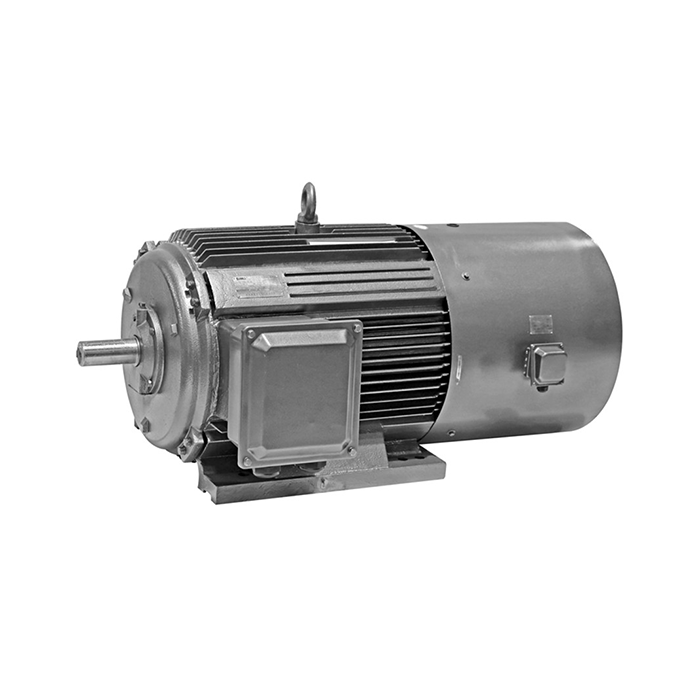 VIEW MOREYVFE3 frequency conversion speed regulating motor
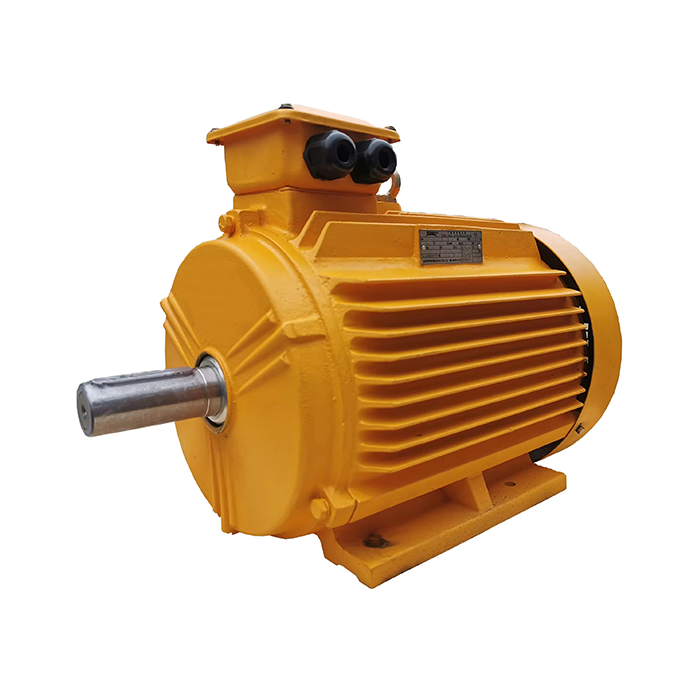 VIEW MOREYE4 high efficient three-phase asynchronous motor
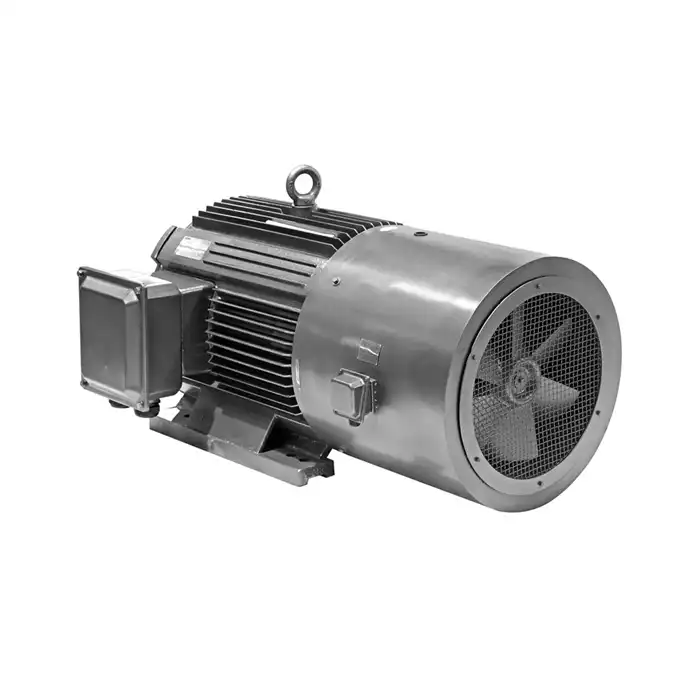 VIEW MORE3 phase inverter duty motor
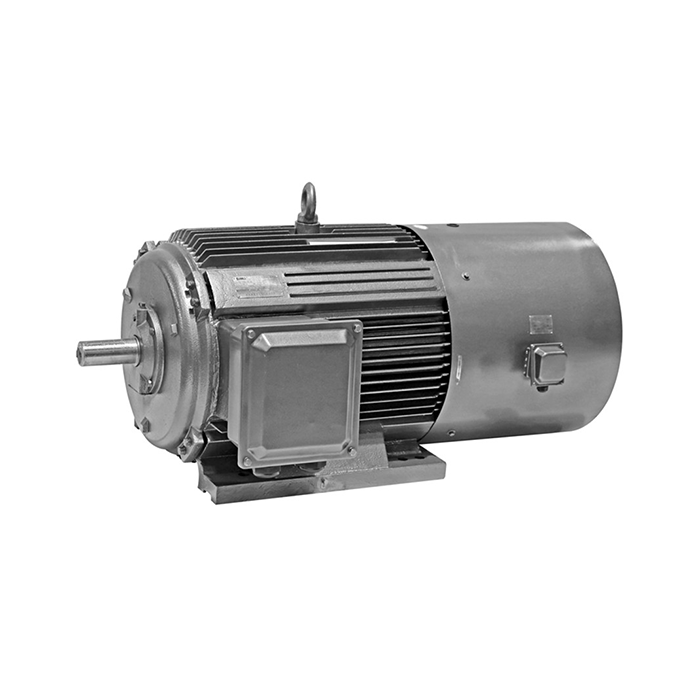 VIEW MORE200 hp 3 phase motor
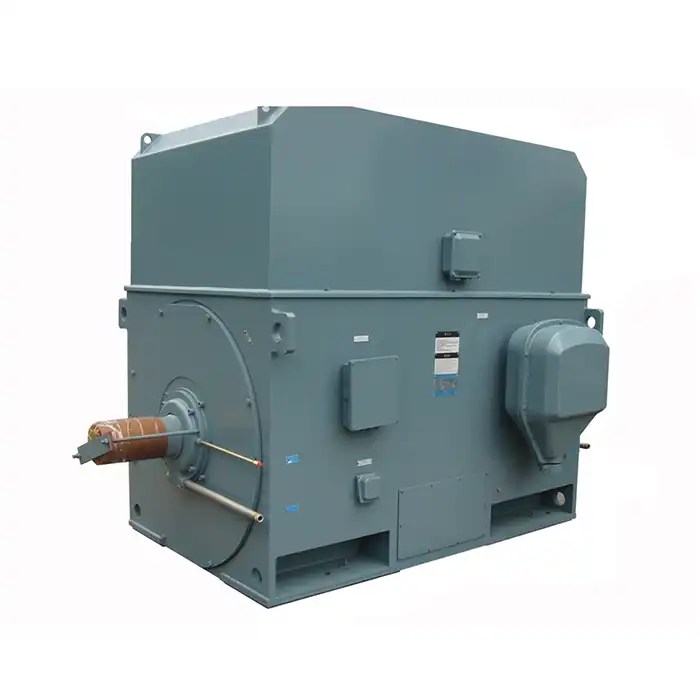 VIEW MOREwater cooled electric motor
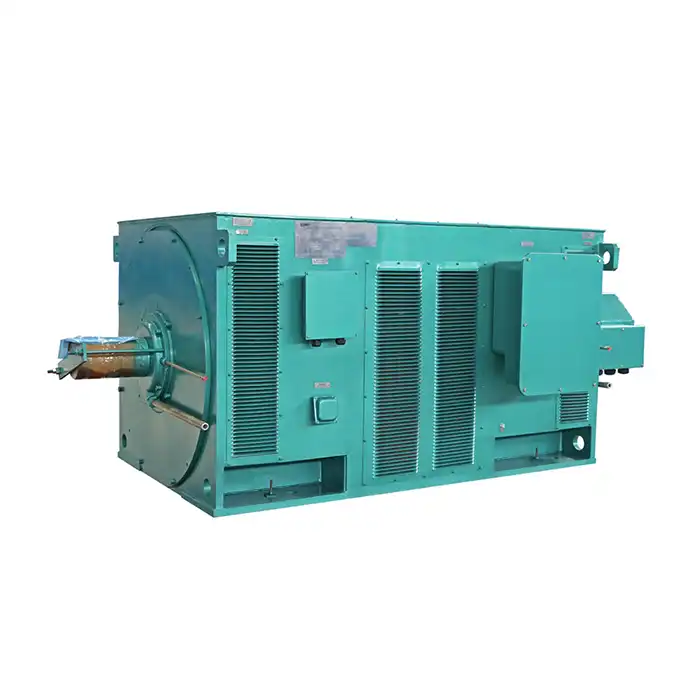 VIEW MOREslip ring wound rotor motor
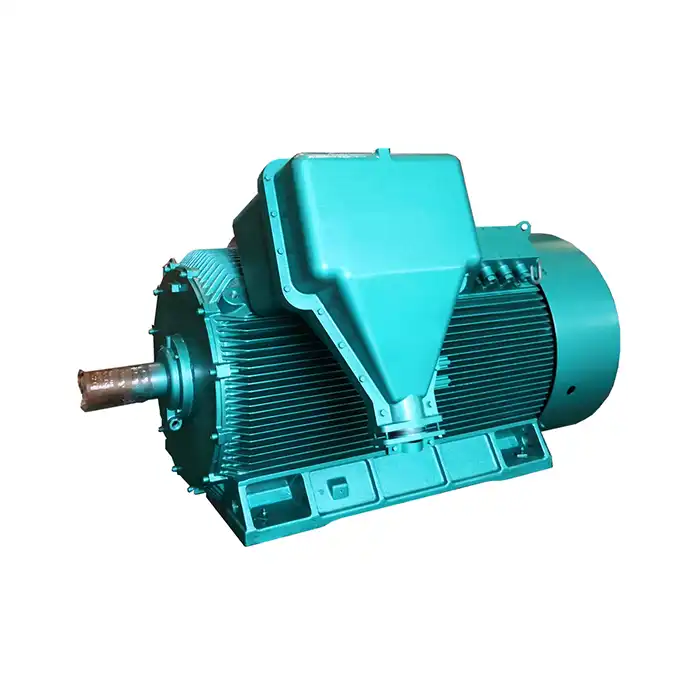 VIEW MORE3ph squirrel cage induction motor
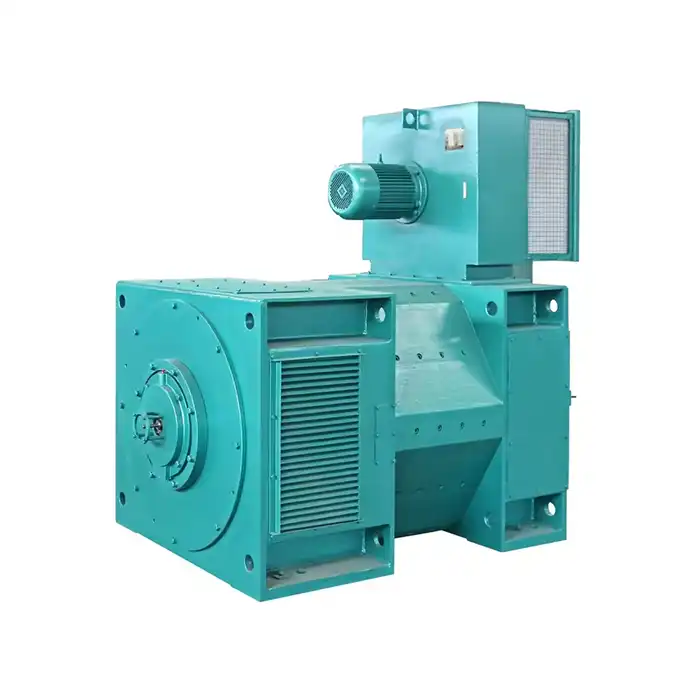 VIEW MOREZ Series Medium DC Motor