



IE3 vs IE4 vs IE5 Efficiency Classes: Full Comparison Table
When your facility consumes 50 million kWh or more annually, a 2–3% efficiency difference between motor classes is not a minor detail — it translates directly into six-figure energy costs. Choosing between IE3, IE4, and IE5 motors requires more than reading a nameplate. This guide breaks down each efficiency class using IEC 60034-30-1 criteria, real load-rate data, and lifecycle cost logic so that energy managers and OEM engineers can make decisions they can defend in any budget review. The ie4 motor sits at the center of this analysis as the most practical upgrade path for high-utilization industrial environments.
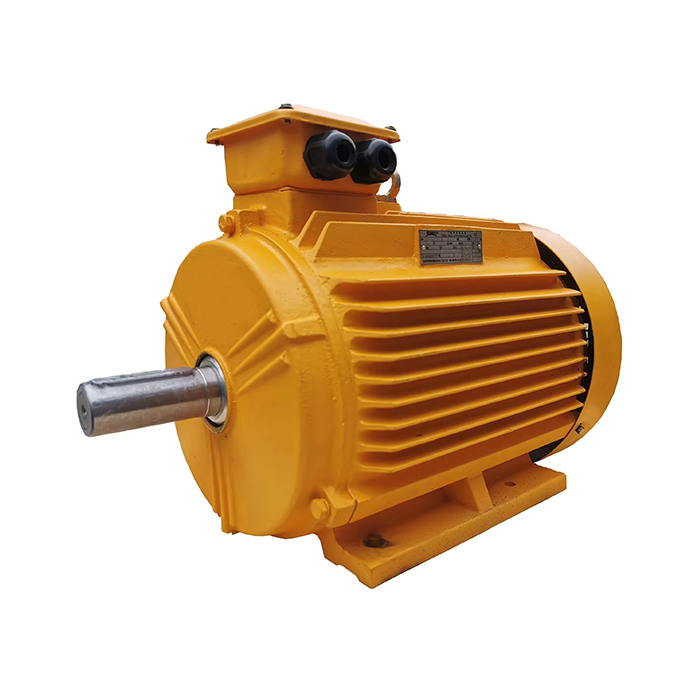
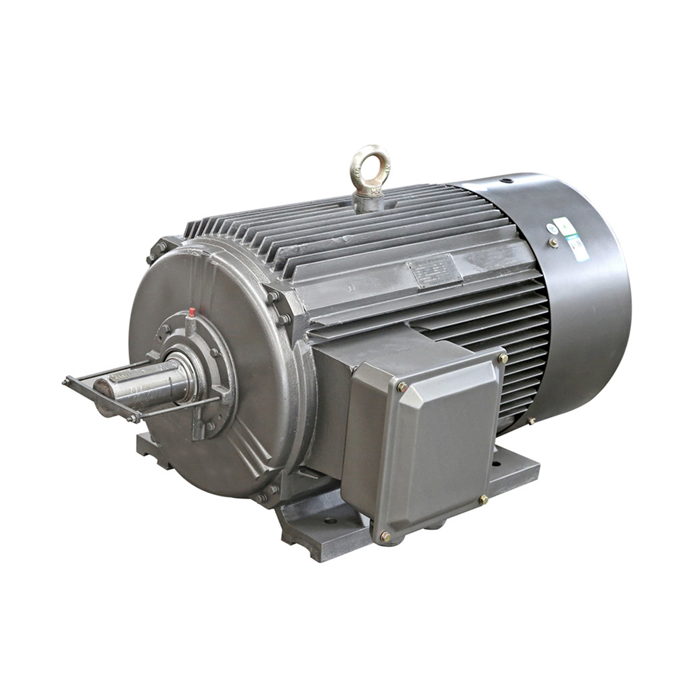
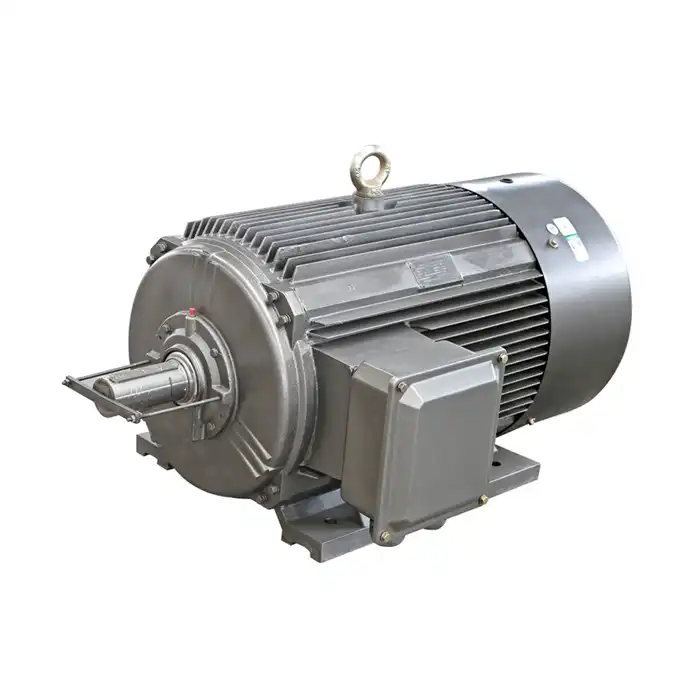
Series:YE4
Frame number: 80-450
Power range:0.75-1000kW
Protection level:IP55
Energy efficiency class: IE4
Voltage range: 380V,400V,415V, 660V,etc.
Application:can be used in various fields of the national economy, such as machine tools,water pumps,fans,compressors,and can also be used in transportation, mixing, printing, agricultural machinery, food and other occasions that do not contain flammable, explosive or corrosive gases.
Certificate: international standard IEC60034-30 ""Efficiency Classification of Single-speed Three-Phase Squirrel Cage Induction Motors"".
Advantage:The high quality of the electric motor guarantees high operational reliability.
Others: SKF, NSK, FAG bearings can be replaced according to customer requirements.
Understanding IE Efficiency Classes: IE3, IE4, and IE5 Explained
What the IEC 60034-30-1 Standard Actually Defines?
When your building uses 50 million kWh or more a year, a difference of 2–3% in efficiency between motor classes is not a small thing—it means six-figure energy bills. It takes more than reading a label to choose between IE3, IE4, and IE5 motors. This guide uses IEC 60034-30-1 criteria, real load-rate data, and lifecycle cost logic to break down each efficiency class. This way, energy managers and OEM engineers can make decisions that they can back up in any budget review. In this analysis, the Ie4 motor is seen as the most practical way to improve things in industrial settings that see a lot of use.
It sets minimum full-load efficiency values for single-speed, three-phase squirrel-cage induction motors with power ranges from 0.12 kW to 1,000 kW (IEC 60034-30-1). The loss limits get tighter with each class: IE3 (Premium), IE4 (Super Premium), and IE5 (Ultra-Premium). In comparison to IE3 motors of the same frame size, Ie4 motors must lower total losses by roughly 15–20%. Based on figures from the IEA 4E Motor Systems Annex, IE5 motors have about 20% fewer losses than Ie4 motors.
Technology Behind Each Efficiency Class
Even though they use optimized copper windings and lamination steel, IE3 motors are still regular induction designs. Ie4 motors are better because they are made with tighter specs, use higher-quality electrical steel, and have lower rotor resistance losses. Many designs also include fixed magnets to help. IE5 motors usually have synchronous reluctance (SynRM) or permanent magnet synchronous designs, which get rid of almost all rotor copper losses and give power factors above 0.90.
Environmental and Maintenance Implications
Electricity costs make up about 97% of a motor's total lifecycle cost; the price it was bought for only makes up 1% to 2%. When you switch from an IE3 motor to an Ie4 motor, the annual CO2 output goes down by the same amount as the energy saved, which is important for ESG reporting and getting CCER carbon credits. Ie4 motors also stay cooler when they're under constant load, which increases the life of the bearings and windings and lowers the number of times they need to be re-balanced or insulated over a 15-year service period.
IE3 vs IE4 vs IE5: Full Comparison and In-Depth Analysis
Efficiency and Load-Rate Performance
In comparison to a comparable IE3 unit, a 110 kW Ie4 motor can achieve up to 96% efficiency at full load. At 75% load, which is a common operating point for fans and pumps in the real world, the Ie4 motor stays more efficient than the IE3 motor, which loses efficiency more quickly.
Noise Level and Maintenance Differences
IE5 motors increase full-load efficiency to about 96.5% and keep that level more steadily across partial loads. This makes them a better choice for processes with changing demand. Ie4 motors from XCMOTOR make 3–5 dB(A) less noise than standard motors, which is important in places with noise regulations for workers. Because there are no rotor copper currents, ie5 motors, especially SynRM-based designs, run even quieter. This is because they have less electromagnetic vibration. When it comes to maintenance, both IE4 and IE5 motors only need to be oiled and inspected every so often, but not more often than IE3 units. This is because their lower operating temperatures lower the thermal stress that speeds up the insulation degradation in regular motors.
Cost-Benefit Trade-offs Across All Three Classes
IE3 motors are the cheapest to buy, but they use more energy over time, so they cost more in the long run. If you take a 110 kW motor that runs for 8,000 hours a year and costs $0.10/kWh, you can save about $1,760 a year by going from IE3 to IE4. Even though IE5 motors cost more at first, published industry data shows that they pay for themselves in about 13 months when used to replace an IE3 unit in a 110 kW application. Ie4 motors are in the middle of the two extremes and pay for themselves in less than four years, even with modest run times.
Choosing the Right Motor: IE4 vs IE3 and IE4 vs IE5 for B2B Procurement
When to Upgrade from IE3 to IE4?
When motors are used for more than 6,000 hours a year at loads above 60%, the case for moving to an Ie4 motor is best. This level of use is usually reached by dozens or hundreds of motor installations in chemical plants, metallurgy facilities, data centers, and paper mills, all of which use more than 50 million kWh of electricity each year. Each upgraded unit adds to the yearly energy efficiency improvement (EEI) numbers that are needed for ESG disclosures and applications for local government subsidies.
When IE5 Makes Economic Sense?
IE5 motors are worth the extra cost in processes that run all the time at almost full load and where any downtime costs a lot. Some good choices are compressor drives, main fans in data center cooling systems, and big circulating pumps in petrochemical loops. For applications that start and stop frequently, have variable low-load cycles, or have short daily run times, the extra gain over an Ie4 motor might not produce a positive ROI within a reasonable planning horizon, so choosing an Ie4 motor is still the more reasonable choice.
Verifying Efficiency Class Before Purchase
One real worry for buying teams is grade replacement, which means getting an IE3 motor that is labeled as an IE4 or IE5 motor. To prevent this, make sure that any supplier you work with gives you third-party test certificates that reference IEC 60034-30-1 and IEC 60034-2-1 (the measurement technique standard). The Ie4 motors from XCMOTOR are marked with CE and GOST, and each one is tested for performance before it is sent out. Always ask for the manufacturer's test report with the real efficiency value at 100%, 75%, and 50% load, not just the nameplate value.
Where and How to Buy IE4 Motors: Procurement Guide for Global B2B Clients?
Selecting a Qualified IE4 Motor Supplier
Working with a confirmed Ie4 motor maker lowers the risk of not meeting specifications and saves the warranty. XCMOTOR, which is run by Shaanxi Qihe Xicheng Electromechanical Equipment Co., Ltd., sells IE4 induction motors with voltages of 380V, 400V, 415V, and 660V to meet both domestic and international grid standards. The motors' power ranges from 0.75 kW to 1,000 kW. If you ask, you can get bearings from SKF, NSK, or FAG. This gives buying teams direct control over making sure that all of their sites use the same standard spare parts.
Supply Chain and Delivery Considerations
Standard Ie4 motor models ship two to four weeks after they are in stock. Before the bidding stage, XCMOTOR offers technical consultation for large-scale purchases made through a group tender or an annual framework contract. This helps engineering teams finalize specifications, choose mounting configurations (B3 foot, B5 flange, or combined), and confirm VFD compatibility curves. This pre-bid engagement lowers the chance that the scope will change after the award, which could push back the work schedule.
Digital Procurement and After-Sales Support
Motorxc.com and xcmotors@163.com are used for questions, technical data sheets, and quote requests. Support is available seven days a week, even on weekends. After-sales service includes help with installation, starting up with existing variable frequency drives, and planning regular maintenance. Buyers can also ask for an IE3/IE4/IE5 tiered selection guide that is set up as an internal training document. Energy managers have used this resource directly as procurement justification materials in group capital expenditure reviews.
Real-World Applications and Case Studies of IE4 Motors
Industrial Sectors Seeing the Highest Returns
In pumping systems, fan arrays, compressors, conveyor drives, machine tools, and HVAC setups, Ie4 motors produce quantifiable results. Upgrading from IE3 to Ie4 motors saved over 135,000 kWh of energy per year at a water treatment plant that used twelve 75 kW pump motors for 7,500 hours per year. This is the same as taking 95 metric tons of CO₂ out of the plant's yearly carbon account. These numbers are in line with CNCIA energy audit standards for motor groups that are used a lot.
HVAC and Data Center Applications
Because cooling fans and chilled-water pumps run all the time at high load factors in data centers, they are some of the best places to invest in Ie4 motors. When forty 22 kW fan motors were replaced with IE4 units and paired with variable frequency drives, the facility reported that the overall system performance went up by more than 8%. This was proven by comparisons with baseline measures made under IEC 60034-2-1 test conditions. The Ie4 motor's higher base efficiency and the VFD's speed control worked together to save more money than was expected with just one technology.
Supporting ESG and Carbon Market Goals
In addition to saving money directly, Ie4 motor upgrades produce proof of lower energy use that can be used for CCER credit applications and ESG reporting under GHG Protocol Scope 2 accounting. When facilities replace old IE2 or IE3 fleets with Ie4 motors, they can measure the annual MWh reductions and send them in as part of projects to make the buildings more energy efficient. This double financial benefit—lower operating costs plus the chance to make money from carbon credits—makes the internal rate of return calculation stronger when the project is presented to people who make financial decisions.
Conclusion
The difference in efficiency between IE3, IE4, and IE5 motors is not just marketing speak; it is written down in IEC 60034-30-1 and can be measured in kilowatt-hours. The Ie4 motor is the best investment for most industrial facilities that are used a lot. It has been shown to save energy, is eligible for efficiency incentive programs, and can be easily added to existing VFD infrastructure. When constant full-load running and maximum loss reduction are important enough, the higher cost of buying an IE5 motor makes sense. No matter what, you have to use verified test data to check the class qualifications.
FAQ
1. What is the primary efficiency difference between an IE4 and IE3 motor?
An IE4 motor reduces total electrical losses by approximately 15–20% compared to an IE3 motor of the same power rating, per IEC 60034-30-1 loss limits. At 110 kW and 4-pole configuration, a typical IE4 motor reaches 95.8–96% full-load efficiency versus 94–95% for IE3. Over 8,000 operating hours per year, that difference produces hundreds of dollars in annual savings per motor.
2. Are IE4 motors compatible with existing VFDs and control systems?
Yes. XCMOTOR's IE4 induction motors are compatible with standard variable frequency drives. Because they follow the same mounting dimensions and connection standards as IE3 motors, most retrofits are direct replacements without electrical or mechanical modifications. Always verify the VFD's motor current rating and confirm the efficiency curve at partial load before finalizing the pairing.
3. What are typical lead times for bulk IE4 motor orders?
Standard power ratings within the 0.75–1,000 kW range ship within 2–4 weeks from XCMOTOR's inventory. Large-volume orders or non-standard voltage and mounting configurations may require additional production time. Contacting xcmotors@163.com early in the procurement cycle allows the technical team to confirm availability and prepare documentation required for group tendering.
4. How do I verify that a delivered motor meets the IE4 class rating?
Request the full test report referencing IEC 60034-2-1 measurement methodology, showing efficiency values at 100%, 75%, and 50% load. CE certification and GOST certification serve as baseline compliance documentation. XCMOTOR provides these certificates with each shipment.
Get an IE4 Motor Quote from XCMOTOR Today
XCMOTOR sells certified Ie4 motors with power ranges from 0.75 kW to 1,000 kW. These motors come with CE and GOST certification, SKF/NSK/FAG bearing options, and IP55 protection as standard. Our engineers are ready to help you find ie4 motor suppliers for a group framework contract, write a technical training manual for your energy team, or find motors for an OEM production line. You can reach us at xcmotors@163.com or motorxc.com, seven days a week.
References
1. International Electrotechnical Commission. IEC 60034-30-1: Rotating Electrical Machines — Efficiency Classes of Line Operated AC Motors. IEC, 2014.
2. International Electrotechnical Commission. IEC 60034-2-1: Rotating Electrical Machines — Standard Methods for Determining Losses and Efficiency. IEC, 2014.
3. IEA 4E Motor Systems Annex. Electric Motor Systems Efficiency Policy Recommendations. IEA, 2021.
4. de Almeida, A., Ferreira, F., & Fong, J. "Standards for Super-Premium Efficiency Class IE4 and Ultra-Premium Efficiency Class IE5 in IEC 60034-30-1." IEEE Transactions on Industry Applications, 2016.
5. European Commission. Ecodesign Regulation (EU) 2019/1781: Energy-Related Products — Electric Motors and Variable Speed Drives. Official Journal of the European Union, 2019.
6. Waide, P., & Brunner, C. Energy-Efficiency Policy Opportunities for Electric Motor-Driven Systems. International Energy Agency Working Paper, 2011.