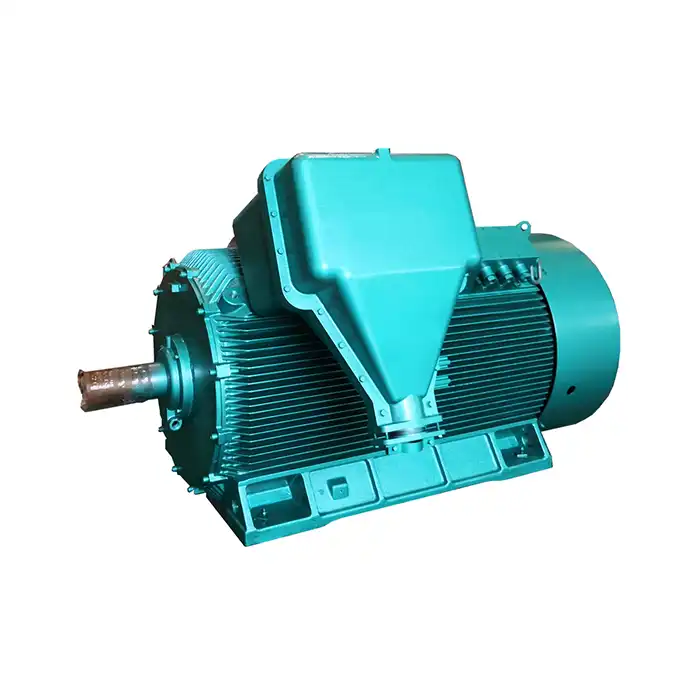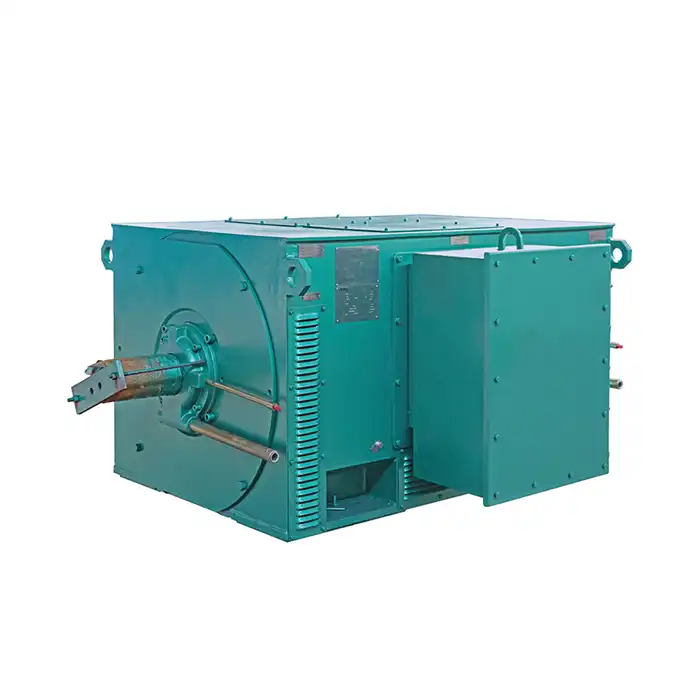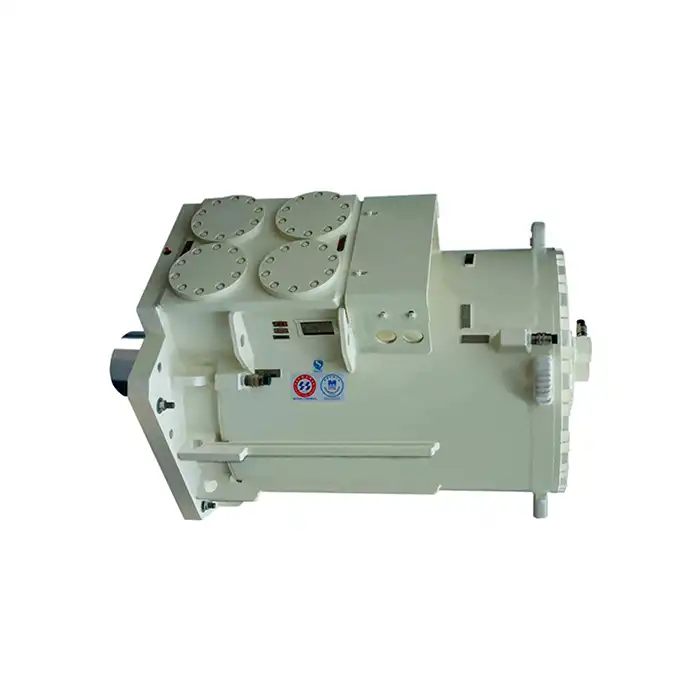




20 HP DC Motor: Specs, Types & Buying Guide
If you're sourcing a 20hp dc motor for heavy-duty industrial use, you need more than a datasheet—you need clarity on what separates a motor that holds up from one that fails mid-shift. This guide breaks down the key specifications, motor types, selection criteria, and efficiency practices for the 20hp dc motor category. Whether you're replacing aging imported drives on a rolling mill line or equipping an OEM printing system, the right 20 hp dc electric motor can keep your production schedule intact and your maintenance costs predictable.
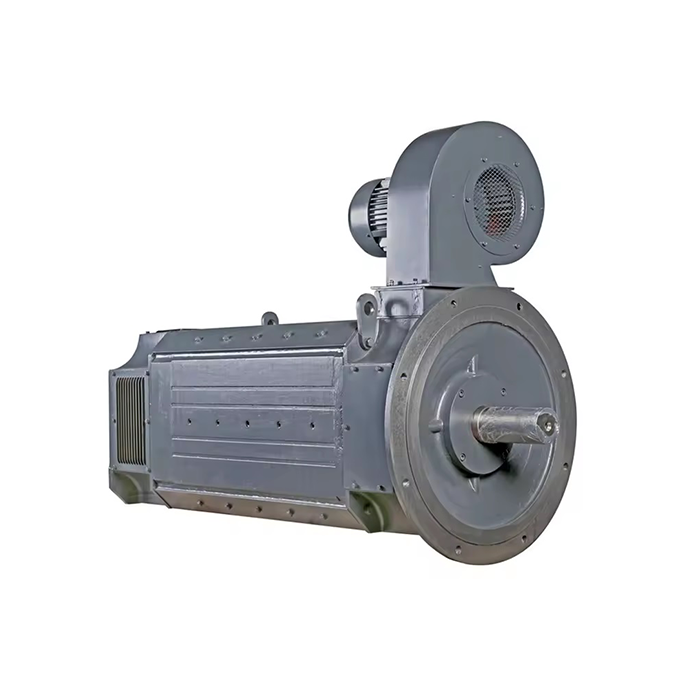
Series:Z4
Frame number: 100-450
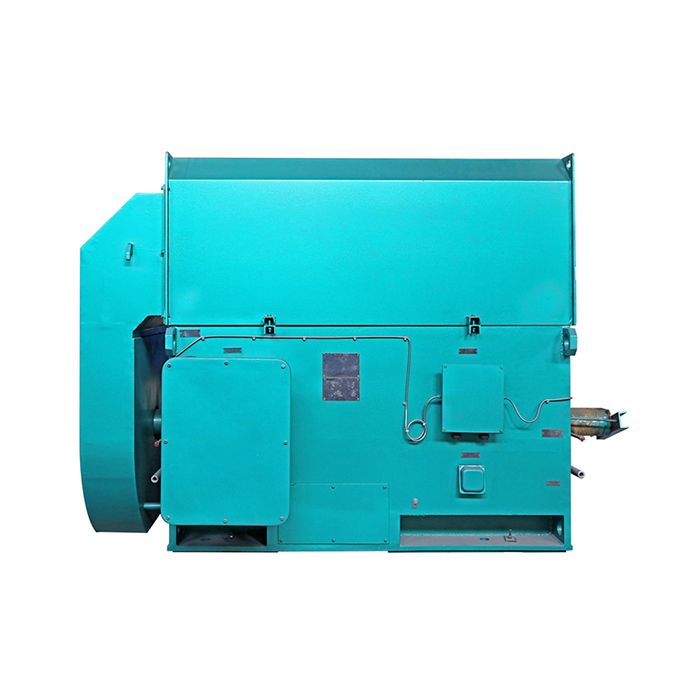
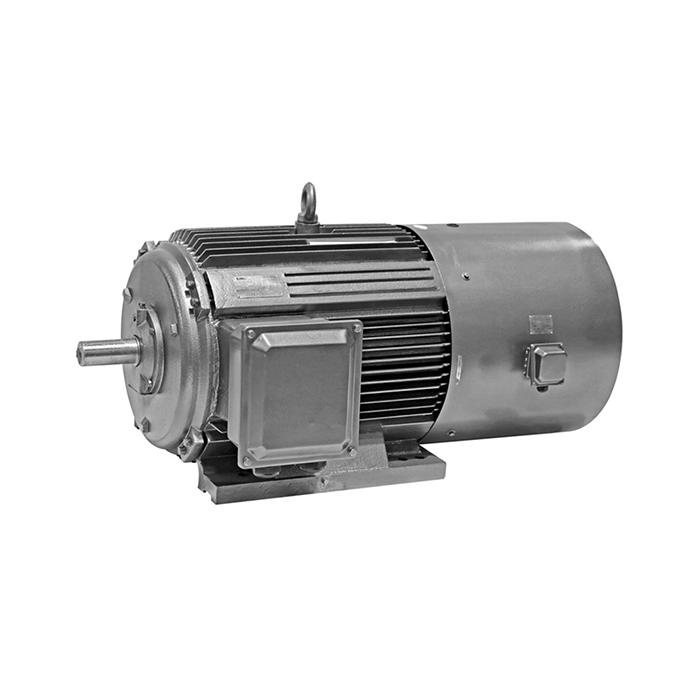
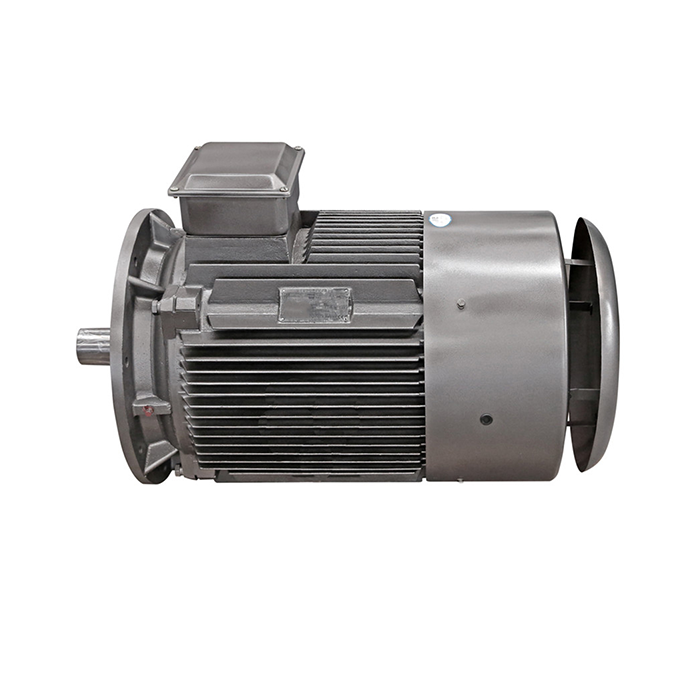
Application:Z4 series motorsThis series of motors can be widely used in various industrial sectors such as metallurgical industrial rolling mills, metal cutting machine tools, papermaking, dyeing and weaving, printing, cement, and plastic extrusion machinery.
Power range:1.5-600kW
Voltage range: 160V,440V, etc.
Certificate: The performance of this series of motors not only complies with the national standard GB/T755 "Basic Technical Requirements for Rotating Electrical Machines", but also basically complies with the German VDE0530 standard.
Advantage:Z4 series DC motor has greater advantages than Z2 and Z3 series. It can not only be powered by DC unit power supply, but also suitable for static rectifier power supply. It has small moment of inertia, good dynamic performance, and can withstand high load change rates. It is especially suitable for control systems that require smooth speed regulation, high efficiency, automatic speed stabilization, and responsive response. It has reached the current international advanced level..
Others: SKF, NSK, FAG bearings can be replaced according to customer requirements.
Understanding 20 HP DC Motor Specifications
It's important to know what the numbers on a motor's nameplate mean before you buy it, and particularly what they mean for your purpose.
Core Electrical and Mechanical Parameters
The mechanical power that a standard 20hp dc motor produces is about 14.9 kW. Our XCMOTOR Z2/Z4 series DC motor has a speed range of 500 to 3,000 RPM and a voltage range of 400V to 440V (which can be changed to 160V or 660V for direct DC bus support). The starting torque is 200% of the maximum torque, and the motor can handle 150% overload for one minute. It has an efficiency rating of 91%, which is about average for brushed DC machines that have been tested under IEEE 113/665 and JB/T 9577-1999.
Insulation, Protection, and Cooling
The standard you should ask for is Class F insulation. It can handle winding temperatures of up to 155°C, which gives it a useful thermal margin in mills with high ambient temperatures. Our 20 hp dc electric motor has an IP23 rating for protection and an IC06 forced-ventilation cooling system. There are a lot of different mounting footprints between frame numbers 100 and 450. The motor meets the requirements of GB/T755 and the German VDE0530 standard. It is also certified by ISO 9001:2015 and CE.
Commutator Quality and Bearing Standards
For brushed DC motors, the commutator is either where they do their job or where they cause a lot of trouble. The commutator in our DC motor is made of a silver-copper metal, and the difference in height between the bars is kept to less than 0.005 mm. This lowers brush bounce, the risk of sparks, and premature wear. Bearings come from SKF, NSK, or FAG, depending on what the customer wants. This makes sure that replacement parts are easy to find around the world and can be easily specified in maintenance contracts.
Types of 20 HP DC Motors and Their Industrial Applications
Picking the right motor type is just as important as picking the right power rating. Each topology of a DC motor reacts to load in a different way, and matching the topology to the application keeps the motor from breaking down too soon.
Series, Shunt, and Compound DC Motors
A series-wound DC motor has a high starting torque but loses speed stability when the load changes. This makes it useful for crane hoists or conveyors that need to start with heavy loads. A shunt-wound motor keeps its speed almost constant even when the load changes. This makes it the best choice for machine tools and printing equipment that need to be precise with their speed. Compound motors use both windings together to get the right mix of speed control and torque reaction. The compound or shunt configuration is usually given for rolling mill auxiliary drives like coilers, decoilers, and looper stands.
Brushed DC Motors in Metallurgical and Paper Industries
For buildings that already use a DC line at 220V, 440V, or 660V, the 20hp dc motor is still the best option. If you replace a GE, Westinghouse, or Siemens DC drive with a Z2/Z4-series motor, you don't have to pay to convert the whole power system to AC. DC speed control has been used for decades in many fields, including rolling mills, metal cutting tools, papermaking, printing, dyeing, cement, and plastic extrusion. Our 20 hp dc electric motor can be used in all of these areas.
Comparing 20 HP DC Motors with Other Motor Types
Customers choose a DC motor after looking at options that use AC power. This is how they really compare.
DC Motor vs. AC Induction Motor
AC induction motors are easier to build and don't need commutator work, but they need a variable frequency drive (VFD) to get the same speed range as a DC motor. It is common for rolling mill auxiliary drives to have a speed ratio of 1:2. A VFD-fed AC system adds both cost and a point where the drive electronics can fail. The range can be reached with the same amount of equipment if a DC motor is attached to an existing thyristor drive.
20 HP vs. 15 HP: Output and ROI
It's possible for a 15 HP dc motor (≈11.2 kW) to handle small pump or conveyor work, but it doesn't leave any room for load jumps. The 20hp dc motor can handle the same base load and transient spikes without tripping at 14.9 kW and 150% extra capacity. Over the course of three years of use, fewer trips and less stress on restarts usually make up for the small price difference between the two ratings.
Field Weakening and Speed Range
Field-weakening ability is one of the things that sets good DC motors apart from average ones. The 20hp dc motor in the Z2/Z4 line can handle field weakening up to 1.5× of its maximum speed, which increases the area where it can operate at constant power. This is important for machines that wind, coil, or print rolls because the surface speed needs to stay the same even if the diameter of the roll changes.
Buying Guide for 20 HP DC Motors: How to Choose the Right Motor
Here are the most important things that determine if a DC motor purchase is worth the money over its lifetime.
Before sending out a buy order, procurement teams should look at the following:
- Bus voltage compatibility: Confirm whether your existing DC network runs at 220V, 440V, or 660V, and specify accordingly. The 20hp dc motor must match the bus—not the other way around.
- Frame and mounting dimensions: Z2/Z4 frame numbers (100–450) are dimensionally consistent, allowing drop-in replacement of legacy imported motors without mechanical rework.
- Speed range requirement: Require a minimum 1:20 speed ratio and document the field-weakening ceiling needed for your process.
- Commutator specification: Ask for bar-to-bar deviation data and alloy composition. Silver-copper alloy segments outperform standard electrolytic copper in high-cycle applications.
- Spare parts availability: A 20 hp dc electric motor supplier should stock commutator segments, brush holders, and brush grades. Confirm lead times before signing a supply agreement.
- Delivery schedule: For mill outages and retrofit projects, in-stock availability is non-negotiable. XCMOTOR holds inventory for short-lead-time delivery on standard Z2/Z4 frames.
With these criteria, you can keep your project on schedule and lower the chance of design errors that lead to callbacks after installation.
Enhancing Operational Efficiency with 20 HP DC Motors
Getting a motor installed is only the beginning. Sustained efficiency depends on how the motor is matched to its drive and how maintenance is structured.
Drive and Load Matching
The 20hp dc motor performs best when the armature current demand stays within the rated envelope. Oversizing the motor relative to the load wastes energy; undersizing causes thermal stress. Size the motor so normal operating load sits at 70–85% of nameplate rating, leaving headroom for load spikes without tripping the overcurrent protection.
Preventive Maintenance Intervals
Brushed DC motors need periodic inspection of brush wear, commutator surface condition, and air gap cleanliness. Under moderate industrial duty, inspect brush length every 2,000 hours and commutator surface finish every 4,000 hours. Class F insulation supports higher operating temperatures, but keeping the IC06 cooling air path clear is the single most effective step for extending winding life.
Monitoring for Grid Voltage Fluctuations
Older mill electrical networks often carry voltage transients that can stress DC motor insulation. Installing surge suppressors on the armature circuit and monitoring bus voltage with a data logger helps identify patterns before they cause failures. The 20 hp dc electric motor's Class F insulation provides a thermal buffer, but voltage spikes above the nameplate rating are a separate concern that requires upstream protection.
Conclusion
For rolling mills, printing lines, paper machines, and other tasks that require controlled DC speed regulation, the 20hp dc motor is still a useful and affordable choice. If a motor purchase saves money or causes problems, it depends on a few key selection factors: bus voltage match, frame compatibility, commutator precision, field-weakening range, and spare parts supply. The XCMOTOR Z2/Z4-series 20 hp dc electric motor meets all of these needs with its verified specs, global-standard bearings, and ready-to-ship status for projects that need to be done quickly. Motorxc.com has all the technical information you need and up-to-date price information.
FAQ
1. How often should I service a 20hp dc motor commutator?
Every 4,000 hours of normal industry use, you should check the commutator surface. Check for grooves, discoloration, or differences in the height of the bars. A well-machined commutator with bar-to-bar variation below 0.005 mm will wear down more slowly and need to be resurfaced less often.
2. Can a 20 hp dc electric motor replace a legacy GE or Westinghouse motor directly?
Yes, as long as the new motor has the same frame number, shaft measurements, and armature voltage as the old one. Because the Z2/Z4 series motors are the same size as most old frames, they can be used directly without any technical changes.
3. What speed range should I require for rolling mill auxiliary drives?
Set a constant-torque speed range of at least 1:20 and field weakening to at least 1.5× rated speed.
4. Is a 20hp dc motor suitable for static rectifier power supplies?
This includes coiler and looper tasks where speed must track changing roll sizes.
5. What certifications should a 20hp dc motor carry for industrial procurement?
Check to see if it meets GB/T755, VDE0530, ISO 9001:2015, and CE standards. Testing to IEEE 113/665 and JB/T 9577-1999 gives performance claims even more confidence.
Get Your 20HP DC Motor Quote from XCMOTOR Today
With verified specifications, in-stock availability, and direct technical support, XCMOTOR offers Z2/Z4-series 20hp dc motor units. As a reliable 20hp dc motor supplier, we work with rolling mills, OEM equipment builders, and retrofit projects in many different fields. You can visit motorxc.com or email our team at xcmotors@163.com to get a price, see what we have in stock, or download full technical datasheets.
References
1. Chapman, S. J. Electric Machinery Fundamentals. McGraw-Hill Education, 2012.
2. IEEE Standard 113. IEEE Guide: Test Procedures for Direct-Current Machines. Institute of Electrical and Electronics Engineers, 1985.
3. National Electrical Manufacturers Association. NEMA MG 1: Motors and Generators. NEMA, 2021.
4. International Electrotechnical Commission. IEC 60034-1: Rotating Electrical Machines – Rating and Performance. IEC, 2022.
5. Mohan, N., Undeland, T. M., & Robbins, W. P. Power Electronics: Converters, Applications, and Design. John Wiley & Sons, 2003.
6. Chinese National Standard GB/T 755. Basic Technical Requirements for Rotating Electrical Machines. Standardization Administration of China, 2019.