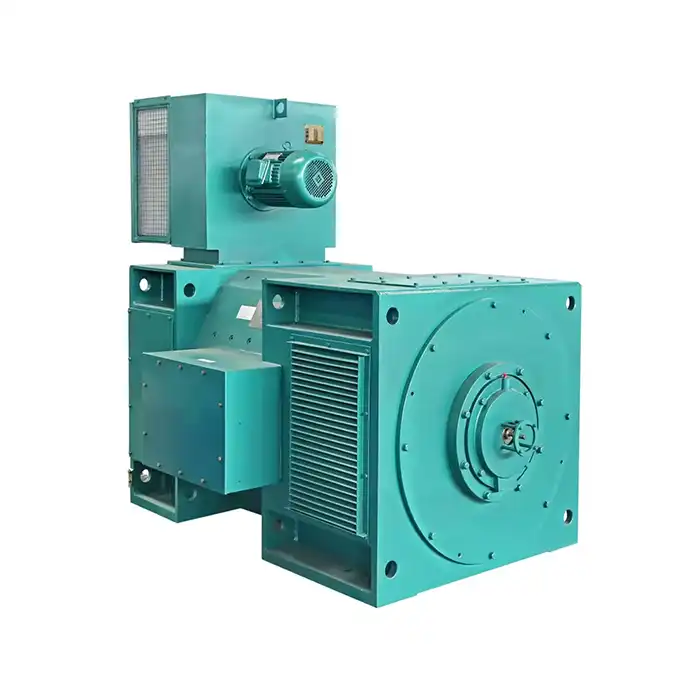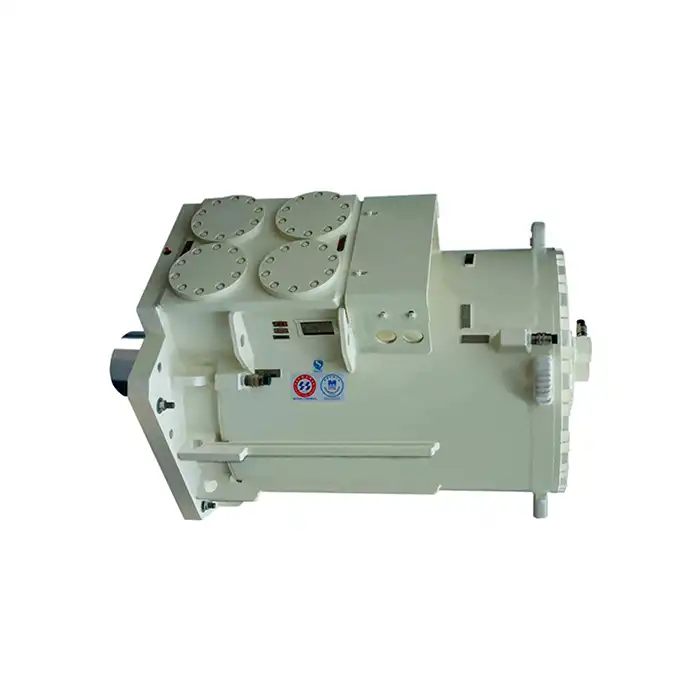




6kV vs 11kV Motors: How to Choose the Right Voltage Class
Choosing between a 6kV and an 11 kv motor is one of those decisions that can shape the entire outcome of an EPC project. Get it right, and your equipment runs smoothly from commissioning through the project lifecycle. Get it wrong, and you're looking at costly rework, schedule delays, and unhappy clients. This guide walks through the key technical and commercial factors that separate these two voltage classes, with a focus on helping procurement teams and engineers make well-grounded decisions. Whether you're sourcing a high-voltage induction motor for a mining operation or a cement plant, understanding voltage class selection is the first step toward a successful delivery.
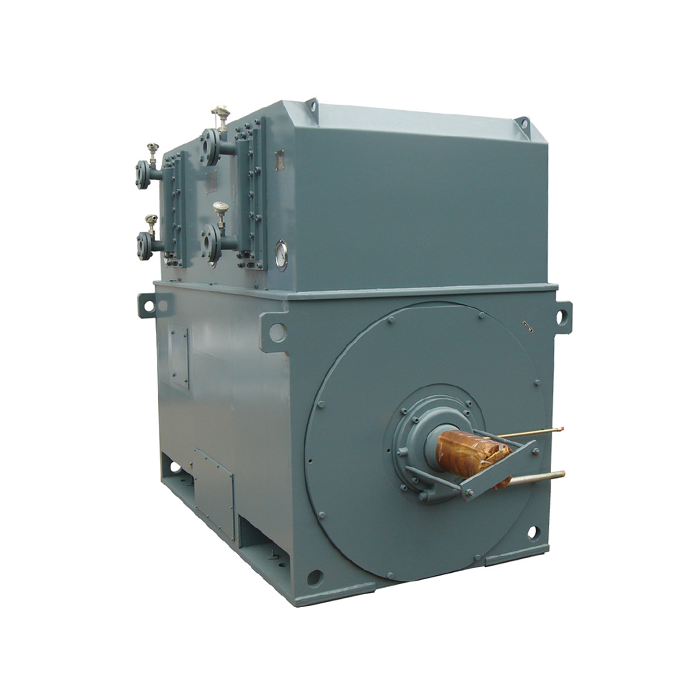
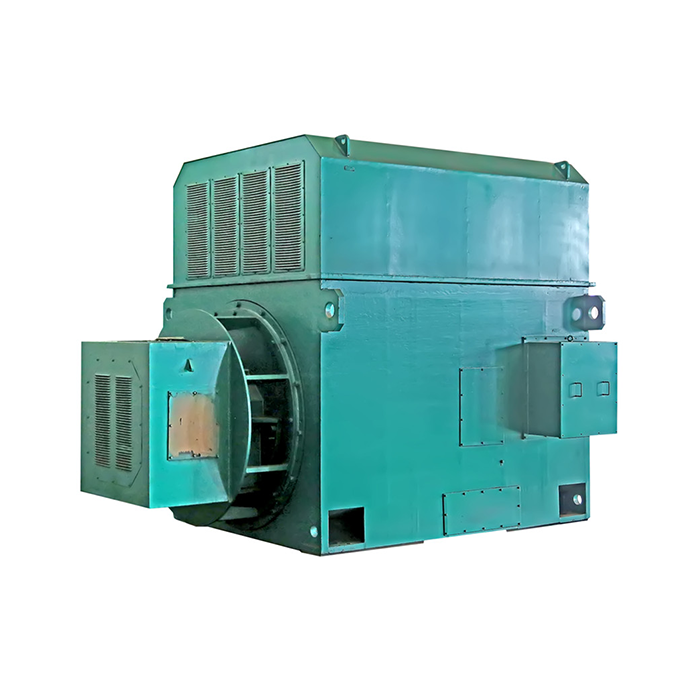
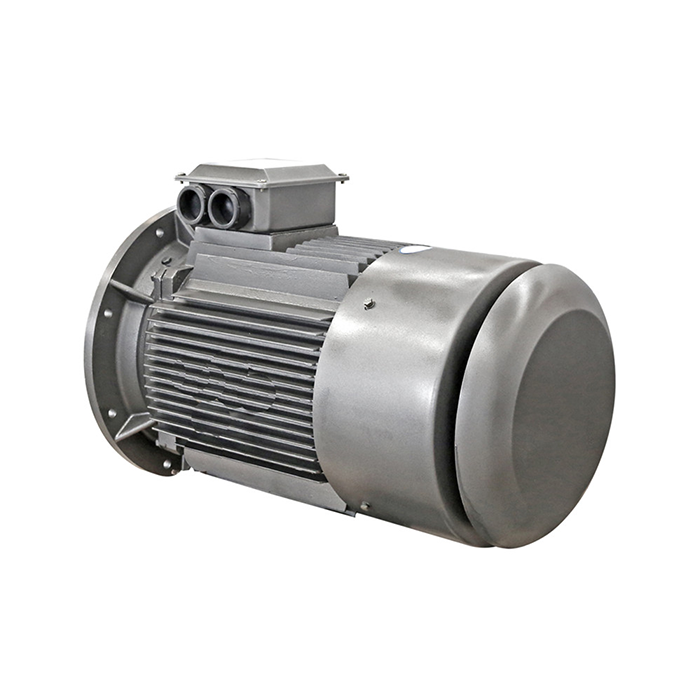
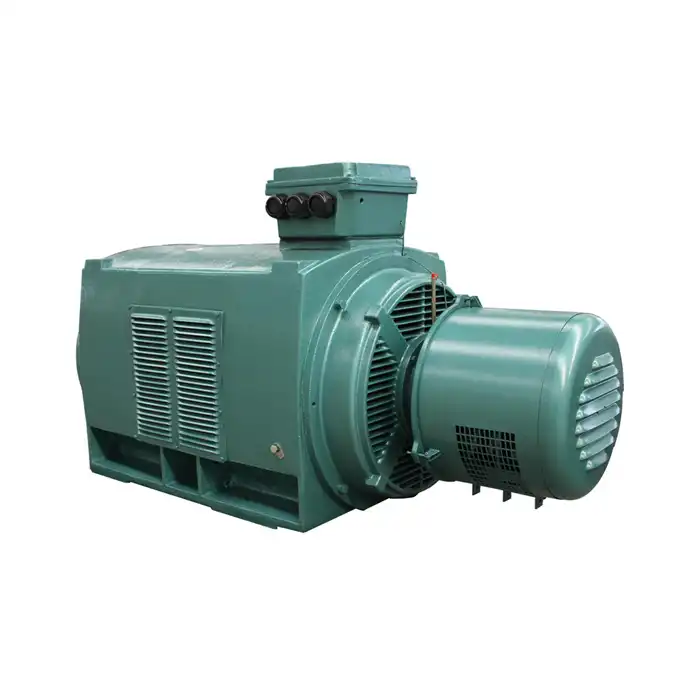
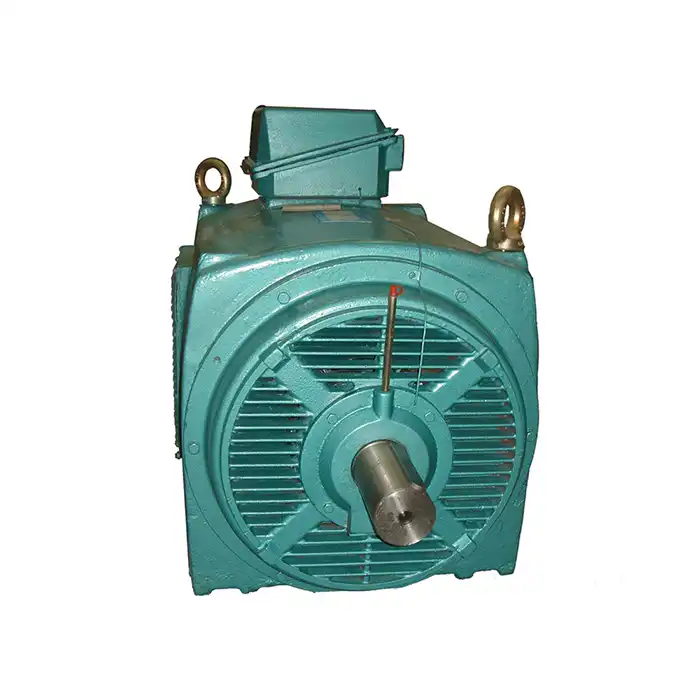
Series:YXKS
Protection level:IP54
Voltage range:3000V±5%,3300V±5%,6000V±5%,6600V±5%,10000V±5%,11000V±5%
Power range:220-3550 kW
Application:fans, water pumps, compressors, crushers, cutting machine tools, transportation machinery, etc.
Advantage:high efficiency and energy saving, light weight, low noise, small vibration, long service life, easy installation and maintenance.
Standard: This series of products complies with JB/T 12728 and JB/T 10446 standards.
Others: SKF, NSK, FAG bearings can be replaced according to customer requirements.
Understanding 6kV and 11kV Motors – Key Differences and Technical Overview
A 6kV motor and an 11kV motor are both medium-voltage, high-voltage motors. They pull heavy loads in industries like mining, making cement, making electricity, and processing petrochemicals. How current moves through the winding system is based on the voltage grade. This, in turn, impacts the wire cross-section, insulator design, and total size.
Core Voltage Definitions and Application Scope
A 6kV motor operates at 6,000V ±5%, making it standard in Chinese domestic grids and many Asian industrial installations. An 11kV motor — also written as 11000V ±5% — is common in markets including China, Russia, India, and South Africa. In North American grids, 12.47kV or 13.8kV is more typical, so buyers targeting export projects should confirm grid standards with the end-user before specifying voltage.
Key Design Differences Between the Two Classes
At equal power output, an 11kV motor carries lower line current than a 6kV motor. Lower current means thinner cable runs, reduced switchgear ratings, and lower distribution losses over long cable distances. This makes 11kV motors particularly suited to mining pit installations or remote pump stations where cable runs exceed several hundred meters. The 6kV class remains practical for plant-floor equipment where cable distance is short and existing switchgear is already rated at 6kV.
Insulation Class and Physical Dimensions
It is common for both types of motors to have Class F insulation and Class B temperature rise. This creates a thermal safety cushion into the design. For an 11kV motor to work, the stator windings need to have thicker insulation to handle the extra dielectric stress. Compared to a 6kV unit of the same size and weight, this one is a little bigger and heavier, but the difference isn't too big for most municipal foundations. These products have power levels ranging from 220 kW to 3,550 kW and speeds ranging from 500 RPM to 3,000 RPM, which is more than enough for most industrial drive needs.
Critical Factors to Consider When Choosing Between 6kV and 11kV Motors
Choosing the right voltage isn't just a technical matter; it has a direct effect on the project budget, the grid infrastructure, the type of load, and the long-term costs of maintenance.
Matching Voltage to Site Grid Infrastructure
Make sure you know the voltage level at the motor control center (MCC) or equipment box that will power the motor before you choose a class. To connect an 11 kv motor to a 6kV local distribution network, you need an extra step-up transformer, which costs more and could fail at some point. Product ranges of 3,000V, 3,300V, 6,000V, 6,600V, 10,000V, and 11,000V (all ±5%) let buying teams match available grid voltage directly without adding transformers most of the time.
Load Type and Starting Method
Heavy-start machines like crushers, ball mills, and compressors work better with wound-rotor designs (YRKK or YR series) that let extra resistance be added when the machine is first turned on. This makes sure that things with a high drag don't have too much inrush current. The YKK series of squirrel-cage motors are good for fans, pumps, and other small moving parts if you want to use direct-on-line or soft-start. It's just as important to pick the right voltage class as it is to pick between wound-rotor and squirrel-cage for an EPC job.
Environmental Protection and Cooling Requirements
IP54 standards say that dust and water spray can't get into most indoor industrial settings. IP55 raises the amount of water-jet protection for places that are outside or close to the coast. IC37W, or forced air-to-water cooling, is a good way to cool places that are closed off and have high temperatures or little air flow. Make sure of the cooling setup with the provider during the inquiry stage for uses that need IC611 water-air cooling in small areas. This will save you a lot of money on changes that need to be made later in the design process.
Performance and Cost Analysis: Making an Informed Decision
Procurement managers need more than technical specs — they need a clear view of total cost of ownership and supplier accountability.
Pricing Structure and Lead Time Realities
Standard lead time for medium-voltage motors in the 220–3,550 kW range typically runs 8 to 12 weeks for custom configurations. Off-the-shelf or near-standard builds in popular frame sizes can sometimes ship faster. EPC project schedules rarely have slack in the mechanical equipment sequence, so confirming stock availability and production slots at the time of inquiry — not after contract award — is a practice that separates experienced procurement teams from reactive ones.
Evaluating Supplier Accountability
One persistent concern in EPC procurement is the "agent model" problem: a trading company that routes orders through 30-plus upstream factories, leaving the EPC contractor to chase accountability when a warranty issue arises. The safest approach is to source from a supplier who owns the manufacturing process, can accompany the buyer during Factory Acceptance Testing (FAT), and issues a single point of responsibility for the entire order. Certifications such as IEC 60034 and ISO 9001:2015 provide baseline quality assurance, but site-visit capability and FAT attendance matter just as much in practice.
Warranty and Post-Delivery Support
A 12-month warranty from date of shipment, or 12 months from date of installation (whichever comes first), is a reasonable baseline expectation. Beyond the warranty period, bearing replacement availability becomes a practical concern. Motors built with SKF, NSK, or FAG bearings — all internationally available brands — simplify field maintenance anywhere in the world, which matters significantly on remote mine sites or overseas EPC projects.
How to Test, Maintain, and Troubleshoot 11kV Motors Effectively
A well-specified 11 kv motor will only work as well as the method for setting it up and keeping it in good shape.
Pre-Commissioning and Insulation Testing
Before turning on a high-voltage induction motor, check the stator winding with a megohmmeter to make sure the insulation resistance meets the minimum requirements set by IEC 60034. A polarization index (PI) test that compares resistance readings from 1 minute to 10 minutes shows that windings are absorbing water. Any PI number below 2.0 means that the item needs to be dried out before it can be turned on.
Scheduled Maintenance Practices
The amount of time between cleaning depends on the speed, load, and temperature of the environment. At 1,500 RPM and normal load, 2,000 to 4,000 operating hours are a common point of reference in the industry for when to grease. If you use constant sensors that are connected to the plant DCS to track vibrations, you can find problems like worn bearings, unbalanced rotors, and misaligned parts before they break. Motors with PT100 resistance temperature detectors (RTDs) in the stator windings make it possible for thermal tracking to be built right into the DCS warning system.
Identifying and Resolving Common Faults
Most of the time, misalignment, imbalance, or loose fitting are to blame for vibrations that are higher than the limits set by ISO 10816. As test intervals go by, lower megohm readings show that the insulation is breaking down. The thermal safety switch usually trips when there is too much heat because of obstructed air flow, long-term overload, or high temperatures outside that are higher than the motor's design rating. In all of these cases, early detection through regular checks stops a full rewind, which would have cost more to fix than the value of a new motor with lower power ratings.
Procurement Guide: Ordering and Sourcing Your 11kV Motor
A structured approach to procurement cuts down on surprises between placing an order and starting up the project on-site.
Supplier Qualification Criteria
When choosing a supplier for a high-voltage motor order, look for IEC 60034 test reports, ISO 9001:2015 certification, and proof that the factory can do FAT. Check with the supplier to see if they can make motors for all voltages (6kV to 11kV) from a single source and if they offer GOST/EAC certification for projects in the CIS region.
Order and Delivery Management
Send a full technical specification that includes the rated voltage (for example, 11000V ±5%), power in kW, speed in RPM, safety class, cooling method, insulation class, and any other special needs, such as a wound-rotor design or a certain brand of bearings. Ask for a rough sketch and data sheet so you can look over the design before you agree to go ahead with the production order. Plan for FAT to be there one to two weeks before the ship date to keep freight plans from being held up.
Standards Compliance and Documentation
When it comes to design and testing, motors made to JB/T 12728 and JB/T 10446 standards are mostly the same as IEC 60034. For foreign projects, make sure the supplier can provide test reports in English and that the nameplate data exactly matches the approved data sheet. Nameplate data that doesn't match the standard is a common reason for owner-engineer rejection at site.
Conclusion
The choice between a 6kV and an 11 kv motor depends on the voltage of the site's grid, the length of the cable run, the load starting needs, and the total cost of installation, operation, and upkeep. Neither voltage class is better than the other; each is best for a certain type of project. The most important thing is to find a supplier who can confirm the right specification, support FAT attendance, and deliver all paperwork on time. For EPC procurement teams working with tight project deadlines, these practical factors often mean the difference between a motor passing first-time acceptance and needing to be fixed, which can be expensive.
FAQ
1. What is the difference between a 6kV and an 11kV motor?
The voltage levels of these two motors are different, even though they both use medium voltage. An 11kV motor runs at 11kV ±5%, and a 6kV motor runs at 6,000V ±5%. The 11kV machine uses less current for the same amount of power, which can save money on long-distance wire and switchgear costs.
2. When should I choose an 11kV motor over a 6kV motor?
There should be no current losses in long wire runs, the site's distribution network should be rated at 11kV, or the project needs 11kV equipment to match the existing switchgear. In these cases, an 11kV motor is the best choice. Before you answer, you should always check the grid power.
3. What power range is available for 11kV motors?
They come from XCMOTOR and have power ranges from 220 kW to 3,550 kW, speeds from 500 RPM to 3,000 RPM, and voltages from 3,000V to 11,000V (±5%), so they can handle most industrial drive needs.
4. What certifications should I look for when sourcing a high-voltage motor?
To make sure the company is up to code, look at its IEC 60034 compliance, ISO 9001:2015 quality management certification, and GOST/EAC certification for CIS projects. When people from different countries work on a project together, the FAT test results should be ready in English.
5. What is the standard lead time for a custom 11kV motor?
Eight to twelve weeks is the usual wait time. Depending on how busy they are right now, rush production may be possible. Make sure they are available when you ask about the service to protect your project's schedule.
Request a Quote from XCMOTOR – Your Trusted 11kV Motor Supplier
It is designed so that XCMOTOR's high-voltage motors can work in all kinds of industrial settings, from mines and cement to making electricity and treating water. Our 11 kv motor are designed to meet the technical needs of serious EPC projects. They have protection levels of IP54 and IP55, IC37W cooling, Class F insulation, and voltage coverage from 3kV to 11kV. Get in touch with us right away to talk about your needs and get a cheap price.
Motorxc.com is the website.Email address: xcmotors@163.com
References
1. IEC 60034-1: Rotating Electrical Machines – Part 1: Rating and Performance. International Electrotechnical Commission, 2022.
2. Chapman, S. J. Electric Machinery Fundamentals. McGraw-Hill Education, 2021.
3. Boldea, I., & Nasar, S. A. The Induction Machine Handbook. CRC Press, 2002.
4. IEEE Std 112: Standard Test Procedure for Polyphase Induction Motors and Generators. Institute of Electrical and Electronics Engineers, 2017.
5. Wildi, T. Electrical Machines, Drives, and Power Systems. Pearson Prentice Hall, 2006.
6. Guru, B. S., & Hüseyin, R. H. Electric Machinery and Transformers. Oxford University Press, 2001.