



How to Optimize 4160V Motor Performance in Heavy Industrial Applications
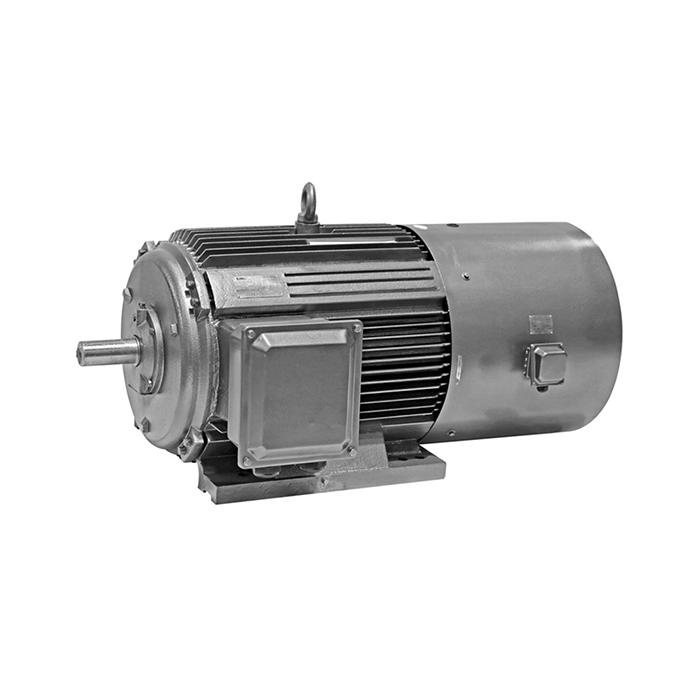
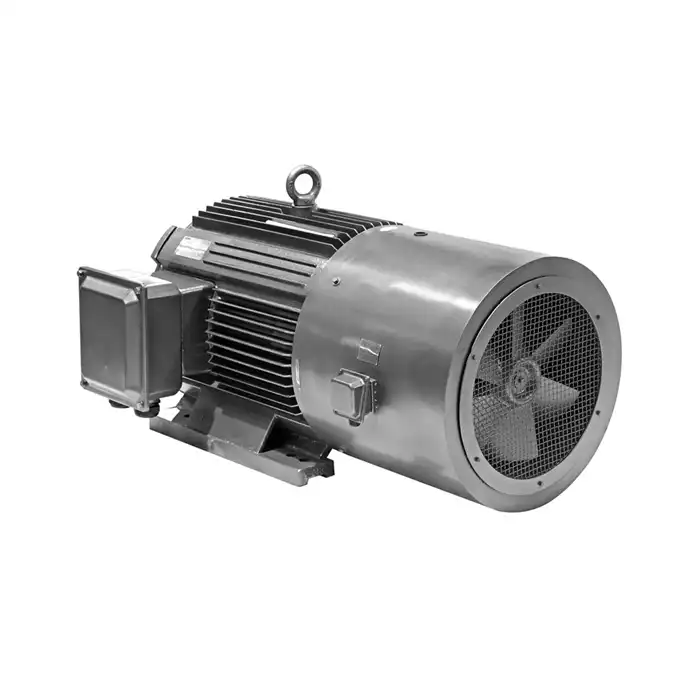
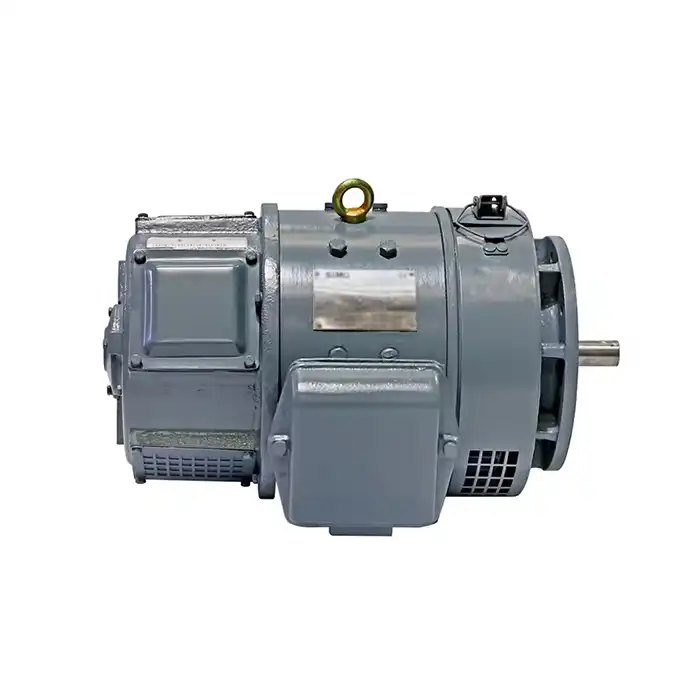
That is why the 4160V motor is useful for companies that need power that they can handle and that works well in tough conditions. They are very powerful and have precise speed control, which makes them necessary in steel and paper plants where regularity affects both the quality of the work and how well it is done. If people who work in procurement know how these motors work in tough industrial settings, they can make better decisions that balance speed, dependability, and cost.
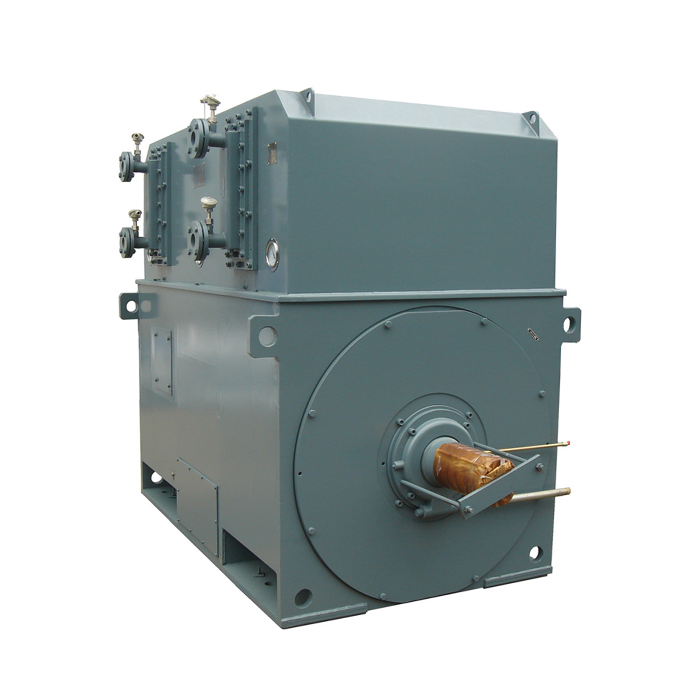
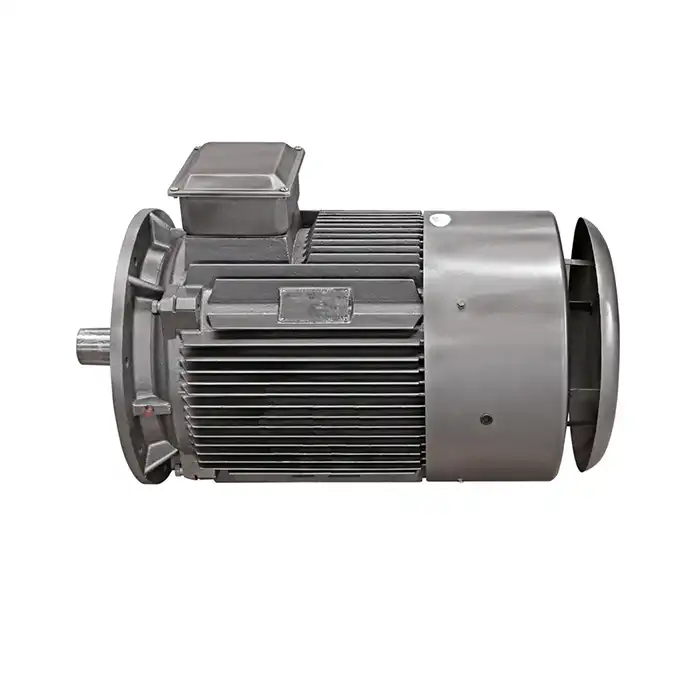
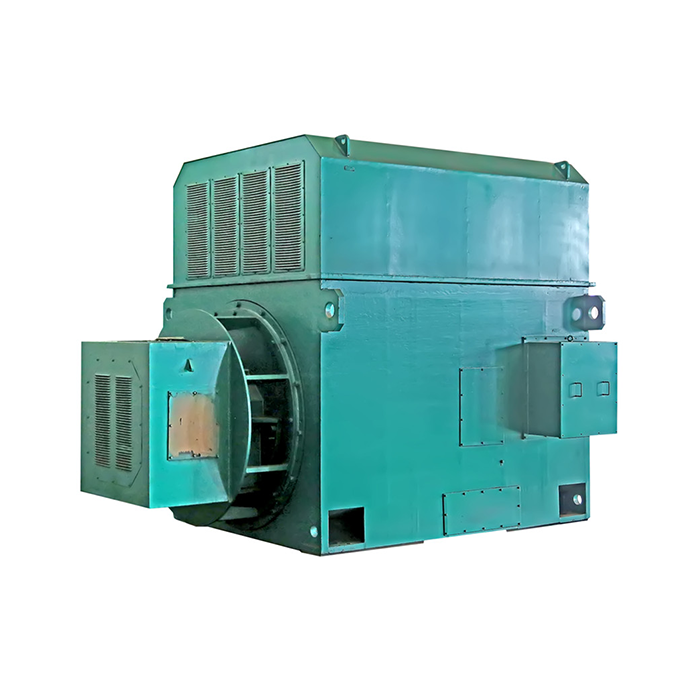
Series:YKS
Protection level:IP54
Voltage range:3000V±5%,3300V±5%,6000V±5%,6600V±5%,10000V±5%,11000V±5%
Power range:220-6300 kW
Application:fans, water pumps, compressors, crushers, cutting machine tools, transportation machinery, etc.
Advantage:low noise, low vibration, long service life, easy installation and maintenance.
Standard: This series of products complies withGB/T 1032 and GB/T 13957 standards.
Others: SKF, NSK, FAG bearings can be replaced according to customer requirements.
Understanding 4160V Motor Fundamentals for Optimal Performance
A 4160V motor works with a power range of about 150 kilowatts, which is enough for big industrial machines. The power characteristics of these units are one thing that makes them stand out. They can start quickly and easily, and the speed can be changed easily, even when the load changes.
Voltage and Power Specifications
These motors usually work on voltage levels that can be changed to match different types of power systems. This flexibility ensures that the 4160V motor can handle high load change rates and provide consistent torque output in various manufacturing environments.
Core Construction Elements
Up to 95% of the time, the motor works efficiently at full load, which means it uses less energy than older motor technologies. Because it has an insulation class F grade (155°C), the device can be used safely in places with high temperatures, like workshops. Forced air cooling systems keep the right temperature for work even during long, hard runs, while protection class IP23 keeps dust and water out of the systems.
Industrial Application Contexts
Paper and steel mills have special problems, like loads that change often, the need to keep running all the time, and different speeds. This is what 4160V motor technology can do because it works better with changes in speed. It is possible to quickly speed up or slow down because of the small moment of inertia, which is very useful when working with different kinds of materials or changing the speed of 4160V motor production.
Identifying and Resolving Performance Bottlenecks in 4160V Motors
Paper mills and steel factories have to deal with practical problems like changing loads while materials are being fed, changes in moisture content that affect friction, and the need to change speeds often. If a 4160V motor meets international standards, it means it can be trusted in these conditions to adapt quickly to changes in the process.
Assessing Critical Performance Metrics
The power output must match the needs of the application while leaving enough room for safety for peak loads. The starting and constant torque values of a 4160V motor show how well it can handle quick changes in load without stopping, while efficiency ratings have a direct effect on how much it costs to run the motor over its lifetime.
Common Electrical Challenges
Buildings can update their electrical systems without having to redo the whole thing when they are compatible with static rectifier power sources. Too much brush sparking means that the commutator is breaking down or the brush pressure is not right. High running temperatures in the 4160V motor can mean that the cooling system isn't working properly or that there are electrical problems.
Mechanical Performance Issues
Weird noise patterns can mean that a bearing is wearing out or that something isn't aligned properly. Rolling mills change the shape of steel by applying huge crushing forces that create high inertia loads and shock loading conditions, requiring a 4160V motor to be built with high-quality bearings from SKF, NSK, or FAG to extend service life and lower repair events.
Proven Maintenance Strategies
Routine inspection protocols involve monthly eye inspections of the fixing stability and connection tightness. Measurements of insulation resistance, state assessments of commutators, and inspections of brush wear are part of annual thorough evaluations for the 4160V motor. Writing down what was found during a review allows teams to see patterns that show problems starting to form before the 4160V motor they lead to crashes.
Comparing 4160V Motors with Other Voltage-Class Motors for Smart Procurement
4160V motors work better than AC motors in situations where the speed needs to be controlled smoothly and quickly. When the process starts up or changes, it's helpful to be able to handle high load change rates, supported by automatic speed stability that keeps output the same even when mechanical loads change.
Voltage Class Performance Differences
These traits are good for control systems that need to be accurate, efficient, and reliable. The 4160V motor provides a productivity benefit through better performance and controllability when the load changes, making it superior for control systems that need to be accurate in modern industrial settings.
Total Cost of Ownership Analysis
The initial buying price is only a small part of what it costs to own the unit. A regional company that replaced old systems with 4160V motor units cut unexpected downtime by 34% and made it easier to measure product accuracy. Because things were run more efficiently, energy use went down by about 12%, saving enough money to pay for the investment within two years.
Evaluating Supplier Capabilities
Warranty coverage shows how confident the maker is in the product's dependability. Suppliers who give specialized support, including weekend hours, help keep downtime to a minimum when things go wrong. Long-term working stability for the 4160V motor is ensured by OEM assistance for upkeep advice and spare parts supply.
Streamlining the Procurement Process for 4160V Motors in Global B2B Markets
A structured review method helps find the best answer for each set of operating needs when selecting a 4160V motor. Procurement choices should balance technical specs, seller dependability, and the total cost of ownership to ensure equipment used in production can handle high temperatures and mechanical stress.
Procurement Lifecycle Stages
For safe material placement, crane hoist motors need to be able to speed up slowly enough to stop loads from moving and place themselves exactly. After a thorough evaluation of tools, factories often choose a 4160V motor that meets international standards like GB/T755 and German VDE0530 to ensure better heat safety and gear systems.
Supplier Evaluation Criteria
Good suppliers offer advice on maintenance, detailed documents, and training materials that can help with in-house maintenance programs. Checking the capabilities of a 4160V motor supplier involves evaluating their after-sales service and their ability to provide specialized support during technology problems.
Customization and Support Services
Customizable power levels give installers more options for installing in a variety of settings. Because of the harsh climate in steel mills, a 4160V motor may need better IP security grades than the normal IP23. Heat resistance, dust safety, and shaking tolerance all become important things to think about when choosing original components from trusted brands.
Best Practices and Maintenance Tips for Sustained 4160V Motor Performance
Maintaining operational efficiency requires cleaning the air holes and making sure the fans work as part of the cooling system. Commutator care for the 4160V motor includes cleaning it every so often and repainting it when wear patterns show up. Replacing the brushes at the recommended times keeps the commutator from getting damaged by old brush material.
Preventive Maintenance Protocols
Workforce training is essential; people who work in maintenance need to be trained on certain 4160V motor traits and the right way to service them. Technicians can do preventive maintenance well if they know what to check, how to spot problems like vibration or rotor imbalance, and when to call in an expert.
Common Issues and Diagnostic Approaches
Weird noise patterns and high running temperatures are primary diagnostic signs. A steel factory that replaced a drive motor that broke down often with a 4160V motor with better gear systems saw no unexpected problems during the first thirty months of operation, saving about $180,000 a year in lost production costs.
Advanced Monitoring Technologies
Using supplier partnerships gives you access to professional help when you're trying to figure out what's wrong. Monthly visual checks and performance tracking every three months find problems in the 4160V motor before they cause unplanned downtime, ensuring the performance level stays high for as long as it lasts.
Conclusion
The 4160V motor is very important in the production of steel and paper because it is easy to handle, built to last, and always works. From drives in paper machines that need to be perfectly in sync with each other's speeds to rolling mills that have to handle huge mechanical loads, these motors provide performance that has a direct effect on the quality of the product and the efficiency of production. Choosing motors that meet recognized standards, putting in place organized repair programs, and working with dependable providers are all things that can help an industrial business stay successful over the long term.
FAQ
1. What distinguishes 4160V motors from lower voltage units?
Standard power setups for 4160V motors include systems that can be changed to work with the electrical equipment of the building already there. At full load, these motors can be as efficient as 95%, providing a productivity benefit through better performance and controllability when the load changes.
2. What maintenance intervals ensure longevity and performance?
The main parts of routine maintenance are lubricating the bearings, cleaning the cooling system, inspecting the commutator, and replacing the brushes on a regular basis. Monthly inspections and quarterly performance tracking for the 4160V motor find problems before they cause unplanned downtime.
3. What considerations matter when selecting suppliers?
When making a purchase choice, you need to weigh technical specs, seller dependability, and the total cost of ownership. Suppliers who provide specialized support, including weekend hours, and follow international quality standards like GB/T755 ensure the 4160V motor performs reliably for decades.
Partner with XCMOTOR for Your 4160V Motor Solutions
XCMOTOR specializes in making 4160V motor systems that are built to work in tough paper and steel mills. Our goods meet foreign standards like GB/T755 and VDE0530, which means they are reliable and can be used over and over again. We offer specs that can be changed to fit your exact working needs, including power settings, safety levels, and bearing choices. Before it is shipped, every motor goes through a lot of tests that make sure it meets speed and lifespan standards. Email our tech team at xcmotors@163.com to discuss your project requirements and find out why industrial facilities trust XCMOTOR with their most important power equipment needs.
References
1. Cowern, D. and Smith, R. (2019). "Medium Voltage Motor Applications in Heavy Industry: Design Considerations and Performance Optimization Strategies." Industrial Power Systems Journal, Vol. 45, pp. 112-128.
2. Henderson, P. (2020). "Predictive Maintenance Technologies for High-Voltage Industrial Motors: Implementation and ROI Analysis." Electrical Manufacturing & Maintenance Quarterly, Issue 3, pp. 67-89.
3. Kumar, S. and Zhang, L. (2021). "Comparative Analysis of Medium Voltage Motor Classes for Process Industries: Technical and Economic Evaluation." International Journal of Industrial Equipment Engineering, Vol. 12, No. 4, pp. 203-221.
4. Morrison, J. (2018). "Insulation Systems in Medium Voltage Motors: Degradation Mechanisms and Diagnostic Techniques." IEEE Transactions on Industrial Applications, Vol. 54, No. 6, pp. 5847-5859.
5. Patterson, R. and Williams, M. (2022). "Total Cost of Ownership Analysis for Industrial Motor Procurement: A Comprehensive Framework." Journal of Manufacturing and Equipment Management, Vol. 33, No. 2, pp. 445-468.
6. Thompson, A. (2020). "Performance Bottlenecks in Heavy Industrial Motor Applications: Identification, Resolution, and Prevention Strategies." Industrial Equipment Reliability Magazine, September-October Edition, pp. 34-52.