



Safety Compliance Guide for MV Motors in the Oil & Gas Industry
In the oil and gas industry, making sure that medium voltage electric motors are safe and follow the rules isn't just a requirement; it's a promise to protect people, property, and the ability to keep operations going. These motors, which usually work at 1kV to 35kV, power the important parts of pipelines, drilling platforms, and processing plants that keep them going easily. Knowing the details of safety rules, reducing risks, and regular upkeep can mean the difference between smooth operations and catastrophic fails that cost millions of dollars in fixes and lost time.
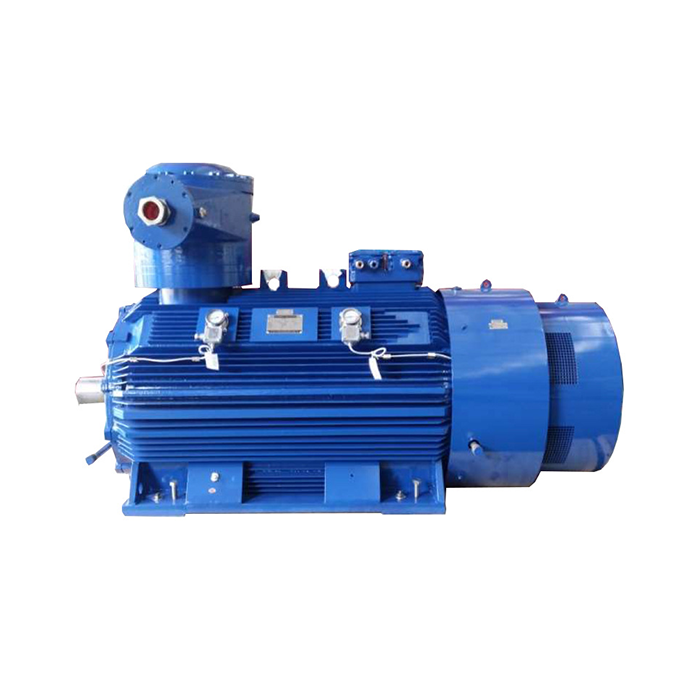
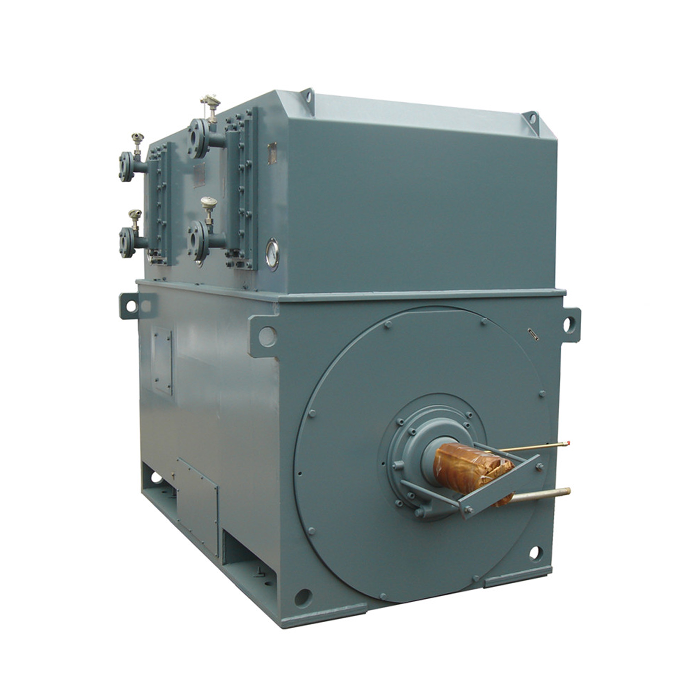
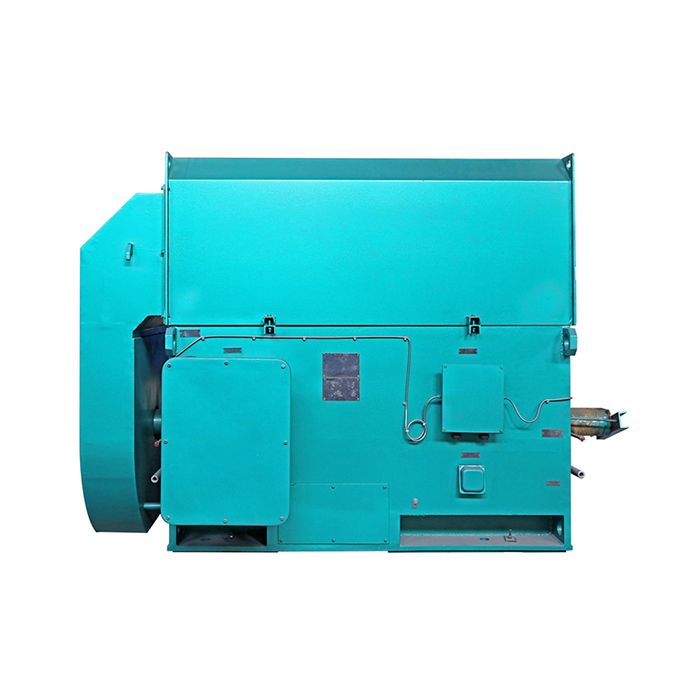
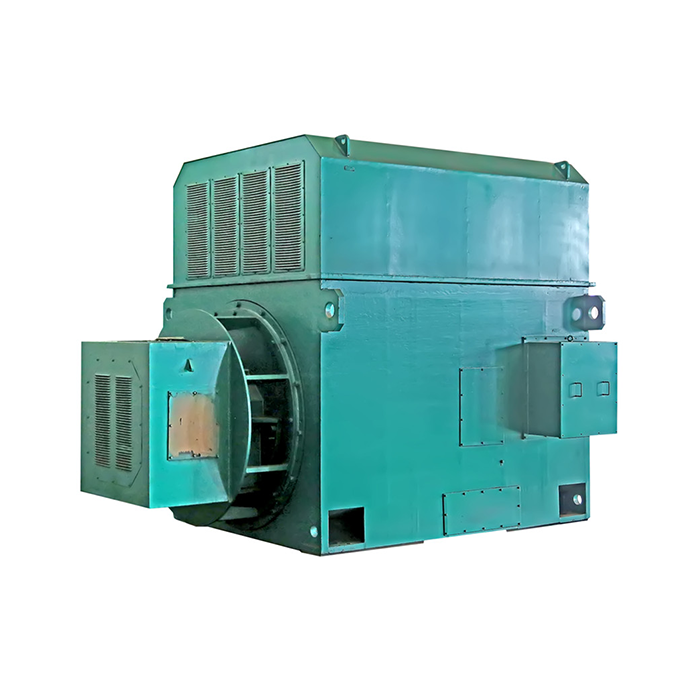
Series:YBBP-HV
Voltage range:3000V±5%,3300V±5%,6000V±5%,6600V±5%,10000V±5%,11000V±5%
Power range:185-1800 kW
Application:compressors, water pumps, crushers, cutting machine tools, transportation machinery.
Advantage: wide modulation range, high efficiency and energy saving, low noise, long life, high reliability.
Others: SKF, NSK, FAG bearings can be replaced according to customer requirements.
Understanding Medium Voltage Motors and Their Safety Requirements
Defining Medium Voltage Motors in Industrial Applications
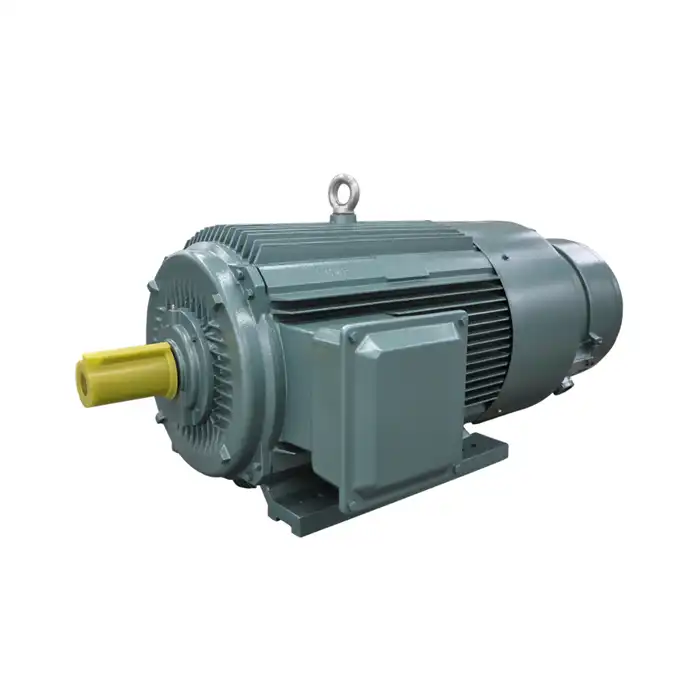
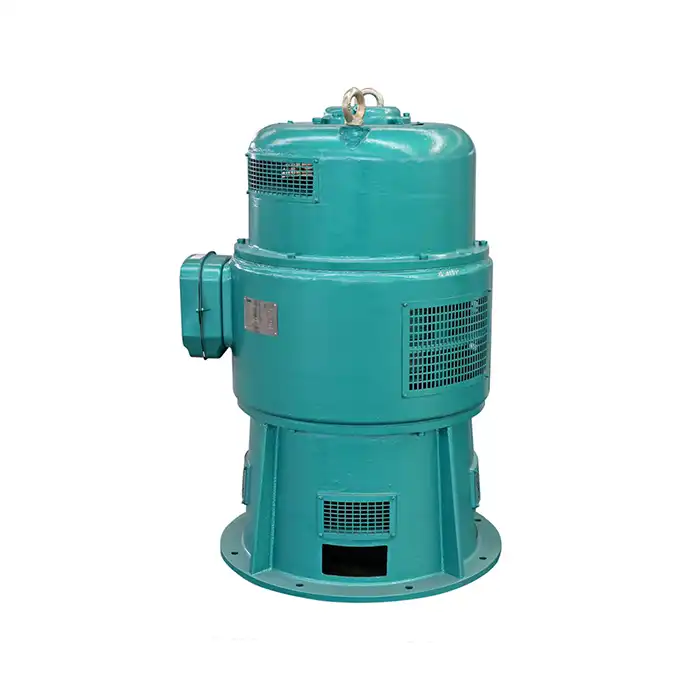
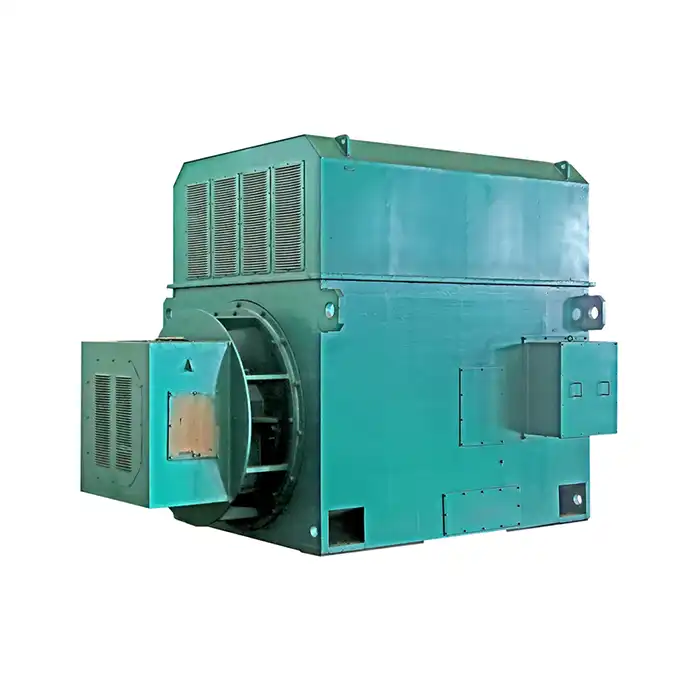
Medium voltage electric motors are what make heavy-duty work possible in oil and gas plants. The voltage range for these strong tools is 3kV to 11kV, and their power rates are 200kW to 3550kW. Low voltage motors are better for smaller tasks, but these units are used to power compressors, big pumps, breakers, and air systems in places where failure is not an option. The difference between voltage groups is very important. Low voltage motors usually work below 1kV and are better for smaller jobs. High voltage motors, on the other hand, work above 13.2kV and are better for huge industrial setups. Medium voltage electric motors are in the middle. They provide the right amount of power while still being safe enough to handle. Their design includes high-tech insulation systems, precise bearings from well-known brands like SKF and NSK, and security classes that range from IP55 to IP65, based on the location.
Critical Safety Regulations Governing MV Motors
In the oil and gas business, compliance means following a lot of different rules that cross. The International Electrotechnical Commission (IEC) 60034 standard sets minimum requirements for electrical tools that spin. It includes standards for everything from temperature rates to energy economy. Article 430 of the National Electrical Code (NEC) in North America spells out the rules for motor circuit wires, overload safety, and control circuits. ATEX guidelines are especially important when motors are used in environments that could be dangerous, which happens a lot in oil and gas facilities. These rules group dangerous areas into different categories and require certain motor building features, such as explosion-proof housings, limited surface temperatures, and specific ways to seal the motor. These strict requirements are met by our YAKK series motors, which are carefully designed and made in a way that puts safety first at every step. Environmental compliance is more than just protecting against explosions. Motors have to be able to handle toxic environments, high and low temperatures, and oil-based goods without losing their performance or safety features. Protection grades like IP56 and IP65 make sure that dirt, moisture, and other foreign substances can't get into motor housings and cause electrical or mechanical problems.
Common Safety Hazards and Compliance Challenges With MV Motors
Identifying Electrical and Mechanical Risks
Using medium voltage electric motors in oil and gas settings brings about a lot of different risks that need constant attention. The most immediate danger comes from electrical problems, which can lead to arc flashes that release a lot of energy in a matter of milliseconds. If you don't ground your equipment properly, fault currents can flow through it and charge the frames, making metal into a deadly conductor. When motors are used past their stated capacity or when cooling devices stop working, thermal overloads happen. The highest temperature that can rise is based on the insulation class of our motors, which is usually Class F or H. Going over these limits breaks down the insulation, which leads to electrical problems and, eventually, motor failure. In dangerous places, high surface temperatures can light flammable gasses on fire, which can cause fires that put whole buildings at risk. Failure of bearings, misaligned shafts, and uneven wheels that cause damaging noises are all examples of mechanical dangers. Because our motors are precisely balanced and come with high-quality bearings that can be chosen by the customer, we can make them with SKF, NSK, or FAG brands, depending on the specific needs of the application.
Root Causes of Non-Compliance
Installation shortcuts cause compliance problems that last for a long time. Safety holes are caused by things like using the wrong wire sizes, incorrect ending methods, and not following grounding standards. A lot of facilities have trouble correctly classifying dangerous areas, and they sometimes put in regular motors in places that need explosion-proof building. Lack of maintenance lets small problems get worse and turn into big fails. Not doing regular checks, not lubricating bearings as needed, and not checking electrical resistance are all things that can hurt safety systems. When you use new parts that aren't authorized, you run the risk of unknown factors that might not meet the original equipment specs. These risks are shown in a case study from a plant on the Gulf Coast. After workers skipped thermal protection to keep production going during a heat wave, a 1500kW motor that was powering a crucial compressor broke down in a terrible way. The fire that started hurt nearby equipment, shut down the business for three weeks, and caused direct losses of over two million dollars. An investigation showed that the bearings weren't as strong as they should have been because of delayed maintenance, and the heat overload only sped up the failure that was already going to happen.
Best Practices for Ensuring Safety Compliance of MV Motors
Pre-Installation Planning and Verification
Compliance that works starts before the medium voltage electric motors get there. We suggest making a detailed list that checks that motor certifications fit the needs of the application. Make sure that the voltage levels (3300V, 6600V, or 10000V) work with the power systems in the building. Check the power output specs to make sure the capacity is right and that the system doesn't get overloaded all the time. Site study finds external factors that affect the choice of motor. Extremes of temperature, dampness, toxic atmospheres, and types of dangerous gases all affect how equipment is designed. Writing down these conditions gives you a starting point for choosing the right security class and makes sure that the IP55, IP56, or IP65 grades give you the right level of protection from the environment.
Installation Protocols for Hazardous Environments
Electrical safety starts with making sure that the ground is correct. All parts of the motor system, like frames, pipe systems, and control screens, must have ground links that stay connected. For efficient fault current reduction, resistance readings should confirm numbers below certain limits, usually less than 5 ohms. For sites that are safe from explosions, every detail must be carefully considered. For cables to go into motor cases, they need to be sealed with approved fittings that keep gas out. Surface temperature tracking makes sure that the surfaces on the outside stay below the temperatures at which present gases can spontaneously ignite. These installs are made easier by the fact that our motors have threaded holes that are the right size for standard closing fittings and surface finishes that help heat escape. Before turning on the equipment, commissioning tests make sure that the installation was done correctly. Using megohm meters to measure insulation resistance confirms that the insulation in the windings stays in good shape. Rotation direction checking stops backwards operation, which could hurt driven equipment. The measures taken now, both at no-load and full-load situations, set a standard for future fixing.
Maintenance Strategies That Sustain Compliance
Regular inspections keep problems from happening out of the blue. Visual checks done once a month catch problems like broken wires, loose connections, and unusual buildsups of dust or moisture. Using accelerometers to do vibration analysis every three months can find bearing wear, imbalance, and unbalance before they become catastrophic. Maintenance that happens once a year during shutdowns gives us a chance to look closely. Checking and lubricating the bearings makes sure they work smoothly and extends their life. Measurements of winding resistance show how insulation is wearing down over time. Using thermal imaging while the machine is running shows hot spots that mean connections aren't working right or that problems are starting to happen inside the motor parts. Predictive maintenance technologies let you plan actions based on conditions instead of times. Continuous tracking systems keep an eye on things like the temperature of the bearings, the level of shaking, and the amount of power they use. When things don't stay within certain limits, they set off alarms that make people look into the problem before small problems get worse and cause forced outages. These new ways of doing things are great for our goal of using less energy and running our business reliably.
Optimizing MV Motor Performance While Maintaining Safety Compliance
Balancing Efficiency and Safety Requirements
Both practical costs and safety gaps are directly affected by how well you use energy. Medium voltage electric motors with higher efficiencies produce less extra heat, which makes insulating systems last longer and lessens the stress they are under. Our YAKK series motors work safely at temperatures well below the Class F insulation limits while still being very efficient. Power factor optimization lowers the amount of current needed to produce the same amount of mechanical output. This lowers the heating of conductors and the drop in voltage across distribution systems. Power factors of motors between 0.85 and 0.92 make them more efficient and less stressful on the electrical system. Starting current, which is usually 5 to 7 times the rated current, affects the size of the safety device and the ratings of equipment ahead of it. In oil and gas plants, where there are often tight areas and high temperatures, thermal control is very important. Safe thermal operation depends on things like enough air flow, the right amount of load on the motor, and keeping an eye on the temperature outside. Limits on temperature rise, like Class B (80°C rise) within Class F insulation, give safety gaps that keep insulation from failing too soon.
Technological Advances Enhancing Safety
Variable frequency drives (VFDs) changed the way motors are controlled by letting you precisely control speed and start them up slowly. Gradual acceleration lowers the stress on moving equipment and keeps electrical systems from being overloaded with too many currents at once. To keep electromagnetic interference and bearing currents from happening, VFD integration needs careful thought about wire insulation, grounding, and harmonic filtering. Using vacuum pressure impregnation (VPI) to improve insulation systems makes them more resistant to water, contaminants, and partial discharge effects. By forcing shielding varnish deep into winding structures, this manufacturing method gets rid of the gaps that let water in and cause failures. Modern VPI systems, precise CNC cutting, and computer-aided design are all used in our production methods to make sure that the quality is always the same.
Retrofit Solutions for Aging Infrastructure
A lot of oil and gas sites still use motors that were put in decades ago when safety rules weren't as strict. Retrofit tools make it possible to bring these assets up to date without replacing them completely. Upgrading to newer insulation classes, putting modern bearing systems, and adding the ability to check the state of the equipment all add to its usefulness and safety. As part of the evaluation process for repair options, the remaining insulation life, the mechanical state, and a cost-benefit analysis that compares upgrades to buying a new motor are all things that are looked at. Facilities with unusual mounting arrangements, unusual shaft sizes, or long lead times for purchase find fix methods that keep operations running while improving safety profiles to be especially useful.
Choosing the Right MV Motor Supplier and Product for Oil & Gas Applications
Evaluating Supplier Credentials and Capabilities
When choosing providers, you need to look at more than just the price. International standards like IEC 60034 must be followed in order for a product to be certified. This shows that the medium voltage electric motors meet basic safety and performance standards. CE licensing shows that the product meets European safety standards, and ISO 9001:2015 approval shows that the manufacturing process is governed by strong quality management systems. The ability to provide technical help sets special sellers apart from common vendors. Having access to application engineering experts can help you choose the best motor for each job. Motors can be customized with different speed ranges (3000rpm, 1500rpm, 1000rpm, 750rpm), different mounting setups, or different safety levels to make sure they work well with current systems. Service promises made after the sale give customers peace of mind throughout the lifecycles of their tools. A full guarantee guards against problems with the way the product was made and breakdowns that happen before they should. When problems happen, downtime is kept to a minimum by having quick expert help, extra parts that are easy to find, and field service options. Our team is available seven days a week to provide focused support, so help is always available, even for situations on the weekends.
Navigating Procurement Challenges
Managing lead time is a big problem when planning a job. For custom setups, specialized certificates, and high-quality manufacturing methods, output plans need to be set up correctly. Getting involved with providers early on in the planning process keeps you from having to cut corners on specs or settle for less-than-ideal options when time is of the essence. The amount of paperwork needed to buy oil and gas goes beyond what is normally expected in business. For regulatory checks and insurance needs, test results, material certifications, and compliance statements are important records to keep. Suppliers must keep careful records and send full sets of technical data that meet the needs of both businesses and government agencies. Pricing factors include more than just the cost of the purchase. They also include the total cost of ownership. Energy use over the life of a capital asset is much higher than the starting cost of the asset, so efficiency scores are very important to the economy. Dependability has a direct effect on repair costs and lost production during unexpected downtime. Our focus on designing things that use less energy and work reliably gives them value over long service lives that last decades in tough environments.
Conclusion
In oil and gas settings, making sure that medium voltage electric motors are safe requires scientific know-how, good operating discipline, and agreements with trusted equipment. The rules that control these important things, like IEC requirements and ATEX laws, are there to stop the terrible mistakes that put people in danger and stop activities. Facilities can meet legal requirements and run efficiently by learning about risk profiles, putting in place strong installation and upkeep procedures, and choosing approved equipment from reliable providers. By choosing the right motor, installing it correctly, and managing it throughout its life, you can improve safety, cut down on downtime, and get the most out of your energy use, which is good for both your budget and the environment.
FAQ
1. What voltage range qualifies as medium voltage for industrial motors?
Medium voltage electric motors usually work between 1kV and 35kV. Most business uses motors in the 3kV to 11kV range. This category is in the middle of low voltage systems (less than 1kV) and high voltage systems (more than 13.2kV). It gives big industrial tools the best power transfer while still following safe practices.
2. How often should medium voltage motors in oil and gas facilities undergo inspection?
Visual checks once a month find problems that are easy to see, and sound analysis and heat tracking every three months find problems that are getting worse. An annual stop for repair lets a thorough internal review happen. Continuous condition tracking systems give real-time information that lets predictive maintenance methods work, figuring out the best time to check based on the actual state of the equipment instead of set plans.
3. What certifications should I verify when purchasing motors for hazardous locations?
Make sure that the motors meet the basic requirements set by IEC 60034, that they are certified for use in dangerous environments by ATEX, and that they are classified in the right way for your facility's risky areas. Protection grades (IP55, IP56, IP65) must match the amounts of contact in the surroundings. Ask for full paperwork packages that include test results and material certifications that meet the needs of regulatory audits.
Partner With a Trusted Medium Voltage Electric Motors Manufacturer
XCMOTOR, which does business as Shaanxi Qihe Xicheng Electromechanical Equipment Co., Ltd., has more than 20 years of experience making power equipment options that are perfect for tough industrial uses. When it comes to safety, dependability, and energy economy, our YAKK line medium voltage electric motors are just what oil and gas plants need. Voltages from 3000V to 11000V and power rates from 200kW to 3550kW cover almost all of your facility's medium voltage needs. We know that following safety rules is impossible in dangerous places. That's why every motor goes through strict quality control at every step of the making process, from choosing the materials to checking their end performance. We are committed to more than just delivering products; we also offer full expert support to help you improve setups, stay in compliance, and get the most out of equipment lifespans. Our team is ready to help with application building, unique setups, and ongoing service support, whether you need help right away or are planning to grow in the future. You can talk to us about how our approved medium voltage electric motors can make your activities safer and more productive by emailing xcmotors@163.com or visiting motorxc.com.
References
1. International Electrotechnical Commission. "Rotating Electrical Machines - Part 1: Rating and Performance." IEC Standard 60034-1, 2017 Edition.
2. National Fire Protection Association. "National Electrical Code." NFPA 70, Article 430: Motors, Motor Circuits, and Controllers, 2020 Edition.
3. American Petroleum Institute. "Electric Motors for Hazardous (Classified) Locations in Petroleum and Chemical Plants." API Standard 547, Fourth Edition, 2018.
4. Bonnett, Austin H. "Root Cause AC Motor Failure Analysis with a Focus on Shaft Failures." IEEE Transactions on Industry Applications, Vol. 36, No. 5, 2000.
5. European Committee for Electrotechnical Standardization. "Equipment for Explosive Atmospheres - General Requirements." EN 60079-0:2018.
6. stitute of Electrical and Electronics Engineers. "IEEE Recommended Practice for Electric Installations on Shipboard - Design." IEEE Standard 45, Section 8: Rotating Machinery, 2002.