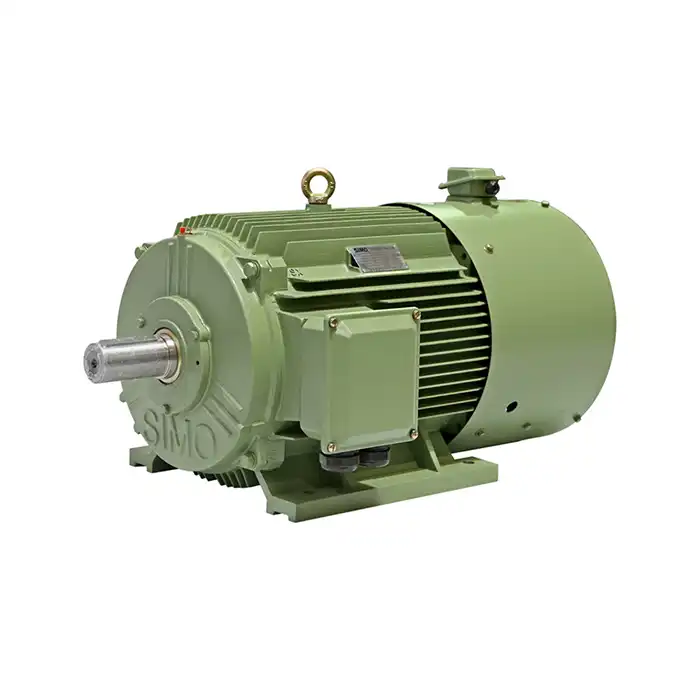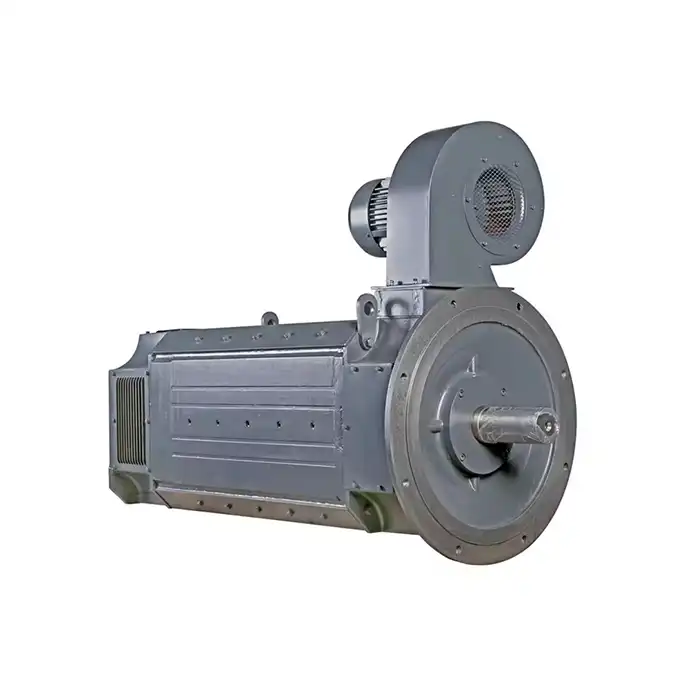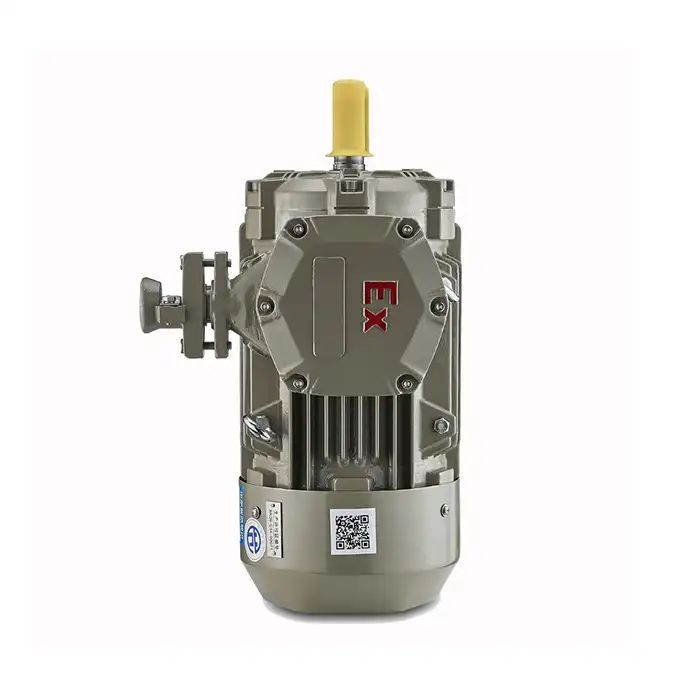




How to maintain a Low Voltage AC Motor?
Taking good care of a Low Voltage AC Motor will keep your business running easily, without any unplanned downtime or expensive fixes. Visual checks to find physical damage, lubrication of bearings, cleaning of windings and cooling tubes, and electrical tests like checking insulation resistance and vibration analysis are all part of regular maintenance. Common failure modes like warming, bearing wear, and electrical problems can be avoided by following these steps. This makes motors last longer and keep their energy efficiency in manufacturing, HVAC systems, water treatment, and automation processes.
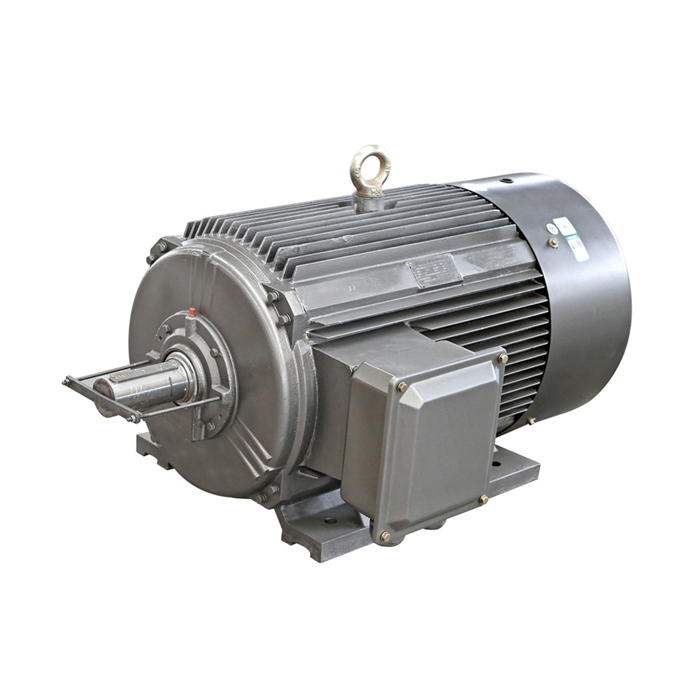
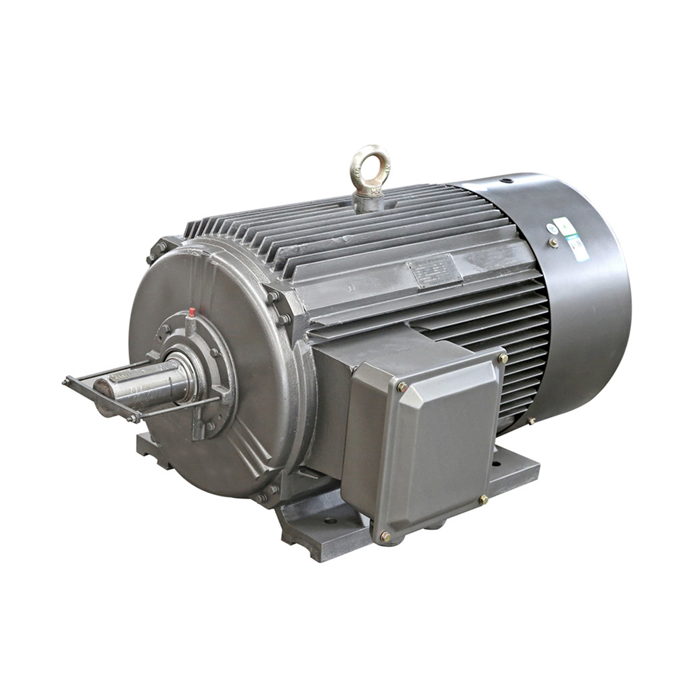
Series:YE3
Frame number: 80-450
Power range:0.75-1000kW
Protection level:IP55
Energy efficiency class: IE3
Voltage range: 380V,400V,415V,660V, etc.
Application:can be used in various fields of the national economy, such as machine tools,water pumps,fans,compressors,and can also be used in transportation, mixing, printing, agricultural machinery, food and other occasions that do not contain flammable, explosive or corrosive gases.
Certificate: international standard IEC60034-30 "Efficiency Classification of Single-speed Three-Phase Squirrel Cage Induction Motors".
Advantage:The high quality of the electric motor guarantees high operational reliability.
Others: SKF, NSK, FAG bearings can be replaced according to customer requirements.
Understanding Low Voltage AC Motors and Their Maintenance Needs
Motors working at less than 600 volts are used a lot in factories that make things, do HVAC work, make energy, and automate things. For example, these machines run compressors in food processing plants, pumps in water treatment plants, and conveyor systems in car assembly lines. Procurement teams and repair experts can make better decisions about how to care for and replace equipment when they know how these motors are built and what problems they usually have.
Construction and Operating Principles
Squirrel cage induction motors dominate industry due to simplicity and durability. Rotors use aluminum or copper bars laminated into steel. Stator windings create rotating magnetic fields. Three-phase power induces torque without physical contact between moving and stationary parts. YE3 series motors from 0.75kW to 1000kW with IE3 efficiency and IP55 protection exemplify this proven design for diverse industrial applications requiring reliable low voltage ac motor performance.
Common Failure Modes
Overheating results from inadequate ventilation, circuit overload, or voltage mismatches stressing windings and insulation. Bearing wear accelerates when lubrication schedules slip or contamination enters protected housings. Electrical failures include insulation breakdown, winding shorts, or cracked rotor bars. Each failure mode presents distinct symptoms including excessive vibration, unusual noise, elevated temperatures, or declining performance detectable through systematic monitoring of low voltage ac motor operation.
Why Regular Maintenance Matters?
Unmaintained low voltage ac motor consumes more energy, delivers reduced output, and fails prematurely. Worn bearings may draw 15% higher current while delivering less mechanical power. Unexpected shutdowns interrupt production, require expensive emergency repairs, and create safety hazards. Structured maintenance programs detect issues early, schedule repairs during planned downtime, significantly reduce total ownership costs, and protect production schedules for low voltage ac motor dependent operations.
Key Maintenance Practices for Low Voltage AC Motors
Motor care that works well strikes a mix between proactive check and timely action. Routines should be set up by maintenance teams that take into account the mechanical, electrical, and outdoor factors that affect the health of motors. These activities don't need a lot of specialized gear, but they do need to be done consistently and with care.
Visual and Mechanical Inspections
Walk-around inspections reveal loose mounting bolts causing vibration, loose electrical connections creating resistance, or debris blocking cooling vents. Verify shaft alignment between low voltage ac motor and driven equipment; misalignment causes premature bearing wear and excessive energy consumption. Unusual sounds indicate bearing problems or internal contact. Feel surfaces for hot spots indicating winding issues or developing problems in low voltage ac motor before catastrophic failure occurs.
Bearing Lubrication Protocols
Bearing failures account for approximately 40% of motor failures; proper lubrication dramatically extends low voltage ac motor service life. Relubrication intervals range from 6–12 months in clean environments to quarterly in severe conditions. Use lubricants formulated for application temperature range and operating speed. Avoid over-greasing or under-greasing; both increase friction and temperatures. Our low voltage ac motor uses SKF, NSK, or FAG bearings with documented lubrication requirements.
Electrical Testing and Diagnostics
Insulation resistance testing reveals winding condition before failure. Perform annual megohm tests using appropriate voltage values for low voltage ac motor rating. Declining resistance indicates moisture ingress or aging insulation. Record operating current across all three phases; imbalances exceeding 5% suggest supply or internal winding problems. Monitor power factor and efficiency metrics for gradual performance degradation. Simple vibration monitoring detects bearing issues, rotor imbalance, or coupling problems months before low voltage ac motor catastrophic failure.
Cleaning and Environmental Protection
Dust and debris act as thermal insulation, trapping heat inside low voltage ac motor housings and accelerating component aging. Clean exterior surfaces quarterly using compressed air or vacuum methods in dusty environments. Remove accumulated buildup from cooling fan blades and ventilation pathways. Verify environmental seals remain intact preventing moisture, chemical, or particle ingress into internal components. IP55 rated low voltage ac motor withstands temporary water jets and dust exposure but requires regular verification to maintain protection levels.
Maintenance Strategies to Maximize Motor Life and Performance
Choosing between reactive, preventive, and predictive maintenance has a big effect on how well technology works and how much it costs to maintain. Knowing the strengths and weaknesses of each approach helps businesses make the best use of their resources and avoid unexpected downtime as much as possible.
Preventive vs. Predictive Approaches
Preventive maintenance follows fixed schedules regardless of motor condition, replacing bearings every 18 months or performing quarterly inspections. This provides predictable downtime but replaces serviceable parts. Predictive maintenance uses condition monitoring data including vibration trends, thermal imaging, and oil analysis to trigger action only when failure evidence appears. Predictive strategies reduce costs but require upfront investment in monitoring equipment for low voltage ac motor.
Condition Monitoring Technologies
Thermal imaging cameras detect invisible hot spots indicating bearing issues, loose connections, or overloaded phases. Handheld vibration meters measure three-dimensional motion, comparing results to baseline values. Ultrasonic monitors detect inaudible electrical arcing, bearing friction, or air leaks. Motor current signature analysis identifies rotor bar problems and irregularities without contact. Combining these tools provides comprehensive low voltage ac motor health assessment at reasonable cost.
Troubleshooting Common Issues
Overheating low voltage ac motor requires checking supply voltage for imbalance, verifying adequate airflow and clean cooling paths, and ensuring load requirements do not exceed motor ratings. Excessive vibration typically indicates loose foundation, misalignment with driven equipment, worn bearings, or unbalanced rotor. Unusual noises suggest bearing failure, rotor-stator contact, or loose internal components. Declining performance in low voltage ac motor often results from power quality issues, overloading, or bearing wear increasing internal losses.
Real-World Maintenance Benefits
A water treatment plant in the area that was in charge of thirty pump motors used vibration tracking and thermal imaging to look at their whole system. Over the course of 18 months, they found six motors that were having bearing problems and scheduled repairs for when they were due for regular maintenance. Technicians fixed three motors that had heat fingerprints that showed bad electrical connections before damage to the insulation happened. The program stopped two emergency failures, stopped the production losses that came with them, and increased the average motor life by about 30%. It also cut maintenance costs by 22% by getting rid of the need for unneeded fixes and interventions.
Choosing the Right Motor for Your Maintenance Capabilities
The choice of motor affects the amount of upkeep needed and the cost of that repair over the life of the equipment. Not only should procurement teams look at technical specs and the original buy price, but they should also look at serviceability features that affect the costs of ownership over time.
Evaluating Maintenance-Friendly Features
Modular design makes it easier to change parts without taking the motor apart completely. Service time is cut down by external cooling fans and junction boxes that are easy to get to. Standardized fitting sizes make it possible to swap parts without having to change the driven equipment. More often than not, high-end motors have bigger bearings, better insulating systems, and better materials that last longer between repair visits. Our YE3 series motors meet the efficiency standards set by IEC60034-30. They also have easy access to the bearings and electrical connections, which cuts down on the time needed for regular maintenance.
Customization and Maintenance Alignment
By matching the features of the motor to your ability to maintain it, you can avoid problems during service. Motors with built-in tracking and safety are useful for places that don't have a lot of electrical testing tools. When working in dirty places, you need better IP ratings and sealed bearing systems. Extreme temperatures need different types of protection and bearing grease. We help customers choose the right voltage choices (380V, 400V, 415V, 660V), bearing brands (SKF, NSK, FAG), and safety features based on their application needs and available maintenance resources.
Manufacturer Support Infrastructure
Parts availability for Low Voltage AC Motor distinguishes elite suppliers from commodity providers. When Low Voltage AC Motor problems occur, rapid repair requires accessible bearings, cooling fans, terminal blocks, and rewind services. Technical documentation including wiring diagrams, dimensional drawings, and maintenance instructions supports internal service teams for Low Voltage AC Motor. Factory assistance troubleshooting complex issues proves invaluable. With 20 years experience and global motor manufacturer relationships, Shaanxi Qihe Xicheng ensures comprehensive Low Voltage AC Motor support throughout equipment lifecycles.
Best Practices for Wiring, Installation, and Safety to Support Maintenance
Installing something correctly sets the stage for effective use and easy upkeep. Cutting corners during approval leads to problems that don't go away, which makes service harder and shortens the life of the equipment.
Wiring and Documentation Standards
Motor wire diagrams show how to connect the phases, how to ground the motor, and how to coordinate the safety devices. Keep these papers in easy-to-reach places for upkeep purposes. Use long-lasting markers to label all of the wires at both the motor and control panel ends to show what they are for. As required by electrical codes, install the right overcurrent safety, thermal overload relays, and ways to stop the power. Before turning on equipment, make sure that the voltage meets the specs listed on the motor's nameplate. Incorrect voltage can cause overheating, loss of efficiency, and early breakdowns.
Mounting and Alignment Techniques
Attach motors to solid bases to stop vibrations from spreading. Use precise alignment tools to make sure that the shafts of the motor and the equipment it drives are lined up within the manufacturer's tolerances. Usually, specs allow for 0.002 inches of total suggested runout. Install flexible connections that can handle small misalignments and consistently transfer power. After the first run-in times, when thermal expansion and mechanical settling may cause positions to move, check the alignment again. When things are aligned correctly, they don't vibrate as much, and the bearings last a lot longer.
Environmental Considerations
Place the motors so that enough cool air can flow around the frames and through the ventilation holes. Follow the instructions for keeping gaps so that heat doesn't build up. Use enclosures that are right for the area to keep motors safe from direct water spray, chemical contact, or too much dust. Make sure the temperature outside stays within the motor's rating range. Running it outside of those ranges speeds up the age of the insulation and the wear on the bearings. Our motors with an IP55 rating can work in tough industrial settings like machine tool uses, pump installations, and transportation equipment that needs to be protected from dust and water.
Safety Compliance
When installing motors, make sure you follow OSHA rules and the NFPA 70 National Electrical Code. Follow the lockout/tagout steps before you do any repair work. Make sure that people who are working on charged lines have the right safety gear. Electrical rules say that motor frames and enclosures must be grounded to stop shock dangers. Put up guards that keep people from touching moving parts. Compliance shields employees, makes sure that rules are followed, and limits risk.
Conclusion
To keep Low Voltage AC Motor running below 600 volts requires regular attention to mechanical, electrical, and environmental conditions. Routine inspections, proper lubrication, electrical testing, and cleaning for Low Voltage AC Motor prevent common failures and extend equipment life. Preventive versus predictive maintenance strategy depends on facility resources and application criticality for Low Voltage AC Motor. Selecting Low Voltage AC Motor with service-friendly features and reliable manufacturer support simplifies maintenance and reduces ownership cost. Proper installation and documentation for Low Voltage AC Motor facilitates troubleshooting and maximizes operational lifespan across manufacturing, HVAC, water treatment, and robotics applications.
FAQ
1. How often should I perform maintenance on industrial motors?
Visual checks should be done once a month to look for noise, shaking, or heat that doesn't seem normal. Bearings should be oiled about every 6 to 12 months, but this depends on the conditions of use and the job cycle. Electrical checking once a year, which includes measuring current and insulator resistance, finds problems before they get worse. Harsh settings with a lot of dust, water, or extreme temperature changes need to be checked on more often. Comprehensive checks every three months are good for critical uses because they lower the risk of failure. Setting up routine schedules based on what the maker says and how the system is actually working increases the efficiency of upkeep while lowering costs.
2. What are signs indicating immediate motor inspection is needed?
Strange noises like grinding, screaming, or clicking are signs of bearing problems that need to be fixed right away. Over-vibration can mean that something is out of line, unbalanced, or the bearings are wearing out, which could lead to more damage. Surface temperatures that are much higher than usual show that the system is overloaded, that airflow is blocked, or that there are electrical problems. Performance that is going down, like less speed or force output, is a sign of problems inside the machine. If you can see damage to the wires, links, or housings, you need to look into it right away. If the overload safety goes off, it means there are electrical problems or technical problems that need to be fixed before the equipment can be turned back on.
3. Can I use any lubricant for motor bearings?
For motor bearings to work properly, the grease needs to be made in a way that matches the working temperatures, speeds, and loads. Mixing oils that don't work well together leads to chemical processes that make them less effective. Only use goods that the maker recommends and list in the technical documentation. Synthetic lubricants that keep their viscosity under heat stress are needed for high-temperature uses. Food preparation areas need oils that are safe for food and meet government standards. Our motors work with different kinds of bearings that have different lubrication needs. When the right products are used properly, they work at their best.
Partner with XCMOTOR for Reliable Industrial Motor Solutions
XCMOTOR specializes in making motors that are easy to maintain and work well in tough industrial settings. We have a huge selection of IE3 motors with IP55 protection that range in size from 0.75kW to 1000kW and are good for use in automation systems, machine tools, pumps, fans, and compressors. As a reliable Low Voltage AC Motor provider, we offer a range of customizable choices, such as different voltage configurations and high-quality bearings from SKF, NSK, and FAG. International IEC guidelines make sure that all products work together and are compatible. Our skilled professionals can give you expert advice and help you choose the best tools for your needs. Talk to XCMOTOR about your power equipment needs at xcmotors@163.com. We offer a 30-day return policy, fast shipping, and committed help seven days a week.
References
1. Bonnett, A.H. & Soukup, G.C. (2008). "Cause and Analysis of Stator and Rotor Failures in Three-Phase Squirrel-Cage Induction Motors." IEEE Transactions on Industry Applications, Vol. 28, No. 4.
2. Penrose, H.W. (2018). "Electrical Motor Diagnostics: A Practical Approach to Predictive Maintenance." SUCCESS by Design Publishing.
3. National Electrical Manufacturers Association (2021). "MG 1: Motors and Generators Standards." NEMA Standards Publication.
4. Stone, G.C., Boulter, E.A., Culbert, I., & Dhirani, H. (2014). "Electrical Insulation for Rotating Machines: Design, Evaluation, Aging, Testing, and Repair." IEEE Press Series on Power Engineering.
5. Thorsen, O.V. & Dalva, M. (2017). "A Survey of Faults on Induction Motors in Offshore Oil Industry Applications." IEEE Transactions on Industrial Applications, Vol. 31, No. 5.
6. Tavner, P.J., Ran, L., Penman, J., & Sedding, H. (2008). "Condition Monitoring of Rotating Electrical Machines." Institution of Engineering and Technology Power and Energy Series.