



IP Rating Significance for Explosion Proof AC Motors in Wet Environments
It's not enough to just follow the rules when choosing the right safety level for industrial motors that work in wet, dangerous places; it's also important to keep your whole business safe. An explosion proof ac motor with a low IP grade can cause major equipment failure, costly downtime, and serious safety risks. When your facility deals with dangerous gases or works in damp places, it's important to understand IP grades. These scores show how well your motor stops water and dust from getting in. This has a direct effect on stability and compliance in fields like oil and gas processing, offshore drilling, and water treatment plants.
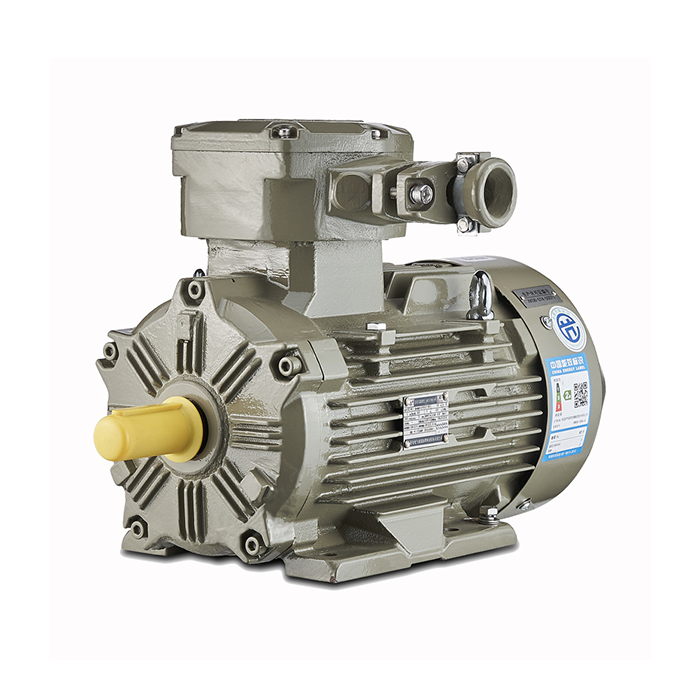
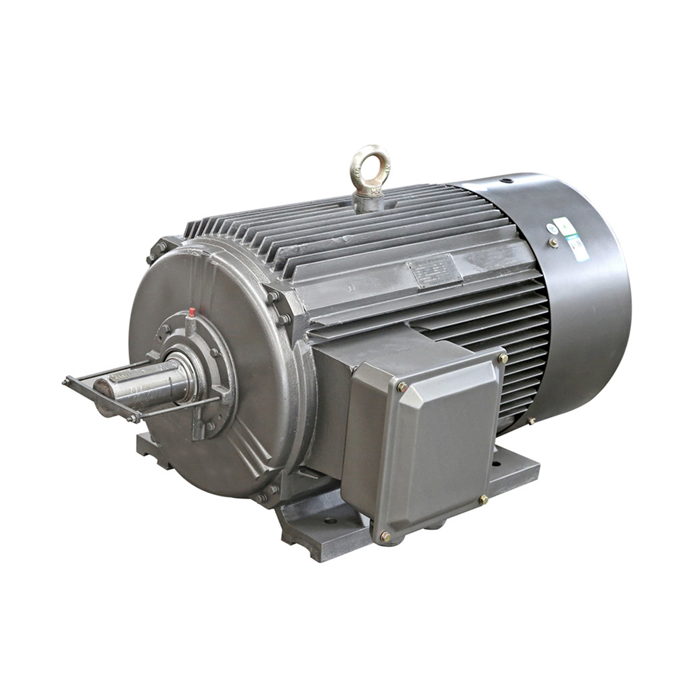
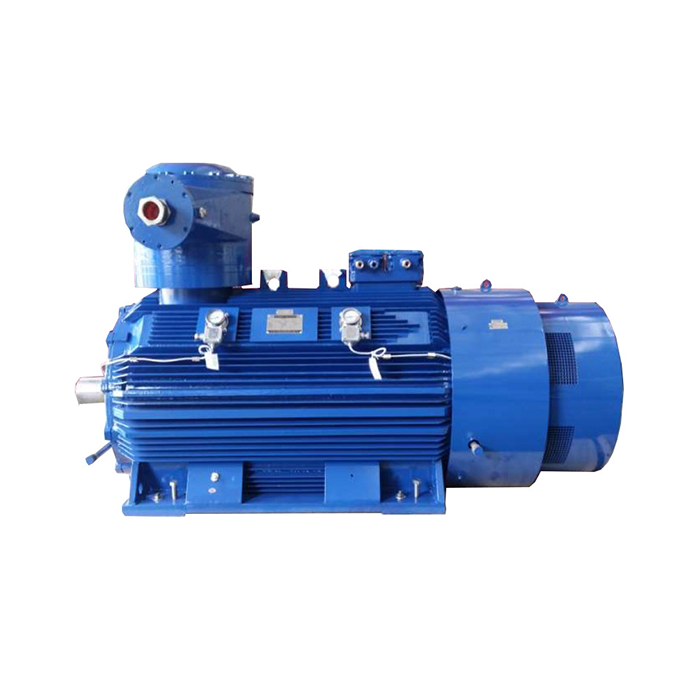
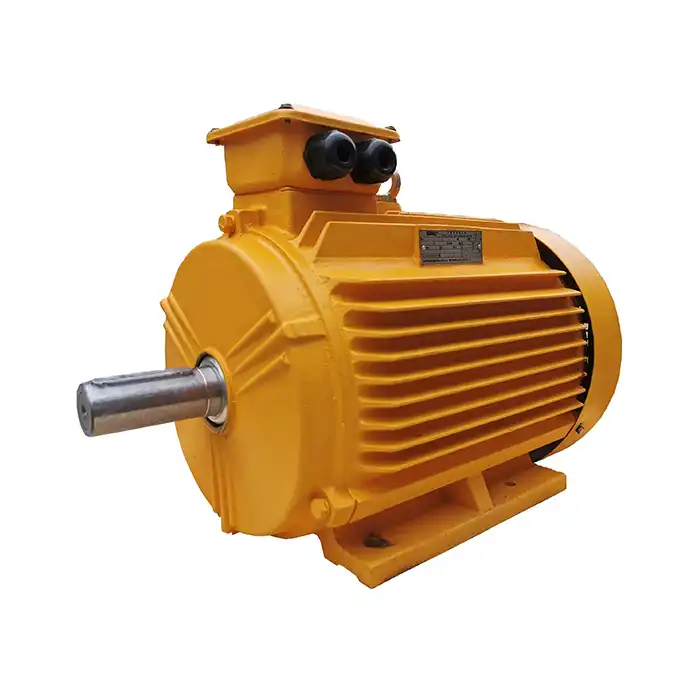
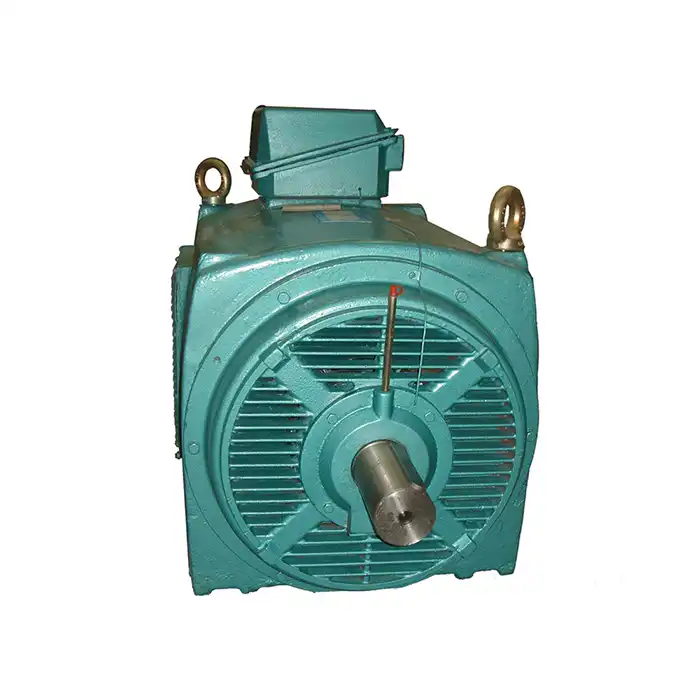
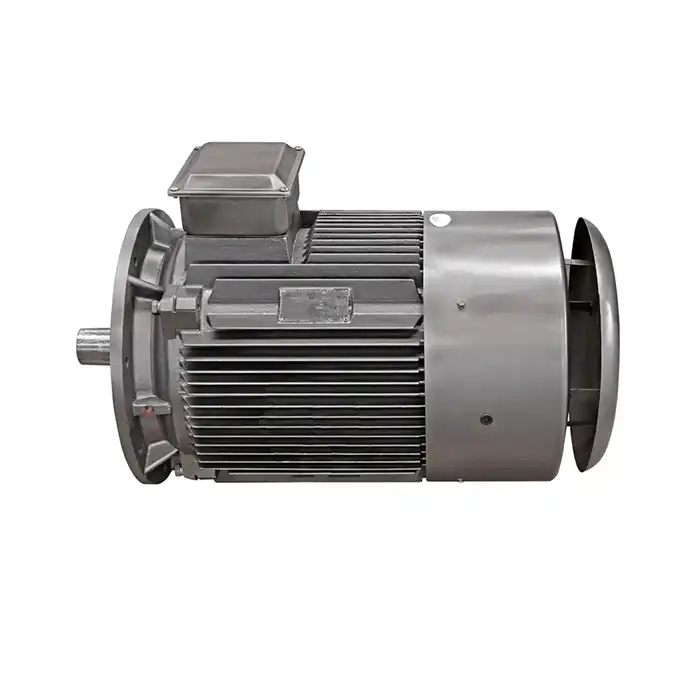
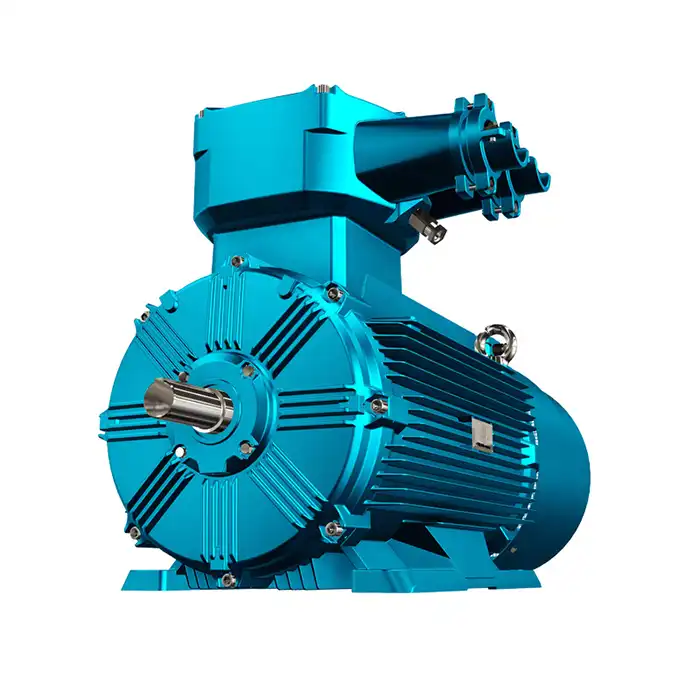
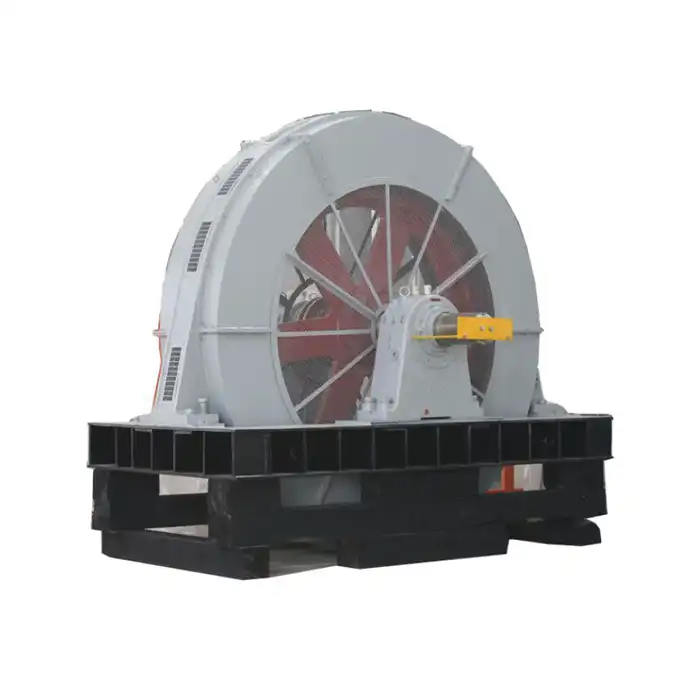
Series:YBX3
Voltage range:380V,660V,415V,380/660V,660/1140V
Power range:0.55-630 kW
Application:places where explosive gas mixtures exist in petroleum, chemical, mining, metallurgy, electric power, machinery and other industries.
Advantage: fully enclosed, self-fan cooling, squirrel cage type, high efficiency.
Explosion-proof mark: Ex d I Mb, Ex d IIB T4 Gb, Ex d IIC T4 Gb
Others: SKF, NSK, FAG bearings can be replaced according to customer requirements.
Understanding IP Ratings and Their Relevance to Explosion Proof AC Motors
Decoding the IP Rating System
IEC 60529 standard defines IP ratings with two numbers: first digit (0–6) for solid particle protection, second (0–9) for liquid ingress. In petrochemical plants, an explosion proof ac motor with IP65 provides dust-tight security and withstands low-pressure water jets. Higher IP67 ratings protect against water immersion up to one meter for thirty minutes, essential for offshore bases. Understanding these numerical designations helps procurement managers match motor requirements to actual environmental conditions.
Why IP Ratings Matter in Explosive Atmospheres?
Moisture in hazardous areas creates dual risks: water degrades electrical insulation causing short-circuit sparks, and accelerates internal component corrosion compromising explosion containment. Our explosion proof ac motor features robust construction as a shield ensuring safe operation around flammable gases, vapors, or dust. Ex d I Mb, Ex d IIB T4 Gb, and Ex d IIC T4 Gb markings demonstrate compliance with strict safety standards. Paired with IP55, IP56, or IP65 ratings, this two-layer defense protects facilities.
Matching IP Ratings to Environmental Risks
Chemical plants handling corrosive solutions require IP65 or higher explosion proof ac motor protection against both water and chemical spray. Grain silos with combustible dust may need IP54 in dry areas but IP65 in processing zones. Water treatment plants require IP67 for submersible pump applications. Our explosion proof ac motor operates at 380V, 660V, 415V, 380/660V, and 660/1140V from 0.55–630 kW. Proper IP rating selection reduces emergency repairs and extends service intervals.
Critical Design Features of Explosion Proof AC Motors for Wet Environments
Sealed Enclosures and Flameproof Construction
Cast iron frames and end shields provide structural integrity against water damage in explosion proof ac motor. Flameproof joints with precisely machined gaps allow internal pressure release while cooling escaping gases below ignition temperature. Modern gasket systems using fluorocarbon or silicone maintain seal integrity from -40°C to +40°C. Exact torque specifications ensure uniform compression, maintaining IP ratings throughout motor life. Fully enclosed self-fan cooling removes heat without compromising the sealed environment of explosion proof ac motor.
Corrosion-Resistant Materials and Coatings
Copper windings in explosion proof ac motor offer superior corrosion resistance compared to aluminum alternatives. Premium SKF, NSK, or FAG bearings feature enhanced seals and specialty greases formulated for moisture resistance. Multi-stage corrosion-resistant paint systems prevent rust that could compromise structural integrity or IP ratings. Squirrel cage rotor design eliminates brushes and slip rings, reducing failure points in wet hazardous environments. Class F or H insulation materials maintain dielectric strength despite humidity variations in explosion proof ac motor.
Electrical Insulation and Voltage Compatibility
Temperature rise classes B and F ensure windings remain within safe limits despite reduced cooling in sealed explosion proof ac motor designs. IE2, IE3, or IE4 efficiency ratings balance energy performance with thermal management challenges. Higher voltage ratings like 660V or 1140V require thicker insulation walls providing extended service life against moisture degradation. Procurement professionals must verify voltage compatibility with facility power distribution while considering insulation requirements for both explosion-proof certification and IP rating in explosion proof ac motor.
Comparing Explosion Proof AC Motors Based on IP Ratings and Performance
Protection Mechanisms Across Motor Categories
Flameproof explosion proof ac motor contains blasts within housing, ideal for Zone 1 where explosions are frequent. Increased safety (Ex-e) motors prevent spark initiation through enhanced construction but typically serve Zone 2 with lower danger levels. Weatherproof motors provide water protection without explosion protection for non-hazardous outdoor use. An explosion proof ac motor with IP65 combines containment with moisture resistance for most industrial wet environments. IP56 suits areas with spray and splashes where water jets are unlikely.
Performance Trade-offs with Higher IP Ratings
Higher IP ratings require increased enclosure sealing, reducing natural airflow and complicating thermal management for explosion proof ac motor. Self-fan cooling improves airflow within sealed housing, but external cooling fins lose some effectiveness when fully sealed against water entry. IP67 motors with submersion protection feature complex sealing systems requiring careful disassembly. Routine inspections become more critical because opening sealed enclosures temporarily reduces protection. Extended maintenance windows and specialized technician needs affect lifetime costs for explosion proof ac motor.
Certification and Quality Assurance
Our explosion proof ac motor carries ATEX certification recognized across Europe and increasingly globally for hazardous atmospheres. CCC certification demonstrates compliance with Chinese national standards for international facilities requiring equipment consistency. Rigorous quality checks at every production stage ensure each explosion proof ac motor maintains required IP ratings and explosion-proof features. Documentation traceability provides customer confidence that units have completed all testing protocols. This verification supports insurance and regulatory compliance requirements for explosion proof ac motor installations.
Procurement Considerations for Explosion Proof AC Motors in Wet Environments
Aligning Specifications with Hazardous Zone Classifications
Accurately classifying dangerous areas according to standards like ATEX or NEC is the first step to good buying. In Zone 0 (Division 1) places, motors need to be certified for constant presence of explosive atmospheres, which usually means they need to have IP65 minimum ratings when there is moisture present. Places in Zone 1 (Division 1) that are normally operational but have dangerous atmospheres need the same kind of safety. In Zone 2 (Division 2) places, where dangers only happen when things aren't normal, slightly lower IP ratings may be acceptable, based on the characteristics of the wet environment.
In the oil, chemical, mining, metals, electric power, machinery, and other industries, our motors are used in places where there are mixes of explosive gases. There are a lot of different needs depending on the application. For example, offshore oil platforms have to deal with salt spray and sometimes waves hitting them. Pharmaceutical production areas need to be able to clean up and fight chemicals. And deep mines have to deal with both dust and groundwater seepage. Instead of depending only on zone classifications to make sure they choose the right IP rating, procurement managers should write down the real exposure circumstances.
Cost Factors and Value Analysis
Actual differences in engineering, materials, and approval costs are reflected in price variations among explosion proof ac motor choices. For higher IP ratings, you need more expensive testing procedures, fine machining, and sealing systems. Explosion-proof approval adds costs and special design needs for following the rules. However, the extra cost of proper defense is usually a small part of what could go wrong and cause lost production, emergency fixes, fines from regulators, or catastrophic events.
When you buy things in bulk, you can save money and make sure that everything is the same. Our company helps large buyers by offering competitive prices and specialized technical support for developing specifications. The 30-day return policy lowers the risk of buying when trying out new providers or apps, and fast delivery lowers the cost of keeping goods on hand. When you look at the total cost of ownership over the projected service life, which for industrial motors is usually between 15 and 20 years, you can see that choosing the right IP rating saves you a lot of money because it means less upkeep and longer reliability.
Supplier Relationships and Support Infrastructure
When picking providers, you have to look at more than just the prices and specs of the products. Our specialized support team is available seven days a week to answer technology questions and fix problems that come up during setup and use. We offer power equipment options to our customers and are dedicated to providing motors with high energy efficiency, low energy usage, and stable power, as well as quickly resolving any technical issues that arise before, during, or after the sale.
Original parts from well-known names make sure that new parts keep the system's integrity. Customers can choose from bearings made by SKF, NSK, or FAG, and we promise high standards with all of them. The length of the warranty should match the seriousness of the application; wet, dangerous places speed up wear, and manufacturers who are sure of their IP rating offer full coverage. Building ties with providers who are responsive stops small problems from getting worse and causing major business problems.
Best Practices for Operating and Maintaining Explosion Proof AC Motors in Wet Environments
Installation Practices That Preserve IP Integrity
For IP ratings to work for a long time, they need to be installed correctly. Cable entry points are popular ways for water to get in, so they need to be sealed with the right glands and washers that are tightened to the manufacturer's specs. So that water doesn't build up and damage the seals, conduit systems should angle away from motor boxes. The way the motor is mounted is important. Motors that are mounted vertically or at an angle may be exposed to water in different ways than motors that are mounted horizontally. This could affect draining and seal loads.
When our motors leave the plant, they have IP ratings that have been checked through testing. However, the way they are installed in the field can make this safety less effective. When connecting, technicians shouldn't take off more plugs or covers than they need to, and they should replace all closing parts right away after getting access. If you use the wrong fastener torques, you either crush seals, which lets leaks happen, or you don't squeeze them enough, which leaves holes. The protection that engineering and manufacturing put into the product stays in place if you follow the detailed installation directions.
Inspection Protocols to Find Problems Early
Regular checks find problems as they start to form before they become major problems. A visual inspection should find any peeling paint, rust, or physical damage to the shelters that could make them less resistant to water. To check the state of a gasket, the cover must be taken off every so often—usually once a year in harsh environments—so that the gasket can be compressed, cracked, or worn down. Monitoring bearing noise and shaking can find the effects of moisture getting into the oil system before catastrophic failures happen.
Thermal imaging scans show strange patterns of temperature that could mean that the cooling system is clogged or that electricity problems are starting to happen. In wet places, moisture entry often shows up as localized warmth before the insulation fails. Insulation resistance tests with megohm meters gives a numerical picture of the state of the winding, and trending analysis shows that the condition is slowly getting worse, which needs to be fixed. These preventative methods greatly increase the life of an explosion proof ac motor compared to run-to-failure methods.
Troubleshooting Common Wet Environment Failures
Even though they are well protected, motors sometimes have problems with moisture. When protective screens get dirty in wet places, they can block cooling paths, which can lead to overheating. Unusual noise is often a sign of a problem with the bearings caused by water getting into the grease. Fixing this problem right away stops the bearings from seizing up. Starting problems or tripped overloads can be signs that the insulation is breaking down due to moisture absorption. The insulation needs to be dried out completely and tested before it can be put back into service.
Real-life examples show that keeping detailed records of installations and inspections helps with finding and fixing problems. When problems happen, comparing the current situation to the initial readings shows small changes that point to faults that are starting to form. Our technical support team helps customers figure out what's wrong by using their many years of experience working in places like oil refineries, chemical plants, paint and solvent factories, grain elevators, flour mills, underground mines, and pharmaceutical factories.
Conclusion
A crucial choice that affects safety, dependability, and running costs is choosing the right IP ratings for explosion proof ac motor uses in wet environments. When explosion containment and moisture protection are used together in the right way, motors work effectively in harsh situations in the mining, chemical, oil, and many other industries. Procurement experts can choose equipment that gives the best value over its lifetime if they know how IP grades, environmental dangers, and motor design features work together. These tips give you the information you need to make smart choices that will improve safety at work while also making tools work better and last longer in wet, dangerous places.
FAQ
1. What IP grade do explosion-proof motors need to be used in wet outdoor areas?
Outdoor setups usually need at least IP65 protection to keep out rain and water blown by the wind. Applications that will be washed under high pressure or submerged for a short time do better with IP66 or IP67 grades. The exact requirement varies on how much contact there is, how the area is cleaned, and whether or not hazardous gas classifications require extra containment means besides just moisture protection.
2. How do IP ratings affect how often you should service an explosion-proof ac motor?
Higher IP ratings usually mean longer periods between maintenance because they better protect internal parts from dirt and moisture. In wet places, IP65 motors may need full checks once a year, while IP54 motors only need checks every six months. However, harsh conditions speed up seal aging regardless of rating. This means that the regularity of inspections should rely on the harshness of the working environment rather than just the IP number.
3. Can IP ratings be upgraded on existing motors?
It is hard and often not possible to increase IP scores after the explosion-proof ac motor has been manufactured. To get better safety, enclosures, sealing systems, and wire openings need to be changed at the design level. Adding these changes after the fact rarely meets approval requirements or ensures effective long-term performance. It is cheaper to replace motors with the right IP ratings than to try to make upgrades in the field when conditions change or the original specs aren't good enough.
Partner with XCMOTOR for Reliable Explosion Proof AC Motor Solutions
It takes knowledge and reliable goods to get through the complicated world of IP ratings and explosion-proof standards. We at Shaanxi Qihe Xicheng Electromechanical tools Co., Ltd. (XCMOTOR) can help you find the right power tools for your toughest, wet, and dangerous jobs, especially as an explosion proof ac motor suppplier. Our YBX3 series motors combine proven explosion-proof ac motor design with IP55, IP56, and IP65 protection classes, backed by ATEX certification and comprehensive quality assurance.
As a reputable supplier, we provide original parts from well-known names, quick shipping on all items, and a 30-day return policy that lowers the risk of buying from us. Our technical team will help you choose the right equipment, install it, and make sure it works well for a long time. This way, you can be sure that your motors are safe and work well. Email us at xcmotors@163.com to talk about your unique application needs and find out how our solutions can protect your operations while improving their dependability and productivity.
References
1. International Electrotechnical Commission. "IEC 60529: Degrees of Protection Provided by Enclosures (IP Code)." Third Edition, 2013.
2. National Electrical Manufacturers Association. "NEMA Standards Publication 250-2020: Enclosures for Electrical Equipment (1000 Volts Maximum)." Rosslyn, VA, 2020.
3. American Petroleum Institute. "API RP 500: Recommended Practice for Classification of Locations for Electrical Installations at Petroleum Facilities Classified as Class I, Zone 0, Zone 1, and Zone 2." Third Edition, 2012.
4. Occupational Safety and Health Administration. "OSHA Standard 1910.307: Hazardous (Classified) Locations." U.S. Department of Labor, 2021.
5. British Standards Institution. "BS EN 60079-0:2018: Explosive Atmospheres - Equipment - General Requirements." London, UK, 2018.
6. Institute of Electrical and Electronics Engineers. "IEEE Std 1349-2011: Guide for Application of Electric Motors in Class I, Division 2 and Class I, Zone 2 Hazardous (Classified) Locations." New York, NY, 2011.