



How to Conduct a Failure Analysis on a LV Induction Motor?
Conducting a failure analysis on a three-phase induction motor requires a systematic approach that combines visual inspection, electrical testing, and mechanical diagnostics. When dealing with lv induction motor units operating between 380V and 660V—common in industrial automation and HVAC applications—understanding failure patterns helps procurement professionals make smarter purchasing decisions. The analysis typically involves documenting operational history, examining winding insulation integrity, measuring vibration levels, and assessing bearing condition to identify root causes and prevent recurrence, ultimately reducing total cost of ownership.
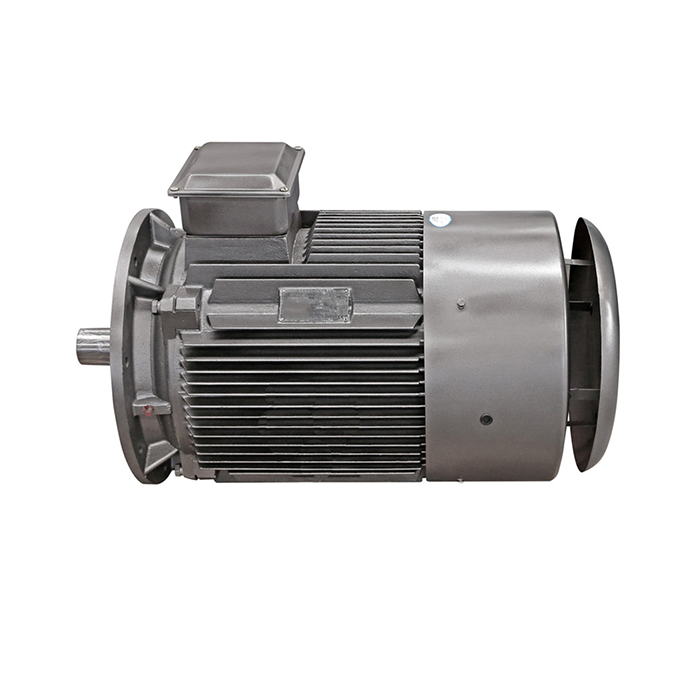
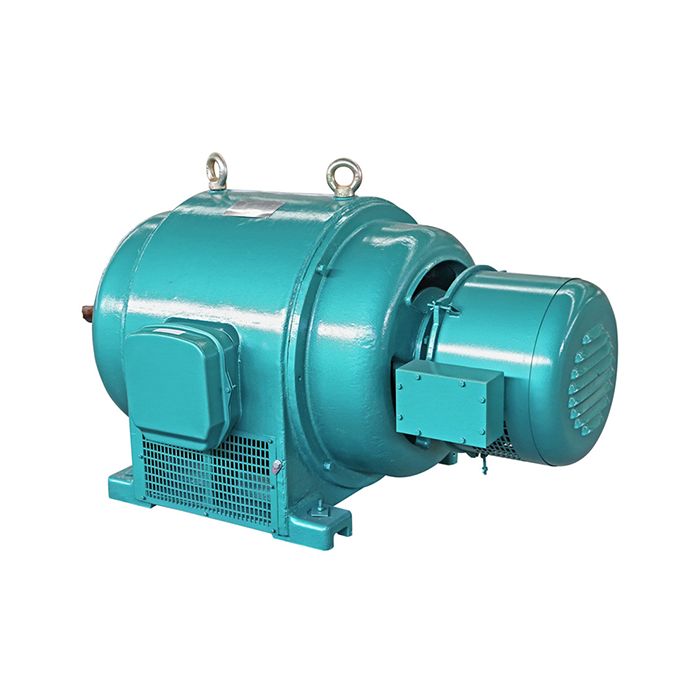
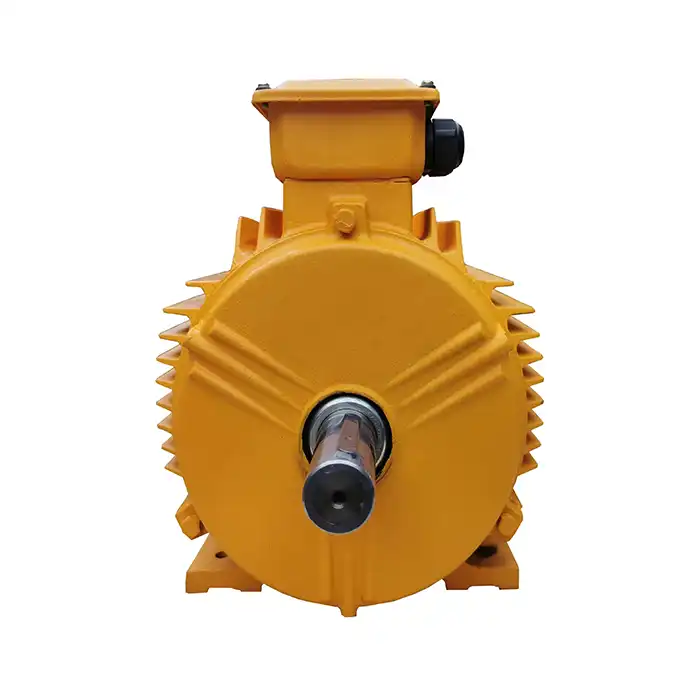
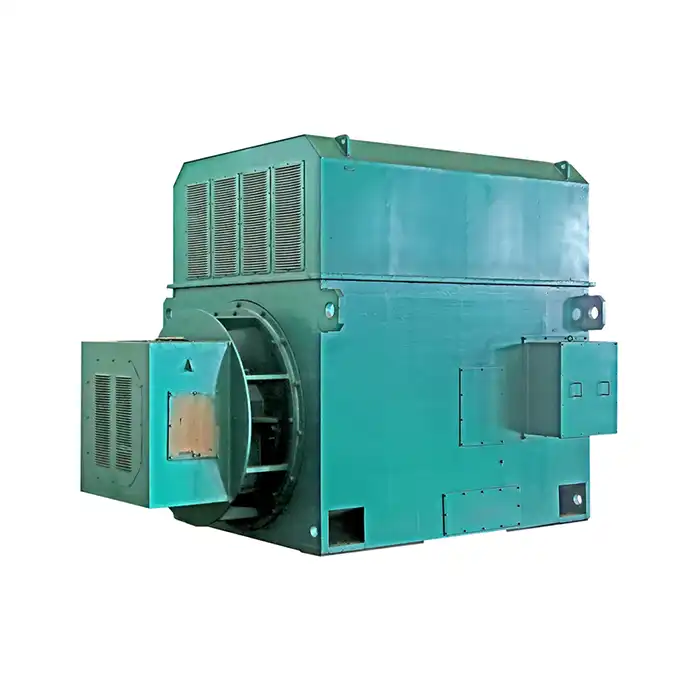
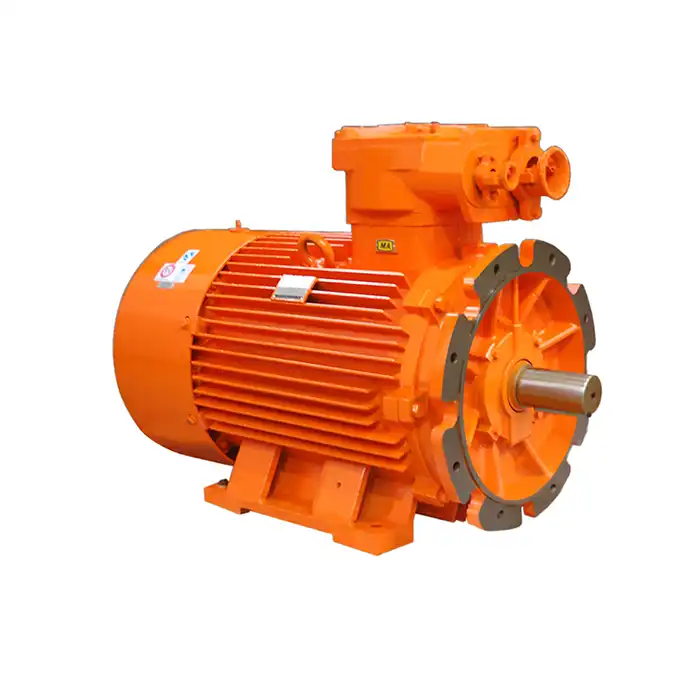
Series:YE3
Frame number: 80-450
Power range:0.75-1000kW
Protection level:IP55
Energy efficiency class: IE3
Voltage range: 380V,400V,415V,660V, etc.
Application:can be used in various fields of the national economy, such as machine tools,water pumps,fans,compressors,and can also be used in transportation, mixing, printing, agricultural machinery, food and other occasions that do not contain flammable, explosive or corrosive gases.
Certificate: international standard IEC60034-30 "Efficiency Classification of Single-speed Three-Phase Squirrel Cage Induction Motors".
Advantage:The high quality of the electric motor guarantees high operational reliability.
Others: SKF, NSK, FAG bearings can be replaced according to customer requirements.
Understanding LV Induction Motor Failures
Common Failure Symptoms and Patterns
Three-phase motors show clear warning signs before they stop working altogether. Overheating can be seen in the form of discoloured windings, melted insulation, or strong smells while the machine is running. Degradation of insulation happens slowly, but can be sped up by water getting in, chemicals being exposed, or temperature changes above and below the motor's recommended range of -10°C to +40°C. Vibration analysis can find problems weeks before they become catastrophic by listening for strange noises, increased vibrations, and high shaft temperatures that are caused by worn bearings.
Electrical problems show up in different ways. When there are phase imbalances, the current flows unevenly, which causes some windings to get too hot. Changes in voltage put a lot of stress on shielding systems, especially in motors that don't have enough power stabilisation. When motors are mechanically overloaded, they are forced to work beyond their torque capacity, which can be anywhere from 5 Nm to 2400 Nm depending on the frame size. This speeds up the wear and tear on the windings and causes the rotor bars to crack.
LV Versus HV Motor Failure Characteristics
Low voltage lv induction motors have power rates between 0.75kW and 1000kW and voltage classes between 200V and 690V. The way they fail depends on the voltage class. Compared to high voltage systems, these motors have more problems with broken connections, rust in the junction boxes, and problems with the cables. In lower voltage uses, the current levels are higher for the same amount of power output. This makes conductor size and heat control important design factors.
Frame sizes ranging from 80 to 450 house motors that are good for general industrial use. In these settings, IP55 protection keeps dust and water jets out. Understanding these voltage-dependent features helps procurement professionals figure out if the specifications given by suppliers match up with the real working conditions. This is especially important for motors that are used in harsh settings like food processing, mining, or outdoor installations.
Vulnerable Components Requiring Attention
The motor's electrical heart is made up of stator windings made of high-grade silicon steel and copper wires. Class F insulation, which is standard on good motors, can handle continuous use at high temperatures, but it breaks down when exposed to voltage spikes, dirt, or not enough air flow. Insulation resistance testing shows when something is breaking down before it fails, which lets you plan for a replacement ahead of time.
In squirrel-cage designs, rotor systems are usually strong, but rotor bars can break because of flaws in the casting, heat stress, or mechanical impact. Bearings from well-known brands like SKF, NSK, or FAG last longer if they are properly oiled and adjusted, but they can still break if they get dirty, are overloaded, or were installed incorrectly. Die-cast aluminium frames are strong and help heat escape, but if the mounting surface is damaged or the foundation isn't lined up right, vibrations can happen that speed up the wear on all the parts in the motor assembly.
Step-by-Step Failure Analysis Process for LV Induction Motors
Initial Problem Definition and Documentation
Analysis that works starts before the machine is touched. Collect operational data such as run hours, load profiles, recent maintenance activities, and any strange things that happened before the failure. Write down the ambient conditions, the quality of the source voltage, and the details of the application. For example, a motor that drives a centrifugal pump is under different pressures than a motor that drives a ball mill or compressor. Take pictures of the installation and make notes about how it is mounted, how working the couplings are, where the cables are routed, and any gaps for air flow.
Talk to operators and repair workers about the signs they saw. Did the motor trip when it got too hot? Were there strange sounds, smells, or rises in temperature? Figuring out the order of the failures helps with the investigation and tells the difference between motor flaws, application mismatches, and problems with outside systems that hurt a motor that was otherwise fine.
Root Cause Analysis Techniques
Thermal imaging shows hot spots that may indicate winding, connection, or airflow issues. Handheld infrared cameras can detect motor side temperature variations. Big differences indicate a misbalanced motor electrical system or faulty cooling. To discover issues, compare thermal fingerprints to baseline readings from identical motors running properly.
Recording vibrations with accelerometers on bearing housings can reveal mechanical issues in LV induction motors. Harmonics indicate bearing issues, broken rotor bars, or electromagnetic abnormalities, whereas high rotational frequencies indicate a misaligned machine. Trending vibration data may detect progressive wear and tear, allowing condition-based replacement before a catastrophic breakdown stops output.
Electrical testing is key to diagnosis. Check all stage winding resistance. Big disparities indicate turn errors or connectivity difficulties. Using a megohmmeter to measure insulation resistance puts high voltage between windings and ground. Readings below 1 megohm per kilovolt operating voltage indicates insulation failure. Polarisation index tests determine insulation wetness and quality. Check the source voltage for phase mismatches, harmonic distortions, and transients that stress motor parts.
Correlation with Motor Operating Principles
Failure mechanisms become clearer when you know how motors turn electrical energy into mechanical torque. A three-phase lv induction motor with 380V to 660V makes a spinning magnetic field that causes currents to flow in the rotor. This creates force through electromagnetic interaction. When the source voltage drops, the current rises to keep the power output the same. If safety systems don't step in, this can cause the windings to overheat. Changes in speed between 500 and 3000 RPM have an effect on how well cooling fans work. When motors are controlled by an inverter, lower speeds reduce airflow.
Power factors between 0.80 and 0.89 show how well the motor uses electromagnetic fields. If the bearings are worn out or not lined up right, mechanical losses go up. This lowers the power factor and efficiency while making heat. Analysts can tell the difference between signs and root causes when they understand these relationships. This keeps them from making the wrong diagnosis, which can lead to repeated failures after replacement.
Comparing Failure Analysis Approaches: Traditional vs Modern Techniques
Limitations of Conventional Methods
Visual inspections and hand measurements have helped maintenance crews for decades, but they're subjective and can't always predict the future. Technicians can see obvious damage like burnt windings, seized bearings, and broken shaft parts, but not subtle wear and tear until it fails. Maintenance windows halt work during scheduled checks, but they don't identify rapidly worsening issues.
Handheld vibration meters examined every three months reveal snapshots, not patterns. An high measurement may trigger an alert, but without historical data, it's hard to distinguish between operational variance and deterioration. Annual insulation resistance tests only show pass/fail results, not decline rates that can estimate lifespan.
Modern Diagnostic Technologies
AI-powered predictive maintenance solutions monitor lv induction motor parameters 24/7 with permanent sensors. The systems define regular performance profiles for each motor and apply machine learning to discover outliers that may indicate a problem. Cloud analytics gather motor data from huge groups. This identifies failure trends in comparable apps and prevents issues.
Motor assemblies' smart sensors measure temperature, vibration, and electrical properties at millisecond intervals. Wireless connections eliminate complex installations and provide real-time data to repair management systems. Automation alerts notify personnel immediately of changes in vibration signatures or winding temperatures, bypassing planned examinations.
Diagnostics and motor control are possible with inverter-based drive systems. Modern variable frequency drives employ motor current fingerprints and unique current modulation patterns to discover rotor bar, air gap, and bearing issues. Drive-integrated diagnostic algorithms analyse this data. Repair teams get useful data via simple dashboards.
ROI Considerations for Technology Investment
Continuous monitoring systems involve upfront investments in sensors, communication infrastructure, and analytics platforms. To calculate ROI, evaluate these expenses against the advantages of fewer downtime, longer motor life, and better maintenance schedules. Tracking is more important than redundant auxiliary equipment when a motor fails in a critical application, stopping main output or posing a safety concern.
Predictive technologies operate best in lean, capacity-constrained plants. One saved failure that prevents an eight-hour car assembly plant shutdown easily covers the cost of monitoring dozens of motors. However, systems with built-in redundancy and minimal downtime costs may use time-based maintenance and operator attention for unusual motor activity.
How to Choose the Right LV Induction Motor Post-Failure Analysis
Critical Selection Criteria
Failure analysis usually shows that induction motor specifications don't meet application needs. Energy efficiency impacts worker costs. Continuous pump or fan motors use a lot of electricity over 15–20 years. Single-speed three-phase squirrel cage induction motors with IEC60034-30 IE3 efficiency class utilise 2% to 5% less energy than conventional choices. Energy expenses make up 97% of lifetime costs, therefore efficiency pays off even if it costs more initially.
Torque must match load. Centrifugal loads like fans and pumps need torque that increases with speed squared, but positive displacement loads like gears need constant torque. Torque curves should match load profiles to avoid motor overheating at startup and optimise performance at full speed. Consider if the application needs a lot of starting power or can use soft-start to save motor and electrical power.
Places with people or noise issues need noise levels. Electrical noise from slot harmonics, mechanical noise from bearings and fans, and airflow noise from cooling systems make up a motor's sound. Premium motors include skewed rotor holes and perfectly balanced elements to reduce noise. This is critical for motors in hospitals, laboratories, and businesses.
Comparing Motor Technologies
Three-phase induction motors are the most common type used in industry because they are reliable and easy to use. However, knowing about other options helps buying workers make smart decisions. AC motors with low voltages ranging from 0.75kW to 1000kW are good for most general industry uses because they are reliable and don't need much upkeep. Their squirrel-cage rotor design doesn't have any brushes, slip rings, or external excitation systems, which makes them simpler and longer between service intervals.
When exact speed control or a lot of starts and stops are needed, connecting lv induction motor units with variable frequency drives gives you options. Motors that are rated for inverters have better insulation systems so they can handle the voltage stress from electronics that switch power quickly. Die-cast aluminium frames effectively get rid of the heat that higher frequency operation creates while keeping the frames' structural integrity across frame sizes from 80 to 450.
Sourcing Strategies for Procurement Teams
Building ties with trusted motor suppliers gives you technical assistance, flexibility, and good terms. The best manufacturers provide products from fractional horsepower to 1000kW. Standardisation facilitates spare part tracking and maintenance training. When specifying, compare providers by delivery time, warranties, service network accessibility, and application tech assistance.
Purchase agreements save money and sustain supply via bulk savings. Common frame sizes should be priced in framework contracts. Replacement orders should be deal-based. Compare inventory costs to lead times. For common uses, normal shipping schedules are fine, but keeping spare motors for equipment that breaks down and affects production makes financial sense.
XCMOTOR motors follow international standards. Power is 0.75kW to 1000kW, frame numbers are 80 to 450, and voltage is 380V to 660V. Motors power machine tools, pumps, fans, compressors, and other transportation, mixing, printing, agricultural, and food preparation equipment. These motors include Class F insulation and high-quality silicon steel cores to prevent losses. Dependability prevents downtime. Specialised bearings may use SKF, NSK, or FAG parts. IP55 protection is common, whereas IP56 and IP65 offer endurance in diverse operating environments.
Maintaining and Troubleshooting LV Induction Motors to Prevent Failures
Establishing Effective Maintenance Routines
Small issues may be prevented by scheduling frequent checks depending on the lv induction motor's importance and usage. Monthly visual examinations might reveal weak connections, damaged wires, excessive vibration, or weird sounds that signal issues are worsening. Every three months, infrared cameras scan for hot spots that may indicate connection resistance or air blockages. Full inspections are done annually, including vibration analysis, insulation resistance testing, and bearing lubrication per manufacturer's specifications.
The kind of bearing, motor speed, and atmosphere impact how frequently to oil them. Too much oil rapidly increases temperature and destroys seals, while too little grease accelerates bearing wear. Use the grease, amount, and re-greasing schedule recommended by the manufacturer. This is done every 2000–8000 hours, depending on motor size and duty cycle. Motors in unclean or humid environments may require more maintenance than those in climate-controlled environments.
Systematic Troubleshooting Approaches
Motor malfunctions are quickly diagnosed by thorough analysis. Electrical issues cause overcurrent safety trips, poor performance, or no start. Check the motor terminal supply voltage for phase balance and voltage levels. Check for cracked or burning contactor contacts, which reduces flexibility and heats them. Check wire insulation for deterioration that might cause ground failures or phase shorts.
Mechanical difficulties in the lv induction motor have distinct symptoms. Spectrum analysis may identify a damaged bearing without disassembling it. This is possible because broken bearings make specific sounds. When the motor and equipment it powers are misaligned, axial and radial forces stress bearings and shaft sections. Precision installation using laser alignment tools reduces parasitic losses and extends component life.
Environmental factors frequently induce premature failure. High air temperatures reduce motor power and accelerate insulation ageing. Check motor airflow gaps and cooling fan operation. Having dust on the motor surfaces makes it difficult for heat to travel, which is a huge concern in applications like woodworking, textiles, and food processing. Plan cleaning depending on contaminants. Use dry compressed air or hoover systems instead of water washdown, which damages electronics.
Operational Best Practices
The electrical system and motor life depend on how they are started. Direct-on-line starting stresses the motor and environment by circulating six to eight times full-load current. Applications that start up often benefit from soft-starters or variable frequency drives that progressively increase voltage and decrease beginning current while adjusting acceleration rates. Calculate how many starts the motor should make per hour based on its thermal capacity to avoid starting losses.
Load control prevents motors from overworking and wearing out soon. Watch the motor's current while running. Long-term loading exceeding the nameplate rating shortens insulation and bearing life. Make sure replacement motors are the proper size when operations require extra power to avoid overloading undersized devices. However, motors that constantly operate at less than 50% load are worthless and may need to be reduced.
Conclusion
Complete failure analysis on three-phase motors transforms maintenance from reactive to planned asset management. Procurement professionals can make smart decisions that lower lifecycle costs and improve operational reliability by writing down operational context, using diagnostic technologies, connecting findings to motor operating principles, and taking specific corrective actions. Along with traditional methods, modern diagnostic tools provide a constant picture of your motor's health, preventing unexpected breakdowns. Learn why motors continually breaking down and alter specifications based on the failure analysis instead of merely replacing them. This makes new motors better for your application. These methods make procurement teams strategic participants in operational improvement rather than merely purchasers.
FAQ
1. What causes most failures in industrial motors?
Most motors fail due to mechanical wear, electrical issues, thermal stress, or environmental pollution. Not lubricating, being out of alignment, or being contaminated with moisture and particles causes bearing wear, the main technical reason. Temperature variations, voltage spikes, and water generating ground faults damage insulation, causing electrical difficulties. Overheating accelerates breakdown due to too much current, poor air flow, high temperatures, or voltage imbalances that cause losses. Dust, chemicals, and humidity may harm motor parts, particularly if protection isn't enough. Multiple small stresses often cause failure sooner than any one alone.
2. How often should motors undergo failure analysis evaluation?
Critical motors must be monitored 24/7 because they can stop production, endanger people, or be difficult to repair. Install permanent sensors to monitor electrical, vibration, and temperature conditions. Every three months, examine parallel or secondary semi-critical motors using portable diagnostic tools. Non-critical motors with backups or minor failures should be examined extensively once a year, and operators should be aware of any unexpected conduct. Adjust rates dependent on motor load. Continuous duty, harsh surroundings, and demanding circumstances need more regular maintenance than occasional usage in clean, controlled conditions.
3. Can comprehensive failure analysis reduce procurement costs?
Detailed failure analysis prevents repeated purchases of the wrong parts and extends fleet life. When you know why motors fail, you may alter specifications to fix the cause rather than simply the symptoms. Fixing application mismatches, insufficient conditions, and installation errors prevents replacement units from breaking down early. Trend research across motor populations shows similar failure modes that can be fixed by changing design, maintenance, or use. These results aid total cost of ownership optimisation, which compares the initial cost of a product to its reliability, energy usage, and maintenance over a 15- to 20-year lifespan.
Partner with XCMOTOR for Reliable Motor Solutions and Expert Support
To make operations more reliable with an lv induction motor, you need to do more than just buy replacement motors. You need to work with suppliers who can provide full technical support and products that have been proven to work. XCMOTOR makes three-phase induction motors ranging from 0.75kW to 1000kW and is certified to meet IEC60034-30 efficiency standards. These motors are used in HVAC systems, energy infrastructure, industrial automation, and other specialised uses around the world. Our motors are made of high-grade silicon steel, which reduces core losses, Class F insulation, which can handle harsh heat conditions, and die-cast aluminium frames, which balance weight and longevity. Bearings from SKF, NSK, and FAG can be customised to fit your exact application needs, and protection levels ranging from IP55 to IP65 can be used in a variety of settings. For people who need to buy motors, Shaanxi Qihe Xicheng Electromechanical Equipment Co., Ltd. offers dedicated support seven days a week, 30-day return policies, and fast delivery. Talk to our team at xcmotors@163.com to talk about your needs and find out why industrial customers choose XCMOTOR as their motor supplier of choice.
References
1. Bonnett, A.H. and Soukup, G.C. (1992). "Analysis of Rotor Failures in Squirrel-Cage Induction Motors." IEEE Transactions on Industry Applications, Volume 28, Issue 5.
2. Tavner, P.J., Ran, L., Penman, J., and Sedding, H. (2008). "Condition Monitoring of Rotating Electrical Machines." Institution of Engineering and Technology, London.
3. Toliyat, H.A. and Kliman, G.B. (2004). "Handbook of Electric Motors: Second Edition, Revised and Expanded." CRC Press, New York.
4. Stone, G.C., Boulter, E.A., Culbert, I., and Dhirani, H. (2004). "Electrical Insulation for Rotating Machines: Design, Evaluation, Aging, Testing, and Repair." IEEE Press Series on Power Engineering.
5. Nandi, S., Toliyat, H.A., and Li, X. (2005). "Condition Monitoring and Fault Diagnosis of Electrical Motors—A Review." IEEE Transactions on Energy Conversion, Volume 20, Number 4.
6. Bonnett, A.H. (2000). "Root Cause AC Motor Failure Analysis with a Focus on Shaft Failures." IEEE Transactions on Industry Applications, Volume 36, Number 5.