



Low Voltage Induction Motor: Features, Benefits and Applications
Consider the equipment that keeps your facility going. It may be a compressor on your manufacturing floor, a conveyor system that moves parts through assembly, or an HVAC unit that preserves pleasant temperatures. Chances are there’s an induction motor at the heart of it. Low voltage induction motors are one of the most feasible choices for industrial operations in the United States, providing consistent performance at voltages generally below 1000V. These motors use electromagnetic induction to transform electrical energy into mechanical power and are crucial in applications ranging from industrial plants and water treatment facilities to renewable energy projects and many more. What really makes them important is their established track record of reliability, simple maintenance needs and cost-effective operation that punches the bottom line.


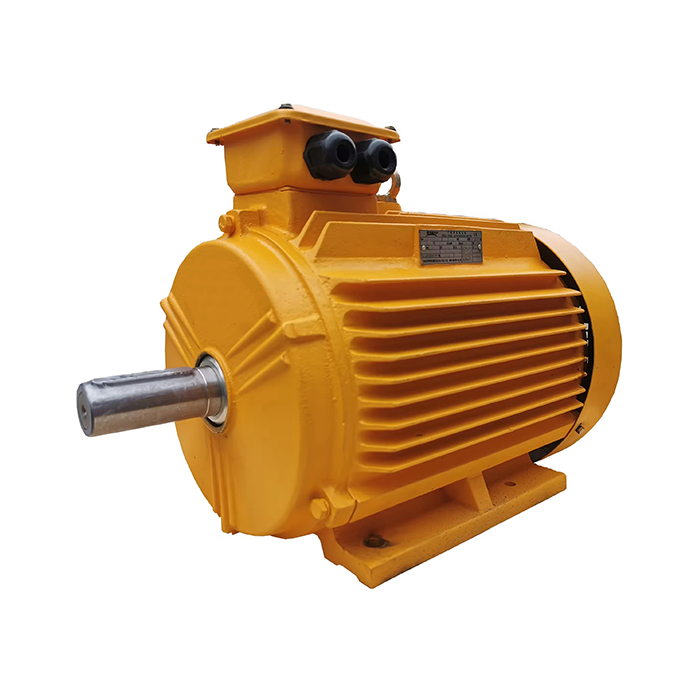
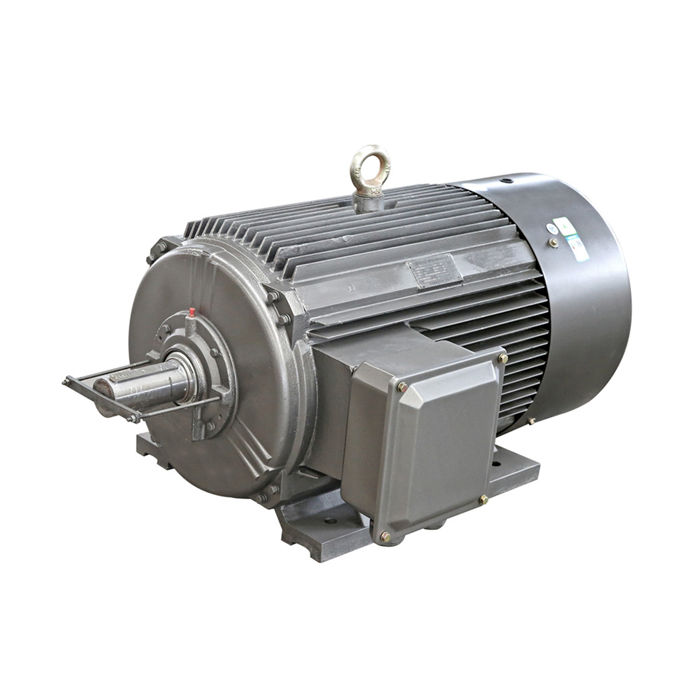
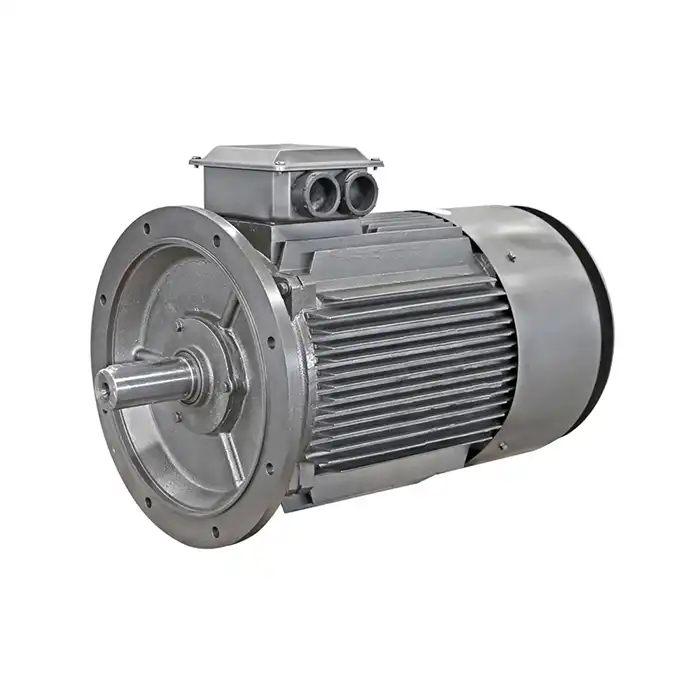
Series:YRQ
Voltage range:380V±5%
Power range:45-800kW
Protection level:IP23
Application:YRQ(JR) series medium-sized motors can drive a variety of different machinery, such as fans, compressors, water pumps, crushers, ball mills, cutting machine tools, transportation machinery and other equipment, and can be used in coal mines, machinery industries, power plants and various industrial and mining enterprises. Used as prime mover.
Advantage: The JR series medium-sized motors have very powerful driving capabilities and can not only drive conventional mechanical equipment, but also some complex mechanical equipment. For example, it can drive heavy machinery such as ships, cranes, and wind turbines, as well as small household appliances, purifiers, compressors, etc.
Others: SKF, NSK, FAG bearings can be replaced according to customer requirements.
Understanding Low Voltage Induction MotorsWhat Defines a Low Voltage Induction Motor
The kind of equipment we're talking about today is an induction motor that works with less than 1000V. "Induction" refers to the way these machines make torque: by creating a spinning magnetic field in the stator windings that flows current through the rotor. Induction motors don't need a direct electrical link to the rotor because they use electromagnetic principles. This means that brushes or slip rings aren't usually needed. The voltage classification matters because it determines installation requirements, safety protocols, and compatibility with your existing electrical infrastructure.
Single-Phase vs Three-Phase Configurations
The power supply in your building will tell you which configuration makes the most sense. Three-phase motors rule industrial settings because they offer smoother torque, higher efficiency, and better power density. Single-phase versions are better for smaller jobs or places that don't have access to three-phase power. The YRQ series motors we work with run on three-phase power at 380V (±5%), which is common for commercial electrical systems in North America and works with most distribution panels without the need for expensive transformer installations.
Squirrel Cage and Wound Rotor Designs
The rotor construction of a low voltage induction motor significantly affects performance characteristics. Squirrel cage rotors feature aluminum or copper bars short-circuited by end rings, creating a simple, rugged design with minimal maintenance needs. This design is the most popular on the market because it is very reliable and doesn't cost much. Wound rotor motors, on the other hand, have insulated windings that are linked to an outside resistance. This lets you set the speed and give the motor a lot of starting power. Your YRQ motors have copper rotor bars and copper stator windings, which improves thermal performance and conductivity while keeping the ease of squirrel cage design.
Key Components That Affect Performance
The cast iron frame provides structural integrity while dissipating heat generated during operation. Quality matters here—precision die-casting ensures physical correctness that lessens vibration and extends bearing life. Speaking of bearings, the use of premium options from SKF, NSK, or FAG (interchangeable based on your preference) directly influences maintenance intervals and unexpected downtime. The precisely balanced rotor assembly lowers vibrations, which protects building structures and equipment that is connected to it. Insulation class B windings handle operating temperatures up to 130°C, providing adequate thermal margin for demanding applications.
Features and Benefits of Low Voltage Induction Motors
Energy Efficiency and Operating Cost Savings
Electricity represents approximately 97% of a motor's lifetime costs, dwarfing the original purchase price. When compared to aluminium alternatives, our motors have less resistive losses because they have copper windings in both the stator and the rotor. This change in design usually makes things two to three percentage points more efficient, which saves energy over thousands of hours of use. When you're running equipment continuously or near-continuously, these efficiency gains compound quickly. A 100kW motor running 8,000 hours annually at $0.10 per kWh saves roughly $1,600 yearly with just a 2% efficiency improvement—savings that continue year after year.
Simplified Installation and Maintenance Requirements
Working with tools listed at 380V rather than medium voltage options simplifies your electrical system. For installation, you don't need high-voltage experts or unusual insulation materials. These voltage values are normal for industrial cable, motor control centers, and safety devices. It's also easier to keep up with maintenance because your electricians already have the skills and tools they need to check for problems, fix them, and make repairs. The squirrel cage design means that you don't have to change the brushes and that the bearings and, sometimes, cooling fans wear out less quickly.
Operational Advantages in Industrial Environments
Compared to many other options, the low voltage induction motor runs quietly, which makes working conditions better and makes it easier to follow noise rules at work. The strong cast iron construction can handle the rough conditions found in factories, mines, and outdoor installations. IP23 protection keeps inside parts safe from solid objects bigger than 12 mm and water spray at up to 60° angles from vertical, making it good for most industrial settings. The IC01 cooling method uses surface cooling without external fans on smaller frame sizes. This means that there is no maintenance needed for the fans and there is very little noise during operation.
By understanding these benefits, you can better understand why induction motors are used in so many industrial settings, from making cars to treating water.
Compliance with Energy Efficiency Standards
More and more, regulatory standards demand higher levels of efficiency. The IE3 and IE4 grades are widely recognised standards for motor performance. IE4 motors have about 15–30% lower losses than standard efficiency units. Our YRQ series motors meet strict efficiency standards that make them ideal for industrial use. However, our main goal is still to provide reliable performance that lowers your running costs, not just to meet regulatory requirements. When efficiency goes up, utility bills go down, thermal loads go down, and the environment is less affected. These are all benefits that matter to procurement teams that have to balance goals for performance, cost, and sustainability.
Applications of Low Voltage Induction Motors in Industry
Manufacturing and Process Control Applications
The YRQ motors driving equipment in automotive plants, electronics assembly facilities, aerospace manufacturing operations, and food processing environments demonstrate remarkable versatility. These motors power pumps that move coolant, hydraulic fluid, or process liquids; compressors that supply air to systems; crushers that break down materials into smaller pieces; and ball mills that grind materials to the right consistency. From mid-sized pumps to big conveyor drives and processing equipment, the 45kW to 800kW power range has what most industrial equipment needs. Reliability is important in manufacturing environments because unplanned motor failures stop production lines, which can affect delivery times and customer commitments.
HVAC and Refrigeration Systems
Commercial buildings, data centers, hospitals, and industrial facilities rely on heating, ventilation, and air conditioning systems operating continuously or on-demand. There needs to be reliable motor options for centrifugal chillers, air handling units, cooling tower fans, and circulation pumps. Being able to work at speeds between 500 and 1500 rpm makes it possible to work with a wide range of equipment types and performance needs. Residential HVAC uses rarely use these motors in bigger homes or multi-family buildings where heating and cooling loads exceed normal residential equipment limits. To keep temperature-controlled areas safe for valuable inventory, refrigeration systems in cold storage warehouses, food processing plants, and distribution centers need motors that work consistently.
Energy and Utilities Sector Demands
Power plants use low voltage induction motor for many things, like running boiler feed pumps, condensate pumps, cooling water pumping systems, and tools for moving fuel. They are used in solar tracking systems, wind rotor yaw and pitch control systems, and balance-of-plant tools for renewable energy projects. Water treatment plants depend heavily on reliable motor performance for raw water pumps, chemical feed systems, clarifier drives, filter backwash pumps, and high-service pumps delivering treated water to distribution systems. The continuous duty cycle rating (S1) of these motors means they can run nonstop 24 hours a day, seven days a week, without losing power. This is similar to how utilities infrastructure works.
Specialized Industrial Applications
Mining operations use these motors in conveyor systems moving ore, ventilation fans keeping air quality underground, dewatering pumps controlling groundwater, and processing equipment preparing materials for refining. Chemical companies incorporate them into reactor agitators, transfer pumps handling corrosive materials, and distilling column equipment. Transportation infrastructure includes uses in airport baggage handling systems, railway repair facilities, and shipping port cargo handling equipment. Agricultural operations power irrigation pumps, grain handling conveyors, feed processing equipment, and ventilation systems. They are used in central chiller plants, building automation systems, and specialised medical equipment that needs precise motor control in healthcare facilities.
These motors can power everything from heavy machinery like cranes and material handling equipment to precise tasks that need to be able to control speed consistently and start up reliably.
How to Choose the Right Low Voltage Induction Motor
Evaluating Technical Specifications
The power rate is where you should start. Next, figure out the mechanical load needs, which should include friction, acceleration needs, and long-term working loads. Add suitable safety gaps (typically 10-20%) to prevent continued running at maximum capacity. The 380V rating is the same as normal industrial power distribution systems in the US. However, 660V ratings are available for certain uses or areas that prefer them. The speed you choose depends on the equipment it drives. For direct-coupled applications, matching the motor speed to the load needs is best because it reduces or gets rid of the need for gearboxes. You can choose from 2, 4, 6, or 8 pole configurations, which give you the freedom to match speed needs between 500 and 1500 rpm at 50Hz or 60Hz.
Understanding Duty Cycles and Environmental Factors
If the motor has a continuous duty (S1) rating, it can run at its rated load for an infinite amount of time without getting too hot. This works for most industrial uses where machines work long shifts or all the time. Ambient temperature ratings are important. Standard motors can work in temperatures ranging from -20°C to +40°C, which is enough for most indoor installations and many outdoor uses in mild climates. Extreme environments need extra care that goes beyond what is required by law.
Mounting Configuration Selection
Foot-mounted versions of the low voltage induction motor are safe for most stationary uses because they bolt straight to rigid bases or structural steel. Flange-mounted designs connect directly to driven equipment. This is common in pump and gearbox applications where limited space requires small installations. Combination foot-flange mounting gives you options for installation, letting you use either mounting method depending on the needs of the job site. The best way to mount something depends on the installation conditions and the tools being moved.
Supplier Evaluation Criteria
There's more to choosing a motor provider than just looking at specs sheets. Product availability affects project timelines; motors that are in stock ship right away, but custom configurations need time to be made. Support for technical issues is useful during the planning, setting up, and fixing stages. Warranty terms protect your investment. Knowing how to file a claim, how long the coverage lasts, and what it doesn't cover are all important things to know. After-sales service, such as having spare parts on hand, being able to do field repair, and offering application engineering help, adds value after the sale. We keep dedicated support on both weekends because we know that industrial operations don't stop during normal business hours.
Installation and Technical Guidelines
Starting Method Options
Direct-on-line starting is easy because all power is applied to the motor wires when a contactor is closed. This approach suits applications where high inrush current (typically 6-8 times rated current) doesn't create problems for upstream electrical systems or mechanically shock driven equipment. Star-delta starting lowers inrush to about 30% of direct-on-line values by connecting the windings in a star shape at first and then moving to a delta shape after acceleration. This method needs motors built with six accessible winding terminals. Soft starters use semiconductor devices to gently increase voltage during acceleration, managing inrush current and mechanical stress while offering changeable acceleration profiles. Variable frequency drives offer the ultimate control, adjusting both voltage and frequency to precisely manage speed, torque, and acceleration profiles while delivering excellent energy savings in variable-load applications.
Noise and Vibration Control Strategies
Proper foundation design isolates low voltage induction motor vibration from building structures. Rigid mounting to thick concrete pads or structural steel frames stops resonance, which makes noise louder and speeds up bearing wear. Flexible links between motor and driven equipment allow slight misalignment while reducing vibration transfer. Precision angular and parallel shaft alignment lowers the loads on bearings and lowers vibration. By using vibration analysis for regular monitoring, problems can be found before they become too big to fix, so planned maintenance can be done instead of emergency repairs. Acoustic enclosures reduce airborne noise in sound-sensitive environments, though they require adequate ventilation to prevent overheating.
Troubleshooting Common Issues
When a motor won't start, it's usually because of a problem with the power source, the control system, or the mechanical parts. Check the voltage coming in at the motor terminals, the settings for thermal overload, and the continuity of the control circuit. Bearings that have seized up, imbalance, or problems with moving equipment can all cause mechanical resistance. Overheating during operation could mean that the system is overloaded, not getting enough air flow, the power isn't balanced, or the bearings are wearing out. Current measures and temperature readings at the bearing housings and frame surfaces help find the root causes. Unusual noise could mean that a bearing is damaged, the rotor isn't balanced, the housing is loose, or there are problems with the air gap. Vibration analysis finds specific fault frequencies that relate to different types of failure, which lets you take focused action to fix the problem.
By taking care of installation and operation issues, you can protect your motor investment and make sure that your equipment is always available for production needs.
Conclusion
The best motor solutions for your business will have a direct impact on performance, cost of ownership and production reliability. All of the aspects we’ve discussed so far, from the principles of electromagnetic induction to helpful installation recommendations, help you make good choices about what to purchase. In most industrial drive applications in HVAC, manufacturing, utilities and other speciality applications, motors operating at 380V in the 45kW to 800kW range would suffice. Designed to run smoothly and last, these machines include copper windings, finely tuned rotors, superior bearings and durable cast iron construction. If you know the technical requirements, the application demands and the expertise of the provider, you may make selections that will fulfil the needs of your building for years to come.
FAQ
1. What distinguishes motors at different voltage levels?
The type of voltage affects the needs for insulation, safety rules, and electrical infrastructure. Standard industrial wire methods, safety devices, and installation methods are used for equipment that works with less than 1000V. Most facility electricians are familiar with these. Medium voltage motors (1kV to 7kV) need special cables, switchgear, and trained staff, which makes them harder to install and keep up. The choice relies on how much power is needed and what kind of electrical equipment is already in place. Standardisation is good for places that already have systems set up at a certain voltage level.
2. How often do these motors require maintenance?
Lubricating the bearings is the most important part of upkeep. How often you do it depends on how the machine is used, the type of bearing, and the manufacturer's suggestions. Usually, smaller motors should be oiled once a year or twice a year in normal conditions. However, if they are used continuously or in harsh conditions, the intervals may need to be shortened. Checking the condition of the bearings, mounting tightness, and winding insulation resistance on a regular basis can help find problems early on. Compared to DC motors or wound rotor options, squirrel cage designs require less upkeep because they don't have brushes, slip rings, or other parts that wear out.
3. Can specifications be customized for specific applications?
Different mounting options, shaft lengths, terminal box sites, and bearing choices can be used to meet different installation needs. There are interchangeable quality bearings from SKF, NSK, and FAG that can be used to match specific performance or buying needs. You can choose between 380V and 660V voltage levels. If there are special environmental concerns, non-standard frequencies, or specific performance needs, you may need to talk to someone to find out if it's possible and how long it will take.
Partner with XCMOTOR for Your Industrial Motor Needs
Shaanxi Qihe Xicheng Electromechanical Equipment Co., Ltd. runs XCMOTOR and has a lot of experience in providing power equipment solutions for industrial automation, HVAC systems, utilities, and other specific uses in the US market. Our YRQ line is made up of reliable motor technology that comes with full support, such as expert advice, help with specifications, and quick service after the sale. We offer equipment that meets the most stringent industrial needs, whether you need motors for pumps to power your process systems, compressors to power pneumatic equipment, conveyors to move materials through production, or anything else in the 45–800kW range.
As a reliable low voltage induction motor provider, we know that procurement teams choose partners based on the quality of their products, how reliable their delivery is, how much expert help they offer, and how well they can provide ongoing service. As part of our commitment, we offer original equipment from well-known manufacturers, fast delivery to make sure your projects stay on schedule, flexible return policies to protect your investment, and dedicated support seven days a week. You can email our team at xcmotors@163.com to talk about your unique motor needs, get pricing for your future projects, or ask for more information. We're ready to help you find the best solution for your facility in terms of performance, efficiency, and value.
References
1. Chapman, S.J. (2012). Electric Machinery Fundamentals. McGraw-Hill Education, New York.
2. Fitzgerald, A.E., Kingsley, C., and Umans, S.D. (2003). Electric Machinery. McGraw-Hill Science/Engineering/Math, Boston.
3. Nasar, S.A. and Boldea, I. (2006). Linear Electric Actuators and Generators. Cambridge University Press, Cambridge.
4. International Electrotechnical Commission (2014). Rotating Electrical Machines - Part 30-1: Efficiency Classes of Line Operated AC Motors (IE Code). IEC 60034-30-1.
5. Bonnett, A.H. and Yung, C. (2008). Increased Efficiency Versus Increased Reliability: Performance Comparison of IE2, IE3, and IE4 Induction Motors. IEEE Industry Applications Magazine, 14(1), 44-51.
6. Toliyat, H.A. and Kliman, G.B. (2004). Handbook of Electric Motors. CRC Press, Boca Raton.