



3.3kV Motor vs 6.6kV Motor: Which Should You Choose?
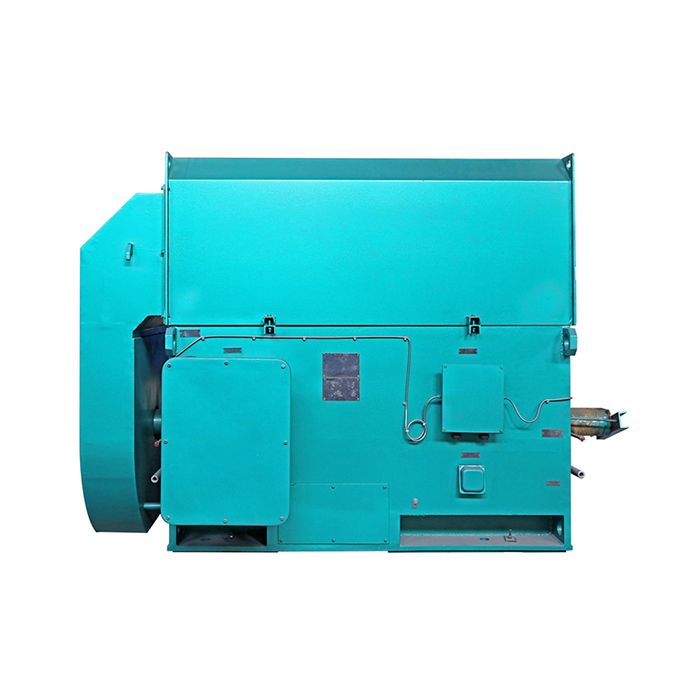
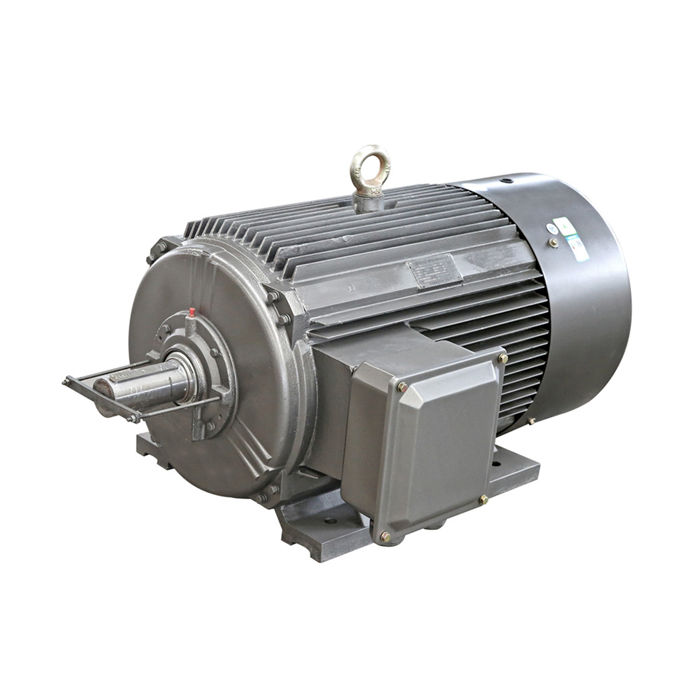
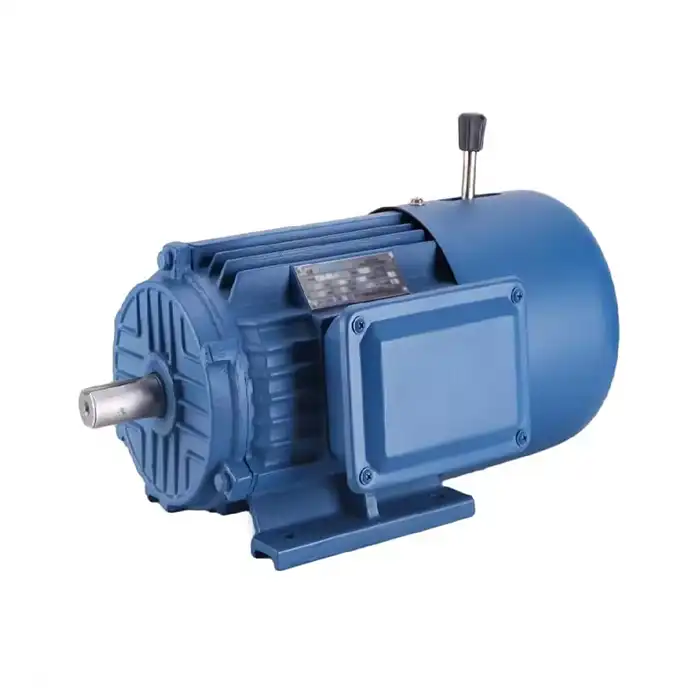
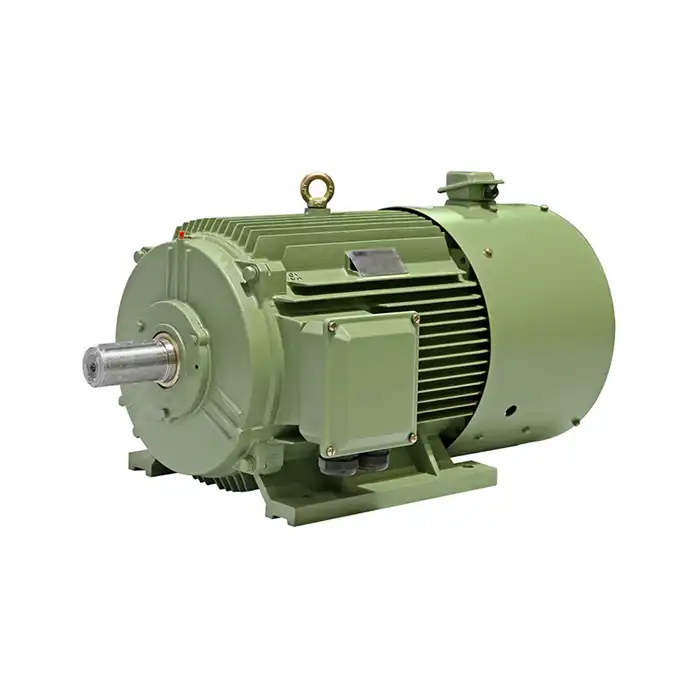
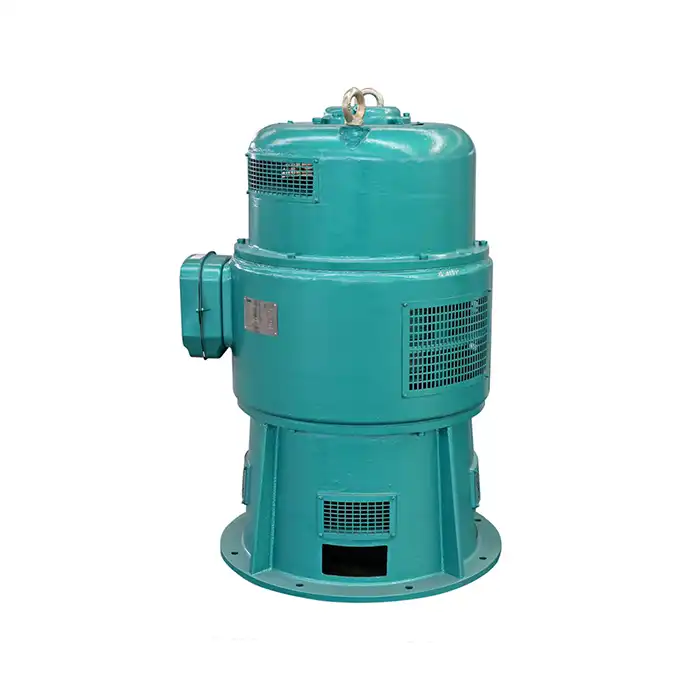
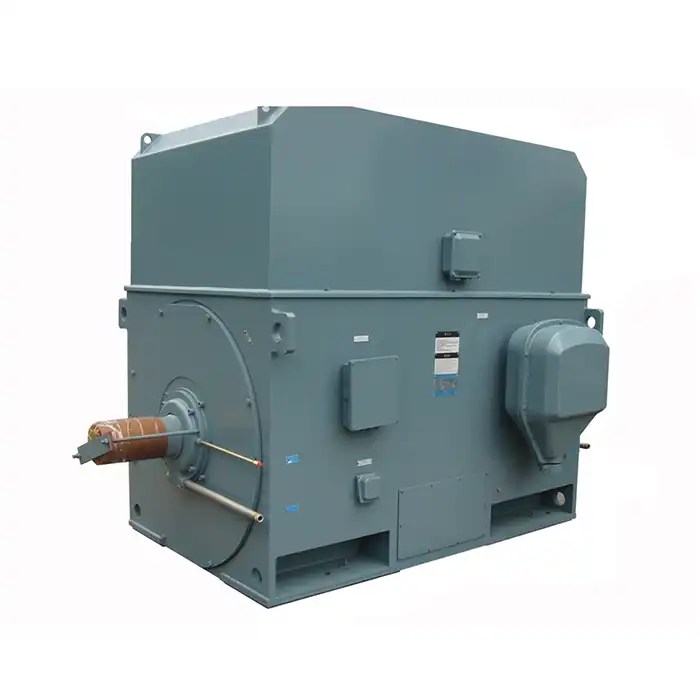
3.3kV vs 6.6kV motor voltage selection will depend on the power requirements of your facility, electrical infrastructure and operational goals. For mid-sized manufacturing businesses with modest load needs, a 3.3 kV motor fits well. They’re simpler to integrate with standard voltage systems and require less initial investment. On the other hand, 6.6kV motors offer greater power capacity for heavy-duty industrial applications, which reduces the current draw and allows for more efficient long-distance power transmission, but they require more extensive infrastructure upgrades.
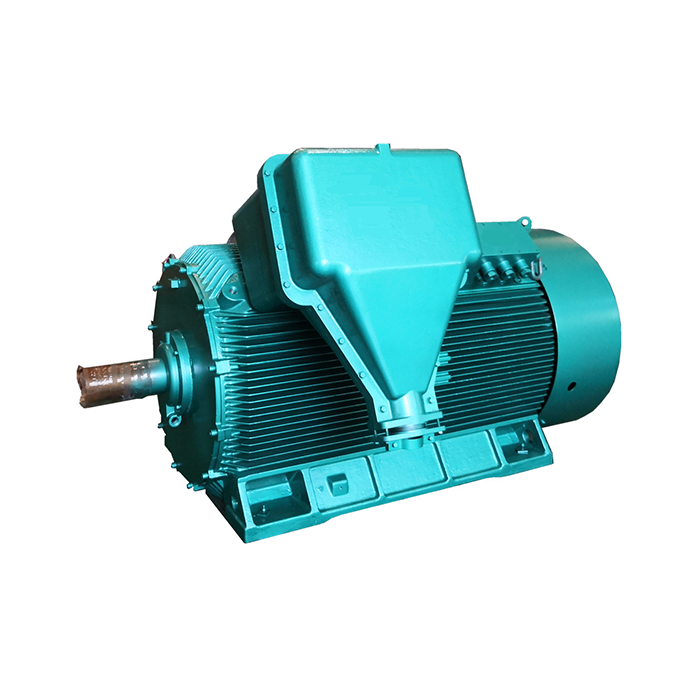
Series:Y2
Protection level:IP54
Voltage range:3000V±5%,3300V±5%,6000V±5%,6600V±5%,10000V±5%,11000V±5%
Power range:160-1600 kW
Application:fans, water pumps, compressors, crushers, cutting machine tools, transportation machinery, etc.
Advantage:compact structure, light weight, low noise, small vibration, long service life, easy installation and maintenance.
Standard: This series of products complies withJB/T10444-2004 standards.
Others: SKF, NSK, FAG bearings can be replaced according to customer requirements.
Understanding 3.3kV and 6.6kV Motors: Technical Foundations
To choose the right medium voltage motor, you must first understand the basic differences between 6.6kV and 3.3kV systems. Not only do these voltage ratings set electricity requirements, but they also affect thermal performance, insulation needs, and the general dependability of the system.
Voltage Ratings and Structural Design
Medium-voltage motors operate at 1kV to 15kV, with 3.3kV and 6.6kV being industry standards. A 3.3 kV motor operates at 3000V or 3300V with ±5% precision. 6.6kV units operate accurately at 6000V or 6600V. This voltage differential greatly affects conductor size, insulation thickness, and winding configuration. Higher voltage motors require Class F or Class H insulation to withstand the greater electrical stress and prevent breakdown.
Both motors have identical stator, rotor, bearings, and casings. Instead, 6.6kV designs feature greater shielding and more distance between conducting sections. This increases physical dimensions and weight compared to 3.3kV power levels. Modern designs follow international standards like JB/T10444-2004, which ensures manufacturing quality and safety.
Power Output and Efficiency Characteristics
Medium voltage motors, with power ratings between 160kW and 1600kW, can accomplish difficult jobs in many sectors. At the same power output, a 6.6kV motor draws half the current of a 3.3kV motor, reducing cable and switchgear resistive losses. Reduced current leads to decreased I²R losses in the distribution system. This boosts plant efficiency by 2–4% in large installations.
Both voltage classes have efficiency metrics above 95% at rated load when appropriately described. 500–1000kW motors perform best at 75–100% of their rated power. Thermal management becomes more crucial at higher voltages. Effective cooling systems like IC411 air-to-air cooling keep winding temperatures safe. Premium bearings from SKF, NSK, or FAG improve reliability and save maintenance.
Starting Performance and Torque Development
There are small differences in how starting torque behaves at different voltage levels. A 3.3 kV motor usually makes 150 to 200% of its rated torque when it is started directly from the line. 6.6kV motors do about the same, but their peak starting currents are lower. This lower current surge keeps voltage drops in the supply network to a minimum, which keeps sensitive equipment on the same bus from being affected.
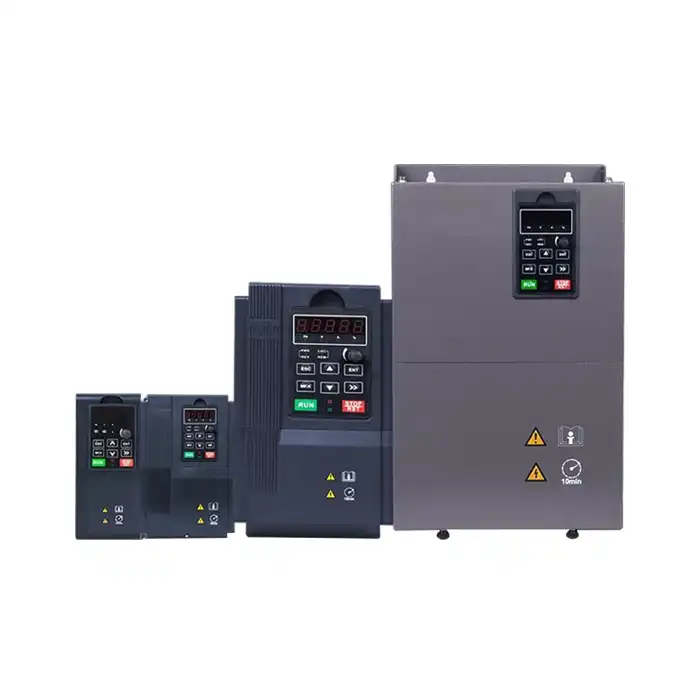
Modern variable frequency drives work well with both voltage classes for tasks that need to start and stop often or have variable speed settings. When compared to across-the-line starting methods, soft-start systems make equipment like breakers, compressors, and water pumps 30–40% more durable by lowering the mechanical stress they are under.
Comparing Performance and Applications: 3.3kV vs 6.6kV Motors
Which power level works best depends on the needs of the product in the real world. Knowing the needs of a certain business helps procurement teams match motor specs to how things actually work.
Industry-Specific Application Suitability
3.3 kV motors are often used for process equipment with a rating of 200kW to 800kW in the automobile, aircraft, and food processing industries. These motors power conveyors, mixers, and packaging lines that don't need a lot of power and can connect to standard electrical systems. Modern 3.3 kV motor designs are easy to install in production areas with limited space because they are small and light.
6.6kV motors are excellent for power plants, water treatment plants, and green energy facilities with capacities exceeding 1000kW. Higher voltage systems are preferable for cooling tower fans, boiler feed pumps, and wind turbine direction control due to their thinner cables and greater voltage adjustment. A large California water treatment plant cut electrical distribution costs by 18% by switching from 3.3kV to 6.6kV motors for main pump units.
Commercial HVAC uses both voltage classes depending on building size. Mid-rise office buildings require 3.3kV motors for 300–600kW chillers. However, large hospitals and industrial parks need 6.6kV units to cool 1200–1600kW. Motors with minimal noise and vibration are significant in populated regions when appropriately designed.
Energy Consumption and Efficiency Analysis
When you compare operating costs, you can see small but important differences. In a 100-meter run with 95mm² copper conductors, a 500kW 3.3 kV motor drawing 87A at full load causes cable losses of about 3.8kW. The equivalent 6.6kV motor draws 44A, which cuts cable losses to 0.95kW, which is a 75% improvement that saves a lot of money over 8,760 hours of operation per year.
Studies of many industrial locations suggest that facilities that predominantly utilise 6.6kV power consume 3–5% less energy than equivalent installations that use 3.3kV. This efficiency gain increases when transformer losses, switching resistive losses, and power factor adjustment equipment size are included. However, 3.3kV systems are cheaper for smaller operations under 500kW since they need less infrastructure.
Maintenance Requirements and Service Life
Normal maintenance is same for all voltage classes. Bearing lubrication, insulation testing, and vibration monitoring are their duties. Following the manufacturer's specifications, 3.3kV and 6.6kV motors endure 20–25 years. Modern designs save downtime by being simple to install and maintain. Bearing replacement takes 4–6 hours with standard tools.
Annual megohmmeter insulation resistance testing detects degradation before it occurs. Readings must exceed 100 megohms for 3.3 kV motor windings and 200 for 6.6kV. Thermal imaging scans reveal connectivity or cooling weakspots. These preventative measures can extend asset life and improve performance.
Cost and Procurement Considerations for 3.3kV and 6.6kV Motors
A financial study looks at more than just the buying price; it also looks at the total costs of owning the motor over its entire useful life. A smart procurement strategy weighs the initial investment against the costs of running the business in the long term.
Initial Investment and Installation Costs
3.3 kV motors usually cost between $8,000 and $45,000 to buy, but this depends on their power rating, level of protection, and other specifications. Similar 6.6kV units cost 15–25% more because they have better insulation systems and bigger frames. A 750kW 3.3 kV motor costs around $28,000, and a 6.6kV motor costs around $34,000 from well-known sellers.
Facilities with 3.3kV distribution systems can add new motors with minor changes, lowering installation costs to $3,000 to $5,000 per unit. To switch to 6.6kV, transformers, switchgear, and cable systems must be upgraded. Full retrofits can cost over $50,000. These penalties for retrofitting are not applicable.
Protection levels impact pricing. For example, IP54 enclosures are good enough for most indoor uses and don't let dust or splashes in, but IP55 or IP56 ratings raise base prices by 8–12% for harsh environments. Customization choices including special shaft configurations, luxury bearing packages, or explosion-proof construction further impact final costing.
Operating Costs and Return on Investment
Over the course of 20 years, 95% of the total cost of owning a motor is spent on electricity. At $0.10/kWh, a 1000kW motor that runs for 7,000 hours a year uses $700,000 worth of power every year. Even small improvements in efficiency of 2% to 3% save between $14,000 and $21,000 a year, which covers the high cost of the equipment within 18 to 24 months.
Lower cable losses in 6.6kV systems result in further savings beyond motor performance, particularly compared to 3.3 kV motors. Large installations that deliver electricity beyond 200 meters benefit from lower current flow. A detailed analysis comparing 3.3kV and 6.6kV distribution for a 5MW industrial plant revealed that the higher voltage system saved $47,000 a year while costing $180,000 more to install, with a 3.8-year return.
Maintenance costs are about the same for all voltage levels, averaging between $800 and $1,200 per motor per year for routine inspections, replacing bearings, and testing the insulation. Lifecycle upkeep costs are kept to a minimum by quality motors' long work lives and low support needs.
Supplier Selection and Lead Times
To get medium voltage motors, you need to work with reputable manufacturers who offer full technical support and quality assurance. Leading global providers keep huge catalogues of products that cover a wide range of power levels, from 160kW to 1600kW, and voltage levels, such as 3000V±5%, 3300V±5%, 6000V±5%, 6600V±5%, 10000V±5%, and 11000V±5%.
Standard lead times for common configurations are 8 to 12 weeks. Custom specifications, on the other hand, may take 14 to 16 weeks, depending on how much the factory can make. The Shaanxi Qihe Xicheng Electromechanical Equipment Co., Ltd. keeps a stock of popular types to speed up delivery for jobs that need to be done quickly. Our promise of fast delivery makes sure that important equipment gets to where it needs to go on time, keeping project delays to a minimum.
Warranty coverage usually lasts for 12 months from the date of shipment or installation, whichever comes first. Facilities that run continuous production plans can rest easy knowing they have dedicated help that lasts through the weekends. Building relationships with manufacturers that offer both pre-sales advice and technical support after the sale is very helpful when fixing operational problems or planning to increase capacity.
How to Choose the Right Motor Voltage for Your Facility
Systematic evaluation systems help the engineering and procurement teams match motor specs with building needs, finding a balance between cost-effectiveness and technical performance.
Assessing Load Requirements and Infrastructure Compatibility
First, write down the features of the connected load, such as the needed power output, duty cycle, starting frequency, and torque profile. Adding a varying frequency drive, no matter what voltage level it is at, is helpful for applications that need steady torque over a wide range of speeds. Before switching to 6.6kV systems, facilities that already have 3.3kV distribution infrastructure should carefully weigh the pros and cons.
Calculate the total linked motor load and guess how it will grow over the next 10 to 15 years. Plants that are getting close to their distribution capacity limits may find that upgrading to 6.6kV lets them grow without having to do a lot of work to their electrical infrastructure. On the other hand, facilities with enough 3.3kV capacity and moderate growth plans can get the best return on investment by sticking to the voltage levels that are already in place.
Check the available fault current, voltage control, and power quality of the utility source. Some utility rate structures give higher voltage connections better rates, which helps cover the costs of building the infrastructure. Working together with utility companies during the planning stages can help you avoid having to make expensive changes during installation.
Balancing Efficiency, Cost, and Maintenance Factors
Make a weighted decision matrix that includes things like operational flexibility, capital costs, energy costs, and maintenance needs. Set the value of each factor based on what's most important to the company. For example, continuous processes that use a lot of energy should prioritise efficiency, while intermittent operations should focus on minimising capital costs.
Here are some useful decision-making tips based on real-world experience in the field:
- Favor 3.3kV motors when: 3.3kV infrastructure is already in place, individual motor ratings stay below 800kW, distribution distances are less than 150 meters, and upfront investment budgets are tight. Large and medium-sized factories, food processing plants, and commercial HVAC installations often have these problems.
- Select 6.6kV motors when: the total load on the facility is more than 5MW; each piece of equipment has a rating of more than 1000kW; the distribution runs longer than 200 meters; and minimising initial capital costs is more important than maximising lifecycle costs. Large water treatment plants, power plants, and industry buildings usually meet these requirements.
These guidelines provide decision frameworks rather than rigid rules. Each building has its own specific problems that need to be looked at in a specific way. Including skilled application engineers in the development of specifications makes sure that the best motor is chosen in a way that meets operational goals and budget limits.
Real-World Case Study Examples
A company in the Midwest that makes parts for cars looked at different motor options for a new 850kW air compressor installation. Their current 3.3kV distribution system made merging easier, so they didn't have to spend $65,000 on electrical changes that would have been needed for 6.6kV operation. While keeping the same level of efficiency, the 3.3 kV motor cut the project's costs by 22%.
On the other hand, a local water authority that was upgrading main pump stations that serve 180,000 people asked for 6.6kV motors for four 1400kW units. Even though the switches and transformers cost $280,000, the lower distribution losses saved $62,000 a year, which paid for themselves in 4.5 years and left room for future demand growth.
Troubleshooting and Maintenance Tips for 3.3kV Motors
Proactive repair plans keep machines running at full capacity and for longer, protecting capital investments and keeping production reliable.
Common Operational Issues and Diagnostic Approaches
Industrial motor failures are 40%–50% due to fractured bearings. Too much shaking, unusual sounds, or excessive bearing temperatures indicate insufficient lubrication or mechanical imbalance. Vibration analysis every three months using portable analysers may detect issues months before they become disastrous. This allows scheduled maintenance during downtime instead of emergency repairs.
Annual megohm testing shows insulation degradation as lower readings. Wetness, chemical pollution, and temperature variations impair insulation. Readings below manufacturer guidelines require more research. Infrared thermography locates partial insulation breakdown hotspots. If you fix these issues straight away, you may prevent costly motor rewinding or replacement.
Blockages in the cooling system reduce heat escape, raising winding temperatures above safe limits. Check air passageways and cooling fans every three months for heavy-duty usage and once a year for light-duty use to keep them free. The IC411 cooling technique advised for medium voltage motors requires air to circulate freely around the motor frame and via its internal passages.
Preventive Maintenance Protocols
Set up regular inspection schedules that are based on how the business is running, especially for a 3.3 kV motor. Motors that are kept clean and in a climate-controlled space don't need to be serviced as often as units that are exposed to dust, water, or extreme temperatures. A useful maintenance list includes lubricating the bearings every 2,000 to 4,000 hours of operation, testing the insulation's resistance once a year, keeping an eye on vibrations every three months, doing thermal imaging surveys every six months, and doing a full inspection during the yearly shutdowns.
Keep track of all the repair work you do by writing down the amounts of vibration, numbers for the insulation, bearing temperatures, and visual notes. Trend analysis finds patterns of gradual decline that let you plan repair ahead of time and cut down on unplanned downtime. Keeping extra parts on hand, especially bearings (which can be SKF, NSK, or FAG types depending on the customer's needs), makes sure that repairs can be done quickly when something goes wrong.
Optimizing Performance and Energy Efficiency
Permanent or movable meters should be used to keep an eye on power use and make sure motors are working within their design limits. Large differences from the predicted current draw show that there are mechanical issues or changes in the process that are changing the loading. Running motors well below their rated capacity lowers their efficiency. This common loss of efficiency can be avoided by right-sizing equipment during the design phase.
Use variable frequency drives or soft-start systems to lower the amount of inrush current and mechanical stress that happens during startup sequences. When these technologies are used together, they make linked parts like gears, couplings, and driven loads like crushers and cutting machines last longer. Controlled acceleration leads to longer service life and less upkeep, which make the extra cost worth it within two to three years for uses that are started often.
Conclusion
To choose between 3.3kV and 6.6kV motors, you need to carefully look at how much power you need, the infrastructure you already have, and the long-term costs of running the motors. A 3.3 kV motor is better for medium-sized setups with established electrical systems and moderate power needs because it provides stable performance with a lower initial cost. 6.6kV motors, on the other hand, work best in big buildings where better infrastructure is needed because of lower power losses and higher power capacity. When properly specified, installed, and maintained, both voltage classes give years of reliable service. Finding the right balance between capital limits and lifetime costs is key to success. This will ensure that the equipment performs at its best and gives you the best return on your investment for as long as it is in use.
FAQ
1. What power capacity differences exist between 3.3kV and 6.6kV motors?
Both types of voltage can handle power levels between 160kW and 1600kW, but 6.6kV motors are better at handling power levels above 1000kW. Higher voltage lowers the flow of current, which lets more power pass through cables and switchgear of the same size. This makes 6.6kV systems better for heavy-duty uses in power generation, water treatment, and large industrial processes.
2. Can I upgrade from 3.3kV to 6.6kV motors in existing facilities?
Increasing voltage needs major changes to the electrical infrastructure, such as replacing transformers, upgrading switches, and making improvements to the cable system. Facilities should do a thorough cost-benefit analysis that weighs the costs of retrofitting against the benefits of increased capacity and efficiency. In order to avoid expensive retrofits, new building projects should define voltage levels during the planning phase.
3. How do I find reputable medium voltage motor suppliers?
Find manufacturers that have a history of success in your business, offer full technical help, and can make your products fit your needs. Check that the company follows important standards like JB/T10444-2004 and ask for proof of quality approvals. Established suppliers offer detailed specifications, warranties, and after-sales support that are necessary for long-term success in global markets.
Partner with XCMOTOR for Your Medium Voltage Motor Requirements
To choose the right medium voltage motor, you need knowledge that goes beyond product specs and includes application engineering and lifecycle support. At XCMOTOR, we offer complete solutions that are tailored to the specific needs of your building, whether you want to upgrade current systems or set up brand-new ones. Our wide choice of products includes 3.3 kV motor configurations with power outputs ranging from 160 to 1600 kW and security levels such as IP54 and IP55, which ensure the best performance in tough industrial settings. Email our dedicated engineering team at xcmotors@163.com to talk about your project needs and get personalised suggestions based on decades of electrical experience. As a reliable 3.3 kV motor provider, we offer fast shipping, 30-day return policies, and technical help on the weekends to make sure your operations stay as reliable and efficient as possible.
References
1. Chapman, Stephen J. Electric Machinery Fundamentals, 5th Edition. McGraw-Hill Education, 2012.
2. Bonnett, Austin H. and Soukup, George C. "Analysis of Rotor Failures in Squirrel-Cage Induction Motors." IEEE Transactions on Industry Applications, Vol. 24, No. 6, 1988.
3. International Electrotechnical Commission. IEC 60034: Rotating Electrical Machines - Part 1: Rating and Performance. Geneva: IEC, 2017.
4. Stone, Greg C., Boulter, Edward A., Culbert, Ian, and Dhirani, Hussein. Electrical Insulation for Rotating Machines: Design, Evaluation, Aging, Testing, and Repair, 2nd Edition. Wiley-IEEE Press, 2014.
5. Nailen, Richard L. "Managing Motor Efficiency." Plant Services Magazine, Industrial Media, LLC, March 2006.
6. Beaty, H. Wayne and Fink, Donald G. Standard Handbook for Electrical Engineers, 16th Edition. McGraw-Hill Education, 2012.