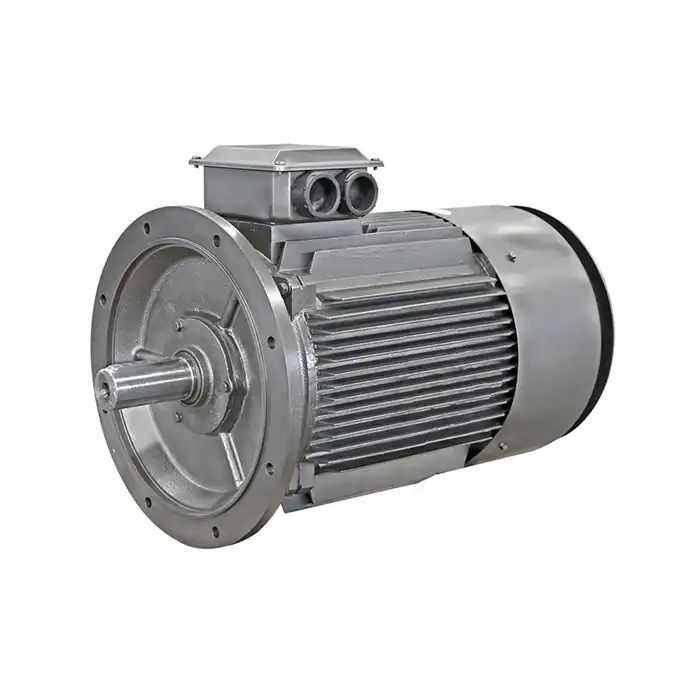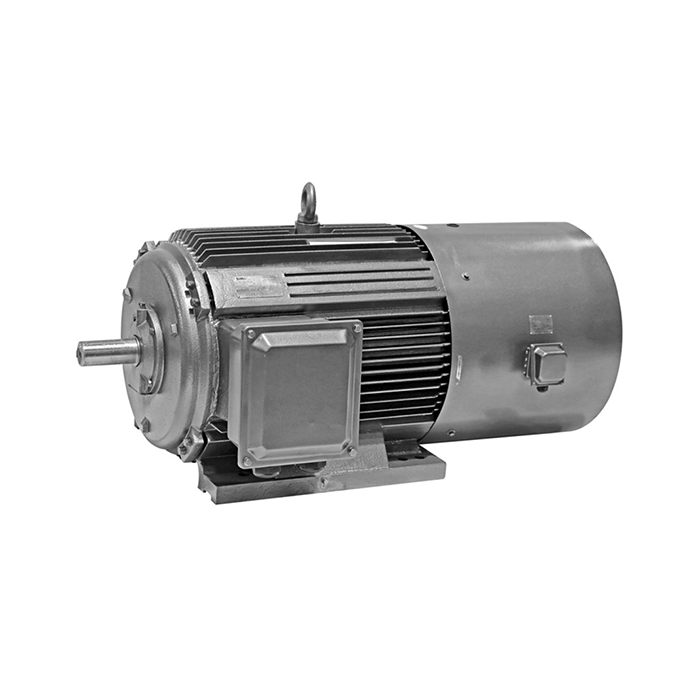




How to Choose Water-Cooled Motors for Hot Environments
Choosing the right water cooled motor for a high-temperature industrial setting is not a simple task. When your facility runs steel rolling mills, mine hoists, or large compressors around the clock, heat buildup is one of the fastest ways to shorten motor life and trigger unplanned shutdowns. A water cooled motor circulates coolant through an integrated jacket to pull heat away from the stator and windings far more effectively than open-frame air cooling. This guide walks through everything a plant engineer or procurement manager needs to know before buying.
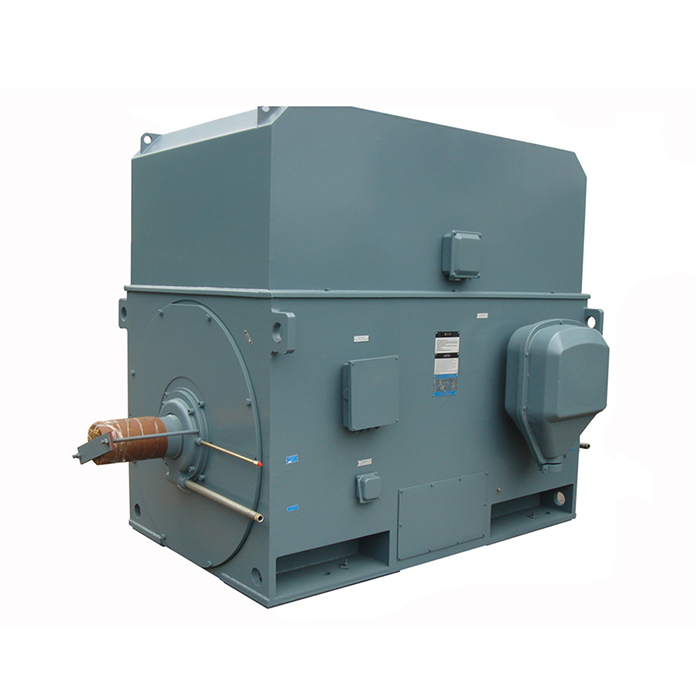
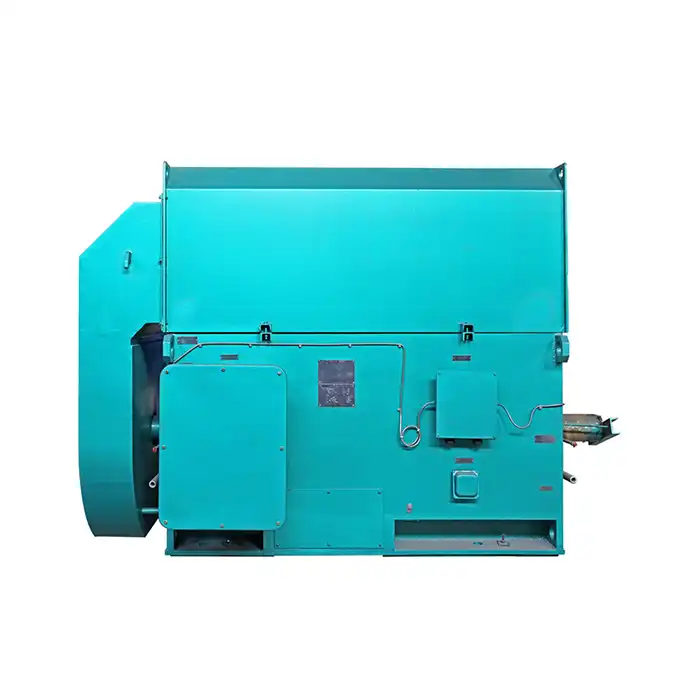
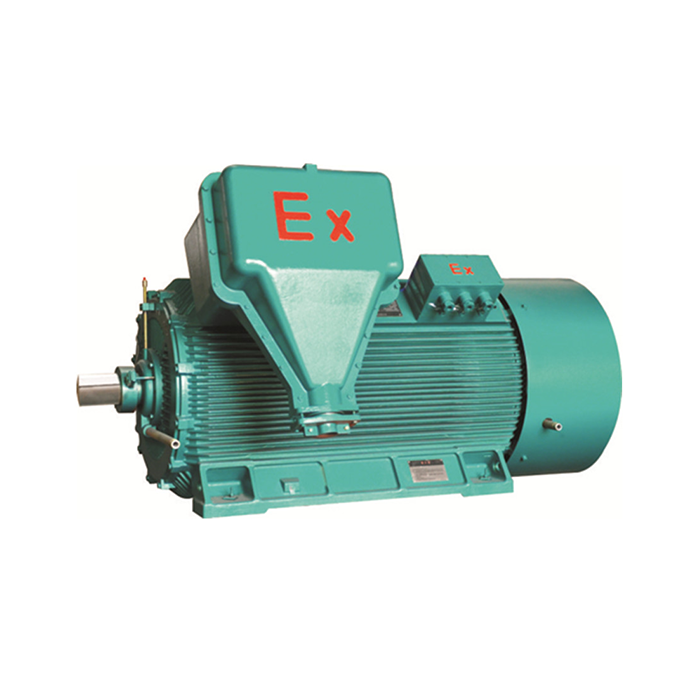
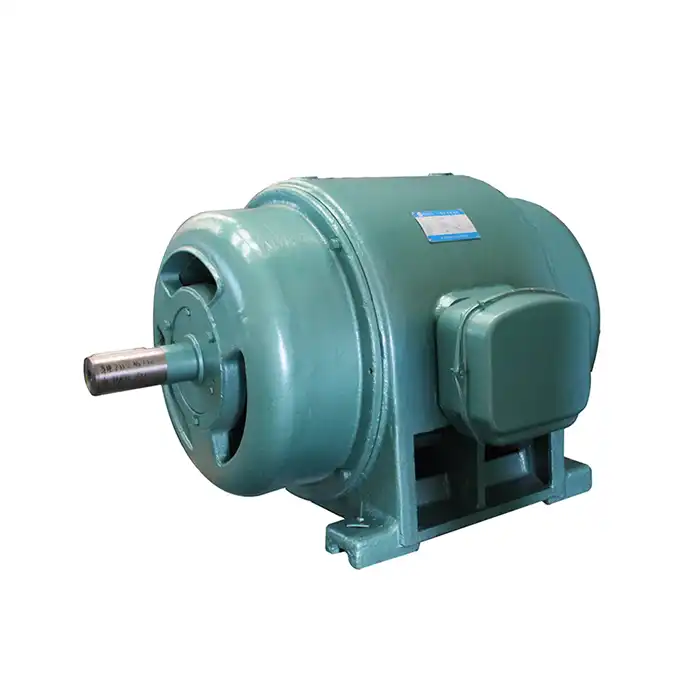
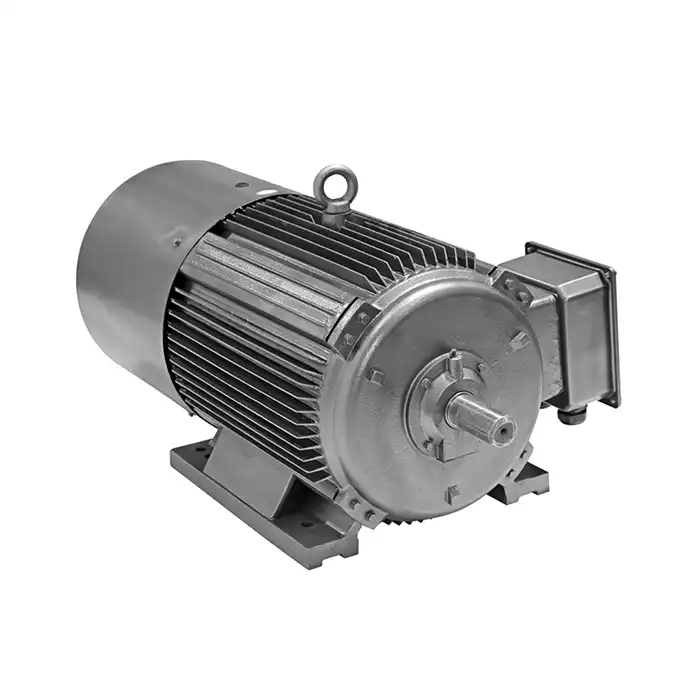
Series:YKS
Protection level:IP54
Voltage range:3000V±5%,3300V±5%,6000V±5%,6600V±5%,10000V±5%,11000V±5%
Power range:220-6300 kW
Application:fans, water pumps, compressors, crushers, cutting machine tools, transportation machinery, etc.
Advantage:low noise, low vibration, long service life, easy installation and maintenance.
Standard: This series of products complies withGB/T 1032 and GB/T 13957 standards.
Others: SKF, NSK, FAG bearings can be replaced according to customer requirements.
Understanding Water-Cooled Motors and Their Advantages
How the Cooling System Actually Works?
Through channels built into or around the motor frame, a water cooled motor moves coolant—usually treated water. The windings give off heat that moves to the frame. The coolant then moves that heat to an outside radiator or cooling tower. This closed-loop system keeps temperatures inside stable even when the air outside is 45 °C or higher, which often happens in foundries, petroleum plants, and mine headframes.
Why Water Cooling Beats Air Cooling in Heavy Industry?
Motors that are cooled by air need clean air to flow across their fins or through their internal ducts. When working with a lot of dust, like when moving coal, crushing ore, or making cement, those ducts get clogged up and the motor gets too hot. In order to prevent dust, metal particles, and acidic mist from touching the windings, a water cooled motor with an IP54 or IP55 cover keeps all cooling fluid inside the jacket. Because of this, the insulation lasts longer and has a more consistent thermal profile.
Noise and Vibration Reduction
Electric motor water cooling is quieter than a similar machine that is cooled by fans, regardless of the temperature. Electromagnetic noise is cut by 8–10 dB in the YKS series from XCMOTOR because the stator and rotor have skewed poles and unequal slot pitches. Another 15 dB of noise reduction is made by low-noise axial flow fans. When there is no load on the machine, the noise level stays below 85 decibels, which is better for workers who spend their whole shifts next to the machine.
Key Criteria for Selecting Water-Cooled Motors in Hot Industrial Settings
Match Voltage and Power to Your Load
Most heavy industrial drives are set to either 6 kV or 10 kV. The YKS series goes from 3,000 V to 11,000 V (with a 5% tolerance on each tap) and from 220 kW to 6,300 kW. High-power models with 3,000 to 6,300 kW output can handle estimated torques of 19,000 to 100,000 N·m, which is enough to directly power big rolling mills and main-shaft hoists. There's no need to connect multiple units in parallel, which would increase the number of places where something could go wrong.
The input voltage at your switchgear bus, the full-load current at starting, and the duty cycle should all be confirmed before choosing a water cooled motor. Undersizing a motor in a hot climate speeds up the wear and tear on the windings; oversizing it costs money and makes no-load losses worse.
Protection Rating and Environmental Fit
IP54 is the standard for most industry spaces inside. It keeps dust out of the windings, which would coat them and make the resistance higher. It also stops maintenance hoses from spraying water on the contacts or steam from leaking. IP55 is often required for outdoor setups like circulating water pump rooms. Before you order, make sure you know which rating applies, because it's expensive to upgrade enclosures after the fact.
Bearing Selection and Long-Term Reliability
A lot of motor failures happen in high-load situations because of the bearings. Depending on the needs of the project, the YKS series can work with SKF, NSK, or FAG bearing packs. Each choice is perfectly matched to the frame size and load capacity. Long-lasting grease and sealed end caps cut down on the need to grease motors more often, which is important when the motor is high up on a mine hoist structure and hard to get to.
Comparing Water-Cooled Motors with Alternative Cooling Solutions
Water Cooling vs. Air Cooling
When the room is clean and has good air flow, air cooling works well for mild loads. When the air temperature or dust level rises above 40 °C, thermal margins get smaller very quickly. A water cooled motor keeps the windings at stable temperatures no matter what the outside temperature is. This means that there are fewer thermal trips and the insulation lasts longer. A water cooling circuit adds pipes, a pump, and a heat exchanger to the system, but for drives over 500 kW that run continuously, the extra work is worth it because they have less downtime.
Water Cooling vs. Oil Cooling
Oil-cooled motors are great at moving heat, but they can start fires in steel plants and chemical plants. For maintenance, you have to deal with used oil, and any seal leak makes it possible to slip. Those worries don't come up with water cooling. Modern jackets are made with corrosion-resistant aluminum alloy cores and waterproof sealing that can withstand more than 1,500 hours of salt spray testing, making them suitable for coastal sites and humid tropical climates.
When a Standard Fan-Cooled Motor Is Sufficient?
If your load changes often, the temperature stays below 35 °C, and the environment is mostly clean, a standard fan-cooled motor may meet your needs at a lower initial cost. When you add continuous-duty cycles, tight machine rooms, or rough airborne particles, the choice changes. Technically and financially, a water cooled motor is the better choice in those circumstances.
How to Source and Procure High-Quality Water-Cooled Motors
Evaluate Supplier Certifications First
The necessary approvals must be present on a water cooled motor before it can be exported. It has been certified by CCC, CE, UL, GOST, ISO 9001:2000, and a number of other domestic organizations. Make sure the supplier can give you original certificates that can be traced back to a recognized testing body. Do not accept copies or documents that have expired.
Understand Lead Times and Logistics
Standard YKS setups ship in two to three weeks. It takes 4–6 weeks for custom items like different voltage taps, special bearing packs, or shaft additions that aren't the norm. Set a window for when you need to buy things for EPC projects with set commissioning dates, and make sure the factory agrees in writing. Large motors that are more than 1,000 kW need special ways to be moved, like flat-rack carriers, permits for large loads, and lifting gear that can handle the weight of the motor. Before signing a purchase order, make sure the supplier can handle logistics.
Customization and Interface Compatibility
Plant managers frequently ask if a new water cooled motor can be installed on existing bases and linked to existing wiring. XCMOTOR experts look at customer plans and can change the mounting configuration, shaft dimensions, and location of the terminal box to match the original equipment interface. By getting rid of the main cause of installation delays, this keeps expensive civil changes from having to be made.
Practical Guide to Installing and Maintaining Water-Cooled Motors
Pre-Installation Checks
Flush the cooling system to remove any building waste or scale before connecting a new water cooled motor. Make sure that the supply pressure and flow rate are right for cooling the motor. Make sure that the motor shaft and the machine it drives are lined up within 0.05 mm TIR of each other. If they are not lined up correctly at starting, even if everything else is right, the bearings will be damaged.
Routine Maintenance Schedule
For a water cooled motor in heavy industrial use, the following upkeep tasks are essential:
- Monthly: Inspect coolant flow rate and check for leaks at hose joints and jacket ports; verify that inlet water temperature stays within the design range.
- Quarterly: Check bearing temperature with an infrared thermometer; inspect electrical connections for corrosion or loose terminals; review vibration readings against baseline.
- Annually: Drain and flush the cooling circuit; renew coolant inhibitor to prevent internal corrosion; inspect seals around cable glands and terminal boxes.
These steps make sure that failure downtime stays below 0.2%, which is the goal for the YKS series when it is used continuously in heavy-duty situations. Following the manufacturer's maintenance plan also protects the guarantee. This is something that should be confirmed in writing at the time of purchase.
Monitoring and Early Warning
During installation, put in temperature sensors for the bearings and a flow switch for the coolant. Both sensors are very cheap compared to the motor, but they give the earliest possible warning of a fault. If the bearing temperature goes up over the course of two or three weeks, it gives maintenance staff time to plan a shutdown instead of having to respond to an emergency stop.
Conclusion
Voltage level, power rate, safety class, bearing specification, and supply chain dependability are all important factors to consider when choosing an electric motor water cooling for a hot industrial setting. All of these things are taken care of by the YKS series: a voltage range from 3 kV to 11 kV; power coverage from 220 kW to 6,300 kW; protection at IP54/IP55 levels; a choice of bearing brands; and a production and delivery schedule that works for both standard and custom projects. Procurement teams have a strong technical and legal base when they follow GB/T 1032, GB/T 13957, and many other international standards. The best way to prevent this is to use a water cooled motor that is properly described and installed.
FAQ
1. Is a water cooled motor harder to maintain than an air-cooled one?
A little extra work needs to be done every so often for the cooling circuit, like checking the flow rate, looking over the hoses, and replacing the coolant inhibitor every year. In real life, this is less of a bother than having to clean dust out of air-cooled pipes over and over again in a mine or steel plant. The YKS series comes with a detailed maintenance plan, so your team knows exactly what to do and when.
2. What voltage options are available for the YKS series?
3,000 V, 3,300 V, 6,000 V, 6,600 V, 10,000 V, and 11,000 V are all covered by the YKS water cooled motor with a 5% variance for each range. During the design phase, custom voltage taps outside of this range can be set up. Just contact XCMOTOR with your switchgear specifications.
3. How long does delivery take?
Within 2–3 weeks, standard units will be sent out. Custom designs, like changed shaft sizes, non-standard terminal box positions, or specific bearing brands like SKF, NSK, or FAG, usually take 4–6 weeks from the time the order is confirmed.
4. Can the motor interface match my existing equipment?
Yes, engineers at XCMOTOR can look at your dimensional drawings and change the mounting, shaft, and cable interfaces to match the original machine. This is true for both new installs and straight replacements in the mining, steel, and power producing industries.
Get a Quote for Your Water Cooled Motor Project — Contact XCMOTOR Today
With power ranges from 220 kW to 6,300 kW and full voltage and bearing customization, XCMOTOR sells the YKS series water cooled motor to commercial buyers across the US and abroad. We provide 30-day returns, committed weekend help, and free shipping as a reliable water cooled motor manufacturer. To get a quote right away, email xcmotors@163.com with your load details and site plans or go to motorxc.com.
References
1. Chapman, S. J. Electric Machinery Fundamentals, McGraw-Hill Education, 2011.
2. IEEE Standard 112-2017. IEEE Standard Test Procedure for Polyphase Induction Motors and Generators, IEEE, 2017.
3. Boldea, I., & Nasar, S. A. The Induction Machine Handbook, CRC Press, 2002.
4. Electrical Apparatus, Barks Publications, 2021.
5. IEC 60034-1:2022. Rotating Electrical Machines—Part 1: Rating and Performance, IEC, 2022.
6. Mohan, N., Undeland, T. M., & Robbins, W. P. Power Electronics: Converters, Applications, and Design, Wiley, 2003.