



LV Induction Motor: How It Works and Where It Performs Best
When you're sourcing equipment for pumps, compressors, or fans, the motor driving that machinery determines your entire operation's efficiency and reliability. An lv induction motor operates within low voltage ranges—typically 380V to 690V—making it a practical choice for industrial equipment distributors, OEM manufacturers, and replacement buyers seeking standardized, cost-effective power solutions. These three-phase squirrel cage designs convert electrical energy into mechanical motion through electromagnetic induction, delivering consistent torque across diverse applications without requiring complex control systems or frequent servicing interventions.
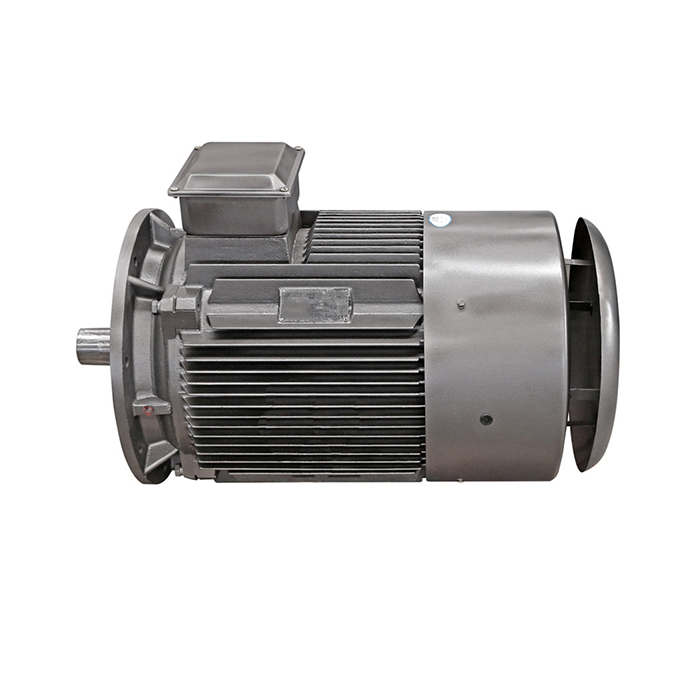
Series:YE3
Frame number: 80-450
Power range:0.75-1000kW
Protection level:IP55
Energy efficiency class: IE3
Voltage range: 380V,400V,415V,660V, etc.
Application:can be used in various fields of the national economy, such as machine tools,water pumps,fans,compressors,and can also be used in transportation, mixing, printing, agricultural machinery, food and other occasions that do not contain flammable, explosive or corrosive gases.
Certificate: international standard IEC60034-30 "Efficiency Classification of Single-speed Three-Phase Squirrel Cage Induction Motors".
Advantage:The high quality of the electric motor guarantees high operational reliability.
Others: SKF, NSK, FAG bearings can be replaced according to customer requirements.
Understanding LV Induction Motors: How They Work
Classification and Basic Structure
There are two main types of low voltage induction motors: single-phase motors are used for lighter loads, and three-phase motors are used in industrial settings. The three-phase squirrel cage type is most common in businesses because it doesn't need brushes, slip rings, or other outside tools to start up. Die-cast metal frames from size 80 to 450 are used in our motors. This keeps the weight down while keeping the structure strong. Copper or aluminum wires are wrapped around high-grade silicon steel laminations in the stator. The rotor is made up of aluminum or copper bars that are shorted at both ends, creating the "squirrel cage" structure that this type of motor is known for[^1].
The Electromagnetic Induction Principle
When three-phase AC current flows through the stator windings, it makes a magnetic field that spins at the same speed as the current. According to Faraday's law, this field makes currents flow through the rotor bars. The induced currents make their own magnetic field, which combines with the field of the rotor to make torque. It speeds up until it's almost at the same speed as the rotor, but it always lags behind a little to keep the induction effect going. Because there is no physical electrical connection between this operating principle and the rotor, these motors need less maintenance than wound-rotor or DC alternatives[^2].
Voltage Ranges and Power Specifications
XCMOTOR makes motors that work at 380V, 400V, 415V, and 660V and have power outputs ranging from 0.75kW to 1000kW. Depending on the frequency and pole configuration, the speeds can be anywhere from 500 to 3000 RPM. Protection class IP55 keeps dust and water jets from getting into internal parts, making it good for most stock settings. As usual, our Class F insulation can handle temperatures up to 155°C. For harsher situations, you can choose Class H insulation, which can handle temperatures up to 180°C. Between 0.80 and 0.89 is the power factor, and between 5 Nm and 2400 Nm is the torque delivery range for big conveyors or breakers.
Advantages and Performance of LV Induction Motors
Core Benefits for Industrial Users
The most important time for operational costs is when motors run continuously during multiple shifts. Energy efficiency grades have a direct effect on electricity costs. For example, our IE3 approved units meet IEC60034-30 standards and use 15-20% less energy than older IE1 models. This efficiency saves money: an 8,000-hour-a-year 75kW motor that is this efficient can save between $1,200 and $1,800 in power costs compared to standard efficiency equivalents[^3] with lv motor.
Here are the main benefits that make people decide to buy things:
- Durability Under Continuous Load: Silicon steel laminations keep the magnetic strength for decades while minimizing core losses. Bearings from SKF, NSK, or FAG—which can be changed based on the customer’s needs—ensure smooth spinning even when horizontal and axial loads are applied.
- Simplified Maintenance: The squirrel cage design gets rid of the need to replace brushes, service commutators, and clean slip rings. As part of routine maintenance, bearings should be oiled every 6 to 12 months, and insulation resistance should be tested every so often.
- Wide Range of Uses: Different frame sizes can be used with different mounting options, such as foot clips and flange fittings. Voltage flexibility lets models with a single motor serve more than one area market without having to be redesigned.
- Dependable Starting: Direct-on-line starting works best in most situations, and star-delta or soft starters can handle loads with a lot of inertia without any special engineering.
These benefits directly address the worries of distributors about the regularity of batches and their long-term dependability. Our strict quality control process, which includes precise winding machines and thorough electrical testing, makes sure that every unit meets certain performance standards before it is shipped.
Performance Comparison with Alternative Motor Types
Large systems, like power pumps or mine hoists, can use high voltage motors above 1000V, but they need special switchgear and trained staff to work. You can precisely control the speed of synchronous motors, but they cost 30–50% more and need external excitation systems. Permanent magnet motors are more efficient, but they can still lose their magnetism when they are overloaded. Low voltage three-phase induction motors are the best choice for general industry use, especially in equipment packages that need sales of 1 to 10 units. They are affordable, durable, and reliable.
Typical Applications of LV Induction Motors in Industry
Manufacturing and Processing Equipment
Motors that deliver steady torque at different speeds are needed for machine tool spindles, injection molding hydraulics, and automated assembly lines. The 380V-415V motors we sell work perfectly with CNC machines and provide the mechanical power for tasks like milling, drilling, and cutting. In areas that need to be cleaned and sanitized, food processing plants use versions with an IP65 rating. Textile machines like looms, spinning frames, and coloring tools work better when motors keep their speed steady even when the load changes.
Fluid Handling Systems
One of the biggest types of motor use is in centrifugal pumps that move water, chemicals, or oil supplies. Depending on the head pressure, a 22kW motor and a centrifugal pump can move 100 to 300 cubic meters of water per hour. For pneumatic tools, HVAC systems, or cooling cycles, compressor kits need motors that can start while they are under load and keep the temperature from rising too quickly. Fans and fans used for ventilation, dust collection, or combustion air supply work all the time, so how much energy they use and how long their bearings last are very important when choosing them.
Material Handling and Conveying
For belt conveyors to move aggregates, packaged goods, or large materials, the motors need to be able to handle the load profiles—high starting power for belts that are loaded, and steady output while the machine is running. In factories or warehouses, roller tables, screw conveyors, and bucket elevators all depend on motors that are the right size for the drive ratios and material density. Agricultural equipment like grain augers, irrigation pumps, and feed mixers has to work in places with changing temperatures and rare overloads, so it has to be built to last.
Selecting Specifications for Your Application
Matching motor ratings to machinery needs stops both under-sizing (which can cause overheating and failure before its time) and over-sizing (which wastes money and energy). Use load torque curves and duty cycles to figure out how much power is needed. Think about the different ways to start the motor. Direct-on-line works for loads under 11kW, but bigger motors may need reduced-voltage starters. The ambient temperature affects cooling. Motors that are near furnaces or in equatorial climates need higher insulation classes. When you go above 1000 meters, the air density drops, so you need to use derating factors to keep things from getting too hot.
Purchasing and Procurement Guide for LV Induction Motors
Evaluating Supply Channels
Direct makers, like XCMOTOR, let you choose the brand of bearings, change the shaft, or add special voltages that you can't get from normal catalog distributors. Regional wholesalers keep goods close to home, which cuts down on wait times but limits the number of choices for specifications. Online platforms make prices clear, but they might not have enough technical support for application engineering. Procurement managers have to find a balance between these factors: OEM equipment builders want customization and complete documentation; buyers of replacement parts need quick availability; and resellers want stock-and-resell models at competitive prices for lv motor.
Critical Procurement Factors
Initial viability is based on how competitive the price is, but the total cost of ownership includes lost efficiency, maintenance intervals, and warranty coverage. For normal ratings, our motors ship within two to three weeks, which is very important when machine breakdowns threaten production plans. By matching the mounting dimensions to the original equipment, you can avoid having to make expensive changes to the machine. We provide thorough models that confirm the shaft height, bolt patterns, and terminal box orientation. With minimum order amounts ranging from 1 to 10 units, both trial orders and small-batch OEM builds can be fulfilled without having to keep too much inventory on hand.
Documentation and Compliance Requirements
CE approval shows that a product meets European safety and EMC standards, which is important for sending products to EU markets or to international plants that enforce global standards. ISO 9001:2015 certification guaranties that the manufacturing process will be the same every time, which eases buyers' concerns about quality differences between batches. Technical documentation in more than one language helps with after-sales service and stops installation mistakes. Test results that show how well something works, how much vibration it can handle, and how well it resists insulation allow for easy tracking during guarantee claims or government inspections[4].
Wiring, Maintenance, and Troubleshooting of LV Induction Motors
Electrical Connection Standards
Three-phase motors can have either delta or star windings, which can be chosen with terminal box wires. For higher voltage uses (like 400V), a delta link works best. For dual-voltage motors, a star design lowers the voltage per winding. Wires need to be the right size to handle the full load current plus a 25% safety cushion. If the conductor cross-section isn't big enough, the voltage drops and the wires get too hot. Grounding connections stop shock risks and make it easier for protective devices to work when there is a fault. Before the first startup, check the phase sequence; reverse rotation can damage some pump and fan designs.
Maintenance Routines Extending Service Life
Manufacturer-recommended intervals for lubricating bearings are between 2000 and 4000 working hours, based on speed and load. Too much grease hurts seals, and too little grease speeds up wear. While the bearing is working, keep an eye on its temperature. Readings that are more than 80°C above room temperature mean that the oil has failed or the bearing is out of line. Testing the insulation resistance once a year finds winding wear and tear before it leads to failure. Vibration analysis finds unbalanced wheels or worn bearings so they can be replaced on a planned break rather than having to be fixed in an emergency.
Common Issues and Diagnostic Steps
Motors that won't start could mean that an overload has been tripped, the phase links are wrong, or the motors are mechanically bound. Too much warmth during operation could mean that the system is overloaded, not getting enough air flow, or the voltage levels are off between the stages. Bearing wear, a loose housing, or the rotor rubbing against the stator are all signs of strange sounds. Voltage drops, worn bearings that cause more friction, or damaged rotor bars can all lead to less output torque. Technicians can find the root causes of problems faster and cheaper by measuring things like current draw, voltage at the connections, and shaking levels.
Conclusion
When choosing the right motor solutions, you have to weigh technical requirements against operational priorities like speed of delivery, predictable costs, and compliance documentation. Low voltage induction motors are a tried-and-true technology that industrial sellers and equipment makers can use for a wide range of tasks, from moving materials to pumping water. IE3 efficiency scores lower energy costs over many years of use, and standard frame sizes make it easier to add new features to old machines. The success of procurement relies on the supplier's ability to provide uniform quality, keep lead times acceptable, and offer full certification packages that support foreign sales for lv induction motor. Understanding how things work, how well they perform, and how often they need to be maintained gives purchasing managers the confidence to confidently choose equipment, which lowers operational risks and keeps total ownership costs low.
FAQ
1.What distinguishes low voltage from high voltage induction motors?
The type of voltage determines the insulation needs, the complexity of the switchgear, and the suitability of the application. Motors with low voltage can work up to 1000V, but most of the time they work at 380V to 690V for three-phase industrial systems. When the power is less than 400kW, they cost less, use easier control tools, and lower the risk of electrical safety. High voltage motors above 1000V are good for big sites like power plants, mines, or ships that need to move things around. This is because they save money on cable costs and difficult switchgear costs. It is cheaper and faster to get low voltage motors for equipment distributors and original equipment manufacturers who are putting together pump packages or compressor units[^5].
2.How do I select motors for heavy-duty applications?
Figure out the load torque during the operational cycle, which includes the starting, speeding up, running, and stopping phases. Match the motor torque curves, making sure there is enough room above the load requirements. The service factor tells you how much of an overload is allowed; 1.15 SF lets you have 15% constant overflow. Duty cycles are important. S1 is good for pumps, while S3 is good for hoists. Conditions in the environment affect cooling; for example, high temperatures or altitudes need to be derated. Most factory settings are covered by protection class IP55, while washdown areas are covered by IP65 or IP66.
3.What warranty coverage do manufacturers typically provide?
Standard guarantees last for 12 to 18 months from the date of commissioning or 24 months from the date of shipment, whichever comes first. Coverage includes flaws in the way the product was made, like bad windings, bearing failures caused by flaws in the material, or frame cracks. Misapplication, poor installation, or lack of upkeep are not covered. Longer warranties and the ability to get spare parts show that the company behind the product believes it will last and is committed to customer support.
Contact XCMOTOR for Reliable LV Induction Motor Supply
Motor failures that mess up production schedules or delivery promises are unacceptable in industrial settings. XCMOTOR makes motors that work consistently for equipment distributors, OEM manufacturers, and people who need replacement parts all over the world. From 0.75kW to 1000kW and 80 to 450 mm frame sizes, our products can be used for everything from secondary equipment to main drive systems. Before being shipped, every motor goes through a lot of tests to make sure the efficiency numbers are correct, the insulation resistance is good, and the shaking levels are low.
The Shaanxi Qihe Xicheng Electromechanical Equipment Co., Ltd. keeps common specs in stock so that orders can be filled quickly. They can also make adjustments for different voltages, bearing brands, or mounting configurations. Each shipment comes with CE and ISO certifications, which makes your export paperwork easier and helps you meet customer requirements. Technical support helps with choosing the right motor, wiring, and fixing problems. These are especially useful when presenting new lines of equipment or going into markets that aren't well known.
We know what's important to distributors: competitive pricing for healthy margins, reliable delivery to avoid running out of stock, and complete documentation to avoid delays at customs. Within 24 hours of receiving an inquiry, our team responds with quotes, technical drawings, and advice on how to use the product. Minimum order flexibility lets you run your business the way you want, whether you need two units to test a prototype or fifty motors for a production run.
You can talk to our sales team about your motor needs at xcmotors@163.com. You can find full specs, performance charts, and downloaded documents at motorxc.com. Talk to an experienced lv induction motor manufacturer who knows how hard it is for international distributors to get the parts they need and values long-term partnerships based on quality, dependability, and quick support.
References
1. Chapman, S. J. (2005). Electric Machinery Fundamentals (4th ed.). McGraw-Hill.
2. Guru, B. S., & Hiziroglu, H. R. (2001). Electric Machinery and Transformers (3rd ed.). Oxford University Press.
3. de Almeida, A. T., Ferreira, F. J. T. E., & Fong, J. A. C. (2011). Standards for efficiency of electric motors. IEEE Industry Applications Magazine, 17(1), 12-19.
4. International Electrotechnical Commission. (2014). IEC 60034-30-1: Rotating electrical machines - Part 30-1: Efficiency classes of line operated AC motors. IEC.
5. Nasar, S. A., & Unnewehr, L. E. (1993). Electromechanics and Electric Machines (2nd ed.). John Wiley & Sons.
6. Boldea, I., & Nasar, S. A. (2010). The Induction Machines Design Handbook (2nd ed.). CRC Press.
YOU MAY LIKE
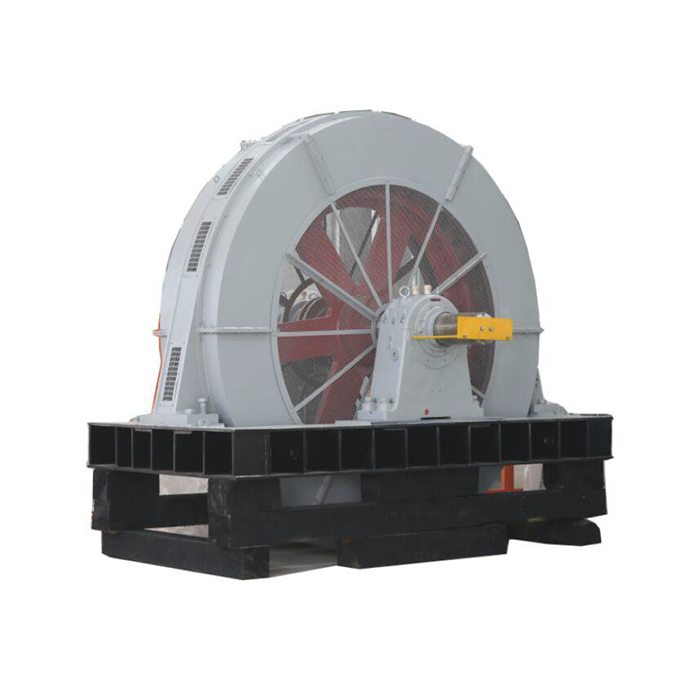 VIEW MORETDMK series synchronous motor
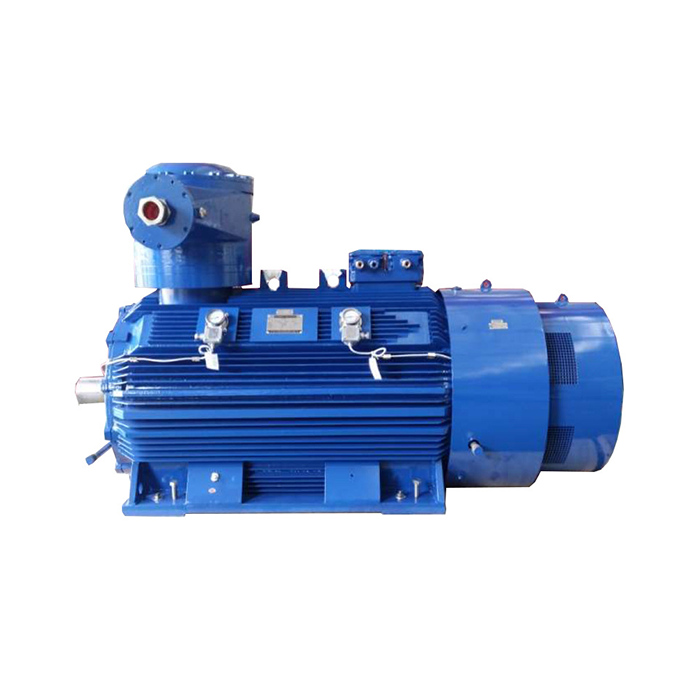 VIEW MOREYBBP high-voltage explosion-proof frequency motor
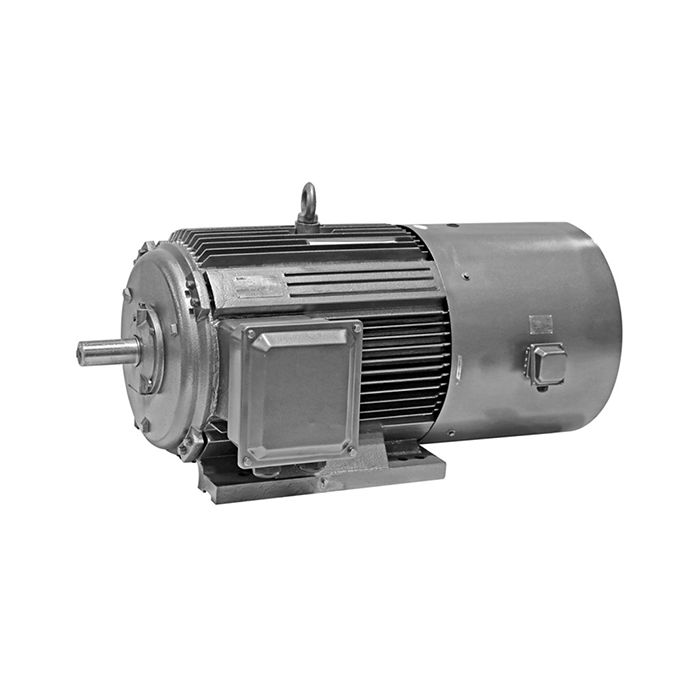 VIEW MOREYVFE3 frequency conversion speed regulating motor
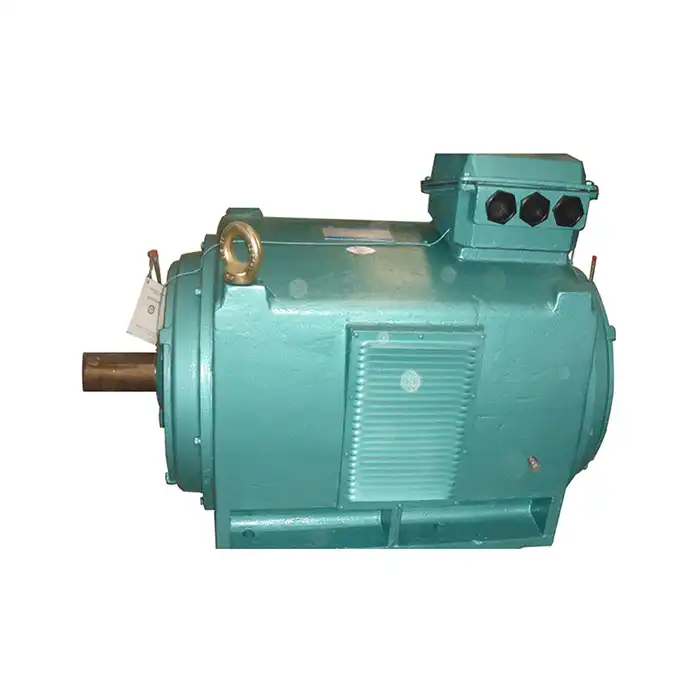 VIEW MOREip23 motor
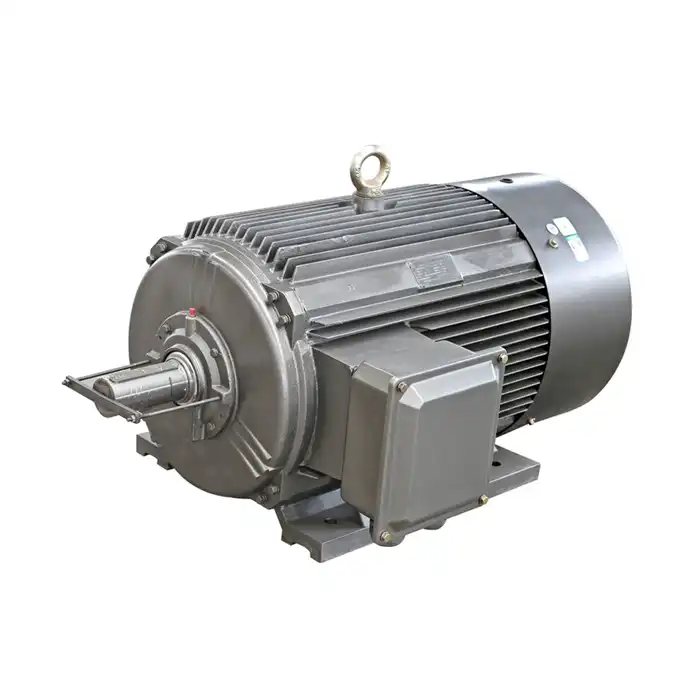 VIEW MOREye3 160m 4
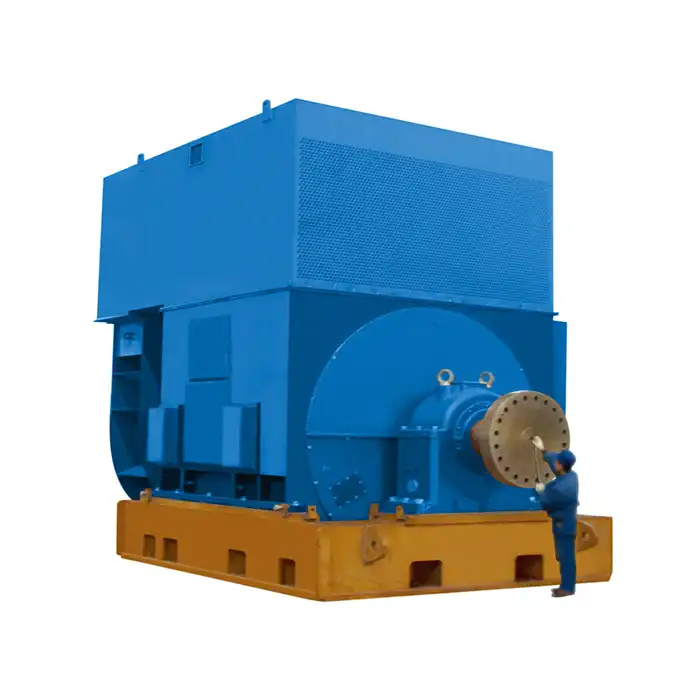 VIEW MOREYAKK high voltage increased safety motor
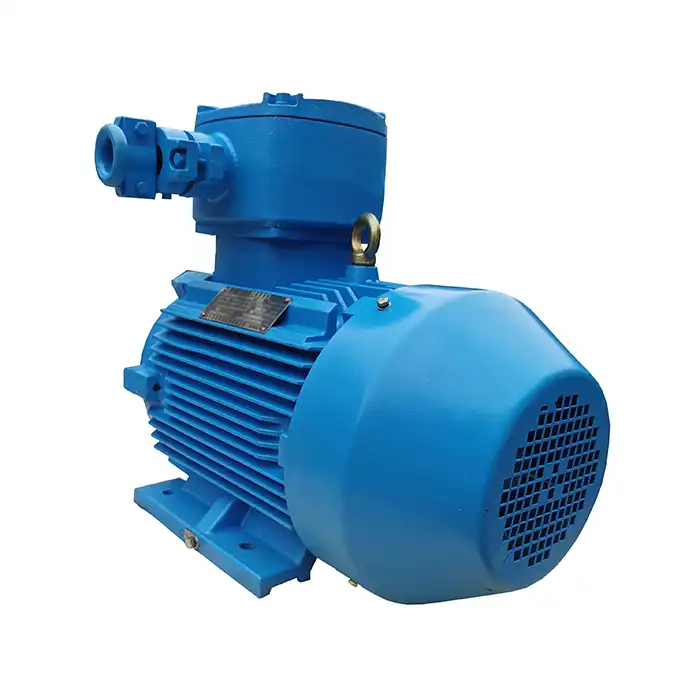 VIEW MORE1 hp explosion proof motor
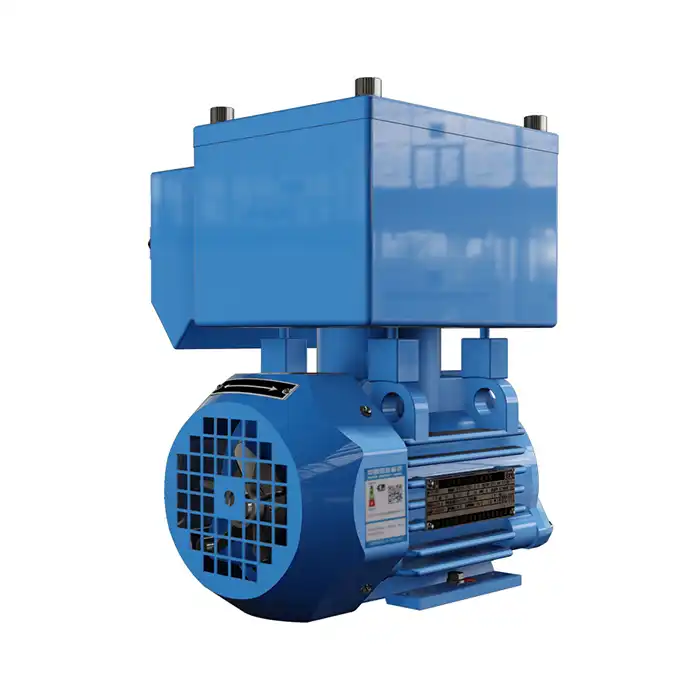 VIEW MORE12 hp explosion proof motor