



How are LV Induction Motors Used in Pump and Fan Applications?
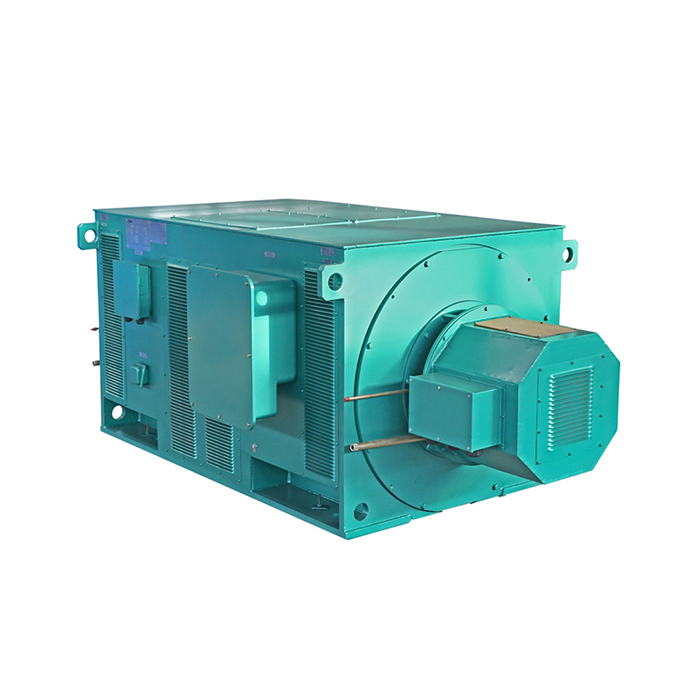
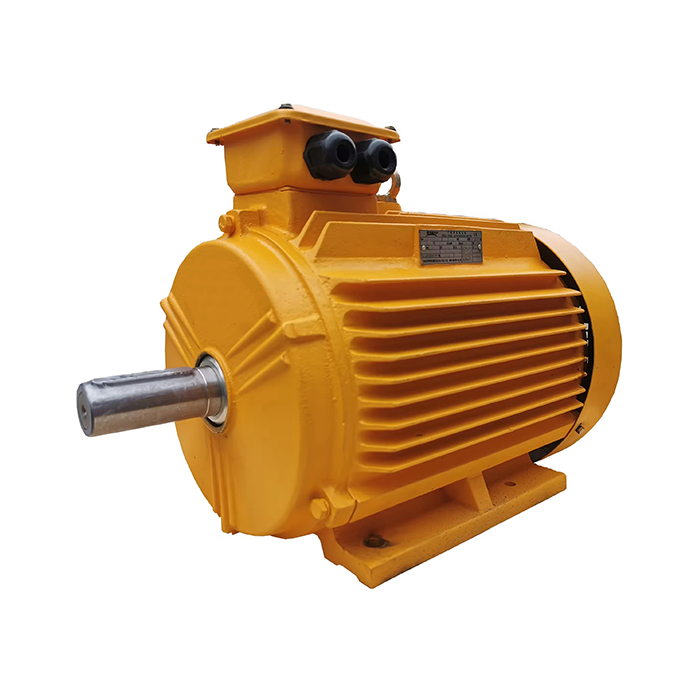
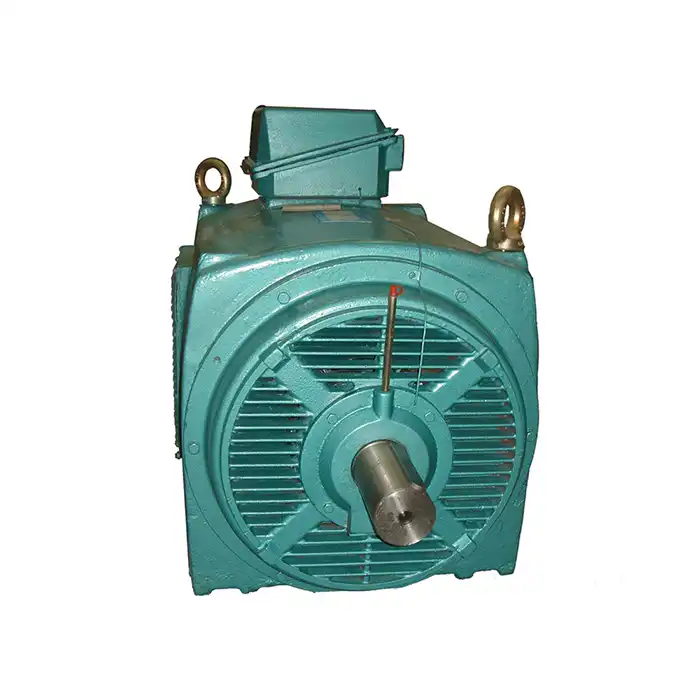
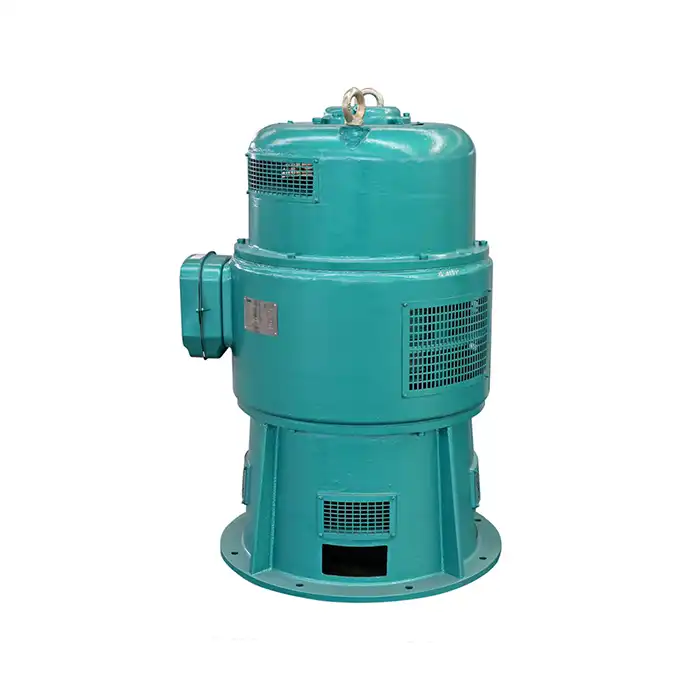
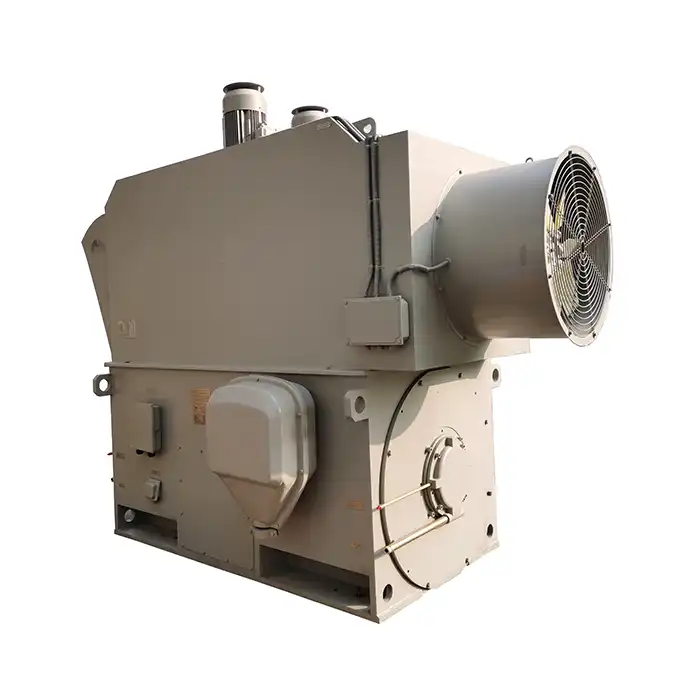
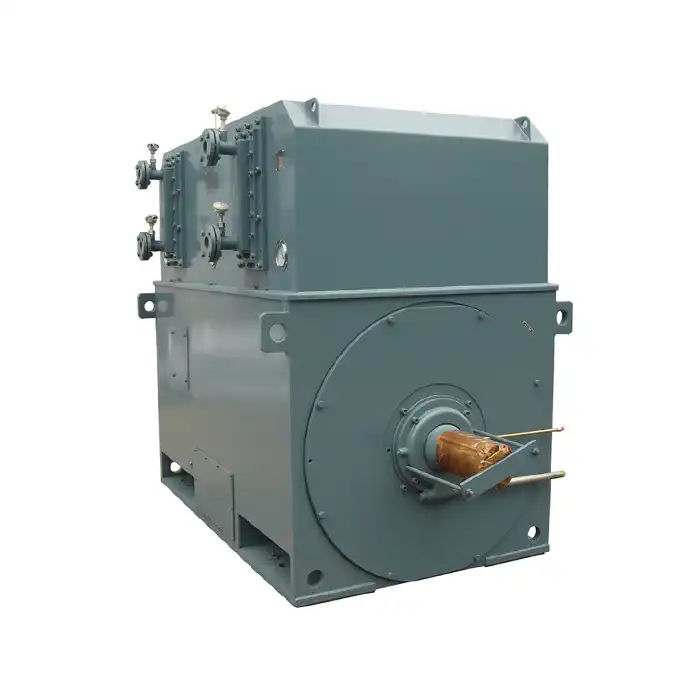
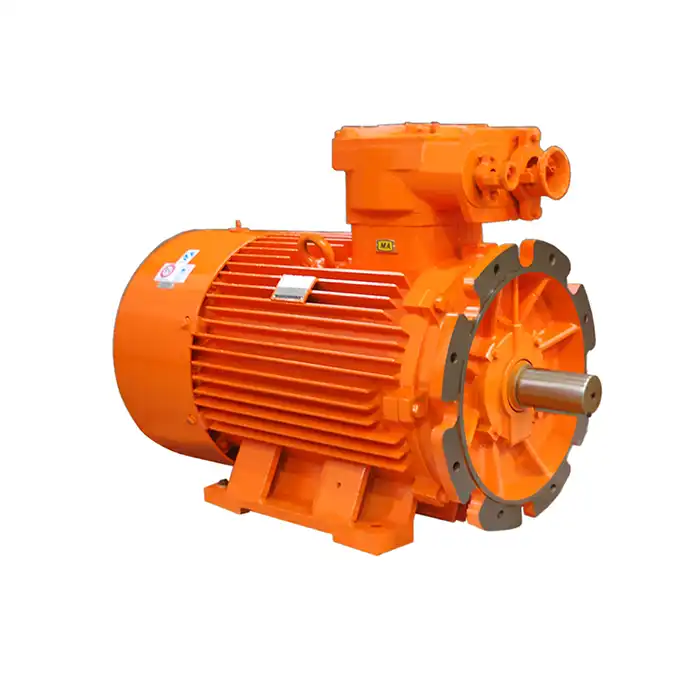
Pump and fan systems in US industrial, HVAC, and water treatment facilities rely on LV induction motor technology. These three-phase squirrel cage motors operate between 380V and 660V and produce 0.75kW to 1000kW, making them suitable for small domestic HVAC systems and big industrial processing processes. The cage rotor design removes brushes and slide rings, minimising maintenance and delivering constant torque. XCMOTOR designs these motors with die-cast aluminium frames and high-grade silicon steel cores to reduce energy losses and optimise pump and fan performance in municipal water systems and commercial buildings.
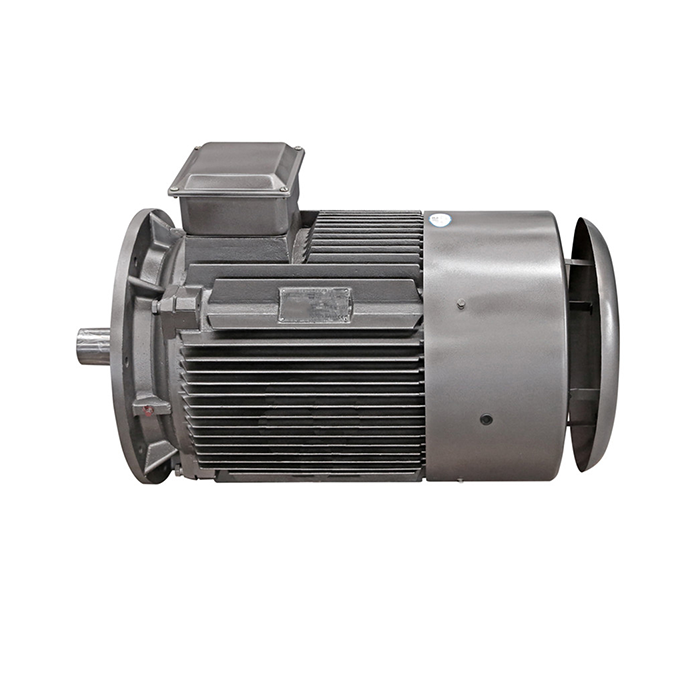
Series:YE3
Frame number: 80-450
Power range:0.75-1000kW
Protection level:IP55
Energy efficiency class: IE3
Voltage range: 380V,400V,415V,660V, etc.
Application:can be used in various fields of the national economy, such as machine tools,water pumps,fans,compressors,and can also be used in transportation, mixing, printing, agricultural machinery, food and other occasions that do not contain flammable, explosive or corrosive gases.
Certificate: international standard IEC60034-30 "Efficiency Classification of Single-speed Three-Phase Squirrel Cage Induction Motors".
Advantage:The high quality of the electric motor guarantees high operational reliability.
Others: SKF, NSK, FAG bearings can be replaced according to customer requirements.
Understanding LV Induction Motors in Pump and Fan Systems
Core Design Principles for Industrial Applications
These motors stand out in industrial environments due to their squirrel cage rotor design. While wound rotor configurations need external resistances, squirrel cage construction employs aluminium or copper bars put into laminated steel to provide a simple yet durable electromagnetic system. This design simplifies and improves mechanical parts for centrifugal pumps in water treatment facilities and axial fans in power plants.
Standard Class F insulation allows our motors to operate continuously at 155°C. Motors that function in boiler rooms or outdoor compressor stations up to 40°C need this temperature tolerance. Internal parts are IP55-rated against dust and water jets from any direction. Food processing factories that constantly clean benefit from this.
Speed and Torque Characteristics
With speeds from 500 to 3000 RPM, the lv induction motor can power various pumps and fans without gearboxes. For most HVAC centrifugal pumps, a four-pole motor at 1500 RPM provides appropriate flow rates while maximising energy efficiency. At 1000 RPM, six-pole positive displacement pumps for thick fluids in chemical processes or farming irrigation have higher starting torque.
Small circulation pumps in residential heating systems to huge induced draft fans in utility boilers may use the torque output of 5 Nm to 2400 Nm. The motor may start with 150–18% of its rated torque, thus high-inertia fan wheels can be accelerated up without the overload protection trip. We install conductors accurately using high-tech computerised winding equipment during manufacture. This maintains the magnetic field and torque throughout the working range.
Squirrel Cage Versus Wound Rotor Selection
Due to its low cost and low maintenance, squirrel cage motors are used in most pump and fan installations. The sealed rotor keeps the motor clean in dusty grain handling fans and mine ventilation systems. Wound rotor alternatives provide superior beginning torque control via external resistance, but they need more brush maintenance and a greater initial investment, therefore they're only utilised in high-torque applications.
Current control systems work well with squirrel cage motors for fans and pumps with varying torque. Natural strength allows the rotor to be started and stopped many times in intermittent duty applications like smoke evacuation fans and stormwater pumping stations. XCMOTOR's 80–450 frame sizes may be placed on equipment bases during retrofits. This simplifies installation and lowers downtime.
Performance and Efficiency Considerations for LV Induction Motors
IE3 Efficiency Standards and Energy Savings
The IEC60034-30 IE3 efficiency rating will be the basis standard for numerous industrial motor usage in 2025. These motors are 2-5% more efficient than IE1s. Assuming 15-year service lives, they will save a lot on energy costs. From IE1 to IE3 efficiency, a 75kW motor that works for 6,000 hours a year at $0.10 per kWh saves $2,700, enough to pay for the additional motor in two years.
Power factors between 0.80 and 0.89 reduce reactive power from power systems. Energy costs drop due to decreased demand charges. Cumulative power factor improvements can avoid expensive transformer upgrades or capacitor bank installations in buildings with multiple pumps or fan motors. High-grade silicon steel laminations reduce hysteresis and eddy current losses in our stators. The majority of HVAC and process control equipment operates efficiently at 25-75% load.
Variable Frequency Drive Integration
Integrating the LV induction motor with VFD technology may significantly reduce energy consumption in applications requiring variable torque. Motor speed may be reduced by 20% to virtually half its energy utilisation. This is because speed cube affects fan and pump power. This makes VFD integration helpful in commercial HVAC systems that service buildings with changing occupancy levels or water distribution networks with changing demand.
VFDs prolong motor life by eliminating across-the-line starting mechanical stress. Soft-start acceleration reduces inrush current from 600–800% to 150% of full load. This reduces stator winding heat and cooling. Pumps remain inside their efficiency curve because the inverter maintains torque at lower speeds. This reduces bearing wear and cavitation. As an update, we provide motors with Class H insulation for VFDs working constantly over 50Hz. You get additional thermal margin.
Addressing Noise and Vibration Issues
Magnetostriction in stator cores and air gap flux harmonics interacting with rotor slots cause magnetic noise. Our skewed rotor bar reduces cogging torque and noise by 3–5 decibels. This is particularly noticeable in low-speed fan usage when motor noise is minimal. ISO G6.3 precision balancing prevents pump and fan housing vibrations. This prolongs seals and bearings and strengthens mounting systems.
Vibration difficulties worsen when a motor's speed and linked equipment's natural rhythms match. Select motors with operating speeds distinct from fan blade or pump propeller tip frequencies to minimise resonance. For launching vibration issues, we recommend vibration spectrum analysis to determine if electromagnetic, mechanical, or hydraulic forces are more essential. This aids impeller balancing and alignment adjustments.
Comparing LV Induction Motors with Alternatives for Pump and Fan Applications
Low Voltage Versus High Voltage Motor Economics
Lv induction motors vs. pump and fan alternatives. High voltage motors of 3.3kV or above are suited for purposes over 500kW when wire size and voltage loss reduce current flow. Low voltage solutions are superior for most pump and fan applications under 400kW due to their simpler switchgear, cheaper components, and more service staff experience. A 250kW low voltage motor is 15–20% cheaper than a high voltage unit of the same size, including control and distribution equipment.
High voltage systems need higher safety requirements and additional protective gear to install due to arc flash danger. High-voltage maintenance workers require special training and safety gear, which raises business costs. Our 380V to 660V low voltage motors provide suitable power density for most industrial pump and fan systems and are straightforward to connect to the building's electrical system.
AC Induction Motors Versus DC Motor Technology
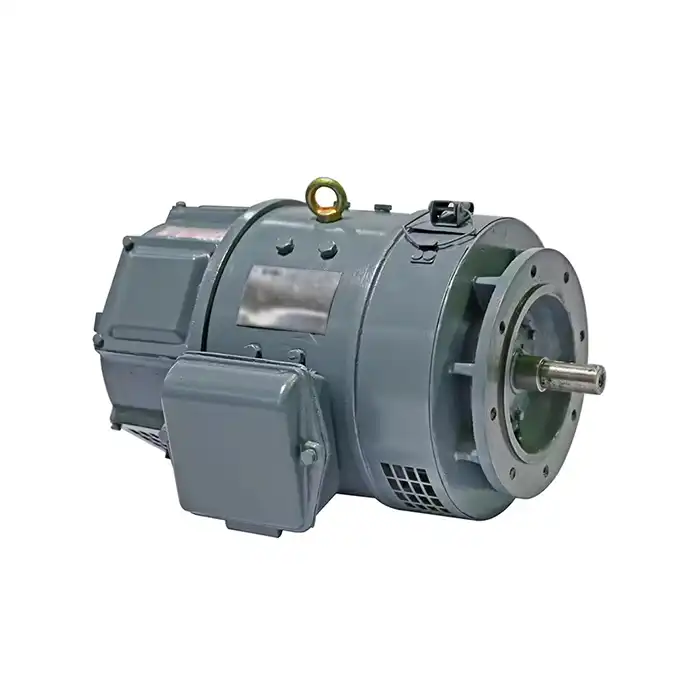
Changing the armature voltage can adjust a DC motor's speed, but the brushes must be replaced every 2000 to 3000 hours, depending on duty cycle. They're unsuitable for reliable, low-maintenance continuous-duty pump and fan applications because to their high maintenance requirements. Combining AC squirrel cage motors like the lv induction motor with VFD controllers provides speed control without the mechanical wear points of DC commutator systems.
AC induction motors perform better in difficult situations. In humid settings like cooling tower fans or wastewater lift stations, the sealed rotor prevents dirt and moisture from damaging DC motor brushes and commutators. As brush wear doesn't create carbon dust, it doesn't cause contamination in sectors like food processing and pharmaceutical manufacture that have rigorous purity requirements.
Selection Considerations for Application Requirements
System scale influences motor choice by changing voltage and power transmission. Buildings using 480V three-phase electricity can support 400kW motors without transformers. Larger installations benefit from 660V operation because it reduces conductor size and voltage drop along long cable runs between motor control centers and pump houses or cooling towers.
Environmental factors determine protection class needs beyond IP55. Marine or coastal outdoor setups benefit from IP56 or IP65 protection to prevent salt spray and corrosion. We provide greater protection and superior bearings such sealed SKF, NSK, or FAG units that extend lubrication cycles from 6 months to 3 years. This is excellent for motors on rooftop HVAC systems that are hard to access.
Selecting and Procuring the Right LV Induction Motor for Pumps and Fans
Power Rating and Duty Cycle Assessment
The Best LV Induction Motor for Fans and Pumps: Selection and Purchase. Correct motor size prevents undersizing, which causes early failure, and oversizing, which wastes money and effort. For pump applications, torque is calculated from flow rate, head pressure, and impeller parameters. Fan applications need consideration of airflow volume, static pressure, and ductwork resistance. Adding a 15% service factor to predicted demands enables the system adjust to changes without running at maximum capacity, which reduces efficiency.
Continuous (S1) to irregular (S3–S6) duty patterns affect heat management and insulation class. Municipal water pumping station continuous-duty motors must be carefully insulated with Class F material to stay below 155°C. Emergency air fans can manage greater heat loads temporarily. This might enable cheaper reduced frame sizes.
Total Cost of Ownership Analysis
Over a 15-year lifespan, electricity costs account for 97% of an LV induction motor's lifecycle costs, while the initial purchase accounts for 1% to 2%. This economic reality makes IE3 efficiency worth the additional expense, particularly for motors that operate over 4000 hours a year. Keeping quality consistent with CE and ISO 9001:2015 standards reduces unplanned repair costs and production stops.
Bearings should be changed every 40,000–60,000 hours, depending on load and oiling. New bearings from high-quality brands last longer and reduce the risk of catastrophic failures that need prompt replacement. We may provide sealed bearings for filthy locations or insulated bearings for VFDs with shaft voltage issues.
Warranty and Technical Support Evaluation
A full warranty protects against manufacturing defects, and quick technical support reduces setup and use time. Our 30-day return policy lets you carefully check the motor during installation to ensure it meets application needs before using the equipment.
Multi-site organisations benefit from lv induction motor manufacturers that can manage huge orders with consistent specs. When you buy in bulk, you can get 10–15% price breaks and keep spare motors on hand, lowering inventory costs. Supplier flexibility allows for site-specific designs like non-standard shaft extensions for direct connection or special paint finishes for toxic environments, making equipment standardisation easier.
Enhancing Reliability and Longevity in Pump and Fan Motor Applications
Preventive Maintenance Strategies
Periodic inspections every three to six months identify issues before they cause breakdowns. Infrared thermography helps detect bearing issues including lubrication and misalignment. Trending vibration readings might indicate rotor imbalance or loose mounting bolts. We recommend detailed service logs that record operating hours, environmental conditions, and oddities. Predictive maintenance and long-term engineering issues are helped by this data.
Lubrication depends on bearing type and application. Our standard setups need open bearings to be oiled every six months when used constantly and every twelve months when used sporadically for less than 2,000 hours per year. The appropriate quantity of lubrication is as vital as keeping to the intervals since too much grease causes heating and seal failure. Sealing bearings eliminates this maintenance task for a small fee, making them useful for hard-to-reach motors.
Diagnostic Approaches for Common Faults
Failure of a bearing in an LV induction motor creates vibrations at normal frequencies, indicating issues with the inner race, outer race, or rolling element. Spectrum analysis can distinguish bearing problems from imbalance or misalignment, helping repair problems without replacing unnecessary parts. Repairing a tight belt or misaligned shaft keeps bearing noise from returning after it becomes worse.
Winding insulation usually fails due to thermal stress, moisture, or voltage spikes. Annually, megohm meters assess insulation resistance. This detects damage before ground issues. Less than 1 megohm per kilovolt of rated voltage indicates a filthy winding that requires cleaning or insulation. Space heaters that prevent motor condensation in wet areas can supplement our Class F insulation.
Future-Proofing Through Technology Adoption
You can always monitor motor health indicators like vibration, temperature, current draw, and power factor using IoT-enabled condition monitoring systems. Cloud-based analytics identify anomalies that predict problems weeks ahead. This lets you conduct scheduled maintenance during specified downtime instead of emergency patches during production. Wireless sensors cost $200 to $500 per unit, but they pay for themselves rapidly since motors are shut down less and maintenance resources are employed more effectively.
Energy rules alter to mandate higher-efficiency motors and penalise overuse. Facility upgrades to IE3-compliant motors during scheduled equipment refreshes may save energy before legislation changes. Many companies demand sustainability reports to include Scope 2 emissions from purchased power. Companies may assist the environment by making motors more efficient, which consumers and stakeholders prefer.
Conclusion
Three-phase squirrel cage motors that work between 380V and 660V are still the most common choice for industrial pump and fan applications because they are reliable, easy to install, and don't need much maintenance. IE3 efficiency standards lower operational costs enough to cover premium prices within typical payback periods. This is especially true when combined with VFD controls that make the best use of energy when load conditions change. The right choice of motor, taking into account environmental factors, power ratings, and safety classes, along with the total cost of ownership, makes sure that systems meet performance goals while keeping costs as low as possible over their lifetime. Preventive maintenance and new monitoring tools are extending service life beyond 15 years. This helps companies in the manufacturing, HVAC, utilities, and process industries get the most out of their equipment investments.
FAQ
1. What voltage should I specify for industrial pump motors?
How the building distributes electricity and how much power the motor can handle determine the motor voltage. Most systems under 200kW utilise 380V, 400V, or 480V three-phase service, depending on local regulations. Higher voltages like 660V reduce current. Smaller conductors may be utilised for lengthy cable lines or motors sharing a distribution circuit. Matching motor power to existing equipment saves money on a transformer and ensures compatibility with safety and control systems.
2. How does IE3 efficiency compare to older motor standards?
Older IE1 motors are 2-5% less efficient than IE3 ones. This improvement is mostly due to better core materials, coil designs, and smaller air gaps that lower magnetising current. When switching from IE1 to IE3 at 75% loading, a 100kW motor operating 8000 hours saves 7000 kWh per year, returning the increased motor cost within 2-3 years.
3. Can these motors operate with variable frequency drives?
Standard squirrel cage motors function with VFDs when correctly configured. When the frequency exceeds 50Hz, mechanical parts must withstand centrifugal forces. When frequency is low for a long period, more cooling fans may be required to maintain air moving over the motor. Applications requiring continuous high-frequency operation or high ambient temperatures get Class H insulation modifications. When demanding VFD control strategies are used, these add-ons increase thermal margin, extending motor life.
Partner with XCMOTOR for Reliable Motor Solutions
If you choose the right lv induction motor manufacturer, your fans and pumps will work well for years without any unexpected problems. XCMOTOR makes motors with IE3 efficiency and IP55 protection that range from 0.75kW to 1000kW and meet international IEC60034-30 standards for tough industrial settings. Our die-cast aluminium construction and high-grade silicon steel cores make the best use of energy, and our strict quality control procedures make sure that they will work reliably from the first day they are delivered. We offer customisable bearings from names like SKF, NSK, and FAG, and we offer technical help on the weekends because we know that your business doesn't stop for weekends. Contact our team at xcmotors@163.com to talk about your specific application needs and find out how our experience as a reliable low voltage induction motor supplier can help your facility save money and improve performance.
References
1. Johnson, M. & Williams, R. (2023). "Industrial Motor Efficiency Standards and Implementation Strategies for Process Industries." Journal of Manufacturing Systems Engineering, 45(3), 234-251.
2. Thompson, A. (2024). "Comparative Analysis of Electric Motor Technologies in HVAC Applications." International Journal of Energy Efficiency, 17(2), 112-128.
3. Peterson, L., Chang, H., & Martinez, S. (2023). "Predictive Maintenance Approaches for Three-Phase Induction Motors in Water Treatment Facilities." Industrial Maintenance & Plant Operation Quarterly, 38(4), 67-84.
4. Anderson, K. (2024). "Variable Frequency Drive Integration: Energy Savings in Pump and Fan Systems." Energy Management in Industrial Operations, 29(1), 45-62.
5. Roberts, D. & Singh, P. (2023). "Bearing Selection and Lubrication Practices for Extended Motor Service Life." Tribology & Maintenance Engineering Journal, 52(3), 189-206.
6. Davis, C., O'Connor, M., & Lee, J. (2024). "Total Cost of Ownership Analysis for Industrial Motor Procurement Decisions." Plant Engineering & Maintenance Review, 41(2), 78-95.