



Explosion Proof vs IP65: Are They the Same?
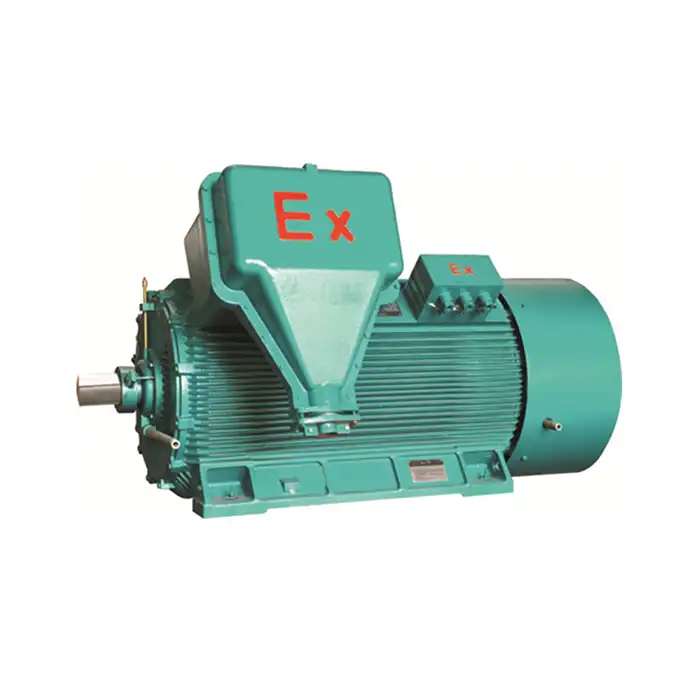
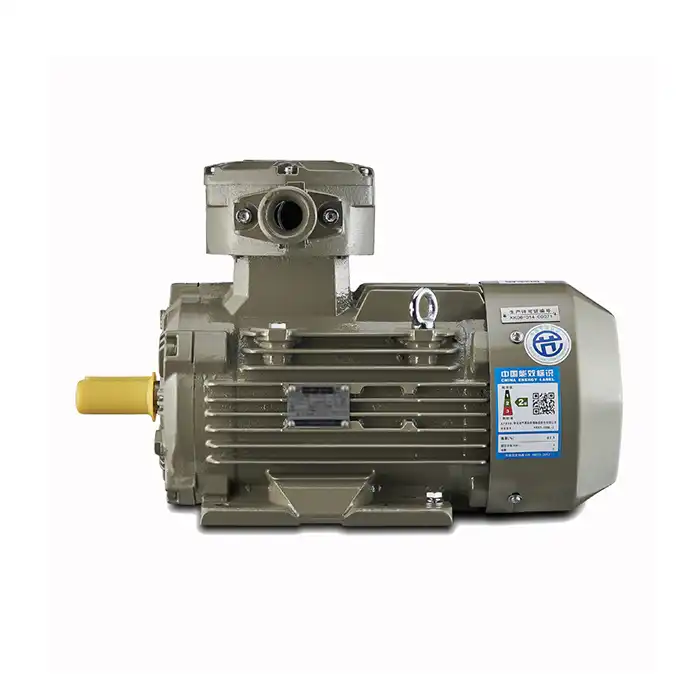
An explosion proof motor and an IP65-rated motor are not the same thing. This is one of the most common mix-ups in industrial procurement, and getting it wrong can carry serious safety consequences. An IP65 rating tells you that a motor is sealed against dust and water jets — nothing more. An explosion proof motor, on the other hand, is engineered and certified to contain any internal ignition so it cannot trigger a surrounding flammable atmosphere. They solve different problems, and in oil, gas, or chemical environments, only a certified explosion proof motor belongs in a hazardous zone.
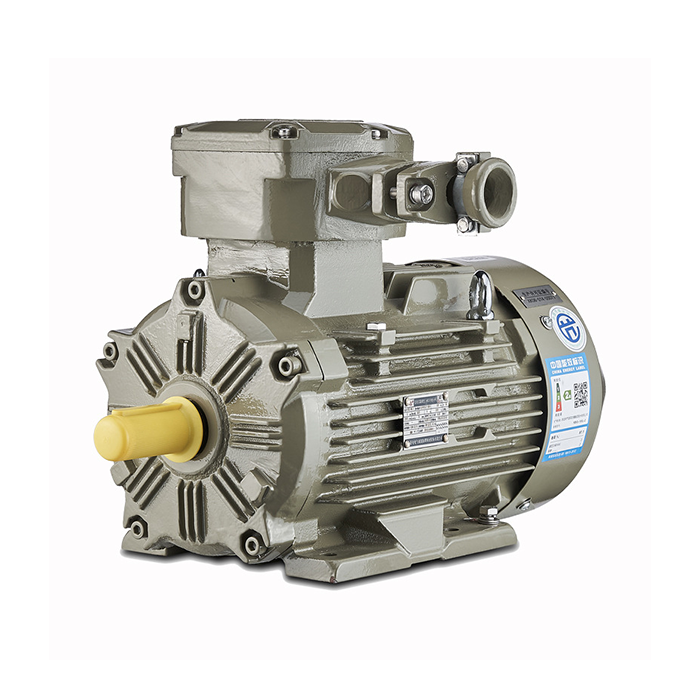
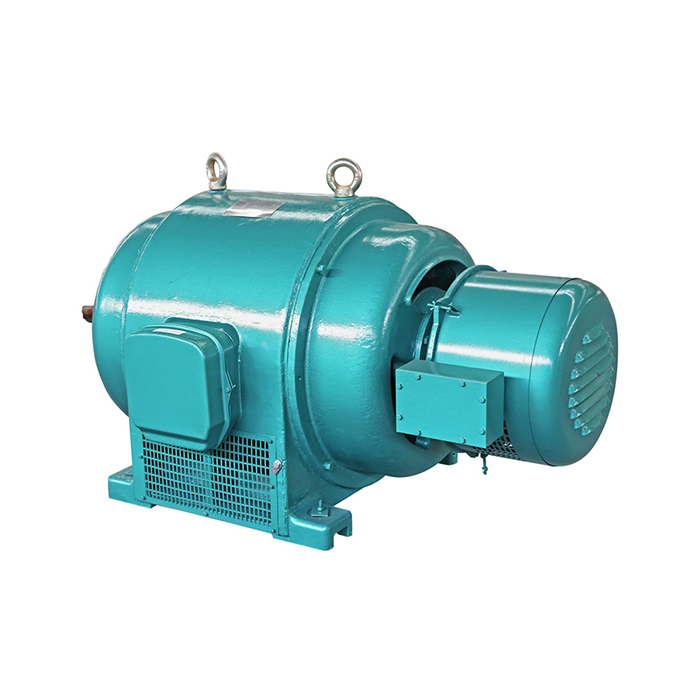
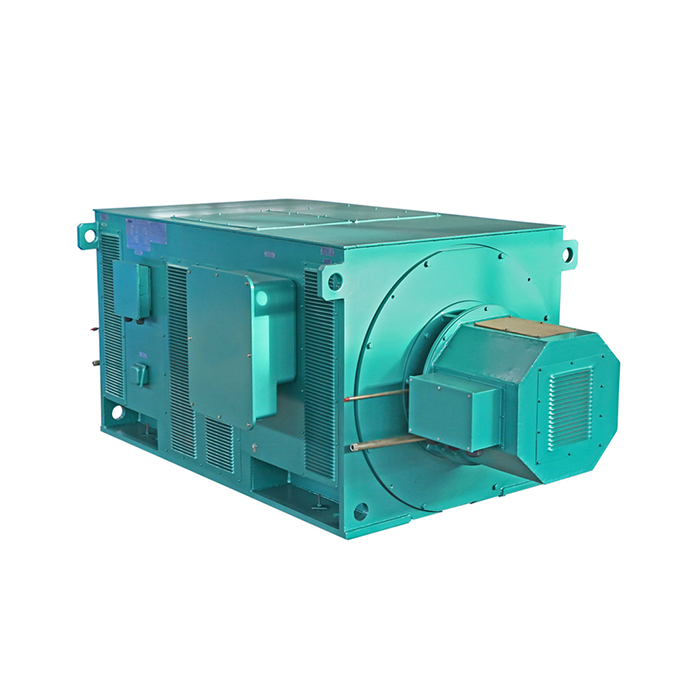
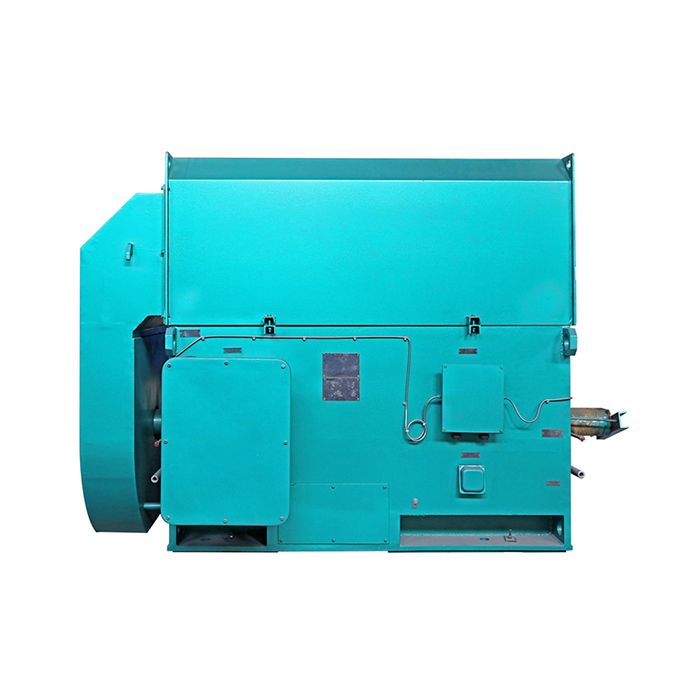
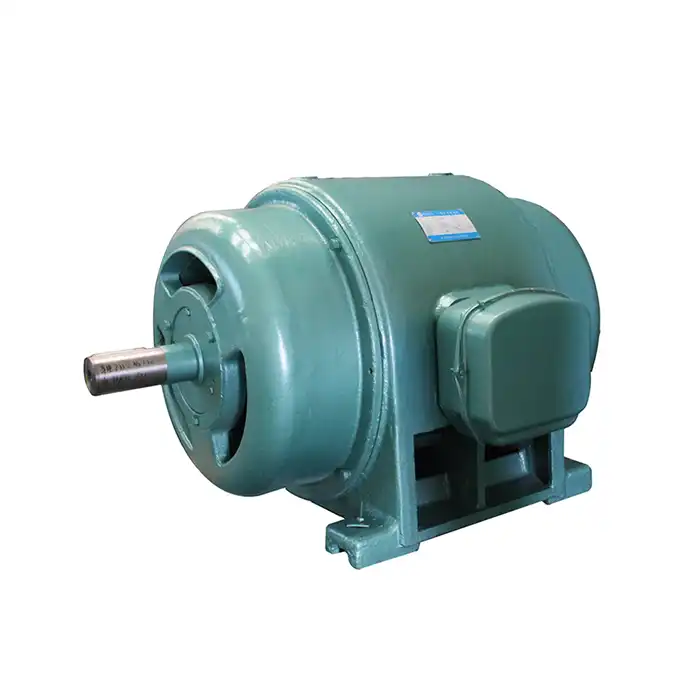
Series:YBX3
Voltage range:380V,660V,415V,380/660V,660/1140V
Power range:0.55-630 kW
Application:places where explosive gas mixtures exist in petroleum, chemical, mining, metallurgy, electric power, machinery and other industries.
Advantage: fully enclosed, self-fan cooling, squirrel cage type, high efficiency.
Explosion-proof mark: Ex d I Mb, Ex d IIB T4 Gb, Ex d IIC T4 Gb
Others: SKF, NSK, FAG bearings can be replaced according to customer requirements.
Understanding Explosion Proof Motors and IP65 Ratings
Before choosing a motor for a dangerous area, it's helpful to know what each group really protects against and why the difference is important in the field.
What Does "Explosion Proof" Actually Mean?
An internal spark or arc can still happen even with an explosion proof motor. Instead, any spark that starts an ignition inside the case puts out the flame. This lets the hot gasses cool down before they can leave and start a fire in the air around it. Certifications like ATEX, IECEx, and UL Class I Division 1 prove this ability to contain by putting it through strict tests by a third party. A motor is illegal to use in a listed dangerous zone if it doesn't have a valid registration number on the nameplate.
What Does IP65 Mean?
The water protection grade IP65 is set by IEC 60529. The "6" means that the area is completely shut off from dust. The "5" shows that it can handle low-pressure water jets coming from any direction. Because of these features, IP65 motors work well in production areas that are dusty or wet. But the IEC 60529 standard doesn't say anything about limits on surface temperature, spark control, or flammable gas contact. If you put an IP65 motor in a Zone 1 or Division 1 area, it could really start a fire.
Why Engineers Confuse the Two?
The confusion frequently results from the fact that some explosion-proof motors also have an IP grade, such as IP55 or IP65, as an extra environmental feature. If you see "IP65" and "Ex d" on the same motor, that's fine. The problem comes up when procurement teams only look at the IP rating and think that it covers protection against explosions. It doesn't. It is important to always check the bomb proof sign before the IP code.
Technical and Safety Design Standards Comparison
The certification frameworks behind these two motor types reflect fundamentally different engineering goals. Knowing which standard applies to your site is the first step in correct motor selection.
Explosion Proof Standards: ATEX, IECEx, and NEC
Explosion proof motors for international oil and gas applications typically carry IECEx or ATEX approval for IEC Zone 1 use, and UL or CSA certification for NEC/CEC Class I Division 1 sites in North America. The marking format matters: Ex d IIB T4 Gb tells a qualified engineer that the motor uses a flameproof enclosure (d), is suitable for gas group IIB (propane, ethylene), and that its surface temperature stays below 135°C (T4). For drilling and completion equipment operating across North American and European sites, securing both UL and IECEx documentation on the same unit avoids costly design changes during project audits.
IP Ratings: IEC 60529 Scope and Limits
IEC 60529 defines a two-digit IP code covering solid particle ingress (first digit) and liquid ingress (second digit). The standard is widely used for motors in food processing, outdoor installations, and wash-down environments. It does not address gas group compatibility, temperature class, or ignition containment. Specifying an IP65 motor in a petroleum refinery or an underground mine because it "looks sealed" bypasses every safety check that explosion proof certification was designed to enforce.
Dual Compliance: When a Motor Needs Both
Some field installations genuinely need both properties. A wellsite motor might face sand-laden air, intermittent water wash-down, and a classified gas atmosphere simultaneously. In that case, the correct specification reads: explosion proof certified (Ex d IIB T4 or better) plus an adequate IP rating for the environmental exposure. The YBX3 series explosion proof motor from XCMOTOR addresses exactly this situation — its HT250 cast iron housing with flame-retardant sealed junction box meets both flameproof requirements and environmental sealing demands.
Performance, Maintenance, and Operational Considerations
Picking between these motor types isn't just a matter of following the rules. It also affects how often you do maintenance, how you buy spare parts, and how much it costs to run a rig or plant over its lifetime.
Inspection Requirements for Explosion Proof Motors
Certified explosion proof motors need special checks on a regular basis that go beyond regular motor checks. Engineers need to make sure that the flameproof joint surfaces stay within the maximum gap tolerances set out in IEC 60079-17, that the cable gland seals are still in place, and that the enclosure hasn't been changed without permission. A organized inspection program keeps the crew safe and the equipment up and running on a drilling rig with four to twelve motors running at the same time.
Maintenance Simplicity of IP65 Motors
Setting up IP65 motors in safe places is easy to keep up. It is normal practice to change bearings, check winding resistance, and review seals. There are no extra paperwork requirements related to Ex certification for these tasks. As long as your application is not in a classified zone, like a motor room, a utility building, or a general industrial building, an IP65 motor will work well and won't cost too much. When only environmental sealing is required, forcing an explosion proof motor into every application is wasteful.
Operational Temperature and Environment
Drilling and completions equipment often works in temperatures ranging from -40°C to +60°C, sand that blows around, and air that contains hydrogen sulfide. These pressures are too much for a normal IP65 motor to handle. This temperature range is covered by the YBX3 explosion proof motor, which has premium silicon steel laminations for thermal stability and can use SKF, NSK, or FAG bearing replacements to meet site-specific maintenance standards. These design choices directly cut down on well operations' unplanned downtime.
Procurement Guide: How to Choose the Right Motor for Your Needs
Before making any RFQ, you need to follow a short but strict process to make sure you choose the right motor.
Before choosing a motor for a dangerous area, every electrical engineer should make sure of these basic things:
- Hazardous zone classification first: Confirm whether the installation point is Zone 0/1/2 (IEC) or Class I Division 1/2 (NEC). This determines whether an explosion proof motor is mandatory and which gas group and temperature class apply.
- Temperature class alignment: Match the motor's T-class to the autoignition temperature of the gases present on site. T4 (≤135°C surface temperature) covers most petroleum and chemical gases, including propane and ethylene. Verify the nameplate, not just the datasheet.
- Dual-standard documentation: For projects with both North American and European scope, request motors carrying UL Class I Division 1 and IECEx/ATEX Zone 1 certification simultaneously. Confirm that both certificate numbers are valid with the issuing body before FAT.
- Mechanical interface compatibility: Confirm shaft dimensions, mounting type (B3, B5, or B35), and flange tolerances against your mud pump or frac pump drawings. A motor that clears the electrical review but fails the mechanical fit check delays commissioning.
- Remote I/O interface: Modern drilling operations increasingly require motor status data — temperature, vibration, run hours — to flow into the rig's supervisory system. Confirm the motor junction box or associated drive panel supports the required I/O protocol before ordering.
The YBX3 line meets all five of these requirements. It comes in power ranges from 0.55 kW to 630 kW and voltages of 380V, 660V, 415V, 380/660V, and 660/1140V, so it can be used for all kinds of drilling, workover, and filling tasks. There are certifications for CCC, CE, UL, and GOST on file, and every production batch is backed by ISO 9001:2000 quality management.
Setting these parameters before the RFQ stage keeps the procurement cycle within the normal 4–10 week range and stops design changes at the last minute, which waste time and money.
Conclusion
What are explosion proof motors and IP65 motors made for? IP65 keeps water and dust out. A flameproof motor keeps a burning event inside its case, where it can't hurt anyone. It is not okay to use one instead of the other in oil drilling, chemical handling, or any other listed dangerous zone. The YBX3 series from XCMOTOR is classified as Ex d IIB T4 Gb and Ex d IIC T4 Gb. It can work in temperatures ranging from -40°C to +60°C and has certifications from both UL and IECEx. If your project needs a motor that can really work in Zone 1 or Division 1, you should always start with the certification nameplate instead of the IP code.
FAQ
1. Does IP65 provide any explosion protection?
No. IP65 proves that the seal is dust-tight and can handle water jets according to IEC 60529. It doesn't say anything about how to contain flammable gasses, how hot the surface can get, or how likely it is that something will catch fire. Never use a motor that only has an IP65 rating in a dangerous area.
2. Are explosion proof motors always more expensive?
The price to buy it is usually higher than for a regular motor. When you look at the costs of not following safety rules, being responsible for accidents, and the time lost because of not having a certified motor in a dangerous area, the certified option is always the safer financial choice.
3. How do I verify that an explosion proof certificate is genuine?
Compare the certificate number directly to the public database of the organization that issued the certificate. This could be IECEx's OD website or ATEX's notified body registers. Request a copy of the proof, not just the product description, at all times.
4. Can the same motor carry both Ex d and an IP rating?
Yes. Many certified explosion-proof motors also have an IP55 or IP65 grade as an extra environmental requirement. On the label, both marks must be there. The Ex marking determines if something is safe for a hazardous zone, and the IP code controls sealing in the environment.
5. What does T4 mean on an explosion proof motor nameplate?
T4 means that the motor's surface will never get hotter than 135°C, no matter what the conditions are. This temperature class includes the temperatures at which most chemical and petroleum gasses spontaneously catch fire. This makes T4 a widely accepted standard for use in drilling and refineries.
Get the Right Explosion Proof Motor for Your Project — Contact XCMOTOR
The YBX3 type explosion proof motor is sold by XCMOTOR to original equipment makers in North America and other countries. We make it easy to find a certified explosion proof motor supplier by offering free delivery and technical support seven days a week. We have been in business for over 20 years. Please send your motor's power, voltage, gas group, and temperature class to xcmotors@163.com or go to motorxc.com to get a price right away.
References
1. International Electrotechnical Commission. IEC 60079-0: Explosive Atmospheres — General Requirements. IEC, 2017.
2. International Electrotechnical Commission. IEC 60529: Degrees of Protection Provided by Enclosures (IP Code). IEC, 2013.
3. National Fire Protection Association. NFPA 70: National Electrical Code, Article 500 — Hazardous Locations. NFPA, 2023.
4. International Electrotechnical Commission. IEC 60079-1: Explosive Atmospheres — Equipment Protected by Flameproof Enclosures (Ex d). IEC, 2014.
5. American Petroleum Institute. API RP 505: Recommended Practice for Classification of Locations for Electrical Installations at Petroleum Facilities. API, 2019.
6. European Committee for Electrotechnical Standardization. EN IEC 60079-17: Explosive Atmospheres — Inspection and Maintenance of Electrical Installations. CENELEC, 2023.