




IE4 Motor Payback Period: How Fast Do Premium Motors Pay Back?
If you are evaluating whether a premium efficiency motor is worth the higher upfront price, the answer is often straightforward: an ie4 motor typically pays back its cost difference within two to four years, sometimes faster. For industrial facilities running motors more than eight hours a day, electricity costs account for roughly 97% of a motor's total lifecycle cost, while the purchase price covers only 1–2%. That gap tells the real story. This article walks through how ie4 motor payback works, what drives it, and how to calculate it for your specific operation.
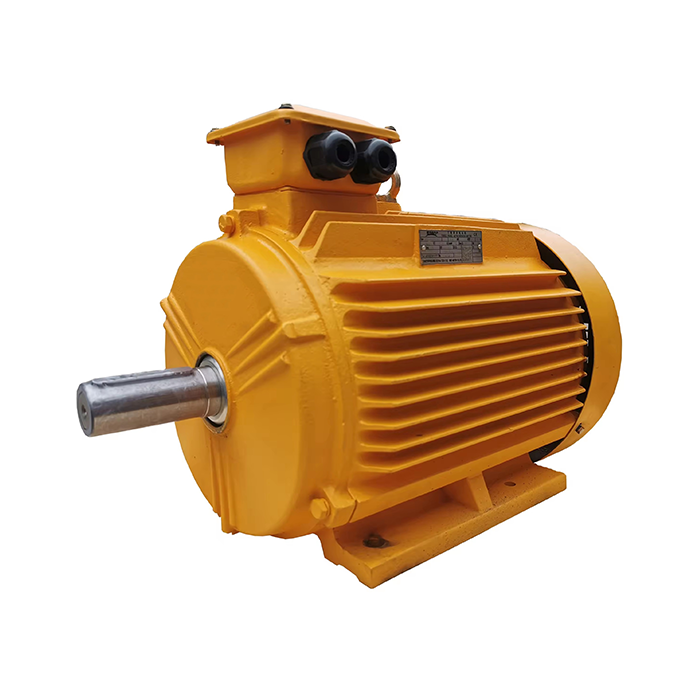
Series:YE4
Frame number: 80-450
Power range:0.75-1000kW
Protection level:IP55
Energy efficiency class: IE4
Voltage range: 380V,400V,415V, 660V,etc.
Application:can be used in various fields of the national economy, such as machine tools,water pumps,fans,compressors,and can also be used in transportation, mixing, printing, agricultural machinery, food and other occasions that do not contain flammable, explosive or corrosive gases.
Certificate: international standard IEC60034-30 ""Efficiency Classification of Single-speed Three-Phase Squirrel Cage Induction Motors"".
Advantage:The high quality of the electric motor guarantees high operational reliability.
Others: SKF, NSK, FAG bearings can be replaced according to customer requirements.
Understanding IE4 Motor Efficiency and Payback Basics
Before diving into numbers, it helps to understand what sets an ie4 motor apart from lower efficiency classes and why that difference shows up so clearly in operating budgets.
What Is an IE4 Motor?
An ie4 motor is classified as "Super Premium Efficiency" under IEC 60034-30-1:2014, the international standard for single-speed three-phase squirrel cage induction motors. Compared to IE3 motors, ie4 motors typically deliver 2–5% higher efficiency across the load range. At large power ratings or high annual hours, that percentage translates into thousands of dollars in saved electricity each year. XCMOTOR's IE4 induction motors cover 0.75 kW to 1000 kW, operate at IP55 protection as standard, and accept voltages of 380V, 400V, 415V, and 660V — a range that supports both domestic and export projects from a single SKU.
How Payback Period Is Calculated
The payback period is the time it takes for cumulative energy savings to equal the price premium paid over an IE3 motor. The basic formula is: Price Premium ÷ Annual Energy Savings = Payback Years. Annual energy savings depend on motor power, efficiency difference, operating hours per year, and local electricity rate. A 37 kW ie4 motor running 6,000 hours annually at $0.10/kWh and showing a 2.5% efficiency gain over its IE3 equivalent saves approximately $555 per year. If the price premium is $600, payback arrives in just over a year.
Why Electricity Cost Dominates
Industry data consistently shows that electricity represents 97% of a motor's total cost of ownership over its service life. Purchase price and maintenance each contribute roughly 1–2%. This proportion means that even a modest improvement in efficiency compounds significantly over a ten-to-fifteen-year motor lifespan. For OEM integrators producing 300–2,000 units annually, multiplying those per-unit savings across a full production run makes the ie4 motor investment highly rational.
Comparative Analysis: IE4 Motor Payback vs Other Motor Classes
Procurement engineers can make smart decisions when they know where Ie4 motors fit in relation to IE2, IE3, and IE5.
IE4 vs IE3: The Most Common Comparison
In the EU, IE3 motors are the bare minimum and are becoming more and more necessary in other markets as well. Ie4 motors are 2–5% more efficient than that baseline, which is important for applications that run all the time. Most of the time, IE4 costs 15% to 30% more than IE3. However, since the purchase price is only 1% to 2% of the total cost of ownership, that extra cost is quickly recouped. Payback times of less than three years are normal for motors that run for more than eight hours a day.
IE4 vs IE2: Replacing Legacy Motors
Payback is faster when you switch from an IE2 motor to an Ie4 motor because the difference in efficiency is bigger, usually 5–8%. A lot of places that still use Y, Y2, or Y3 series motors are wasting a lot of energy without even realizing it. At normal industrial energy rates, upgrading those motors can pay for itself in twelve to twenty-four months. This makes the business case easy to defend, even if you make some careful assumptions.
IE4 vs IE5: A Forward-Looking Perspective
IE5 motors often use synchronous reluctance technology to cut losses by about 20% compared to Ie4 motors. IE5 units, on the other hand, cost a lot more and can only handle a smaller range of power levels right now. Today, Ie4 motors are the best choice for most pump, fan, and compressor jobs in the 0.75–1000 kW range because they are cheaper, easier to find, and more efficient. IEC 60034-30-1:2025 now officially includes IE5 definitions and new interpolation tables. Buyers who are defining export projects should check with their customers to see which standard version they need.
Key Factors Affecting IE4 Motor Payback Period
There are a number of business factors that can change the payback timeline in either way. Getting to know them helps procurement teams set reasonable goals.
Load Profile and Annual Running Hours
A 2,000-hour-a-year Ie4 motor uses a lot more electricity than a 7,000-hour-a-year one. Applications like water pumps, HVAC fans, and compressors are great options because they run all the time or almost all the time. Motors that cycle a lot or run at low load fractions for long periods of time may pay for themselves more quickly. XCMOTOR gives buyers proven efficiency curves across the full load range, from 25% to 100%, so they don't have to rely on nameplate numbers alone when figuring out how much they can save.
Material Quality and Motor Longevity
Lifecycle value is directly related to how long a motor lasts. The Ie4 motors from XCMOTOR have precise die-cast rotors, advanced winding technology, and bearings from SKF, NSK, or FAG, depending on what the customer wants. These options lower the number of bearing failures and the wear and tear on the turning over time. Every time a motor is rewound after it has broken down, it loses some of its efficiency, sometimes by 1% to 2%. Running a sturdy Ie4 motor from the start to avoid having to do rewinding processes is a form of payback acceleration in and of itself. It comes with Class F insulation, but you can get Class H insulation for high-ambient or high-duty uses.
Voltage Compatibility and Export Compliance
Voltage flexibility cuts down on the time it takes to buy things and stops expensive project delays for OEM installers that serve both domestic and foreign markets. The Ie4 motors from XCMOTOR can work with 660V, 380V, 400V, and 415V at 50 Hz. They are certified by CE and GOST. If you only have one motor SKU that works with multiple voltage standards, you don't have to keep separate stock for each destination market. This cuts down on costs and shortens the time it takes for a fleet to pay for itself.
Selecting the Right IE4 Motor for Faster Payback
It's not just about economy scores when choosing an Ie4 motor. Mismatches that eat away at expected savings can be avoided by making sure that the specifications match the actual application.
In real life, these are the main selection criteria that shorten payback:
- Power range match: XCMOTOR's IE4 motors span 0.75 kW to 1000 kW, covering nearly every pump, fan, compressor, machine tool, and conveyor application. Selecting a motor sized within 85–100% of actual load keeps it in its most efficient operating zone.
- Mounting flexibility: B3 foot-mounted and B5 flange-mounted configurations, with reversible end covers, allow the same motor model to fit diverse OEM assemblies without custom modification — reducing integration time and cost.
- Protection rating: IP55 is standard for most industrial environments. Where washdown or chemical exposure is a concern, higher IP ratings are available on request, avoiding premature motor failure and unplanned downtime.
- Certification coverage: CE marking supports European market access; GOST certification covers CIS and Russian markets. Bilingual nameplates in Chinese and English support international project documentation requirements.
When you use these decision factors together, the total cost of ownership stays low. A motor that works well in its intended purpose, can withstand the elements, and complies with local rules will save energy as planned and continuously do so for its entire useful life.
Real-World Case Studies and ROI Verification
The most accurate picture of Ie4 motor payback comes from real-world operating data from business users.
Water Pump Application
Twelve 55 kW IE2 motors were replaced at a municipal water treatment plant with IE4 units that run 7,500 hours a year at a cost of $0.09/kWh in the area. The average efficiency gain for each motor that was tested was 4.3%. The savings per motor each year added up to about $1,580. At an extra cost of $850 per motor, each one paid for itself in just over six months.
Compressor Integration
An OEM integrator that makes screw compressor packages to send to Southeast Asia used the same 75 kW Ie4 motor in all of its products. Before, the team kept separate IE3 SKUs for use in the United States and higher-spec motors for customers in Europe. By switching to a single IE4 SKU, they got rid of the need for two sets of inventory, sped up the procurement process, and made the motors 3.1% more efficient than the old IE3 motors. This saved each customer about $1,200 a year.
Using Supplier Data to Build Your Own Model
XCMOTOR tests each motor in its IE4 range at 25%, 50%, 75%, and 100% load to show how efficient it is. Before sending in a purchase order, procurement engineers can use those numbers, plug in their own operating hours and electricity rates, and figure out the payback for their specific site. This takes the guessing out of the choice and gives technical reasons that will hold up through PPAP and the annual framework review.
Conclusion
For any business that uses motors frequently, purchasing an Ie4 motor is not a treat but rather a simple way to cut costs. The 15–30% price increase over IE3 pays for itself in two to four years under normal industrial conditions, and often sooner. This is because power costs make up 97% of the total cost of a motor. The IE4 range from XCMOTOR has all the power levels from 0.75 kW to 1000 kW. It also supports multiple voltages for international projects and comes with verified test data so your team can confidently figure out the payback before committing. The math works. The hardware is all set.
FAQ
1. How long does an IE4 motor typically take to pay back its price premium over IE3?
Payback times of two to four years are common for motors that run for more than eight hours a day. Pumps and fans that run for 6,000 hours or more a year or more can see payback in less than two years. The exact date will depend on the power rating, the difference in efficiency at your operating load, and the cost of electricity in your area.
2. Does an IE4 motor save energy at partial load?
It's a good worry to have this. Although performance varies by design, Ie4 motors typically maintain high efficiency down to 50% load. XCMOTOR gives buyers full load-curve test data so they can check the motor's efficiency at the real working point, not just the number on the box.
3. What maintenance does an IE4 motor require?
The Ie4 motors are made to need little upkeep. The most important things are to do regular eye checks, lubricate the bearings as directed by the maker, and keep the airflow clear. How often bearings need to be replaced depends on their load and the climate. SKF, NSK, and FAG bearings can be used depending on the conditions at the spot.
4. Are there incentives for purchasing IE4 motors in the U.S.?
Yes. There are rebate schemes for buying high-efficiency motors from the U.S. Department of Energy and a number of state companies. The exact amount is different for each task and motor size. Buyers should check with their local energy company and the ENERGY STAR Industrial program to see if they are still eligible.
Get Your IE4 Motor Quote from XCMOTOR
XCMOTOR is a reliable company that makes and sells Ie4 motors that range from 0.75 kW to 1000 kW and come with IP55 protection, CE and GOST certifications, and fast delivery. We can help you with both sample units for trial production and yearly framework amounts. You can email us at xcmotors@163.com or go to motorxc.com to get a custom quote and data on how well the motors have worked in previous applications.
References
1. International Electrotechnical Commission. IEC 60034-30-1: Rotating Electrical Machines — Efficiency Classes of Line Operated AC Motors. IEC, 2014.
2. International Electrotechnical Commission. IEC 60034-30-1: Rotating Electrical Machines — Efficiency Classes (Updated with IE5). IEC, 2025.
3. U.S. Department of Energy, Office of Industrial Technologies. Improving Motor and Drive System Performance: A Sourcebook for Industry. DOE, 2014.
4. European Commission, Joint Research Centre. Study on the Energy Savings Potential of Electric Motors and Related Policy Implications. Publications Office of the EU, 2021.
5. Waide, P., & Brunner, C. U. Energy-Efficiency Policy Opportunities for Electric Motor-Driven Systems. International Energy Agency, 2011.
6. Carbon Trust. Saving Energy with Electric Motors and Drives. Carbon Trust Publications, 2020.
YOU MAY LIKE
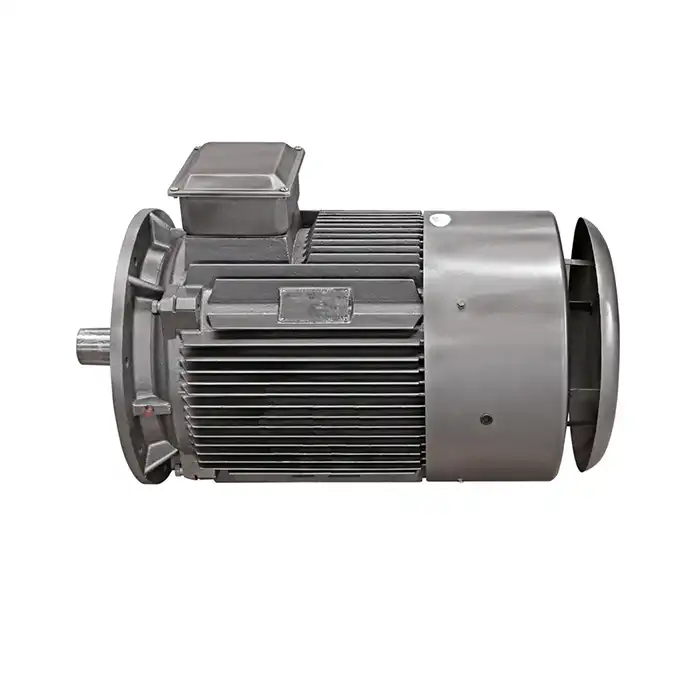 VIEW MORElv induction motor
 VIEW MOREY2 series high voltage three-phase asynchronous motor
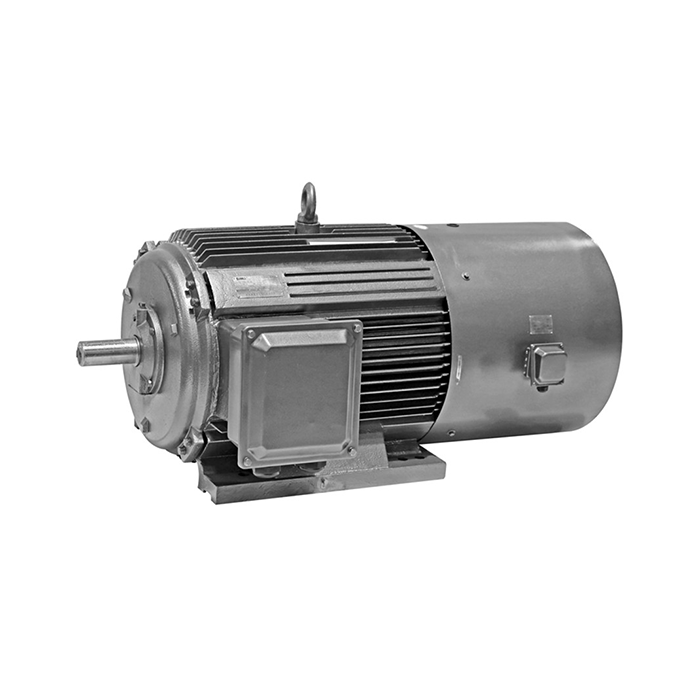 VIEW MOREYVFE3 frequency conversion speed regulating motor
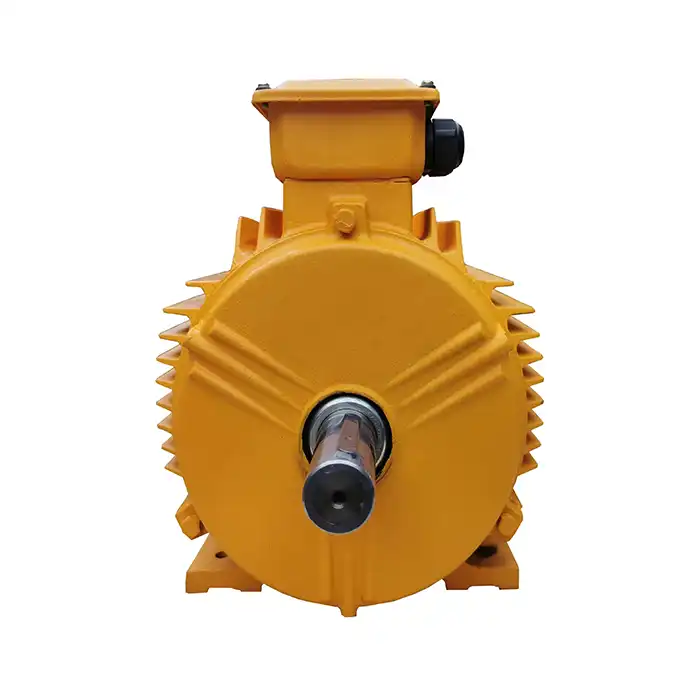 VIEW MORE5hp 3 phase induction motor
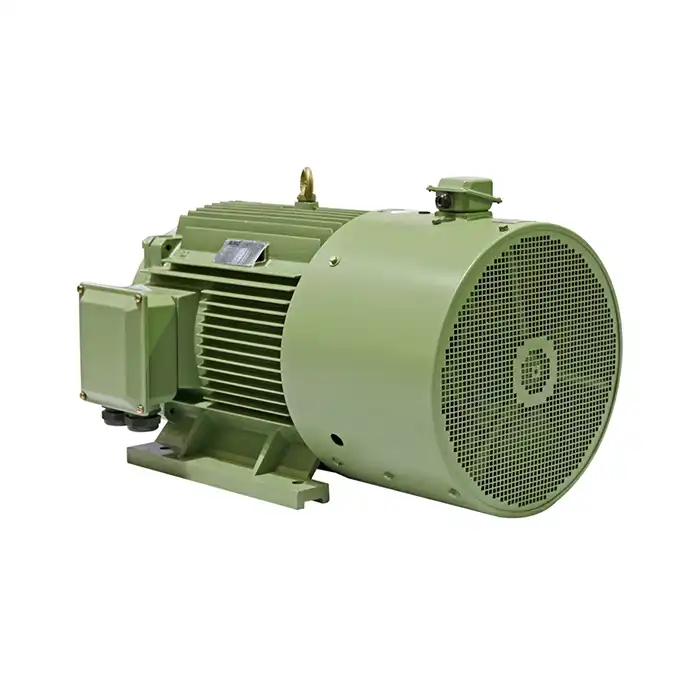 VIEW MORE200 hp ac motor
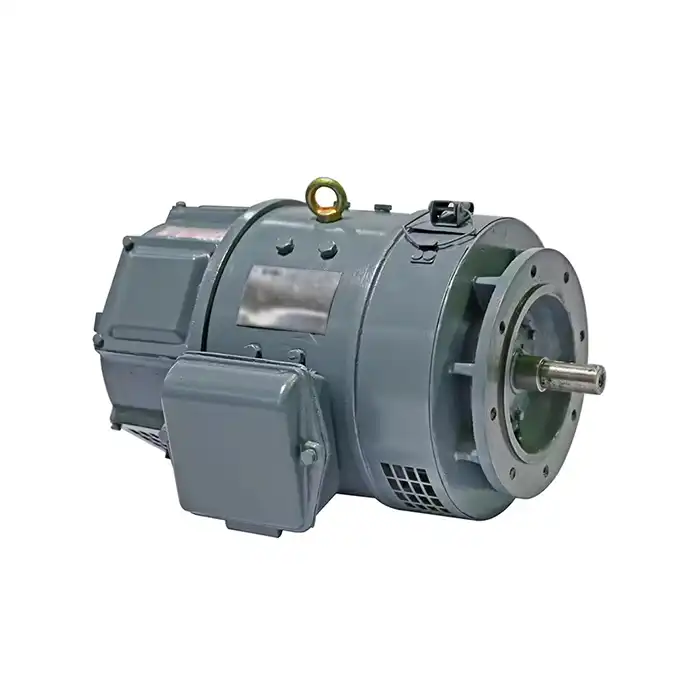 VIEW MOREZ2 DC MOTOR
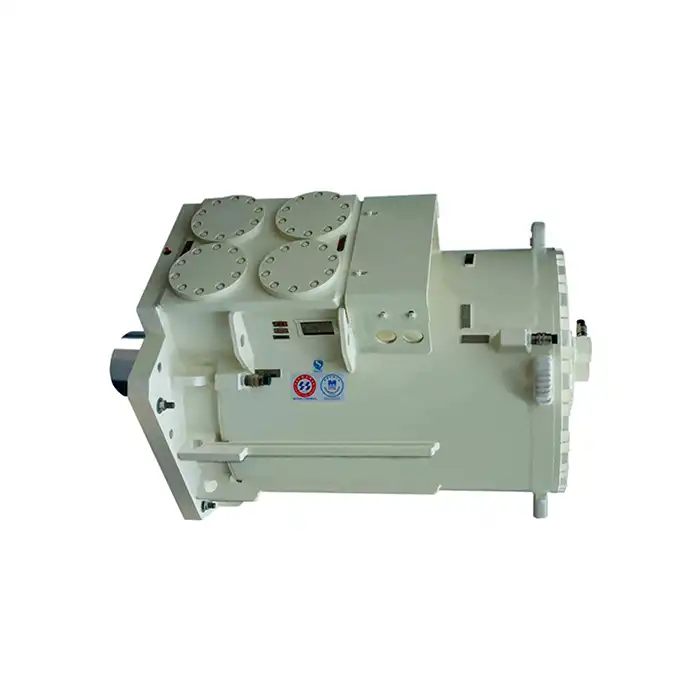 VIEW MOREYBS low voltage explosion-proof coal mine motor
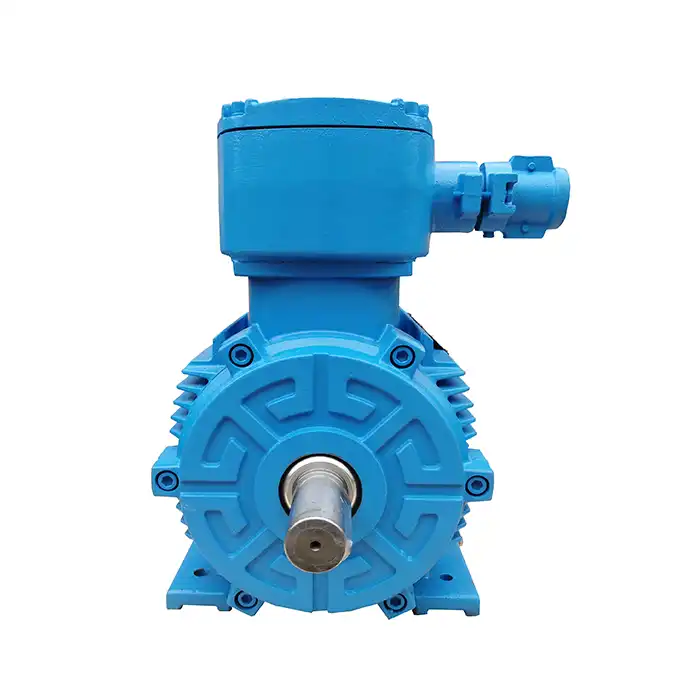 VIEW MOREex eb motor