



Explosion Proof AC Motor Applications in Oil and Gas
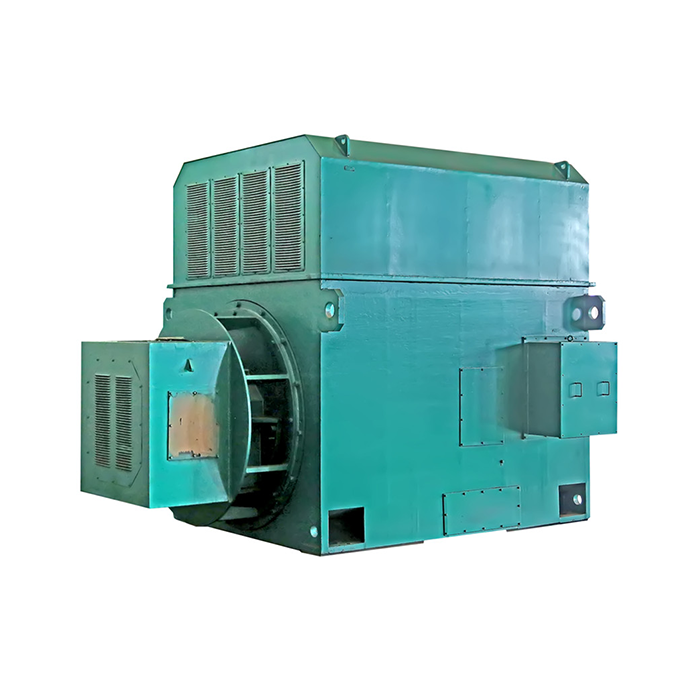
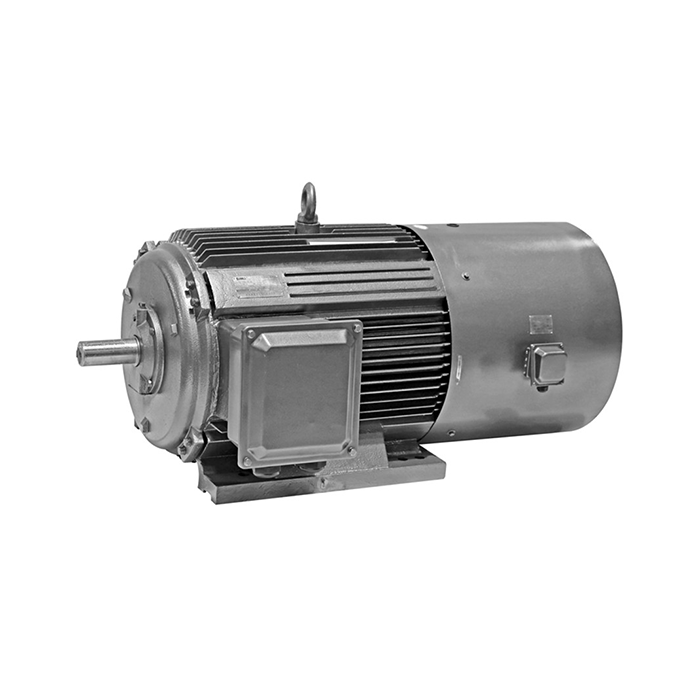
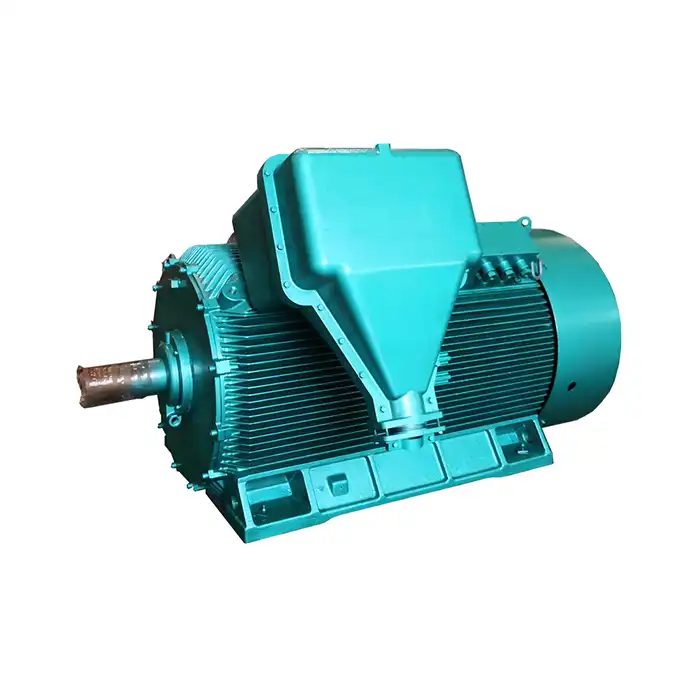
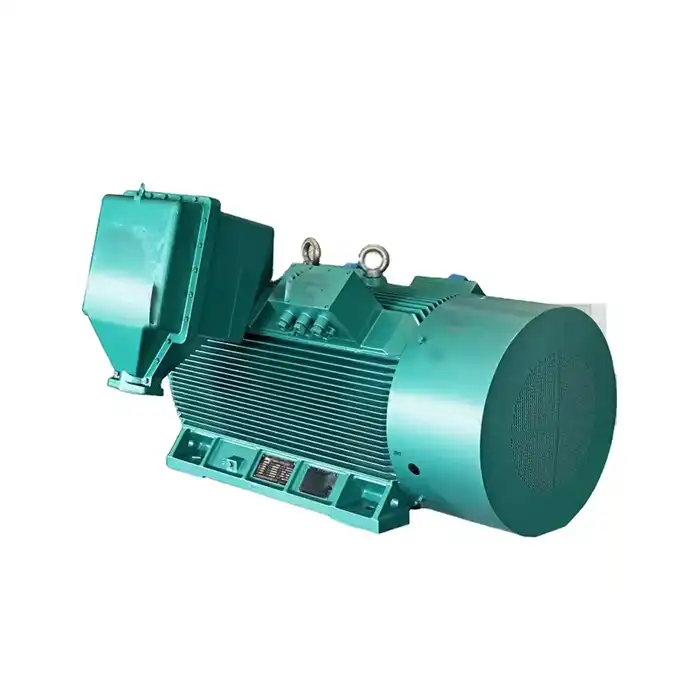
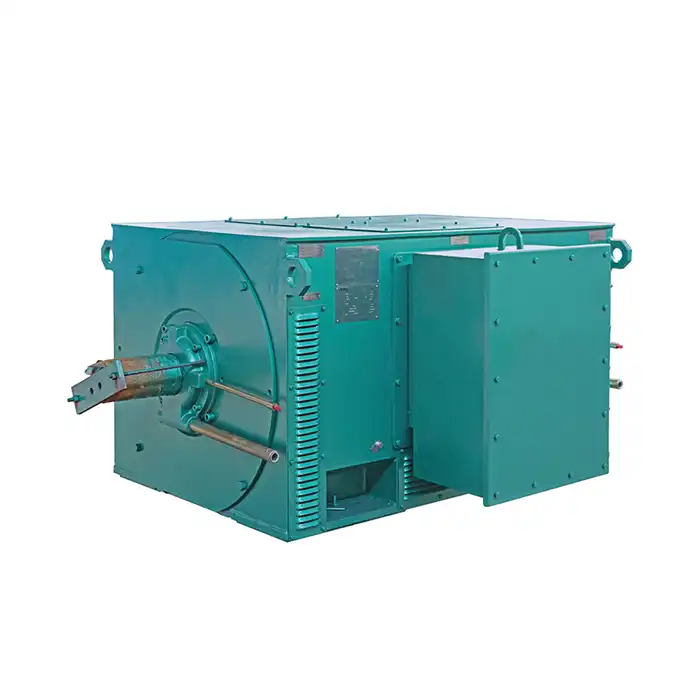
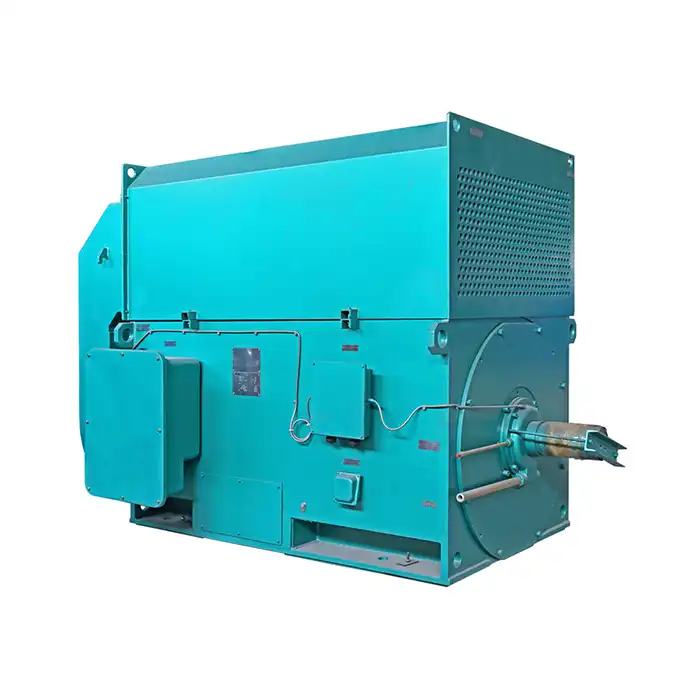
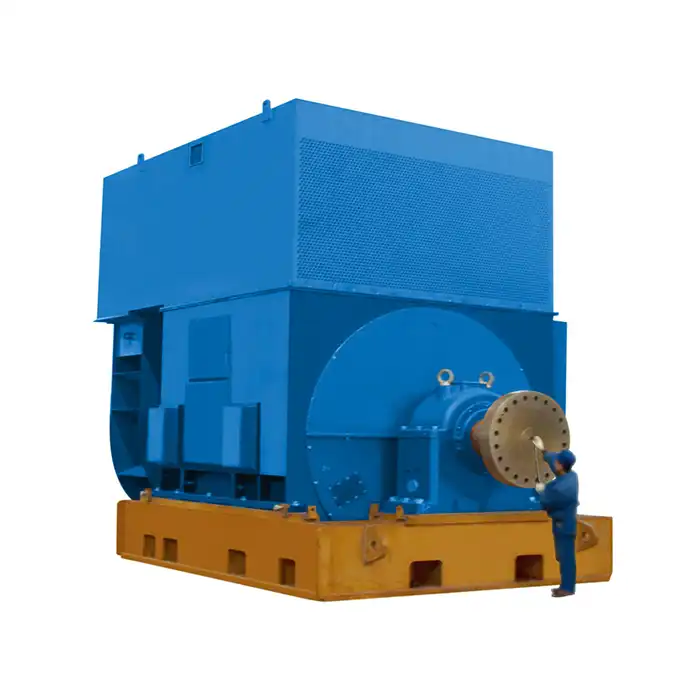
When flammable gases or volatile vapors surround your equipment, every component must meet the strictest safety standards. An explosion proof AC motor is designed with a robust, sealed enclosure that contains any internal arc or spark, preventing it from reaching the surrounding hazardous atmosphere. In oil and gas facilities — from upstream drilling sites to downstream refineries — these motors keep pumps, compressors, and conveyors running without triggering ignition events. Choosing the right explosion proof AC motor means aligning certifications, power ratings, and hazardous area classifications before a single unit ships to your site.
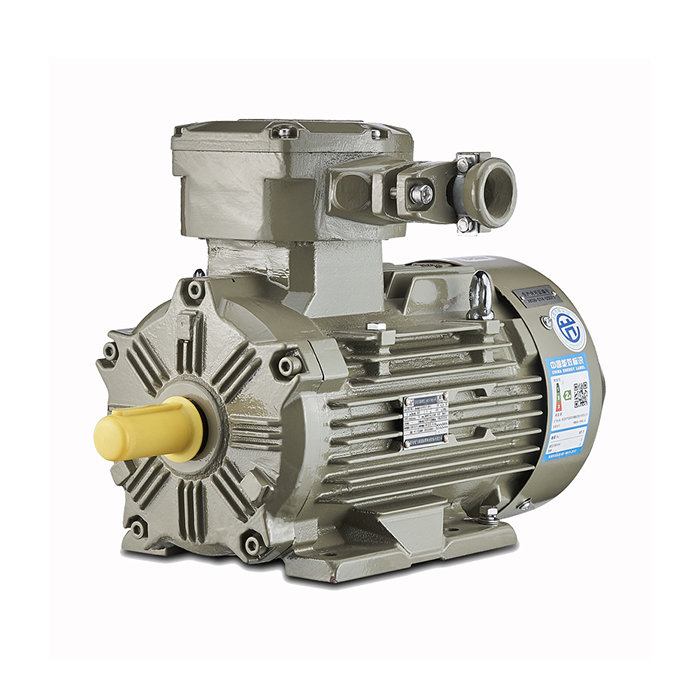
Series:YBX3
Voltage range:380V,660V,415V,380/660V,660/1140V
Power range:0.55-630 kW
Application:places where explosive gas mixtures exist in petroleum, chemical, mining, metallurgy, electric power, machinery and other industries.
Advantage: fully enclosed, self-fan cooling, squirrel cage type, high efficiency.
Explosion-proof mark: Ex d I Mb, Ex d IIB T4 Gb, Ex d IIC T4 Gb
Others: SKF, NSK, FAG bearings can be replaced according to customer requirements.
Understanding Explosion Proof AC Motors in Oil and Gas
What Makes These Motors Different
During normal function, a basic induction motor makes heat and sometimes sparks. That is not okay in a Zone 1 or Zone 2 classified area. A flameproof enclosure made of heavy cast iron with carefully machined flame paths stops any internal burning before gasses can leave is how an explosion proof AC motor solves this problem. The IECEx and ATEX certification systems are based on this mechanical idea. They both set maximum surface temperature classes, enclosure integrity, and gap limits.
XCMOTOR's YBX3 line has explosion-proof marks for Ex d I Mb, Ex d IIB T4 Gb, and Ex d IIC T4 Gb. This covers the most dangerous gas groups, even hydrogen-rich atmospheres in Group IIC. The IP55 grade (also offered as IP56 and IP65) keeps out wetness and dust, and the fully enclosed, self-fan cooling design means that there is no need for outside ventilation systems.
Critical Applications of Explosion Proof AC Motors in the Oil and Gas Sector
Where These Motors Work Hardest
Every part of the oil and gas value chain depends on electric motors that can't catch fire. Here are some of the most important places where reliable motors for dangerous areas are required:
- Upstream drilling and production: Mud pumps, top drives, and wellhead compressors work 24 hours a day in gas-filled spaces. These constant, heavy-duty cycles are handled by an explosion proof AC motor in the 75–630 kW range while still meeting Zone 1 standards.
- Midstream pipeline and processing: Gas metering stations, pipeline booster compressors, and LNG processing units need motors that can give steady power without overheating. The YBX3 series explosion proof AC motor can handle voltages ranging from 380V to 660/1140V, so it can work with a wide range of grid configurations in the global midstream infrastructure.
- Downstream refining and petrochemical plants: Inside refining facilities, fans for cooling towers, agitators, and conveyors need motors that can last a long time before they need to be serviced again. Copper wires, Class F or H insulation, and paint that doesn't rust all work together to make the average time between failures longer in places where chemicals are present.
In addition to oil and gas, these motors are used in chemical processing plants, pharmaceutical production lines, grain elevators, flour mills, paint and solvent factories, and underground mines. They are used anywhere that explosive gas mixtures are classified as Zone 1 or Zone 2.
All of these uses have one thing in common: when the motor has the right explosion-proof mark and efficiency class, there are fewer unexpected shutdowns and fewer problems found by regulators during audits.
Comparison: Explosion Proof AC Motors vs Alternatives in Oil and Gas
Choosing the Right Technology
A standard flameproof motor, an air motor, or a DC drive system may be used in place of an explosion proof AC motor in dangerous areas, according to procurement experts. The short answer is that it depends on the type, but in most cases, AC motors are cheaper to own, so they win.
The idea behind Ex d protection is the same for flameproof motors and explosion proof AC motors. The difference is in how the gas groups are covered. It is not possible to place motors that are only marked Ex d IIB T4 in IIC atmospheres, such as hydrogen or acetylene. The YBX3 series with Ex d IIC T4 Gb covers all three gas groups: IIA, IIB, and IIC. This means that procurement teams only have to deal with one SKU that meets the needs of the most areas, rather than having to negotiate different sets of requirements for each zone.
Air motors can work in ATEX environments and won't stop working, but they need a source of compressed air, make a lot of noise, and use more energy per unit of power than AC motors. An explosion proof AC motor is still the most realistic and cost-effective option for long-term, high-power activities above 10 kW.
Explosion-proof DC motors let you fine-tune the speed, but they need brush maintenance in places where opening the motor can be a compliance issue. The AC solution predominates in modern installations thanks to variable frequency drives (VFDs) and an explosion proof AC motor that replicate that speed control without brush wear.
Procurement Guide for Explosion Proof AC Motors in Oil and Gas
Key Criteria Before You Order
Getting things right for buying starts long before a purchase order is sent out. Whether a motor gets site acceptance or costs a lot of money to reject are always based on three things:
- Hazardous area classification match: Make sure the spot is in Zone 1 or Zone 2 and name the gas group (IIA, IIB, or IIC) and temperature class. A motor marked Ex d IIC T4 Gb meets the requirements for all three groups and the T4 temperature at the same time.
- Certification documentation: ATEX and IECEx certificates for the explosion proof AC motor must be up-to-date, able to be tracked, and available in the language needed by the government agency in charge. For projects going to the Chinese market, the package should also have CE marking and CCC approval.
- Power and voltage alignment: The YBX3 series can handle power levels from 0.55 kW to 630 kW and voltages of 380V, 415V, 660V, 380/660V, and 660/1140V. It also lets you choose the frequency. Making sure of the site's source voltage before choosing the motor saves a lot of money on rewiring.
The procurement procedure is shortened by these three steps. The 3–6 month procurement timeline that is typical of explosion proof AC motor sourcing can be significantly shortened when specification sheets, test reports, and certificate numbers are aligned with site requirements from the initial quote stage. XCMOTOR also lets you switch out bearings, so you can choose between SKF, NSK, or FAG bearings based on your site's upkeep standards. It also supports OEM labeling with translated paperwork for importers in North America and Europe.
Maintenance and Operational Best Practices
Keeping Your Motors Running Safely
An explosion proof AC motor is an asset that will last a long time. How well it is kept will determine how long it lasts. The flameproof enclosure surfaces, the state of the terminal box seals, and the temperature trends of the bearings should all be checked on a regular basis. The explosion-proof certification is null and void if the enclosure flame path is mechanically damaged. This needs to be fixed before the motor can be used again.
Changing the bearings is one of the most common service tasks. The original design specs are kept when only the stated bearing grade is used, whether it's SKF, NSK, or FAG. When you install a bearing that is too small or of poor quality, it can create too much heat that raises surface temperatures above the T4 class limit of 135°C, which is against the rules.
Operational freedom is greatly increased when an explosion proof AC motor and a VFD are combined. When a pump or fan starts up, variable speed operating lowers the stress on the parts and lowers the amount of energy used during partial-load cycles. Smart tracking systems that keep an eye on the temperature and vibration of the windings in real time let repair teams plan their work so that problems don't happen in the first place.
Conclusion
In Zone 1 and Zone 2 settings, it is mandatory to use an approved explosion proof ac motors for conveyors. The YBX3 series from XCMOTOR meets all the requirements for procurement: it has Ex d IIC T4 Gb coverage, ATEX and IECEx certification, a power range of 0.55 kW to 630 kW, and the ability to switch between voltages from 380V to 1140V. These motors are made to last in places like oil factories, chemical plants, mines, and pharmaceutical facilities. They are made of cast iron, have copper windings, and come with IP55 protection as standard. Following the rules is not an expense; it is necessary for work to keep going.
FAQ
1. What certifications does an explosion proof AC motor need for oil and gas sites?
To be safe in a hazardous area around the world, the explosion proof AC motor should have at least ATEX certification for projects in Europe and the Middle East and IECEx certification for other projects. EU goods must have a CE mark on them. For the Chinese market, CCC approval is needed. Before accepting delivery, you should always ask for the original certificate numbers and check them against the online registry of the issuing body.
2. How do I select the correct power rating?
Match the motor's estimated output to the load profile of the equipment it drives, taking into account the job cycle and starting power needs. The YBX3 series ranges from 0.55 kW to 630 kW and comes in 2-, 4-, 6-, and 8-pole configurations. It has speed options for pumps, fans, compressors, and mixers, and most of the time, these don't need extra gearboxes.
3. Are these motors suitable for offshore oil rigs?
Yes, motors marked with Ex d IIC T4 Gb and an IP56 or IP65 grade meet the gas group and ingress protection standards for offshore Zone 1 settings. Before you sign off on the specification, make sure you and the provider agree on the ambient temperature range and altitude derating needs.
Partner with XCMOTOR for Your Next Explosion Proof AC Motor Project
Oil factories, chemical plants, mining operations, and OEM importers all over the world receive approved explosion proof AC motors from XCMOTOR in the range of 0.55 kW to 630 kW, with competitive explosion proof motor price china available for bulk orders. Our YBX3 line meets the standards for ATEX, IECEx, CE, and CCC. It comes with full paperwork and can be customized with bearings. For a quote, email our expert team at xcmotors@163.com or go to motorxc.com right now. We deliver quickly, accept returns for 30 days, and have dedicated weekend support.
References
1. International Electrotechnical Commission. IEC 60079-0: Explosive Atmospheres — General Requirements. IEC, 2017.
2. European Committee for Electrotechnical Standardization. EN 13463-1: Non-Electrical Equipment for Potentially Explosive Atmospheres. CENELEC, 2009.
3. National Fire Protection Association. NFPA 70: National Electrical Code, Article 500 — Hazardous Locations. NFPA, 2023.
4. International Electrotechnical Commission. IEC 60034-30-1: Rotating Electrical Machines — Efficiency Classes of Line Operated AC Motors. IEC, 2014.
5. Health and Safety Executive (UK). Dangerous Substances and Explosive Atmospheres Regulations (DSEAR): Guidance for Industry. HSE Books, 2013.
6. American Petroleum Institute. API RP 505: Recommended Practice for Classification of Locations for Electrical Installations at Petroleum Facilities. API, 2019.