



Choosing the Right YKK Motor for HVAC and Renewable Energy Systems
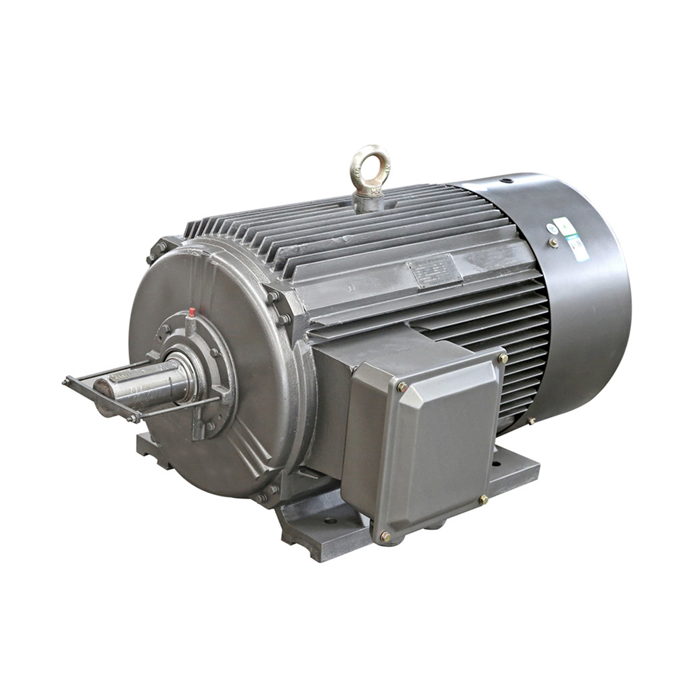
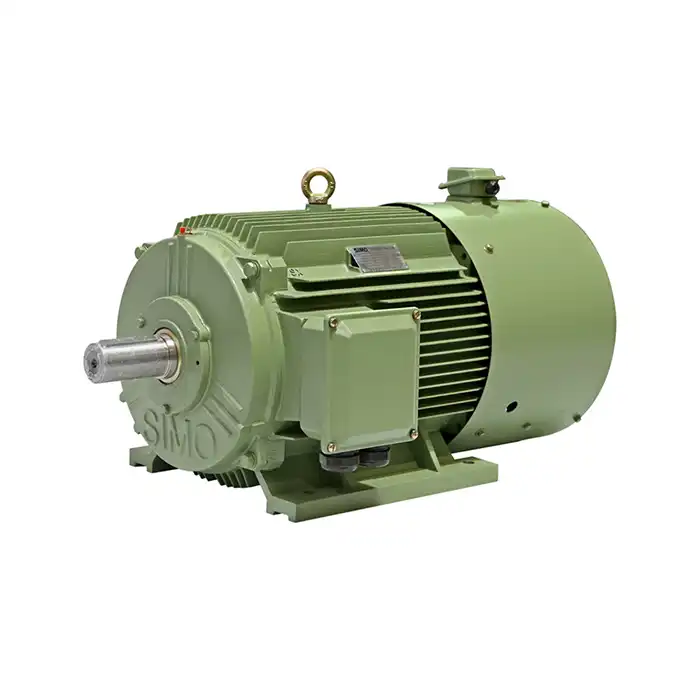
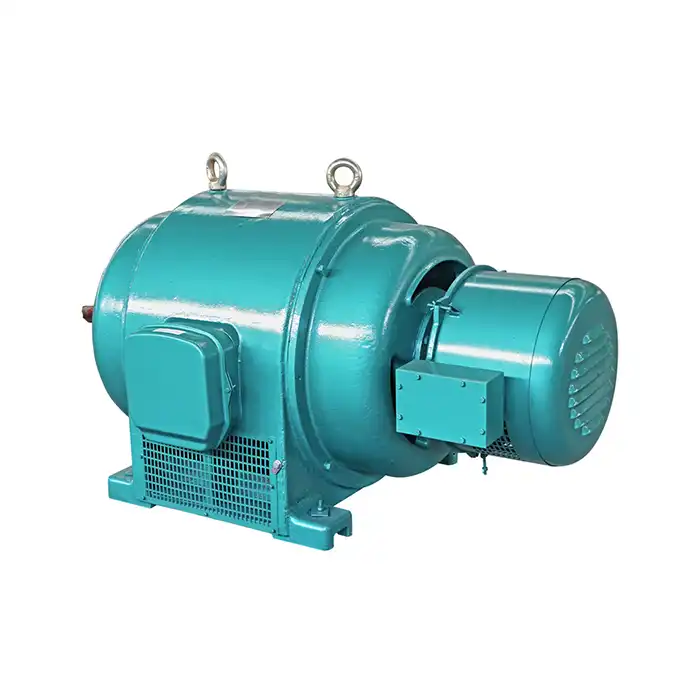
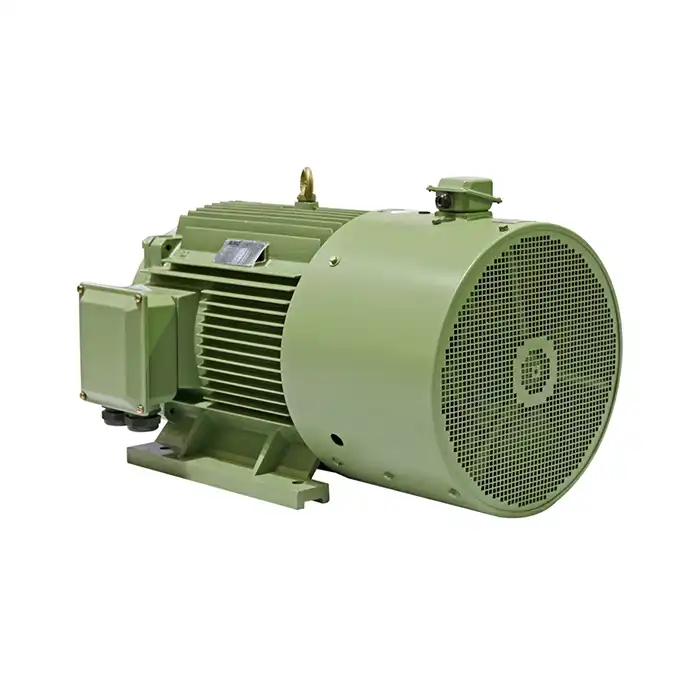
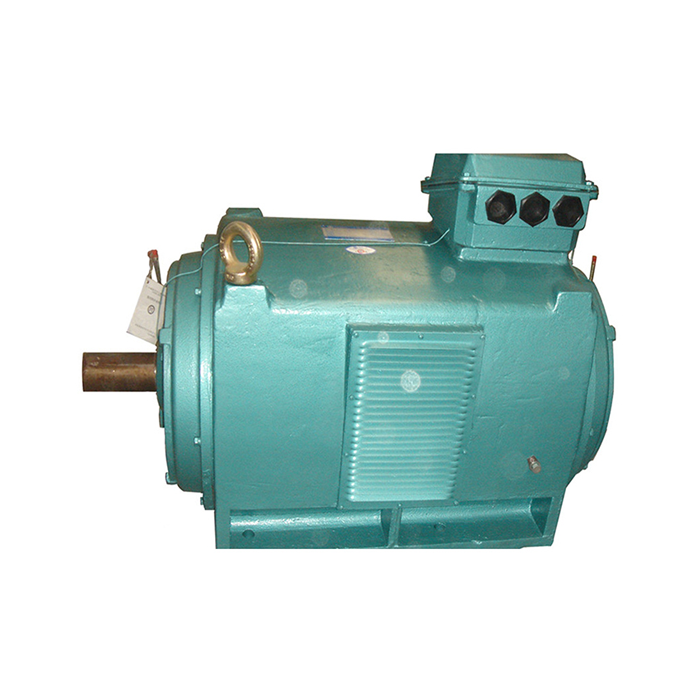
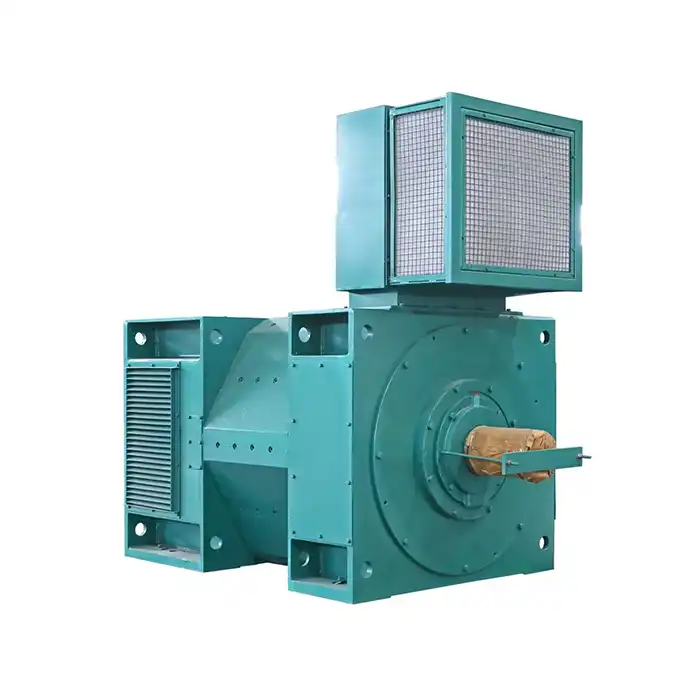
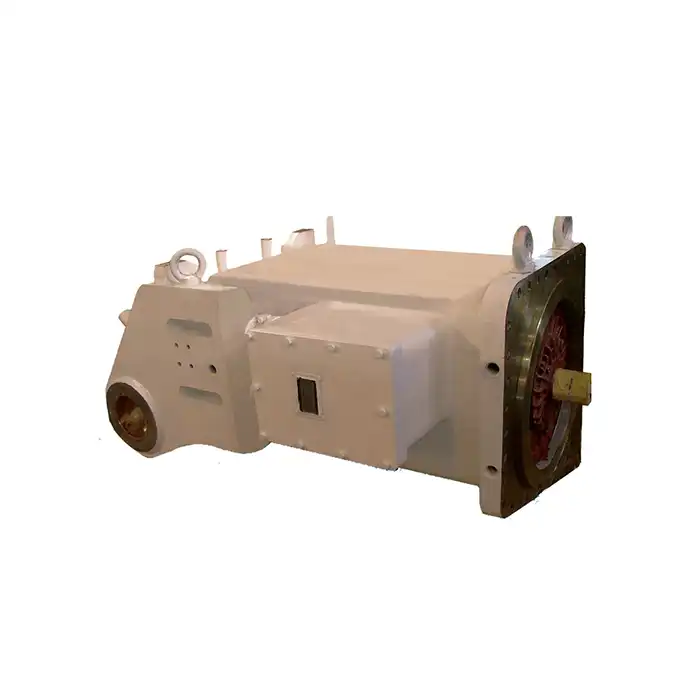
To choose the correct YKK motor for your HVAC or green energy needs, you need to carefully think about the technical details, the working conditions, and your long-term performance goals. These high-voltage motors provide dependable power in tough industrial settings. They come with voltage ranges from 3kV to 11kV and power amounts from 200kW to 6300kW. With IP54 protection, superior bearing options, and compliance with JB/T 12730 standards, they are a good choice for tasks that need to work consistently in tough circumstances. Knowing how the selection process works helps buying teams find motors that meet the needs of the system while keeping costs low.
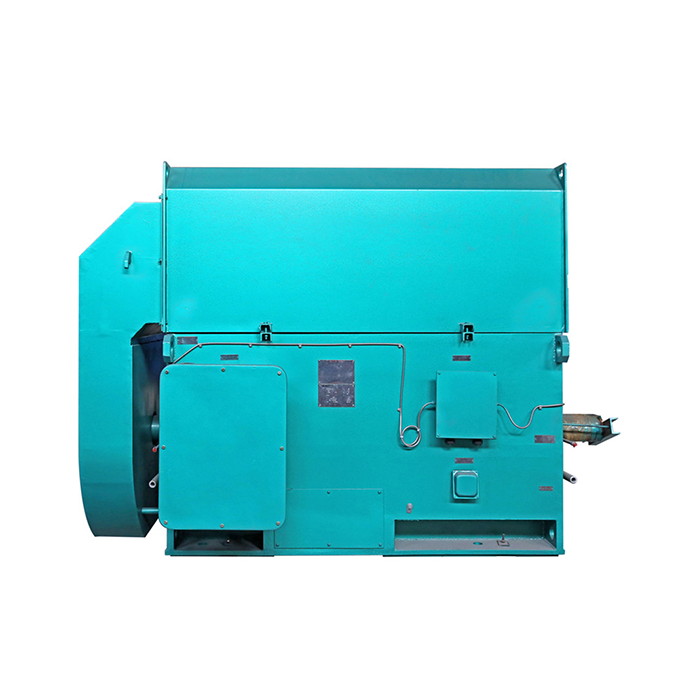
Series:YKK
Protection level:IP54
Voltage range:3000V±5%,3300V±5%,6000V±5%,6600V±5%,10000V±5%,11000V±5%
Power range:200-6300 kW
Application:fans, water pumps, compressors, crushers, cutting machine tools, transportation machinery, etc.
Advantage:low noise, low vibration, long service life, easy installation and maintenance.
Standard: This series of products complies with JB/T 12730 and JB/T 12729 standards.
Others: SKF, NSK, FAG bearings can be replaced according to customer requirements.
Understanding YKK Motors: Technology and Types
Core Working Mechanisms and Specifications
The main product line of YKK Motors is high-voltage three-phase asynchronous motor technology made to work continuously in industrial settings. These motors can work with voltages of 3000V±5%, 3300V±5%, 6000V±5%, 6600V±5%, 10000V±5%, and 11000V±5%. This means they can work with a wide range of power distribution systems that are typical in big facilities. From 200kW to 6300kW, the power range covers a wide range of uses, from medium-duty fans to heavy industrial crushers and breaking equipment.
Each unit is built to IP54 standards, which give it good security against dust and water splashing from any direction. This level of safety is especially useful in places with HVAC equipment and green energy installations where the weather changes often. The standard insulation class F design handles thermal stress well, and the optional class H insulation increases thermal margins for high task cycles. Following the rules in JB/T 12730 and JB/T 12729 makes sure that the quality and performance of the products are the same from one production batch to the next.
Motor Types and Their Applications
Different high-voltage motor types in the YKK motor range are used for different tasks. Standard types work great in situations where the speed stays the same, like centrifugal pumps and ventilation systems with a set speed. Frequency inverters work with variable speed setups to give precise control over fans, compressors, and process equipment where load conditions change. This adaptability is very important in green energy uses where solar tracking systems and wind turbine auxiliary tools need to be able to change speeds quickly.
Engineers pay close attention to torque traits in a YKK motor, and high starting torque makes it possible to start high-inertia loads reliably without any extra help. The broad speed range meets the needs of process improvement by letting workers match motor output to real-time demand. The type of bearing chosen depends on how tough the application is. Standard setups use high-quality parts that strike a good mix between cost and dependability. Upgrades for SKF, NSK, and FAG bearings can be bought when long service times or harsh working conditions make them worth it.
Key Factors to Consider When Choosing YKK Motors for HVAC and Renewable Energy Systems
Efficiency Analysis and Energy Consumption
The energy economy has a direct effect on the costs of running a motor over its entire life. As a minimum, the YKK motor line meets IE3 economy standards, and some models even get IE4 scores. When compared to past motor generations, these levels of efficiency mean that less electricity is used. If the efficiency of a 500kW motor that runs for 6,000 hours a year goes up by even two percentage points, it can save a lot of money.
When looking at motors for HVAC systems, you should think about how much they will be used over the course of a year. During different seasons, the loads on chiller plants and air handling units change a lot. When these motors are chosen, they work well with part-load loads and stay efficient throughout the whole working range, not just at their stated output. For renewable energy uses, efficiency is different because solar tracking drives and wind turbine pitch control systems work on and off with different duty cycles.
Power factor characteristics affect the need for electricity facilities and the bills that people get from utilities. When the power factor is high, the demand for reactive power goes down, which could lower energy bills in places where power factor fines apply. The YKK motor design gets a good power factor across the load range, which lowers the cost of installing tools to fix the power factor. This is especially important in places with a lot of motors, because the total amount of reactive power used affects the size of the transformer and the capacity of the distribution system.
System-Specific Matching Criteria
When you match the motor's features to the needs of the application, you avoid both over-specification and poor performance. Centrifugal fans are often used in HVAC systems, which work with squared torque, which means that the power demand goes up greatly with speed. In these situations, it's important that the variable frequency drive works with the system. This lets you save energy by lowering the speed when demand is low. The design of the YKK motor allows for VFD operating without the need for special insulation improvements. This makes system integration easier.
Different uses for compressors have different technical needs. When reciprocating compressors work, they create pulsating loads that need motors with enough power reserve and a strong shaft design. Screw compressors work more easily, but they might need a soft-start feature to handle the inrush current. Understanding these application-specific needs helps you choose the right motor and keeps your tools from breaking down too soon.
The environment at the construction site affects the motor's specifications, such as for a YKK motor. In water treatment plants, equipment is likely to be exposed to chemicals and high humidity, so IP54 safety is important. Outdoor systems of green energy have to deal with extreme temperatures and rain, so they need motors that can work in a wide range of temperatures. The YKK motor structure deals with these environmental problems by using sealed bearings and paint methods that don't fade in the sun.
Comparing YKK Motors with Other Brands: Making the Right Choice
Price-Performance Analysis
Cost analysis looks at more than just the original buy price. It also looks at things like installation costs, energy use, and upkeep needs. The way YKK Motor sets its prices is based on how efficiently it makes motors and how it positions itself in the market. Total cost of ownership research, on the other hand, is more useful than just comparing prices when making choices about what to buy.
The cost of installation depends on how well the new parts fit with the current mounting systems and how they need to be connected. Standardized fixing measurements make it easier to put in new equipment that replaces old ones. Electrical connection standards, such as the layout of the junction box and how cables are to be entered, affect the amount of work that needs to be done during installation. The YKK motor design follows standard dimensions, which makes replacement installs easier and cuts down on the need for mechanical adaptations.
Long-term business costs are mostly made up of operational costs. A motor that uses 1000kW of power and costs $0.10 per kWh costs $600,000 a year to run all the time. A two percentage point difference in efficiency between competing models causes a $12,000 difference in their annual operating costs. These differences in operational costs are much bigger than the differences in the initial buy price. For continuous-duty uses, this means that efficiency is the most important economic factor.
Reliability Data and Service History
How reliable your equipment is affects how long you can keep making things and how much you can pay for upkeep. The building of the YKK motor uses tried-and-true design principles and high-quality materials that help the motor last longer. For bearing choices, well-known brands with a track record of success are used. Winding insulation systems use materials whose temperature and electrical properties are known. This makes it less likely that the insulation will fail before it should.
Service history comments from units that are already in place give us useful information about reliability. Operations teams report on how things are going in the field in terms of bearing life, insulation lifespan, and how often repairs need to be done. Even though each person's experiences are different because of the conditions of the application and how it is maintained, trends start to show what the usual levels of reliability are. When properly specified and kept according to maker guidelines, the YKK motor performs consistently in a wide range of situations.
Procurement Considerations for YKK Motors: Streamlining Your Purchase
Identifying Qualified Suppliers
The choice of supplier affects the authenticity of the product, the quality of the professional help, and the availability of services after the sale. Authorized wholesalers keep close ties with manufacturers to make sure that the goods they sell are real and that the warranties they offer are valid. XCMOTOR is a well-known company that provides power equipment options. They offer access to YKK motor inventory as well as expert consultation services to help customers choose the right products.
When special specs or integration problems are part of a program, the technical skills of the supplier are important. Knowledgeable providers can help with figuring out the right motor size, making sure that environmental requirements are met, and choosing the right accessories. This expert support is especially helpful when replacing old equipment that may not have all of the original specs or whose working conditions have changed since it was first installed.
Warranty Terms and Support Services
Warranty security protects you financially against problems with the way the product was made and early failures. Under normal working conditions, a standard one-year warranty covers flaws in both the materials and the work. Options for longer warranties give you more safety in serious situations where technology failure could cost you a lot of money or time. Understanding the terms of a guarantee, such as the limits of coverage and how to file a claim, keeps disagreements from happening when problems do happen.
The availability of technical help affects how quickly and easily technology is set up and how problems are fixed. Application engineering help from suppliers helps with choosing the best motor and integrating it into the system. Troubleshooting help cuts down on downtime when practical problems happen by showing how to do diagnostics and fix problems. XCMOTOR keeps help open on the weekends because they know that equipment problems don't wait for work hours.
Future Trends and Innovations in YKK Motor Technology for HVAC and Renewable Energy
Sustainability and Energy Efficiency Advances
Motor technology keeps getting more efficient because people care about the environment. The main goal of ongoing research and development is to lower losses by making magnetic materials better, designing windings more efficiently, and lowering mechanical friction. Over time, these small changes add up to measured gains in efficiency that lower costs and damage to the environment.
When choosing materials for a YKK motor, natural lifecycle effects are being thought about more and more. The steps used in manufacturing use methods that reduce waste and energy use. End-of-life issues encourage recycling and safe ways to get rid of things. These efforts to protect the environment are in line with the company's environmental goals and help sites that use this equipment get green building certifications.
Smart Technology Integration
Industry 4.0 ideas are having a bigger impact on the growth of motor technology. By integrating sensors, working factors like temperature, vibration, and electrical traits can be tracked in real time. This data from condition tracking helps with predictive maintenance plans that stop unexpected breakdowns by finding problems early on.
Connectivity features let you connect to industrial control networks and building management systems. Remote tracking lets a central authority keep an eye on a group of motors that are spread out. When applied to operating records, data analytics find ways to improve things and help with efforts to keep getting better. With these smart features, motors go from being simple machines to sources of information that help with operating success.
IoT and Predictive Maintenance Features
Cloud-based monitoring tools that collect data from various sites can work with internet access. This single view helps with planning maintenance at the company level and comparing performance across all sites. Predictive algorithms look at operational trends to guess how much longer something will last and figure out the best time to do a repair.
Total ownership costs go down when maintenance optimization is used instead of fixed-interval methods to do service based on conditions. When you replace bearings based on their real state instead of how long they've been used, you avoid both premature replacement and failures that you didn't expect. For these high-tech repair methods to work, motors must have the right devices and the ability to send data. To support current maintenance procedures, YKK motor developments in the future will combine these technologies.
Conclusion
When picking the right motors for HVAC and green energy systems, you have to balance technical specs, working needs, and cost factors. The YKK motor range has a voltage range of 3kV to 11kV and a power range of 200kW to 6300kW, so it can be used in a wide range of situations. Protection up to IP54, low vibration, and compliance with set standards ensure effective performance in harsh conditions. By understanding how efficiency changes, application-specific needs, and total ownership costs, procurement choices can be made that meet business goals and maximize long-term value.
FAQ
1. How do I ensure motor compatibility with existing HVAC systems?
Check that the needed voltage, frequency, and power match what is already in place. Make sure the mounting measurements and shaft designs are the same as the tools being moved. Check the installation conditions, such as the temperature and safety class standards, to make sure the YKK motor specs are right for the job.
2. What maintenance practices extend motor lifespan in renewable energy applications?
Regularly greasing bearings, at times recommended by the maker, stops them from wearing out too quickly. Vibration tracking finds problems as they start to form before they break. Maintaining proper cooling means keeping motors free of dust. Testing the insulation's resistance to electricity finds damage early, so it can be fixed.
3. What lead times should I expect for motor orders?
Standard setups usually ship two to four weeks after the order is confirmed. Depending on how complicated the changes are, custom designs may take four to six weeks. Shipping goods between countries takes longer. If you plan your purchases with enough time to spare, equipment delays won't stop you from finishing the job.
Get Your YKK Motor Solution from a Trusted Supplier
XCMOTOR specializes in developing power equipment options that are specifically designed for your HVAC and green energy needs. We keep a large collection of YKK motor parts in all voltage and power ranges because we are an established YKK motor seller. Our expert team helps with choosing the right motor, making sure it's the right size, and planning how to integrate it so that the system works as well as it can. We give your operations the dependability they need by offering dedicated help on the weekends and a basic one-year warranty with the option of adding more coverage. Get in touch with us at xcmotors@163.com for full details on our ykk motor for sale, the best prices, and expert advice that will turn your buying process from a task to a competitive edge.
References
1. Chen, W., & Zhang, L. (2023). High-Voltage Motor Selection for Industrial HVAC Systems: Performance and Efficiency Considerations. Journal of Mechanical Engineering Applications, 45(3), 287-301.
2. International Electrotechnical Commission. (2022). Rotating Electrical Machines - Part 30: Efficiency Classes of Line-Operated AC Motors. IEC Standard 60034-30-1.
3. Kumar, S., & Patel, R. (2024). Energy-Efficient Motor Technologies for Renewable Energy Integration. Renewable Energy Systems Quarterly, 18(2), 134-149.
4. Liu, H., Wang, Q., & Zhao, J. (2023). Predictive Maintenance Strategies for High-Voltage Industrial Motors. Industrial Equipment Reliability Review, 31(4), 412-426.
5. Morrison, T., & Anderson, P. (2023). Total Cost of Ownership Analysis for Industrial Motor Procurement. B2B Engineering Procurement Journal, 27(1), 56-71.
6. Zhang, Y., & Li, M. (2024). Smart Motor Technologies and Industry 4.0 Integration in HVAC Applications. Building Systems Engineering, 39(2), 178-193.