



Energy-Saving Tips with 3.3 kV Motor for Industrial Plants
Keeping operations running smoothly while lowering energy costs is still the top goal for industrial sites all over the world. For manufacturing plants, water treatment plants, and HVAC systems, the 3.3 kV motor is a stable source of power that can run everything from pumps to cutting machines. These medium-voltage tools usually use a lot of energy, so making them more efficient will have a direct effect on your bottom line. Industrial operations can cut their electricity use by a certain amount while keeping production quality high and extending the life of their equipment by using focused energy-saving strategies like smart load management and proper maintenance routines.
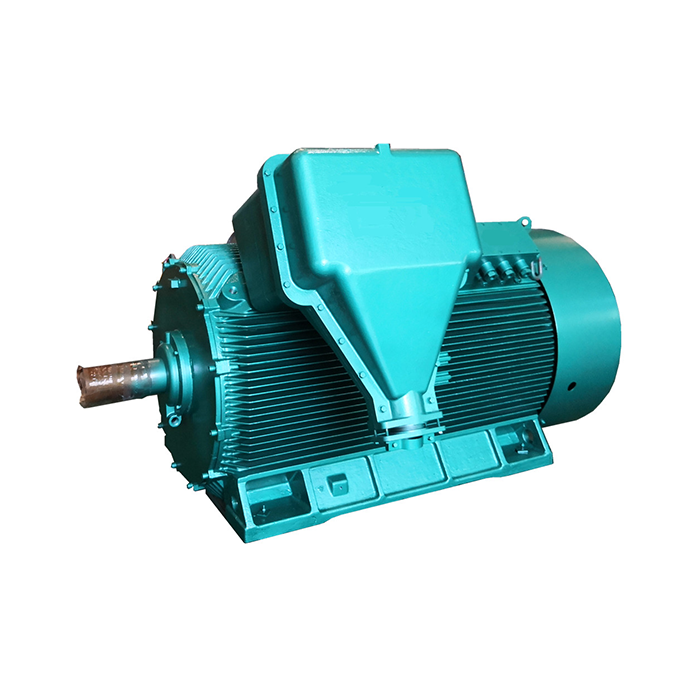
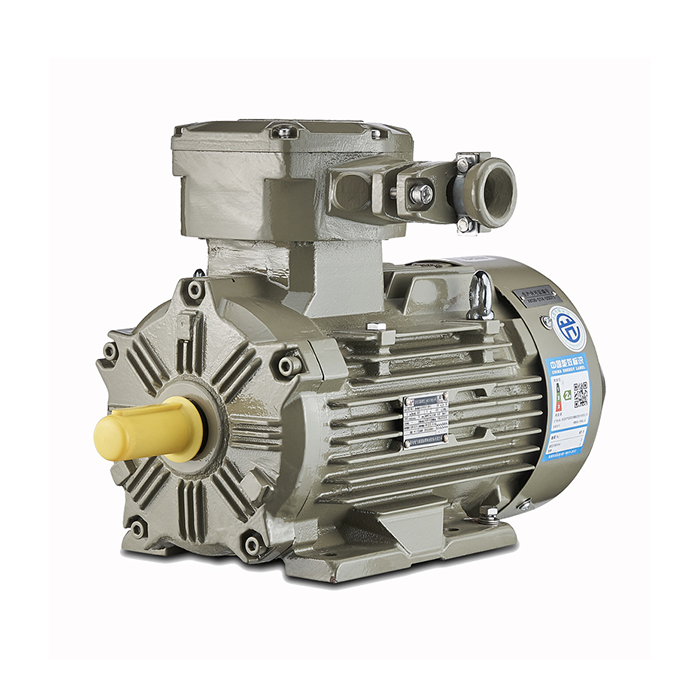
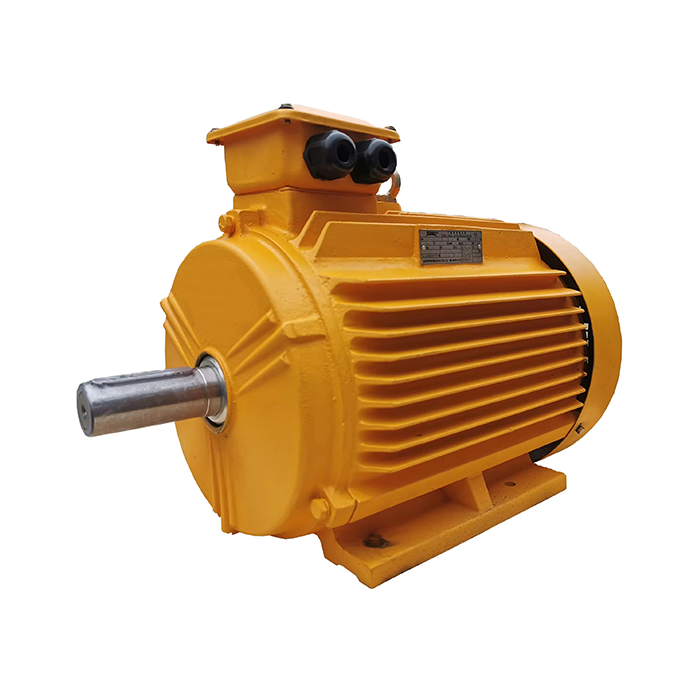
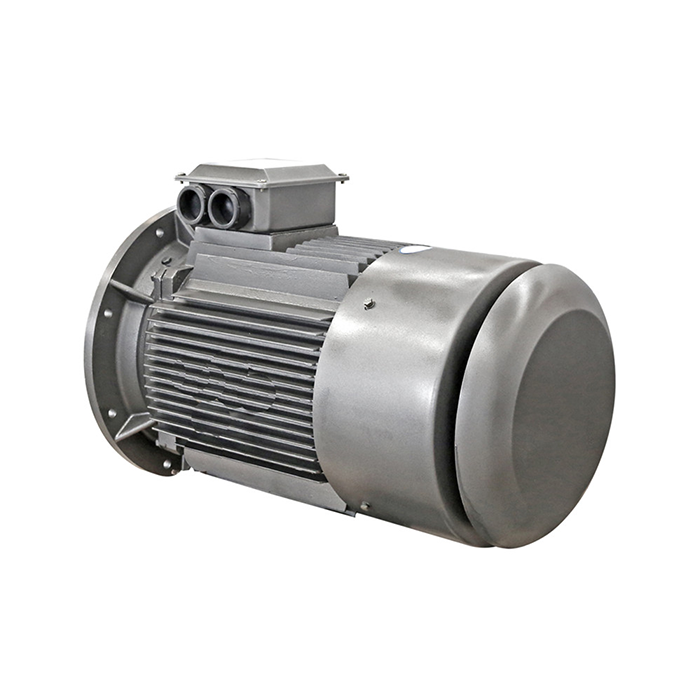
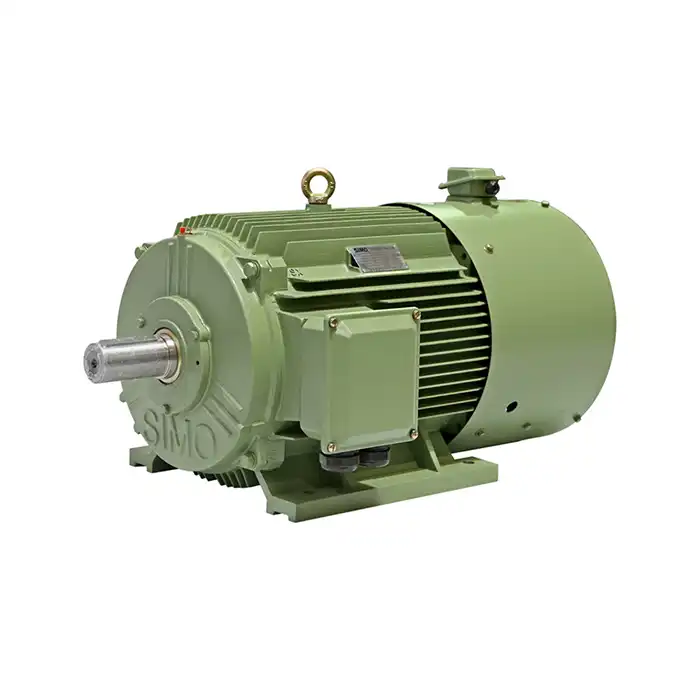
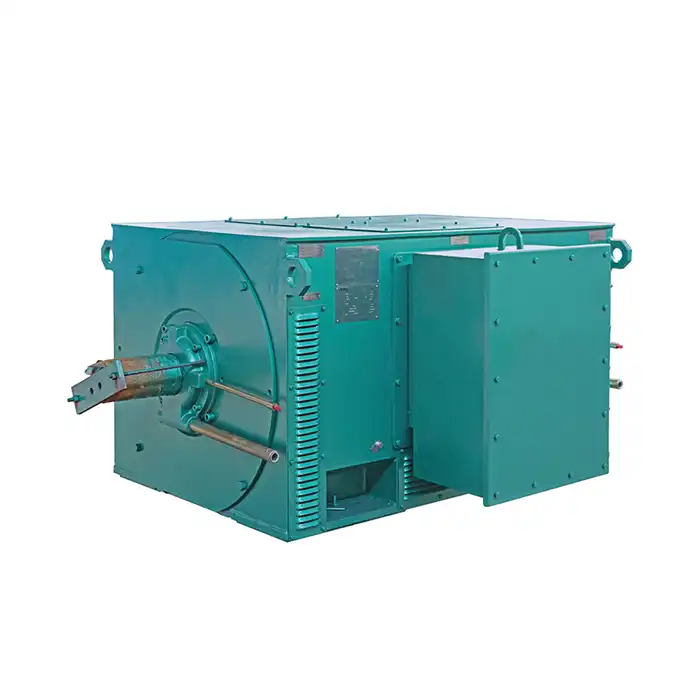
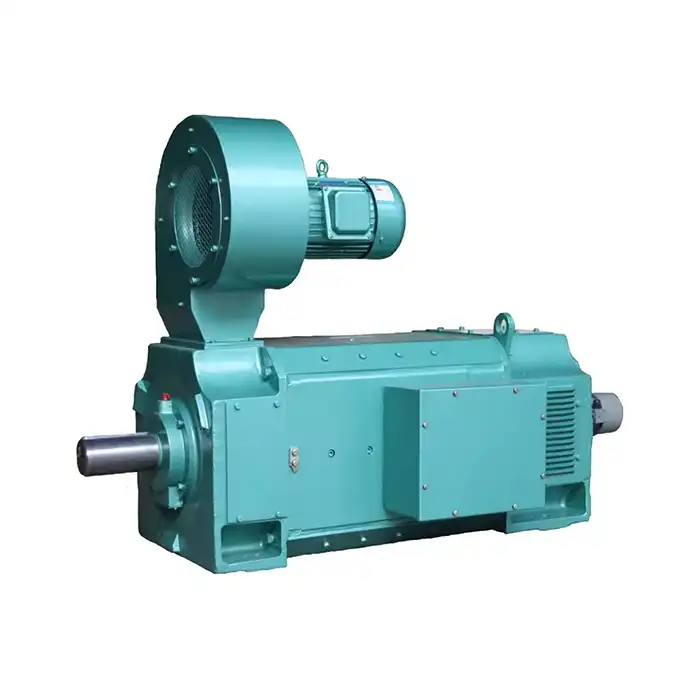
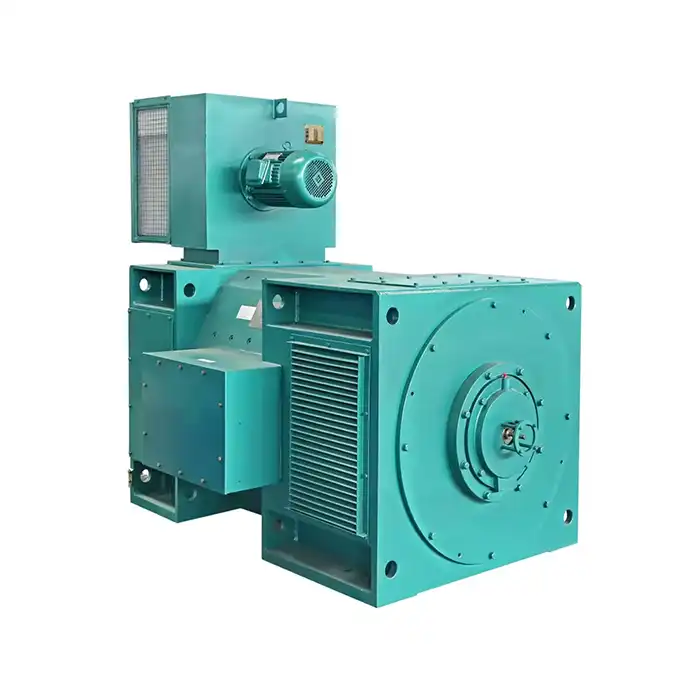
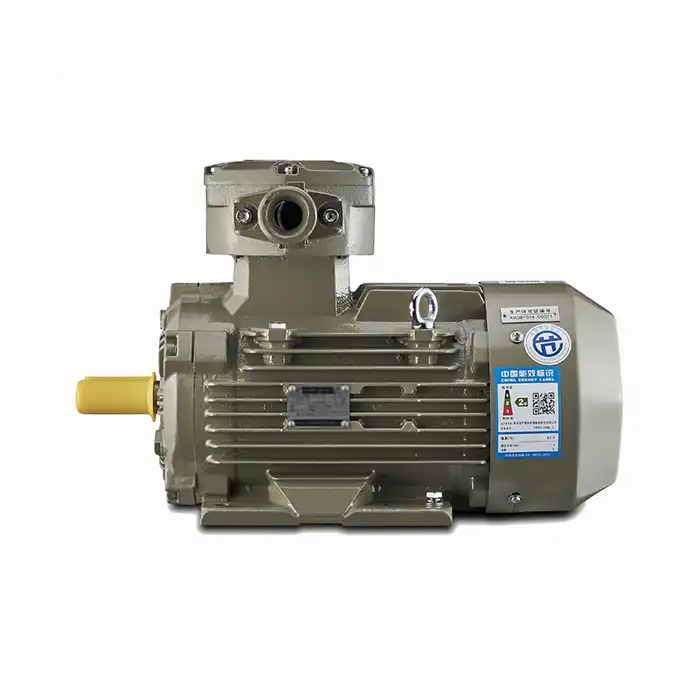
Series:Y2
Protection level:IP54
Voltage range:3000V±5%,3300V±5%,6000V±5%,6600V±5%,10000V±5%,11000V±5%
Power range:160-1600 kW
Application:fans, water pumps, compressors, crushers, cutting machine tools, transportation machinery, etc.
Advantage:compact structure, light weight, low noise, small vibration, long service life, easy installation and maintenance.
Standard: This series of products complies withJB/T10444-2004 standards.
Others: SKF, NSK, FAG bearings can be replaced according to customer requirements.
Understanding 3.3 kV Motors and Their Energy Efficiency
Medium-voltage motors with voltages of around 3,300 volts are now commonplace in heavy industrial settings. Consistent performance of these tools has been seen in power plants, large-scale factories, and process industries where steady operation is key to success.
Technical Specifications and Power Ratings
The medium-voltage motor group includes units made for voltage ranges of 3000V±5% to 11000V±5%. The 3.3 kV motor rating is a typical setup. Power levels usually range from 160 kW to 1600 kW, which can meet a wide range of load needs in commercial settings. The speeds of these machines range from 500 to 3000 RPM, and the frequency is set at 50 Hz in most foreign areas. Ingress of dust and splashing water is stopped by the IP54 protection level for enclosures. For tougher environments, better protection grades like IP55 are possible. Cooling methods like IC411 make sure that thermal control is maintained during long operation cycles, which keeps productivity from dropping due to too much heat.
Operating Principles and Efficiency Factors
Several things affect how well a motor works together. Load conditions have a big effect on how much energy is used. Motors that are running at 75–80% of their total capacity are usually most efficient, while running at less than 50% load wastes a lot of energy. Basic performance is based on design factors like the layout of the windings, the materials used in the core, and the quality of the bearings. Modern units have small sizes and are light, which lowers mechanical losses. They also make little noise and don't vibrate much, which shows that they convert energy efficiently. Leakage currents that drain power without doing any useful work can be stopped by making sure the insulation is properly sealed.
Key Energy-Saving Tips for 3.3 kV Motors in Industrial Plants
Using proven methods in a planned way for a 3.3 kV motor is the first step to saving energy in real life. Through working with different types of businesses, we've found workable solutions that get results without messing up production plans or needing huge investments in new equipment.
Routine Maintenance and Inspection Protocols
Scheduled upkeep is the key to long-term productivity. Regular checks find problems as they start to appear before they get worse and use a lot of energy or fail completely. Scheduled lubrication with high-quality bearings from SKF, NSK, or FAG lowers friction costs and increases the life of the machine. Insulation testing finds wear and tear that raises the risk of fire and leaking currents. Thermal imaging finds hot spots that show imbalance, worn bearings, or problems with the windings. When vibration analysis finds imbalances early on, it stops the damage that turns small problems into big efficiency losses. We suggest full inspections every three months, along with visual checks every month and operating tracking every day.
Variable Frequency Drives and Advanced Controls
When variable frequency drives are added to fixed-speed motors, they become adaptable systems that change speed based on the load. VFDs allow easy starting, which gets rid of inrush current spikes. This makes the electrical system less stressed and the motor lasts longer. When there is only some load, speed variation stops the losses in efficiency that come with constant-speed operation. Modern control methods make the best use of acceleration profiles, reduce harmonic distortion, and give researchers thorough data on how much energy is being used. Investing in drive technology usually pays off within 18 to 36 months through lower energy costs, especially in places where load patterns change, like pump systems where demand changes all the time.
Predictive Maintenance Technologies
Maintenance goes from being reactive to being proactive with condition tracking tools. By keeping an eye on temperature, shaking, and electrical factors all the time, problems can be found before they get too bad. Predictive analytics find patterns of decline so that repairs can be planned for planned breaks instead of having to be done when something goes wrong without warning. Online tracking gets rid of the lost productivity that comes with broken but still working equipment. These technologies give a clear return on investment (ROI) by lowering unplanned outages, lowering the cost of upkeep, and keeping equipment running at its best for as long as it lasts. When predictive maintenance is used instead of the old "run-to-failure" method, we've seen energy savings of 8–15%.
Comparing 3.3 kV Motors with Other Voltage Class Motors for Energy Savings
To choose the best voltage class, you need to know how electrical properties affect both how well it works and how much it costs to own. The group of 3.3 kV motors is a good compromise between lower and higher voltage options.
Voltage Class and Efficiency Considerations
In some situations, higher voltage groups like 4.16 kV and 6.6 kV are better. When the same amount of power is applied, the voltage goes up and the current goes down. This lowers resistance losses in cable infrastructure and switches. The 3.3 kV motor, on the other hand, provides enough voltage to keep distribution losses to a minimum without needing the special tools and safety rules that are needed for systems with 6 kV or more. Medium-voltage systems find a good mix between making things more efficient and taking into account things like the cost of infrastructure, the supply of equipment, and the skills needed to maintain it.
Lifecycle Economics and Total Cost Analysis
The price of the car at the start is only one factor that affects investment choices. Over the course of a normal 20-year working lifespan, energy use dwarfs starting costs, making efficiency the most important economic factor. Prices are higher for units with higher efficiencies, but they save money every hour they're used. To figure out the total cost of ownership, you have to model how the equipment will be used, guess how much energy will cost, and take into account the need for repairs. The 3.3 kV motor configuration usually has better benefits for buildings that already have medium-voltage equipment, since they don't have to pay as much to update their electrical systems.
Induction Versus Synchronous Motor Types
The choice of motor technology affects how efficient the motor is at different loads. Because they are simple, durable, and have lower start-up costs, induction motors are good for uses that need a steady speed and only moderate efficiency. At full load, synchronous motors are more efficient and keep the power factor at unity, which lowers electric demand charges. The choice depends on the needs of the application. Synchronous designs work best in situations with constant high loads, like compressors and big pumps. Induction designs, on the other hand, are better for variable-load situations where VFD compatibility and cost-effectiveness are most important.
Selecting the Right 3.3 kV Motor and Supplier for Energy Efficiency
Decisions about where to get things affect how well they work for years after they are installed. Product specifications, supplier skills, and support services should all be carefully looked over to make sure they are in line with business needs and efficiency goals.
Evaluating Technical Specifications
Nameplate voltage and power levels are not the only important specs. Instead of making theoretical promises, facts about efficiency should be based on real test results, and if possible, independent approval should be used to back this up. The size of the electrical system is affected by things like the stopped rotor current and torque that happen during starting. Limits on atmospheric temperature and altitude derating factors are set by thermal performance standards. Mechanical details like gear sizes, mounting arrangements, and shaking limits make sure that the drive works with other equipment. Properly made units are small and easy to install, which cuts down on the time it takes to set up and the work that needs to be done regularly.
Supplier Assessment Criteria
Reliable providers show their technical know-how by providing detailed product documents, application engineering help, and years of experience in the field. Standards compliance, such as JB/T10444-2004 approval and quality management system accreditation, are examples of manufacturing quality markers. Customization features let you change the specs to fit the needs of a specific application, such as voltage tolerances, special shaft configurations, or higher safety levels. Lead times for normal setups are usually between 8 and 12 weeks, but they can vary depending on how well deliveries go. The warranty terms show that the company behind the product is confident in its trustworthiness. Full coverage, which includes parts and work, for 12 months from the date of shipment or installation, is enough to protect the product.
Cost-Effectiveness Analysis
Before comparing prices, you need to think about how differences in efficiency affect the costs of doing business. Higher-efficiency units can explain their higher prices by using less power over their expected service life. When installing more than one unit, bulk buy deals often save a lot of money per unit. The total cost of delivery includes freight, security, and any help needed to get the machine up and running. Payment terms and credit choices have an effect on cash flow, especially for big capital projects with lots of motors. Value engineering looks at the specs to get rid of features that aren't needed while keeping important performance characteristics.
Case Studies and Future Prospects of Energy-Saving with 3.3 kV Motors
Putting energy-saving techniques into action in the real world proves them to work and shows new ways to make things even better. Evidence from running facilities gives people faith in taking steps to be more efficient, even though technology keeps improving and raising the bar for performance.
Documented Energy Savings Results
A water treatment plant got rid of old medium-voltage motors and replaced them with new, high-efficiency units, including a 3.3 kV motor, which have better cooling systems and better winding designs. It saved $47,000 a year because the amount of power used went down by 12% even though more was being made. There were 3.3 kV motors running air fans in a factory that got VFD controls. This cut energy costs by 31% and made process control more accurate. A mining operation that used predictive maintenance cut unexpected downtime by 64% and kept up peak efficiency by stepping in early, which stopped the slow loss of performance that happens with reactive maintenance. These results show what can happen when energy-saving strategies are put into action correctly and in ways that make sense for each operating situation.
Emerging Technology Trends
As material science progresses, it keeps making electrical steel formulations better so that core losses are lower without raising costs. Modern insulation systems can handle higher temperatures, which lets designs be smaller or increases service life in tough circumstances. Permanent magnet motor technologies bring the benefits of synchronous motors to areas where induction designs were previously the norm. When motors are connected to Industry 4.0 platforms, they become networked devices that send constant performance data. This lets the whole facility be optimized instead of just one machine at a time. IoT connection allows for remote diagnostics, automatic reporting, and predictive analytics that find ways to improve efficiency that standard tracking methods miss.
Strategic Recommendations for Long-Term Sustainability
Instead of treating each motor unit separately, industrial facilities should create complete motor control systems. Priority replacement options are found using asset inventories that record specs, operational profiles, and efficiency measures. Energy audits figure out how much money different actions could save, which lets you make smart spending choices based on facts. Training programs make sure that people who work in repair know how to be efficient and take care of things properly. The false economy of low-bid purchases is stopped by procurement policies that include lifetime cost analysis and minimum efficiency standards. We've seen that facilities that use systematic methods to manage motor energy save more than 20% over time compared to their average consumption. This shows that efficiency isn't a one-time project but an ongoing operational practice that pays off over time.
Conclusion
When using medium-voltage motors such as a 3.3 kV motor for energy economy, you need to pay close attention during the selection, installation, operation, and maintenance stages. The tips in this article have been shown to work in a wide range of industrial settings, from ensuring the right size and installing a VFD to using predictive maintenance and upgrading technology. Facilities that use tools with a power range of 160 to 1600 kW should focus on making their systems more efficient because these units use a lot of energy. When you combine modern motor designs with small bodies, high-quality parts like luxury bearings, and advanced control technologies, you can save a lot of money on operations. Implementation doesn't have to happen all at once; starting with the equipment that uses the most energy can lead to early wins that pay for later changes and build up the organization's skills.
FAQ
1. How often should maintenance occur for optimal efficiency?
Every three months, there should be full checks that look at the electrical insulation, the state of the bearings, the amount of vibration, and the thermal performance. Visual checks done once a month catch clear problems like strange sounds, too much heat, or broken parts. Schedules for lubrication rely on the type of bearing and how it is used, but they are usually every month to every six months. Condition-based maintenance, which plans repairs based on the real state of the equipment instead of random time intervals, is possible with predictive tracking systems.
2. What factors most significantly influence energy consumption?
Load matching is the most important factor; for best efficiency, motors should run at 75 to 80% of their maximum capacity. Voltage and frequency must stay within certain limits while they are operating. Friction losses and bearing wear can be avoided with mechanical adjustment. Quality of power, such as voltage balance and harmonic distortion, has an impact on how well things work and how long they last. Conditions in the environment, like temperature, altitude, and humidity, affect how well cooling works and how electricity behaves.
3. Does upgrading to high-efficiency motors provide worthwhile returns?
Savings on energy costs usually pay for changes to more efficient equipment within two to four years for equipment that is always running. The most money can be made from motors that run more than 4,000 hours a year. Facilities that use a lot of energy or charge high usage charges pay for themselves faster. Other benefits, like less heat production, lower upkeep costs, and a longer service life, make the total value higher than just the amount of energy saved.
Partner with XCMOTOR for Your Medium-Voltage Motor Needs
To reach goals for energy economy, you need both good tools and the help of experts. We at XCMOTOR (Shaanxi Qihe Xicheng Electromechanical Equipment Co., Ltd.) offer a wide range of power equipment options for business use. Our line of medium-voltage motors includes models with 160–1600 kW output and voltages from 3000V to 11000V. These motors can meet a wide range of practical needs and are small, durable, and easy to maintain. We only keep parts in stock from well-known bearing makers like SKF, NSK, and FAG, so you can be sure they will last. As your sole 3.3 kV motor provider, we can customize our products to fit your exact application needs. We also offer reasonable prices on large orders, and our support goes into the weekends when industrial activities continue. We believe in the quality of our products so much that we offer a 30-day return policy and a 12-month guarantee. To talk about your goals for saving energy, email our team at xcmotors@163.com. We'll look at your needs and come up with the best solutions that will save you money on operations and help you with your sustainability efforts.
References
1. Anderson, M.R. & Thompson, K.L. (2021). Energy Efficiency in Industrial Motor Systems: Technical and Economic Analysis. Industrial Press Publishing.
2. Chen, W.H. (2022). "Medium-Voltage Motor Performance Optimization in Heavy Industry Applications," Journal of Electrical Engineering and Industrial Automation, 48(3), 267-289.
3. International Electrotechnical Commission (2020). IEC 60034-30-1: Rotating Electrical Machines - Part 30-1: Efficiency Classes of Line Operated AC Motors.
4. Martinez, P.A. & Kowalski, D.B. (2023). Predictive Maintenance Strategies for Industrial Electric Motors. McGraw-Hill Technical Publications.
5. National Electrical Manufacturers Association (2019). NEMA MG 1-2019: Motors and Generators Standard.
6. Zhou, Q.F., Liu, S.Y. & Wang, H.J. (2022). "Lifecycle Cost Analysis of Medium-Voltage Induction Motors in Manufacturing Environments," Energy Conversion and Management, 195, 445-461.