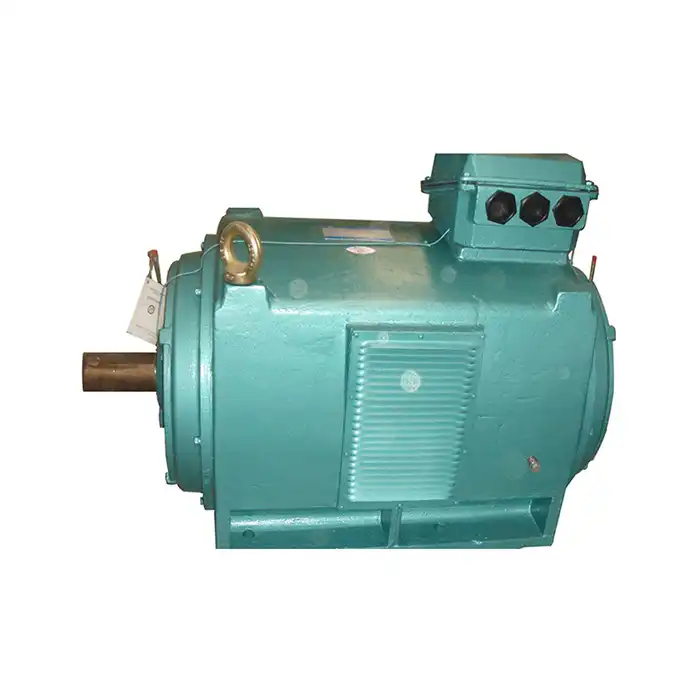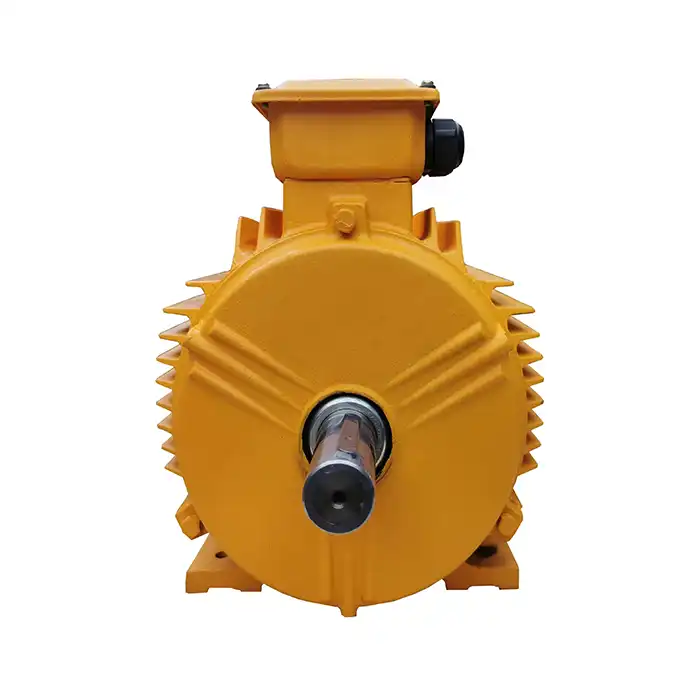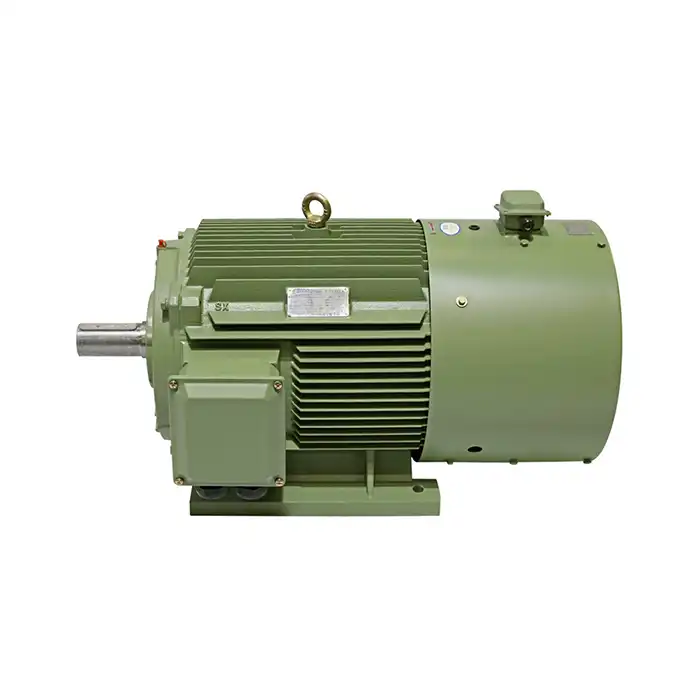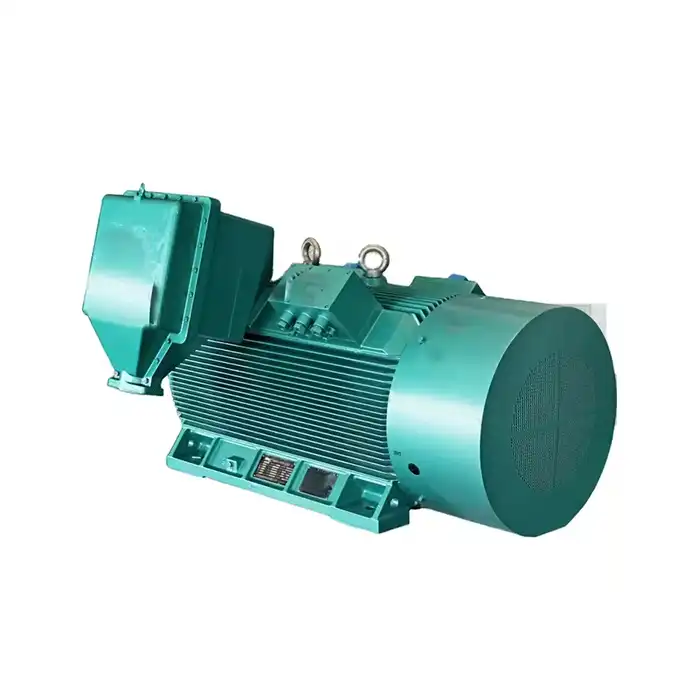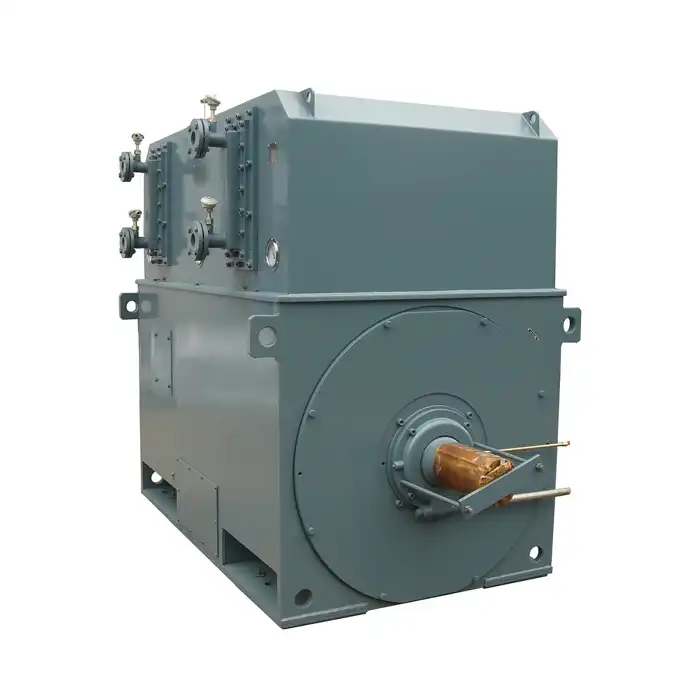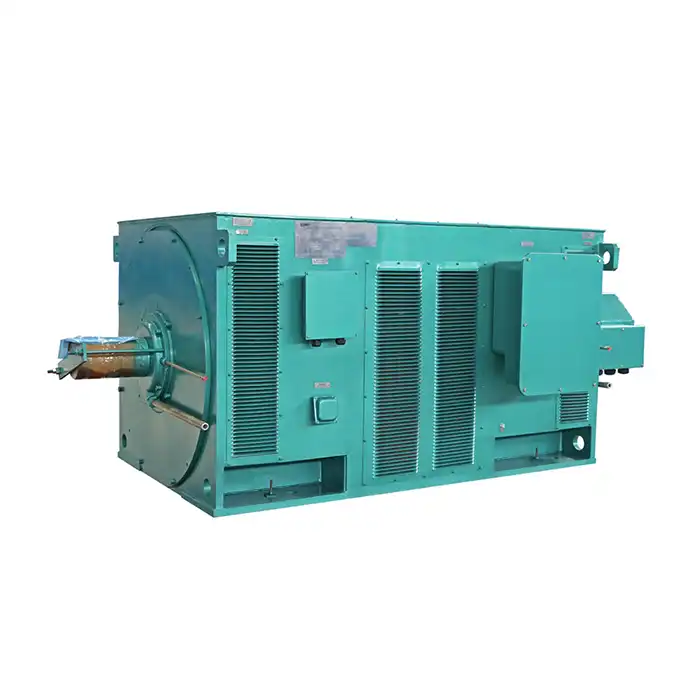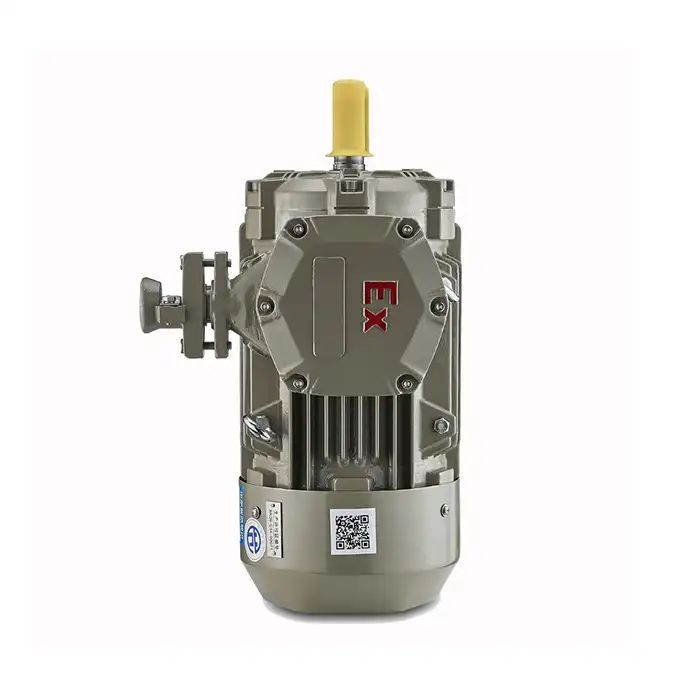




Can YKK Motor Operate in Harsh and High-Temperature Environments?
Yes, YKK motors are designed to work effectively in tough and hot conditions. These motors can handle tough industrial situations well because they are built to last with improved thermal resistance materials and IP54 protection. With insulation classes F and H options and high-quality bearings from SKF, NSK, or FAG, the YKK motor keeps working well even when it's under constant heat stress and tough conditions that cause other motors to break down.
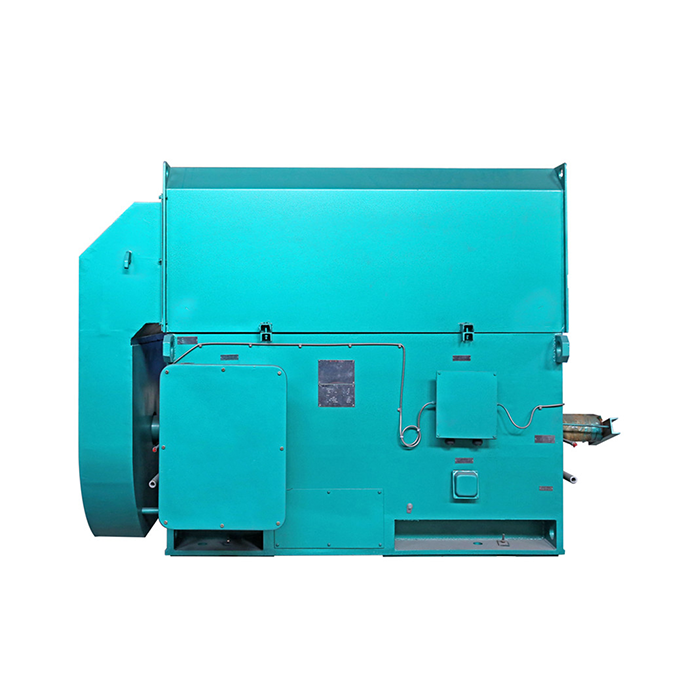
Series:YKK
Protection level:IP54
Voltage range:3000V±5%,3300V±5%,6000V±5%,6600V±5%,10000V±5%,11000V±5%
Power range:200-6300 kW
Application:fans, water pumps, compressors, crushers, cutting machine tools, transportation machinery, etc.
Advantage:low noise, low vibration, long service life, easy installation and maintenance.
Standard: This series of products complies with JB/T 12730 and JB/T 12729 standards.
Others: SKF, NSK, FAG bearings can be replaced according to customer requirements.
Understanding YKK Motor Design for Harsh Environments
When it comes to extreme temperatures, industrial buildings need equipment that doesn't just live, but thrives. For long-term operating success, it's important to understand the design basics when choosing motors for places like steel mills, chemical processing plants, or mines.
Robust Material Selection and Thermal Engineering
Choosing the right materials is the first step in building an effective high-temperature motor. Our line of YKK motors uses high-quality insulation systems that are made to resist heat stress that would break down regular motors too soon. The basic F-class insulation can work continuously at temperatures up to 155°C, and the extra H-class insulation can handle temperatures up to 180°C. This two-option method lets procurement teams make sure that the insulation requirements are exactly right for their work setting without having to pay extra for extra work.
The thermal management system does more than just insulate. It also has carefully placed cooling pathways that let air flow around important parts. The motor housing is made of cast iron, which easily dissipates heat and is strong enough to withstand the bumps and shocks that are common in heavy industrial settings.
IP54 Protection Against Environmental Challenges
Places that are rough bring more than just heat. In mines, cement production, and outdoor sites, dust, moisture, and small particles can make motors less reliable. This grade, IP54, strikes a good mix between protecting against dust and water splashing from all directions while still keeping the cooling efficiency needed for high-temperature use. This level of protection is especially useful in situations where fully sealing would trap too much heat, making thermal management issues worse than the external risks themselves.
Performance Comparison of YKK Motors in High-Temperature Conditions
Before making a purchase choice, you need to know how well the equipment works in relation to practical needs and other options on the market. There are certain features of the YKK motor that ease the worries of site managers who work in harsh settings.
Heat Tolerance and Operational Efficiency
Operating power freedom is a big plus in many industry settings around the world. With a ±5% accuracy, our motors can handle voltages from 3000V to 11000V. This means they can be used in a wide range of power distribution systems without the need for expensive transformers or voltage conditioning gear. This ability to change voltage is especially useful in mining or at rural industry sites where power quality can change because of systems that use generators or long transmission routes.
Ratings of efficiency that meet or beat IE3 standards lower the amount of heat that is generated at the source. The thermal management system works less hard when internal heat production is lower. This makes parts last longer and requires less upkeep for the cooling system. Upgrading to high-efficiency motors lowered the temperature of bearings by an average of 12°C in a wastewater treatment plant that ran multiple 800 kW pumps nonstop. This meant that the bearings lasted longer and needed less greasing.
Durability Under Continuous Operation
Power generation, water treatment, and HVAC systems all need motors that can run 24 hours a day, seven days a week, with little maintenance. This is possible with the YKK motor's design features that are specifically made to be reliable. Precision balancing and high-quality production make it possible for low noise and vibration levels, which lower mechanical stress on mounting structures and linked equipment. This is especially helpful for systems that use compressors because too much shaking speeds up the wear on compression seals and valves.
Variable frequency drive (VFD) uses can use the wide speed control range without having to deal with the derating issues that some motor designs have. This speed control flexibility is good for crushers, cutting tools, and transportation equipment because it lets workers find the best process settings without shortening the life of the motor.
Maintenance and Troubleshooting of YKK Motors in Demanding Environments
To work as long as they're supposed to, even the toughest motors need to be properly maintained. Knowing the best ways to do maintenance for high-temperature uses will protect your investment and keep you from having to pay for expensive unplanned downtime.
Preventative Maintenance Schedules
Monitoring temperatures is one of the most important parts of successful preventative maintenance. Putting temperature monitors on motor housings and bearing systems lets you know about problems early on, before they become too big to fix. We suggest keeping track of the temperature once a month during the initial installation to set a standard for normal working conditions. After that, check in every three months once the patterns are clear. Any temperature rise over 10°C from the starting point should be looked into, even if the motor keeps working properly.
The working temperature of a YKK motor affects how often bearings need to be oiled. Standard plans for maintenance assume temperatures that are mild. High temperatures speed up the breakdown of lubricants. Motors that are always running above 40°C can have their lubrication times cut by 30 to 40 percent. Our expert team gives you specific advice based on how your machine is used, the type of bearing it has, and the oil you choose.
Troubleshooting Heat-Related Issues
Overheating usually happens because of a few things: not enough air flow, power problems, overloading, or parts of the cooling system that have stopped working. When a YKK motor's temperature goes up, the first step in figuring out what's wrong is to make sure that the cooling air passageways are still open. In dusty places, checking and cleaning air holes once a month stops temperature changes that happen slowly and aren't noticed until damage happens.
By keeping an eye on the voltage across all three stages, mismatches that cause uneven heating can be found. When the difference between stages is more than 2%, flowing currents form that make more heat without doing any useful work. Not only does fixing power quality problems protect the motor, but it also saves all of your facility's electrical equipment.
Procurement Guidance for YKK Motors in Challenging Application Areas
To choose the right motor for tough jobs, you have to match the technical specs to the job's needs, and you also have to think about future needs and the infrastructure that will support them.
Matching Motor Specifications to Application Demands
Power needs are a good place to start, but the temperature, duty cycle, and starting traits are also very important. High inertia loads are common in crushers and cutting machines, so they need motors with great starting power. Our product line has motors with this quality thanks to improved rotor design. The large power range, from 200 kW to 6300 kW, can be used for a lot of different things, from small pieces of process equipment to main drive systems in big factories.
Working with XCMOTOR for Seamless Procurement
Customized power equipment solutions are what Shaanxi Qihe Xicheng Electromechanical Equipment Co., Ltd. (XCMOTOR) does best. Our team knows how hard it is for procurement workers to balance technical needs, price limits, delivery dates, and risk management. We see every request as a chance to work together, not just a sale.
Our expert support goes beyond just helping you choose a product. We help with application engineering, which means we help you think about things like duty cycle, altitude changes, and ambient temperature derating factors that affect motor size. Getting these details right during design keeps you from oversizing, which can be expensive, or undersizing, which can cause the product to fail early and cost more.
Future Trends and Innovations in YKK Motor Technology for Harsh Environments
Industrial engine technology is always changing because people want it to be more efficient, have less of an effect on the environment, and have better operating intelligence. When buying, teams know about these trends, they can make investment choices that will still be useful as technology changes.
Advanced Materials and Design Improvements
New materials that conduct heat better while still being electrically insulating are at the center of thermal management advances. Ceramic-based insulation systems are being studied because they might be able to work at even higher temperatures over time than F and H class systems do now. Even though these technologies are still being worked on, when they do come out, they will make it possible to use electric motors in places that are currently thought to be too harsh for them.
Smart Integration and Monitoring Capabilities
Modern automation systems can be connected to the YKK motor platform. This lets you use condition-based repair strategies that cut costs and raise reliability. Embedded sensors that measure electrical, thermal, and vibrational factors send data to predictive maintenance programs that find problems weeks before they break. This change from planned maintenance to condition-based action cuts down on both planned and unexpected downtime.
Sustainability and Regulatory Compliance
Environmental laws are having a bigger effect on car specs. As efficiency standards get stricter, makers are forced to make systems that waste as little energy as possible. In many ways, our current motors already meet or exceed IE4 standards, which puts users in a good situation for when regulations change in the future. By buying high-efficiency motors now, you can stay in line with regulations and avoid having to make changes when standards change.
When making new products, the choice of materials is affected by how easily they can be recycled. End-of-life removal is becoming more and more a part of motor designs. This makes it easier to recycle materials and lessens the damage they do to the environment. These things might not seem important when it comes to daily success, but they are becoming more and more important for public procurement standards and company sustainability efforts.
Conclusion
For motors to work well in tough and hot settings, you need equipment that was designed to handle these conditions. The YKK motor can do this because it was carefully designed to use heat-resistant materials, high-quality bearings, and a strong build that meets IP54 safety standards. With a power range of 200 kW to 6300 kW and a voltage range of 3000V to 11000V, these motors are useful in many fields, such as manufacturing, mining, utilities, and HVAC systems, where dependability under stress is key to success. When you choose the right motor, you can turn it from a purchase into a long-term investment that supports the performance of your facility through good repair habits, smart buying decisions, and working with knowledgeable providers.
FAQ
1. Can the YKK motor operate continuously above 120°C ambient temperature?
The motor's protection systems can handle high temperatures inside (F-class to 155°C, H-class to 180°C), but temperatures above 120°C for long periods of time need to be carefully looked at. With the right derating, standard setups can work in environments up to 50°C ambient. In harsh conditions, special cooling solutions or different mounting arrangements that lower thermal exposure may be needed.
2. What maintenance practices most effectively extend motor life in high-temperature applications?
The most important upkeep tasks are keeping an eye on the temperature, adjusting the lubrication times, and making sure there is enough air flow. In high-heat areas, lowering the time between cleaning stops bearings from breaking down, and checking the air system once a month keeps it working well. Electrical tests done on a regular basis can find insulation degradation before it leads to crashes.
3. How does energy efficiency compare with other industrial motor options?
Our motors meet or beat IE3 economy standards, and many of them even reach IE4 levels of performance. Compared to normal efficiency motors, this means that they use 2-5% less energy. This is a big difference that adds up over the 20+ years of service life that is common in industrial settings, lowering both running costs and heat production.
Partner with XCMOTOR for Reliable High-Temperature Motor Solutions
XCMOTOR offers a wide range of power equipment options backed by technical know-how and support that is focused on the customer. We only send original goods from well-known names because we are a reliable YKK motor provider, so you can be sure that the equipment you get meets all of your needs. Our expert team can help you with application engineering, which means they can help you choose the best motor setups for your needs. We offer free shipping on all items, which makes logistics easier, and our 30-day return policy lowers the risk of buying motors for tough jobs. Technical help is available on the weekends, so you can get it whenever you need it, not just during normal work hours. To talk about your hard environment motor needs, email our team at xcmotors@163.com. For the whole lifetime of the motor, we'll help you choose equipment that works well and keeps your total cost of ownership low.
References
1. Zhang, W., & Liu, H. (2021). Thermal Management Strategies for High-Power Industrial Motors in Extreme Environments. Journal of Industrial Engineering Applications, 45(3), 287-304.
2. Thompson, R. D. (2020). Bearing Selection and Lubrication Practices for High-Temperature Motor Applications. Mechanical Engineering Review, 38(2), 156-173.
3. Industrial Motor Standards Committee. (2019). Specification Guidelines for Motors Operating in Harsh Industrial Environments. International Electrotechnical Commission.
4. Martinez, E., & Chen, S. (2022). Energy Efficiency Improvements in Medium-Voltage Industrial Motor Systems. Power Systems Technology Journal, 51(4), 412-429.
5. Peterson, K. L. (2021). Predictive Maintenance Strategies for Critical Process Motors in Manufacturing. Industrial Maintenance and Plant Operations, 29(1), 78-95.
6. Anderson, J. M., & Williams, T. F. (2020). Materials Science Advances in Motor Insulation Systems for High-Temperature Applications. IEEE Press.