



Choosing the Right 3.3 kV Motor for Fans, Pumps, and Compressors
It is important to carefully consider the specs, application needs, and long-term operating costs of a high-voltage motor when choosing one for industrial fans, pumps, and compressors. A 3.3 kV motor is the best choice for medium to heavy-duty uses in industry, HVAC systems, water treatment plants, and energy-producing plants because it delivers the most power while using the least amount of energy. Procurement managers can make better choices that meet both technical needs and budget limits when they know about things like voltage levels, insulation standards, cooling methods, and motor types.
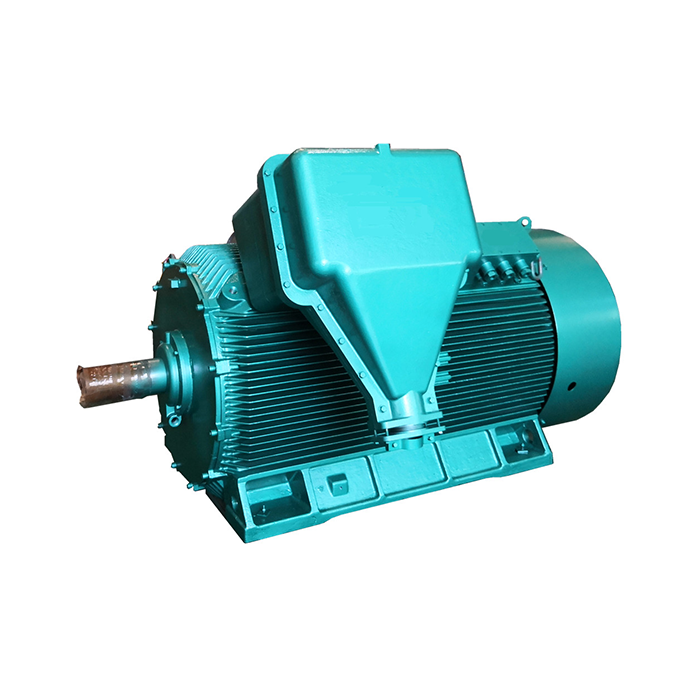
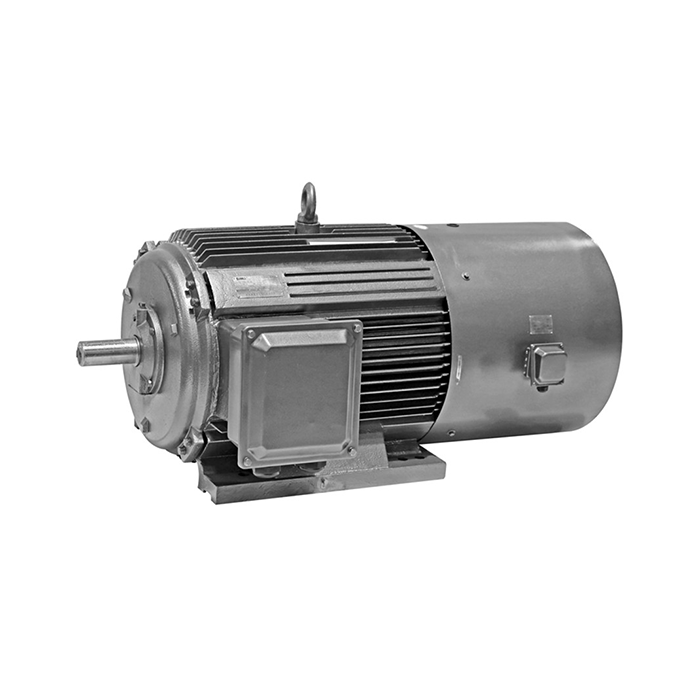
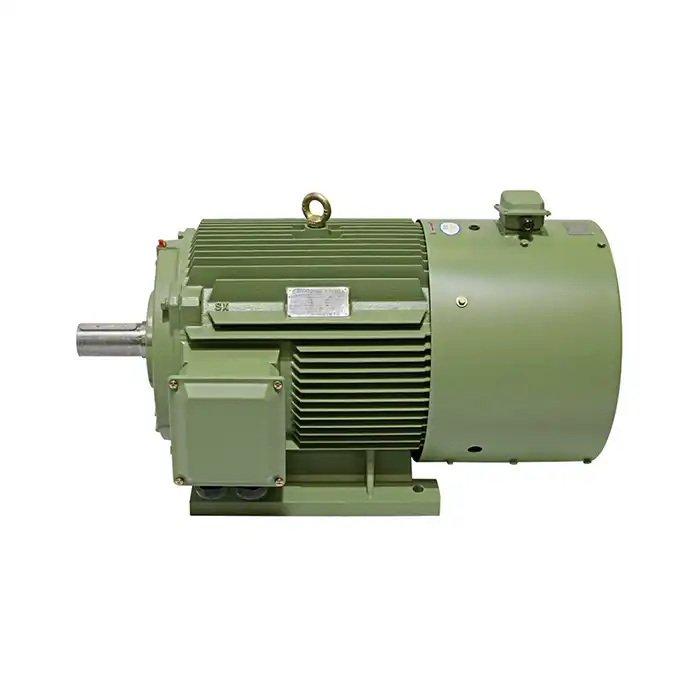
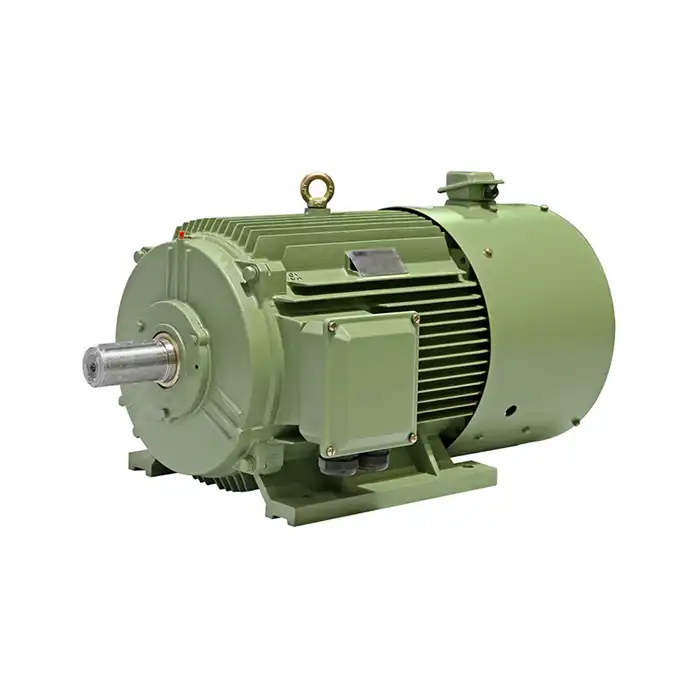
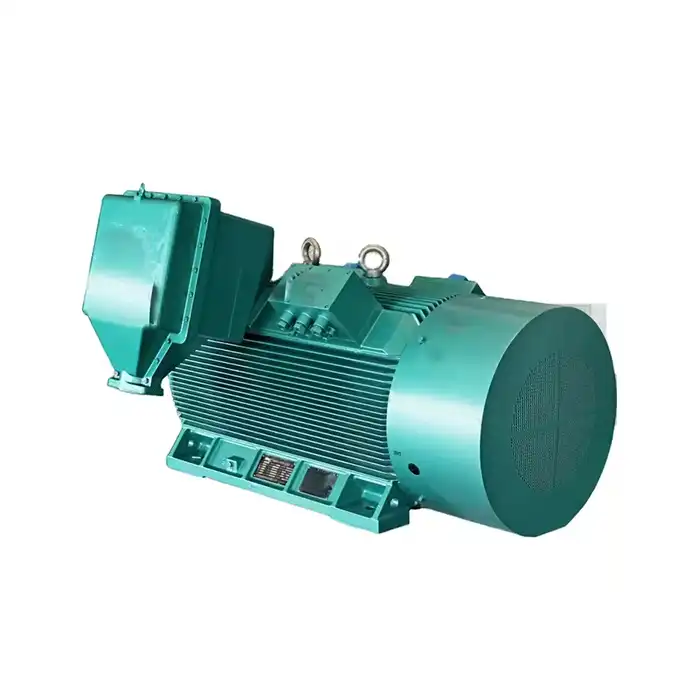
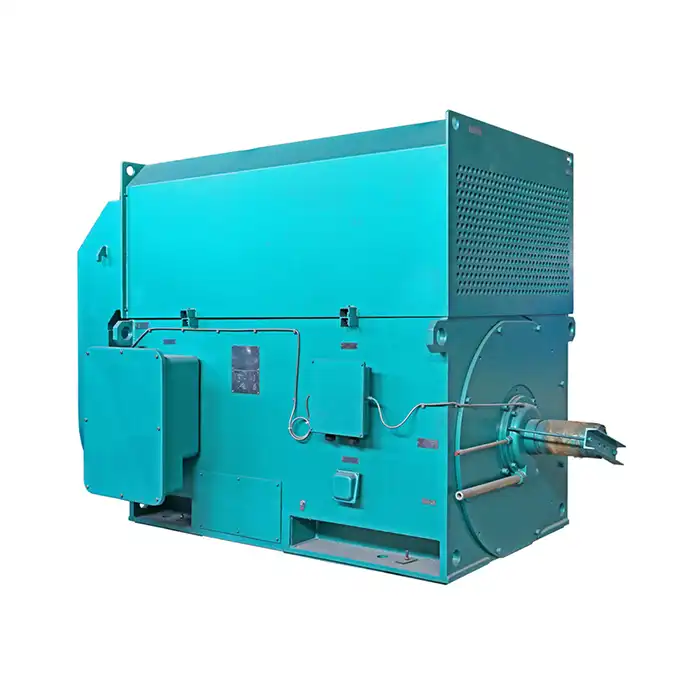
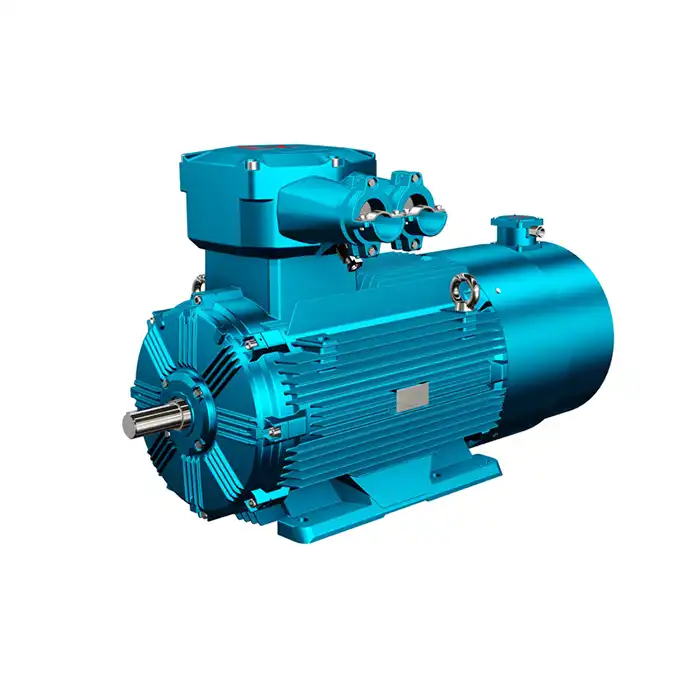
Series:Y2
Protection level:IP54
Voltage range:3000V±5%,3300V±5%,6000V±5%,6600V±5%,10000V±5%,11000V±5%
Power range:160-1600 kW
Application:fans, water pumps, compressors, crushers, cutting machine tools, transportation machinery, etc.
Advantage:compact structure, light weight, low noise, small vibration, long service life, easy installation and maintenance.
Standard: This series of products complies withJB/T10444-2004 standards.
Others: SKF, NSK, FAG bearings can be replaced according to customer requirements.
Understanding 3.3 kV Motors: Specifications, Types, and Working Principles
When used in difficult industrial settings, high-voltage motors running at 3.3 kV work effectively. From 160 kW to 1600 kW, these motors can handle power needs. This means they can be used in big fans, water pumps, compressors, breakers, cutting machines, and transportation equipment. The voltage range, which includes 3000V±5%, 3300V±5%, 6000V±5%, 6600V±5%, 10000V±5%, and 11000V±5%, makes it compatible with a wide range of electrical infrastructures in different buildings.
Essential Technical Specifications
When looking at motor specs, voltage grade is the most important thing to think about. A 3.3 kV motor works well within a voltage range of ±5%, so it can handle small changes in power source without losing performance. The IP54 protection level keeps dust and water splashes from getting into internal parts. For harsher environments, better protection grades like IP55 are possible. Insulation class has a direct effect on how well heat is managed and how long something lasts. Modern designs use advanced materials that can keep working continuously in temperatures higher than normal industry conditions.
Induction vs. Synchronous Motor Types
Whether you use an induction or synchronous motor depends on the needs of your application. Induction motors are easier to build, cost less up front, and work well in uses with changing loads, like fans and pumps. They don't need much upkeep and can handle changes in load well. On the other hand, synchronous motors keep their speed steady even if the load changes, and they work at higher power factors. This makes them perfect for compressors and other situations where precise speed control is important. Both types come in 3.3 kV ranges and have power outputs between 160 kW and 1600 kW.
Comparing 3.3 kV Motors: Performance, Efficiency, and Cost Factors
Choosing the right voltage has a big effect on both the original investment and the ongoing costs. There are clear trade-offs when you look at 3.3 kV motors next to 415V low-voltage choices and higher-voltage options like 6.6 kV or 11 kV motors.
Voltage Rating Considerations
Because they draw more power, low-voltage motors (415V) need larger wire cross-sections, which raises the cost of copper and makes installation more difficult. Losses from cables also go up with distance, which makes them less cost-effective for big buildings. Mid-range voltage motors at 3.3 kV are a good compromise because they cut power by eight times compared to 415V systems. This saves money on cables and keeps you from having to build the special equipment needed for 11 kV setups. The 160–1600 kW power range is big enough for most industrial fan, pump, and compressor jobs without being too big.
Energy Efficiency and ROI
High-efficiency motors save a lot of energy over the course of their useful life. When the rotor shape is adjusted, high-quality magnetic materials are used, and internal losses are cut down, a 3.3 kV motor with the same mechanical output uses less power. In continuous-duty uses, energy savings add up quickly. For example, a 500 kW motor that runs 8,000 hours a year and is 1% more efficient would save about 40,000 kWh of energy. At the usual rates for commercial energy, this saves thousands of dollars a year. The extra cost of high-efficiency motors usually pays for itself in 18 to 36 months by saving money on energy bills.
Selecting the Best 3.3 kV Motor for Your Industrial Application
Matching the motor's features to the needs of the application guarantees the best performance and keeps you from having to pay a lot for mistakes. We show procurement managers how to use important decision factors.
Load Characteristics and Motor Sizing
Load patterns are different for each program. Motors for centrifugal fans usually need to be able to handle quadratic load curves, which means that force rises with the square of speed. The starting torque is still not very high, but for constant running, good thermal control is needed. Positive displacement compressors have high starting needs and steady power loads. Water pumps are in the middle of these two extremes, and how they handle load depends on how the system is designed. By choosing a power output between 160 kW and 1600 kW that matches the real load and the right service factor, the motor can be properly sized to avoid overheating and premature failure, as well as the waste that comes from using units that are too big for their jobs.
Application-Specific Features
Here are the main reasons why these motors are good for a wide range of industry uses:
- Compact structure and light weight of the 3.3 kV motor: Lowers the need for foundations and makes installation easier in places with limited room, lowering building costs and letting retrofits happen without major structural changes.
- Low noise and small vibration: Reduces the need for acoustic treatment and stops vibrations from getting to linked equipment. This extends the life of bearings throughout the engine and makes the workplace better.
- Long service life: High-quality materials and advanced insulation systems can handle rough conditions, so they don't need to be replaced as often and give you the best return on your investment.
- Easy installation and maintenance: Standardised mounting measurements and easily available inspection points cut down on the time needed for setup and regular maintenance, which means that production breaks are kept to a minimum.
These benefits directly solve problems that come up in areas like transportation, water treatment, HVAC systems, industry, and process control. Customising motors with certain kinds of bearings, changed cooling systems, or special windings makes sure that they can work with different operating needs.
Maintenance and Longevity: Ensuring Optimal Motor Performance
Motors last longer and don't break down unexpectedly, which can throw off production plans, when they get regular repairs.
Inspection and Lubrication Protocols
Regular inspections find problems as they start to form before they become major problems. Once a month, you should look for signs of burning, broken connections, and deposits that don't make sense. Using infrared thermography to check the temperatures of bearings can show problems with greasing or alignment. Vibration research finds problems with attachment, bearing wear, and rotor imbalance. When to lubricate depends on the type of bearing, its speed, and the conditions under which it is used. Usually, it's done every three months to once a year. If you use the right type and amount of lube, you can avoid both under-lubrication wear and over-lubrication grinding losses. When properly kept, high-end bearing names like SKF, NSK, and FAG offer longer service intervals.
Insulation Integrity and Cooling System Maintenance
Insulation loss is still the main reason why motors break down. By using a megohmmeter to measure winding-to-ground resistance on a regular basis, you can find insulation that is breaking down before it breaks. It is important that the readings stay above the lowest safe levels set by the maker. Keeping motors clean stops insulation tracking that happens when electrical dust builds up. Maintenance on the cooling system makes sure that heat is properly removed. For cooling the IC411, make sure that the airflow stays open and that the external fan works properly. When cooling paths are blocked, temperatures rise in the windings, which speeds up the ageing of the insulation through thermal stress. Monitoring the ambient temperature makes sure that the motors work within their rated conditions.
Procurement Process: How to Buy 3.3 kV Motors Efficiently and Cost-Effectively
Finding the right mix between quality, cost, and service needs for a 3.3 kV motor in the B2B procurement cycle is important.
Sourcing Reliable Suppliers
The first step in finding reliable providers is to look at their technical skills and manufacturing standards. Motors meet accepted quality standards when they meet JB/T10444-2004 standards. Check to see if the possible sellers have a wide range of products that meet your voltage and power needs. When standard setups don't exactly meet your needs, being able to customise is important. Reference projects in related fields show how things work in the real world. Stable and long-lasting suppliers mean that parts and technical help will always be available for the motor during its working life.
Managing Lead Times and Bulk Orders
Buying industrial motors needs to be planned ahead of time. Standard wait times are 8 to 12 weeks, which include time for designing, making, testing, and sending. Complex modifications may make shipping times longer. When you schedule car shipping around project deadlines, you avoid delays or rush fees that cost a lot of money. When more than one motor is needed for a building growth or fleet replacement program, you can place a bulk order. Bulk purchases often get better prices and specs that are the same across multiple units, which makes it easier to keep track of extra parts and train repair staff.
Building relationships with reliable motor providers has long-term benefits that go beyond single purchases. Communication that is regular helps both you and the provider understand what you need for operations and what they can do. Fair negotiations that take into account the limitations of both sides lead to long-lasting agreements. Suppliers that you can trust become trusted advisers who can give you technical advice and preventative solutions. Strong after-sales service, guarantee fulfilment, and expert support are very helpful when setting up new tools or fixing problems with how it works. These connections make sure that things keep going even if people leave your company and the supplier's team.
Conclusion
To choose the right high-voltage motor for industrial fans, pumps, and compressors, you need to carefully look at the technical specs, the needs of the application, and the costs over the motor's lifetime. A 3.3 kV motor is widely used in many industries, with power outputs between 160 kW and 1600 kW providing flexible solutions for demanding operations. The best performance is achieved by knowing the differences between induction and synchronous types, comparing voltage choices, and matching motor features to load profiles. Proactive repair practices keep things working longer and stop expensive breakdowns before they happen. The best value comes from strategic purchasing methods that stress source dependability, thorough cost analysis, and building long-term relationships. If you make choices based on these ideas, your business will be able to stay productive and make money.
FAQ
1. What power range do your 3.3 kV motors cover?
Our 3.3 kV motors range from 160 kW to 1600 kW, so they can be used for everything from light fans to heavy industrial machines. The vast majority of business needs are met by this range, so custom plans are not needed.
2. How long does motor delivery typically take?
Lead times usually last between 8 and 12 weeks after an order is confirmed. This time frame includes reviewing the planning, making the product, testing its quality, and getting it ready to ship. For accurate quotes based on your unique needs, please email our team at xcmotors@163.com, as complex customisations may cause the plan to change.
3. Can motors operate in hazardous environments?
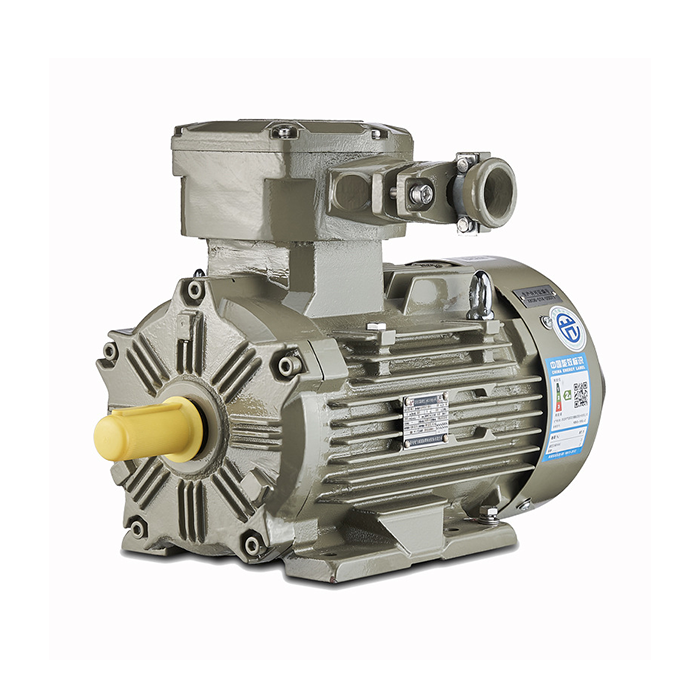
Yes, we do have versions of our motors that are approved for use in dangerous areas and won't explode. When you request a quote, please let us know what grade you need, such as Class I Division 1, ATEX zones, or other standards, so that we can set up the right security.
Partner With XCMOTOR for Reliable High-Voltage Motor Solutions
When you choose the right motor provider, XCMOTOR knows that it will affect the growth of your business for years to come. At Shaanxi Qihe Xicheng Electromechanical Equipment Co., Ltd., our team's main goal is to provide power equipment options that work very well and have great customer service. We only stock high-quality parts from well-known brands, so you can be sure of their dependability from the start. Our fast delivery services get your goods to you when you need it, and you can return it within 30 days if you change your mind. Our support team is available all day on Saturday and Sunday to answer technology questions and meet buying needs. We have the knowledge and high-quality products that your business needs, whether you're looking for a 3.3 kV motor maker for a new building or to replace old equipment. Visit motorxc.com or email xcmotors@163.com right now to talk to our tech team about your unique needs. We'll tell you which motor setup is best for your fans, pumps, or compressors, making sure that they work well together and are worth the money in the long run.
References
1. Chapman, S.J. (2005). Electric Machinery Fundamentals, Fourth Edition. McGraw-Hill Education, New York.
2. IEEE Standards Association (2014). IEEE Standard for Test Procedures for Synchronous Machines, IEEE Std 115-2009. Institute of Electrical and Electronics Engineers, Piscataway, NJ.
3. Boldea, I. and Nasar, S.A. (2010). The Induction Machines Design Handbook, Second Edition. CRC Press, Boca Raton, FL.
4. National Electrical Manufacturers Association (2016). Motors and Generators - MG 1-2016. NEMA Standards Publication, Rosslyn, VA.
5. Stone, G.C., Boulter, E.A., Culbert, I., and Dhirani, H. (2004). Electrical Insulation for Rotating Machines: Design, Evaluation, Ageing, Testing, and Repair. Wiley-IEEE Press, Hoboken, NJ.
6. Bonnett, A.H. and Soukup, G.C. (1992). "Cause and Analysis of Stator and Rotor Failures in Three-Phase Squirrel-Cage Induction Motors," IEEE Transactions on Industry Applications, Volume 28, Issue 4, pages 921-937.