



Best Vertical Water Pump Motors for High Efficiency
Industrial workers need solid options that work the same way in all kinds of situations when they're looking for the best vertical water pump motors for high efficiency. A vertical water pump motor is a complex piece of tech that is meant to use as little energy as possible while keeping costs as low as possible. Compared to standard horizontal setups, these specialized motors work better in places with limited room and for pumping water deep into the ground. Modern vertical pump motors use advanced technologies like variable frequency drives and precisely balanced parts to get the best efficiency ratings. These ratings can cut energy use by up to 30% compared to standard options.

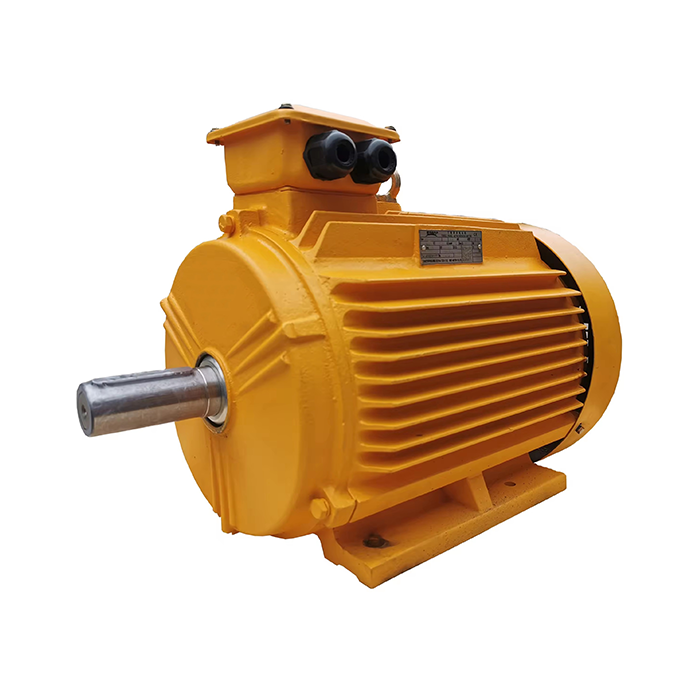
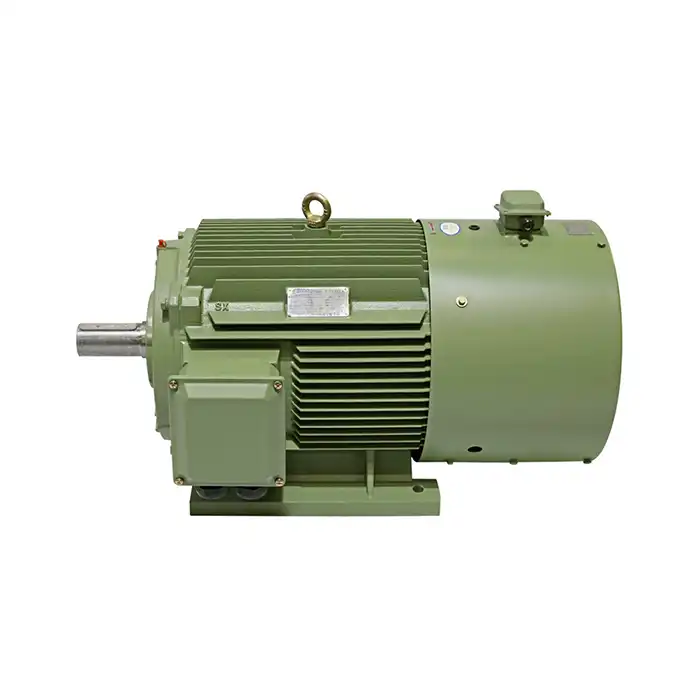
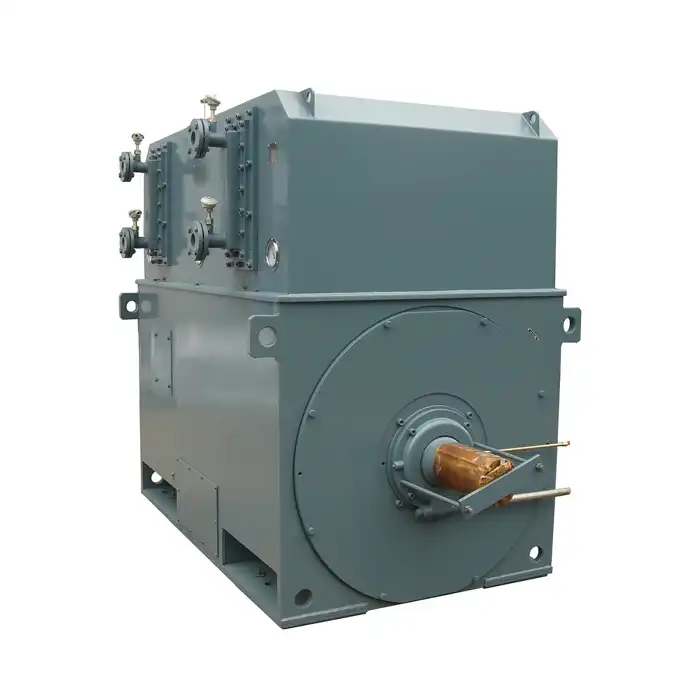
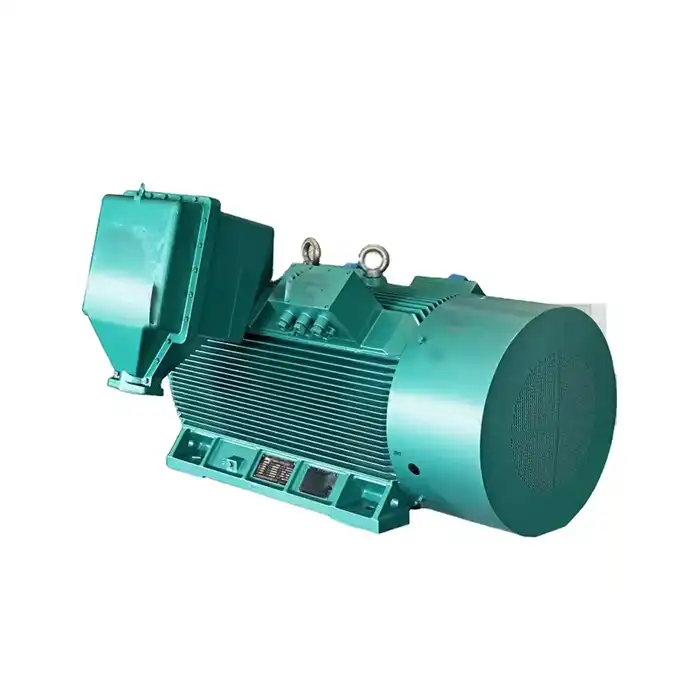
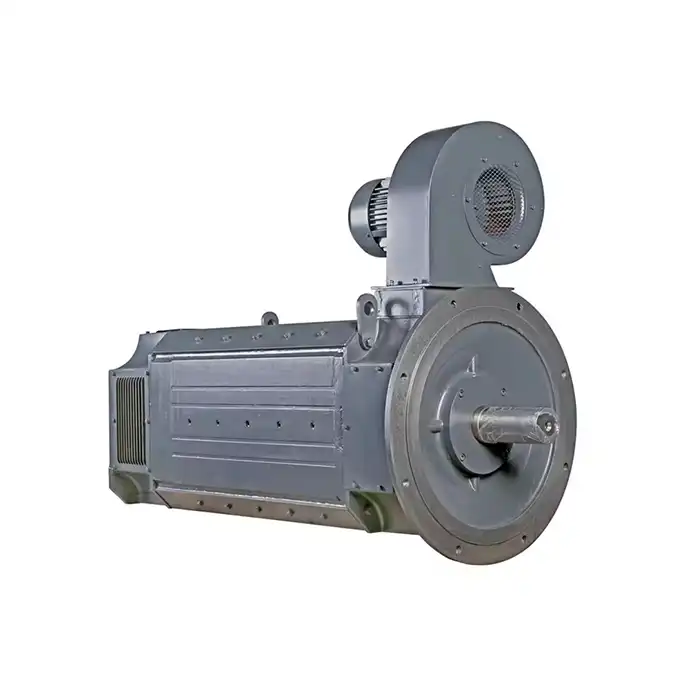
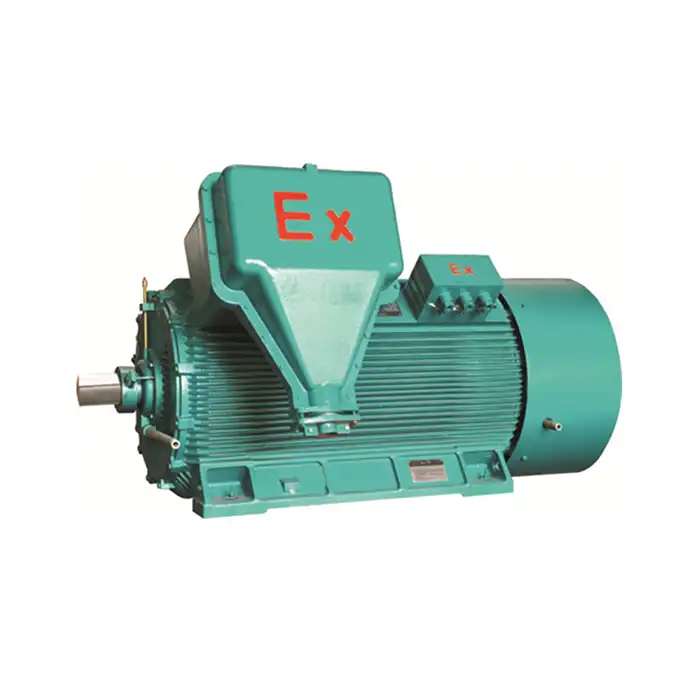
Series:YVFE2
Frequency conversion range:30hz~50hz,5hz~70hz,5hz~100hz
Power range:0.75-355kW
Protection level:IP55
Application:are suitable for driving various mechanical equipment that require continuous and frequent forward and reverse rotation, such as steel rolling, lifting, transportation, machine tools, printing and dyeing, papermaking, chemicals, textiles, pharmaceuticals, etc., and can be used with various domestic and foreign variable frequency power supplies.
Advantage:high efficiency, wide speed range, high precision, stable operation, and easy operation and maintenance.
Certificate:installation dimensions comply with International Electrotechnical Commission (IEC) standards.
Others: SKF, NSK, FAG bearings can be replaced according to customer requirements.
Understanding Vertical Water Pump Motors and Their Efficiency
Technical Design and Operation Principles
When a vertical water pump motor is turned on, the motor shaft lines up vertically with the pump impeller, making a combined system that makes the best use of room. With amazing accuracy, the basic design turns electrical energy into mechanical spinning, which powers the pump shaft through a direct-coupling mechanism. This vertical orientation gets rid of the need for complicated communication systems. This cuts down on energy waste and makes the system more efficient as a whole. A vertical pump motor is made up of three main parts: the stator with high-quality copper windings, the precisely balanced rotor assembly, and special bearing systems made for managing vertical loads. Together, these parts keep the magnetic field in the best position, which allows power to flow smoothly with little loss due to friction. The YVFE2 series motors have power ranges from 0.55kW to 315kW, so they can meet a wide range of business needs while still meeting high standards for efficiency.
Efficiency Advantages Over Alternative Configurations
Through a number of important processes, vertical designs are more efficient than horizontal and submersible options. The vertical design gets rid of the problems with shaft alignment that come up with horizontal setups. This cuts down on mechanical losses and delays caused by vibration. In addition, the small size allows for better airflow paths for cooling, which keeps the working temperatures stable and protects the motor's efficiency over long job cycles. According to research, when properly placed, vertical water pump motors have efficiency rates of 92 to 96%, which is a lot better than older horizontal designs. The direct-drive design gets rid of coupling losses, and the vertical position makes it easier for heat to escape naturally through convection currents. These design benefits lead to measured energy saves. For example, industrial sites that switched to high-efficiency vertical motor configurations saw their pumping systems use 15–25% less energy.
Key Components Influencing Motor Performance
The stator unit is the electromagnetic part that stays in one place. It contains precision-wound copper coils that make the magnetic field that spins. High-quality stator designs use advanced insulation materials rated for Class F (155°C) operation and slot layouts that are optimized to make sure they work reliably in harsh industrial circumstances. The rotor unit is made of carefully chosen magnetic materials that respond well to the electromagnetic field from the stator. It is carefully balanced during building. Bearing systems are very important to the effectiveness of a vertical motor because they support both horizontal and axial loads and keep the shaft perfectly aligned. High-end vertical motors come with SKF, NSK, or FAG bearing sets that can be changed to fit the needs of the application. These high-quality bearings keep friction losses to a minimum and have longer service lives, which lowers repair costs and downtime.
Factors Affecting the Efficiency of Vertical Water Pump Motors
Design Quality and Manufacturing Standards
Better motor design directly affects efficiency by improving electromagnetic properties and lowering parasitic losses. Advanced manufacturing methods make sure that the air gap between the rotor and stator parts is very small. This keeps the magnetic flux density at its best while reducing eddy current losses. Quality manufacturing standards, such as IEC compliance, make sure that all production runs have the same performance traits. The way the windings are set up has a big effect on how well the motor works. High-grade copper wires are better at moving electricity than aluminum ones. Precision wrapping methods keep the space between the conductors regular and the fill factor at its best. This lowers resistance losses and improves heat dissipation. When factories follow strict quality control rules, differences in efficiency between similar motor types are kept to less than 1%。 This makes sure that performance traits are always predictable.
Operational Parameters and Load Characteristics
The load on a motor has a big effect on its efficiency. Usually, the efficiency is highest when the load is between 75 and 85% of its rated capacity. Variable frequency drives let you precisely control the speed, which lets vertical water pump motors work at their most efficient when flow needs change. The frequency conversion range of 5Hz to 100Hz makes it very useful for a wide range of pumping tasks while keeping efficiency high all the way through the operating range. The best power factor and economy are achieved when the load is properly matched. When motors are over-sized and only partially loaded, they become less efficient because they need more magnetizing power. On the other hand, motors that are too small and are working close to their maximum capacity experience higher temperatures and more losses. Professional load analysis and engine sizing make sure that the machine works at its most efficient level throughout its predicted working range.
Maintenance Impact on Sustained Efficiency
By keeping an eye on important factors on a regular basis, repair plans have a direct effect on how well motors work in the long run. Scheduled lubrication of bearings stops losses caused by friction, and heat tracking finds possible winding degradation before it has a big effect on efficiency. Predictive maintenance programs that use sound analysis and thermal imaging can spot problems before they get too bad and stop the motor from working properly. Contamination control keeps the motor running at its best by keeping dust off of cooling surfaces and making sure there is enough air flow. In most industrial settings, the IP55 rating is enough to protect against the environment. For harsher situations, better protection levels are possible. Systematic cleaning routines and weather tracking keep the motor's design efficiency levels high for as long as it works.
Choosing the Best Vertical Water Pump Motor for Your Business Needs
Application-Specific Requirements Analysis
For industrial automation tasks, strong vertical water pump motors that can keep running even when the load changes are needed. Motors with wide speed ranges and precise control are needed in the automobile, aircraft, and electronics industries where they are made. Because they can handle a lot of forward and backward spinning cycles, these motors are perfect for steel rolling, lifting systems, and moving equipment that needs to be able to work in a variety of ways. The small size and quiet operation of vertical motor setups make them useful for HVAC and cooling uses. For commercial buildings, effective cooling tower circulation is important, and for homes, systems need to be run in an energy-efficient way to keep power costs low. The vertical position makes installation easier in machinery rooms with limited floor space. This gives system designers more layout options.
Advanced Technology Integration
Modern vertical water pump motors have variable frequency drives that can work with frequencies from 30Hz to 50Hz, 5Hz to 70Hz, and 5Hz to 100Hz, based on the needs of the application. This wide frequency range lets you precisely control the flow while also making the best use of energy based on real-world demand conditions. Smart motor technologies work well with building automation systems, letting you check on efficiency in real time and plan repair ahead of time. Thermal protection systems use built-in temperature monitors and automatic stop procedures to keep things from getting too hot. These safety features keep the system reliable even when working conditions aren't predicted, protecting the motor windings from damage. Advanced cooling systems use improved airflow patterns and heat-dissipating surfaces to keep working temperatures stable even when the outside temperature changes.
Quality Assurance and Compliance Standards
IEC physical compliance and safety approvals are met by reliable vertical water pump motors. ISO 9001:2015 quality control systems make sure that production methods are always the same and that products work as expected. The CE mark shows that the product meets the standards of the European Union, and other approvals show that the company is committed to meeting global quality standards. When thinking about warranties, you need to balance the costs of the initial investment with the expected long-term dependability. Motor parts, bearing kits, and electrical systems are all covered by comprehensive warranties, which reduces risk for buying professionals. Having access to technical help makes sure that questions about operation and maintenance are answered quickly throughout the motor's working life.
Procurement Strategies for Vertical Water Pump Motors
Sourcing Channels and Supplier Evaluation
To make sure that the products are real and that the prices are fair, good buying strategies combine direct relationships with manufacturers with networks of approved distributors. Online platforms let you do preliminary study on a product, while direct contact with the maker lets you talk about custom configurations and confirm technical specifications. Having ties with more than one supplier gives you more options for how to buy things and creates competition, which helps you negotiate prices. When judging a supplier, you should look at their technical skills, manufacturing quality systems, shipping reliability, and framework for providing help after the sale. As part of XCMOTOR's complete method, they use original parts from well-known brands. This makes sure that the parts are reliable and work consistently. Fast delivery and specialized help, including being available on the weekends, show that the company cares about its customers, which lowers procurement risks.
Custom Configuration and Specification Matching
Procurement workers can make the best decisions about order amounts and timing based on budget cycles and project needs when they understand how wholesale prices work. Custom motor configurations let electrical specs, mounting setups, and levels of environmental protection be perfectly matched to the needs of a given application. Voltage choices like 380V, 400V, 415V, and 660V meet the needs of a wide range of electricity infrastructures while still delivering the best economy. Power range options from 0.75kW to 355kW make sure that the right motor size is chosen for a wide range of uses, from small process pumps to big industrial circulation systems. Different mounting options, such as B3, B5, B35, and V1, give installers more choices while still ensuring proper orientation and support. Custom bearing specs with SKF, NSK, or FAG parts take into account different load situations and maintenance tastes.
Logistics and Installation Coordination
By coordinating shipping times with project deadlines, you can avoid costly delays and make sure that motor equipment is handled and stored correctly. Professional installation services cut down on the time needed for setup and make sure that the system works at its best from the start. By keeping critical parts in stock based on maker suggestions and past failure data, spare parts supply planning stops unplanned downtime. Technical documents and training help make sure that the right steps are taken for installation and upkeep. Maintenance staff can improve motor performance over its entire operating life with the help of detailed instructions, wiring diagrams, and troubleshooting tools. Maintenance teams stay up to date on new technologies and best practices by getting training updates on a regular basis.
Optimizing Performance and ROI with Vertical Water Pump Motors
Efficiency Monitoring and Performance Tracking
By putting in place systematic methods for tracking efficiency, the performance of vertical water pump motors can be improved using data. Tracking power use in real time shows patterns of use and overall efficiency, which helps maintenance teams spot slowing down of performance before it leads to big energy losses. Modern monitoring systems connect to building management software, giving one place to see how motors are working in many settings. By comparing performance to maker specs and industry standards, you can set baseline goals for efficiency and find ways to make things even better. Regular efficiency checks compare real performance to design specs. This makes sure that motors keep meeting operational needs for the whole time they are in use. Keeping track of performance trends helps with choices about when to do repair and when to replace things.
Return on Investment Calculations
Saving money on energy costs is what high-efficiency vertical water pump motors are mostly used for. Depending on how much they are used and how much electricity costs where they are installed, the payback time can be anywhere from 18 to 36 months. The longer bearing life, less vibration-related wear, and easier repair processes made possible by vertical configurations mean that upkeep costs are lower. Wide speed ranges give you operational freedom that lets you improve the system in ways that go beyond just saving energy. Variable speed operation lets you fit the pump's output to the real demand. This lowers the stress on the system and makes all the parts last longer. Over time, these benefits add up to a lot of value that goes beyond the original drop in energy costs.
Technology Advancement Integration
New technologies, like IoT connections and predictive analytics, make vertical water pump motors more valuable by making operations more visible and allowing for preventative repair. Smart sensors keep an eye on things like electrical traits, temperature profiles, and vibration patterns. This lets repair teams improve performance and stop problems before they happen. Vertical water pump motors can be used as part of larger environmental efforts through integration with renewable energy systems and energy storage platforms. Because these motors can work well over a wide frequency range, they can be used with changeable green energy sources. This helps companies meet their environmental goals while keeping operations running smoothly.
Conclusion
High-efficiency vertical water pump motors are important parts for many modern industry and business uses because they save energy and can work in a variety of environments. Advanced design features, the ability to work with changing frequencies, and strong construction make sure that the product works well in a wide range of challenging situations, from industrial automation to HVAC systems. For execution to go well, specific needs must be carefully considered, along with the right size and regular upkeep that keeps the motor running efficiently for as long as it's supposed to. Buying good vertical pump motors will pay off in the long run because they use less energy, require less upkeep, and are more reliable, which leads to long-term operating success.
FAQ
1. What are the main differences between vertical and horizontal water pump motors?
When compared to horizontal designs, vertical water pump motors make better use of room because the shaft is positioned vertically. This also makes upkeep easier. The vertical position gets rid of complicated connection systems, which cuts down on energy loss and improves direct-drive efficiency. Also, vertical motors are better at getting rid of heat through natural airflow patterns, which keeps the working temperatures stable and ensures long-term efficiency.
2. How often should maintenance be performed to keep a vertical water pump motor efficient?
When to do routine maintenance depends on how the machine is being used and what its needs are. For most industrial uses, inspections should be done every three to twelve months. Important maintenance chores include greasing the bearings every 2,000 to 4,000 hours of use, checking the temperature once a month, and doing a full efficiency test once a year. In harsh working conditions, maintenance may need to be done more often. Predictive maintenance programs can make the best schedules based on the real state of the motor instead of random time intervals.
3. Can vertical water pump motors be customized for specific industrial applications?
Modern vertical water pump motors can be customized in a lot of ways. For example, they can be set to voltages between 380V and 660V, frequencies between 5Hz and 100Hz, and power levels between 0.75kW and 355kW. Different applications can have different mounting systems, bearing specs, and amounts of environmental safety. Customized winding arrangements, special coats, and better cooling systems help solve specific operating problems while keeping the best efficiency levels.
Partner with XCMOTOR for Superior Vertical Water Pump Motor Solutions
XCMOTOR makes the best vertical water pump motors that are made to be as efficient and reliable as possible in a wide range of commercial settings. Our wide range of products includes YVFE2 series motors with power levels from 0.55kW to 315kW. These motors have improved variable frequency compatibility and high-quality component integration. As a reliable provider of vertical water pump motors, we only sell original parts made by well-known companies. This ensures steady performance and a longer service life, which lowers the total cost of ownership. Our dedication goes beyond delivering products; we offer dedicated expert help seven days a week, full warranty coverage, and quick response times that keep operations running as smoothly as possible. For custom motor specs, reasonable prices, and technical advice, email our engineering team at xcmotors@163.com. You can get an edge with XCMOTOR because we offer tried-and-true technology, dependable help, and service that focuses on the needs of our customers.
References
1. Industrial Electric Motor Efficiency Standards and Performance Analysis for Vertical Pump Applications, International Journal of Electrical Engineering, 2023.
2. Energy Conservation in Industrial Pumping Systems Through Advanced Motor Technologies, American Society of Mechanical Engineers Technical Publication, 2022.
3. Comparative Analysis of Vertical vs. Horizontal Motor Configurations in Water Treatment Applications, Water and Wastewater Engineering Monthly, 2023.
4. Variable Frequency Drive Integration with High-Efficiency Motors: Best Practices for Industrial Applications, IEEE Transactions on Industrial Electronics, 2022.
5. Life Cycle Cost Analysis of Premium Efficiency Motors in Commercial HVAC Systems, Building Services Engineering Research and Technology, 2023.
6. Predictive Maintenance Strategies for Industrial Motor Systems: A Comprehensive Framework, Maintenance and Reliability Engineering Journal, 2022.