



Top LV Induction Motors for Efficient Industrial Systems
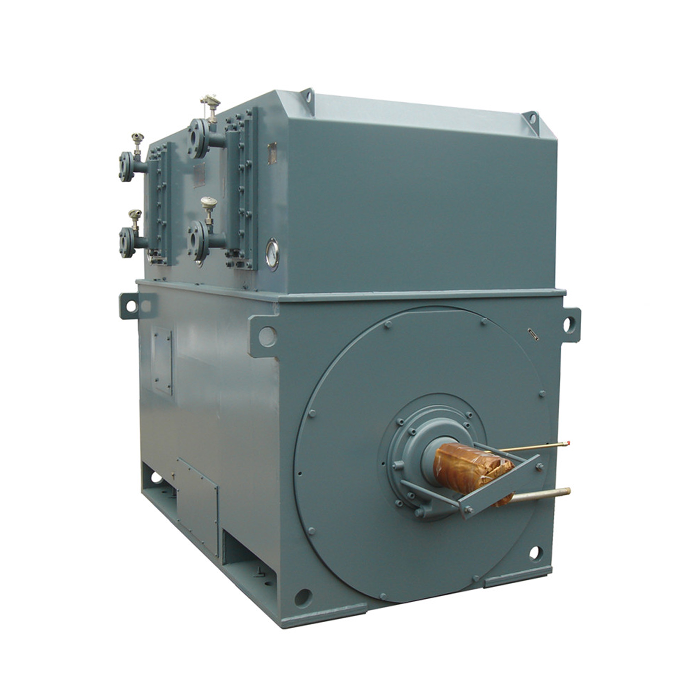
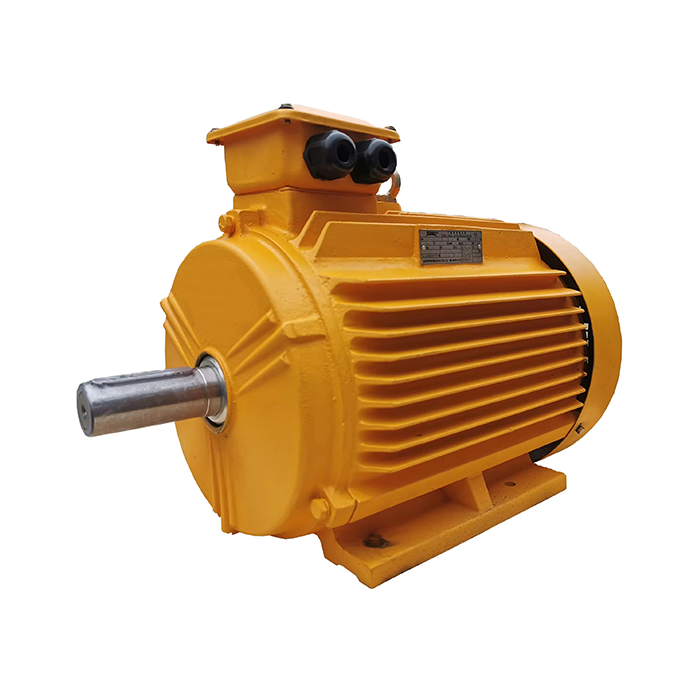
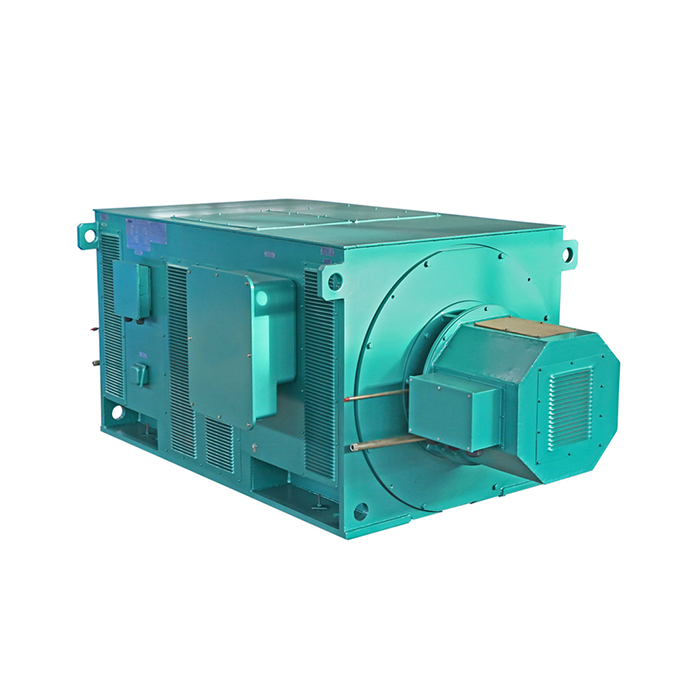
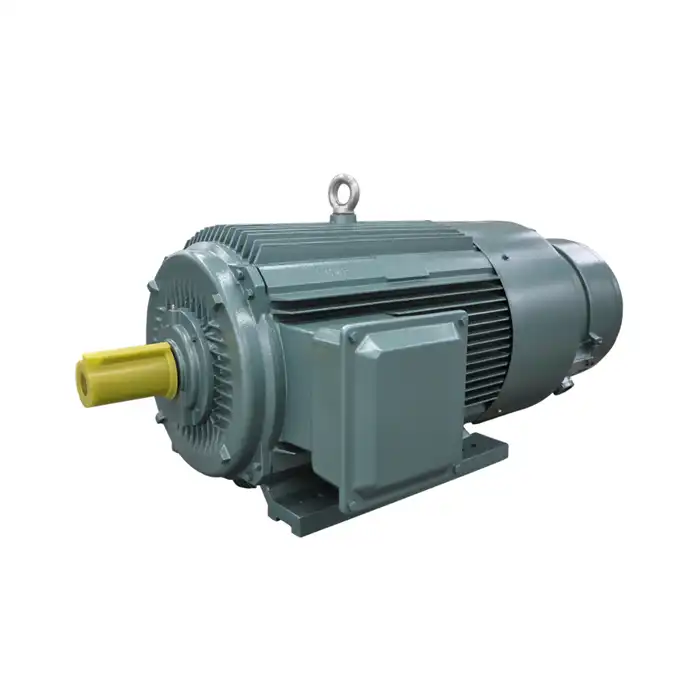
When industrial processes need stable power, the right lv induction motor is needed to keep things running smoothly and efficiently. These flexible electric motors are the backbone of a huge range of manufacturing processes, from food processing plants to assembly lines for cars. Modern low voltage induction motors are made with strong engineering and an energy-efficient design. They work consistently in a wide range of industrial settings and meet strict international quality and durability standards.

Series:YE3
Frame number: 80-450
Power range:0.75-1000kW
Protection level:IP55
Energy efficiency class: IE3
Voltage range: 380V,400V,415V,660V, etc.
Application:can be used in various fields of the national economy, such as machine tools,water pumps,fans,compressors,and can also be used in transportation, mixing, printing, agricultural machinery, food and other occasions that do not contain flammable, explosive or corrosive gases.
Certificate: international standard IEC60034-30 "Efficiency Classification of Single-speed Three-Phase Squirrel Cage Induction Motors".
Advantage:The high quality of the electric motor guarantees high operational reliability.
Others: SKF, NSK, FAG bearings can be replaced according to customer requirements.
Understanding LV Induction Motors: Types, Principles, and Advantages
Industrial workers deal with many different types of motors, but lv induction motor technology is still the best choice for most tasks because it is very reliable and easy to use. Electromagnetic induction says that these motors work by sending currents through the rotor by spinning magnetic fields in the stator. This makes the power needed for mechanical work.
Squirrel Cage vs. Wound Rotor Configurations
Different business needs are met by the two main LV induction motor types. There are strong parts inside the rotor of squirrel cage motors, like metal or copper bars. This makes the motors last a long time and require little upkeep. These motors work great in situations where the speed needs to stay the same, like in conveyor systems and rotary pumps. Wound rotor motors have wire windings inside the rotor assembly, which lets you control the resistance from the outside for uses that need to change the speed. This setup works well in heavy-duty situations where starting force needs to be managed, like in big compressors and mills.
Voltage Classifications and Performance Benefits
In order to meet different foreign standards and grid requirements, modern LV induction motor systems usually work in the voltage range of 380V to 660V. XCMOTOR's product line includes frame numbers 80–450 and power levels from 0.75kW to 1000kW, so it can meet the needs of a wide range of industries. Compared to high voltage options, low voltage induction motors have better energy efficiency scores, lower noise levels during operation, and more safety features. The IE3 efficiency rating makes sure that the least amount of energy is used, which lowers costs and protects the earth. Also, the IP55 grade means that the device is very resistant to dust and water getting in, so it can work reliably in harsh industrial settings.
Choosing the Best LV Induction Motor for Industrial Use
The working factors, environmental conditions, and performance goals must all be carefully considered when choosing an LV induction motor. To get the best return on investment and make sure that the system will work reliably for a long time, industrial engineers have to balance a lot of different factors.
Performance Comparison with Alternative Motor Technologies
LV induction motor systems are better suited for uses where precise speed control is not necessary because they have simpler control needs and lower initial costs than synchronous motors. Induction motors last longer in dirty or corrosive settings than DC motors because they don't need to have their brushes maintained. While LV induction motor solutions are more cost-effective for continuous-duty applications like fans, pumps, and transport systems, servo motors are superior in high-precision positioning applications. Induction motors are built to last, so they can handle being started and stopped many times better than many other technologies.
Application-Specific Selection Criteria
The use of LV induction motors in numerous processes is advantageous for industrial automation systems. These motors are used in factories for machine tools, mixing equipment, and systems that move materials. Modern induction motors are very flexible, so they can adapt to changing output needs without having to make big changes to their infrastructure. The constant torque properties of LV induction motor systems are crucial for process control applications like pumps, compressors, and valve controllers. Being able to keep operations fixed even when the load changes guarantees consistent process performance and product quality. More and more, HVAC and refrigerator systems depend on efficient lv induction motor technology to keep up with energy efficiency rules and keep the temperature just right. These motors give important building systems the dependability they need while reducing the number of times they need to be serviced.
Top LV Induction Motor Brands and Suppliers for B2B Procurement
Global procurement pros know how important it is to work with lv induction motor providers they can trust to provide consistent quality and full support services. The market for industrial motors is still changing, with companies focused on making their products more efficient, lasting longer, and easier to customize.
Supplier Evaluation and Procurement Considerations
When procurement teams look at lv induction motor providers, they should look at their production skills, quality certifications, and support systems for after-sales service. XCMOTOR stands out by putting all of its products through a lot of tests, getting foreign standards like CE marking and ISO 9001:2015 compliance, and giving customers a lot of ways to make their products exactly how they need them. The life and performance of an LV induction motor are greatly influenced by the bearing quality. XCMOTOR has high-quality bearings from well-known brands. Customers can choose SKF, NSK, or FAG bearings based on their servicing preferences and working needs.
Procurement Logistics and Supply Chain Management
Understanding lead times, warranty terms, and the availability of expert help are essential for effective LV induction motor purchase. In today's corporate world, long periods of downtime are not an option. Because of this, seller dependability and responsive service are important factors in choosing a supplier. When you need lv induction motors, buying them in bulk can save you a lot of money and make sure you always have the goods you need. But buying experts have to weigh the costs of keeping inventory against the risks of running out of items that are needed for important tasks. Because corporate supply lines are global, suppliers must be able to provide regular product quality no matter where the products are made. Local laws and industry standards must be followed when it comes to documentation needs, such as safety certificates and technical specs.
Maintenance, Troubleshooting, and Longevity Tips for LV Induction Motors
For LV induction motors to last as long as possible, they need to be maintained in a planned way and problems should be found early on. Motors that are well taken care of can work reliably for decades, giving you a great return on your investment and reducing the costs of unwanted downtime.
Preventive Maintenance Protocols
Lubricating the bearings, checking the electrical connections, and keeping an eye on vibrations should all be part of regular checkup plans for LV induction motor systems. These regular checks find problems before they get worse and need expensive fixes or stop operations. Keeping an eye on the temperature is a good way to find out about the health of a lv induction motor, since too much heat is often a sign of problems like bearing wear, electrical faults, or not enough air flow. Modern thermal imaging equipment lets you check the temperature without stopping regular operations.
Common Fault Diagnosis and Resolution
Unusual noise, excessive shaking, or odd current draw are typical electrical symptoms of LV induction motor system problems. Systematic fixing methods help maintenance teams find the causes of problems and fix them in the right way. To avoid additional damage to LV induction motor components, mechanical problems like broken bearings and an unbalanced rotor must be fixed right away. Knowing how common failures happen helps maintenance staff keep the right extra parts on hand and cut down on fix time. When you look at the costs of emergency repairs and lost output, it's clear that regular maintenance is the better choice. The life of an LV induction motor can be extended with regular maintenance, and its efficiency can be maintained at its best throughout its operating time.
Future Trends and Performance Optimization of LV Induction Motors
lv induction motor technology keeps getting better thanks to new discoveries in materials science, industrial methods, and digital integration. These changes should make things more efficient, have less of an effect on the environment, and work better with current factory automation systems.
Emerging Technologies and Smart Integration
Digital monitoring systems are becoming more and more useful in conjunction with standard LV induction motor setups because they offer real-time data on performance and the ability to plan ahead for repair. With these technologies, workers can get the most out of motors and spot problems before they affect production. Advanced magnetic materials and improved winding configurations are the main focus of energy efficiency gains in LV induction motor design. These improvements help lower operating costs and make the world more sustainable.
Performance Optimization Strategies
Choosing and optimizing an LV induction motor is made easier with knowledge of load factors. Variable frequency drives can make motors more efficient by matching speed to real needs. This is especially useful in situations where load needs change. Power factor optimization through the right selection of LV induction motor sizes and control methods lowers the loss of electricity in the system and raises the total building efficiency. As energy costs keep going up and environmental rules get stricter, these things become more and more important. With the help of strategic motor replacement planning, facilities can switch to more efficient LV induction motor technologies with the least amount of downtime. Planning for the long term makes sure that changes happen at the best time and that money is set aside to make things run more smoothly.
Conclusion
Industrial output, energy use, and operating reliability are all directly impacted by the choice and application of efficient LV induction motor systems. Modern low voltage induction motors meet strict efficiency and environmental standards while still providing the reliable performance needed for a wide range of industry uses. Industrial workers can get the most out of their motor purchases and ensure long-term operational success by understanding how motors work, how to choose the right motors, and how to maintain them properly.
Frequently Asked Questions
1. What power range do industrial LV induction motors typically cover?
Applications ranging from small support equipment to big industrial processes can be accommodated by industrial LV induction motor systems, which usually have power ratings from 0.75kW to 1000kW. This large power range means that there are choices for almost any commercial use that needs reliable electric motor power.
2. How do voltage ratings affect LV induction motor selection?
The voltage ratings of LV induction motors must fit the electrical systems in the building. 380V, 400V, 415V, and 660V are some of the most popular voltage ratings. The right choice of voltage guarantees the best performance, safety, and compatibility with current electrical equipment, all while following the rules and codes in your area.
3. What maintenance intervals are recommended for industrial induction motors?
Monthly visual checks, quarterly lubrication checks, and yearly thorough reviews should all be part of regular LV induction motor repair. Certain times may be different depending on how the motor is being used, its duty cycle, and external factors that affect its performance and life.
4. Can LV induction motors operate in harsh industrial environments?
With an IP55 rating for security, modern LV induction motor designs offer good resistance to dust, moisture, and some chemicals. These motors work reliably in harsh industrial settings and keep up their performance and efficiency for the whole time they are in use.
Partner with XCMOTOR for Premium LV Induction Motor Solutions
LV induction motor solutions from XCMOTOR are designed for long-term dependability and industry success. Our wide range of products includes frame numbers 80–450 and power levels from 0.75kW to 1000kW, so they can meet the needs of a wide range of industries in areas like manufacturing, automation, and process control. Each motor has an IE3 efficiency rating, IP55 protection, and high-quality parts that are built to last, so it works perfectly in harsh conditions. Our dedication to quality is demonstrated by our use of stringent testing methods, international approvals, and a variety of bearing choices from reliable LV induction motor suppliers. XCMOTOR gives your operations the dependability and service excellence they need with specialized expert support, fast delivery, and 30-day return policies. To talk your unique LV induction motor needs and learn how our solutions can increase your industrial efficiency and productivity, please contact our technical team at xcmotors@163.com.
References
1. "Efficiency Standards for Low Voltage Three-Phase Induction Motors: International Classification Systems and Performance Requirements." Industrial Motor Technology Journal, 2023.
2. "Energy Efficiency Trends in Industrial Motor Applications: A Comprehensive Analysis of LV Induction Motor Performance." Manufacturing Engineering Review, 2023.
3. "Maintenance Strategies for Industrial Electric Motors: Extending Service Life Through Preventive Care Programs." Plant Engineering Quarterly, 2024.
4. "Low Voltage Induction Motor Selection Criteria for Industrial Automation Systems." Automation Technology International, 2023.
5. "Comparative Analysis of Motor Technologies in Industrial Applications: Performance and Cost Considerations." Industrial Equipment Magazine, 2024.
6. "Future Trends in Industrial Motor Technology: Digital Integration and Smart Monitoring Systems." Electric Motor Engineering Today, 2024.