




Best LV Induction Motors for Energy Efficiency in 2026
In 2026, the LV Induction Motor is the best choice for businesses that care about the environment and want stable industrial power options. These motors have new technologies that make them more energy efficient, which means they work better and cost less to run. Low voltage induction motors are important for manufacturing, HVAC systems, and process automation because companies around the world are putting more emphasis on running environmentally friendly businesses. Because they are reliable and meet IE3 economy standards, these motors are good investments for long-term business success.
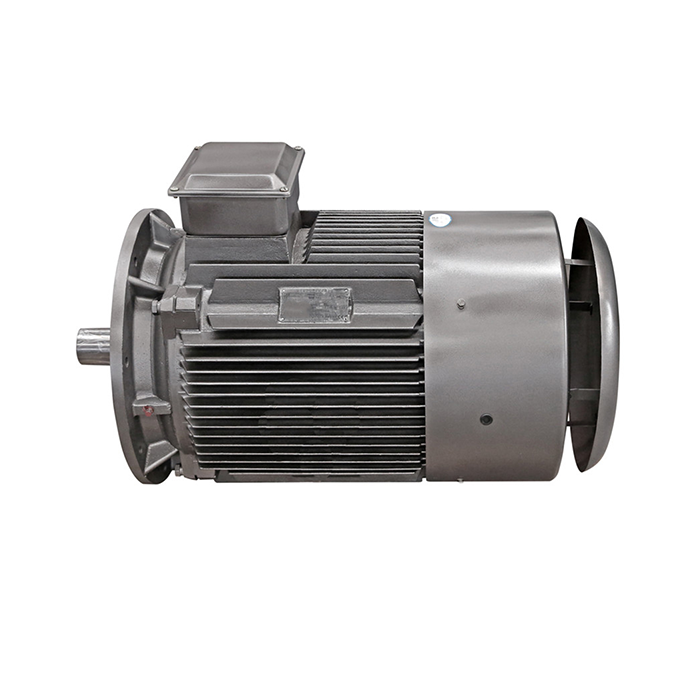
Series:YE3
Frame number: 80-450
Power range:0.75-1000kW
Protection level:IP55
Energy efficiency class: IE3
Voltage range: 380V,400V,415V,660V, etc.
Application:can be used in various fields of the national economy, such as machine tools,water pumps,fans,compressors,and can also be used in transportation, mixing, printing, agricultural machinery, food and other occasions that do not contain flammable, explosive or corrosive gases.
Certificate: international standard IEC60034-30 "Efficiency Classification of Single-speed Three-Phase Squirrel Cage Induction Motors".
Advantage:The high quality of the electric motor guarantees high operational reliability.
Others: SKF, NSK, FAG bearings can be replaced according to customer requirements.
Introduction
As the price of energy goes up, businesses are switching to better power options. The market for low voltage induction motors has come a long way, giving better performance that has a direct effect on costs. Energy-efficient machines cut down on costs and help businesses follow strict environmental rules. As more industries move toward IE3 and higher standards, choosing the right motor is important for keeping production high and long-term profits high. The motors shown here have been shown to work well and save a lot of money in a variety of industrial settings, making the best use of energy and lowering costs.
Why Focus on Energy-Efficient Low Voltage Induction Motors
Importance of Energy Efficiency in Industrial Motors
About 45% of the world's energy use goes to industrial motors. This means that motor economy is very important for both cost and environmental effect. Compared to standard models, energy-efficient induction motors use 5–15% less power, which can save a lot of money, especially in high-use situations.
Engineering Advancements in Motor Design
The electromagnetic induction principles that underpin these motors have been developed over the course of many decades of technical progress. Today's stator core designs are designed to reduce losses as much as possible, while rotor resistance optimization helps enhance torque characteristics. When motor windings are made of superior materials, conductivity is increased, and thermal stability is maintained even under very demanding circumstances.
Benefits of Variable Frequency Drives
Variable frequency drives, when combined with motors that are efficient, make it possible to precisely regulate the speed of the motor and save more energy energy. This combination guarantees that the output of the motor is in line with the needs of the load, hence preventing energy waste caused by applications that are too large.
Comprehensive Efficiency Solutions
Creating comprehensive solutions that maximize operational efficiency across a variety of industrial applications may be accomplished by integrating motor control systems with energy-efficient LV Induction Motor designs. This strategy assists businesses in lowering their energy use while simultaneously improving their performance.
Selection Criteria for Optimal LV Induction Motors
Energy Efficiency and Power Factor
When selecting a motor, energy efficiency ratings like IE3 compliance are critical, indicating the motor’s ability to convert electrical input into mechanical output with minimal losses. A power factor between 0.80 and 0.89 ensures optimal electrical system performance and reduces reactive power demand.
Load Torque Characteristics
According to the requirements of the application, it is essential to match the torque characteristics. In order to improve operational efficiency, contemporary production processes need a certain degree of flexibility, which may be provided by motors that generate constant torque throughout varied speed ranges.
Thermal Overload Protection
Protection against thermal overload helps to avoid damage to motors during rigorous operations, ensuring that performance remains constant even in areas with varying ambient temperatures.
Motor Protection Ratings
Protection ratings determine the motor’s suitability for various environments. IP55 protection is adequate for most industrial applications, while higher ratings are necessary for harsh conditions. Consider ambient temperature, altitude limitations, and installation needs for reliable long-term operation.
Bearing Quality and Maintenance
Bearings of superior quality minimize the amount of friction losses, lengthen the time between service intervals, and improve operational dependability. The capability to update bearings enables customisation in accordance with the requirements of a particular application and the preferences of the maintenance personnel.
Top Energy-Efficient LV Induction Motors for 2026
XCMOTOR IE3 High-Efficiency Series
XCMOTOR has a wide selection of LV Induction Motors with power rates ranging from 0.75kW to 1000kW. These motors are proven to be efficient and meet a wide range of business needs. The die-cast metal frames have the best strength-to-weight ratios and are better at getting rid of heat. Core losses are kept to a minimum by using high-grade silicon steel in the stator and rotor. This ensures steady performance.
Frame sizes range from 80 to 450 mm to meet different placement needs, and power choices of 380V, 400V, 415V, and 660V make sure that they work everywhere. The motors come with Class F insulation by default, but you can choose Class H insulation for places with high temperatures. PWM inverter support lets you precisely control the speed, which saves more energy.
To make sure it meets international standards, each motor goes through a lot of tests, such as checking its efficiency, analyzing its vibrations, and checking its temperature. Premium bearings from well-known makers lower the need for upkeep and make operations run more smoothly. Upgrading the bearings lets you make changes based on your operations, which guarantees long-term dependability.
Advanced Motor Design Features
Modern stator core construction uses improved lamination designs that lower eddy current losses while keeping the magnetic flux density the same. This way of designing improves the general efficiency of the motor while lowering the noise level during operation. Controlling the air gap precisely and spreading the magnetic field evenly make the electromagnetic induction process work better.
Optimizing rotor resistance strikes a balance between the need for starting power and the ease of operation. Modern production methods make sure that the rotor is built consistently, which reduces losses and ensures stable performance across the whole speed range. This level of accuracy in making makes a big difference in improving power factor and lowering energy use.
The way the motor starts up has been tweaked to lower the inrush current while keeping the right amount of starting power for tough jobs. This balance is especially important in situations where the load changes or where the motor starts and stops often. The better start-up performance keeps operating freedom while lowering stress on electricity systems.
Global Market Characteristics and Regulations
Evolving Global Efficiency Standards
IEC60034-30, which provides efficiency categories that are recognized all across the world, is one example of how international standards have been continuously improving. Current standards include Internet Explorer 3 (IE3), Internet Explorer 4 (IE4), and Internet Explorer 5 (IE5), which outline future efficiency objectives and reflect the industry's move toward need for improved performance.
Regional Regulatory Trends
As a result of regional legislation, minimum efficiency limits for industrial motors are being progressively enforced. An increasing number of countries throughout the world are adopting more stringent efficiency rules, including the European Union, North America, and rising Asian legislation. To ensure compliance over the long term, it is essential to have a solid understanding of these rules.
Cultural Preferences in Procurement and Maintenance
Purchasing and maintaining motor vehicles is a habit that varies according to cultural preferences. Some areas place a greater emphasis on the original cost, while others place more of an emphasis on the whole cost of ownership, which includes the cost of energy usage and upkeep. When selecting a motor, it is necessary to take into consideration these aspects in addition to the technical requirements.
Supply Chain Considerations
There are variations in the availability of motors and support services between areas. The success of operations is influenced by a variety of variables, including local service skills, the availability of replacement parts, and technical assistance. Evaluating these criteria guarantees that the equipment will get dependable service during its entire existence.
Purchasing Recommendations and Considerations
Total Cost of Ownership
When evaluating motors, include the initial purchase price, installation costs, energy consumption over the motor's lifetime, and maintenance expenses. Energy-efficient LV Induction Motors often justify higher upfront costs with reduced operational expenses, offering payback within 2-3 years, particularly in high-utilization applications or areas with high energy costs.
Application-Specific Requirements
Motor specifications should match application needs. Continuous duty applications benefit from high-efficiency ratings and enhanced thermal protection, while variable load applications may require motors optimized for variable frequency drive operation, providing better torque performance across varying speeds.
Maintenance Planning and Reliability
Effective maintenance planning helps manage long-term operational costs and reliability. Motors with high-quality bearings and durable construction reduce maintenance frequency and ensure predictable service intervals. Local service capabilities and parts availability should also be considered for continuous support.
Planning for Future Expansion
Motor selection should account for future growth. Choosing motors with sufficient capacity margins allows for potential process improvements or increased production without the need for early replacement. This approach maintains operational flexibility and supports long-term efficiency.
Industry Trends and Summary
The market for industrial motors is moving toward more efficient motors that work better with digital control systems. Traditional input devices are not needed with sensorless control technologies, which makes them more reliable and requires less upkeep. Manufacturers are spending money on new materials and designs that work better, which leads to better performance. Energy-efficient motors are also important for green energy systems because they help solar and wind power plants with tracking, cooling, and other tasks that aren't directly related to power generation. This is in line with sustainability goals.
Conclusion
Selecting energy-efficient LV Induction Motors is a strategic investment in sustainability and cost reduction. The IE3-compliant motors in this guide offer reliable performance and significant energy savings across various industrial applications. XCMOTOR's range combines advanced materials, precision manufacturing, and rigorous testing to meet demanding requirements. As global regulations prioritize energy efficiency, investing in proven LV Induction Motor technology ensures long-term success and supports environmental sustainability goals.
Frequently Asked Questions
1. What makes IE3 motors more energy efficient than standard motors?
IE3 motors incorporate advanced materials and optimized designs that reduce energy losses during operation. Improved electromagnetic induction efficiency, reduced rotor resistance, and optimized stator core construction contribute to overall efficiency improvements. These enhancements typically reduce energy consumption by 5-15% compared to standard efficiency motors.
2. How do I calculate energy savings from upgrading to efficient motors?
Energy savings calculations require motor power rating, annual operating hours, electricity cost per kWh, and efficiency differences between old and new motors. Multiply the power rating by operating hours and efficiency difference, then multiply by electricity cost to determine annual savings. This calculation provides baseline data for return on investment analysis.
3. What factors affect motor efficiency in real-world applications?
Load characteristics, power quality, ambient temperature, and installation conditions significantly impact motor efficiency. Operating motors at 75-100% of rated load provides optimal efficiency, while light loading reduces overall efficiency. Power quality issues, voltage imbalances, and harmonic distortion negatively affect motor performance and efficiency.
Upgrade Your Operations with XCMOTOR's Energy-Efficient Solutions
XCMOTOR stands ready to transform your industrial operations through proven low voltage induction motor technology that delivers measurable energy savings. Our comprehensive range spans 0.75kW to 1000kW with IE3 efficiency ratings that reduce operational costs while maintaining exceptional reliability. As a trusted LV Induction Motor manufacturer, we provide complete technical support, rapid delivery, and 30-day returns to ensure your complete satisfaction. Contact our dedicated team at xcmotors@163.com to discuss your specific requirements and discover how our energy-efficient solutions can optimize your operations while reducing environmental impact.
References
1. International Electrotechnical Commission. "IEC 60034-30-1: Efficiency Classification of Single-Speed Three-Phase Squirrel Cage Induction Motors." Geneva: IEC Publications, 2023.
2. European Commission Directorate-General for Energy. "Motor Efficiency Standards and Implementation Guidelines for Industrial Applications." Brussels: EU Publications Office, 2024.
3. Institute of Electrical and Electronics Engineers. "IEEE 841-2023: Standard for Industrial Applications of Low Voltage Induction Motors." New York: IEEE Standards Association, 2023.
4. International Energy Agency. "Energy Efficiency in Electric Motor Systems: Technology Roadmap and Best Practices." Paris: IEA Publications, 2024.
5. American National Standards Institute. "ANSI/NEMA MG 1-2023: Motors and Generators Performance Standards." Rosslyn: National Electrical Manufacturers Association, 2023.
6. International Organization for Standardization. "ISO 12759-2024: Fans and Motor Efficiency Testing Methods for Industrial Applications." Geneva: ISO Publications, 2024.
YOU MAY LIKE
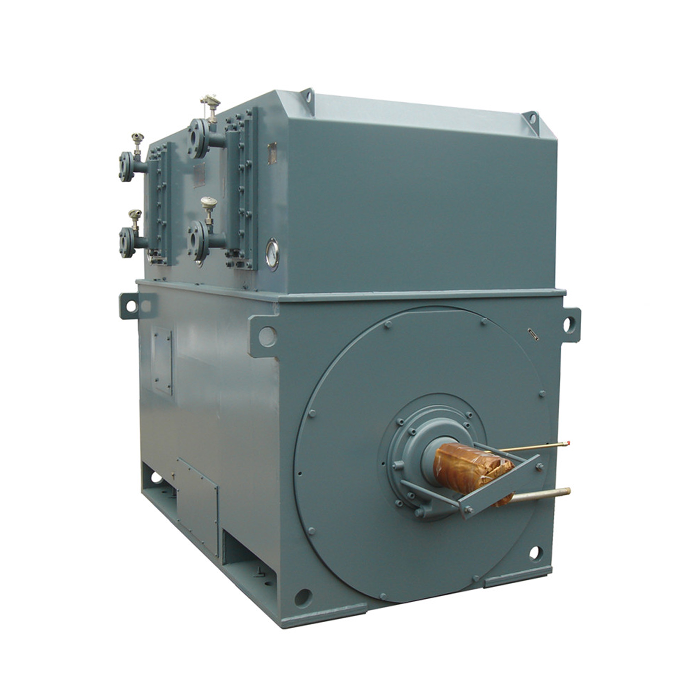 VIEW MOREwater cooled motors
 VIEW MORE3 phase slip ring motor
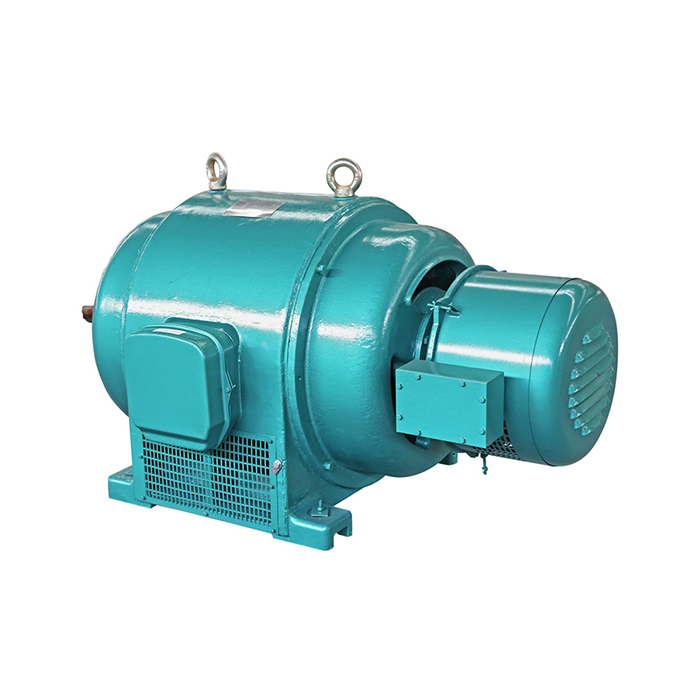 VIEW MOREslip ring rotor induction motor
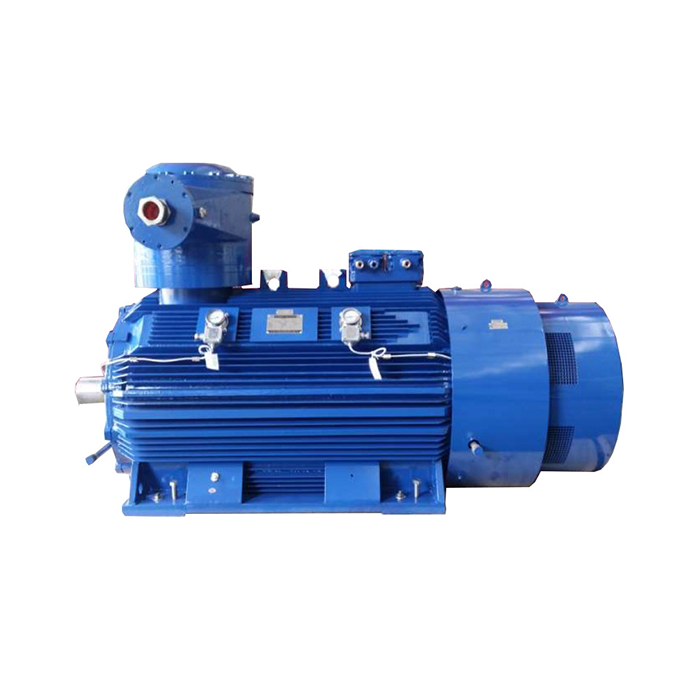 VIEW MOREYBBP high-voltage explosion-proof frequency motor
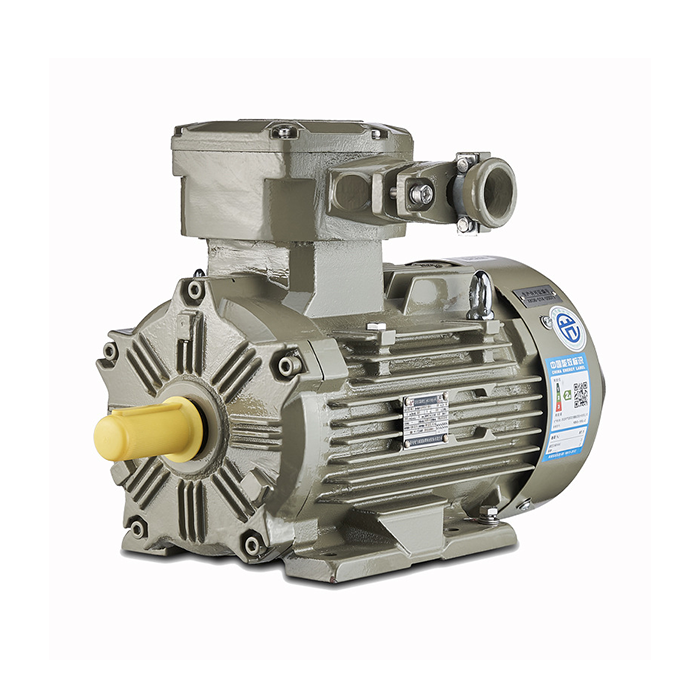 VIEW MOREYBX3 series low voltage explosion-proof motor
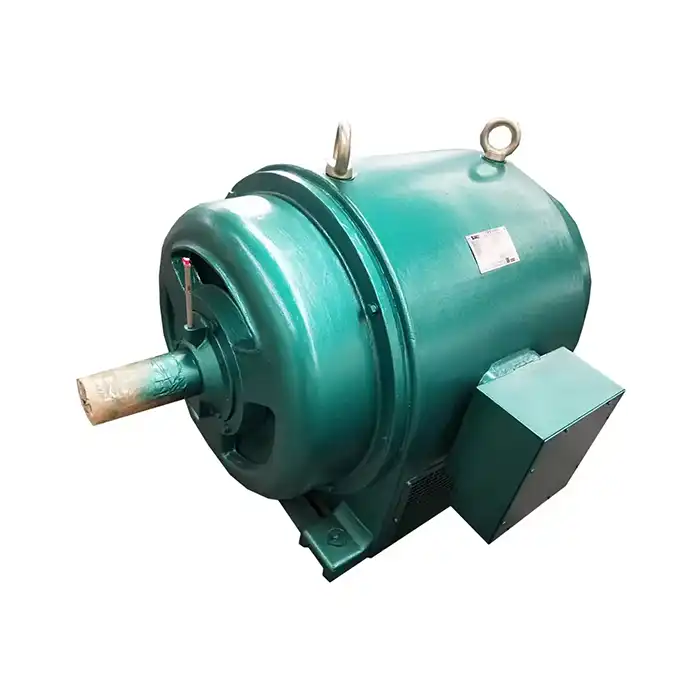 VIEW MORE200 hp ac electric motor
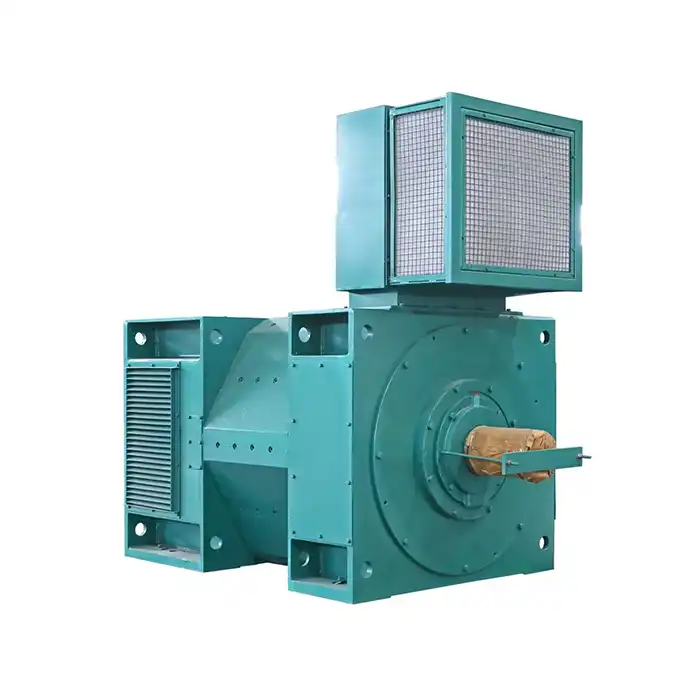 VIEW MORE1000 kw dc motor
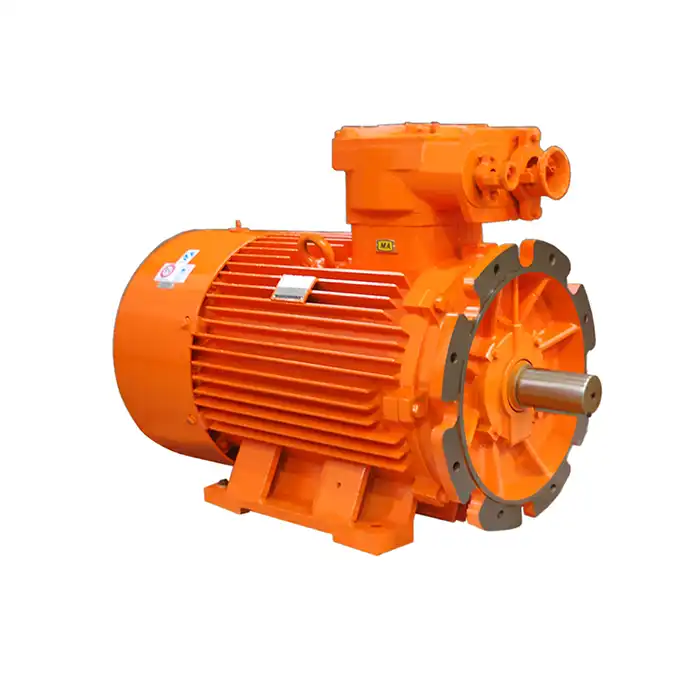 VIEW MOREflame proof motor enclosure