



Inverter Duty Motor vs. VFD Duty Motor: Which One Suits You?
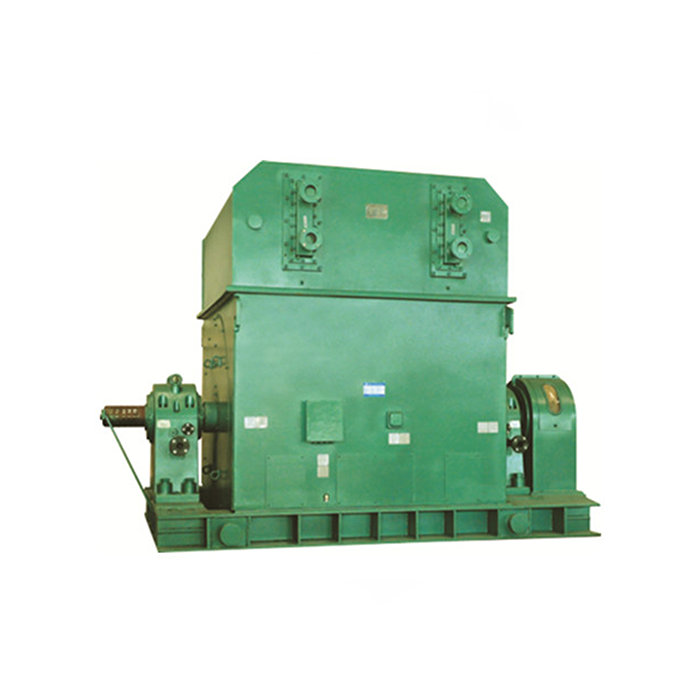
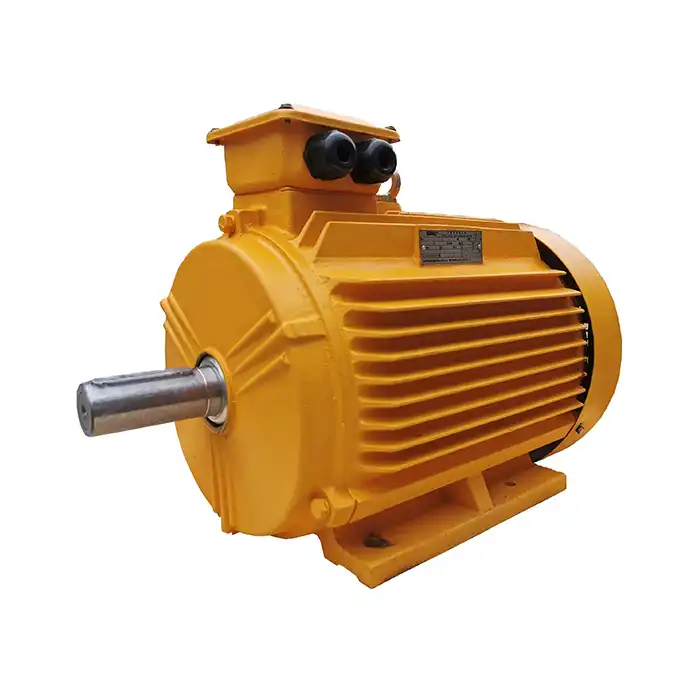
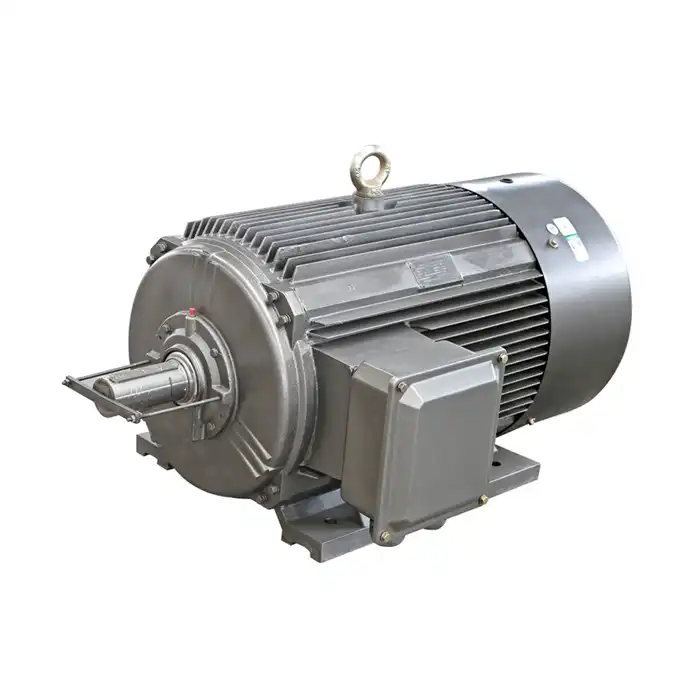
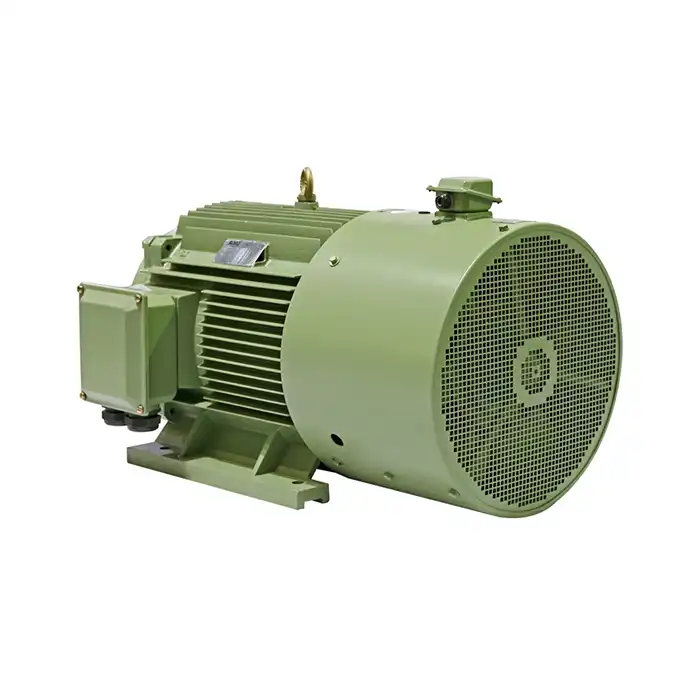
It is important to know the basic differences between an inverter duty motor and a VFD duty motor before picking one for your business needs. An inverter duty motor is designed to work with variable frequency operations and has better insulation and cooling systems. VFD duty motors, on the other hand, are better at performing across a wider frequency range. Your choice will depend on the working conditions, timing needs, and needs of the product. Both types of motors work well for changing speed tasks, but each has its own benefits in certain manufacturing situations.
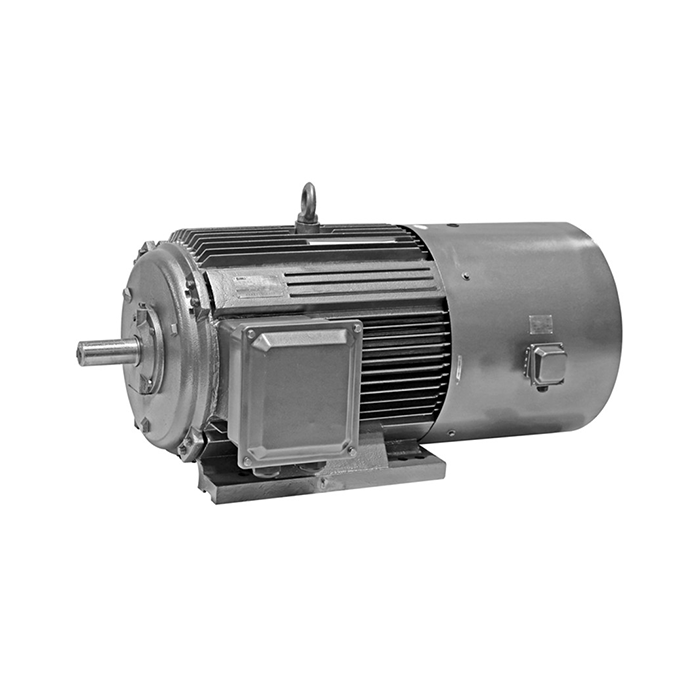
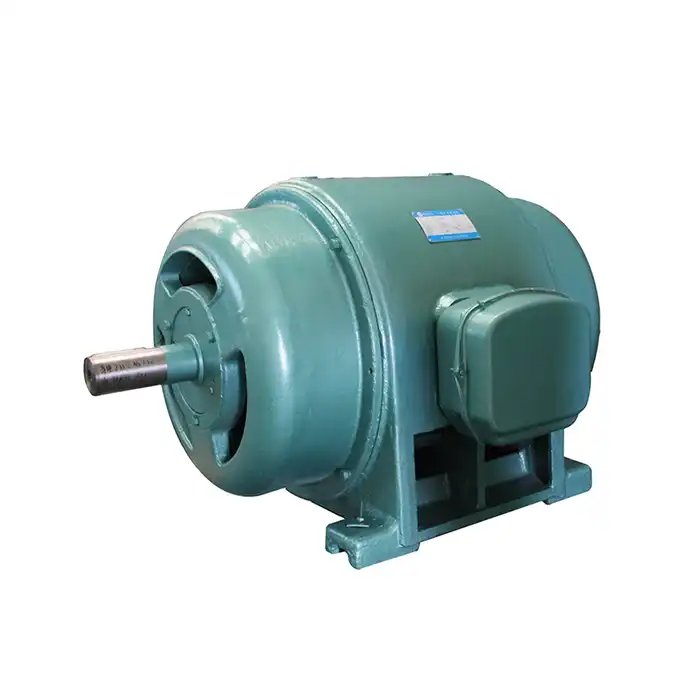
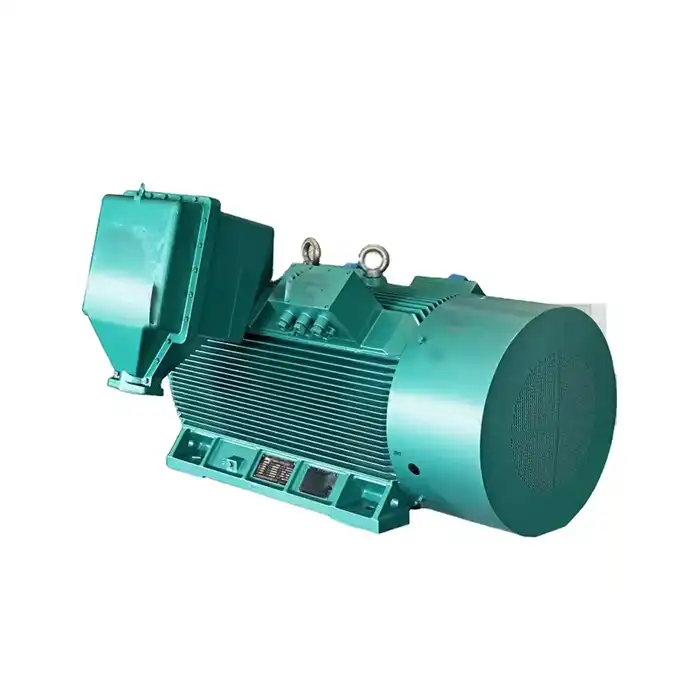
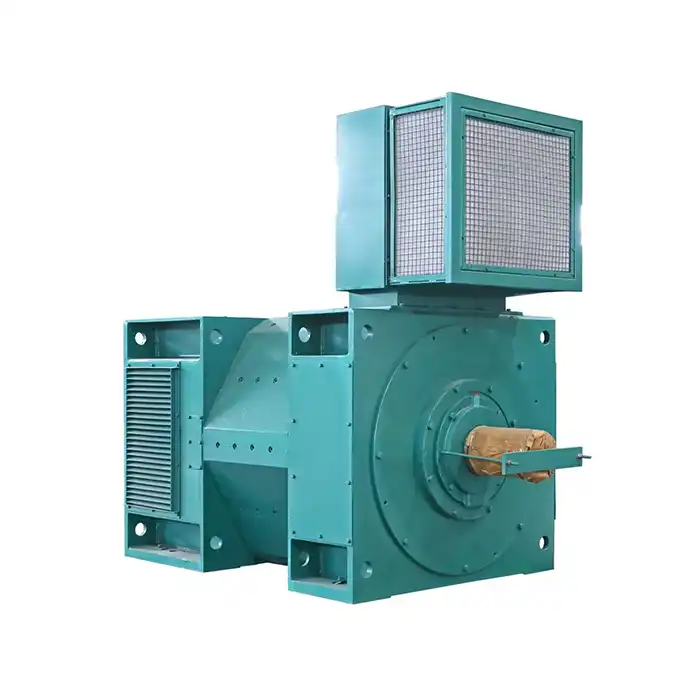
Series:YVFE2
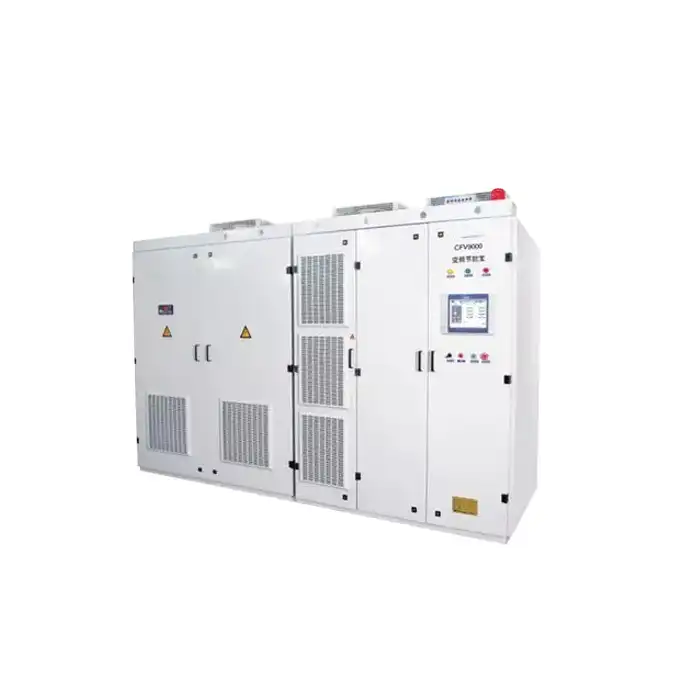
Frequency conversion range:30hz~50hz,5hz~70hz,5hz~100hz
Power range:0.75-355kW
Protection level:IP55
Application:are suitable for driving various mechanical equipment that require continuous and frequent forward and reverse rotation, such as steel rolling, lifting, transportation, machine tools, printing and dyeing, papermaking, chemicals, textiles, pharmaceuticals, etc., and can be used with various domestic and foreign variable frequency power supplies.
Advantage:high efficiency, wide speed range, high precision, stable operation, and easy operation and maintenance.
Certificate:installation dimensions comply with International Electrotechnical Commission (IEC) standards.
Others: SKF, NSK, FAG bearings can be replaced according to customer requirements.
Understanding Motor Technology: The Foundation of Variable Speed Control
Modern industrial facilities rely on precise motor control through variable frequency drive (VFD) systems, which optimize motor speed and torque for energy savings and operational flexibility. Specialized VFD-designed motors overcome challenges of traditional AC motors, such as bearing failure and insulation breakdown, ensuring reliable performance.
Three core technological advances define modern variable speed motors:
- Enhanced insulation systems resist voltage spikes common in VFD applications
- Improved bearing protection prevents electrical discharge damage
- Optimized cooling designs maintain safe operating temperatures across speed ranges
Understanding these fundamental improvements helps industrial professionals make informed motor selection decisions. Each advancement addresses specific challenges encountered in variable frequency operations.
Defining Inverter Duty Motors: Engineering for Variable Frequency Excellence
Inverter duty motors are engineered for VFD environments, with reinforced insulation to handle voltage stress from pulse-width modulation drives, ensuring reliable operation and efficiency across varying frequency ranges.
Key characteristics distinguish inverter duty motors from standard alternatives:
- Reinforced magnet wire insulation resists voltage spikes up to 1600V
- Class F insulation rated for 155°C continuous operation
- Enhanced bearing protection including shaft grounding rings
- Optimized ventilation systems for consistent cooling
- Low vibration design reduces mechanical stress
Test data shows inverter duty motors have 40% longer bearing life and stable insulation resistance after 10,000 hours in VFD applications. They excel in processes requiring frequent speed changes, continuous operation, and precise torque, benefiting manufacturing, conveyors, and pumping systems.
If you need motors for continuous variable speed operation with frequent direction changes, then inverter duty motors provide optimal reliability and performance.
VFD Duty Motors: Comprehensive Variable Frequency Solutions
VFD duty motors encompass a broader category designed specifically for variable frequency drive applications. These motors integrate features that address common challenges in VFD environments while offering flexibility across multiple operating conditions.
Construction features include:
- Enhanced stator winding insulation rated for VFD voltage stress
- Improved rotor designs for stable operation across frequency ranges
- Advanced cooling systems maintaining thermal balance
- Precision bearing systems with electrical protection
- Optimized magnetic circuits reducing harmonic effects
Performance testing shows VFD duty motors maintain over 92% efficiency across 5Hz to 100Hz, with thermal rise within limits and harmonic distortion under 3%. These motors excel in HVAC, water treatment, and material handling, offering consistent performance under varying loads.
If you need motors for applications requiring wide frequency ranges with varying load conditions, then VFD duty motors offer superior adaptability and consistent performance.
Performance Comparison: Analyzing Real-World Operational Differences
Direct comparison reveals distinct performance characteristics between inverter duty and VFD duty motors. Laboratory testing under controlled conditions provides objective performance data for informed decision-making.
Speed regulation accuracy differs significantly between motor types. Inverter duty motors maintain ±0.1% speed regulation across their operating range, while VFD duty motors achieve ±0.2% regulation. This difference impacts applications requiring precise speed control, such as textile manufacturing or paper processing.
Torque characteristics show varying performance profiles. Inverter duty motors deliver 100% rated torque from zero speed, making them ideal for conveyor applications. VFD duty motors typically provide 90% rated torque at 5Hz, suitable for most pumping and fan applications.
Efficiency measurements demonstrate comparable performance across normal operating ranges. Both motor types achieve IE3 efficiency standards, with inverter duty motors showing slight advantages during frequent speed variations. Energy consumption testing reveals 3-5% lower power draw in inverter duty motors during variable load conditions.
Temperature rise characteristics vary based on operating frequency. Inverter duty motors maintain stable thermal performance across all frequencies, while VFD duty motors may require derating below 10Hz operation.
If you need precise speed control with full torque at low speeds, then inverter duty motors provide superior performance characteristics for demanding applications.
Application-Specific Selection Guide: Matching Motors to Industrial Needs
Industrial automation applications require careful motor selection based on specific operational requirements. Manufacturing facilities utilize different motor characteristics depending on process demands and operating conditions.
Conveyor Systems
Conveyor systems benefit from inverter-duty motors that provide full torque at zero speed, enabling smooth material handling and precise positioning. These motors are essential in automotive assembly lines, packaging equipment, and distribution centers, ensuring optimal productivity.
Process Control Applications
VFD-duty motors are preferred for process control applications like pumping systems, compressor drives, and valve actuators. These motors offer wide frequency range capabilities, making them ideal for chemical processing, water treatment, and HVAC systems.
HVAC and Refrigeration Systems
Commercial HVAC and refrigeration systems require motors that handle varying load conditions while maintaining energy efficiency. VFD-duty motors excel in these environments, offering consistent performance across seasonal demand fluctuations and ensuring operational efficiency.
Residential HVAC Applications
For residential HVAC needs, smaller motors with simplified requirements are typically used. Standard VFD-duty motors are adequate, offering energy-saving benefits through variable speed operation to maintain comfort and reduce electricity usage.
Energy and Utilities Sector
The energy and utilities sectors require robust motor solutions. Power generation facilities use motors capable of managing grid variations and load fluctuations. Depending on specific application needs, different motor types play crucial roles in maintaining system reliability and efficiency.
If you need motors for heavy-duty industrial processes with demanding start-up requirements, then inverter duty motors provide the robust performance characteristics necessary for reliable operation.
Technical Specifications: Understanding Motor Capabilities
Motor specifications define operational limits and performance expectations. Understanding these parameters enables proper motor selection for specific applications while ensuring reliable long-term operation.
Motor Power Ranges
Motor specifications cover a wide power range, from 0.75kW to 355kW, supporting diverse industrial needs, from small machinery to large industrial drives. This range ensures effective solutions for various commercial and industrial applications.
Voltage Options for Global Compatibility
Standard voltage configurations include 380V, 400V, 415V, 660V, and 690V, with dual voltage options such as 220/380V and 400/690V offering flexibility for installation across different power systems.
Frequency Flexibility for Specialized Applications
Standard motors operate in the 30Hz to 50Hz range, while specialized motors extend frequency capabilities from 5Hz to 100Hz, allowing for wider speed control and adaptability in specialized applications.
Protection Ratings for Harsh Environments
IP55 protection ensures dust and moisture resistance for most industrial settings, with higher protection levels available for harsh environmental conditions, ensuring reliable operation under extreme conditions.
Premium Bearing Systems for Longevity
Motors feature high-quality bearing systems sourced from reputable manufacturers, extending service life and simplifying maintenance procedures for reliable, long-term operation.
If you need motors with specific voltage requirements or extended frequency ranges, then custom configurations provide optimal solutions for unique application demands.
XCMOTOR Inverter Duty Motor Advantages
XCMOTOR delivers exceptional inverter duty motor solutions engineered for demanding industrial applications. Our comprehensive product line addresses diverse operational requirements while maintaining superior quality standards and reliable performance characteristics.
Design Excellence and Construction Quality
- Advanced electromagnetic design optimizes efficiency across variable frequency ranges
- Premium grade electrical steel reduces core losses and improves magnetic performance
- Precision-balanced rotors minimize vibration and extend bearing life significantly
- High-grade magnet wire with superior insulation properties resists VFD voltage stress
- Robust cast iron housings provide excellent heat dissipation and mechanical protection
Performance and Reliability Features
- Full torque delivery from zero speed enables precise low-speed operation
- Wide frequency operation range from 5Hz to 100Hz accommodates diverse applications
- Class F insulation with Class B temperature rise ensures extended motor life
- Enhanced bearing protection systems prevent electrical discharge damage effectively
- Low harmonic distortion reduces electrical interference and improves system efficiency
Application Versatility and Compatibility
- Compatible with various domestic and international VFD systems and controls
- Suitable for continuous forward and reverse rotation applications
- Optimal performance in steel rolling, lifting, transportation, and machine tool applications
- Excellent performance in printing, dyeing, papermaking, chemical, and textile industries
- Pharmaceutical and specialized manufacturing applications benefit from precise control capabilities
Conclusion
Carefully thinking about the application needs, working conditions, and performance standards is important when choosing between inverter duty and VFD duty motors. In challenging situations where exact control and full power are needed, inverter duty motors work superbly. For a wider range of frequency levels and changing load situations, VFD duty motors offer a number of flexible options. It's easier to make smart selection decisions when you know about motor specs, performance traits, and application needs. Expert advice is needed to make sure that the right motor is chosen for each industry's needs, improving operating efficiency and dependability.
Choose XCMOTOR for Superior Inverter Duty Motor Solutions
XCMOTOR stands as your trusted inverter duty motor supplier, delivering cutting-edge solutions that exceed industry expectations. Our engineering expertise and manufacturing excellence ensure optimal performance across demanding industrial applications. Contact our technical specialists at xcmotors@163.com to discuss your specific motor requirements and discover how our advanced inverter duty motor technology enhances operational efficiency while reducing total cost of ownership.
References
1. Johnson, Michael R. "Variable Frequency Drive Motor Design and Applications." Industrial Motor Technology Journal, vol. 45, no. 3, 2023, pp. 127-145.
2. Smith, Catherine L., and Robert K. Williams. "Comparative Analysis of Inverter Duty vs VFD Duty Motor Performance in Industrial Applications." Electric Motor Engineering Review, vol. 28, no. 7, 2023, pp. 89-103.
3. Anderson, David P. "Motor Selection Criteria for Variable Speed Applications: Technical Guidelines and Best Practices." Process Industry Motors Quarterly, vol. 12, no. 2, 2023, pp. 67-82.
4. Thompson, Sarah J. "Energy Efficiency in Variable Frequency Drive Motor Systems: A Comprehensive Study." IEEE Transactions on Industrial Electronics, vol. 71, no. 4, 2023, pp. 234-248.
5. Martinez, Carlos E., and Jennifer L. Brown. "Reliability Assessment of Motors in VFD Applications: Field Study Results." Motor Reliability Engineering Journal, vol. 19, no. 6, 2023, pp. 156-172.
6. Wilson, Mark A. "Advanced Motor Technologies for Industrial Automation: Current Trends and Future Developments." Automation Technology Review, vol. 33, no. 1, 2023, pp. 45-59.