



Advantages and Use of Medium Voltage Motors
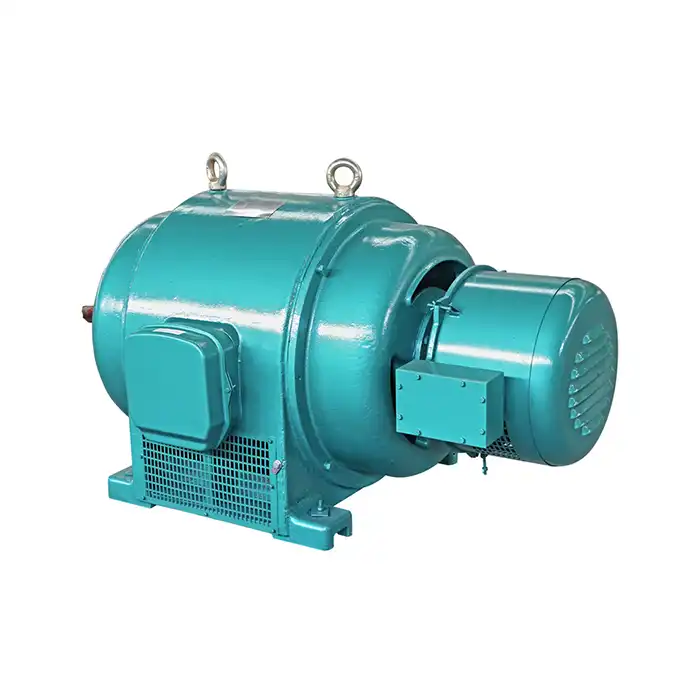
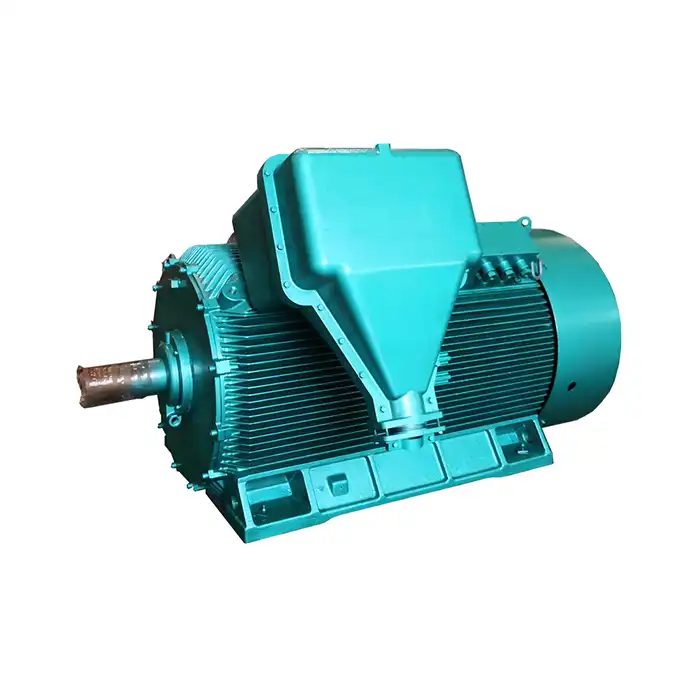
Usually, a 4160V motor has between 0.5 and 2.5 kW of power per kilogram. This relies on how the motor is built, how it is cooled, medium voltage electric motors and the materials that were used to make it. From its size or weight, this number tells you how much power the motor is making. Industrial processes can get more done with smaller installations when the power density is higher. This saves money on infrastructure costs while keeping performance high. This information helps people who are shopping pick motors that will work well in many difficult situations and take up little space.
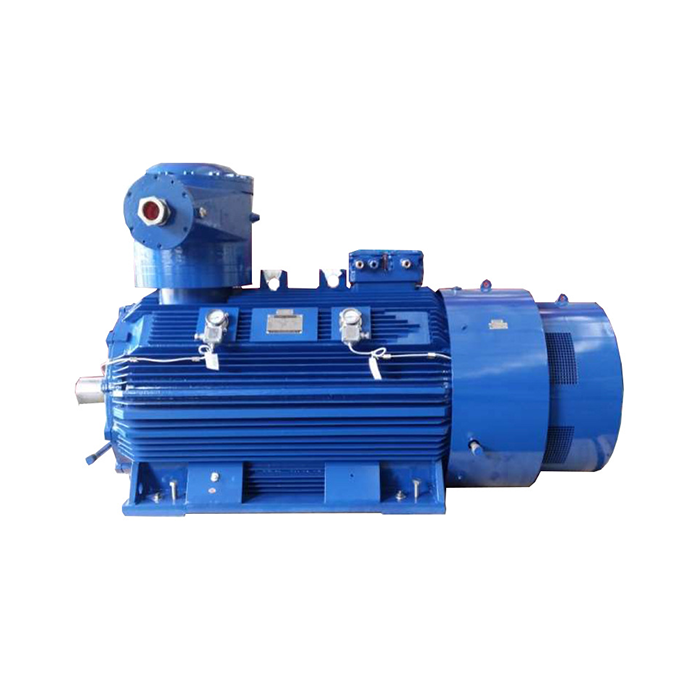
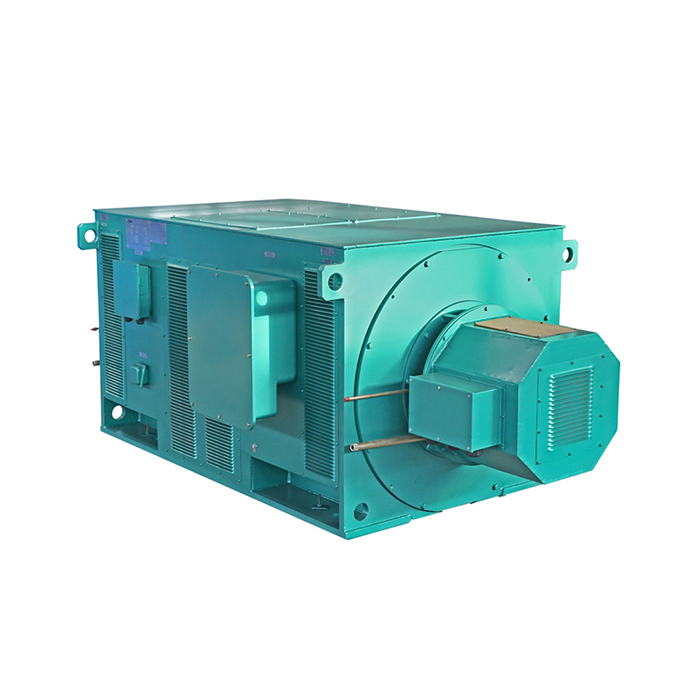
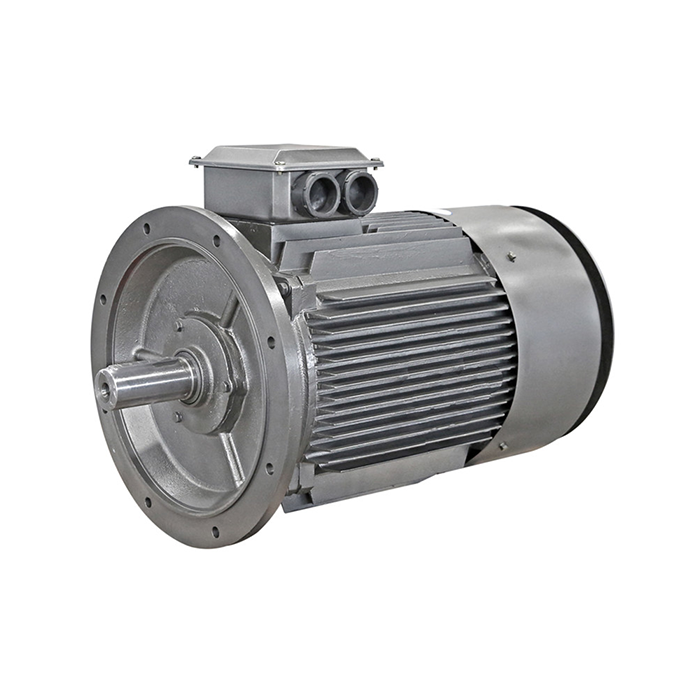
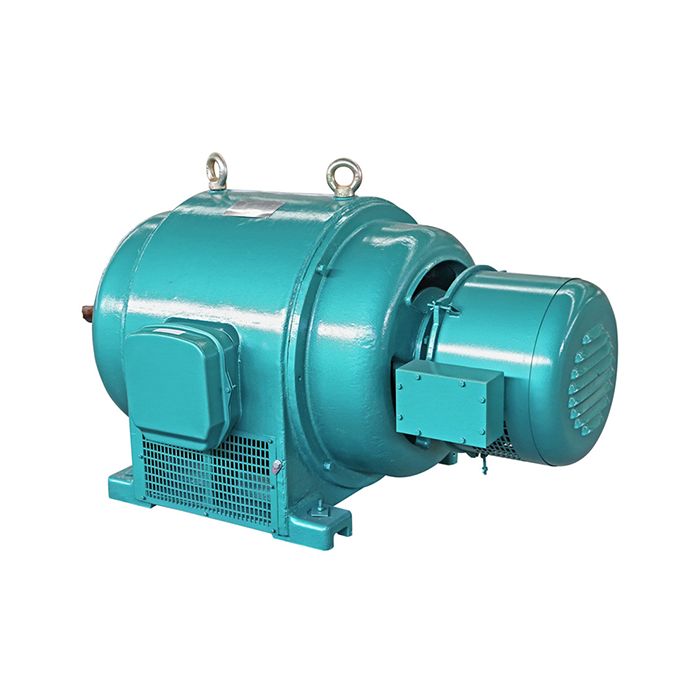
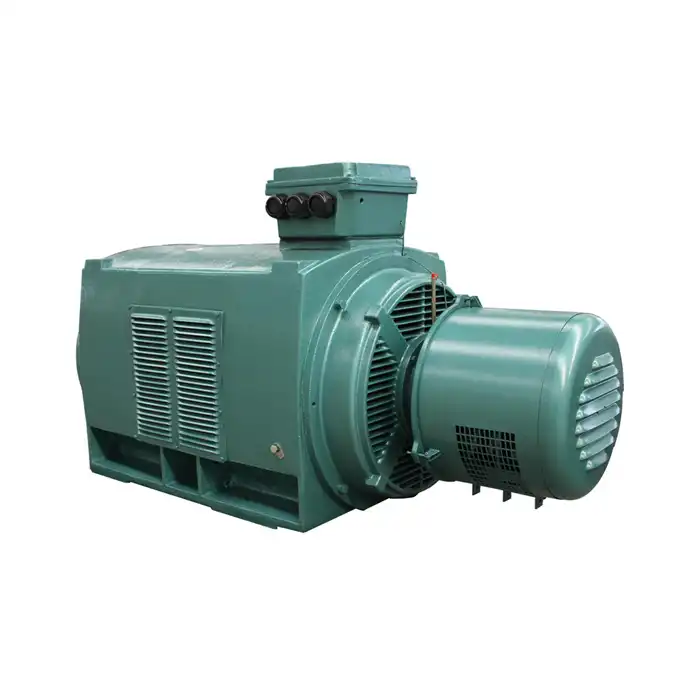
Series:YBBP-HV
Voltage range:3000V±5%,3300V±5%,6000V±5%,6600V±5%,10000V±5%,11000V±5%
Power range:185-1800 kW
Application:compressors, water pumps, crushers, cutting machine tools, transportation machinery.
Advantage: wide modulation range, high efficiency and energy saving, low noise, long life, high reliability.
Others: SKF, NSK, FAG bearings can be replaced according to customer requirements.
Understanding Medium Voltage Motors
What Defines Medium Voltage Technology
You can measure how well a motor turns its size into useful mechanical output by looking at its power density. When you look at medium voltage electric motors, this is a very important thing to think about because it directly affects how much it costs to install and how flexible it is to use. The best equipment for factories that use water pumps, compressors, and cutting machines is that which does its job well without taking up too much floor space or needing extra support. Power density levels for 4160V medium voltage electric motors are usually between 0.5 and 2.5 kW/kg, but better materials and cooling systems in more advanced designs can go above and beyond these ranges. Lower voltage motors, like 480V units, can often have a higher power density because they don't need as much insulation and their frames are smaller. But the 4160V configuration is more efficient over long cable runs and larger installations, which makes the trade-off a good choice for large-scale industrial uses.
Common Motor Types and Applications
Based on how they work, induction motors and synchronous motors have different power density characteristics. Because induction designs are simple and tough, they can be used in situations where dependability is more important than being as small as possible. When system-level factors are taken into account, synchronous motors may have a higher effective power density and better efficiency. Modern factories always face pressure to make the most of the tools and equipment they already have so they can make as much as possible. Plant managers can add new equipment to old systems or make production lines longer without having to make big changes to the building when they use motors that make more power, medium voltage electric motors for their size. This benefit is very helpful in fields like mining, petrochemical processing, and water treatment, where improvements need to be made without stopping work.
Key Advantages of Medium Voltage Electric Motors
Superior Energy Efficiency and Performance
Power density and efficiency affect the overall performance of a system in complex ways. More energy is turned into useful mechanical work by medium voltage electric motors with higher efficiency. This is because they produce less heat, which would otherwise limit power density. Because of this connection, better electrical design makes it possible for smaller frames to produce more power and be more efficient. Standard compliance makes sure that motors meet well-known performance standards. When procurement teams are looking at different options, they can rely on motors that meet the standards set by GB/T 1032 and GB/T 13957 to be efficient. These certifications make sure that the advertised specs are accurate and show actual performance, not just theoretical tops. Real-world power density performance can be predicted by knowing how efficient something is at different load points.
Customisation and Control Integration
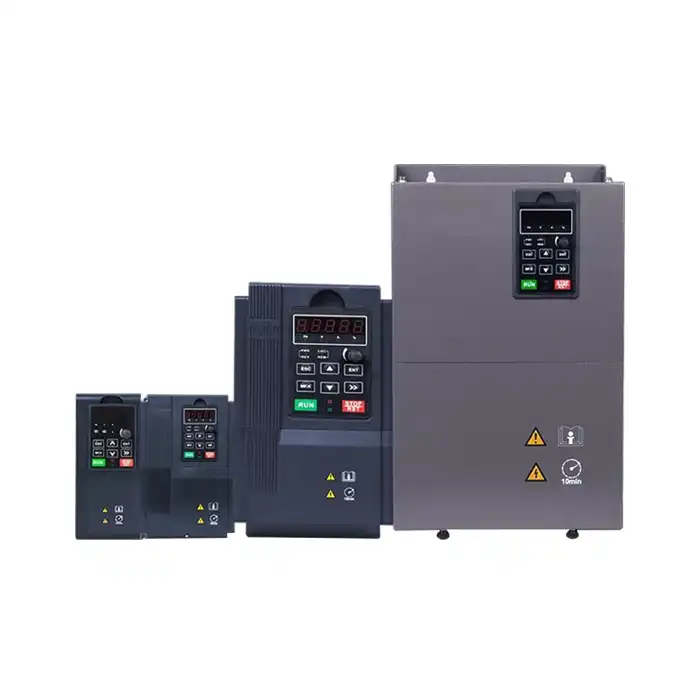
Modern control systems and variable frequency drives make all types of motors more efficient. These technologies allow motors to work at their best load points even when the process needs change, which increases the power density that can be used in real life. Understanding how control system compatibility affects practical performance is helpful when looking at motors to buy because it helps match equipment specs with real operational needs. Motors made to work at different speeds usually have features that keep the power density high over a wide range of speeds.
How to Select the Right Medium Voltage Motor for Your Needs
Assessing Load and Environmental Requirements
It takes a lot of work to match the motor power density to the needs of the application. Medium-voltage electric motors that optimise starting torque over absolute power density work best in transportation machinery that needs to start and stop a lot. Continuous-duty applications, on the other hand, like water pumps and fans, put steady-state efficiency and thermal performance first. Protection class specifications like IP54 and IP55 protect against dust and water, and medium voltage electric motors, which are good for most industrial settings.
Procurement Considerations and Supply Chain Factors
When buying in large quantities, there are special things to think about that go beyond the specifications of each motor. Depending on the level of customisation needed and the factory's production capacity, lead times can be anywhere from a few weeks to a few months. Manufacturers, freight carriers, and installation teams all need to work together to make global logistics for heavy industrial equipment work. Shaanxi Qihe Xicheng Electromechanical Equipment Co., Ltd. handles these difficulties by offering complete support services that take care of both technical specifications and delivery logistics.
Optimising Medium Voltage Motor Performance & Maintenance
Identifying Common Performance Bottlenecks
Effective power density in medium voltage electric motors can drop over time because of a number of operational issues. Motors can't work at full capacity because they get too hot from not having enough cooling, or the temperature outside is too high. This lowers the realised power output compared to their physical size. As bearings and rotor parts wear down mechanically, friction losses rise. This turns useful power output into waste heat.
Leveraging Technology for Predictive Maintenance
With vibration analysis, you can find out about the mechanical condition of a motor without taking it apart. High levels of vibration can mean that the bearings are worn, the rotor is out of balance, or the alignment is off. Electrical tests, such as measuring insulation resistance, checking the current balance, and analysing power quality, find electrical degradation that lowers efficiency. These diagnostic methods let maintenance teams decide which repairs to do first based on the actual condition of the equipment.
Cost and ROI Considerations of Medium Voltage Motors
Initial Investment Versus Total Ownership Costs
Power density directly affects the choices of what equipment to buy in many different industries. When a facility chooses higher power density medium voltage electric motors, it can increase capacity without having to build more rooms or make the mounting structures stronger. The money saved on civil engineering work often makes the investment in better motor designs worth it. Long-term value, such as easier maintenance access and lower structural requirements, should be looked at along with the cost of the equipment itself.
Repair or Replace Decision Framework
Many motors that are losing power density can be fixed by focusing on the right areas. Rewinding services that medium voltage electric motors use new insulation materials and better conductor arrangements can make older motors work better. Even though rewinding takes a lot of work, it usually costs a lot less than buying new equipment. When you upgrade your bearings to better ones, the friction losses go down, and the speeds can go up. Improvements to the control system, such as adding variable frequency drives, make motor operations more flexible and efficient.
Understanding Efficiency Standards and Regulations
Standard compliance ensures that motors meet well-known performance benchmarks. Certification through standards set by GB/T 1032 and GB/T 13957 provides assurance of efficiency. Understanding how efficient something is at different load points helps predict real-world power density. Long-term supply agreements and volume pricing structures can save a facility money when they plan to install multiple things or expand in stages.
Conclusion
Power density is an important metric to look at when comparing medium voltage electric motors for industrial use. If you know how design factors, operational conditions, and maintenance practices affect this metric, you can make smart procurement decisions that balance the need for performance with budget and space limitations. Power density-optimised motors lower installation costs, make facility layouts easier, and offer operational flexibility that is useful in a wide range of situations. Modern motors are able to achieve high power densities while still meeting the reliability standards needed for continuous industrial operation through careful consideration of cooling systems, material choice, and electrical design.
FAQ
1. What is the typical lifespan of medium voltage electric motors?
How dense of a power should I expect a 4160V motor to be? Most 4160V motors have a power density of between 0.5 and 2.5 kW per kilogram, but exact values depend on how they are cooled, how the frame is built, and how well the design is optimised. When motors use advanced cooling systems and high-quality materials, they can often achieve higher power density. This lets installations be smaller without sacrificing performance or dependability.
2. How do maintenance demands differ from low-voltage motors?
How does the amount of power affect my costs? Good maintenance directly protects the power density features that affected the choice of equipment in the first place. High-power-density units allow for smaller infrastructure requirements and less floor space, saving money on civil engineering and support structures. While specialised handling is required for higher voltage levels, robust designs can result in easier maintenance access and reduced long-term structural costs.
3. Are customisation options available for specialised applications?
Custom motor designs meet unique needs that can't be fully met by standard catalogue products. Engineering collaboration that tailors specifications to specific needs is helpful for applications with odd mounting arrangements, harsh environmental conditions, or special performance profiles. Speed, voltage, protection class, mounting configuration, and cooling methods can all be tailored to ensure optimal power density for specific industrial tasks.
Partner with XCMOTOR for Reliable Medium Voltage Solutions
Shaanxi Qihe Xicheng Electromechanical Equipment Co., Ltd. (XCMOTOR) offers high-power-density solutions to B2B clients around the world. We do this by combining our engineering knowledge with a wide range of products. Our medium voltage electric motors for sale range has power levels from 220 kW to 6300 kW and voltages from 3000V to 11000V. They are protected by IP54, make little noise, and last a long time. Motors that meet GB/T 1032 and GB/T 13957 standards can be used in industrial automation, HVAC systems, energy generation, and specialised transportation machinery. We have been making 4160V motors for a long time and can offer customised specifications, fast shipping around the world, and dedicated technical support seven days a week. Contact our team at xcmotors@163.com to discuss your specific needs.
References
1. Bonnett, Austin H. "Root Cause AC Motor Failure Analysis with a Focus on Shaft Failures." IEEE Transactions on Industry Applications, vol. 36, no. 5, 2000, pp. 1435-1448.
2. Chapman, Stephen J. Electric Machinery Fundamentals. 5th ed., McGraw-Hill Education, 2012.
3. Nailen, Richard L. "Managing Motor Efficiency: Approaches to Reducing Energy Costs." IEEE Industry Applications Magazine, vol. 11, no. 3, 2005, pp. 14-20.
4. Stone, Greg C., et al. Electrical Insulation for Rotating Machines: Design, Evaluation, Aging, Testing, and Repair. 2nd ed., Wiley-IEEE Press, 2014.
5. Thorsen, Ole Vidar, and Malcolm Dalva. "A Survey of Faults on Induction Motors in Offshore Oil Industry, Petrochemical Industry, Gas Terminals, and Oil Refineries." IEEE Transactions on Industry Applications, vol. 31, no. 5, 1995, pp. 1186-1196.
6. United States Department of Energy. "Premium Efficiency Motor Selection and Application Guide: A Handbook for Industry." Office of Industrial Technologies Energy Efficiency and Renewable Energy, 2014.