



3.3 kV Motor vs 6 kV Motor: Which One Suits Your Machinery?
The power grid of your building, the needs of your operations, and the specific needs of your machinery are the main factors that determine whether to use a 3.3 kV motor or a 6 kV motor. A 3.3 kV motor is usually easier to connect to existing medium-voltage systems, puts less stress on the insulation, and is easier to maintain. This makes it perfect for use in industrial and process control settings for things like water pumps, compressors, and fans. On the other hand, 6 kV motors work best in high-power situations where efficient electricity distribution and low current loads are important. Understanding these basic differences helps procurement professionals choose motors that meet the performance goals of the gear, keep workers safe, and keep costs low over time.
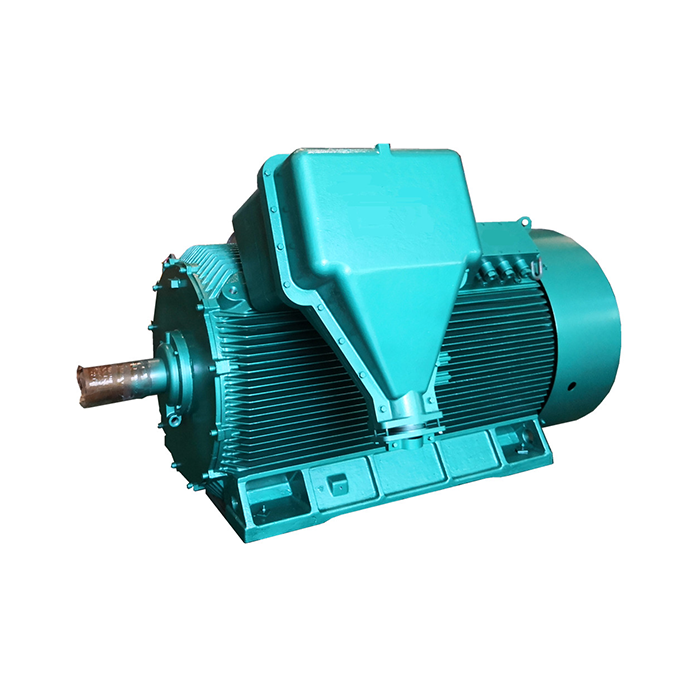
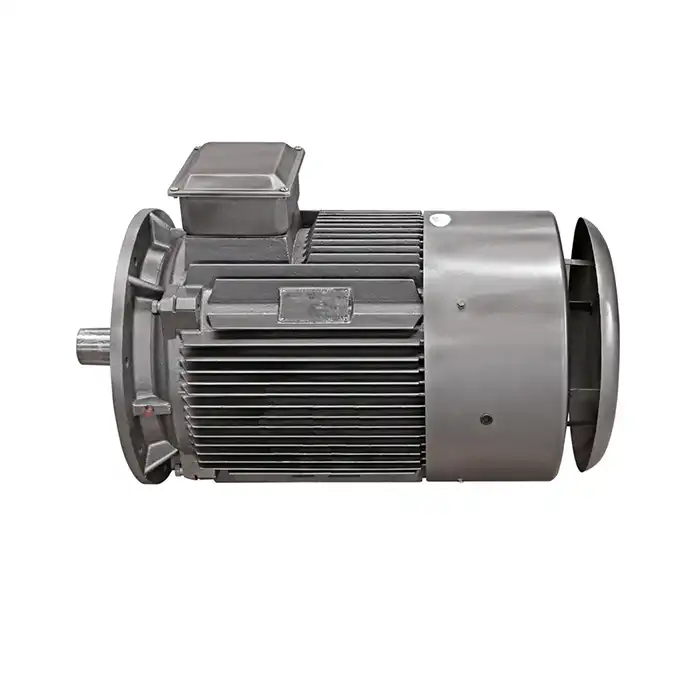
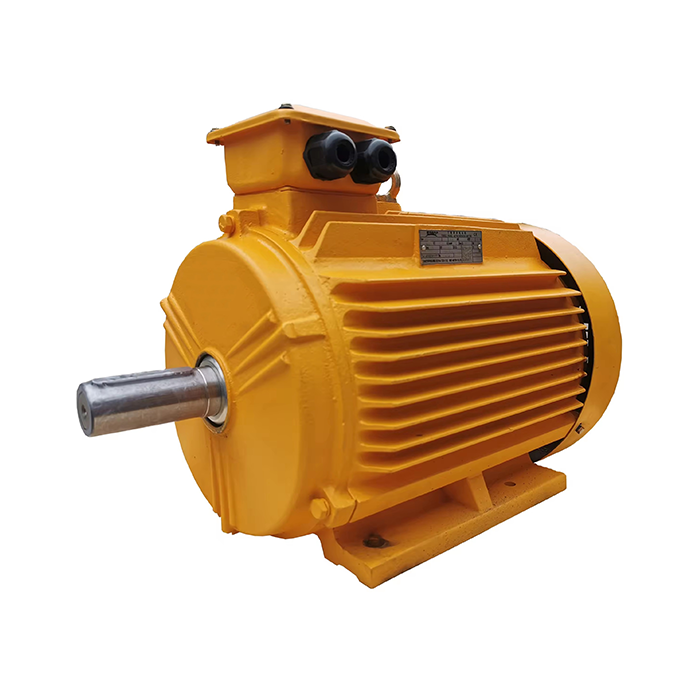
Series:Y2
Protection level:IP54
Voltage range:3000V±5%,3300V±5%,6000V±5%,6600V±5%,10000V±5%,11000V±5%
Power range:160-1600 kW
Application:fans, water pumps, compressors, crushers, cutting machine tools, transportation machinery, etc.
Advantage:compact structure, light weight, low noise, small vibration, long service life, easy installation and maintenance.
Standard: This series of products complies withJB/T10444-2004 standards.
Others: SKF, NSK, FAG bearings can be replaced according to customer requirements.
Understanding 3.3 kV and 6 kV Motors: Technical Foundations
In the energy, HVAC, utilities, and industry industries, medium-voltage motors are essential to daily work. Understanding the basic differences between voltage classes helps you make better choices and get the most out of your tools.
Voltage Levels and Their Impact on Operational Efficiency
The voltage you choose has a direct effect on how motors work with the electricity grid in your building. A 3.3 kV motor can work with voltages between 3000V±5% and 3300V±5%, so it can work with a lot of different power standards across the United States. Compared to higher voltage systems, this voltage class requires less insulation. This means that motors can be built lighter and installed more easily.
6 kV motors, on the other hand, work at 6000V±5% or 6600V±5%, which means they need less current to produce the same amount of power. Lower current means smaller conductors and less resistance loss in connections, which can save a lot of energy in large-scale activities. This efficiency works best in places with established 6 kV systems, like those that make electricity, treat water, or make big things.
Insulation Classes and Protection Standards
How long and reliably a motor works depends on how well its insulation is maintained. Most 3.3 kV motors and 6 kV motors have Class F or Class H shielding, which is made to handle high temperatures and voltage spikes. These shielding systems meet the requirements of JB/T10444-2004, which means they will always work well in harsh industrial settings.
Ratings for safety are also important. Motors with IP54 or IP55 casings keep dust and water splashes out of internal parts, so they can be used for process control tasks that involve pumps, compressors, and breakers. There are higher levels of safety for machines that work in tougher environments, like those that are outside or in corrosive atmospheres.
Comparative Analysis: 3.3 kV Motor vs 6 kV Motor for Industrial Applications
Selecting the appropriate voltage class for a 3.3 kV motor involves weighing practical considerations such as application suitability, maintenance demands, and system compatibility. Each voltage class excels in specific operational contexts.
Application Suitability and Machinery Types
A 3.3 kV motor works well in industrial settings where power needs are modest, and the current electrical infrastructure can handle this voltage level. These motors are often used for pumps, compressors, and elevators in industries like food processing, electronics making, and putting together cars. Because they are simple and easy to integrate, they are good for sites that want to make simple changes or additions.
6 kV motors, on the other hand, work best in heavy-duty situations that need a lot of power. A lot of power plants, renewable energy sites, and big water treatment plants use 6 kV systems to keep current losses to a minimum and make sure they work well with the grid. These motors can handle heavy loads and distribute electricity more efficiently, so they can be used in breakers, big fans, and large compressors.
Maintenance Needs and System Compatibility
The level of difficulty for maintenance changes varies by power class. Due to lower insulation stress and easier access to electrical components, fixing a 3.3 kV motor is typically simpler. Standard tools can be used by technicians who know how to work with medium-voltage systems to do regular checks, repair bearings, and test the insulation. This makes things easier to get to, which cuts down on downtime and upkeep costs, especially in places where there aren't many expert technical staff.
Motors with higher voltages, like 6 kV models, need more thorough repair. When checking for insulation, you need special tools that can handle high voltages, and safety rules get stricter. But these motors make up for it by managing heat better and reducing the wear on electrical connections caused by current. This means that major overhauls can be put off longer.
Decision-Making Guide: How to Choose Between 3.3 kV and 6 kV Motors
To choose the best voltage class, you need an organized method that matches technical requirements with business and financial needs. This approach helps people make decisions with confidence.
Assessing Power Demands and Site Voltage Standards
Start by figuring out how much power your equipment needs. Equipment that needs 160 kW to 1600 kW is well within the range of both voltage classes. But site power rules often say what works and what doesn't. To avoid expensive electricity improvements, facilities that already have 3.3 kV distribution systems should choose a 3.3 kV motor. On the other hand, activities that are already using 6 kV equipment can be more efficient by keeping the voltage stable.
Variability in load also affects the choice. Motors made for hard task cycles may be better for applications with a lot of start-stop cycles or loads that change over time because they are more durable and better at managing heat. Knowing the patterns of peak and steady load helps match motor specs to how they will be used in real life.
Financial Considerations and Lifecycle Costs
The initial prices are only a small part of the total expense. A 3.3 kV motor usually costs less at first because it doesn't need as much protection and is easier to find. Because the changes to the electrical system aren't as big, installation costs are also usually cheaper.
But lifetime costs for a 3.3 kV motor include things like how much energy is used, how often it needs to be maintained, and how much it costs to repair parts. Motors with smaller operating currents, like 6 kV versions, cut down on energy loss in wiring and switchgear. This can save a lot of money over many years of use. To find the right balance between the initial investment and the long-term savings in energy use, you need to do a thorough cost-benefit study that takes into account your building's energy costs and operating hours.
Market Insights and Procurement Tips for 3.3 kV and 6 kV Motors
Understanding market dynamics and procurement strategies enhances vendor selection and supply chain reliability. These insights support optimized purchasing decisions.
Evaluating Supplier Portfolios and After-Sales Support
Leading makers keep full product lines that cover both voltage classes, which gives buyers more options when planning their purchases. When looking at different providers, make sure they can provide 3.3 kV motors with power levels between 160 kW and 1600 kW and voltage levels between 3000V±5% and 6600V±5%. This flexibility makes sure that it works with a wide range of uses.
Support after the sale is what sets trustworthy sellers apart from transactional ones. Warranty policies that last for 12 months from the date of shipment or installation give customers peace of mind and cover flaws in the way the product was made. Dedicated expert help, including access on the weekends, makes sure that operational problems are fixed quickly. Suppliers who offer customization options, like models that are resistant to explosions for dangerous areas or that carry a customer's preferred brand, show that they are dedicated to meeting their specific needs.
Pricing Dynamics and Delivery Timelines
Prices depend on the details, the level of personalization needed, and the number of orders. Depending on how complicated the motor is and how busy the factory is right now, lead times are usually between 8 and 12 weeks. To keep projects on schedule, procurement managers should ask for accurate quotes early in the planning process.
Buying in bulk can save you money and make sure you always have extra parts on hand. When new motors or parts are needed quickly, reducing downtime is easier when you have relationships with sellers who keep stock or offer fast delivery. Total cost of ownership, which includes freight, customs taxes, and fitting help, gives a full picture of a company's finances.
Future-Proofing Your Machinery: Trends and Innovation in Medium Voltage Motors
Anticipating industry trends ensures investments remain relevant as technology and regulations evolve. These innovations shape the future of medium-voltage motor applications.
Advances in Insulation and Protection Technologies
Insulation technology keeps getting better, with new materials that can handle higher temperatures and better fight electrical stress. These improvements make motors last longer and let them work in harsher conditions. Protection standards also change over time. For example, new weather conditions and toxins are taken into account in updated IP ratings.
Smart diagnostics and weather tracking tools are big steps forward in technology. Motors have sensors that measure shaking, temperature, and insulation resistance in real time and send that information to central tracking platforms. This data is used by predictive maintenance algorithms to predict problems before they happen. This lets fixes happen during planned downtime and avoids expensive emergency repairs.
Energy-Saving Control Technologies
Advanced control systems and variable frequency drives make the 3.3 kV motor work more efficiently by changing speed and power on the fly to match the needs of the load. When the load is only partly met, like in HVAC, process control, and water treatment, these methods lower the amount of energy that is used. When energy-saving controls are added to 3.3 kV motor installations, the efficiency goes up by a measured amount without having to change the voltage class.
Artificial intelligence is being used in new control methods to learn how things work and suggest changes that will make them more efficient. These systems are able to adapt to changes in yearly demand, production schedules, and old equipment, so the motor will always work at its best.
Industry 4.0 Integration and Solutions That Can Grow
Industry 4.0 stresses the importance of connecting, exchanging data, and automating all parts of the production environment. These days, motors have communication links that make them work perfectly with ERP and factory execution systems. This connection lets you track performance in real time, look at how much energy is being used, and plan maintenance for whole buildings at the same time.
Scalable motor options can handle future increases in capacity without having to completely rebuild the system. As the need for production grows, small improvements can be made thanks to modular designs, standardized mounting interfaces, and flexible control structures. Putting money into these flexible technologies keeps them from becoming obsolete and keeps up with changing needs in the industry.
Conclusion
The choice between a 3.3 kV motor and a 6 kV motor depends on how well the voltage class skills match your facility's power infrastructure, working needs, and budget. A 3.3 kV motor is perfect for moderate-power uses in industrial, HVAC, and process control because it is easy to integrate, has less complicated insulation, and is cheap to maintain. 6 kV motors, on the other hand, improve the efficiency of electrical distribution and lower losses caused by current. They work especially well in high-power settings like heavy industry and power generation. Procurement pros can choose the voltage class that improves machine performance, cuts down on downtime, and supports long-term operating success by carefully examining technical specs, lifecycle costs, and future scalability.
FAQ
1. Can a 3.3 kV motor and a 6 kV motor operate interchangeably in the same facility?
No, power compatibility with the electricity distribution system in your building is very important. 3.3 kV motors need infrastructure that can handle 3000V±5% or 3300V±5%, and 6 kV motors need infrastructure that can handle 6000V±5% or 6600V±5%. If you try to run a motor on voltage levels that aren't suitable, the insulation could fail, the equipment could get damaged, and there could be safety risks. Before buying, you should always check the site's power standards.
2. Which voltage class offers better energy efficiency for heavy-load applications?
Most of the time, both voltage classes get high efficiency scores of IE3 or higher. But 6 kV motors use less current to produce the same amount of power, which lowers the amount of power lost through resistance in the wiring and switches. When it comes to high-power systems or buildings with long wire runs, this benefit stands out more. Over decades of use, this could save a lot of energy.
3. How are the upkeep needs for 3.3 kV and 6 kV motors different?
Most of the time, maintaining a 3.3 kV motor is easier because the shielding is less stressed and the parts are easier to get to. Standard tools can be used by technicians to do regular checks. 6 kV motors need more thorough testing of their insulation and stricter safety rules. However, they gain from less temperature cycling stress on their electrical connections, which could mean that they don't need major overhauls as often.
Partner with XCMOTOR for Tailored Medium Voltage Motor Solutions
Choosing the right voltage class can completely change how well machinery works and how efficiently it runs. At XCMOTOR, we are a reliable 3.3 kV motor provider that offers unique solutions for 160 kW to 1600 kW across voltage ranges of 3000V±5%, 3300V±5%, 6000V±5%, and 6600V±5%. Our motors are small, quiet, and vibration-free, and they are protected by IP54, so they will work reliably in fans, water pumps, compressors, breakers, and cutting machines. We offer free shipping, returns within 30 days, help on the weekends, and guarantees that last for 12 months. Email our team at xcmotors@163.com to get personalized advice, thorough specs, and unique quotes that will help your machinery work better and cost less over its lifetime.
References
1. Nailen, R. L. (2018). Fundamentals of Medium Voltage Motors: Design, Application, and Maintenance. Industrial Press.
2. Beaty, H. W., & Fink, D. G. (2017). Standard Handbook for Electrical Engineers (17th ed.). McGraw-Hill Education.
3. Chapman, S. J. (2019). Electric Machinery Fundamentals (5th ed.). McGraw-Hill Education.
4. IEEE Standards Association. (2016). IEEE Standard 841: Standard for Petroleum and Chemical Industry - Severe Duty Squirrel-Cage Induction Motors - Up to and Including 370 kW. Institute of Electrical and Electronics Engineers.
5. Toliyat, H. A., & Kliman, G. B. (2018). Handbook of Electric Motors (2nd ed.). CRC Press.
6. Bonnett, A. H., & Yung, C. (2020). Practical Machinery Management for Process Plants: Volume 4 - Major Process Equipment Maintenance and Repair. Elsevier Science.