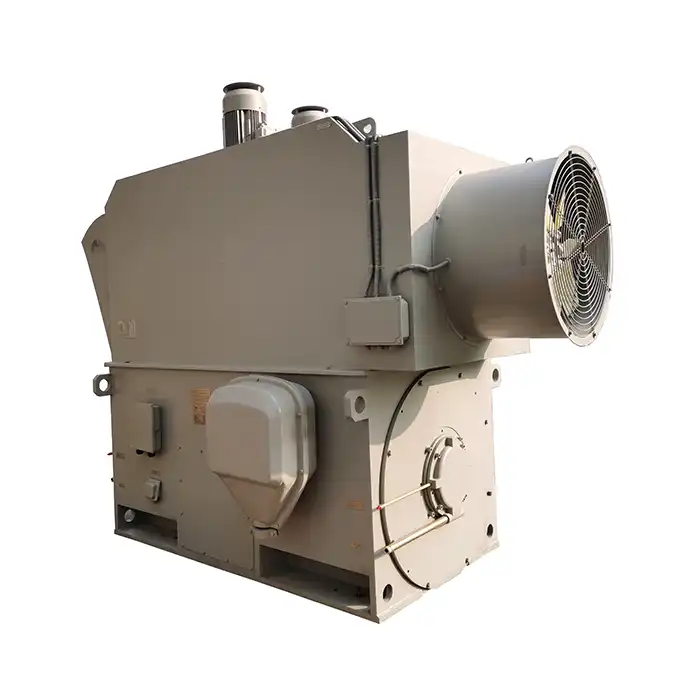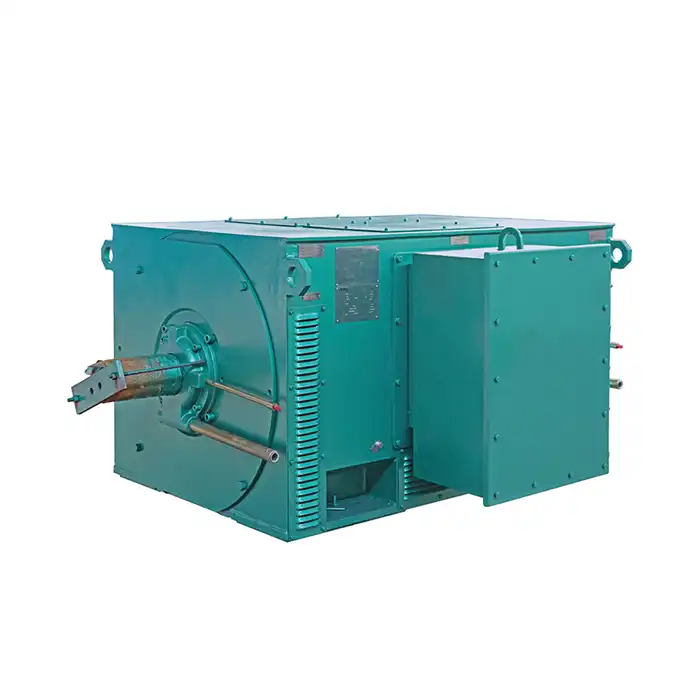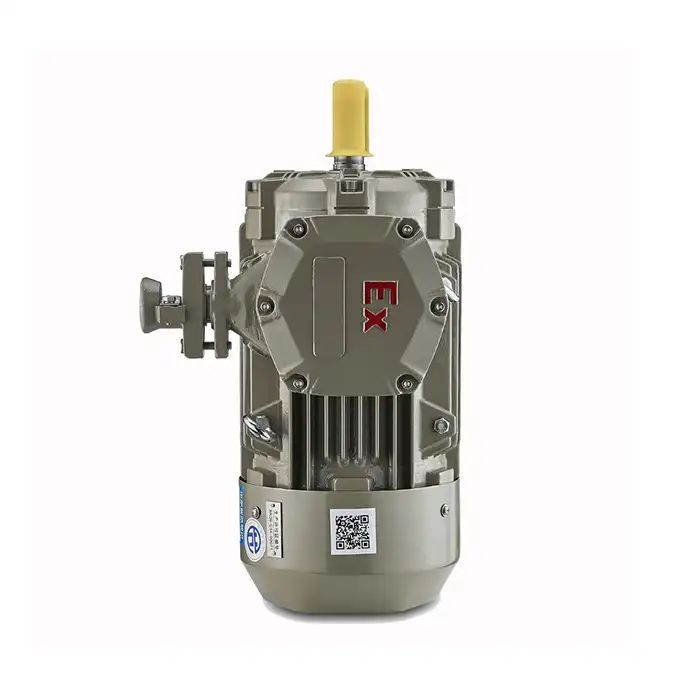




Best Vertical Pump Motor for Water Treatment Systems
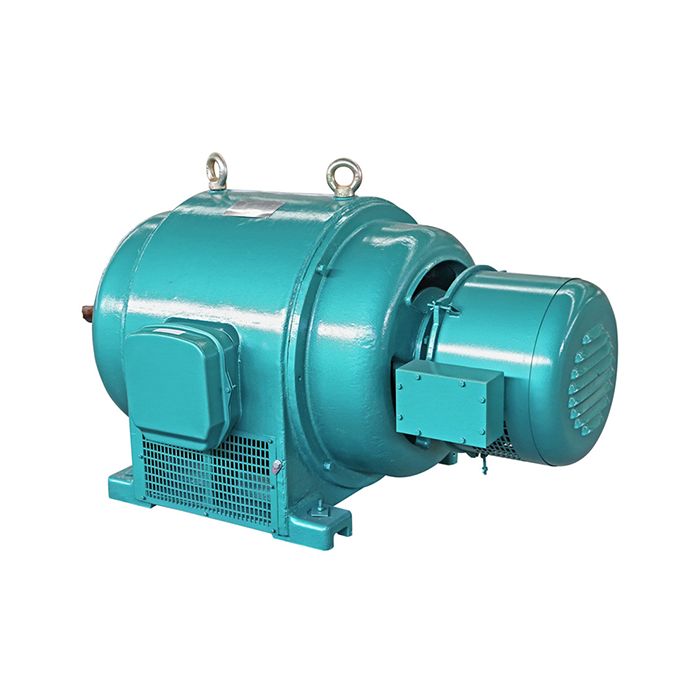
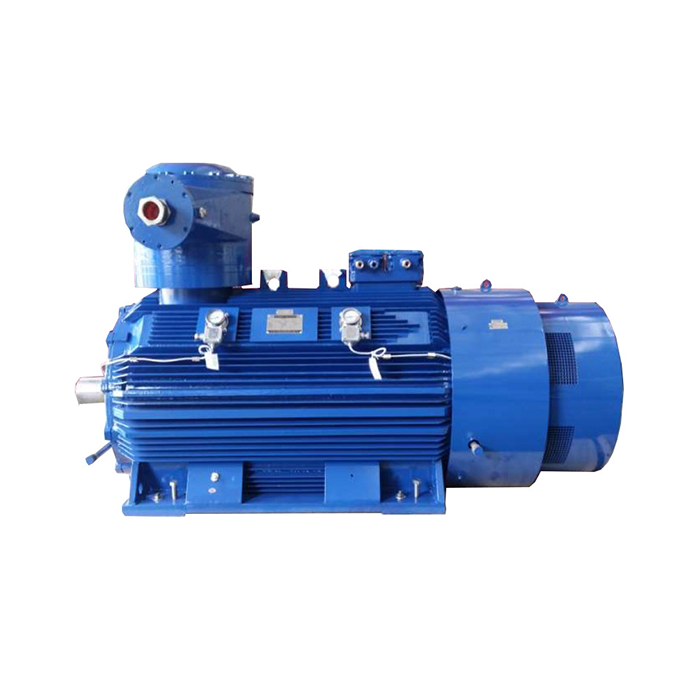
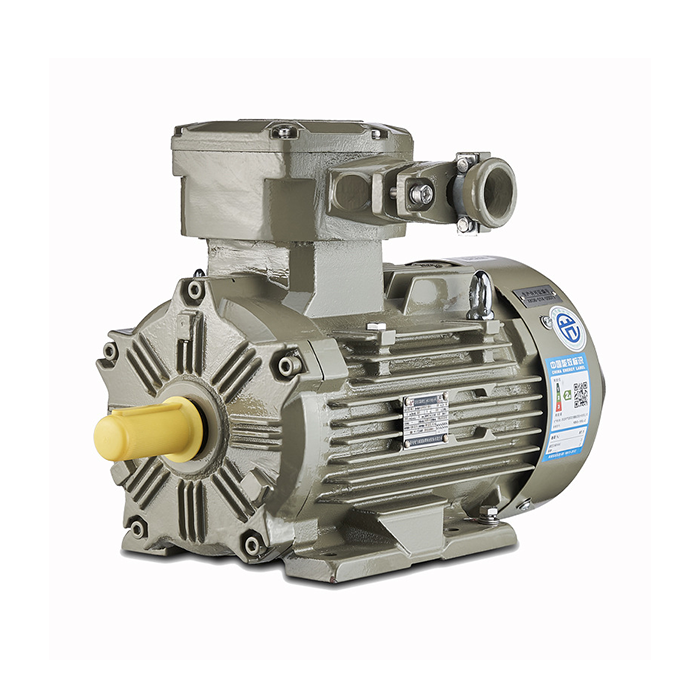
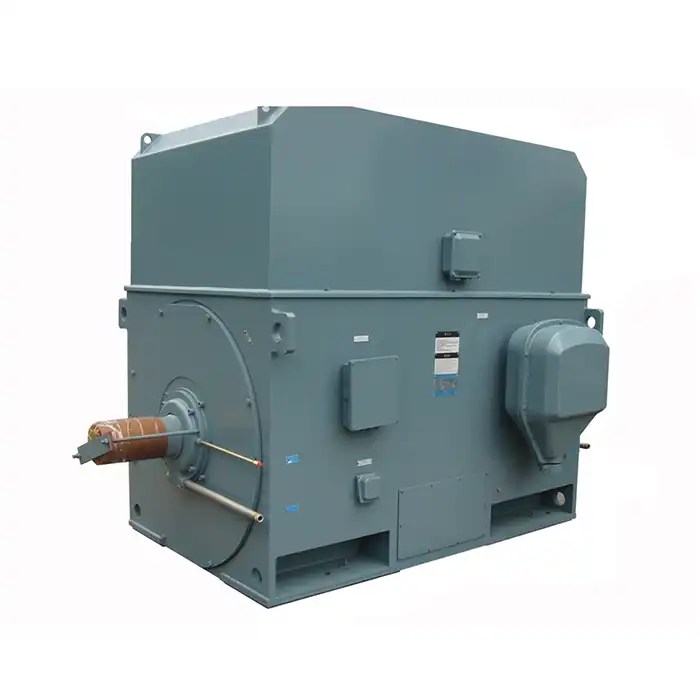
When professionals choose the best vertical water pump motor for water treatment systems, they need to think about how well it works, how reliable it is, and how safe it is for the environment. A vertical water pump motor stands upright and works. It makes the best use of space and consistently delivers hydraulic performance in urban, industrial, and agricultural settings. There are materials in these motors that don't rust so they will last a long time. Since they can go from 5Hz to 100Hz in frequency and from 0.75kW to 355kW in power, they can handle a lot of different pumping needs in tough water treatment environments.

Series:YVFE2
Frequency conversion range:30hz~50hz,5hz~70hz,5hz~100hz
Power range:0.75-355kW
Protection level:IP55
Application:are suitable for driving various mechanical equipment that require continuous and frequent forward and reverse rotation, such as steel rolling, lifting, transportation, machine tools, printing and dyeing, papermaking, chemicals, textiles, pharmaceuticals, etc., and can be used with various domestic and foreign variable frequency power supplies.
Advantage:high efficiency, wide speed range, high precision, stable operation, and easy operation and maintenance.
Certificate:installation dimensions comply with International Electrotechnical Commission (IEC) standards.
Others: SKF, NSK, FAG bearings can be replaced according to customer requirements.
Understanding Vertical Pump Motors for Water Treatment Systems
Every day, millions of gallons of water are moved, filtered, and sent to different places in water treatment plants using specialized pumping equipment. A vertical water pump motor is an important part of this system because it is designed to handle the unique needs of moving liquids in deep and tight spaces.
Core Components and Working Principles
A vertical water pump motor is built with copper windings using Class F insulation rated up to 155°C, ensuring reliable thermal performance. The rotor is precisely balanced and connected to a vertical shaft driving a submerged impeller, enabling compact installation in confined spaces. Powered by three-phase supply (380–660V), the motor often works with variable frequency drives that adjust speed from 30Hz to 100Hz. This allows accurate flow control without throttling, improving efficiency, reducing energy loss, and supporting flexible hydraulic system operation across different applications.
Motor Types for Different Water Treatment Applications
Water treatment systems use different motor configurations based on installation environments. Dry pit systems separate motor and pump to protect against liquid exposure and simplify maintenance. Wet pit motors with IP55 sealing allow temporary submersion and support variable-speed operation for real-time flow adjustment. Canned motors eliminate external seals, making them ideal for corrosive environments such as wastewater or desalination plants. These configurations ensure adaptability across harsh chemical conditions while maintaining operational reliability, sealing integrity, and long-term performance in industrial and municipal water systems.
Material Selection for Harsh Environments
Vertical water pump motors operate in chemically aggressive and humid environments, requiring durable construction. Cast iron frames provide strength and corrosion resistance, ensuring long service life under harsh conditions. Sealed bearings from SKF, NSK, or FAG prevent contamination from particles and moisture, improving reliability. Thermal protection systems continuously monitor winding temperature to prevent overload damage. This multi-layer protection ensures stable operation even under sudden flow changes or solid-laden fluids, maintaining performance consistency and reducing failure risk in demanding industrial water treatment applications.
Advantages in Municipal and Industrial Applications
Vertical pump motors offer space-saving installation advantages, especially in upgraded facilities where horizontal systems are impractical. Direct-coupled shafts eliminate alignment issues, reducing vibration and mechanical wear. Maintenance is simplified since servicing does not require dismantling pipelines. Energy efficiency is critical in continuous 24/7 water treatment systems, and IEC-compliant designs minimize electrical losses. Soft-start technologies such as DOL and Star-Delta reduce startup stress and current surges. These advantages make vertical motors highly suitable for municipal and industrial continuous-duty water operations.
How to Choose the Best Vertical Pump Motor for Water Treatment Systems?
It is important to think about the hydraulic needs, the working conditions, and the project's goals in order to choose the right vertical water pump motor. The total cost of ownership includes the purchase price, the amount of energy used, the need for maintenance, and the expected service life. People who work in procurement have to weigh the technical performance against this.
Assessing Critical Performance Parameters
The choice of motor is based on the flow rate and head needs. A municipal water treatment plant that deals with 5 million gallons of water every day has different needs than an irrigation system for crops that are only used during certain times of the year. The static lift, the friction losses, and the pressure needs at discharge must all be added up to get the total dynamic head. What about the motor power output? The YVFE2 series has a range from 0.55kW to 315kW, so it can be used for anything from small lift stations to large treatment plant main pumps.
Key Performance Metrics and Certifications
Energy efficiency directly affects operating cost in water systems. Variable frequency capability allows vertical pump motors to adjust speed dynamically, improving efficiency under changing load conditions. Frequency ranges from 5Hz to 100Hz enable precise flow control. Balanced rotor design reduces vibration, while cast iron housing minimizes noise. IP55 protection ensures safe operation in humid environments. These features collectively improve system reliability, reduce energy waste, and enhance performance consistency in demanding municipal and industrial water treatment applications.
Evaluating Construction Quality and Reliability
Motor reliability depends on engineering precision and material quality. Advanced design tools like CFD and electromagnetic simulation optimize performance before production. Certified suppliers ensure consistent copper purity and casting quality. Assembly processes follow strict documentation, with automated systems verifying winding accuracy and insulation thickness. Precision machining ensures correct shaft alignment and bearing fit. Final testing includes insulation resistance, no-load current, and load simulation to guarantee stable operation, ensuring high reliability in long-term water treatment applications.
Application-Specific Recommendations
Water treatment applications require different motor configurations based on duty cycles. Municipal systems need continuous S1-rated motors sized for peak demand, while irrigation systems prioritize seasonal efficiency. Industrial wastewater systems require start-stop capability and thermal resilience. Agricultural applications demand reliability during peak seasons and adaptability to rural voltage conditions. Multi-pole motor designs and variable frequency control improve flexibility, reduce energy consumption, and ensure stable performance across diverse environmental and operational requirements in global water infrastructure systems.
Installation, Maintenance, and Troubleshooting of Vertical Pump Motors
Installation is the first step in making a vertical water pump motor work well for a long time. If the way the motor is mounted makes it hard to line up or puts stress on the parts, even the best motor won't work as well. Maintenance plans need to strike a balance between routine checks and being able to do the job. Troubleshooting skills should help keep downtime from happening when it's not supposed to.
Installation Best Practices
Make sure the base is solid before you start the installation. The surface that holds the motor in place must be strong enough to hold its weight and operational forces without giving way. Fill in the gaps between the plates with a non-shrink compound. Wait for it to dry completely before adding the mechanical parts. To make sure the shaft is straight, use the dial indicators on the coupling flanges. If the misalignment is greater than 0.05 mm for every 100 mm of coupling diameter, the bearings will be under too much stress and wear out too quickly.
Routine Maintenance Procedures
A great support arrange expands engine life and avoids startling disappointments. Day by day reviews offer assistance distinguish oil spills, unusual clamor, or over the top vibration early. Cover resistance ought to be tried month to month utilizing a megohmmeter, guaranteeing winding security. If readings drop underneath 1 megohm per kilovolt, remedial activity is required. Bearing grease depends on working conditions, utilization, and environment. Fixed heading decrease upkeep needs, but cruel situations require closer consideration. High-quality lithium-based oils guarantee steady grease, supporting SKF, NSK, and FAG orientation beneath temperature and dampness push conditions.
Troubleshooting Common Operational Issues
Unusual commotion frequently shows mechanical disappointment requiring prompt consideration. Bearing harm produces crushing sounds, whereas misaligned couplings make cadenced thumping. Electrical lopsidedness or winding flaws may cause fluctuating murmuring sounds beneath stack. Determination ought to incorporate separating framework loads and watching behavior amid no-load operation. Electrical issues such as over-burden trips or blown wires can anticipate startup. Voltage awkwardness, blocked cooling ways, or cover corruption may cause overheating. Execution decrease is distinguished through diminished stream or higher vitality utilize, frequently connected to impeller wear or pressure driven blockage or maybe than engine failure.
Energy Efficiency and Performance Optimization in Vertical Pump Motors
The main cost of having a water treatment pumping system is the electricity it needs to run. To keep a 100kW vertical water pump motor running all the time, it needs 876,000 kWh of electricity every year, which costs $87,600 at $0.10 per kWh. Small changes that make things more efficient can save a lot of money and protect the environment by cutting down on the need to make new power plants.
Identifying Performance Bottlenecks
Energy reviews offer assistance recognize wasteful aspects in pumping frameworks by analyzing control utilization, control calculate, and consonant mutilation. Comparing real vitality utilize with anticipated pressure driven yield uncovers execution crevices. Curiously large engines habitually work underneath ideal stack, decreasing proficiency. Mechanical misfortunes such as grinding, seal drag, and fan windage increment vitality utilization. Temperature rises over 20°C demonstrate oil or arrangement issues. Electrical misfortunes happen in windings and attractive centers due to resistance and flux variety. High-quality copper and electrical steel decrease misfortunes and progress generally framework efficiency.
Variable Speed Drive Implementation
Variable speed drives optimize pumping proficiency by altering engine speed to coordinate real-time request. Conventional throttle control squanders vitality, whereas VFD frameworks diminish utilization altogether. Speed alterations over 5Hz to 100Hz permit exact stream control and progressed framework responsiveness. Vitality investment funds can reach up to 40%, with payback periods beneath two a long time. Wide turndown proportions empower adaptable operation beneath fluctuating request. Warm assurance guarantees secure operation at moo speeds where cooling is diminished. This innovation upgrades effectiveness, decreases wear, and moves forward long-term framework reliability.
Real-World Efficiency Case Studies
In a U.S. civil framework, variable recurrence engines supplanted constant-speed pumps, altogether moving forward proficiency. Day by day water request changes already required energy-intensive equalization capacity. After establishment of VFD-controlled engines, yearly vitality utilization dropped by 420,000 kWh, sparing $35,700 yearly. Progressed stream control diminished mechanical stretch and support costs, expanding hardware life expectancy. In another mechanical application, six 75kW engines accomplished 38% vitality lessening after optimization. Variable speed control decreased superfluous runtime amid downtime, moving forward in general operational effectiveness and creating yearly investment funds of $41,000.
Where and How to Procure Vertical Pump Motors for Water Treatment Systems?
When you're buying something, you need to find a good balance between technical needs, delivery times, and total costs. It can be hard to buy an industrial vertical water pump motor, so it's important to carefully look at suppliers and know exactly what the application needs. Building relationships with reliable manufacturers guarantees that you will be able to get technical support for as long as the equipment is in use.
Identifying Qualified Suppliers
Reliable providers keep up certified quality frameworks such as ISO 9001:2015, guaranteeing steady generation and testing measures. CE and GOST certifications affirm compliance with worldwide security and execution controls. Specialized capability is similarly imperative, counting designing bolster for engine determination and framework plan. Providers ought to offer customization in voltage, materials, and mounting arrangements. Collaboration with application engineers guarantees redress integration into water treatment frameworks. Solid provider organizations move forward unwavering quality, diminish hazard, and guarantee long-term specialized back all through the hardware lifecycle.
Procurement Options and Customization
Bulk acquiring decreases taken a toll and progresses stock consistency in large-scale ventures. Standardized engine arrangements offer assistance disentangle save parts administration and diminish obtainment complexity. Customization permits adjustment to particular framework prerequisites, counting mounting sorts, voltage alterations, and bearing updates. High-quality components such as SKF, NSK, or FAG orientation move forward toughness and decrease support recurrence. Generation lead times run from four to eight weeks depending on customization level. Early coordination of determinations guarantees exact conveyance plans and minimizes extend delays or startling costs.
Evaluating Total Cost of Ownership
Motor ownership costs far exceed purchase price, with energy use, maintenance, and repairs adding up. High-quality motors with sealed bearings and thermal protection reduce downtime, maintenance, and long-term expenses. Warranty coverage and support after the sale protect you from problems that come up out of the blue and help you with setup and use. When you buy one of our products, we'll replace any parts that break too soon or have problems with the way they were made. When customers email xcmotors@163.com for technical support, they are connected with engineering staff who can figure out what's wrong and suggest ways to fix it. This keeps productivity high and downtime to a minimum.
Conclusion
You should think about how it will be used, how much it will cost in the long run, and its technical specs to find the best vertical water pump motor for water treatment systems. Motors have to be able to reliably handle a lot of different situations, from factories cleaning up waste water to cities getting water. Our YVFE2 series is made to last and has a high-efficiency design that lets you change the frequency to meet these strict needs. The procurement team picks equipment that works well and has the lowest total cost of ownership over a long period of time. They do this by looking at things like flow rates, environmental conditions, and energy use.
FAQ
1. What factors most significantly influence vertical water pump motor energy efficiency?
Vertical water pump motor efficiency is mainly influenced by electromagnetic design, load level, and speed control strategy. High-quality copper windings and optimized stator design reduce electrical losses. Motors perform best near rated load, while partial load increases waste. Variable frequency drives adjust speed to match demand, reducing energy loss compared with constant-speed operation and mechanical throttling.
2. How frequently should vertical pump motors undergo maintenance inspection?
Maintenance frequency depends on operating conditions and duty intensity. Daily inspections help detect leaks and abnormal noise early. Monthly inspections focus on vibration, bearing temperature, and insulation resistance. Annual maintenance includes lubrication, winding tests, and cooling system cleaning. Harsh environments such as high heat, corrosion, or continuous operation require more frequent inspections to ensure reliability and prevent unexpected failures.
3. Can existing motors be upgraded with variable speed drives?
Most existing motors can be upgraded with variable speed drives, but precautions are necessary. Low-speed operation may cause overheating due to reduced cooling airflow. Bearing and insulation upgrades may be required to handle electrical stress. Proper design is essential to avoid damage from high-frequency effects. Motors designed for wide frequency ranges (5Hz–100Hz) provide safer and more stable variable-speed performance.
Partner with XCMOTOR for Reliable Vertical Water Pump Motor Solutions
XCMOTOR has engineered pumping solutions with our full line of vertical water pump motor products made just for water treatment uses. Your business will have the dependability and flexibility it needs with our YVFE2 series, which has power ranges from 0.55kW to 315kW and frequency changes from 5Hz to 100Hz. Water treatment infrastructure is very important, and we want to help you succeed by giving you fast delivery, dedicated technical support on the weekends, and a 30-day return policy that makes sure you are happy with everything. Shaanxi Qihe Xicheng Electromechanical Equipment Co., Ltd. is a well-known company that makes vertical water pump motor products. They have great customer service and make great products. ISO 9001:2015 certifies our production methods to make sure quality is always the same, and CE and GOST certifications certify that they meet international standards. You can get in touch with our engineering team at xcmotors@163.com to talk about your needs. You can choose the best motor with our help by getting full specs, fair prices, and expert technical advice.
References
1. Hydraulic Institute. Pump Standards for Vertical Pump Construction and Performance. Parsippany: Hydraulic Institute Publications, 2021.
2. International Electrotechnical Commission. Rotating Electrical Machines - Part 1: Rating and Performance. IEC 60034-1 Standard, 2020.
3. American Water Works Association. Electric Motors and Motor Controls for Water Treatment Applications. Denver: AWWA Technical Publications, 2019.
4. Karassik, Igor J., et al. Pump Handbook: Vertical Pumps and Motors. Fourth Edition. New York: McGraw-Hill Professional, 2018.
5. Water Environment Federation. Energy Efficiency in Wastewater Treatment: Variable Frequency Drives and Motor Optimization. Alexandria: WEF Press, 2020.
6. National Electrical Manufacturers Association. Motor Efficiency Standards and Variable Speed Drive Applications in Water Systems. NEMA MG-1 Reference Guide, 2022.