



5HP 3 Phase Induction Motors: Specifications, Applications, and Buying Guide for Manufacturing
When looking at industrial motor options, the 5hp 3 phase induction motor stands out as a solid machine that can be used in a variety of settings. These motors keep up with energy saving standards that are important for modern processes while still providing steady power to pumps, compressors, conveyors, and fans. At XCMOTOR, we've seen how makers choose three-phase motors based on how long they last, how well they handle heat, and how well they start up. When procurement teams understand these technical details, they can make better decisions that cut costs and make tools last longer.
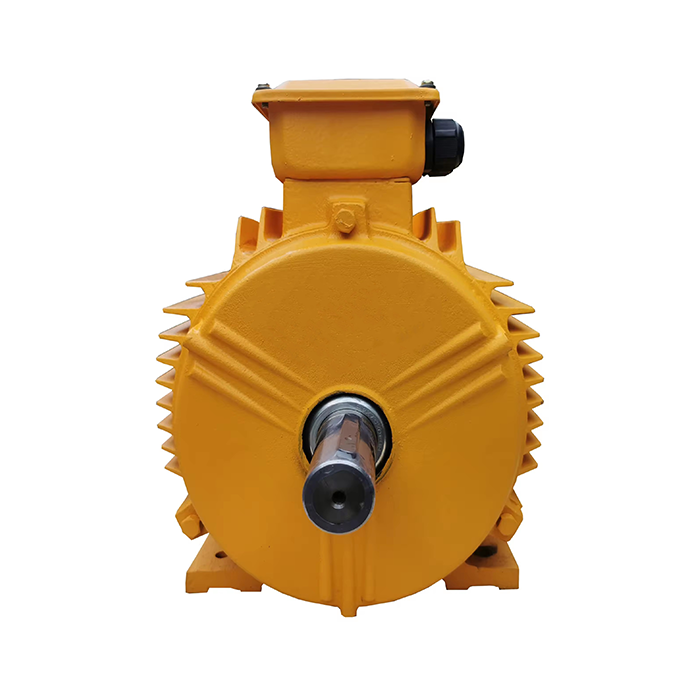
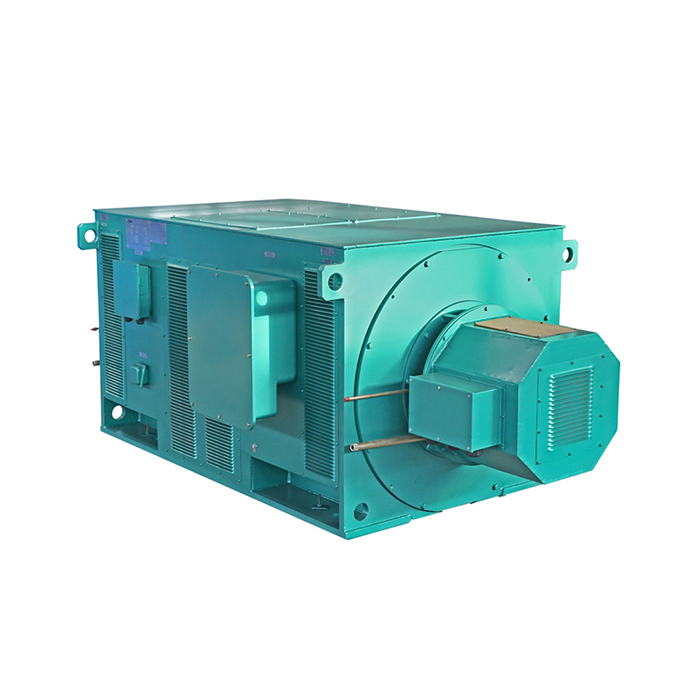
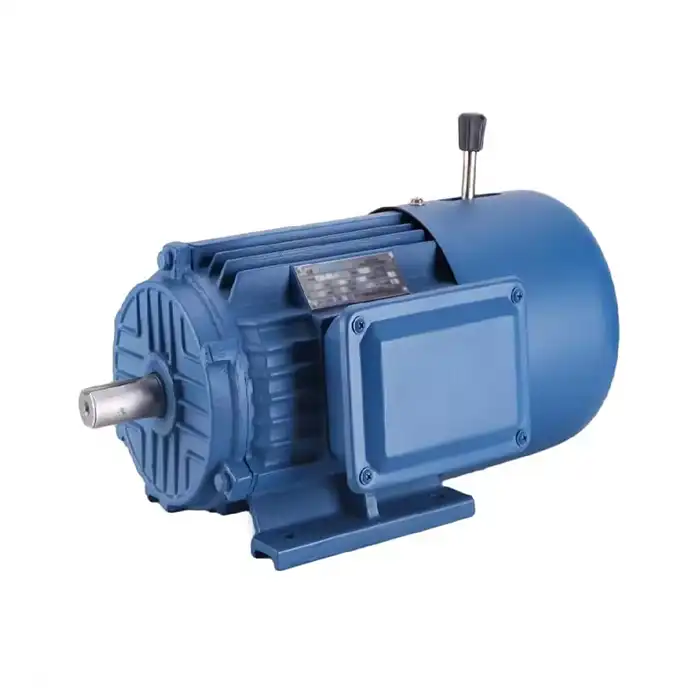
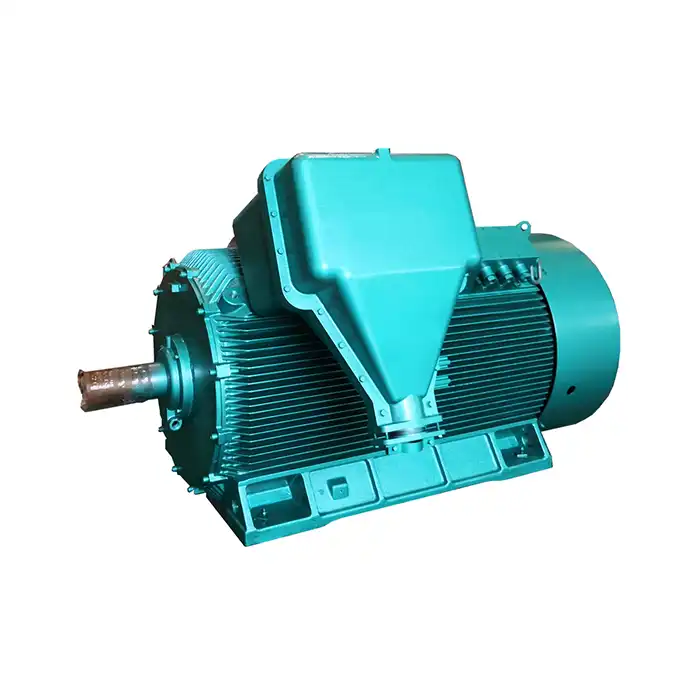
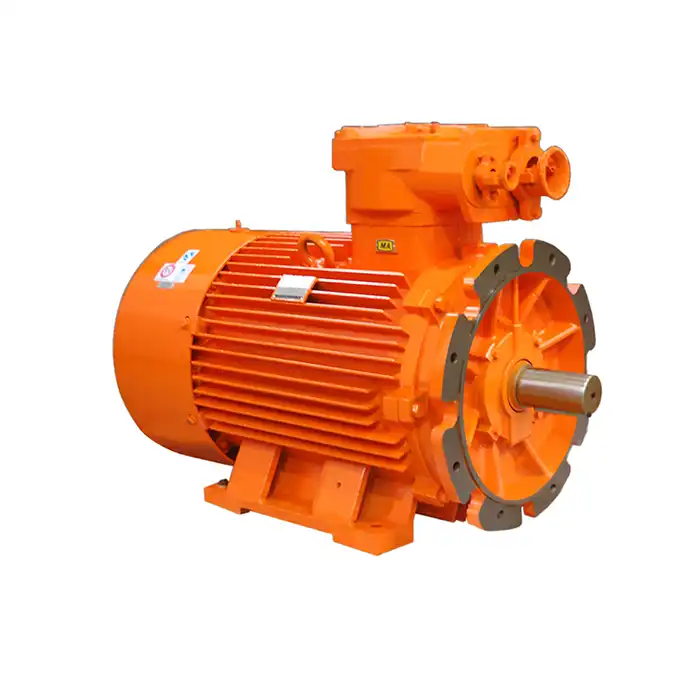
Series:YE5
Frame number: 80-450
Power range:
Protection level:IP55
Energy efficiency class: IE5
Voltage range: 380V,400V,415V, 660V,etc.
Application:can be used in various fields of the national economy, such as machine tools,water pumps,fans,compressors,and can also be used in transportation, mixing, printing, agricultural machinery, food and other occasions that do not contain flammable, explosive or corrosive gases.
Certificate: international standard IEC60034-30 "Efficiency Classification of Single-speed Three-Phase Squirrel Cage Induction Motors".
Advantage:The high quality of the electric motor guarantees high operational reliability.
Others: SKF, NSK, FAG bearings can be replaced according to customer requirements.
Understanding 5HP 3 Phase Induction Motors: Working Principles & Key Specs
How Three-Phase Induction Motors Generate Torque
The stator and rotor of a three-phase induction motor combine electromagnetically to make the motor work. When alternating current runs through the stator windings, it makes a magnetic field that spins and makes current flow through the rotor wires. Its own magnetic field is created by this generated current, which creates torque that turns the shaft. Because this design is so simple, it doesn't need brushes or commutators, which makes it much easier to maintain. Manufacturers gain from this toughness, especially in continuous-duty situations where the costs of downtime add up quickly.
Critical Specifications for Manufacturing Applications
Voltage compatibility is still the most important thing to think about when choosing a 5hp 3 phase induction motor. Standard versions come in 380V, 400V, 415V, and 660V, so they can work with a wide range of power grids and industry norms. Our motors have frame sizes that range from 80 to 450, so they can be used with current equipment layouts. Between 500 and 3000 rpm, the speed rates make it easy to match the motor to the needs of the driven equipment, whether it's a low-speed compressor or a high-speed fan assembly.
Saving energy has a direct effect on your bottom line. IE5 high efficiency motors use less energy because they have improved silicon steel laminations and optimized copper windings that reduce electrical losses. Protection class IP55 barriers keep dust and water jets out, which is important for food processing plants, water treatment plants, and outdoor sites. Insulation class F winding protection can handle high temperatures in tough conditions, making the motor last longer than most other designs.
Starting Methods and Their Industrial Impact
Direct-On-Line starting is the easiest way to join because it applies full power to the motor terminals while it starts up. This method works well for tasks that have low drag loads and enough supply capacity. Star-Delta starting lowers inrush current by connecting the windings in a star shape at first and then switching to delta operation. This protects electrical infrastructure in places with limited supply capacity. Your choice will rely on the characteristics of the load, the limitations of the supply chain, and the need to keep output going.
Top Motor Features That Drive Manufacturing Performance
Modern three-phase motors are built with features that solve problems in the real world of industry. Knowing about these aspects helps you find solutions that meet business needs instead of general requirements. Among the main benefits that factories value most are the following:
1. Precision Die-Cast Frame Construction: The motors we make use of precise die-casting methods that make sure the dimensions are correct and the structure is strong. The cast iron frame doesn't shift when the temperature changes, and it does a great job of damping vibrations. This way of building makes walls that are all the same thickness, which better distributes heat and stops hotspots that damage wrapping insulation. When manufacturers have to work multiple shifts, they really like this temperature stability because it keeps performance constant over long run cycles.
2. Advanced Copper Winding Technology: Copper windings with a high conductivity reduce resistance losses and increase power output. The vacuum pressure impregnation process protects the windings from water, chemical vapors, and airborne contaminants that are typical in industrial settings. This process gets rid of air spots that weaken the dielectric, which makes the motor last a lot longer in tough conditions. Our tests show that after 10,000 hours of use in tough conditions, VPI-treated motors still have insulation resistance values that are 40% higher than regular motors.
3. Dynamic Rotor Balancing: To meet ISO G6.3 guidelines, each rotor goes through computer-controlled dynamic balancing, which lowers the shaking amplitudes to less than 1.8 mm/s. This level of accuracy reduces bearing wear, increases the time between greasing, and stops noise from traveling through the structure. Facilities that use delicate electronics or processes that depend on quality benefit from lower vibration marks that could affect the regularity of products or the accuracy of measurements.
These engineering features have direct benefits for operations. When switching to precision-balanced 5hp 3 phase induction motors with the right enclosure security, manufacturing managers say that repair work is cut by 15 to 20 percent and bearings last 30 percent longer.
Quality Assurance That Builds Confidence
Before it is shipped, every motor goes through a series of thorough tests. We check the magnetic balance with no load tests, the starting torque with locked-rotor tests, and the durability runs with full load that mimic real-world conditions. High-potential testing makes sure that the insulation is still good at voltages higher than the operating levels allowed by IEC60034-30 standards. This system for approval makes sure that our motors meet international efficiency classifications, which helps you meet your goals for reporting on sustainability and following the rules.
Comparing Three-Phase Motors Against Alternative Configurations
Three-Phase Versus Single-Phase Industrial Motors
To make phase displacement for beginning power, single-phase motors need either starting capacitors or extra windings. Compared to three-phase systems, this one is less reliable and efficient because it has more parts. There is less pulsing in the 5hp 3 phase induction motor's power output, which means that single-phase equipment doesn't vibrate as much. When you use three phases, the power factor usually goes up, which means that your energy bills will have less reactive power charges.
In manufacturing settings where three-phase distribution equipment is already in place, installation is immediately easier. It's still easy to connect, and the voltage balance across phases stops the temperature mismatch that happens in single-phase motors when they're close to their capacity limits. If your building continuously processes materials or uses precise machinery, you have to have the benefits of three-phase power quality.
Energy Efficiency and Total Cost of Ownership
The IE5 efficiency requirements are the highest level of performance that is accepted around the world. Motors that fit this category turn electrical input into mechanical output with very little heat loss. Over the usual 15-year life of a motor, energy costs are 10 to 20 times higher than the original cost of buying the motor. When you switch to premium efficiency motors from IE3 standard efficiency options, you save 8–12% on kilowatt-hours.
Compare your local energy rates to efficiency gains to figure out how long it will take to get your money back. When older motors are replaced during regular repair cycles, most factories see a return on their investment in 18 to 24 months. Running motors cooler not only saves energy but also increases the life of bearing grease, lowers the load on the cooling system, and lowers the risk of fire in sealed setups.
Torque Characteristics for Heavy Manufacturing Loads
If a motor can consistently speed up high-inertia loads like big fans, loaded conveyors, or reciprocating compressors, it depends on how much starting power it has. When our motors start up, they produce 200 to 250 percent of their maximum power. This is enough to overcome static friction and smoothly speed up loads. Pull-up power stays above 180% during acceleration, which keeps the motor from stopping in situations where the load slope is not linear.
Breakdown torque is more than 300% of maximum torque, which means it can handle a lot of extra torque during short periods of time. This extra space keeps the motor safe from process upsets, material jams, or voltage drops that could otherwise trip the safety devices. This torque reserve is especially helpful for pump uses when switching between valves or working with thick fluids that cause brief loading spikes.
Procurement Guide: Sourcing Quality Motors for Industrial Operations
Identifying Reliable Suppliers and Manufacturers
Evaluating suppliers is the first step to successful buying. Don't just look at the price quotes; also check out the expert help, inventory, and service networks after the sale. Established providers have application engineering teams that help with choosing the right motor, figuring out how to place it, and meeting environmental protection standards. This knowledge is very helpful when changing common 5hp 3 phase induction motors to fit specific fitting requirements.
Ask for proof that you are following foreign standards. European safety law compliance is shown by CE approval, and quality management system maturity is shown by ISO 9001:2015 registration. GOST certification makes it easier to sell tools in controlled markets that have strict approval rules. These qualifications show that the provider is committed to quality control in more ways than just making things.
Customization Options That Solve Specific Challenges
Standard stock motors work well for 80% of industrial tasks, but in some cases they need to be changed. Our technical team can work with different voltage needs, longer shaft configurations, unique mounting arrangements, and different bearing choices. When better performance is needed because of high temperatures, dirty surroundings, or precise tasks, premium bearing names like SKF, NSK, and FAG are used instead of standard parts.
Adding a gearbox to a motor turns it into a smaller unit, which makes installation easier and alignment upkeep less frequent. Custom placement of terminal boxes allows for tight machinery plans, and special paint finishes protect against chemical exposure in process industries. Talk about these choices early on in the buying process to avoid delays in delivery or extra costs for making changes in the field.
Evaluating Warranty Terms and Technical Support
Full guarantees protect your investment and show that the company that made the product is confident in its reliability. The standard guarantee covers the product for 12 to 18 months after it is put into service or 24 months after it was shipped, whichever comes first. Extended warranty plans are good for important uses where the cost of replacing is higher than the extra. Carefully look over the exemptions, especially the ones that deal with the environment, the quality of the power supply, and maintenance compliance.
How quickly technical help responds affects how long downtime lasts when problems need to be fixed. Suppliers that give support on the weekends, online diagnostics help, and fast sending of parts keep production interruptions to a minimum. Think about where your suppliers are located in relation to your facilities. Regional distribution centers can send emergency parts the same day, which isn't possible with centralized stores.
Maintenance and Troubleshooting: Protecting Your Motor Investment
Preventative Maintenance Schedules That Extend Service Life
Regular inspections keep small problems from getting worse and leading to major breakdowns. Visual checks done once a month find any loose connections, broken mounting bolts, or strange noise or sound patterns. Every three months, thermal imaging scans look for hotspots that could mean an electrical imbalance, worn bearings, or a blockage in the flow of air. Lubricating bearings once a year with greases recommended by the maker keeps the film thickness at the right level, though working conditions may require shorter intervals.
Testing the resistance of winding insulation once a year with megohm meters shows that it is breaking down before it fails. During testing, take standard measurements to find trends. This will help you find 5hp 3 phase induction motors that need fixing before the insulation breaks down and they need to be replaced right away. Using handheld tools or fixed tracking systems for vibration analysis can find problems with bearings, rotor imbalance, or misalignment early enough for planned repairs.
Common Issues and Practical Solutions
Overheating usually happens when air flow is blocked, the temperature inside the system rises, or the power isn't balanced. In dusty places, clean the cooling air ducts every three months, check the direction of the fan's rotation, and measure the source voltage across all three stages. When the imbalance is more than 2%, negative-sequence currents flow through the windings and heat them up. Fixing problems with the supply saves both the motors and the equipment further downstream.
Bearing wear, mounting looseness, or problems with driven equipment can all be signs of too much vibration. Separate vibrations that come from the motor from those that are transmitted by running the motors without them when it is safe to do so. Replace old bearings quickly and follow the right installation steps—60% of early bearing failures are caused by contamination during installation. Keep the line within the connection manufacturer's limits to keep the shaft from being loaded, which speeds up the wear and tear on the bearings.
Insulation breakdown, wetness getting in, or electrical surges can cause windings to fail. Voltage spikes caused by lightning, switching processes, or changing frequency drives can be lessened by surge protectors. Properly compressing the gasket and closing the wire glands will keep the enclosure's integrity. In humid places, space heaters keep insulation from condensing when the building is not being used. This keeps the insulation's strength during storage or yearly breaks.
Cost-Effective Strategies for Operational Reliability
Keeping important spare parts like bearings, terminal connections, and mounting tools on hand cuts down on emergency purchase delays. Rotating parts between motors that are exactly the same evens out wear and gives you quick repairs in case something goes wrong. Predictive maintenance programs find patterns of wear and tear, which changes maintenance from being reactive to planned maintenance windows that work with production plans.
Damage that could have been avoided can be avoided by teaching repair staff the right way to handle, store, and install motors. Common commissioning problems can be avoided by doing simple things like keeping motors in climate-controlled areas, turning shafts once a month while they are being stored for a long time, and checking the direction of rotation before coupling loads. These operating standards don't cost anything but make the fleet much more reliable.
Conclusion
To choose the right three-phase motor, you have to weigh the technical specs against how the motor will be used in real life. When properly specified and kept, the 5hp 3 phase induction motor has a history of reliability in a wide range of industrial settings. IE5 ratings for efficiency cut down on energy use, IP55 ratings for safety in industrial settings, and standard frame measurements make retrofits easier. A successful procurement process includes checking the credibility of the seller, being able to make changes, and getting strong help after the sale. By following preventative maintenance practices, you can protect your investment and get the most out of your production-critical apps.
FAQ
1. What voltage options work with North American power systems?
460V circuits are popular in North American factories and are used by standard three-phase motors. We also offer configurations with 380V, 400V, 415V, and 660V that meet foreign guidelines and specific needs. When normal products don't work with current infrastructure, custom voltage windings can be made to fit specific needs. Check the voltage and frequency at your location during the design process to make sure they are compatible.
2. How do premium efficiency ratings affect operating costs?
When compared to IE3 normal efficiency motors, IE5 motors use about 10% less energy. At $0.10 per kilowatt-hour and 4,000 hours of use per year, a 5hp 3 phase induction motor saves about $150 per year on energy costs. Over the life of 15 years, these saves add up to $2,250 per motor, which is a lot more than the extra efficiency upcharges. Payback times shorten even more when motors are bigger and power costs more.
3. Can I replace existing motors with higher efficiency models?
Standardizing frame sizes makes straight repair possible in most situations. Make sure that the attachment measurements, shaft height, and shaft diameter are the same as those on other motors. Check the electrical specs, like the full-load current, to make sure that the power wires and safety devices are still the right size. A little more economy might lower the working current, but the starting current stays the same.
Partner With XCMOTOR for Your Industrial Motor Solutions
Shaanxi Qihe Xicheng Electromechanical Equipment Co., Ltd. works with factories that need solid three-phase motor solutions backed by technical know-how. We offer competitive prices on our 5hp 3 phase induction motors for sale and offer application engineering help to make it easier to specify and install. We keep goods on hand so that items can be shipped right away, and we can also make changes to meet specific needs.
Email our team at xcmotors@163.com to talk about the details of your application. We help you choose the right motor, answer your technical questions, and give you low prices for both single units and large orders. Support that is available on the weekends makes sure that your questions are answered quickly, no matter what time the production is. Visit motorxc.com to see all of our products and get access to detailed information that will help you make smart buying choices. Our 30-day return policy and dedicated support team show that we care about customer happiness beyond the original sale.
References
1. National Electrical Manufacturers Association. "NEMA Standards Publication MG 1-2021: Motors and Generators." Rosslyn, VA: NEMA, 2021.
2. Chapman, Stephen J. "Electric Machinery Fundamentals, 5th Edition." New York: McGraw-Hill Education, 2012.
3. Bonnett, Austin H. and Soukup, George C. "Cause and Analysis of Stator and Rotor Failures in Three-Phase Squirrel-Cage Induction Motors." IEEE Transactions on Industry Applications, Vol. 28, No. 4, 1992.
4. International Electrotechnical Commission. "IEC 60034-30-1:2014 Rotating Electrical Machines - Part 30-1: Efficiency Classes of Line Operated AC Motors." Geneva: IEC, 2014.
5. De Almeida, Anibal T., Ferreira, Fernando J.T.E., and Fong, Jackson. "Standards for Efficiency of Electric Motors." IEEE Industry Applications Magazine, Vol. 17, No. 1, 2011.
6. Melfi, Michael J., Sung, Jim, Bell, Shawn, and Skibinski, Gary. "Effect of Surge Voltage Risetime on the Insulation of Low Voltage Machines Fed by PWM Converters." IEEE Transactions on Industry Applications, Vol. 34, No. 4, 1998.