



Why 4160V Motor Is Perfect for Oil, Gas, and Mining Industries
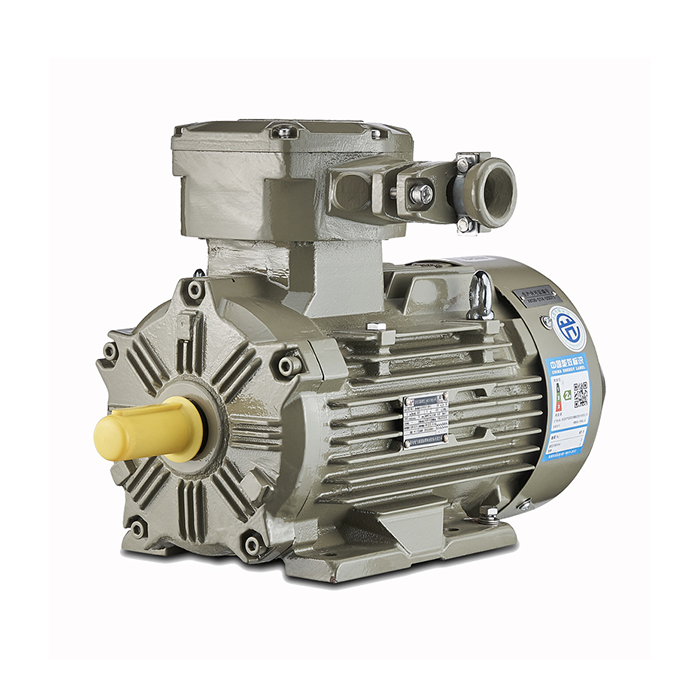
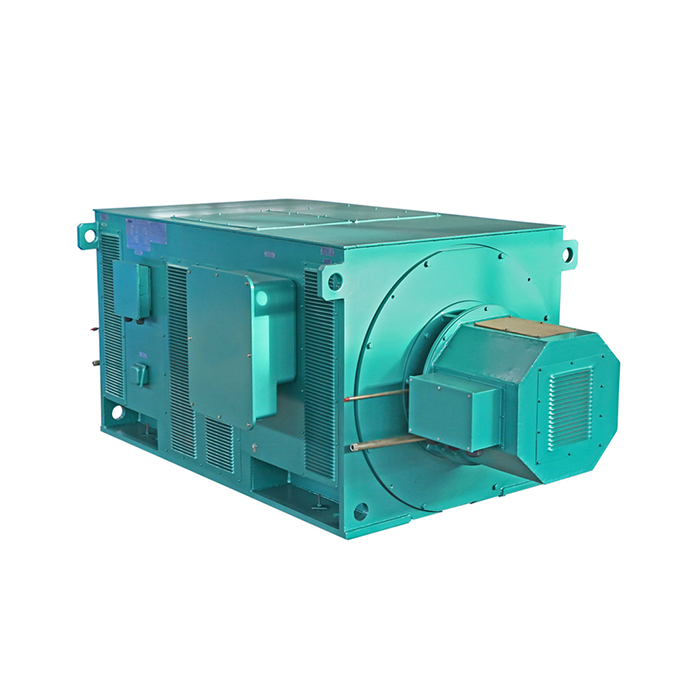
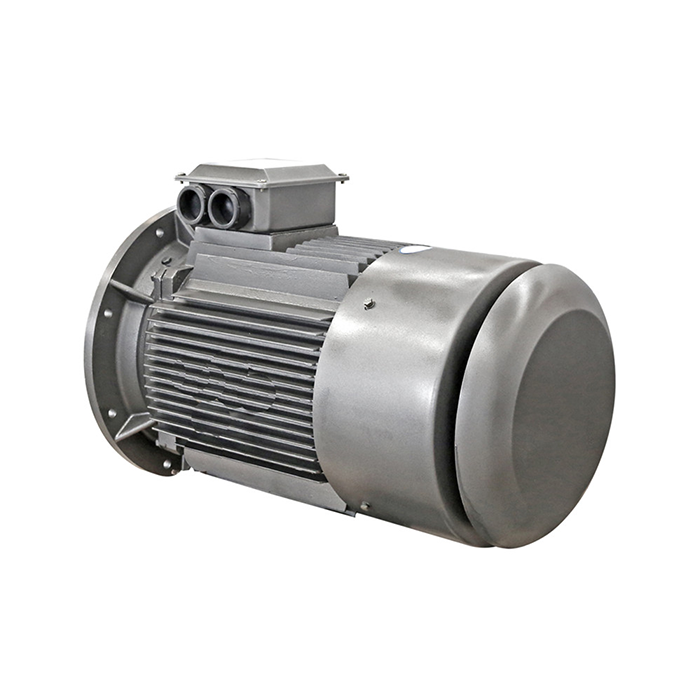
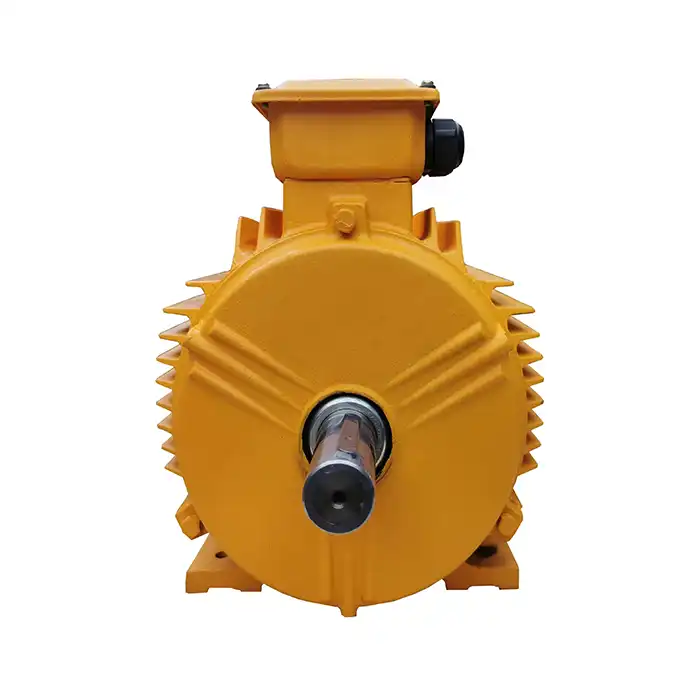
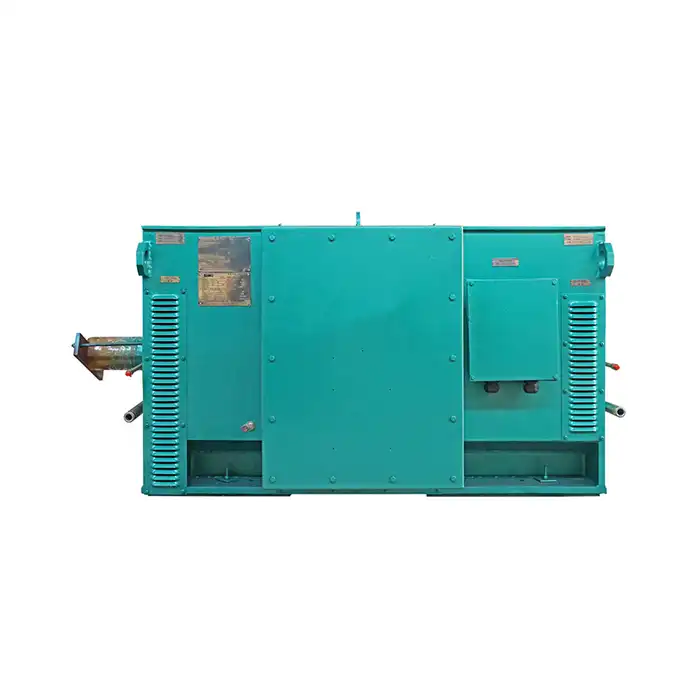
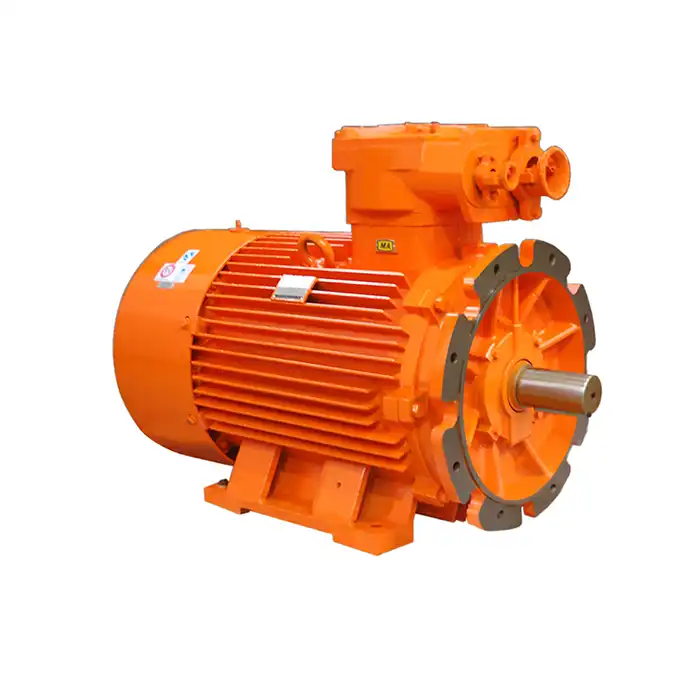
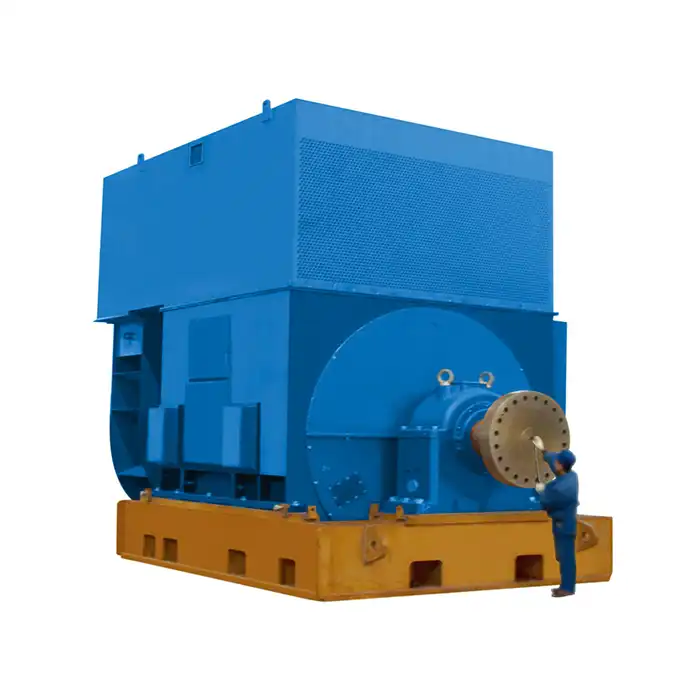
The 4160V motor is an important source of power for mining, oil, and gas industries that need to be reliable and work well in the harshest circumstances. These medium-voltage electric motors have a huge power output of 220 kW to 6300 kW. They are designed to work with heavy-duty equipment like breakers, compressors, water pumps, and extraction tools. Their strong design, which includes IP54 protection and high-quality bearings from SKF, NSK, or FAG, lets them work continuously in places with high or low temperatures, dust, water, and mechanical stress. Because they have a high starting torque, low vibration levels, and a long service life, they are a good investment that keeps costs low and increases operating efficiency in facilities that harvest and process resources.
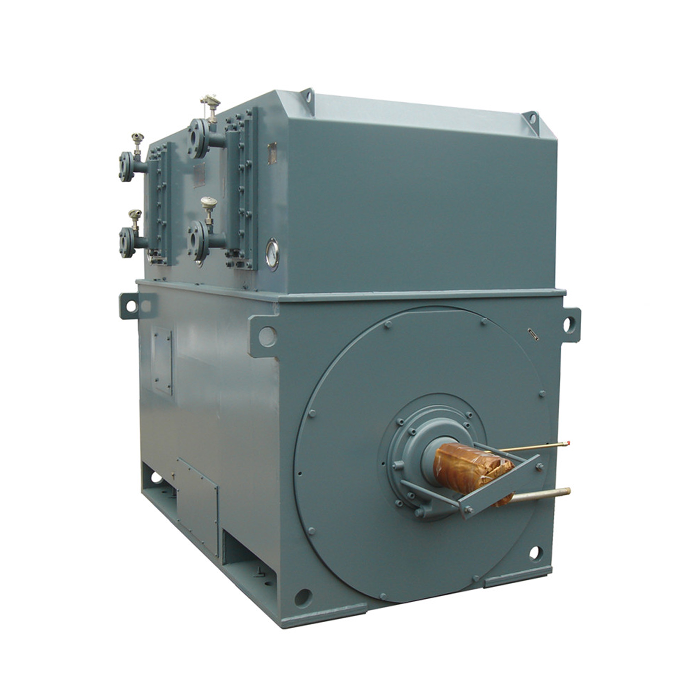
Series:YKS
Protection level:IP54
Voltage range:3000V±5%,3300V±5%,6000V±5%,6600V±5%,10000V±5%,11000V±5%
Power range:220-6300 kW
Application:fans, water pumps, compressors, crushers, cutting machine tools, transportation machinery, etc.
Advantage:low noise, low vibration, long service life, easy installation and maintenance.
Standard: This series of products complies withGB/T 1032 and GB/T 13957 standards.
Others: SKF, NSK, FAG bearings can be replaced according to customer requirements.
Introduction
When industry processes need to be reliable all the time in tough conditions, choosing the right motor voltage is a smart choice that affects safety, productivity, and profits. Oil extraction, natural gas processing, and mineral digging are all very hard jobs that need power tools that can keep running in harsh environments with changing temperatures, corrosive gases, and rough particles. Our research looks into why medium-voltage electrical systems, especially those that run at 4160V, have become the first choice for buying workers in these industries who are in charge of important infrastructure.
This detailed guide looks at technical requirements that set performance standards, the real-world benefits that are unique to the extractive industries, different voltage configurations, and methods that can be used to buy things. By knowing these things, engineering teams and buying departments can make smart choices that balance the costs of initial capital spending with the costs of long-term operations. This helps make industrial operations safer and more efficient.
Understanding the Fundamentals of 4160V Motors
Technical Specifications and Voltage Ratings
Medium-voltage motors that run at 4160V, such as the 4160V motor, are the best compromise between how efficiently they transmit power and how much equipment is needed. Our product line includes voltages from 3000V±5% to 11000V±5%, so it can work with a wide range of grid setups in different countries. The 50Hz frequency standard works with power delivery networks in most parts of the world, so it's easy to connect to current electrical systems.
With speeds ranging from 500 to 3000 RPM and power rates ranging from 220 kW to 6300 kW, these motors can be used in a wide range of mechanical uses. Insulation Class F construction with B temperature rise characteristics provides thermal stability during extended high-load operations. This stops windings from breaking down too soon, which shortens the life of the equipment. Meeting the requirements of GB/T 1032 and GB/T 13957 standards shows that you are following strict quality standards that are known across all industries.
Protective Features and Environmental Adaptability
The IP54 grade protects against solid particles entering and water spray from all directions. This is very important in mining settings where dust levels are high enough to be dangerous. Better types with IP55 protection are even more resistant to water jets, making them good for drilling platforms offshore and wash-down areas in processing plants. This environmental sealing works with the ICW37 cooling method, which keeps the machine running at its best temperature by moving air around efficiently, even when it's under heavy loads all the time.
Customers can choose premium bearing assemblies from SKF, NSK, or FAG based on their needs. These assemblies offer better load capacity and sound dampening than normal parts. These high-precision bearings make maintenance times much longer, which cuts down on the number of planned shutdowns that mess up production plans and income.
Why 4160V Motors Are Ideal for Oil, Gas, and Mining Industries
Construction Durability in Harsh Operating Environments
In extractive sectors, electrical equipment is put through conditions that quickly break down standard industrial motors. Offshore oil platforms subject equipment to air that is high in salt, which speeds up rusting. Underground mines create air that is thick with abrasive rock dust and mineral compounds that rust. Our motors are made of high-quality materials that were chosen to work well in these harsh conditions. They have protective coatings and tight casings that keep the electricity working properly for long periods of time.
Precision die-casting and advanced winding technology are used together to make motor housings and electrical parts that can withstand mechanical shock and constant shaking. These building methods get rid of possible weak spots that could make machines like rock crushers, slurry pumps, and drilling equipment less reliable in places where mechanical pressures are higher than those found in normal factories.
Energy Efficiency and Operational Cost Reduction
In resource mining activities that run around the clock, the cost of electricity is a high ongoing cost. When we build premium efficiency scores into our motor designs, energy costs go down a lot compared to older standard-efficiency units. This is because higher efficiency directly leads to lower running costs over decades of equipment life. These energy savings add up to a lot when dozens of motors are used at the same time in big systems.
In addition to lowering the cost of power directly, higher efficiency for a 4160V motor makes less waste heat, which means less cooling is needed and parts last longer. Lower working temperatures lessen the thermal stress on windings and insulation systems, which stops them from breaking down as quickly and needing expensive repair or rewinding. This thermal efficiency is especially useful in small areas, like underground mine shafts, where heat dissipation problems make work harder.
Comprehensive Comparison: 4160V Motor vs Alternative Options
Voltage Configuration Trade-offs
To choose the right motor power, you have to weigh a lot of technical and financial factors that are unique to each installation. Lower voltage systems that run at 480V have benefits like parts that are easier to find and less strict safety rules for electricity. This makes them good for smaller setups that need less than 200 kW of power. As power needs rise, these systems can't keep up because they need heavier conductors, which are too expensive to use over long lengths like those found in mine and pipeline work.
Medium-voltage setups at 4160V send power more efficiently over long cable runs. This lowers the cost of conductors and worries about voltage drop that hurts performance in big industrial buildings. The higher voltage lowers the flow of current needed to give the same amount of power. This lowers resistive losses and makes it possible to use smaller, less expensive wires. In large buildings with lots of motors that may be hundreds of meters away from distribution transformers, this infrastructure economy becomes even more important.
Higher voltage systems (6600V or 11000V) are used for tasks that need very high power outputs (more than 3000 kW), but they make switchgear, security systems, and maintenance safety routines more complicated. The amount of 4160V is perfect for most heavy industry uses because it provides enough power while keeping the infrastructure simple.
Total Cost of Ownership Considerations
When making decisions about what to buy, people who know that motors usually last 20 to 30 years know that the costs of running them over that time are much higher than the original cost of buying them. Even though they cost more, energy-efficient motors often give a better return on investment because they use less power, especially in continuous-duty uses. Lifecycle costs are found by looking at things like energy rates, the number of hours the equipment is used each year, the expected costs of upkeep, and records of how reliable the equipment is.
Our motors are both reasonably priced and very durable, so they save you money on both energy costs and repair costs. The features that make it easy to install and maintain cut down on the amount of work that needs to be done during commissioning and throughout the system's life. Additionally, the longer time between bearing replacements and regular checks lowers the cost of continued upkeep. Premium parts, like extra SKF, NSK, or FAG bearings, last longer before they need to be replaced, which cuts down on both the cost of parts and the time that production is stopped.
Procurement Guide for 4160V Motors in Global B2B Markets
Supplier Evaluation and Selection Criteria
Finding suppliers who can show they are technically competent, make good products, and provide solid customer service is the first step to successful buying. We at Shaanxi Qihe Xicheng Electromechanical Equipment Co., Ltd. offer a wide range of power equipment options and have a lot of experience working with heavy industry, energy services, industrial automation, and HVAC. Our dedication goes beyond just delivering equipment; it also includes expert advice, custom configuration design, and quick service after the sale to make sure that the equipment works at its best for as long as it's possible.
When looking at possible sources, you need to look at their manufacturing skills, quality certifications, and track records of working with similar projects in the past. ISO 9001:2015 approval shows that quality management methods are organized, and IEC 60034 compliance shows that international standards for motor performance and safety are being followed. These approvals give customers confidence that the goods they buy will always meet the requirements, even if the production schedule changes or the batches are different.
Customization and Technical Specifications
Standard store items don't usually meet all the specific needs that come up in different manufacturing settings. Our ability to provide unique solutions means that we can make 4160V motor designs that solve specific problems, such as those involving odd mounting arrangements, specialized shaft arrangements, better environmental protection, or connection with certain control systems. Technical advice from experts helps buying teams find the best specs that meet both performance and cost needs.
There should be clear information in the detailed design documents about the voltage needs, power levels, speed limits, duty cycles, environmental conditions, and any other features that are needed for integration to work. By giving detailed information about the application, tech teams can suggest the best configurations and spot any possible problems during the quotation process. This keeps customers from having to make expensive changes or deal with performance issues after delivery.
Logistics and Delivery Considerations
For international buying to work, the details of transporting heavy industrial equipment over long distances must be coordinated. Customized 4160V motors usually have lead times between 8 and 16 weeks, based on how complicated the specifications are and how busy the production schedules are at the moment. This means that you need to plan ahead to make sure that your project deadlines are met. To keep project delays to a minimum, our team plans shipping, which includes special handling, export paperwork, and delivery times.
Bulk buying programs can save you money on projects that need a lot of units because the prices you pay are lower, as they don't have to pay as much to make and ship each unit. Setting up framework deals for ongoing needs speeds up the buying process and gets better prices and earlier production scheduling. These deals are especially helpful for mining companies that want to increase their production capacity or oil and gas companies that want to build several sites that are similar.
Maximizing 4160V Motor Efficiency and Performance in Industrial Setups
Operational Optimization Strategies
To get the most out of your motor expenses, you need to pay attention to how they are installed, how they are used, and how they are maintained. When the 4160V motor and the equipment it drives are properly aligned, there is no extra mechanical stress that speeds up bearing wear and causes too much shaking. Laser alignment tools are used for precise alignment processes that make sure the load is distributed optimally and that mechanical friction losses are kept to a minimum.
The strength of the electrical source has a big effect on how well and how long a motor works. If the voltage difference is more than 1%, it lowers efficiency and causes uneven heating that damages the insulation on the windings. Also, harmonic distortion from non-linear loads causes more losses and mechanical shaking. Power quality tracking finds these problems so that they can be fixed. For example, better grounding, proper load distribution, or harmonic filtering can protect motor investments.
Predictive Maintenance and Performance Monitoring
Moving from reactive maintenance (fixing problems when they happen) to predictive maintenance (avoiding problems before they happen) has big practical benefits. Setting performance baselines during contracting gives you a way to track problems as they start to show signs of deterioration. Vibration analysis, thermal imaging, and electrical parameter tracking done on a regular basis can show patterns that point to bearing wear, insulation age, or mechanical problems before they become so bad that they stop production.
Putting these tracking methods into place doesn't have to involve buying expensive permanent equipment. Tracking the state of a 4160V motor effectively and affordably can be done by taking measurements on a regular basis using portable diagnostic tools during regular inspections. By collecting and studying this data, maintenance teams can plan their work to happen during planned shutdowns instead of having to deal with emergency problems that stop operations and need expensive, quick repairs.
Conclusion
Choosing the right motor voltage and specs is a big choice that will have long-lasting effects on how factories work. In oil, gas, and mining uses, 4160V motors are useful because they provide the best mix of power delivery, infrastructure efficiency, and operating reliability under tough conditions. Their strong design lets them work in corrosive and rough settings, and their consistent performance keeps important processes going. Energy-efficient features lower running costs by a large amount over longer service lives, and low vibration and noise levels show that the mechanical soundness is good, which means that less upkeep is needed. These motors provide reliable power conversion that is specifically designed for the needs of the resource extraction industries. They are used to power crushers that process mineral rock, compressors that handle natural gas, and pumps that move crude oil through pipes.
FAQ
1. What distinguishes 4160V motors from lower voltage 480V alternatives?
The main difference has to do with how efficiently power is sent and how much equipment is needed. Medium-voltage motors that run on 4160V can handle more power with less current flow than low-voltage motors that produce the same amount of mechanical output. Because the current is lower, the conductors can be smaller over long cable runs that are typical in big industrial buildings. This lowers the cost of installation and keeps the voltage drop to a minimum, which improves performance. For uses that need more than 500 kW, medium-voltage setups usually offer better overall costs. Lower voltage systems can still be used in smaller sites with short power needs and short distribution lengths.
2. How do I ensure compatibility with existing mining equipment?
When doing a compatibility review, the mechanical interface measurements, electrical properties, and control system integration needs are all looked at. Different mounting styles, like foot-mounted, flange-mounted, and vertical positions, must work with the supports that are already there or need to be changed. The driven equipment specs need to be compared to the shaft lengths, key configurations, and coupling standards. In terms of electricity, the source voltage, frequency, and usable fault current capacity must all be within the ratings written on the motor's nameplate. Control system compatibility relies on whether the current infrastructure uses direct online starting or variable frequency drives. The needed motor features and protection coordination are also different depending on the type of drive.
3. What maintenance intervals extend motor service life?
How often maintenance is done relies on how harsh the working environment is and how intense the job cycle is. Bearing lubrication usually needs to be done every 2,000 to 4,000 hours of operation, but in dirty settings, it needs to be done more often. Inspections should be done once a year to check the resistance of the winding insulation, the state of the bearings through sound analysis, the cleanliness of the cooling system, and the tightness of the electrical connections. Bearings usually need to be replaced every 40,000 to 60,000 hours of use, but this depends on the load and the quality of the grease. Keeping the cooling passages clean and making sure there is enough air flow stops thermal stress that speeds up the aging of insulation. In well-kept systems, this could mean that the winding lasts longer than 100,000 working hours.
Partner with XCMOTOR for Your Industrial Motor Requirements
Industrial operations need relationships for their equipment that are based on technical know-how, high-quality production, and quick help throughout the lifecycle of the equipment. When it comes to oil production, natural gas processing, and mining, XCMOTOR has high-performance motor options that are designed to work in tough conditions. Our product line includes voltages of 3000V, 3300V, 4160V, 6000V, 6600V, 10000V, and 11000V, with power outputs ranging from 220 kW to 6300 kW. This makes sure that we have the best products for a wide range of industry needs.
As a 4160V motor manufacturer with a lot of experience, we offer reasonable prices and high-quality products that come with full warranties and expert support. Our committed team offers consulting services to help procurement professionals understand specification needs, plan transport processes, and make installations work as efficiently as possible. We keep things in stock so that we can deliver quickly, and we can also make special setups to solve problems that are specific to each application.
Get in touch with our experts at xcmotors@163.com to talk about your unique needs and get full technical proposals that are made to fit your business. Whether you need to buy a single unit or make a supply deal for a project that will last for a long time, XCMOTOR can help your business succeed with reliable industrial power options.
References
1. Chapman, S.J. (2012). Electric Machinery Fundamentals. McGraw-Hill Education, New York.
2. Melfi, M., Sung, J., Bell, S., & Skibinski, G. (2009). Effect of Surge Voltage Risetime on the Insulation of Low-Voltage Machines Fed by PWM Converters. IEEE Transactions on Industry Applications, 34(4), 766-775.
3. Bonnett, A.H. & Soukup, G.C. (1992). Cause and Analysis of Stator and Rotor Failures in Three-Phase Squirrel-Cage Induction Motors. IEEE Transactions on Industry Applications, 28(4), 921-937.
4. Smeaton, R.W. (1987). Motor Application and Maintenance Handbook. McGraw-Hill, New York.
5. Nailen, R.L. (2004). Motor Selection and Application: A Handbook for Engineers. Institute of Electrical and Electronics Engineers Press, Piscataway.
6. Stone, G.C., Boulter, E.A., Culbert, I., & Dhirani, H. (2004). Electrical Insulation for Rotating Machines: Design, Evaluation, Aging, Testing, and Repair. Wiley-IEEE Press, Hoboken.